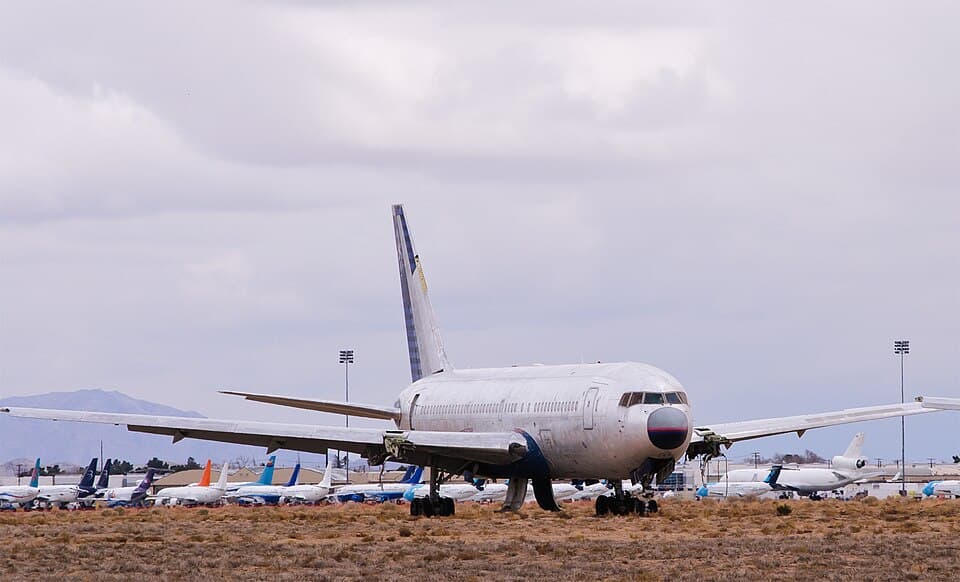
All airplanes have a last flight. Sometimes it lands at a desert airport, gets its logos painted over, and never turns a wheel again. But the story does not end there. Understanding how aircraft parting out works means understanding how a single retired jet turns into hundreds of parts that keep other airplanes flying for years.
It is a careful business. Crews do not attack an airframe with saws and hope for the best. They plan the sequence, protect the paperwork, and pull the most valuable pieces first.
A retired airliner is worth far more as a shelf full of certified components than as a hunk of aluminum, and the gap between those two numbers can be enormous.
Here is the strange part: the plane that stops flying often earns its owner more money than the one still in service.
Key Takeaways
Aircraft parting out is the planned removal of usable parts from a retired airplane so those parts can be inspected, certified, and sold to other operators. The engines usually come off first because they carry most of the value. Then come the auxiliary power unit, landing gear, avionics, and hundreds of smaller parts. What is left over gets stripped of hazardous fluids and recycled for metal. The whole process is guided by strict records, because a part without paperwork cannot legally go back on an airplane.
| Question | Short Answer |
| What is parting out? | Taking a retired aircraft apart to sell its usable components |
| Why do owners do it? | The sum of the parts often beats the value of the whole aircraft |
| What comes off first? | Engines, APU, and easy-to-reach avionics and equipment |
| What makes a part sellable? | Traceable records and an approved airworthiness release |
| How long does it take? | Physical teardown often runs a few weeks; selling parts can take years |
| Who does the work? | Approved disassembly facilities, often accredited by industry bodies |
| What happens to the shell? | Fluids and hazardous materials are removed, then the metal is recycled |
Flying411 keeps a close eye on this side of aviation, since the same marketplace that lists complete aircraft also connects buyers with engines, avionics, and certified parts pulled from retired airframes.
What Parting Out an Aircraft Really Means
Parting out is the planned harvesting of components from an aircraft that will never fly again. The goal is simple. Take the pieces that still have life in them, prove they are safe, and sell them to owners and shops that need them.
The parts that come off are known in the trade as used serviceable material, or USM. They are not new, but they are not junk either. They have been inspected, tested, and released for service under approved procedures.
Think of it like a well-run salvage yard for cars, except every single item carries a birth certificate and a medical history.
Good to Know: In everyday conversation, "part-out," aircraft teardown, and aircraft disassembly get used almost interchangeably. In the industry, part-out often points at pulling specific high-demand components, while teardown describes stripping the airframe more broadly.
Part-Out vs Storage vs Scrapping
These three outcomes look similar from the fence line but mean very different things.
- Storage: The aircraft is parked and preserved. Engines are covered, systems are protected, and the plane could fly again if the market improves.
- Part-out: The aircraft is retired for good, and its components are harvested for resale.
- Scrapping: The airframe is demolished for raw material with little or no parts recovery.
Most retired airliners pass through storage first. That pause gives the owner time to weigh the options instead of making a rushed call.
Why Owners Choose to Part Out an Aircraft
The decision almost always comes down to math. An owner compares what the aircraft is worth flying against what it is worth in pieces.
When the Parts Beat the Whole
Older aircraft carry expensive obligations. Engines need overhauls. Landing gear needs periodic heavy work. Avionics need updates to meet current airspace rules. Each of those bills can run into serious money, and none of them add much to the resale price of a tired airframe.
Once those costs stack up past the market value of the aircraft, the numbers flip. The owner would be spending a fortune to keep an asset that buyers do not want. Meanwhile, the shops that maintain newer versions of the same model are hungry for the exact components sitting on that airplane.
That is the moment part-out starts to look attractive.
Common Triggers for Retirement
- Run-out engines that need a shop visit costing more than the aircraft is worth
- A major inspection coming due, since maintenance check intervals get more expensive as airframes age
- Fuel economics, where newer types burn far less per seat
- Fleet simplification, when an operator drops an older model entirely
- Damage or an incident that makes repair uneconomic
- Strong parts demand for that specific model, which raises the harvest value
Why It Matters: Retirement is rarely about an airplane wearing out. Well-maintained airframes can serve for decades, and how long a Boeing 737 lasts depends far more on economics than on metal fatigue alone.
Owners also watch depreciation closely. The steep early value drop is one reason aircraft depreciate so fast compared to other big machines, and the tail end of that curve is where part-out decisions live.
How Aircraft Parting Out Works, Step by Step
Here is the full sequence, from the boardroom decision to the last bin of scrap aluminum. Every serious teardown follows a version of these ten steps.
1. Valuation and the Retire-or-Fly Decision
Before anything is touched, the owner runs two numbers side by side. One is the flying value. The other is the part-out value, which adds up engines, APU, gear, avionics, interiors, and scrap metal.
Appraisers help here. The way commercial aircraft appraisals work involves market data, maintenance status, and demand for that model. Owners who want a starting point often begin with a simple aircraft value estimate before calling in a formal appraisal.
2. Records Review and Building the Harvest List
This step gets skipped by amateurs and obsessed over by professionals. Someone has to comb through the maintenance records and confirm what each component is, where it came from, and how much life it has left.
Out of that review comes the harvest list. It names the parts worth pulling, in the order they should come off. A typical commercial harvest list runs from several hundred to around a thousand items.
Heads Up: Incomplete records are one of the fastest ways to lose money in a teardown. A perfectly good part with missing history is often worth a fraction of the same part with a clean file.
Records matter so much that maintenance records affect resale value even before an aircraft reaches retirement.
3. Picking a Facility and Positioning the Aircraft
Next the owner chooses where the work happens. Some teardowns take place at dedicated disassembly centers. Others happen wherever the aircraft is already parked, with a mobile crew flying in.
Selection usually comes down to a few factors:
- Location and cost of ferrying the aircraft there
- Available parking and hangar space
- Regulatory approvals held by the facility
- Industry accreditation for responsible disassembly
- Track record with the specific aircraft type
Many operators look for accreditation from the Aircraft Fleet Recycling Association, known as AFRA, which publishes best practice guides for disassembly and recycling.
4. Preparation and Safety Work
Once parked in its final spot, the aircraft gets prepped. Liveries and identifying markings are painted over so the retired jet cannot be confused with an active one. Engine inlets, exhausts, and openings get covered.
Crews also handle the messy items early:
- Draining fuel, oil, and hydraulic fluid
- Removing oxygen bottles and pressurized cylinders
- Disarming evacuation slides and pyrotechnic devices
- Managing batteries and other hazardous materials
Pro Tip: Ask any facility how it documents hazardous material handling. Good answers are specific and written down. Vague answers are a warning sign.
5. Engine and APU Removal
The engines come off early, and for good reason. On a typical end-of-life narrowbody with serviceable engines, the powerplants can represent the majority of the total recovery value.
An engine has several possible futures:
- Sold outright to another operator
- Leased out as a spare with remaining "green time"
- Sent to a shop for overhaul and returned to service
- Torn down itself for its own module and piece-part inventory
Engine work needs specialized tooling, trained technicians, and purpose-built shipping stands. Understanding how engine overhauls work helps explain why a used engine with time remaining is such a prize. Demand also shifts with the fleet, which is why the differences between the CFM56 and LEAP shape which engines hold value best.
The auxiliary power unit follows close behind. It is compact, valuable, and easy to ship.
6. Avionics, Interiors, and Line Replaceable Units
With the big items secured, crews move through the cabin and flight deck. Line replaceable units, or LRUs, are components designed to be swapped quickly. That design makes them ideal harvest candidates.
Common pulls include:
- Flight deck displays, radios, and navigation boxes
- Hydraulic pumps, actuators, and valves
- Wheels, brakes, and tires
- Cabin seats, galleys, lavatories, and overhead bins
- Doors, windshields, and control surfaces
Cabin items sometimes surprise people. Seats and galleys have real value to operators refreshing older fleets.
7. Landing Gear and Structural Items
Landing gear usually comes off near the end, since the airframe needs something to stand on while the rest of the work happens. Crews often swap in temporary wheels or place the fuselage on jacks and cradles.
Gear assemblies are heavy, complex, and expensive to overhaul, which makes serviceable used gear a strong seller.
Keep in Mind: Landing gear is tracked by serial number and life history. A gear leg without complete records is a very different product from one with a full file, even if they look identical.
8. Inspection, Repair, and Certification
A part removed from an airplane is not sellable yet. It has to be inspected, cleaned, tested, and released by an approved shop before it can legally go on another aircraft.
That release comes as an airworthiness approval tag. In the United States that is FAA Form 8130-3. In Europe it is the EASA Form 1. The differences between the two forms matter a great deal for cross-border sales.
Buyers should also know how to verify a part is airworthy before money changes hands.
9. Marketing and Selling the Inventory
Now the parts hit the market. High-demand items such as engines, APUs, gear, wheels, and brakes tend to move within months. Slower-moving avionics and structural pieces can sit in a warehouse for years waiting for the right buyer.
Sellers usually work several channels at once:
- Certified parts distributors
- Online aviation marketplaces
- Direct sales to airlines and MRO shops
- Auctions and bulk lot sales
Relying on a single channel is one of the most common ways to leave money behind.
10. Airframe Dismantling and Recycling
Once the harvest list is complete, the shell remains. Crews cut the fuselage and wings into manageable sections and sort the materials. Aluminum makes up the bulk of it, with smaller amounts of titanium, steel, copper wiring, and composites.
Modern aircraft recycling operations recover a very high share of the airframe by weight. Very little goes to a landfill when the job is done properly.
Flying411's marketplace lists overhauled and serviceable engines alongside certified parts and avionics, which makes it a practical place to look when a teardown inventory needs buyers.
What Comes Off First, and Why
The removal order is not random. It follows value, ease of access, and what the market wants right now.
| Component | Typical Priority | Why It Ranks There |
| Engines | First | Highest value, strongest demand |
| APU | Early | Valuable, compact, easy to ship |
| Avionics and flight deck units | Early | Quick to remove, high resale interest |
| Wheels, brakes, tires | Middle | Steady demand from active fleets |
| Hydraulic and pneumatic LRUs | Middle | Common repair items for MRO shops |
| Interior items | Middle | Useful for cabin refresh projects |
| Landing gear | Late | Needed to support the airframe |
| Structure and skin | Last | Recycled for raw material |
Fun Fact: Aviation has long been known as one of the most thorough recyclers in heavy industry. A retired airliner is picked over so carefully that the leftover metal is often the smallest part of the story.
The Paperwork Is the Product
Here is the truth that catches newcomers off guard. In the used parts world, the documentation is worth as much as the hardware.
Traceability Is Everything
Traceability means a clear, unbroken paper trail showing where a part came from and what has happened to it. Buyers want to see removal tags, the aircraft it came off, total time and cycles, and the release paperwork.
Learning how part traceability documentation is assembled explains why teardown crews tag and log every item as it comes off. Identifying the hardware correctly matters too, and knowing how to read Boeing part numbers is a basic skill in the trade.
Life-Limited Parts Have a Hard Stop
Some components have a fixed limit measured in flight hours or cycles. When the limit is reached, the part comes off permanently, no matter how good it looks. The rules around life-limited parts make records absolutely mandatory for these items.
Rotables, Expendables, and Where the Money Sits
Not every part is meant to be reused. The split between rotable and expendable parts shapes the harvest list, since rotables can be repaired and returned to service again and again.
Quick Tip: If a seller cannot produce a clean tag and a source for a used part, walk away. Price is never worth the risk.
Watch for Bogus Parts
The market has a dark corner. Counterfeit and improperly documented components do circulate, and knowing how to spot counterfeit aircraft parts protects both safety and money.
Buyers also weigh their sourcing options. The tradeoffs between USM and OEM parts come down to cost, lead time, and availability. Approved aftermarket alternatives add another layer, and understanding what a PMA part is rounds out the picture.
How Much Is a Parted-Out Aircraft Worth
There is no single number. Value swings with aircraft type, engine condition, records quality, and market timing.
Still, the general shape of the pie is consistent. For an end-of-life narrowbody with serviceable engines, industry sources commonly describe engines as the largest share of recovery value, with airframe components such as avionics, gear, and the APU making up much of the rest. Scrap metal usually contributes the smallest slice.
Costs That Eat Into the Total
Part-out is not free money. The expenses include:
- Ferry flight or transport to the teardown site
- Parking, storage, and preservation
- Labor for disassembly
- Shipping stands, crates, and freight
- Inspection, repair, and certification fees
- Warehousing while inventory sells
- Marketing and sales commissions
Owners who understand direct and indirect operating costs tend to model teardown economics more realistically, because the same discipline applies.
Timeline Expectations
The physical teardown of a commercial aircraft often takes several weeks. Selling the inventory takes far longer. Many teardown programs are treated as multi-year investments, with the fastest-moving items covering costs early and the long tail providing profit later.
Good to Know: Part-out returns arrive slowly. Anyone expecting a quick cash-out is usually better off selling the aircraft whole, even at a lower headline price.
Understanding what determines a commercial aircraft's value helps frame the comparison, and aircraft residual value is the concept that sits underneath every retirement decision.
Which Aircraft Get Parted Out Most Often
Older narrowbodies dominate the teardown market simply because there are so many of them. Widebodies come through in smaller numbers but carry higher value per airframe.
Type popularity drives everything. Parts from a model with thousands of active examples sell quickly. Parts from a rare model can sit for years.
- Aging narrowbodies feed the largest and steadiest parts demand
- Older widebodies deliver high-value engines and gear
- Out-of-production types often see rising parts values as spares get scarce
- Newer generation aircraft rarely get parted out, since they are still in service
Fleet strategy plays a role too. The reasons Boeing retired the 747 and the question of what replaced the 757 both trace back to the same economics that push airframes toward teardown.
Comparisons help explain which models stay flying and which head for the desert. The gaps between the 737 NG and MAX, the matchup between the 737 MAX and A320neo, and the details in the 737 MAX specifications all shape fleet planning. So do older comparisons like the 737-800 and the MAX.
Widebody choices follow the same logic. Operators weighing the 747 against the 777, the A380 against the 747, the 777 against the 787, and the A350 against the 777 are making decisions that eventually send someone's airframe to a disassembly line.
Fun Fact: Boeing's model numbering is said to trace back to a simple internal system for organizing projects, and the reason behind the 7x7 naming pattern is a favorite piece of aviation trivia.
Not every airframe ends in a teardown. Prototypes and one-off test aircraft, including famous experimental fighter prototypes, often head to museums instead.
Price expectations matter as well. The realities behind what a Boeing 737 costs, what a Boeing 747 costs, and why used 737s stay expensive all influence when an owner decides the parts are worth more. The gap between list price and actual price is another reminder that headline numbers rarely tell the whole story.
Part-Out vs Freighter Conversion vs Continued Service
Teardown is one of three main exits for an end-of-life aircraft. Here is how they compare.
| Option | Best For | Main Tradeoff |
| Continued service | Airframes with good engines and cheap upkeep | Rising maintenance costs over time |
| Freighter conversion | Types with strong cargo demand | Large upfront conversion investment |
| Part-out | Aircraft with run-out engines or no buyers | Slow return, requires expertise |
Cargo conversion has rescued many airframes from the boneyard. The process behind passenger to freighter conversion turns cabins into cargo decks, and the conversion cost breakdown shows why only certain types qualify.
Some models are especially well suited. The reasons the 767 makes a strong freighter include cabin dimensions and range, while the 757's grip on cargo routes comes from its runway performance. Operators also compare converted and factory-built freighters, and payload questions like how much cargo a 767 can carry drive the decision.
Airlines run the same comparison using cost per seat metrics. The method behind cost per available seat mile is often the number that decides an aircraft's fate.
Ready to see what your aircraft, engine, or parts inventory could bring on the open market? List it on Flying411 and put it in front of buyers who are already looking.
Where Aircraft Teardowns Happen
Dry climates win. Low humidity slows corrosion, which protects both the airframe and the components inside it.
In the United States, well-known storage and disassembly locations sit in Arizona, California, and New Mexico. Similar facilities operate in Europe, Australia, and other regions.
These sites offer:
- Wide open ramp space for parked airframes
- Dry air that protects stored components
- Runways long enough for arriving jets
- Established crews and approved shops nearby
Heads Up: A "boneyard" is not one thing. Some fields are long-term storage for aircraft that may fly again. Others are active disassembly operations. The same airport can host both.
What Happens to the Leftover Airframe
After the harvest, the structure gets processed. Crews remove remaining fluids and hazardous items, then cut the airframe into sections.
Materials are separated into streams:
- Aluminum alloys, which make up the largest share
- Steel and titanium from structural fittings
- Copper from wiring bundles
- Composites, which are harder to recycle
- Plastics, foam, and cabin materials
Some sections find second lives outside aviation. Fuselage barrels become furniture, art, or training props. Cabin sections get used for emergency response training.
Pro Tip: If your project needs a specific structural piece, ask disassembly facilities directly. Items that never make a formal harvest list are sometimes available for the asking.
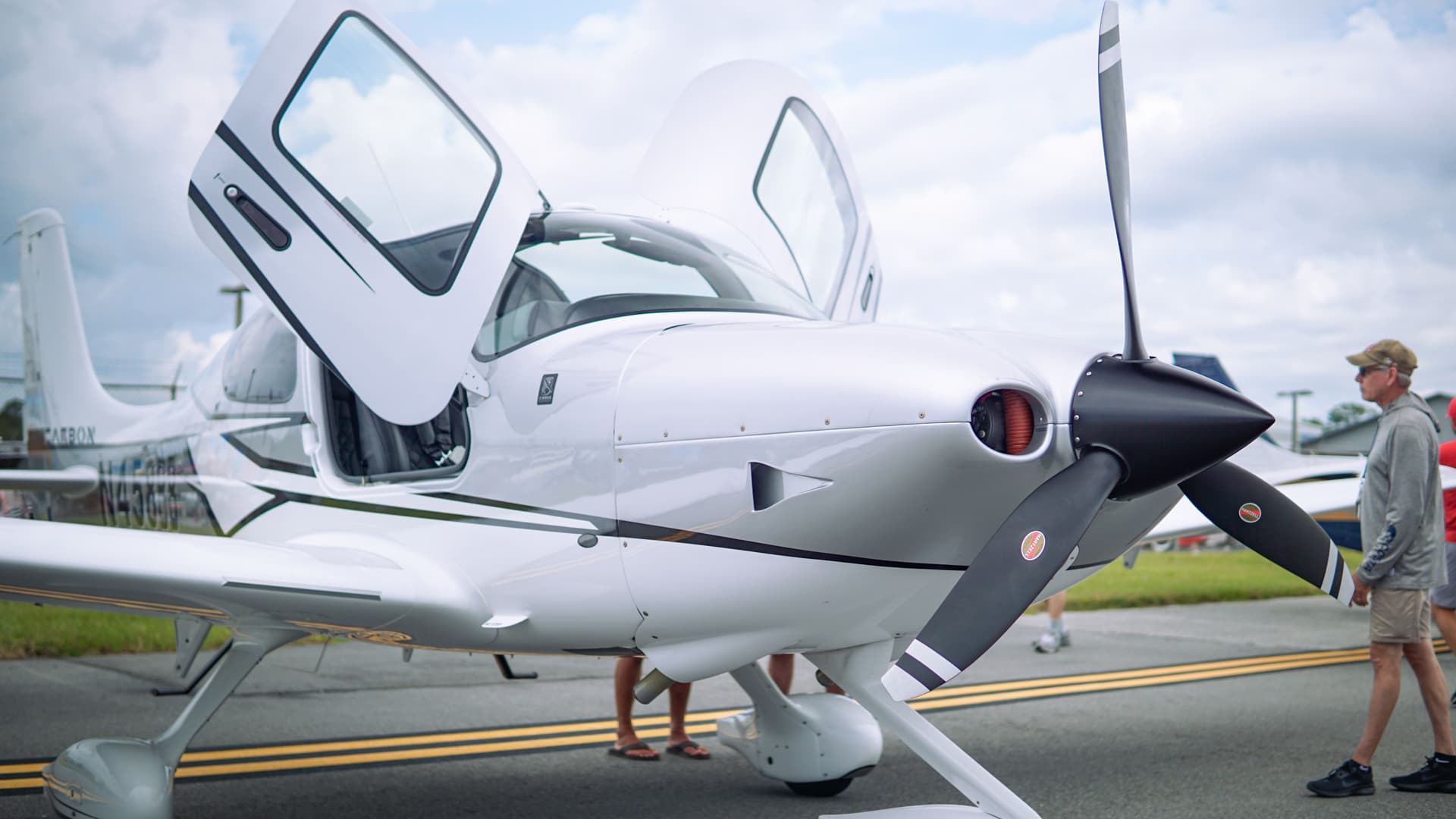
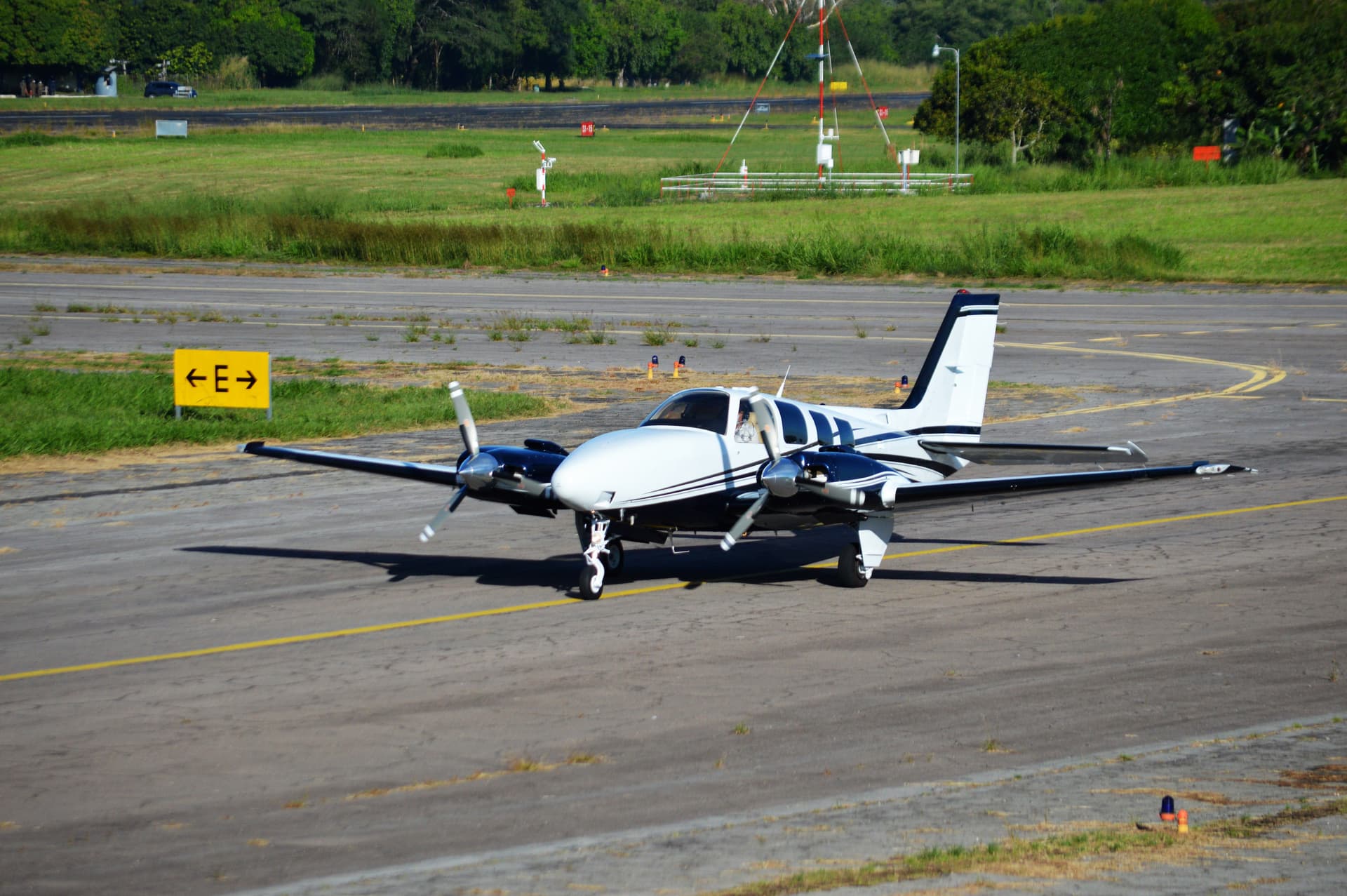
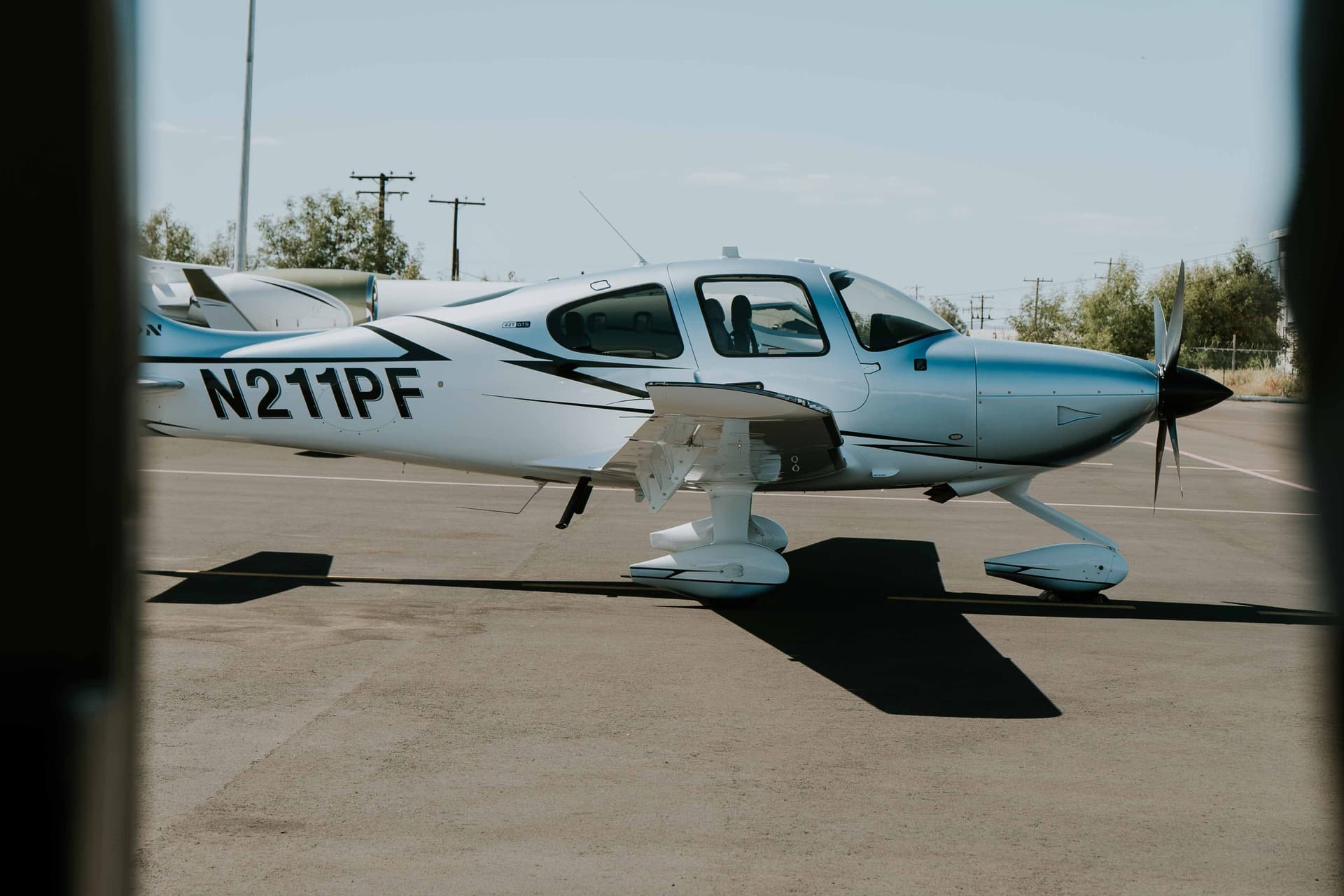
Parting Out Smaller General Aviation Aircraft
The same logic applies to piston singles, twins, and light turbines, only at a smaller scale.
A damaged or high-time light aircraft may be worth more as parts than as a repair project. Engines, propellers, avionics, control surfaces, and interior parts all have active markets among owners keeping older fleets flying.
The principles do not change:
- Confirm what the complete aircraft is worth first
- Check the logbooks and identify what has value
- Remove parts carefully and tag them immediately
- Use approved shops for anything requiring certification
- Sell through channels where buyers already shop
- Handle fluids, batteries, and the data plate properly
- Keep records of what was sold and to whom
Keep in Mind: The aircraft data plate and registration paperwork are legally sensitive. Handle them by the book and follow the correct deregistration steps.
Common Misconceptions About Parting Out
"It is just scrapping." No. Scrapping destroys value. Part-out preserves it through inspection and certification.
"Used parts are unsafe." Properly certified USM meets the same airworthiness standards as any other approved part. The tag is what matters, not the age.
"Anyone can do it." The physical work needs trained technicians, the paperwork needs approved shops, and selling needs market access.
"It is a quick payday." The high-value items may move fast, but full recovery typically stretches across years.
Conclusion
Once you see how aircraft parting out works, the desert rows of parked jets stop looking like a graveyard. They look like inventory. Every retired airframe is a supply of engines, gear, avionics, and hardware that keeps the rest of the fleet in the air, and the careful sequence of valuation, harvesting, certification, and recycling is what makes it possible.
The lesson for owners is simple. Know your numbers, protect your records, and choose your partners carefully. The difference between a sloppy teardown and a well-run one shows up directly in the final total.
Every airplane earns its keep twice, once in the air and once in pieces. When you are ready to buy, sell, or value either one, Flying411 is where the aviation market is already looking.
FAQs
Is parting out an aircraft legal for a private owner?
Yes, an owner may part out an aircraft they own, though the sale of certified components generally requires proper documentation and, in many cases, release paperwork from an approved repair station. Registration and data plate handling must also follow the applicable regulations.
Can a parted-out aircraft ever be put back together?
In practice, almost never. Once components are dispersed and certification paperwork is split across many buyers, reassembling the aircraft as an airworthy machine is prohibitively expensive.
Do insurance companies part out damaged aircraft?
Often, yes. When repair costs exceed an aircraft's value, insurers may take ownership of the wreck and recover value by selling undamaged components through aircraft salvage and disassembly specialists.
How do buyers know a used part came from a legitimate teardown?
They review the trace documentation, which usually includes the removal tag, the source aircraft identity, time and cycle records, and an airworthiness release from an approved shop.
Are interior items like seats and galleys worth harvesting?
They can be. Operators refreshing older cabins and companies building simulators or training mockups regularly buy used interior components, though these items typically sell more slowly than engines or landing gear.