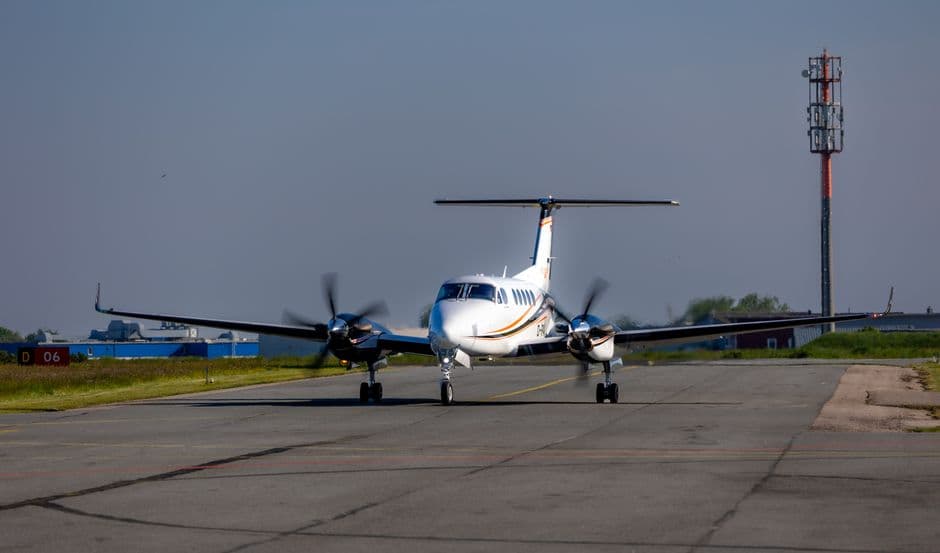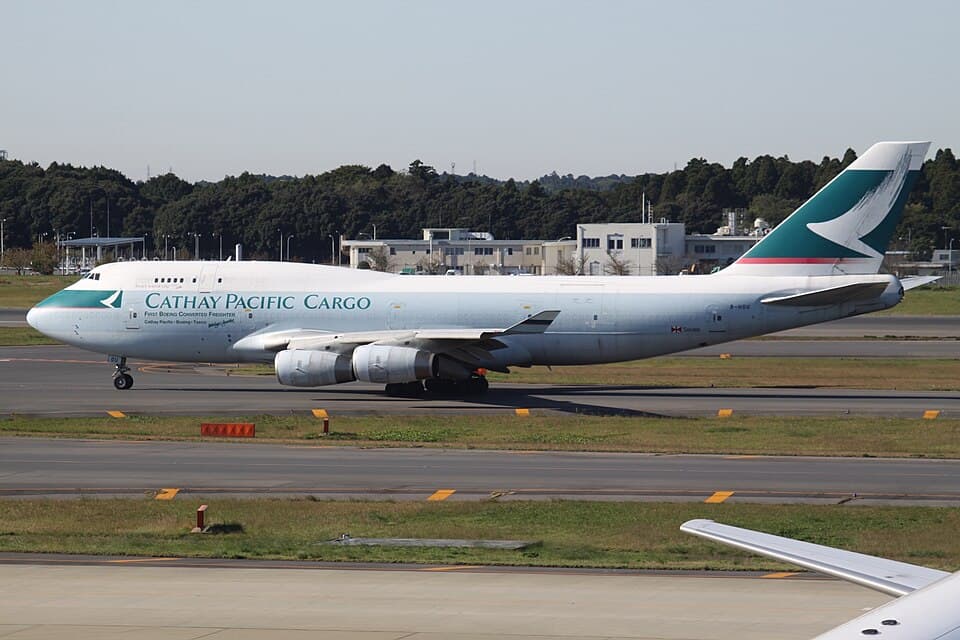
Two cargo jets can sit side by side on the same ramp, haul the same pallets to the same city, and look almost identical from a hundred feet away. One rolled out of the factory as a freighter. The other spent fifteen years hauling vacationers before someone cut a giant door into its side.
The differences between converted freighter vs factory built freighter shapes billions of dollars in fleet planning every year, and the answer is rarely the same twice.
Look closely at the fuselage and the plane will tell you its whole life story.
Key Takeaways
A factory built freighter is designed and assembled as a cargo aircraft from the very first rivet, while a converted freighter starts life as a passenger jet and is later rebuilt for cargo work. Factory freighters usually carry more weight, burn less fuel, and last longer before major work is needed. Converted freighters cost far less up front and can join a fleet in months instead of years. Neither one wins every time. The right pick depends on the route, the budget, and how long the operator plans to keep the airplane.
| Factor | Factory Built Freighter | Converted Freighter (P2F) |
| Starting point | Built new as a cargo aircraft | Used passenger jet, later modified |
| Approval type | Covered by the original type certificate | Approved through a Supplemental Type Certificate |
| Up front cost | Highest in the segment | Often a fraction of a new build |
| Wait time | Often years, subject to order slots | Roughly three to six months in the shop |
| Structural payload | Generally higher | Usually a bit lower for the same model |
| Windows | Smooth, windowless fuselage | Window plugs, often still visible |
| Remaining life | Full service life ahead of it | Adds many more years to an aging airframe |
| Best fit | Long haul, high use, dense networks | Regional and feeder routes, budget growth |
Flying411 keeps a running marketplace of aircraft, engines, and certified parts, along with the service providers who keep cargo fleets flying. It is a useful place to see what freighter feedstock and support really look like on the open market.
What a Factory Built Freighter Really Is
A factory built freighter is a cargo airplane that was born a cargo airplane. Boeing and Airbus design these aircraft for freight from the start. The blueprints assume pallets, not people.
That difference shows up everywhere. The floor is built strong from day one. The cargo door is part of the original structure. The systems that cool, pressurize, and monitor the main deck are designed around boxes instead of passengers.
Because the design is planned as a whole, engineers can shave weight in places a conversion never can. There are no window frames to reinforce. There is no leftover plumbing for galleys and lavatories that nobody needs. Every pound saved is a pound of freight the airplane can carry instead.
Good to Know: Factory freighters have smooth, windowless sides for a reason. Cutting windows into a fuselage means adding structure around each one, and that structure adds weight. Skipping windows makes the airplane both cheaper to build and lighter in the air.
What Purpose Built Design Buys You
New build freighters tend to lead their class in a few specific areas:
- Higher structural payload for the same fuselage size
- Modern engines with better fuel burn per ton carried
- Full remaining service life, since the airframe starts at zero hours
- Manufacturer support baked in from delivery day
- Clean maintenance history, with no inherited surprises
That last point matters more than people expect. A brand new airframe comes with no corrosion, no patched repairs, and no mystery entries in the logbook. For an operator planning to fly the same jet for decades, that clean sheet has real value.
The trade is simple. All of that costs money, and a lot of it.
What a Converted Freighter Is and Why It Exists
A converted freighter is a passenger jet that has been rebuilt to carry cargo. The industry calls this a passenger-to-freighter conversion, or P2F for short. The airplane keeps its wings, engines, and basic structure. Almost everything inside changes.
The idea is older than most people think. Airlines were reinforcing floors and cutting cargo doors into early jets decades ago, long before computers helped with the math. Modern conversions are far safer, lighter, and faster than those early efforts.
Here is why the model works so well. A passenger jet often reaches a point where it is no longer the right tool for hauling people. Cabins look dated. Fuel burn per seat lags newer models. Heavy maintenance is coming due. The airframe itself, though, may still have plenty of life left.
Cargo does not care about seat pitch or seatback screens. Freight cares about volume, weight, and cost per trip.
Why It Matters: Conversion turns a depreciating passenger asset into a productive cargo asset. It can add many additional years of earning power to an airframe that would otherwise head toward the desert. That single fact keeps the entire secondhand widebody market alive.
Inside the Conversion Process
The work is far more involved than pulling out seats. A certified conversion typically includes:
- Complete interior strip out. Seats, galleys, lavatories, overhead bins, sidewalls, and insulation all come out.
- Floor reinforcement. Floor beams are strengthened or replaced entirely, and cargo rated floor panels go in.
- A new main deck cargo door. A large opening is cut into the fuselage and reinforced, with hydraulic or electric operation.
- A 9G rigid barrier. A strong wall or net goes in behind the cockpit so cargo cannot shift forward into the crew.
- Cargo handling systems. Powered rollers, ball mats, guides, and floor locks let ground crews move heavy loads quickly.
- Fire and smoke protection. Main deck smoke detection and suppression systems are added to meet cargo compartment rules.
- Systems changes. Air conditioning, pressurization, and electrical systems are reworked for a deck with no passengers.
- Window plugs. Passenger windows are sealed with lightweight plugs that are cheaper and lighter than glass.
The airplane usually goes through heavy maintenance and inspection at the same time. Two big jobs, one trip to the hangar. If you want the full engineering walkthrough, the details of how a P2F conversion works go deeper than most people expect.
Fun Fact: Converted freighters are often easiest to spot on a dirty airplane. The lightweight window plugs sit slightly differently in the skin, so faint circles show through the paint in rows down the side of the fuselage.
How to Tell the Two Apart from the Ramp
You do not need a logbook to identify a converted freighter. A few visual clues give it away.
Look for window plugs. Rows of round outlines down the fuselage almost always mean a former passenger jet. A factory freighter has smooth sides with nothing there at all.
Check the door placement. Passenger door outlines that are painted over but still visible point to a conversion. Some conversions keep one or two doors active for crew access.
Watch for the nose. A handful of older factory freighters, most famously certain 747 variants, load through a hinged nose. No converted airplane offers that.
Count the crew windows on the upper deck. On certain widebody freighters, small windows near the top mark crew rest and jumpseat areas rather than a passenger cabin.
Quick Tip: If you see a cargo jet with visible window circles and a huge door forward of the wing, you are almost certainly looking at a conversion. Factory freighters keep their skin clean.
Converted Freighter vs Factory Built Freighter: 9 Differences That Decide the Deal
The two paths lead to airplanes that do the same job in noticeably different ways. Here is where the real separation happens.
1. Up Front Purchase Price
This is usually the first and biggest fork in the road. A new build widebody freighter sits at the top of the price range in commercial aviation. A conversion typically costs a fraction of that number, because the airframe is already bought and paid for by someone else's depreciation.
The P2F conversion cost covers only the modification work and the feedstock aircraft. Narrowbody conversions land in the single digit millions for the shop work. Widebody conversions run considerably higher, and large twin conversions higher still. Even so, the total sits well below a factory delivery of similar size. A full breakdown of conversion pricing shows how quickly the line items add up.
For smaller operators, this gap is not a preference. It is the difference between growing a fleet and not growing at all.
2. How Long You Wait
New freighter order slots are scarce. Popular production lines are booked out years in advance, and delivery delays are common across the industry. If an operator wants lift for next winter's peak season, a factory order rarely helps.
Conversions move on a very different clock. A narrowbody conversion commonly takes around three months in the shop. Widebody work often runs closer to six months. Add feedstock sourcing and inspections, and an operator can still add capacity inside a year.
Heads Up: Conversion slots are not unlimited either. Shop capacity, structural kit supply, and qualified engineers all cap how many airplanes can move through the system in a year. Popular programs book out well ahead.
3. Payload Capability
Factory freighters generally carry more. The structure was optimized for weight from the start, so more of the maximum takeoff weight goes to revenue cargo instead of airframe.
Conversions carry the extra weight of a structure that was designed for a different mission. Reinforcement plates, added beams, and the new door surround all add pounds. For the same fuselage, a conversion usually shows a somewhat lower structural payload than its factory built cousin.
There are exceptions worth noting. Some large conversion programs take a bigger passenger variant and turn it into a freighter with more volume than the factory model built on a shorter fuselage. Volume and weight are not the same thing, and dense cargo versus light cargo changes which one matters.
| Consideration | Which Type Usually Leads |
| Maximum structural payload | Factory built |
| Cargo volume for the money | Converted, in many cases |
| Fuel burn per ton | Factory built, especially newer models |
| Cost per trip on short sectors | Converted |
| Outsized cargo access | Factory built, where nose loading exists |
4. Cargo Doors and Loading
Door design is where purpose built airframes flex. A factory freighter's main deck door is engineered into the original structure, sized for the pallets the airplane is meant to carry.
Nose loading is the standout example. A few factory freighters can swing the entire nose open and swallow long, awkward cargo that no side door will accept. Generators, engines, and vehicles all fit.
Here is the twist. Most new freighter designs coming to market load through side doors only. That narrows the historic advantage considerably. When both types load the same way, the door gap becomes far less important than the price gap.
5. Fuel Burn and Engine Technology
Newer factory freighters ride on newer engines. That means better fuel burn and, in many cases, lower emissions per ton mile. Over thousands of long haul flights, small percentage gains turn into serious money.
Conversions inherit whatever generation of engine the donor airplane carried. Sometimes that is fine. A well maintained engine on a mid-life airframe can be perfectly competitive on shorter sectors where fuel is a smaller share of trip cost. The differences between older and newer engine families explain a lot of the gap in operating economics.
The shorter the route, the less the fuel advantage matters. The longer the route, the more it does.
Keep in Mind: Fuel is only one line on the ledger. Ownership cost, crew, maintenance, and landing fees all move the total. Understanding direct and indirect operating costs matters more than chasing a single number.
6. Maintenance Burden
A new freighter starts with a clean slate. Inspections are far apart at first, and major structural work sits well in the future.
A converted freighter arrives with history. The airframe has flight hours and cycles behind it, and heavy checks arrive sooner. Corrosion, fatigue, and past repairs all need attention before and during conversion. That is one reason conversion candidates get inspected so carefully before anyone commits.
The maintenance calendar drives real planning decisions, since check intervals determine how many days a year the airplane earns nothing. Good records help enormously here, because maintenance documentation affects value at every stage of an airframe's life.
Flying411 lists overhauled and serviceable engines along with certified parts and avionics, which is exactly the supply chain a converted freighter leans on once it enters cargo service.
7. Remaining Service Life
A factory freighter has its whole life ahead of it. Decades of flying, if the operator wants it.
A conversion extends a life that is already partly spent. Industry practice generally treats a good conversion as adding many additional years of useful service. That is a strong return on a modest investment, but it is finite. Buyers plan around it rather than ignoring it.
The question of how long a jet airframe lasts usually comes down to cycles and structural condition rather than calendar years alone.
8. Certification Path
This one is invisible from the ramp but hugely important on paper.
A factory freighter is covered under the manufacturer's original type certificate. The cargo version is an approved model in the family.
A converted freighter is approved through a Supplemental Type Certificate, or STC. The conversion house designs the modification, proves it meets the rules, and earns approval from the FAA, EASA, or another regulator. Different conversion houses hold different STCs for the same aircraft type, and the details vary between them.
Two converted airplanes of the same model can have meaningfully different payloads, door sizes, and system layouts depending on whose STC was used. Buyers check this early.
Pro Tip: Always confirm which STC a converted freighter carries and which authorities validated it. Cross border operations get complicated fast if a conversion is approved in one jurisdiction but not another.
9. Residual Value and Resale
New freighters hold value differently than conversions. A factory aircraft depreciates from a very high starting number, and the drop in the early years can be steep. The reasons aircraft depreciate quickly apply to cargo jets as much as passenger models.
Conversions start from a lower base, so there is simply less altitude to lose. On the other hand, the pool of buyers for an older converted widebody is smaller, and future rules on emissions or noise could pressure values sooner.
Appraisers look at both types through the same lens: condition, records, remaining life, and market demand. That is the core of what drives a commercial aircraft's value at any point in its life.
Good to Know: Freighter values swing with global trade cycles. A soft cargo market can push yields down and stall conversion orders quickly, while a boom sends both new build and conversion demand through the roof.
What Drives the Cost of a Conversion
The sticker figure people quote for a conversion covers shop work. The real number an operator pays includes several parts.
- Feedstock aircraft. The used passenger jet itself, priced by age, cycles, engines, and condition.
- Conversion work. Doors, floors, barriers, systems, and certification paperwork.
- Concurrent heavy maintenance. Checks and repairs completed while the airplane is already apart.
- Engine condition. Time remaining before overhaul, which can shift the deal by millions.
- Life limited components. Parts with hard retirement limits, since life limited parts must be replaced regardless of condition.
- Downtime cost. Months of no revenue while the airplane sits in the hangar.
Engine status deserves extra attention. An airframe with tired engines can look like a bargain right up until the shop visit bill arrives. Understanding how engine overhauls work is essential before signing anything.
Curious what your airframe is worth before you commit to a conversion or a sale? Start with a free aircraft valuation from Flying411 and work from real numbers.
Which Aircraft Make Good Conversion Candidates
Not every retired airliner is worth converting. Conversion houses look for a specific profile.
Good candidates usually share these traits:
- A wide, roomy fuselage cross section that fits standard pallets efficiently
- A large existing fleet, which means plenty of feedstock and parts support
- Reasonable age, often somewhere in the mid-life window rather than truly old
- Clean structural condition with minimal corrosion
- Engines with useful time remaining
- Complete, traceable maintenance records
The mid-size widebody segment has long been a favorite for exactly these reasons. The case for the 767 as a conversion platform rests on fuselage shape, fleet size, and a long track record in cargo service.
Narrowbodies dominate the smaller end. Regional and feeder cargo networks run almost entirely on converted single aisle jets, since no manufacturer builds a modern narrowbody freighter from scratch.
Fun Fact: Some widebody types are widely known as cargo airplanes even though the factory never built a freighter version of them at all. Every single one flying freight today started life carrying passengers.
At the very top of the market, the largest conversions target big twins that airlines are beginning to retire from passenger service. Those programs exist partly because new production of the biggest freighters is limited and partly because the largest quad jets are leaving service after decades of hauling the world's freight.
Who Chooses Which, and Why
Different operators land in different places, and their reasoning is usually consistent.
Integrators and global express carriers run mixed fleets. They order factory freighters for the long haul backbone routes where fuel efficiency and reliability dominate, then fill regional networks with conversions. High utilization justifies the new build price on the trunk routes.
Scheduled cargo airlines on long haul intercontinental routes lean toward factory aircraft. Long sectors magnify every fuel and payload advantage.
Regional and feeder operators almost always fly conversions. Short sectors, lower daily utilization, and tight capital budgets all favor the cheaper airframe.
Charter and ACMI operators like conversions for flexibility. Lower capital exposure makes it easier to add or shed capacity as contracts change.
Lessors play both sides. They order new build lift for long term placements and sponsor conversions to keep older assets earning.
Why It Matters: Industry forecasts continue to project that a large share of freighter fleet growth over the next two decades will come from conversions rather than new production. Conversions are not a stopgap in this market. They are a structural part of the air cargo fleet.
Common Myths About Converted Freighters
A few misunderstandings come up again and again.
Myth: Converted freighters are less safe. Conversions are certified under the same regulatory framework as any other modification, with structural testing and regulator approval required. The 9G barrier, the fire protection systems, and the reinforced floor all exist because the rules demand them.
Myth: A conversion is just seat removal. The airplane is partially disassembled and rebuilt. Structure is cut, replaced, and re-certified.
Myth: Old means worn out. Age matters less than cycles and condition. A high time airframe with careful maintenance can outlast a younger jet with a rough history.
Myth: Conversions always beat new builds on cost. On very high utilization long haul routes, the fuel and payload advantage of a modern factory freighter can close the gap over enough years.
Heads Up: Parts sourcing looks different for converted fleets. Operators lean on the used serviceable market more heavily, which makes understanding used versus new parts sourcing and rotable versus expendable components part of daily fleet management.
How to Decide Between the Two
There is no universal answer, but there is a reliable process. Work through these questions in order.
- How long are the routes? Long haul favors new build efficiency. Short haul favors low capital cost.
- How many hours per day will it fly? High utilization spreads a big purchase price over more revenue trips.
- How soon is capacity needed? If the answer is this year, conversion is often the only real option.
- What does the cargo look like? Dense freight rewards payload. Light, bulky freight rewards volume.
- How long is the holding period? A ten year plan and a thirty year plan point to different airplanes.
- What is the capital situation? Available cash and financing terms shape everything else.
- What does the exit look like? Resale demand and future regulation both affect the number at the end.
Once those answers are on the table, the choice usually becomes obvious. The airplane follows the mission, not the other way around.
Quick Tip: Run the numbers on cost per trip, not cost per airplane. A cheaper jet that burns more fuel on a long route can quietly cost more over a decade than the expensive one you passed on.
For anyone weighing a purchase, a proper appraisal is the single best investment before signing. The mechanics of how commercial appraisals work and the way residual value is calculated will tell you more about the deal than any spec sheet.
Ready to move on a freighter, an engine, or the parts to support one? Browse current listings and connect with certified aviation professionals on Flying411 today.
Wrapping It Up
The converted freighter vs factory built freighter debate is really a debate about time and money. A new-build freighter gives you maximum payload, modern fuel burn, and decades of clean service life, at the highest price in the market and after a long wait. A conversion gives you working lift in months at a fraction of the cost, with a somewhat smaller cargo aircraft payload and a shorter runway ahead of it.
Both airplanes move the same boxes. Both meet the same safety rules. Both earn their keep in fleets around the world every single day. The smart operators do not pick a side. They match the airplane to the mission and let the math decide.
Whichever direction your fleet plan points, Flying411 is where the aircraft, engines, parts, and people who keep them flying all happen to be in the same place.
Frequently Asked Questions
Can a converted freighter be turned back into a passenger aircraft?
In practice, almost never. The structural changes to the floor, fuselage, and doors are extensive and permanent, and the cost of reversing them would far exceed the value of the airplane.
Do converted freighters need different pilot training than factory freighters?
Pilots hold the same type rating for the model, since flight characteristics are broadly similar. Operators still provide training on cargo specific procedures like loading limits, weight and balance, and main deck fire protection.
Are there factory built narrowbody freighters available today?
Modern single aisle cargo capacity comes almost entirely from conversions. Manufacturers have generally focused new freighter production on widebody models, leaving the narrowbody segment to freighter conversion programs.
How big is the main deck cargo door on a converted aircraft?
A main deck cargo door on a conversion is sized to accept standard pallets and containers, and dimensions vary by aircraft type and by the specific conversion program. Buyers should confirm the exact opening against the cargo they plan to carry.
Does converting an aircraft affect its insurance or lease terms?
Yes, often significantly. Cargo operations, aircraft age, and the specific conversion approval all factor into underwriting and lease conditions, so operators typically renegotiate terms as part of the conversion decision.