For more than fifty years, one shape ruled the sky. You could spot it from a car window, from a beach, from the far side of an airport fence. That famous hump on the nose belonged to the Boeing 747, and for decades it was the plane that carried families across oceans, hauled cargo between continents, and even flew the space shuttle on its back.
Then, on a cold morning in Everett, Washington, the last one rolled out the door. Understanding why Boeing retired the 747 means looking past the nostalgia and into the math that airlines run every single day.
The Queen did not fall because she got old. She fell because the world she was built for stopped existing.
Key Takeaways
Boeing retired the 747 because airlines stopped ordering it. Newer planes with only two engines could fly nearly as far, carry enough people, and burn a lot less fuel. That made the four-engine jumbo too expensive to operate on most routes. Cargo airlines kept the line alive for a while, but the orders slowed to a trickle. Boeing built the final 747 in late 2022 and handed it over in early 2023.
| Question | Short Answer |
| When did production end? | The final 747 was delivered in January 2023, after more than five decades of building. |
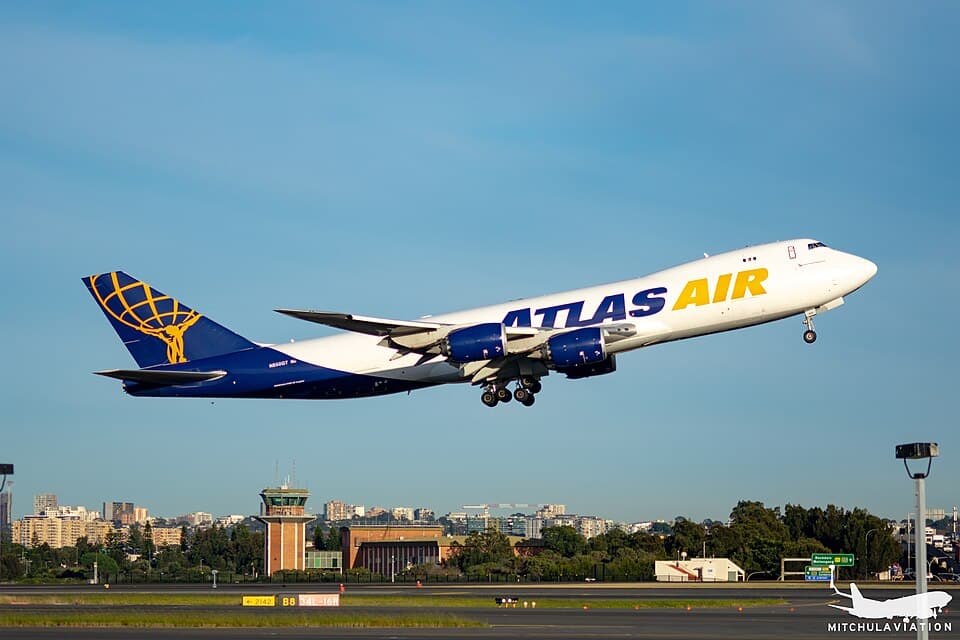
| Who got the last one? | Atlas Air took delivery of the final 747-8 Freighter. |
| How many were built? | Around 1,574 aircraft over the life of the program. |
| Main reason it ended? | Efficient twin-engine widebodies took over long-haul flying. |
| Did the 747 have a problem? | No major flaw. The market changed, not the airplane. |
| Are any still flying? | Yes. A handful of passenger jets and many freighters remain active. |
| What replaced it? | The Boeing 777 and 787, plus the Airbus A350 and A330neo. |
Flying411 tracks the aircraft market as it shifts, from jumbo-era airframes finding second lives to the parts and engines that keep older fleets flying. It is a good place to see where the industry is heading next.
The Plane That Made the World Smaller
Before the 747, flying across an ocean was something most people did once or twice in a lifetime, if at all. Tickets were costly. Planes were smaller. Long trips meant stops along the way.
The 747 changed that. It could carry hundreds of passengers at once, which spread the cost of a flight across far more seats. Airfares came down. Ordinary families started taking overseas vacations. The plane earned the nickname Queen of the Skies and kept it for half a century.
Boeing built the jet at a brand-new factory in Everett, Washington, put up specifically for the program. The building itself became one of the largest structures in the world by volume. The team that pulled it off in a rush became known inside the company as the Incredibles.
Fun Fact: The 747 started life as a losing bid. Boeing's design for a huge military transport did not win the contract, and much of that thinking was reshaped into a commercial airliner instead.
A few things about the 747 stood out right away:
- The hump. The raised cockpit left room for a nose that could swing open on freighter versions.
- The upper deck. Early airlines turned it into a lounge, then later into premium seating.
- The size. Four engines and a wide cabin meant it could haul loads nothing else could touch.
- The range. It connected cities that had never had a direct link before.
That combination made the 747 the backbone of international travel for a generation. It also tied the plane tightly to one particular way of running an airline.
How the 747 Was Built for a Different Kind of Airline
To see why the jumbo faded, you have to understand how airlines used to move people.
For most of the 747's life, carriers ran what is called a hub-and-spoke model. Big planes flew between a small number of major hubs. Smaller planes then fed passengers in and out of those hubs from regional cities. Think of a bicycle wheel. The hub is the center, and every spoke leads back to it.
That system existed for good reasons. Smaller jets simply did not have the range for long ocean crossings. Only large airports had the runways, gates, and ground equipment to handle enormous aircraft. Government rules also limited which airlines could fly which international routes.
In that world, the 747 was perfect. Fill it once a day between two big hubs and the economics worked beautifully.
Then the model started to shift. Airlines began flying point to point, sending passengers straight from one mid-sized city to another without a hub stop in the middle. Travelers loved it. Fewer connections meant shorter trips and less risk of a missed flight.
Why It Matters: Point-to-point flying rewards smaller planes flying more often. A 400-seat jet that leaves once a day loses to a 280-seat jet that leaves three times a day, because passengers pick the schedule that fits their lives.
Once route networks changed, demand for very large aircraft started shrinking. The plane had not gotten worse. The job had gotten different.
The Rule Change That Quietly Doomed the Four-Engine Jet
Here is the part most passengers never hear about, and it may be the single biggest factor of all.
For decades, twin-engine airliners were held to a strict safety rule. They had to stay within about 60 minutes of a suitable airport at all times. The reasoning was simple. If one engine quit, the plane needed somewhere close to land. That rule made ocean crossings nearly impossible for twins, which left long-haul flying to three-engine and four-engine jets like the 747.
Then engines got dramatically more reliable. Regulators responded with a set of standards known as ETOPS, which stands for Extended-range Twin-engine Operational Performance Standards. The allowed distance grew step by step:
- ETOPS-120 opened up many transatlantic routes.
- ETOPS-180 covered the large majority of the planet's airline routes.
- ETOPS-207 and beyond stretched coverage even further.
- Ratings above 300 minutes on modern types put almost every commercial route in reach.
Once a twinjet could fly nearly anywhere a quadjet could, the 747's biggest structural advantage disappeared. And a plane with two engines has real cost benefits over one with four.
Good to Know: Fewer engines does not only mean less fuel. It also means fewer overhauls, fewer spare engines sitting in a warehouse, and fewer parts to track across a fleet.
Fuel is usually among the largest costs an airline faces. When two engines can do the work of four, the choice makes itself.
The Real Reasons Boeing Retired the 747
Plenty of things pushed the jumbo toward the exit. No single one finished it off. Here are the seven forces that mattered most, roughly in order of impact.
1. Twin-Engine Widebodies Simply Cost Less to Fly
The twin-engine widebody changed the math of long-haul flying. Aircraft like the 777, 787, A330, and A350 burn far less fuel per trip than a four-engine jumbo while covering similar distances. Maintenance bills drop too, since there are half as many engines to inspect, repair, and eventually replace.
Airlines run on thin margins. A cost gap that looks small on paper turns into millions of dollars across a year of flying. If you want a closer view of how these newer jets stack up against each other, the differences between the 777 and 787 show how much the industry priorities shifted toward efficiency.
2. Airlines Moved Away From Hub-and-Spoke Flying
As covered above, route networks spread out. Direct flights between smaller cities became normal. A jet built to move 400 people at once became hard to fill on most of those routes.
Empty seats are pure loss. A half-full 747 loses money faster than a nearly full twinjet, even though the twinjet carries fewer people.
3. Boeing's Own Planes Ate the 747's Lunch
This one is a bit ironic. The 777 and 787 were built by the same company, and both drew customers away from the jumbo. The 777 gave airlines high capacity with two engines. The 787 gave them long range with lower risk on thinner routes.
When your newest products outperform your flagship on cost, the flagship starts collecting dust in the order book.
4. The 747-8 Arrived at the Wrong Moment
Boeing modernized the jumbo one last time. The 747-8 Intercontinental brought new engines, a stretched fuselage, redesigned wings, and much better efficiency than earlier models.
The problem was timing. By the time it entered service, most airlines had already committed to twin-engine fleets. The passenger version drew only a modest number of orders, far below what Boeing had hoped for. The freighter version did better, but not well enough to keep a factory humming for long.
Heads Up: A newer version of an old design does not automatically win. Airlines buy for the next twenty years, not the last twenty.
5. Very Large Aircraft Fell Out of Favor Across the Board
The 747 was not alone. The Airbus A380, a bigger double-decker built to take on the jumbo, also ended production after a short run. Both aircraft ran into the same wall. Not enough routes could reliably fill that many seats every day.
The comparison between the A380 and the 747 makes the pattern clear. Two very different superjumbos, one very similar fate.
6. Fuel Prices and Environmental Pressure Kept Climbing
Fuel costs rose and stayed unpredictable. At the same time, airlines faced growing pressure to cut emissions and noise. Older four-engine jets sat on the wrong side of both trends.
Upgrading an aging jumbo fleet to meet newer expectations would have cost serious money. Buying a modern twinjet solved several problems at once.
7. The Pandemic Pulled the Trigger Early
COVID-19 did not kill the 747, but it moved up the funeral. When travel collapsed in 2020, airlines parked their biggest, thirstiest planes first and never brought many of them back.
British Airways, which operated one of the world's largest 747 fleets, retired its jumbos in 2020 with immediate effect. Qantas and KLM did the same. Several US carriers had already said goodbye years earlier. Fleets that were scheduled to retire around the middle of the decade were gone within months.
Keep in Mind: Retiring a fleet early is a cash decision as much as a fuel decision. Parked planes still cost money in storage, insurance, and upkeep.
What the 747-8 Was Supposed to Do
The final chapter of the program deserves its own look, because Boeing genuinely believed there was still a market.
The 747-8 launched in the mid-2000s with two versions. The Intercontinental carried passengers. The Freighter carried cargo. Both used engine technology developed for the 787, along with a new wing and updated systems.
On paper it worked. The plane flew farther, burned less, and made less noise than the 747-400 before it. Lufthansa became the launch customer for the passenger version and still flies the type today.
The market had other ideas. Here is a rough picture of how expectations compared to reality:
| Aspect | What Boeing Hoped | What Happened |
| Passenger orders | Steady demand from major flag carriers | A small handful of airlines placed orders |
| Freighter orders | Strong long-term cargo demand | Solid interest, but in modest batches |
| Competition | Mostly the A380 | Mostly Boeing's own 777 and 787 |
| Production rate | A healthy ongoing line | Slowed to a few aircraft a year near the end |
Cargo customers kept the line breathing for its final decade. Even that eventually ran out, and Boeing confirmed the program would close.
Flying411 lists aircraft, engines, and certified parts from across the market, including widebody hardware that keeps long-haul fleets in the air long after production lines close.
How the 747 Compares to the Jets That Replaced It
It helps to see the tradeoffs side by side. The jumbo still wins on a few points. It just loses on the ones airlines care about most today.
| Feature | Boeing 747 | Modern Twin-Engine Widebodies |
| Engines | Four | Two |
| Typical seating | Roughly 350 to 450 | Roughly 250 to 400 |
| Fuel burn per seat | Higher | Lower |
| Maintenance complexity | Higher | Lower |
| Route flexibility | Best on very busy routes | Works on busy and thin routes alike |
| Cargo capability | Outstanding, including nose loading | Strong, but no nose door |
| Airport requirements | Large gates and long runways | Fits far more airports |
Anyone weighing the merits of the 747 against the 777 tends to land in the same place. The 747 is more impressive. The 777 is more practical. Airlines buy practical.
The same story plays out one generation later in the matchup between the A350 and the 777, where the fight is over fractions of a percent in fuel burn rather than raw size.
Pro Tip: When comparing airliners, look at cost per seat instead of cost per flight. A bigger plane can cost more per trip and still win, or cost less per trip and still lose, depending on how full it flies.
That cost-per-seat thinking is the heart of the whole story. Airlines measure it constantly, and the way they calculate cost per available seat mile explains why the jumbo kept slipping down the list.
The Cargo Story: Why Freighters Lasted Longest
Passenger 747 production wound down years before the program officially ended. Freighters carried it the rest of the way.
Cargo works differently from passenger travel. Freight still moves through big sorting hubs, so the hub-and-spoke logic never went away in that world. And a 747 freighter offers something no twinjet can match: a nose that opens.
That nose door lets crews load long, awkward items straight down the centerline of the aircraft. Think helicopter fuselages, generator components, satellite hardware, and industrial machinery.
Cargo operators also valued:
- High payload capacity on long international runs
- Reinforced main decks built for heavy pallets
- A worldwide support network built up over decades
- Proven reliability in round-the-clock operations
Even so, cargo demand alone could not justify a full production line. Twin-engine freighters kept improving, and newer conversions started covering more of the same missions at lower cost. When the last freighter orders were filled, the line closed.
Quick Tip: If you follow freighter economics, watch engine programs closely. The shift from older powerplants to newer ones, such as the move from the CFM56 to the LEAP, tells you a lot about where operating costs are heading.
What Happens to a Retired 747
A retired jumbo does not simply vanish. Most head to storage facilities in dry climates, where the airframe is either preserved or taken apart for value.
Teardown is a real industry. A single widebody holds thousands of components that still have useful life, and many of them are worth more than the aluminum around them.
The general path looks like this:
- Ferry flight to a storage or teardown facility.
- Engine removal, since engines often carry the highest value on the aircraft.
- Component harvesting for avionics, landing gear, actuators, and interior parts.
- Records review, because paperwork determines what can be resold.
- Recycling of the remaining structure.
Paperwork matters enormously here. A part without proper documentation has almost no market value, no matter how good it looks. Buyers rely on aircraft part traceability records to confirm where a component came from and what happened to it along the way.
Some parts also carry hard limits on how long they may stay in service. Those life-limited components must be tracked by cycles and hours, and they leave the fleet whether they look worn or not.
Buyers in this market also weigh their sourcing options carefully. The tradeoffs between used serviceable material and new OEM parts shape how older fleets stay affordable, especially once a type goes out of production.
Heads Up: Out-of-production aircraft attract counterfeit parts. Knowing how to spot counterfeit components becomes more important, not less, once factory support winds down.
Value drops fast on aging widebodies, which is part of why so many 747s went to teardown rather than a second airline. The reasons aircraft depreciate quickly apply doubly to a type nobody is building anymore.
Browse listings on Flying411 to see what aircraft, engines, and certified parts are moving in today's market.
Where You Can Still See a 747 Today
The Queen has not vanished. Your odds of riding one have shrunk, but they are not zero.
- Passenger service. A small number of carriers still fly the type, including Lufthansa with its 747-8i and 747-400 fleets, plus a couple of Asian operators with limited fleets.
- Cargo operations. Freighters remain common at major cargo hubs worldwide, and many will keep flying for years.
- Government and special missions. The US presidential aircraft program is based on the 747-8 airframe, and specialized 747s have served as flying observatories and shuttle carriers.
- Museums and displays. Preserved examples sit at aviation museums across several continents.
- Unusual second lives. A few retired jumbos have been turned into restaurants, hotels, and even a dive site.
Fun Fact: The 747 is widely known for carrying NASA's space shuttle orbiters on its back between landing sites and the launch complex, a mission no other airliner has ever performed.
What the End of the 747 Means for Aviation
The jumbo jet retirement wave closed one era and confirmed the shape of the next one. A few lessons stand out.
Efficiency beats spectacle. Airlines chase operating cost above almost everything else. A plane that thrills passengers but burns extra fuel will lose the order book.
Flexibility wins. Aircraft that fit more airports and more route types give airlines options. Options are valuable when demand swings.
Size follows demand, not ambition. Two of the largest airliners ever built ended production within a few years of each other. Neither failed on engineering. Both ran short of routes that needed them.
Cargo and passengers move on different clocks. Freight demand kept the 747 in production long after passenger orders dried up. That gap matters for anyone valuing older widebodies.
For buyers and sellers, this shift shows up in numbers. The factors that shape what a commercial aircraft is worth changed quickly for four-engine types, and pricing for a used 747 reflects that far more than it reflects the airplane's fame.
Why It Matters: Understanding retirement cycles helps you time a purchase. Values often fall hardest right before a type loses widespread operator support, then flatten out once the remaining fleet stabilizes.
The same forces continue to shape today's decisions. Even in the narrowbody world, the differences between the 737 NG and the MAX come down to the same question airlines asked about the jumbo. What does this aircraft cost to fly, day after day, for the next two decades?
Conclusion
Boeing retired the 747 because the industry outgrew it. Engines got better. Rules loosened. Route networks spread out. Two-engine jets learned to fly nearly everywhere the jumbo could, at a cost airlines could not ignore. The final aircraft left Everett in early 2023, closing a production run that lasted more than five decades and reshaped how the world travels.
The Queen still deserves her crown. She just handed it over to planes that sip less fuel and fit more gates.
Ready to see what is flying, selling, and shipping in today's market? Start your search on Flying411 and find your next aircraft, engine, or part.
FAQs
Was the Boeing 747 unsafe in any way?
No. The 747 built a long and strong safety record across decades of global service. Its retirement came down to operating economics and shifting airline strategy, not to any inherent safety problem.
Can an airline still buy a brand-new 747?
No. Production has ended and the assembly line is closed. Any 747 changing hands today is a used aircraft, sold through the secondary market or a lessor.
Why did the 747 have four engines in the first place?
When it was designed, engines produced far less thrust and were less reliable than today's units. Four were needed both for power and to meet long-range operating rules of that era.
Is the Airbus A380 still in production?
No. Airbus ended A380 production as well, for many of the same reasons that closed the 747 line. Some airlines still operate the type on high-demand routes.
Will very large aircraft ever come back?
It is possible but unlikely in the near term. Current demand favors mid-size widebodies, and manufacturers are focused on efficiency gains rather than raw capacity.