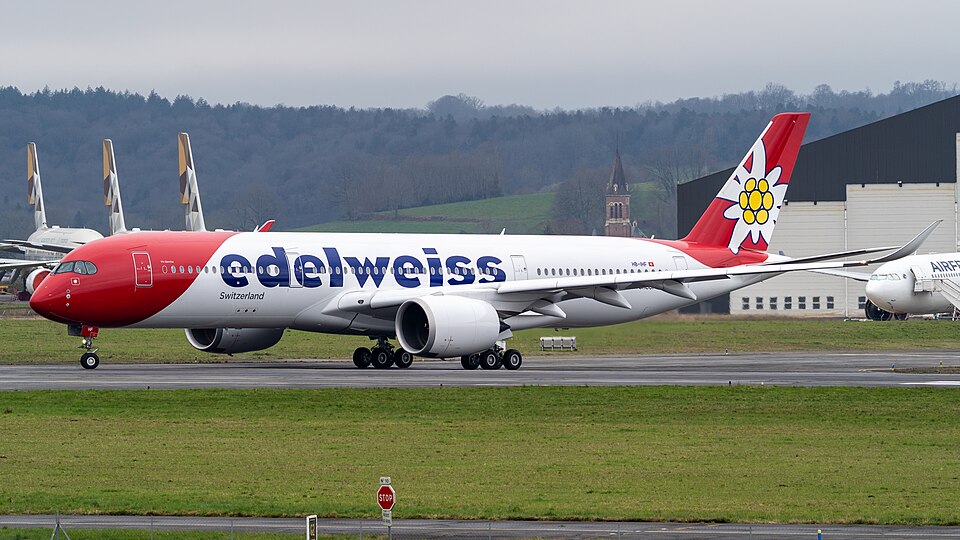
Two planes rule the skies on the world's longest flights. One was built in Europe. The other was built in America. When people line up the Airbus A350 vs Boeing 777, they are looking at two of the most capable twin-engine jets ever made. Both carry hundreds of passengers across oceans. Both sip less fuel than the four-engine giants they replaced. And both have loyal fans who swear their favorite offers the better ride.
These two jets take very different roads to the same place. One leans on brand-new materials and quiet, modern engines. The other leans on raw power, proven parts, and decades of trust. On paper, the gap between them is small. In the air, it can feel surprisingly personal.
The winner often comes down to a single seat, the one you happen to be sitting in.
Key Takeaways
The Airbus A350 and the Boeing 777 are both long-range, twin-engine widebody jets, but the A350 is the newer, lighter, and more fuel-efficient design, while the 777 is the older, more powerful workhorse known for its strength and huge cargo capacity. For most passengers and airlines, the A350 wins on efficiency and cabin comfort, and the 777 wins on brute capability and proven reliability. Boeing's answer to the A350, the new 777X, is still working toward entry into service.
| Question | Short Answer |
| Which is newer? | The Airbus A350 is the newer design. |
| Which flies farther? | The A350-1000 has a slightly longer range on paper. |
| Which burns less fuel? | The A350 burns less fuel per seat. |
| Which is more powerful? | The 777-300ER has the more powerful engines. |
| Which carries more cargo? | The 777 is the stronger cargo hauler. |
| Which is coming next? | The Boeing 777X, still awaiting certification. |
| Which is better for passengers? | Most travelers prefer the A350 cabin. |
At Flying411, we spend our days around aircraft of every size, from single-engine trainers to the widebody giants that cross oceans. Comparisons like this one are right in our wheelhouse.
The Two Widebody Families at a Glance
Before we pit them against each other, it helps to know what each name really covers. Neither the A350 nor the 777 is a single airplane. Each one is a family of jets with different sizes and jobs.
A twin-engine widebody simply means a large plane with two aisles running down the cabin and two engines under the wings. Widebodies are the big jets you take on long international trips. Both of these families sit near the top of that class.
Good to Know: The word "widebody" points to the cabin, not the plane's total size. It means there are two aisles instead of one. Single-aisle jets like the 737 or A320 are called "narrowbodies."
Inside the Airbus A350 Family
The Airbus A350 is a clean-sheet design, which means Airbus started from scratch rather than stretching an older plane. The first version, the A350-900, entered service in 2015 with Qatar Airways. A larger, stretched version followed a few years later.
The family has two main passenger models:
- A350-900: The middle-sized version, and the most common. It typically seats around 300 to 350 passengers in a three-class layout and has excellent range.
- A350-1000: The stretched, larger version. It carries more people and was built to challenge the biggest 777s head-on.
Airbus also offers ultra-long-range tweaks that let the A350 fly some of the longest routes in the world without stopping. The whole family runs on one engine type and shares a common pilot type rating, which keeps training simpler for airlines.
Inside the Boeing 777 Family
The Boeing 777 is older and has more branches on its family tree. It first flew passengers back in 1995 with United Airlines. Over the years, Boeing built many versions for different missions, from shorter routes to record-setting long hauls.
The models you are most likely to hear about include:
- 777-200ER: A long-range earlier model, seating roughly 300 to 350 passengers.
- 777-200LR: The "Worldliner," built for extreme distance. It is famous for linking far-apart cities nonstop.
- 777-300ER: The best-selling and most common passenger version. It is the big, powerful jet most airlines mean when they say "the Triple Seven."
- 777F: The freighter, a favorite of cargo airlines around the world.
For a fair fight, the closest match to the largest Airbus is the Boeing 777-300ER against the Airbus A350-1000. Those two flagships are almost twins in size, so most of this comparison focuses on them. If you enjoy this kind of head-to-head, you might also like our look at Boeing's best jetliners and how the 777 stacks up against the 787.
Airbus A350 vs Boeing 777: The Head-to-Head Breakdown
Now for the main event. Below are the key areas where these two jets meet, measured point by point. Each one tells a small part of a bigger story, so read them together rather than picking a single "winner" from one line.
Size and Dimensions
Here is the surprise that trips up most people. The A350-1000 and the 777-300ER are almost the same length. They sit within about a foot of each other, both stretching to roughly 242 feet (around 74 meters). Their wingspans are close, too.
So from the outside, a passenger at the gate would struggle to tell which giant is which without reading the tail. The real differences hide inside and under the skin.
Passenger Capacity
Because they are nearly the same length, they seat a similar number of people. In a typical three-class layout, both the A350-1000 and the 777-300ER carry somewhere in the mid-300s. Airlines can push that higher in denser setups.
The smaller A350-900 and 777-200ER seat fewer, usually in the 300 range. Capacity depends heavily on how each airline arranges its seats, so the "official" numbers are just a starting point.
Range and Route Reach
Range is where the A350 earns bragging rights on paper. According to Airbus, the A350-1000 can fly up to around 8,700 nautical miles. According to Boeing, the 777-300ER reaches about 7,370 nautical miles. That gap looks large in a chart.
In real life, the gap shrinks. Winds, weather, cargo weight, and airport rules all shape how far a plane actually flies on a given day. On most real routes, both jets can handle the same missions. The A350-1000 wins the spec sheet, but airlines rarely pick a plane on maximum range alone.
Keep in Mind: Maximum range numbers come from ideal conditions. A full cargo hold, strong headwinds, or a hot day can all cut into that figure. Two planes with different "paper" ranges often fly the exact same route in practice.
Engines and Power
This is where the two families split the most.
- The A350 uses one engine type, the Rolls-Royce Trent XWB. It is a modern, efficient design built specifically for this aircraft.
- The 777-300ER uses the General Electric GE90, one of the largest and most powerful jet engines ever put on a plane.
The GE90 is a monster of raw thrust. The Trent XWB is a master of efficiency. That difference in philosophy shapes almost everything else about how these jets perform and how much they cost to fly.
Fun Fact: The GE90 is so wide that its fan is often said to measure close to the body width of a Boeing 737. It is widely known as one of the biggest jet engines ever to enter airline service.
Fuel Efficiency and Operating Cost
For airlines, this is the category that pays the bills. The A350 was designed in a newer era, when fuel savings became the top priority. It burns noticeably less fuel per seat than the 777-300ER.
Airbus and independent analysts put the A350's fuel efficiency per seat advantage in the range of roughly a fifth to a quarter better than the older 777-300ER on similar flights. Over thousands of hours a year, that adds up to serious money. Lower fuel burn is one of the biggest reasons airlines have leaned toward the A350 for new orders.
Why It Matters: Fuel is one of the largest costs an airline faces. A plane that burns less fuel per seat can turn a shaky route into a profitable one. That is why efficiency, not top speed or max range, often decides which jet an airline buys.
Cabin Width and Comfort
Here the older jet fights back. The 777 actually has a slightly wider cabin than the A350. That extra width lets airlines squeeze in a 10-across economy layout on the 777, with three seats, then four, then three.
The catch is comfort. Ten-across seating on the 777 makes each seat narrower, and passengers notice. The A350 fits nine-across economy comfortably, giving each traveler a bit more shoulder room. The A350 also runs a lower cabin altitude and higher humidity, which can help you feel fresher after a long flight.
So the 777 is physically wider, but the A350 often feels roomier where it counts.
Materials and Construction
The A350 is built from mostly modern composite materials. More than half of its airframe by weight is carbon-fiber composite instead of metal. That makes the plane lighter, more resistant to corrosion, and easier on maintenance schedules over time.
The 777-300ER uses a more traditional aluminum structure. That design is proven, well understood, and easy for mechanics everywhere to repair. It may be heavier, but airlines trust it, and spare parts are everywhere.
Cargo and Payload
The 777 has a well-earned reputation as a hauler. Its strength and high takeoff weight let it carry heavy loads of freight in the belly, even with a full passenger cabin. On routes where cargo brings in real money, that ability can tip the scales toward the 777.
The A350 carries plenty, too, but it is tuned more for efficiency than brute payload. This is a classic case of two planes built with slightly different priorities.
Quick Tip: On many long routes, belly cargo is a hidden profit engine for airlines. A jet that can carry more freight alongside passengers can earn extra income on the very same flight.
Orders and Airlines
Both families are commercial successes. The 777 is one of the best-selling widebodies ever made, with the 777-300ER serving as the backbone of long-haul fleets at carriers like Emirates, Cathay Pacific, and many others. The A350 has built a strong and growing order book of its own, with major operators like Qatar Airways and Singapore Airlines flying large fleets.
In recent years, airlines shopping for brand-new jets in this class have leaned toward the A350 for its efficiency. But the 777-300ER remains a workhorse that will keep flying for many years to come.
Looking for overhauled engines, certified avionics, or serviceable parts to keep your fleet flying? Flying411 connects buyers with trusted sellers and MRO providers across the aviation industry.
Here is a quick side-by-side of the two flagships to pull it all together:
| Feature | Airbus A350-1000 | Boeing 777-300ER |
| Entered service | 2018 | 2004 |
| Length | Approx. 74 m | Approx. 74 m |
| Typical seats (3-class) | Mid-300s | Mid-300s |
| Max range (per maker) | Around 8,700 nm | Around 7,370 nm |
| Engines | Rolls-Royce Trent XWB | GE90 |
| Cabin width | Slightly narrower | Slightly wider |
| Airframe | Mostly composite | Mostly aluminum |
| Fuel per seat | Lower | Higher |
What It's Like to Fly on Each One
Specs are one thing. The passenger experience is another. If you fly a lot, you may already have a favorite between these two, even if you never checked a single number.
On the A350, many travelers notice a calmer, quieter cabin. The composite body allows higher humidity and a lower cabin altitude, which can leave you feeling less drained after a long haul. Mood lighting and large windows add to the modern feel.
On the 777, the experience depends heavily on the airline. In a roomy nine-across setup, the 777 is spacious and comfortable. In a tight 10-across economy, those narrow seats can make a long flight feel longer. The 777 also has a solid, planted feel in the air that frequent flyers often describe as reassuring.
Pro Tip: Before you book a long flight, check the seat map and the seat width for your specific aircraft. Two planes of the same model can feel very different depending on how the airline arranged the cabin.
Both jets are twin-engine designs, so both must meet strict rules for flying long stretches over water on two engines. Airlines and regulators plan carefully for these routes, and the safety record of modern twinjets on long-haul routes is a big reason four-engine giants have faded away. If you are curious how flight crews prepare for these machines, our piece on how pilots train on Boeings offers a closer look.
The Next Chapter: Boeing 777X vs the A350
The A350 vs 777 story is not finished. Boeing has a next-generation answer in the works called the Boeing 777X. Its main passenger model, the 777-9, is a stretched, modernized jet with new GE9X engines, a fresh composite wing, and a clever trick up its sleeve.
The 777-9 has folding wingtips, believed to be a first for a commercial jetliner. The wings are so long that the tips fold up at the gate, so the plane can still fit into standard airport spaces. The 777-9 is also very large, seating well over 400 passengers, which pushes it beyond the A350-1000 in raw capacity.
There is a catch, though. The program has faced years of delays. As of 2026, the 777X is deep in flight testing. Boeing cleared a major certification milestone with the U.S. Federal Aviation Administration in mid-2026, and the company has targeted certification around late 2026 with first deliveries expected in early 2027. Lufthansa is set to be the launch customer.
Heads Up: The 777X timeline has slipped many times over the years. Dates for certification and first delivery are targets, not promises, and they have moved before. Always check the latest news for the current status.
Until the 777X arrives in real numbers, the A350 holds the efficiency high ground for airlines buying new jets in this class. Boeing has faced its share of certification headlines lately, including work on 737 MAX airworthiness directives and a recent 787 transponder service issue, which adds pressure to get the 777X right.
Whether you are tracking the newest widebodies or hunting for a proven aircraft today, Flying411 puts thousands of listings and certified aviation pros at your fingertips.
How Airlines Actually Choose Between Them
Passengers pick a plane by comfort. Airlines pick by math. For a fleet planner, the decision usually comes down to a handful of practical questions.
- What routes will it fly? Ultra-long, thin routes may favor efficiency. High-demand, cargo-heavy routes may favor payload.
- How much does fuel cost? When fuel is expensive, the A350's lower burn becomes a bigger deal.
- What is already in the fleet? Airlines love commonality. Adding a jet that matches existing training and parts saves money.
- How strong is the cargo market? Strong freight demand tilts the balance toward the 777's hauling power.
- When is the plane needed? A jet available now beats a better jet that is still years away.
None of these questions has a single right answer. That is why both families still sell, and why the skies are full of both. The "best" jet is the one that fits a specific airline's specific plan.
The world of aircraft is huge, stretching from these ocean-crossing twins all the way down to small sport planes, small luxury planes, and even small transport planes. Specialized fleets like small firefighting planes and small fighter planes show just how many jobs aircraft handle. If size is what fascinates you, our comparison of a Cessna 172 and a Boeing 747 really puts the scale in view, as does our look at the A380 versus the 747.
Keep in Mind: There is no single "best plane" in aviation, only the best plane for a given job. A jet that shines on a 15-hour ocean crossing might make no sense on a short regional hop.
Conclusion
So how does the Airbus A350 vs Boeing 777 debate really shake out? The A350 is the newer, lighter, quieter, and more fuel-sipping choice, and most passengers prefer its cabin. The 777 is the powerful, proven, cargo-friendly veteran that airlines have trusted for decades. One is built around efficiency. The other is built around strength. Both are brilliant at what they do.
For airlines buying new today, the A350 usually wins on cost. For raw capability and cargo muscle, the 777 still earns its keep. And with the 777X waiting in the wings, this rivalry has plenty of runway left. The smartest answer is not "which is better," but "better for what."
Whichever giant wins your vote, you can find your next aircraft, engine, or part at Flying411, where aviation buyers and sellers meet.
FAQs
Which is safer, the Airbus A350 or the Boeing 777?
Both aircraft have strong safety records and meet the same strict international standards for long-range twin-engine flight. Neither can be called clearly "safer" than the other in normal service.
Is the Airbus A350 quieter than the Boeing 777?
Yes, passengers often report a quieter cabin on the A350, thanks in part to its composite body and modern engines. The difference is most noticeable in seats near the wings.
Why do some airlines still buy the Boeing 777 instead of the A350?
The 777 offers strong cargo capacity, huge power, and a mature global network of parts and mechanics. For cargo-heavy routes or fleets already built around Boeing, it can still be the smarter choice.
How is the Boeing 777X different from the older 777?
The 777X uses new GE9X engines, a lighter composite wing, folding wingtips, and modern systems for far better efficiency. It is also larger, seating well over 400 passengers in the 777-9 version.
Do the A350 and 777 fly the same routes?
Often, yes. Both serve major long-haul routes between global hubs, and airlines frequently swap them on the same city pairs depending on demand and cargo needs.