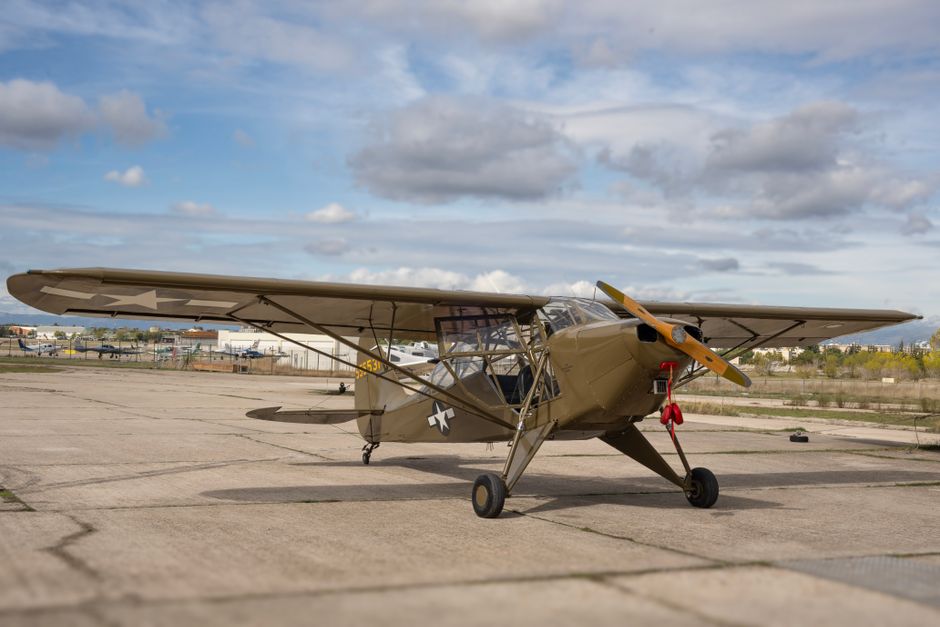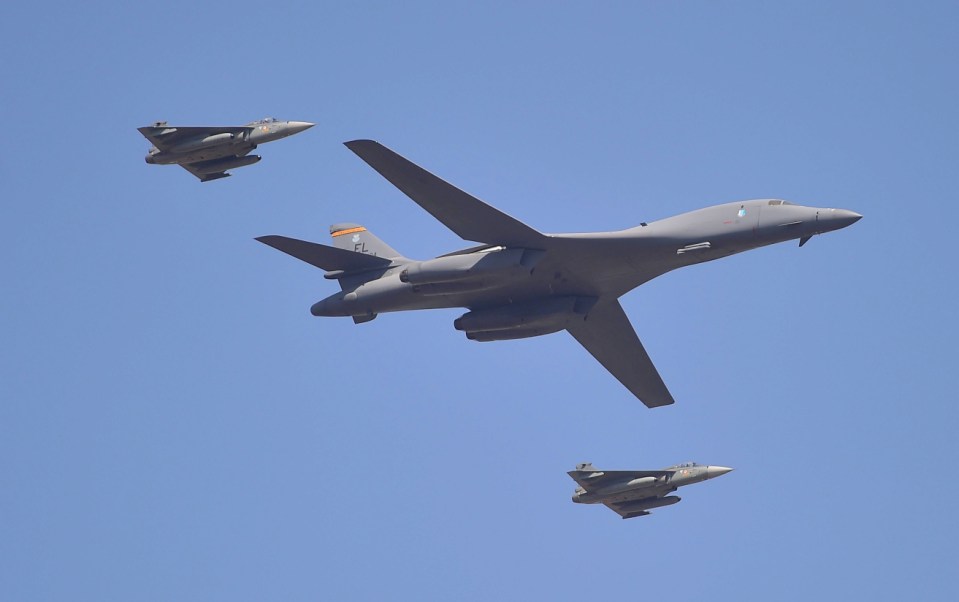
Big does not always win in the sky. Some of the most respected warplanes ever built were small, light, and quick on their feet. A compact jet can turn tighter, cost less to fly, and slip into places a heavyweight never could.
For decades, engineers have chased one simple idea. Build a jet that is fast, affordable, and dangerous, then keep it light enough to dance. The result is a long line of small fighter planes that earned giant reputations from modest frames.
Some of these jets are household names. Others are quiet legends that pilots still talk about with a grin. A few look almost toy-sized next to a modern heavyweight, yet they reshaped air combat in their day.
The smallest jet on this list weighs less than what some pickup trucks haul, and it once made fighters twice its size look slow.
Key Takeaways
The best small fighter planes mix light weight, sharp handling, and low running costs, and the most respected names include the F-16 Fighting Falcon, the Northrop F-5, the Saab Gripen, and the MiG-21. These jets prove that a smaller airframe can be cheaper to fly, easier to maintain, and surprisingly tough in a fight. Size is only part of the story. Smart design, good visibility, and quick handling often matter more than raw bulk.
| Quick Answer | Summary |
| What counts as small? | Lightweight fighters with compact frames, usually one engine and a low takeoff weight |
| Why they matter | Lower cost, easy upkeep, tight turning, and the ability to fly from short runways |
| Top modern pick | The F-16 Fighting Falcon, a light single-engine jet flown by many air forces |
| Best budget legend | The Northrop F-5, prized for its low price and simple maintenance |
| Classic standout | The MiG-21, one of the most widely built supersonic jets ever |
| Surprise factor | Smaller jets often out-turn larger ones in close combat |
At Flying411, we spend our days surrounded by aircraft of every shape and size, so a soft spot for the small, scrappy fighters comes with the job.
What Makes a Fighter Plane "Small"?
There is no single rulebook that stamps a jet as small. Instead, pilots and engineers look at a handful of traits that tend to show up together.
A small fighter usually has a low takeoff weight, a compact airframe, and often just one engine. It carries less fuel and fewer weapons than a heavy jet. In return, it gains lighter handling and a lower price tag.
Here are the common signs of a small or light fighter:
- Low weight. It tips the scales well below the heavy two-seat bruisers.
- Compact size. Short wings, a tight fuselage, and a small footprint on the ramp.
- One engine, usually. Many light fighters run on a single powerplant to save weight and cost.
- Simple systems. Fewer fancy add-ons mean less to break and less to fix.
- Sharp turning. A lighter frame changes direction faster and bleeds less energy.
Think of it like the difference between a heavyweight boxer and a featherweight. Both can hit hard. One just moves a lot quicker.
Good to Know: Many famous light fighters trace back to the U.S. Lightweight Fighter program of the early 1970s. The goal was a cheap, agile jet that could win close-in fights without a huge price tag. The F-16 was one of its biggest success stories.
If you want the wider picture beyond the military world, the many different types of small planes follow a similar logic. Lighter frames bring lower costs and friendlier handling, no matter the mission.
Light Fighters vs Heavy Fighters
Heavy fighters bring range, big radars, and a long list of weapons. They are flying battleships. Light fighters trade some of that muscle for speed, agility, and affordability.
A heavy jet might dominate from far away with long-range missiles. A small jet shines when the fight gets close and tight. Air forces often buy both, then use each one where it works best.
Why Smaller Fighters Still Matter
It would be easy to assume bigger is always better. History says otherwise. Small fighters keep earning their place for reasons that have little to do with looks.
First, they cost less. A lighter jet burns less fuel and needs fewer parts. That means more flying hours for the same budget. For smaller air forces, that math is everything.
Second, they are easier to maintain. Simple jets spend more time in the air and less time in the hangar. Ground crews can turn them around fast.
Third, many of them turn beautifully. In a close dogfight, a nimble jet can point its nose where it wants before a heavier rival catches up.
Why It Matters: A cheaper jet that flies often can train more pilots and cover more missions than an expensive jet that sits grounded for upkeep. In real-world defense planning, flying hours win wars of readiness.
These same strengths show up across general aviation too. The reasons a country picks a light fighter echo the reasons a pilot picks one of the best small planes for everyday flying. Lower cost, simpler care, and easy handling never go out of style.
The Best Small Fighter Planes Worth Knowing
Now for the main event. These ten jets show how much punch a small frame can carry. The list mixes modern fighters with timeless classics. Some are still flying. Others live on in museums and air shows. All of them earned their spot.
1. General Dynamics F-16 Fighting Falcon
The F-16 is the poster child for the light fighter done right. It started life in the Lightweight Fighter program and grew into one of the most widely produced and exported jet fighters in history.
Pilots call it the "Viper." It uses a single engine, a bubble canopy for sweeping visibility, and a side-mounted control stick. The seat even reclines a bit to help pilots handle heavy turns. It was one of the early lightweight fighter jets to use a fly-by-wire control system, which made it incredibly responsive.
What makes it special:
- A nimble single-engine design that turns hard and fast.
- A multirole skill set, from air combat to ground strikes.
- Constant upgrades that keep newer versions sharp and modern.
As a single-engine fighter, it keeps weight and cost low while staying quick and responsive. Decades after its first flight, the F-16 is still flown by many air forces around the world. Newer models keep arriving, which says a lot about the strength of the original idea.
2. Northrop F-5 Freedom Fighter and Tiger II
If the F-16 is the star, the F-5 is the dependable workhorse. Northrop built it to be small, simple, and affordable, mostly for export to allied nations. It uses two small engines, yet it still counts as a true lightweight.
The F-5 is loved for its low cost and easy upkeep. It is reliable, quick, and forgiving. Many countries flew it for decades, and a fair number still keep it busy in training roles.
Fun Fact: The F-5 is widely known for playing the bad guy. Its small size and quick handling made it a popular stand-in for enemy jets during combat training, where it served as a so-called aggressor aircraft to sharpen the skills of other pilots.
The same airframe family also gave rise to the famous T-38 Talon trainer. That dual legacy, as both a fighter and a trainer, is part of why the F-5 holds such a warm place in aviation history.
3. Saab JAS 39 Gripen
Sweden built the Gripen to be lean, smart, and cheap to run. It is a single-engine multirole jet with a canard-delta shape, which gives it crisp handling and a distinctive look.
The Gripen has one party trick that few jets can match. It is designed to take off and land on short stretches of public road. A small ground crew can refuel and rearm it in minutes, then send it back up.
Why pilots and planners like it:
- Low operating cost compared with bigger fighters.
- Fast turnaround with a small support team.
- Modern sensors packed into a compact frame.
Keep in Mind: A jet that can fly from a highway is far harder for an enemy to ground. If air bases are knocked out, the Gripen can keep fighting from roads, which is a clever answer to a serious problem.
4. HAL Tejas
India built the Tejas as a homegrown light fighter, and it ranks among the smallest and lightest jets in its class. It uses a single engine and a tailless delta wing, which keeps it compact and agile.
The Tejas is a modern design built around current technology. It carries capable sensors and a range of weapons in a frame that stays light on its feet. For a country building advanced fighters at home, it stands as a major milestone.
It is a strong example of how newer light combat aircraft can pack real capability into a small, efficient package without copying older designs.
5. KAI FA-50 Fighting Eagle
South Korea's FA-50 grew out of the T-50 Golden Eagle, a trainer developed with help from Lockheed Martin. The FA-50 takes that nimble trainer and gives it teeth, turning it into a light combat jet.
It hits a sweet spot that many air forces love. It is affordable, easy to fly, and good enough for both training and real missions. That blend has made it a growing export success.
What it brings to the table:
- A friendly price for nations on a tight budget.
- Trainer roots that make it gentle to learn.
- Enough punch to handle light strike and patrol work.
This crossover between trainer and fighter shows up across the broader world of small military planes, where one airframe often wears several hats.
If a piece of aviation history belongs in your hangar, the Flying411 marketplace lists everything from piston classics to ex-military jets, along with the engines and parts to keep them flying.
6. Mikoyan-Gurevich MiG-21
The MiG-21 is a Cold War icon. This small, fast, delta-wing jet became one of the most widely produced supersonic fighters ever flown. It served with a long list of nations and saw action across many decades.
Its appeal was simple. It was cheap, quick, and easy to build in large numbers. Pilots respected its speed in a straight line, even if it carried less fuel and fewer weapons than larger rivals.
Heads Up: The MiG-21 has a nickname in NATO reporting, "Fishbed," and a reputation for blistering acceleration. It was built as a point interceptor, meaning it was made to launch fast, climb hard, and meet incoming threats quickly rather than loiter for long patrols.
Even today, a handful of air forces and private collectors keep MiG-21s flying. Few jets capture the spirit of the small, fast Cold War fighter quite like it.
7. Folland Gnat
The Folland Gnat is one of the tiniest jet fighters ever to see service. This little British jet from the 1950s and 1960s was built to be cheap and simple, with a frame so small it almost looks playful.
Despite its size, the Gnat was quick and agile. It found fame as an early mount for a famous British display team, where its small size and lively handling made it a crowd favorite. A version of it also served as a frontline fighter in other parts of the world.
The Gnat proves an important point. A fighter does not need to be large to be effective. Sometimes small and clever beats big and heavy.
8. Northrop F-20 Tigershark
The F-20 is the "what could have been" of this list. Northrop took the proven F-5 and gave it a single, more powerful engine, a modern radar, and sharper performance. The result was a fast-starting, high-spirited light fighter.
One of its standout features was how quickly it could get airborne. It was designed to start up and launch in a very short time, a handy trick for a jet meant to scramble fast.
A quick note on history:
- The F-20 flew well and impressed those who tested it.
- It never moved into large-scale production.
- Only a small number of prototypes were ever built.
Even so, the Tigershark remains a favorite among aviation fans. It shows how far a small airframe could be pushed with the right engine and electronics.
9. Lockheed F-104 Starfighter
The F-104 looks like a rocket with stubby wings, and that is no accident. Designed by the legendary Kelly Johnson, it was built around one goal: raw, straight-line speed. Its razor-thin wings were so sharp that ground crews sometimes covered them for safety.
In its prime, the Starfighter set speed and altitude records that stunned the aviation world. It was a true point interceptor, made to climb fast and chase down high-flying threats. It earned the nickname "missile with a man in it."
Pro Tip: When you spot a jet with tiny, knife-like wings and a long, slim body, you are likely looking at a speed-first design like the F-104. That shape trades easy turning for blistering velocity, a classic engineering tradeoff.
The Starfighter was a handful to fly and demanded respect from its pilots. Yet its sleek shape and record-setting runs make it one of the most memorable small jets ever built. For more on jets built around pure speed, the world of fast small planes carries the same thrill in a civilian package.
10. Douglas A-4 Skyhawk
The A-4 Skyhawk is small, light, and full of character. Designer Ed Heinemann built it to be far lighter than the requirement called for, and the nickname "Heinemann's Hot Rod" stuck. Crews also called it the "Scooter."
Technically the Skyhawk is a light attack jet rather than a pure fighter. Still, its compact frame and lively handling place it firmly in the small and nimble club. Its delta wing was so small that it did not even need to fold for carrier storage, which saved weight and cost.
What made it last:
- A tiny, tough frame built for carrier life.
- Long service across many decades and many nations.
- A second career as an aggressor jet and display aircraft.
Few small jets stayed useful for as long as the Skyhawk. It is proof that a smart, simple design can outlive flashier rivals by years.
Small Fighters That Earned Legend Status
Before the jet age, propeller fighters carried the same small-and-mighty spirit. Many of the most loved warbirds were light, quick, and built to turn.
These piston-powered legends still draw crowds at air shows today. A few favorites include:
- The Supermarine Spitfire, widely considered one of the most graceful fighters ever built, prized for its handling.
- The Mitsubishi A6M Zero, known for its long range and tight turning in its early years.
- The Yakovlev Yak-3, a small, light Soviet fighter respected for its quick handling down low.
These aircraft were the agile dogfighters of their time. They leaned on speed and turning skill rather than size, much like the jets that followed them. If you enjoy the older end of this story, the history of small WWII fighters is full of compact machines that made an outsized mark.
Quick Tip: When comparing old fighters, focus on turn rate and climb instead of size. The best small warbirds often beat larger foes by simply out-maneuvering them rather than out-muscling them.
How Small Fighters Compare at a Glance
Sometimes a side-by-side view makes things click. Here is a simple comparison of the jets on this list. Treat the eras as rough guides, since many of these aircraft served far longer than expected.
| Aircraft | Era | Engine Setup | Main Role | Known For |
| F-16 Fighting Falcon | 1970s to today | Single engine | Multirole | Agility and huge production run |
| Northrop F-5 | 1960s to today | Twin engine | Light fighter | Low cost and easy upkeep |
| Saab Gripen | 1980s to today | Single engine | Multirole | Road runway operations |
| HAL Tejas | 2010s to today | Single engine | Multirole | One of the lightest in its class |
| KAI FA-50 | 2010s to today | Single engine | Light combat | Trainer roots and export success |
| MiG-21 | 1950s to today | Single engine | Interceptor | Speed and massive production |
| Folland Gnat | 1950s to 1960s | Single engine | Fighter and trainer | Tiny size and agility |
| Northrop F-20 | 1980s | Single engine | Light fighter | Quick-start performance |
| F-104 Starfighter | 1950s to 2000s | Single engine | Interceptor | Blistering straight-line speed |
| A-4 Skyhawk | 1950s onward | Single engine | Light attack | Compact carrier punch |
A pattern jumps out fast. Most of these jets lean on a single engine, a light frame, and a clear mission. That focus is the secret behind their staying power.
Can You Actually Own a Small Fighter?
Here is where it gets fun for aviation fans. Some retired small military jets can be owned by private pilots and collectors. These are usually demilitarized, meaning their weapons systems are removed and the jet is made safe and legal to fly under civilian rules.
Light jets like certain trainers and older fighters show up in private hands more often than you might think. They take real money, real training, and real upkeep, but the dream is within reach for serious enthusiasts.
A few things to know before chasing the dream:
- Demilitarization is required. Weapons and combat systems must be removed.
- Training is serious. Fast jets demand special skills and ratings.
- Upkeep is steep. Parts and maintenance can be costly and hard to source.
If safety and handling sit high on your list, it helps to study how different aircraft compare. The same care that goes into weighing small plane safety applies double when a former military jet is involved.
Ready to bring an aircraft of your own into the hangar? Browse the latest listings on Flying411 and connect with sellers, mechanics, and aviation pros in one place.
What to Look For in a Small Fighter
Maybe you are a fan ranking your favorites. Maybe you are a collector eyeing a warbird. Either way, a few traits separate the great small jets from the merely small ones.
Keep these points in mind:
- Handling. Sharp, predictable controls matter more than raw size.
- Reliability. A jet that flies often beats one that breaks often.
- Parts support. Easy-to-find parts keep an old jet alive and affordable.
- History. A strong service record adds value and meaning.
- Cost to operate. Fuel, upkeep, and storage add up fast.
These same buying instincts apply across aviation. The mindset behind picking smart, capable single-engine designs mirrors how thoughtful buyers weigh any aircraft, military or civilian.
Conclusion
The story of small fighter planes is a story of clever tradeoffs. These jets gave up some bulk and range in exchange for speed, agility, and a friendly price. Time and again, that bargain paid off in the air.
From the record-chasing F-104 to the road-ready Gripen, each of these aircraft proves that a small frame can carry a giant reputation. They remind us that smart design often beats brute force, and that the underdog has a real chance when the fight gets close.
Whether you fly for fun, collect warbirds, or simply love a good aviation story, the little fighters deserve a spot at the front of your hangar.
Hungry to turn your aviation dreams into something you can actually fly? Start your search at Flying411 and find the aircraft, parts, and experts to make it happen.
FAQs
Are small fighter planes still used today?
Yes, several light fighters remain in active service around the world, including the F-16, the Gripen, and newer designs like the FA-50. Smaller air forces favor them for their low cost and easy upkeep.
Can a civilian legally own a fighter jet?
In many places a civilian can own a demilitarized former military jet, meaning its weapons systems are removed and it meets civilian safety rules. It still requires special training, deep pockets, and careful maintenance.
What is the smallest fighter jet ever built?
The Folland Gnat is often named among the smallest jet fighters ever to serve, thanks to its tiny frame and light weight. A few experimental micro jets are even smaller, but they were never true combat fighters.
Are small fighters cheaper than large fighters?
As a rule, smaller fighters cost less to buy, fuel, and maintain because they use fewer parts and often a single engine. That lower cost is one of the biggest reasons many countries keep buying them.
Do small fighters perform better in dogfights?
A lighter jet can often turn tighter and change direction faster, which helps in close-in fights. Modern combat also relies on radar and missiles, so size is only one piece of a much larger puzzle.