Big airliners get all the attention, but they only fly where long runways and busy terminals already exist. A huge share of the world runs on something far smaller. Mail, medicine, fresh food, and everyday travelers all reach remote towns thanks to a quiet fleet of small transport planes that land on gravel, grass, and short strips most jets would never touch.
These aircraft are the pickup trucks of the sky. They are tough, simple, and built to work hard day after day. Some carry a dozen passengers between islands. Others haul boxes overnight so a package arrives the next morning. A few do both before lunch. The planes on this list keep entire regions connected, and most pilots can name them on sight.
A single one of these turboprops can do the work of a small fleet of trucks, and it does it while crossing terrain no road ever will.
Key Takeaways
The best small transport planes are rugged, versatile aircraft that move people and cargo into places larger planes cannot reach. Most are single or twin turboprops that carry roughly 9 to 19 passengers or a few thousand pounds of freight. They are prized for short-field performance, low operating costs, and the ability to switch from passenger seats to cargo in a matter of hours.
| Aircraft | Engine Setup | Known For |
| Cessna 208 Caravan | Single turboprop | Versatility and big useful load |
| De Havilland DHC-6 Twin Otter | Twin turboprop | Short-field and rough-strip flying |
| Cessna 408 SkyCourier | Twin turboprop | Modern feeder cargo and 19 seats |
| Pilatus PC-12 | Single turboprop | Comfort, range, and resale value |
| Beechcraft King Air 350 | Twin turboprop | Pressurized speed and cabin space |
| Daher Kodiak 100 | Single turboprop | Backcountry payload and STOL |
| Britten-Norman Islander | Twin piston/turbine | Simple island-hopping commuter work |
| Let L-410 Turbolet | Twin turboprop | Regional routes on a budget |
| Dornier 228 | Twin turboprop | Special missions and utility hauling |
| Antonov An-2 | Single radial | Classic short-field heavy lifting |
At Flying411, we keep a close eye on the small aircraft that move the world's people and packages, so you always know what is flying and what is for sale.
What Counts as a Small Transport Plane?
A small transport plane is an aircraft built mainly to move passengers or cargo, but on a much smaller scale than an airliner. Think single-aisle cabins, a handful of seats, and a crew of one or two pilots. Most carry somewhere between 6 and 19 people, or a payload measured in thousands of pounds rather than tons.
The category covers a lot of ground. You will find single-engine workhorses, twin-engine commuters, and even a few that wear floats for water landings. What ties them together is purpose. They exist to get useful loads from point A to point B, often into airports with no control tower and very little pavement.
Many of these aircraft are utility turboprops, meaning they trade raw speed for strength, simple systems, and the ability to operate almost anywhere. If you want a feel for the full range of options, it helps to look at the different types of small planes that fill these roles.
Good to Know: A "transport" category in aviation usually refers to larger certified airliners. In everyday language, though, "small transport plane" simply means any compact aircraft built to haul people or freight for a living.
How Small Transport Planes Earn Their Living
These planes rarely sit still. Operators buy them to make money, and that means flying short, frequent trips that bigger aircraft cannot justify. Most run on turboprop power, which gives them strong takeoff punch and good fuel economy at lower altitudes.
A few common jobs show up again and again across the fleet.
Hauling Cargo
Overnight freight is a huge part of this world. Carriers use small planes to carry boxes from major hubs out to smaller towns, then back again. Many of these aircraft are dedicated small cargo planes with no seats at all, just a flat floor, tie-down rails, and a big door. The ability to haul freight into tiny airports keeps e-commerce moving in places trucks reach slowly.
Carrying Passengers
Regional and commuter airlines lean on these aircraft to connect short routes. As small passenger planes, they shuttle travelers between islands, mountain towns, and regional hubs. A flight that would take six hours by road might take 30 minutes in the air. That is the kind of math that keeps these planes booked solid, and you can see the variety of options built to carry passengers on short hops.
Special Missions
Beyond freight and seats, these planes fly medical evacuations, skydiving runs, aerial surveys, and humanitarian aid. Their flexibility is the whole point. One airframe can do half a dozen jobs depending on how it is set up.
Why It Matters: A plane that can switch from passengers to cargo in an hour earns money around the clock. That flexibility is often the difference between a profitable route and one that gets cut.
10 Standout Small Transport Planes Worth Knowing
Now to the heart of it. The aircraft below are among the most respected light transport aircraft in service. Each one has earned a loyal following for a specific reason, so think of this less as a strict ranking and more as a lineup of proven performers. The best small transport planes share a few traits: toughness, simplicity, and the ability to do honest work in tough places.
1. Cessna 208 Caravan and Grand Caravan EX
The Cessna 208 Caravan is the plane many people picture first. It is a single-engine, high-wing turboprop that has been flying since the mid-1980s, and well over 3,000 have been built. It can be set up to carry roughly 9 to 14 people or a few thousand pounds of cargo, and the seats come out fast when freight pays better.
The Caravan runs on the famous Pratt & Whitney Canada PT6A engine, one of the most trusted turboprops ever made. Operators love it for its big useful load and its calm, forgiving manners. The stretched Grand Caravan EX adds more power and cabin room, which makes it a favorite for short routes and skydiving operations alike.
Fun Fact: The Caravan is widely known as the aircraft FedEx helped shape. The freight giant wanted a simple single-engine hauler for small towns, and the Cargomaster freighter version was built to answer that call.
2. De Havilland Canada DHC-6 Twin Otter
If a runway is short, rough, or barely a runway at all, the Twin Otter is probably already landing on it. This Canadian twin turboprop first flew in the 1960s, and it remains one of the most respected short-field aircraft in the world. It typically seats 18 to 19 passengers and shrugs off conditions that ground other planes.
The Twin Otter is a classic case of short takeoff and landing, often abbreviated as STOL. It can lift off and stop in remarkably little space. The design works so well that De Havilland Canada restarted production with a modern version called the Classic 300-G, featuring lighter weight and updated Garmin avionics.
It is also a star at rough-field bush flying, and many examples are fitted with floats for water work in places like Alaska and the Maldives.
Pro Tip: When buying a used Twin Otter, pay close attention to corrosion history. Many have spent years near salt water on floats, and a careful pre-purchase inspection can save you a fortune later.
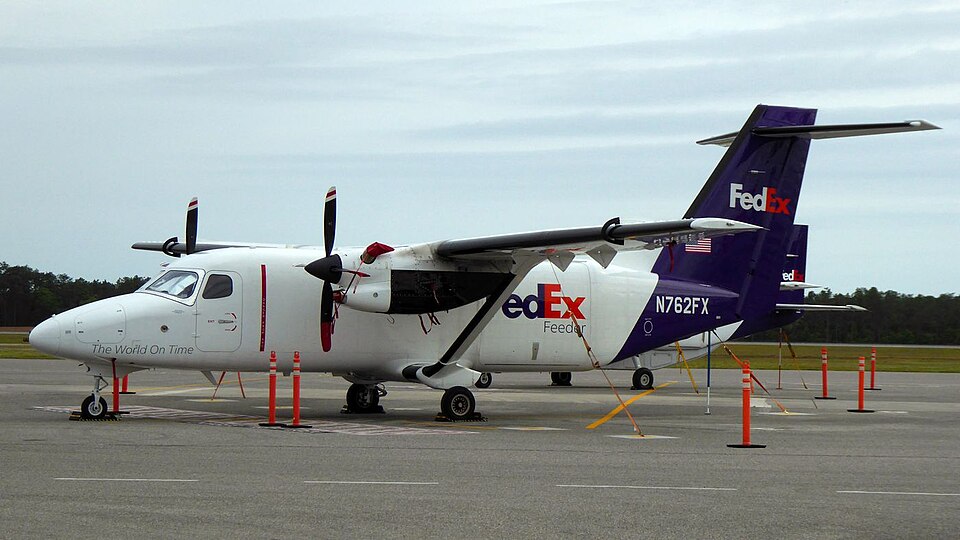
3. Cessna 408 SkyCourier
The SkyCourier is the newcomer on this list, and it was built from a blank sheet of paper. Textron designed it with FedEx to replace aging Caravans on busy feeder routes. It is a twin turboprop that comes in a 19-passenger version, a pure freighter that swallows three LD3 cargo containers, or a combi that mixes both.
What makes the SkyCourier stand out is its modern, purpose-built cabin. The freighter can carry around 6,000 pounds, roughly double the Caravan's load, and a flat floor with a wide cargo door makes loading easy. Cruise speed sits near 200 knots, and the cabin converts between passengers and freight using quick-release seats.
Heads Up: As a newer design, the SkyCourier carries a higher price tag than older utility twins, with recent figures in the several-million-dollar range. For high-volume operators, the lower running costs can make up the difference over time.
4. Pilatus PC-12
The PC-12 is where rugged utility meets real comfort. This Swiss single-engine turboprop has a pressurized cabin, strong range, and a reputation for holding its value better than almost anything in its class. It usually carries 6 to 9 passengers in a quiet, business-style interior, though it can also be set up for cargo with a large door.
Pilots and owners praise the PC-12 for blending the simplicity of single-engine simplicity with the manners of a much larger aircraft. It is a popular pick for corporate flight departments, air ambulances, and individual owners who want one plane that can do nearly everything.
Keep in Mind: The PC-12's strong resale value cuts both ways. Used examples stay pricey because so many buyers want them, so deals are rare and good ones move fast.
5. Beechcraft King Air 350
The King Air family has been a benchmark for twin-turboprop travel for decades, and the 350 sits near the top. It offers a pressurized, stand-up cabin, speeds that rival some light jets, and the safety reassurance of a twin-engine setup. It commonly seats 8 to 11 passengers in comfort.
This is the aircraft you will find moving executives, government teams, and medical patients across the country. It is fast enough for real distance, yet still able to use smaller regional airports. The cabin feels grown-up, with room to stand, work, and stretch out on longer legs.
Quick Tip: King Airs hold their value partly because parts and trained mechanics are easy to find. A widely supported airframe is almost always cheaper to own over the long run.
6. Daher Kodiak 100
The Kodiak was designed with the backcountry in mind. This single-engine turboprop pairs a strong PT6A engine with a tough airframe and excellent short-field performance. It can operate on floats, haul cargo, or carry up to about 9 passengers, and it does it all from rough strips.
Originally built by Quest and now produced by Daher, the Kodiak has built a loyal following among missionary groups, charter operators, and adventure flyers. It burns jet fuel, which is often easier to find in remote regions than aviation gasoline. That single detail matters a lot when you fly far from major airports.
Good to Know: The Kodiak was partly developed with humanitarian and mission flying in mind. Its ability to land on dirt and water makes it a natural fit for aid work in hard-to-reach corners of the world.
7. Britten-Norman BN-2 Islander
Few planes say "island hopping" quite like the Islander. This small British twin has been carrying passengers between short coastal and island runways since the 1960s. It is simple, dependable, and easy to maintain, which is exactly what small commuter airlines need.
The Islander usually seats around 9 passengers, and its boxy shape hides a roomy, practical cabin. Doors along the side let people board straight into their rows without a center aisle. That simple touch speeds up turnarounds on routes where a plane might fly a dozen short legs a day.
Keeping a utility turboprop healthy takes the right hands, and Flying411 connects owners with certified A&P mechanics and MRO shops who know these airframes well.
8. Let L-410 Turbolet
The L-410 is a Czech twin turboprop that has quietly become one of the most common regional commuters in many parts of the world. It seats around 19 passengers and was built to handle unpaved strips and harsh climates, from the cold of Siberia to the heat of Africa.
What makes the L-410 appealing is value. It offers airliner-style twin-engine capability at a price that smaller operators can manage. Thousands have been built over the decades, and updated versions keep the design current with modern engines and avionics. For carriers watching every dollar, it remains a sensible regional transport aircraft.
Why It Matters: A plane built for rough strips and extreme weather opens up routes that simply would not exist otherwise. Reliability in tough conditions is what keeps remote communities connected.
9. Dornier 228
The Dornier 228 is a German-designed twin turboprop with a distinctive squared-off wing and a reputation for doing unusual jobs well. It carries up to about 19 passengers and is just as happy flying coastal patrol, survey, or cargo missions as it is moving people.
Its strong short-field performance and roomy cabin make it a favorite for special missions, including maritime surveillance and parachute operations. The design has been produced in several countries over the years, and it continues to fly in both civilian and government roles. It is a true multi-tool among utility twins.
Pro Tip: If you are eyeing a special-mission airframe like the Dornier 228, factor in the cost of mission equipment. Radar, camera, or survey gear can add up quickly and is often harder to value than the plane itself.
10. Antonov An-2
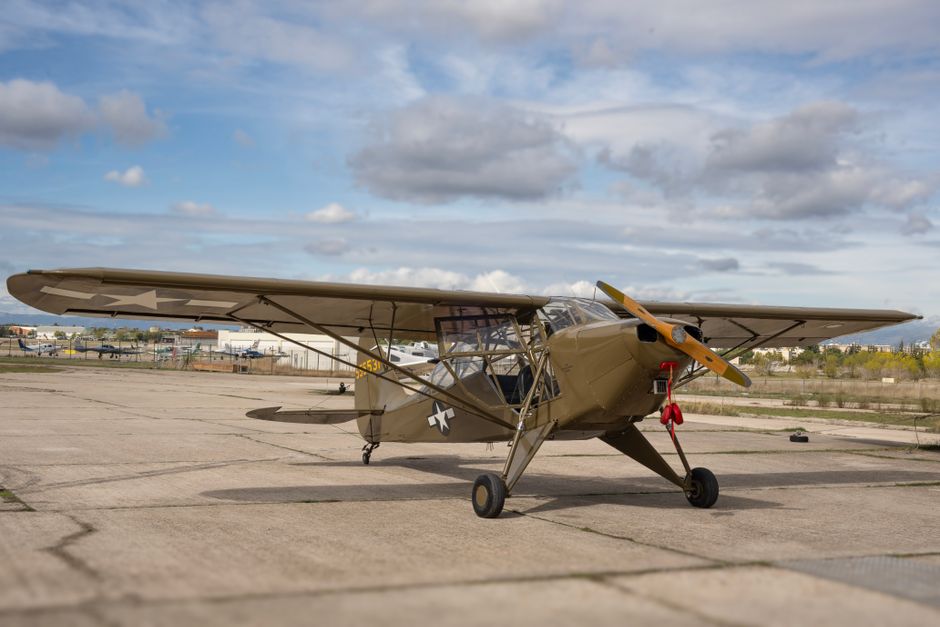
No list of hardworking small transport planes feels complete without the An-2. This single-engine Soviet biplane is one of the most-produced aircraft in history, and it has been hauling people and cargo since the late 1940s. It is big, slow, and almost impossibly tough.
The An-2 can take off and land in shockingly little space, sometimes seeming to hover into a stiff wind. It carries roughly 12 passengers or a heavy load of freight, and pilots tell stories of it flying out of fields, snow, and dirt with ease. It is old technology, but it still earns its keep in remote regions today.
Fun Fact: The An-2 is said to have no published stall speed in its original manual. Flown slowly enough into the wind, it can descend almost straight down, which is a big reason it is so beloved for short-field work.
How to Choose the Right Small Transport Plane
Picking the best aircraft is really about matching the plane to the mission. The "best" choice for an island airline is a poor fit for a backcountry charter, and the opposite is just as true. A few simple questions help narrow the field fast.
- What are you carrying? Mostly people, mostly freight, or a mix of both? Combi-capable planes like the Caravan and SkyCourier shine when the load changes day to day.
- Where are you landing? Paved regional airports are easy. Short gravel strips demand real STOL performance, which points toward the Twin Otter, Kodiak, or An-2.
- One engine or two? Twins like the King Air and L-410 add a layer of reassurance over remote terrain and water. Singles are simpler and usually cheaper to run.
- What is your budget? New aircraft cost millions, while older airframes can be far more affordable. It pays to understand what these planes cost before you fall in love with one.
- Who will fly it? Some of these planes are friendly to newer commercial pilots, while others reward experience. Knowing the right fit for private pilots keeps training costs and insurance in check.
Ownership cost goes well beyond the sticker price. Fuel, insurance, hangar space, and maintenance all add up. A plane with widely available parts and plenty of trained mechanics will almost always cost less to keep flying than a rare model with a thin support network.
Heads Up: A cheap purchase price can hide expensive surprises. Engine time, corrosion, and avionics upgrades can cost as much as the airframe itself, so always budget for a thorough inspection.
Ready to find your own workhorse? Browse current small transport plane listings on Flying411 and see what is available today.
Small Transport Planes vs. Bigger Aircraft
It is fair to ask why anyone would pick a small plane over a larger, faster one. The answer comes down to access and economics. Small transport planes go where big ones cannot, and they do it without needing a full load of passengers to break even.
Here is how the trade-offs tend to shake out.
| Factor | Small Transport Planes | Larger Aircraft |
| Runway needs | Short, often unpaved | Long, paved |
| Operating cost | Lower per flight | Higher per flight |
| Passengers | Roughly 6 to 19 | Dozens to hundreds |
| Flexibility | Switch freight and seats fast | Mostly fixed roles |
| Best routes | Short, thin, remote | Long, busy, high-demand |
The safety conversation comes up a lot too. People often wonder how small planes stack up, and the honest answer is that good training, solid maintenance, and careful operation matter far more than size alone. If the topic interests you, it is worth reading up on the real safety questions instead of relying on gut feeling.
What small planes give up in size, they gain in reach. A big jet needs a big airport and a big crowd. A Caravan or Twin Otter needs a strip of dirt and a reason to fly. That is why these aircraft remain a core part of the general aviation fleet around the world.
Keep in Mind: Bigger is not always better in aviation. The right-sized plane for the route almost always beats the largest plane you can afford to buy.
Conclusion
The world would feel a lot bigger without these aircraft. The best small transport planes stitch together towns, islands, and backcountry strips that the airline map ignores. From the everywhere-you-look Cessna Caravan to the unstoppable Twin Otter and the brand-new SkyCourier, each one proves that you do not need a jumbo jet to do important work in the sky.
Choosing among them comes down to your mission, your runway, and your budget. Match those three honestly, and one of these proven workhorses will likely fit like a glove. They are simple, tough, and built to keep flying long after flashier aircraft have moved on.
When you are ready to buy, sell, or simply learn more about these dependable machines, Flying411 is the place to start, because the right plane is a lot easier to find when you know exactly what you are looking for.
Frequently Asked Questions
What is the most popular small transport plane?
The Cessna 208 Caravan is among the most widely used, with thousands flying in passenger, cargo, and special-mission roles around the world. Its mix of low cost and high flexibility keeps it in constant demand.
Can one pilot fly a small transport plane?
Yes, many of these aircraft are certified for single-pilot operation, including the Caravan, PC-12, and SkyCourier. Larger or special-mission flights may still use two pilots for workload and safety reasons.
How much do small transport planes cost?
Prices vary widely, from a few hundred thousand dollars for older used airframes to several million for new models. Running costs like fuel, insurance, and maintenance also play a big role in the true price of ownership.
Are small transport planes safe?
When properly maintained and flown by trained pilots, these aircraft have strong safety records and are trusted for daily commercial work. As with any flying, good upkeep and sound decision-making matter most.
What is the difference between a cargo and passenger version?
Cargo versions remove seats and add a flat floor, tie-downs, and a large door for freight, while passenger versions add seats, windows, and cabin comforts. Many models, like the Caravan and SkyCourier, can switch between the two in a matter of hours.