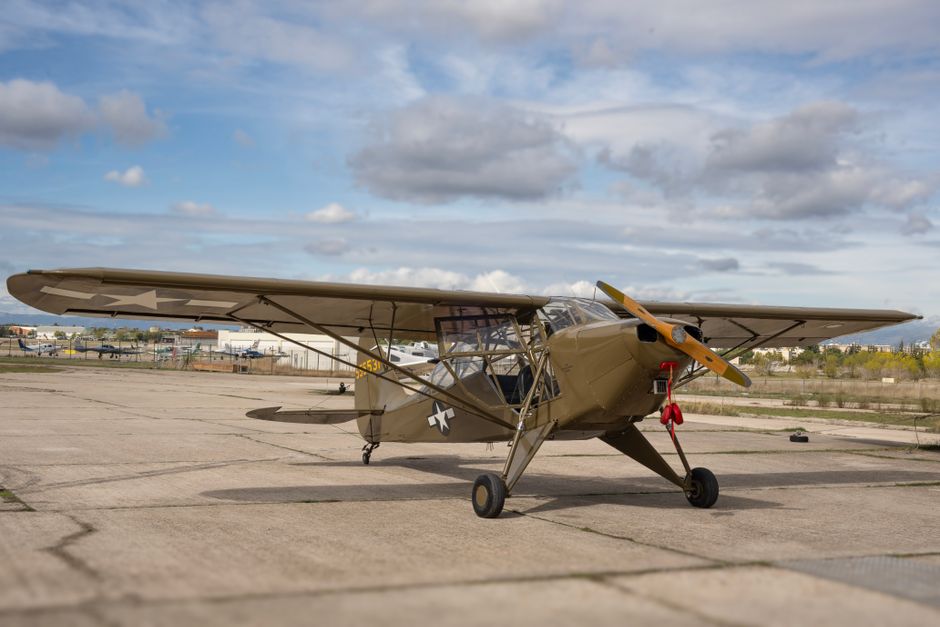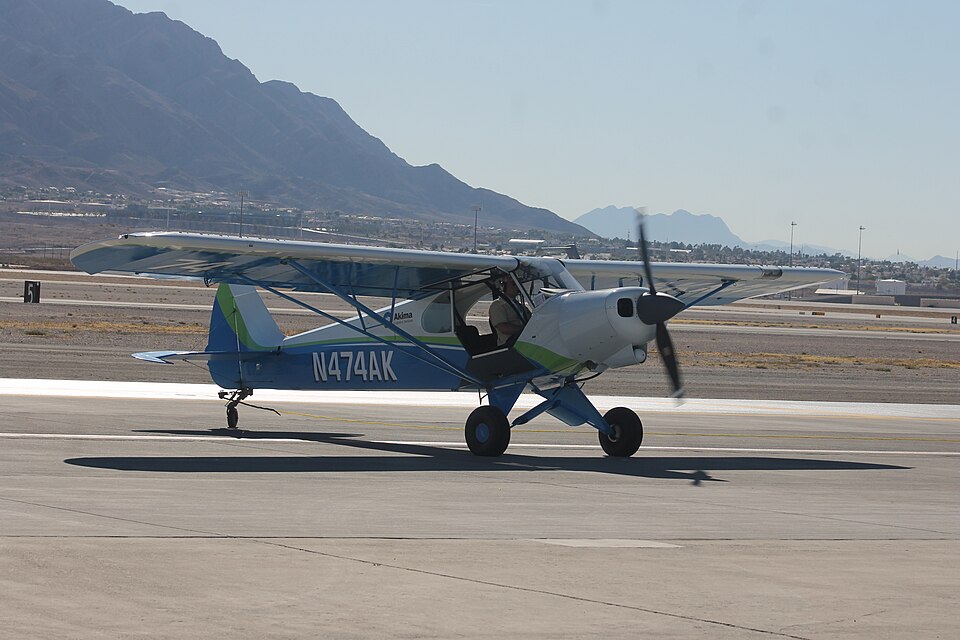
Flying a small plane used to feel like a far-off dream for most people. Big training bills, medical exams, and pricey aircraft kept a lot of would-be pilots stuck on the ground. Small sport planes helped change that. These light, simple, two-seat aircraft are built for fun, easy flying, and weekend trips without the heavy cost of a full-size airplane.
They are easier to learn in, cheaper to fly, and a real joy to own. Some can land on water. Some can take off in the length of a tennis court. Others can cross the whole state on just a few gallons of fuel per hour.
And here is the twist. For the first time in about twenty years, the rules around these little planes just got a whole lot friendlier.
Key Takeaways
The best small sport planes are light, two-seat aircraft that are fun to fly, cheap to run, and easy to train in. Popular picks include the Van's RV-12, the Icon A5, the CubCrafters Carbon Cub, the Flight Design CT, and the Tecnam P92, along with several other strong options. Most run on car-style fuel, burn only a few gallons each hour, and can be flown with a simpler license than a full private pilot certificate. New rules that took effect in late 2025 also opened the door to bigger, faster, and more capable sport planes than before.
| What to Know | Quick Answer |
| What is a small sport plane? | A light, simple aircraft built for fun, often with one or two seats |
| How many seats? | Usually two, with room for more under the newer rules |
| Typical fuel use | Often around 3 to 5 gallons per hour |
| License needed | A sport pilot certificate is enough for many of them |
| Top all-around pick for beginners | Van's RV-12 and Tecnam P92 are easy, friendly choices |
| Best for water landings | Icon A5 |
| Best for rough, short fields | CubCrafters Carbon Cub and Kitfox |
| Big rule change | The MOSAIC rule (2025 to 2026) expanded what counts as a sport plane |
Looking for your first small sport plane without the guesswork? Flying411 brings buyers, sellers, and trusted aviation pros together in one simple place.
What Makes a Plane a "Small Sport Plane"
A small sport plane is a light aircraft built for simple, low-cost flying. Most are two-seat planes, though some have just one seat. They use small, efficient engines. They are made to be easy to handle, easy to land, and friendly for new pilots. Many overlap with the wider world of different small aircraft, but sport planes sit at the lighter, simpler end of the scale.
For years, these planes fell under a category the U.S. Federal Aviation Administration (FAA) created in 2004 called light sport aircraft, or LSA. The idea was to make flying cheaper and easier to reach. To keep things simple and safe, the FAA set clear limits on size, weight, and speed.
Under the older rules, a typical land-based LSA had to stay within these limits:
- A maximum takeoff weight of about 1,320 pounds (around 1,430 pounds for seaplanes)
- No more than two seats
- A single engine
- A top speed of roughly 120 knots
- Fixed landing gear on most models
These planes are simple by design. Many are single-engine designs that sip fuel and cost far less to run than larger aircraft. Some are sold ready to fly from the factory. Others come as kits that owners build at home, often saving money in the process.
Good to Know: Sport planes are different from ultralights. Ultralights are even lighter and can sometimes be flown with no license at all. If that idea grabs you, the world of planes that need no license is worth a look before you settle on a sport plane.
One big draw is the license. You can fly many of these planes with a sport pilot certificate, which takes fewer training hours than a full private pilot certificate. For most daytime trips, a sport pilot can even fly using a valid U.S. driver's license in place of an FAA medical certificate. That alone has pulled many people into the air who thought flying was out of reach.
How the MOSAIC Rule Changed Small Sport Planes
Here is the part that makes 2025 and 2026 such a big deal for sport flying. The FAA passed a major new rule called MOSAIC, which stands for Modernization of Special Airworthiness Certification. It is the biggest update to light sport flying in about twenty years.
The final rule was published on July 24, 2025. The changes roll out in two waves:
- October 22, 2025 brought new sport pilot privileges and rules for flying.
- July 24, 2026 brings new rules for how sport planes are built and certified.
So what actually changed? Quite a lot. The old weight limit is gone. Instead of judging a plane by its weight, the FAA now looks at how it performs, mostly its stall speed (how slowly it can fly before the wings stop lifting). The top stall speed for planes a sport pilot can fly went up from 45 knots to 59 knots.
That shift opens the door to bigger, faster, and more capable aircraft. Here is what it means in plain terms:
- Sport planes can now have up to four seats, not just two
- Some can have retractable landing gear and adjustable propellers, with the right training
- Sport pilots can now fly at night, if they meet medical and training rules
- A much larger share of the existing fleet is now open to sport pilots
Why It Matters: Under MOSAIC, a sport pilot can now legally fly a big chunk of the general aviation fleet, not only tiny two-seaters. This makes the sport pilot certificate far more useful than it was before, while still skipping the full private pilot path for many people.
The result is a wider, more exciting market. Planes that were once too heavy or too fast to count as sport planes may now qualify. Older, well-loved aircraft suddenly fit the rules too. For buyers, that means more choice than ever. For the rest of this list, we will focus on light, friendly aircraft that fit the spirit of sport flying, both the classics and the newer designs.
Top Small Sport Planes Worth a Closer Look
Now for the fun part. Below are twelve of the best small sport planes flying today. This mix covers trainers, tourers, water planes, and rugged backcountry machines. Some are sold ready to fly. Others are kits you can build. All of them are popular, well-supported, and a treat in the air.
A quick note on numbers. Specs like speed and range can shift by model year and options, so treat the figures here as friendly ballparks, not exact promises.
1. Van's RV-12
The Van's RV-12 is one of the most loved light sport planes in the United States, and for good reason. It is an all-metal, low-wing, two-seat aircraft that flies smoothly and lands with ease. Many owners build it from a kit, while a factory-built version is also offered.
Powered by a Rotax engine, the RV-12 cruises along nicely while burning only a few gallons of fuel per hour. The wings can be removed for storage, which helps cut hangar costs. It has a strong owner community and great parts support, so help is never far away.
- Best for: New pilots, builders, and budget-minded flyers
- Why people love it: Easy handling, low running costs, and a huge support network
If you want a friendly first plane that holds its value and is simple to maintain, the RV-12 is hard to beat. It often shows up on lists of great picks for private pilots as well.
2. Icon A5
The Icon A5 is the showstopper of the group. It is an amphibious sport plane, which means it can land on both runways and water. With its sleek carbon-fiber body, folding wings, and bold looks, it feels more like a flying sports toy than a normal airplane.
It uses a 100-horsepower Rotax engine mounted at the back, driving a pusher propeller. Cruise speed sits around 85 to 95 miles per hour, so it is not built for speed. It is built for fun. The A5 has folding wings so you can trailer it home, plus a built-in angle-of-attack indicator that helps pilots avoid stalls.
Fun Fact: Every Icon A5 registered in the United States comes with a whole-airframe parachute as standard. The A5 is one of a small number of small planes with a parachute system built right in, which adds a strong layer of safety.
- Best for: Weekend fun, lake flying, and pure joy
- Watch out for: A higher price tag and a slow cruise speed
If landing on a quiet lake sounds like your dream, the A5 belongs near the top of your list. Fans of water flying may also enjoy reading about other small seaplanes on the market.
3. CubCrafters Carbon Cub
The CubCrafters Carbon Cub takes the classic look of the old Piper Cub and gives it a modern, lightweight twist. It is a taildragger built for short fields, rough strips, and backcountry adventure. If you want to land on a gravel bar or a mountain meadow, this is your kind of plane.
The Carbon Cub is known for its very slow stall speed, which lets it take off and land in remarkably short distances. A strong steel cage protects the people inside. The whole plane is built tough, yet stays light enough to leap off the ground fast.
- Best for: Backcountry flying, short runways, and stick-and-rudder fun
- Why it stands out: Short takeoffs, slow landings, and a rugged build
This is a plane for adventure. It rewards skill and loves to fly low and slow over wild country.
4. Flight Design CT Series
The Flight Design CT series, including the CTLS, is one of the most successful light sport designs ever sold. Built with a strong composite body, it offers a roomy cabin, a comfy ride, and impressive fuel efficiency. It is a favorite for longer trips across the country.
The CT cruises briskly for a sport plane and can be fitted with a glass cockpit and a built-in parachute system. There is plenty of room inside for two people and their gear, which makes weekend getaways easy and pleasant.
- Best for: Cross-country trips and comfort
- Why people love it: Roomy cabin, good speed, and great fuel numbers
If your goal is to actually go places, not just bounce around the local pattern, the CT is a smart, comfortable choice.
5. Tecnam P92 Echo
Tecnam is a large aircraft maker from Italy, and the P92 Echo is one of its most popular sport planes. It is an all-metal, high-wing design that feels solid and familiar, a bit like a shrunken classic trainer. You can get it with normal tricycle gear or as a taildragger.
The P92 is roomy, comfortable, and gentle to fly, which makes it a great trainer and a relaxing tourer. Tecnam is known for nice interiors, with leather seats and modern touches on many models. Parts and support are widely available thanks to the company's size.
- Best for: Training and easygoing travel
- Why it stands out: Comfort, build quality, and strong factory backing
This is a no-drama plane that does almost everything well. It is a fine pick for flight schools and private owners alike.
6. Pipistrel Alpha and Virus
Pipistrel, now part of the Textron family, is famous for building some of the most fuel-efficient light planes around. The Alpha Trainer is a simple, low-cost two-seater aimed at flight schools, while the Virus is a sleeker model built for faster cross-country flying.
These planes are light, slippery through the air, and very cheap to run. Pilots love how little fuel they burn and how affordable they are to operate over time. Pipistrel has also been a leader in electric flight, so the brand sits at the front of new aviation ideas.
Pro Tip: Operating cost matters as much as the sticker price. A plane that sips fuel, like a Pipistrel, can save you thousands over the years. If low cost is your main goal, compare it against other budget-friendly small planes before you buy.
- Best for: Training and pilots who hate fuel bills
- Why people love it: Very low running costs and clean, modern design
For anyone watching their wallet, Pipistrel is one of the smartest names in the sport flying world. The brand is also worth a look if you are curious about small electric planes and where the industry is heading.
7. Evektor SportStar and Harmony
The Evektor SportStar holds a special place in light sport history. It is widely recognized as one of the very first special light sport aircraft accepted by the FAA back in 2005. The all-metal design proved durable and friendly, which made it a popular trainer for years.
The newer Harmony model builds on that success with a smarter wing and added refinement. It offers several engine choices and can be set up for more advanced flying. Both planes are known for being tough and dependable, which is exactly what a busy flight school needs.
- Best for: Training and durable, everyday flying
- Why it stands out: A proven design with a long track record
If you want a sport plane with history and a reputation for toughness, Evektor deserves a spot on your shortlist.
8. Vashon Ranger R7
The Vashon Ranger R7 is an American-built sport plane designed to be affordable and well-equipped at the same time. It is an all-metal aircraft made in Washington state, and it uses a simple, reliable engine that runs on regular fuel.
What makes the Ranger stand out is value. It comes from the factory with modern glass avionics, yet the price aims to undercut many rivals. The goal was to fill the gap between aging older planes and pricey new ones, and it does that job well.
- Best for: Buyers who want new, modern, and affordable
- Why people love it: Strong value, simple upkeep, and American support
For a fresh-from-the-factory plane that does not break the bank, the Ranger R7 is a refreshing option.
9. Texas Aircraft Colt
The Texas Aircraft Colt brings a familiar, classic feel to the sport plane world. Built in Hondo, Texas, it uses a control yoke instead of the side stick found in most light sport planes. For pilots trained on traditional aircraft, that small detail makes it feel right at home.
The Colt has a refined cabin, clean looks, and the comfort of a legacy general aviation plane in a brand-new design. Being built and supported in the United States is a real plus for parts and service.
- Best for: Pilots who want a classic feel with modern parts
- Why it stands out: Yoke control, nice interior, and U.S. support
If a side stick feels strange to you, the Colt offers a friendly, familiar way to enjoy sport flying.
10. Jabiru J-230
The Jabiru J-230 comes from Australia and stands out for one rare reason. Jabiru builds its own engines, so the airframe and the powerplant come from the same family. That can make support and service feel more joined-up.
The J-230 has a roomy cabin with a generous baggage area, thanks in part to an extra door. With its six-cylinder engine, it can move along at a brisk pace for a sport plane. There is plenty of space for two people plus gear, or even a pet.
- Best for: Roomy hauling and faster cruising
- Why it stands out: Big cabin, lots of baggage room, and home-built engines
If you value cabin space and a bit more speed, the Jabiru J-230 makes a strong case.
11. Kitfox
The Kitfox is an American kit-built taildragger that has won a loyal following over many years. It is a light, flexible plane that can be fitted with wheels, floats, or skis, which means it can fly almost anywhere. The wings fold for easy storage, just like many sport designs.
Kitfox planes love slow flight and short fields. They are a top pick for backcountry pilots who want to land off-airport and have fun close to the ground. Building one yourself also keeps costs down and teaches you every bolt in the airframe.
- Best for: Builders and backcountry adventure
- Why people love it: Versatile, foldable, and great at slow speeds
For hands-on owners who want a do-it-all bush plane, the Kitfox is a classic for good reason.
12. Bristell
The Bristell is a sleek, low-wing sport plane from the Czech Republic. It pairs a modern look with a wide, comfortable cabin that many pilots say is among the roomiest in its class. The build mixes metal and composite parts for a clean, strong airframe.
Bristell planes handle well and offer solid performance for travel. The wide cabin makes longer flights more pleasant, and the modern styling turns heads on the ramp. It is a refined choice for pilots who want both comfort and good looks.
- Best for: Comfortable cross-country flying with style
- Why it stands out: Wide cabin, modern design, and smooth handling
If cabin comfort sits high on your list, the Bristell is well worth a test flight.
Ready to compare real listings side by side? Flying411 lets you browse new and used sport planes, engines, and parts, then connect with certified mechanics and avionics pros to keep your plane in top shape.
How to Choose the Right Small Sport Plane
With so many strong options, picking one can feel tricky. The good news is that the right plane usually comes down to a few simple questions about how you plan to fly. Match the plane to your mission, and the choice gets a lot easier.
Here are the main things to think through:
- Your mission. Will you fly short local hops, long cross-country trips, or land on water and dirt? A tourer like the Flight Design CT suits travel. A Carbon Cub suits the backcountry. An Icon A5 suits lakes.
- New or used. A new plane brings a warranty and the latest gear. A used plane saves money up front. Both paths can be smart, depending on your budget.
- Kit or factory-built. Building a kit can save money and teach you the airframe inside out. A factory plane gets you flying right away with no shop time.
- Running costs. Fuel burn, insurance, hangar fees, and upkeep all add up. A thrifty plane can save real money over the years.
- Comfort and size. Cabin width and baggage space matter, especially for longer trips or taller pilots.
- Support and parts. A plane with a big owner base and easy parts supply is simpler to own.
- Resale value. Popular models tend to hold their worth better, which helps when it is time to sell.
Quick Tip: Before you buy, take a test flight and get a pre-purchase inspection from a trusted mechanic. A few hours of checking can save you from a costly surprise later. This is true for both new and used planes.
It also helps to look at how a plane fits into the bigger picture of popular small aircraft. A model that many people fly is usually easier to insure, service, and sell down the road.
How Much Do Small Sport Planes Cost
Cost is often the first question buyers ask, and the honest answer is that it varies a lot. The price depends on the model, the year, the condition, and the gear inside. Still, here is a general picture to set your expectations.
Used sport planes tend to be the most affordable way in. A solid older model can cost far less than a brand-new one. New factory-built planes cost more, and high-end models with parachutes, glass cockpits, or water-landing ability sit at the top of the range. For a deeper breakdown, it helps to study what small planes really cost before you set a budget.
Beyond the purchase price, plan for these ongoing costs:
- Fuel: Often just 3 to 5 gallons per hour, which is a big saving over larger planes
- Insurance: Varies by your hours, the plane, and how you use it
- Hangar or tie-down: Storage fees depend on your local airport
- Maintenance: Yearly checks and normal upkeep
- Avionics updates: Optional, but nice for safety and ease
Heads Up: The cheapest plane to buy is not always the cheapest to own. A bargain plane with high fuel use, rare parts, or pricey insurance can cost more in the long run than a slightly pricier but thriftier model. Always look at the full cost of ownership.
The bright side is clear. Compared with larger general aviation planes, these light machines are some of the most affordable aircraft you can own. Lower fuel use and simpler upkeep make them a friendly entry point into the joy of recreational flying.
Want to put a real plane in your hangar this year? Start your search on Flying411 and find sport planes, engines, and certified services all in one trusted place.
Small Sport Planes vs Other Small Planes
It helps to know how sport planes stack up against other light aircraft. Many buyers compare them with standard general aviation planes, like an older two-seat trainer or a four-seat family plane.
Here is a simple way to think about it:
| Feature | Small Sport Planes | Other Small Planes |
| License | Sport pilot certificate is often enough | Usually need a private pilot certificate |
| Seats | Two (more allowed under newer rules) | Often four or more |
| Fuel use | Low, often 3 to 5 gallons per hour | Higher in many cases |
| Cost to own | Lower for most models | Often higher |
| Medical exam | Driver's license works for many day flights | Medical or BasicMed often required |
| Best use | Fun, training, and short trips | Travel, family, and longer hauls |
Sport planes win on cost, simplicity, and ease of training. Bigger planes win on space, range, and the ability to carry more people. Neither is better in every way. The right choice depends on your goals. If you are weighing safety as part of the decision, it is worth reading how small planes compare with bigger ones on that front.
Pros and Cons of Small Sport Planes
No plane is perfect, so it pays to know the trade-offs before you buy. Sport planes shine in many ways, but they do come with a few limits. Here is a balanced look.
The upsides:
- Lower purchase and running costs than larger planes
- A simpler, faster path to a pilot license
- Great fuel economy, often just a few gallons per hour
- Fun, light handling that makes flying pure joy
- Many models can be stored at home with folding wings
The downsides:
- Most carry only two people, though that is changing
- Smaller cabins and less baggage room than big planes
- Slower cruise speeds on many models
- Lighter weight can make them more sensitive in strong winds
- Some kit planes take real time and skill to build
Keep in Mind: Many of the "downsides" are also part of the charm. A light, simple plane is exactly what makes sport flying so affordable and so much fun. The trick is matching the plane's strengths to the kind of flying you actually want to do.
For most new and casual pilots, the upsides easily win out. These planes deliver the freedom of flight at a price that real people can manage. That blend of fun and value is why the category keeps growing year after year.
Final Thoughts
The world of small sport planes has never looked brighter. With friendly costs, easy training, and a fresh set of rules that opened the door to bigger and better aircraft, there has rarely been a better time to get into the air. From the water-loving Icon A5 to the backcountry-ready Carbon Cub and the practical Van's RV-12, there is a sport plane for almost every dream and budget.
The key is to start with how you want to fly, then match a plane to that goal. Take test flights, ask owners, and always get a good inspection before you buy. Do that, and you will land on a plane that brings you years of joy.
Your first or next sport plane is closer than you think. Browse listings, compare models, and connect with trusted aviation pros at Flying411, the simple way to buy, sell, and care for the plane you have always wanted.
Frequently Asked Questions
What license do I need to fly a small sport plane?
For many sport planes, a sport pilot certificate is enough, and it takes fewer training hours than a full private pilot certificate. For most daytime flights, a sport pilot can also fly using a valid driver's license in place of a medical certificate.
Are small sport planes safe to fly?
Sport planes are built to clear safety standards, and some even come with whole-airframe parachutes for extra protection. Like any aircraft, their safety depends heavily on good training, careful maintenance, and smart flying decisions.
Can I build my own sport plane?
Yes. Many sport planes, such as the Van's RV-12 and the Kitfox, are sold as kits that you build at home. Building one can save money and gives you deep knowledge of every part of your aircraft.
How fast do small sport planes fly?
Most sport planes cruise somewhere between about 85 and 120 miles per hour, depending on the model. Speedier touring designs sit at the higher end, while fun-focused planes like the Icon A5 fly slower on purpose.
Did the MOSAIC rule change which sport planes I can fly?
Yes. Starting in late 2025, the MOSAIC rule removed the old weight limit and used performance instead, which lets sport pilots fly a wider range of aircraft, including some with up to four seats and more speed.