Most people assume you need a pilot's license to fly anything with wings. For almost every aircraft in the United States, that is true. You need a pilot certificate, a medical, and a registered plane before you can legally leave the ground. But there is one small slice of aviation that breaks all of those rules at once.
A handful of small planes that don't require a license exist, and they are perfectly legal to fly under federal law.
These aircraft fall under a special set of rules called FAA Part 103. They are light, slow, and built for one person who just wants to fly for fun. No license. No medical exam. No registration. It sounds too good to be true, yet it has been the law for decades.
It turns out the smallest planes in the sky come with the biggest loophole in all of aviation.
Key Takeaways
In the United States, the only small planes you can legally fly without any pilot's license are FAA Part 103 ultralight vehicles. A powered ultralight must weigh under 254 pounds empty, hold no more than 5 gallons of fuel, carry only one person, and fly slow. Meet those limits and you skip the license, the medical, and the registration completely. Everything else with wings still needs a certificate.
| Question | Quick Answer |
| Can you legally fly without a license? | Yes, but only Part 103 ultralight vehicles |
| How many seats? | One. Single occupant only |
| Max empty weight (powered)? | Under 254 pounds |
| Max fuel? | 5 gallons |
| Max speed? | 55 knots calibrated airspeed at full power |
| License needed? | None |
| Medical needed? | None |
| Registration needed? | None |
| Where can you fly? | Daytime, uncontrolled airspace, away from crowds |
Flying411 is an online aviation marketplace built for people who love aircraft, from first-time ultralight shoppers to seasoned owners. It is a simple place to see what is out there and learn as you go.
What "No License Required" Actually Means
The idea of flying a plane with no license sounds wild, so it helps to be clear about what is going on. The Federal Aviation Administration, or FAA, treats most flying machines as "aircraft." Aircraft come with a long list of requirements. You need a pilot certificate. You need a medical sign-off. The plane needs an airworthiness certificate and a registration number painted on the side.
There is one exception to almost all of that. The FAA created a tiny category that it does not even call "aircraft." It calls them ultralight vehicles. These are governed by their own short rulebook, known as Part 103 of the Federal Aviation Regulations.
Because the FAA does not classify them as aircraft, the usual rules do not apply. The agency itself states that operators of ultralight vehicles are not required to meet any aeronautical knowledge, age, or experience requirements, and do not need an airman or medical certificate. The vehicles also do not need to be registered or to carry any markings.
Good to Know Part 103 is often described as the shortest set of flight rules in existence. The entire regulation is just a few pages long, which is part of why it has stayed so popular with hobby pilots.
So when people talk about flying without a license, they are almost always talking about this one category. It is the single legal path to leaving the ground with no certificate in your pocket. Among the many different types of small planes out there, only this group skips the license entirely.
How FAA Part 103 Defines an Ultralight
The freedom of Part 103 comes with a strict definition. Your aircraft has to fit inside a narrow box of numbers. Miss even one of these limits, and the FAA stops treating your machine as an ultralight. At that point it becomes a regular aircraft, and you need all the usual paperwork and a certificate to fly it.
Here are the rules that define a powered ultralight aircraft under Part 103:
- Single seat. It can carry only one person. No passengers, ever.
- Recreation or sport only. You cannot use it for business, hauling cargo for hire, or any commercial work.
- No airworthiness certificate. The vehicle does not hold a U.S. or foreign airworthiness certificate.
- Empty weight under 254 pounds. Floats and emergency safety devices, like a ballistic parachute, do not count toward this number.
- Fuel capacity of 5 gallons or less. That is the maximum the tank can hold.
- Top speed of 55 knots or less. That is the most it can do at full power in level flight, which works out to roughly 63 miles per hour.
- Power-off stall speed of 24 knots or less. This keeps the aircraft slow and forgiving near the ground.
Unpowered ultralights, like hang gliders and foot-launched gliders, follow an even simpler rule. They just have to weigh under 155 pounds.
Here is a side-by-side look at the key numbers:
| Limit | Powered Ultralight | Unpowered Ultralight |
| Empty weight | Under 254 lbs | Under 155 lbs |
| Seats | 1 | 1 |
| Fuel | 5 gallons max | None |
| Top speed | 55 knots max | Not specified |
| Stall speed | 24 knots max | Not specified |
Heads Up A two-seat "ultralight" is not a real ultralight. The moment a machine has room for a second person, Part 103 no longer covers it. Flying a two-seater means at least one person on board needs a proper pilot certificate.
This is the most common way people get into trouble. They buy a heavier, two-seat machine that looks like an ultralight, then assume the no-license rule still applies. It does not. The numbers are the law, and the FAA can inspect any vehicle to check.
The Rules You Still Have to Follow
No license does not mean no rules. Part 103 hands you a lot of freedom, and in exchange it asks you to stay inside some clear safety lines. These rules exist so a beginner in a slow little plane never ends up in the path of an airliner.
Here is what you still have to do:
- Fly in daylight only. Operations run from sunrise to sunset. There is one narrow exception during the half hour before sunrise and after sunset, and only if your vehicle has an anti-collision light visible for at least 3 statute miles. True night flying is off the table.
- Stay in uncontrolled airspace. Ultralights are generally limited to Class G airspace. You cannot fly in the controlled airspace around busy airports without prior permission from air traffic control.
- Avoid crowds. You cannot fly over any congested area of a city or town, or over any open-air gathering of people.
- See and avoid. You must watch for other aircraft and give them the right of way at all times.
- No hazards. You cannot fly in a way that puts other people or property at risk, and you cannot drop objects that could hurt someone.
- Allow inspection. If an FAA official asks, you have to let them inspect your vehicle to confirm it really is an ultralight.
Keep in Mind Training is not legally required to fly a Part 103 ultralight, but skipping it is a fast way to get hurt. The FAA strongly encourages every new ultralight pilot to get proper instruction, usually in a two-seat training aircraft, before flying solo.
That last point matters more than the rules themselves. Flying is a skill, and a tiny aircraft with no certificate is still a real aircraft that can climb hundreds of feet into the sky. Good instruction is the cheapest insurance you can buy.
Small Planes You Can Fly Without a License
Now for the fun part. Plenty of real, flyable machines fit inside the Part 103 box. They range from open-frame fixed-wing planes to flying lawn chairs with a fan on the back. Below are the main kinds of small planes you can fly without a license, along with a few of the names that come up again and again. Many of these sit comfortably among the most popular small planes in the recreational world.
Aerolite 103
The Aerolite 103 is one of the best-known names in the ultralight world. It is a single-seat, high-wing pusher, which means the propeller sits behind the pilot. It comes with features that are rare in this class, like flaps and brakes, and it is built in DeLand, Florida. You can buy it as a kit and pair it with your choice of engine. For many people, it is the picture that comes to mind when they think "legal Part 103 plane."
Quicksilver MX 103
The Quicksilver lineage has been around for about four decades, which makes it one of the most recognized families in the sport. The MX 103 version is designed to stay inside Part 103 limits. One thing that makes it stand out is that it can be bought fully assembled and ready to fly, which is unusual for an ultralight. That saves you the long hours of building a kit at home.
Kolb Firefly
The Kolb Firefly is a high-wing pusher with a welded steel frame and wings that fold up quickly. Those folding wings are a big deal. They let you trailer the plane home and tuck it into a standard garage instead of paying for hangar space. It cruises at a gentle pace and climbs well for such a light machine.
Legal Eagle and Other Light Single-Seaters
Beyond the big names, there is a whole world of small, simple single-seaters. The Legal Eagle is a popular homebuilt design loved for its low cost and easygoing nature. The Belite and the Hummel Bird are other light options that draw a loyal following. Many of these started life as classic single-engine plane designs shrunk down to fit the rules. They reward patient builders who enjoy the workshop as much as the sky.
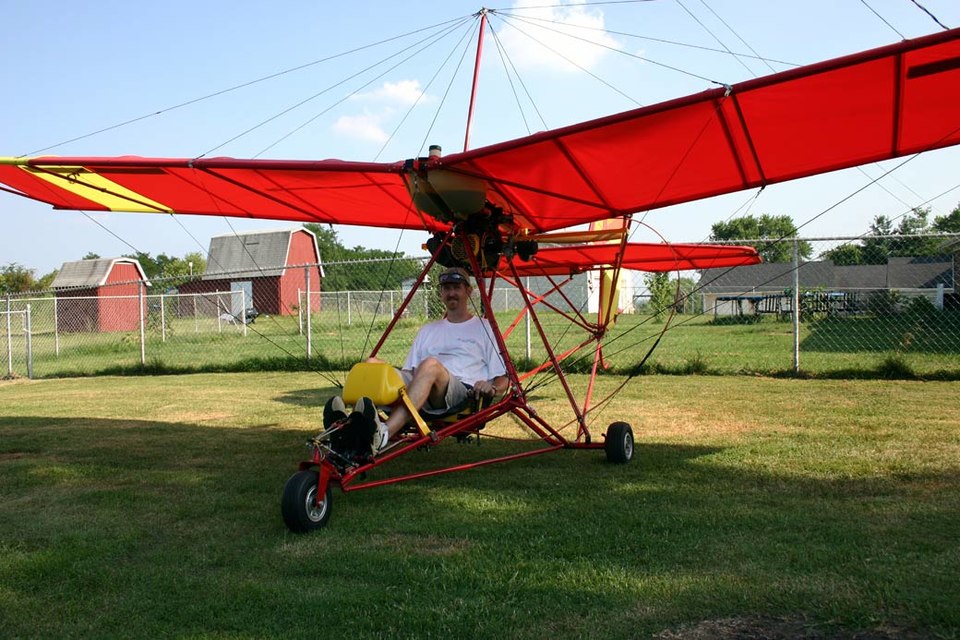
Weight-Shift Trikes
Not every ultralight looks like a traditional plane. A weight-shift trike is basically a powered hang glider wing with a small wheeled cart hanging beneath it. You steer by shifting your weight against the wing. Single-seat versions that meet the weight and speed limits qualify under Part 103. They are simple, open-air, and a blast on calm mornings.
Powered Parachutes
A powered parachute is one of the easiest flying machines to learn. Picture a go-kart-style frame with a big fan behind you and a parachute-style wing overhead. They fly slow, sit low to the ground, and are very stable. Single-seat models that fit the rules count as ultralights, and many beginners start here because the learning curve is so gentle.
Powered Paragliders (Paramotors)
A powered paraglider, also called a paramotor, is about as simple as flight gets. You strap a motor and propeller to your back, run a few steps under a paraglider wing, and lift off. There are no wheels and no cockpit. Just you, a fan, and a fabric wing. Foot-launched single-seat paramotors fall neatly under Part 103, which is a big reason the sport has grown so fast.
Ultralight Helicopters
Yes, even a few helicopters can squeak under the rules. Building a real helicopter that weighs under 254 pounds empty is hard, so these are rare. The main example on the market is a tiny single-seat model that qualifies in part because its floats do not count toward the weight limit. It is a niche choice and one of the priciest ways into the no-license world, but it proves the rules can stretch beyond fixed wings.
Hang Gliders and Unpowered Gliders
The original Part 103 machines were not powered at all. Hang gliders and other foot-launched gliders that weigh under 155 pounds count as unpowered ultralights. They use rising air instead of an engine to stay aloft. If you want the purest, quietest form of flight with zero license required, this is where it lives.
Browsing for your first ultralight is easier when everything sits in one place. Flying411 lets you compare small aircraft, engines, and parts from sellers across the country, so you can shop with a clear head instead of chasing scattered listings.
Pro Tip When you shop for a used ultralight, inspect it closely. Because Part 103 vehicles do not need maintenance records, the history can be a mystery. Bring along an experienced builder or mechanic and check the airframe, fittings, and engine before you hand over any money.
How Much Do These Ultralights Cost
Price is usually the first question after "is this really legal?" The good news is that ultralights are among the most affordable ways to get into the air. The exact number depends on how you buy and what you fly.
Here is a general sense of the range:
- Kits. If you enjoy building, a fixed-wing kit can be one of the cheaper entry points. Many kit airframes start in the mid-to-high teens of thousands of dollars before you add an engine and instruments.
- Factory-built single-seaters. If you would rather fly than build, a ready-to-go plane costs more for the convenience. These often land in the high teens to mid-twenties of thousands of dollars, depending on the engine.
- Powered parachutes and paramotors. These are frequently the most budget-friendly category, since the gear is simpler than a full airframe.
- Ultralight helicopters. Expect these to sit well above the fixed-wing crowd, often climbing into the higher tens of thousands of dollars.
Remember that the sticker price is only the start. You will also pay for fuel, a trailer or storage, safety gear, and training. Even so, the total is usually a fraction of what it costs to own a certified plane. If money is the main hurdle, it helps to study what small planes cost across the board and look at budget-friendly options before you commit.
Ready to see real numbers instead of estimates? Browse current ultralight and small-aircraft listings on Flying411 and connect directly with sellers to find a price that fits your budget.
Part 103 Ultralight vs Light Sport Aircraft
This is where a lot of new pilots get confused, so it is worth slowing down. People often mix up ultralights with light sport aircraft. They sound similar, but the license question makes them very different.
A Part 103 ultralight needs no certificate at all. A light sport aircraft, often called an LSA, still needs a pilot. The difference is that it needs a lighter, easier certificate than the full private pilot license.
That lighter credential is called the sport pilot certificate. It takes less training than a private pilot certificate, and for daytime flying you can use a valid driver's license in place of an FAA medical. It is a great middle path, but it is still a license. So an LSA is not a no-license aircraft. It is a lower-bar aircraft.
There is also big news in this corner of aviation. In July 2025, the FAA finalized a major update called the MOSAIC rule, short for Modernization of Special Airworthiness Certification. The changes roll out in phases. Sport pilot privileges expanded on October 22, 2025, and the new rules for certifying light sport aircraft take effect on July 24, 2026.
Under MOSAIC, the old 1,320-pound weight cap for light sport aircraft is being replaced with a performance-based standard built around stall speed. The result is that sport pilots can now fly a much wider range of aircraft, including some four-seat models, after getting the right training and endorsements. None of this changes Part 103, though. Ultralights stay exactly as they were, single-seat and license-free.
| Feature | Part 103 Ultralight | Light Sport Aircraft |
| License required | None | Sport pilot certificate |
| Medical required | None | Driver's license for day VFR |
| Seats | 1 | Up to 2 (more under newer rules) |
| Registration | Not required | Required |
| Best for | Pure recreation, lowest cost | Travel, training, carrying a passenger |
Why It Matters If you ever want to bring a friend along, fly faster, or travel between airports, you will need at least a sport pilot certificate. Part 103 is wonderful for solo fun, but it is built for one. Knowing the difference early saves you from buying the wrong machine.
For a broader picture of this slice of the sky, it helps to look at the full family of general aviation aircraft and see where ultralights and light sport planes fit in.
Who Should Consider Flying Without a License
Part 103 is not for everyone, and that is okay. It shines for a specific kind of flyer and falls short for others. Thinking honestly about your goals will tell you quickly if this path is right for you.
An ultralight is a great fit if you:
- Want to fly purely for fun, close to home.
- Are happy flying solo, with no passengers.
- Like the idea of low cost and simple ownership.
- Enjoy slow, open-air, low-altitude flight.
- Want to skip the time and expense of earning a certificate.
It is probably the wrong choice if you:
- Want to carry family or friends.
- Plan to travel longer distances or land at busy airports.
- Need to fly at night or in tricky weather.
- Want to use the aircraft for any kind of paid work.
Safety is the thread that ties all of this together. Small aircraft can be wonderfully safe when flown well, and many people study whether small planes are safe before they jump in. Some pilots also feel better choosing models built around extra protection, like the parachute-equipped designs that can lower a whole aircraft gently to the ground.
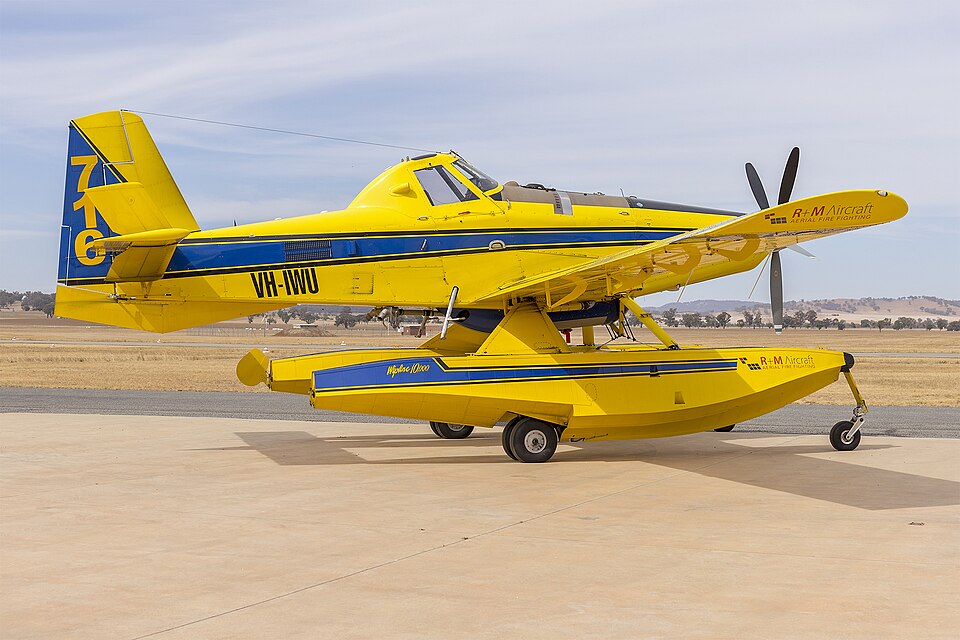
Quick Tip If you live near water, look into float-equipped versions. Because floats do not count toward the 254-pound limit, some seaplane-style ultralights can stay legal under Part 103 while opening up lake and river flying.
One last reminder. These rules apply in the United States. Other countries handle light aircraft very differently, with their own weight limits and licensing steps. If you plan to fly outside the U.S., always check the local rules first.
Conclusion
The dream of flying with no license is real, and it lives in one tidy corner of aviation. Small planes that don't require a license exist as Part 103 ultralight vehicles. They are single-seat, slow, light, and built for the simple joy of being in the air.
Stay inside the limits on weight, fuel, speed, and where you fly, and you can take off legally with nothing but good training and common sense in your pocket.
Just remember that freedom and responsibility ride in the same seat. No license means no safety net of mandatory checks, so the smart move is to learn well, fly carefully, and treat your little aircraft with respect.
Your first flight without a license is closer than you think. Start your search on Flying411 and find the ultralight that finally gets you off the ground.
Frequently Asked Questions
Do I need any kind of insurance to fly a Part 103 ultralight?
The FAA does not require insurance for ultralights, but it is still a smart idea. Some clubs, fields, and lenders may ask for liability coverage before they let you fly or store your aircraft.
How old do you have to be to fly an ultralight?
Part 103 sets no minimum age requirement to operate an ultralight vehicle. That said, most instructors and clubs use good judgment and expect maturity, strength, and solid training before anyone flies solo.
Can I build my own ultralight at home?
Yes, and many people do. Plenty of Part 103 designs are sold as kits or plans, and as long as the finished aircraft fits the weight, speed, and single-seat limits, it stays legal without a certificate.
Where can I legally take off and land an ultralight?
You can fly from private property with the owner's permission, from many small grass strips, and from some public airports that allow ultralight activity. Always avoid controlled airspace and crowded areas unless you have proper authorization.
Is an ultralight the same as a drone?
No. A drone is unmanned and flies with no person on board, while an ultralight carries a single human pilot. They follow completely separate FAA rules, even though both can be small and lightweight.