Visualize a plane that fits inside a modest hangar, lands on a short runway, and still feels like a private lounge with wings. That is the appeal of small luxury planes. They give you the comfort, quiet, and polish people expect from big business jets, but in an airframe one or two pilots can manage and one owner can actually afford to fly often.
These aircraft come in a few shapes. Some are tiny jets. Some are sleek turboprops. A few sit right in between. What ties them together is the feeling inside the cabin. Soft leather seats, big windows, climate control, and a hush at cruise altitude that makes a two-hour hop feel like a short rest.
The surprising part is how much jet-level comfort now fits into something you could park next to a couple of cars.
Key Takeaways
The best small luxury planes pair a roomy, refined cabin with strong speed and range in a compact, easy-to-operate airframe. Top picks today include the Cirrus Vision Jet, the HondaJet Elite II, the Embraer Phenom 300E, the Pilatus PC-12, and the Daher TBM 960. Some are jets and some are turboprops, but all of them deliver a premium ride for a small group without the size and cost of a full business jet.
| Question | Quick Answer |
| What makes a plane "small luxury"? | A compact airframe with a premium, comfortable cabin |
| Jet or turboprop? | Both qualify; jets fly faster, turboprops sip less fuel |
| Typical seating | Around 4 to 9 passengers |
| Usual range | Roughly 1,000 to 2,000 nautical miles |
| Who flies them? | Owner-pilots, families, and small businesses |
| Standout safety feature | Several offer push-button emergency autoland |
At Flying411, we track the small luxury plane market every day, from brand-new factory jets to well-kept pre-owned turboprops, so buyers always have a clear view of what is out there.
What Counts as a Small Luxury Plane
There is no single rulebook, but a small luxury plane usually checks three boxes. It carries a handful of people, not dozens. It has a finished, upscale cabin instead of a bare utility interior. And it offers performance that makes real trips practical, not just short joyrides.
Most of these aircraft seat somewhere between four and nine passengers. Many are flown by a single pilot, and quite a few are flown by the owner. That mix of comfort and simplicity is the whole point. You get a private cabin without needing a full crew or a giant runway.
You will see two main power types in this group. Some use jet engines. Others use turboprop engines, which spin a propeller using a turbine. Both are smooth and reliable. The choice mostly comes down to speed, fuel use, and where you want to land. If you want to understand the wider field of compact aircraft first, our overview of small private planes is a helpful starting point.
Good to Know: A turboprop is not the same as an old piston propeller plane. It uses a jet-style turbine engine to turn the prop, which means it runs quietly, climbs high, and flies far above most rough weather.
What Gives a Small Plane That Luxury Feel
Size alone does not make a plane feel luxurious. The details do. When you step into one of these cabins, a few features do the heavy lifting.
- Quiet cabin: Good soundproofing turns engine noise into a soft hum, so people can talk or rest without shouting.
- Pressurized comfort: Pressurization lets the plane fly high and smooth while keeping the cabin feeling close to ground level.
- Premium seating: Reclining leather seats, fold-out tables, and cupholders make a few hours feel easy.
- Big windows: Large windows flood the cabin with light and make a small space feel open.
- Modern avionics: Touchscreen flight decks and smart safety systems make the plane easier and safer to fly.
- Climate control: Separate temperature zones keep both pilots and passengers comfortable.
Many newer models add a feature that would have sounded like science fiction a decade ago. With one button, an emergency autoland system can fly the plane to a nearby airport and land it on its own if the pilot becomes unable to fly. It is a feature you hope to never use, yet it changes how families think about flying in a single-pilot aircraft.
Why It Matters: Emergency autoland directly addresses the biggest fear in owner-flown aviation, which is a pilot suddenly becoming incapacitated. A passenger with no flight training can press one button and let the plane bring everyone down safely.
These comfort and safety touches are the reason a compact airframe can still feel like genuine luxury private aircraft. The cabin does most of the talking.
The Main Types of Small Luxury Planes
Before looking at specific models, it helps to sort them into groups. Each type has a clear personality, and knowing the categories makes the rest of the choices much easier. You can go deeper on the broader category in our guide to types of small private planes.
Very Light Jets
These are the smallest jets you can buy. Very light jets usually seat four to six passengers and are simple enough for a single pilot. They cruise fast, climb high, and slip into smaller airports. The Cirrus Vision Jet and HondaJet Elite II live here.
Light Jets
A step up in size and range, light jets add a roomier cabin, longer legs, and more comfort for cross-country trips. They often seat six to nine and still fly well with one pilot. The Embraer Phenom 300E is the headliner of this group.
Single-Engine Turboprops
These trade a bit of top speed for excellent fuel economy and rugged practicality. Single-engine turboprops can land on short or even unpaved strips, carry plenty of gear, and fly far on less fuel. The Pilatus PC-12 and Daher TBM 960 are the stars here. For a focused look at this group, see our breakdown of small turboprop planes.
Twin Turboprops
Twin turboprops add a second engine for extra peace of mind and often a bigger cabin. The Beechcraft King Air family and the head-turning Piaggio Avanti belong in this lane.
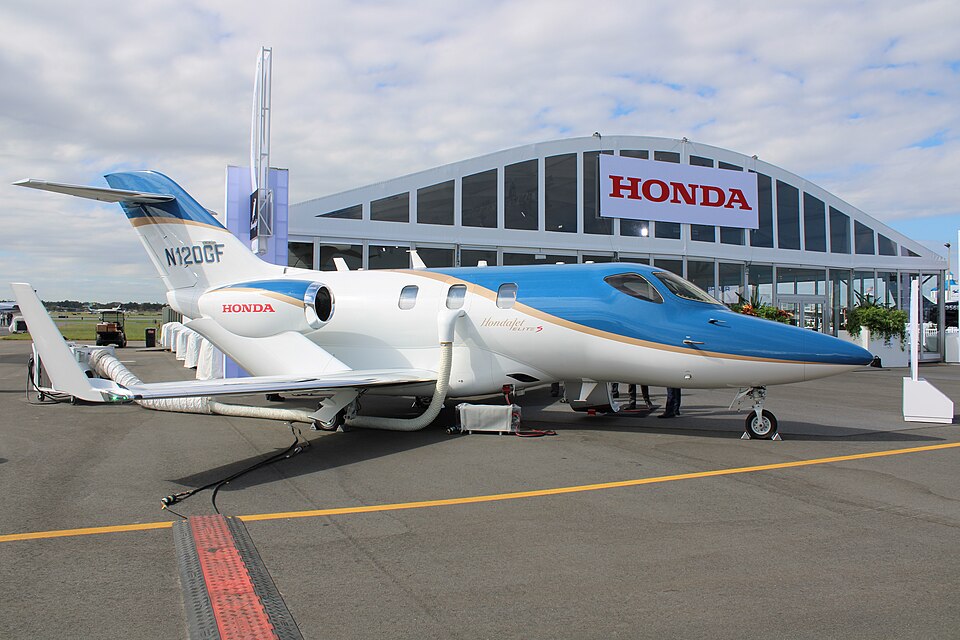
Fun Fact: The HondaJet is widely known for mounting its two engines on pylons above the wings instead of on the rear fuselage. That unusual layout frees up cabin space and helps keep the inside quiet.
10 Best Small Luxury Planes to Know
Here is a closer look at ten standout compact aircraft that deliver real luxury. The list mixes jets and turboprops, since both can offer a first-class ride. Specs vary by model year and options, so treat the figures below as general guides rather than exact promises.
| Plane | Type | Typical Seats | Roughly Cruises At |
| Cirrus Vision Jet | Very light jet | Up to 7 | Around 300 knots |
| HondaJet Elite II | Very light jet | Up to 6 | Around 420 knots |
| Embraer Phenom 300E | Light jet | Up to 9 | Mid-400s knots |
| Embraer Phenom 100EX | Light jet | 4 to 6 | Around 400 knots |
| Cessna Citation M2 | Light jet | Up to 6 | Around 400 knots |
| Pilatus PC-12 | Single-engine turboprop | 6 to 9 | Around 290 knots |
| Daher TBM 960 | Single-engine turboprop | Up to 6 | Around 330 knots |
| Pilatus PC-24 | Light jet | Up to 10 | Around 425 knots |
| Beechcraft King Air 360 | Twin turboprop | Up to 9 | Around 300 knots |
| Piaggio Avanti EVO | Twin turboprop | 7 to 9 | Around 400 knots |
1. Cirrus Vision Jet
The Cirrus Vision Jet is often the airplane people picture when they think of a personal jet. It is one of the few single-engine civilian jets in the world, and the rare one built around a whole-airframe parachute system that can lower the entire plane to the ground in an emergency. Newer models add Cirrus Safe Return, a push-button autoland system.
It seats up to seven, cruises around 300 knots, and flies a little over 1,200 nautical miles. Its distinctive V-tail and single engine make it a natural step up for pilots moving from high-performance piston aircraft. The cabin is bright and roomy for its size, with big windows and a relaxed feel. For many owners, this is the easiest path into jet ownership.
2. HondaJet Elite II
The HondaJet Elite II is one of the most innovative personal jets on the market. Its signature trick is the over-the-wing engine mount, which places the two engines above the wings instead of on the tail. That design opens up cabin space, trims drag, and helps keep things quiet inside.
It carries up to six passengers, cruises around 420 knots, and can climb to high altitudes that rival larger jets. Range lands in the neighborhood of 1,500 nautical miles. Honda packed it with a modern Garmin flight deck and available emergency autoland. The cabin punches above its weight class, with a clean, premium look and a real lavatory.
3. Embraer Phenom 300E
If one airplane defines the modern light jet, it is the Embraer Phenom 300E. It has led the light jet segment in deliveries for well over a decade, and the reason is simple. It blends speed, range, and a genuinely comfortable cabin better than almost anything its size.
The Phenom 300E cruises in the mid-400-knot range and flies close to 2,000 nautical miles, so cross-country trips are easy. Its Oval Lite cabin uses near-vertical walls and large windows to feel bigger than the numbers suggest. It seats up to nine, flies with a single pilot, and holds its value well. For buyers comparing it against larger options, our roundup of the best private jets gives useful context.
Pro Tip: Strong resale value is a quiet superpower in this category. Models like the Phenom 300E and Pilatus PC-12 are known for holding their price well, which can soften the real cost of ownership when you eventually sell.
4. Embraer Phenom 100EX
The Phenom 100EX is the smaller sibling of the 300E and a fine entry-level light jet. It is built for shorter trips and smaller groups, usually four to six passengers. The cabin carries the same thoughtful Embraer design touches, just in a more compact package.
It cruises around 400 knots and is easy for one pilot to handle. For owners who mostly fly regional routes and want a polished jet without the size or cost of bigger models, the 100EX is a smart, comfortable choice.
5. Cessna Citation M2
The Cessna Citation M2 is a friendly, refined light jet that many owner-pilots love. It rides on the long and trusted Citation name, with a clean Garmin flight deck and a smooth, quiet cabin. It seats up to six and cruises around 400 knots.
The M2 is known for being approachable. Pilots stepping up from turboprops often find it forgiving and simple to manage. The cabin is tasteful and comfortable, with good light and a layout that works well for short business hops or weekend getaways. It is a strong pick among small jet planes for a first jet.
6. Pilatus PC-12
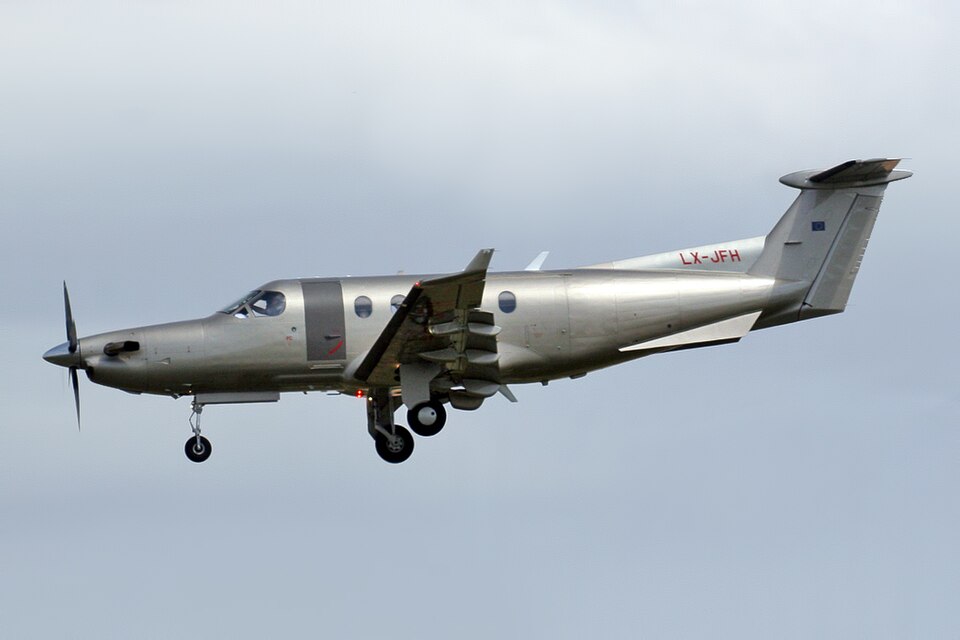
The Pilatus PC-12 is a Swiss-built single-engine turboprop with a near-cult following. It is famous for doing almost everything well. It can carry a big load, land on short or unpaved strips, and still pamper passengers in an executive cabin. Most PC-12s today are sold in plush executive layouts.
It cruises around 290 knots and flies roughly 1,500 to 1,800 nautical miles depending on load. The cabin is wide and tall for the class, with a flat floor and a large cargo door for golf clubs, skis, or luggage. Newer versions add modern avionics and available autoland. Value retention is excellent, which is a big reason buyers keep coming back.
When a plane on this list catches your eye, the Flying411 marketplace lets you filter live listings of jets and turboprops by make, model, and budget, all in one place.
7. Daher TBM 960
The Daher TBM 960 is built for people who want jet-like speed without burning jet-like fuel. It is among the fastest single-engine turboprops you can buy, cruising around 330 knots and reaching roughly 1,700 nautical miles of range. A modern FADEC-controlled engine makes power management nearly effortless.
The cabin is on the snug side compared to the PC-12, but it is sleek and beautifully finished, with a sporty, premium feel. The TBM 960 includes Daher's HomeSafe autoland and a full Garmin G3000 suite. For an owner-pilot who values speed, style, and efficiency in one airframe, it is hard to beat.
8. Pilatus PC-24
The Pilatus PC-24 stretches the meaning of "small," yet it earns its place. Pilatus calls it the Super Versatile Jet, and the nickname fits. It is a light jet that can use short and even unpaved runways, opening up airports most jets cannot touch.
It seats up to ten, cruises around 425 knots, and features a large cargo door and a roomy, flexible cabin. You can set it up for executives, families, or even medical transport. For buyers who want jet speed plus the rough-field freedom of a turboprop, the PC-24 is a rare two-in-one.
9. Beechcraft King Air 360
The Beechcraft King Air 360 carries one of the most respected names in business turboprops. The King Air line has been a corporate favorite for generations, and the 360 keeps that legacy going with a refreshed cabin and updated systems.
It is a twin turboprop, so it offers the comfort of a second engine. The cabin is quiet, spacious, and classy, seating up to nine. It cruises around 300 knots and is happy on shorter runways. For companies and families who want proven dependability wrapped in a comfortable cabin, the King Air 360 remains a benchmark. Twin-engine options like this one show up often in our look at best private planes to own.
10. Piaggio Avanti EVO
The Piaggio Avanti EVO is the showstopper of the group. This Italian twin turboprop has a one-of-a-kind look, with a forward wing, rear-mounted pusher propellers, and a smooth, futuristic shape. People stop and stare when it taxis by.
Looks aside, it performs. The Avanti EVO cruises around 400 knots, which is fast for a turboprop, and offers a tall, stand-up cabin that feels far bigger than its footprint. It is quiet, fuel-efficient, and genuinely luxurious. For a buyer who wants comfort plus a head-turning ramp presence, nothing else flies quite like it.
Heads Up: A more distinctive or rare design can mean a smaller pool of mechanics and parts. Before buying any uncommon model, confirm that maintenance support is easy to reach in your area.
How Much Do Small Luxury Planes Cost
Cost is the question everyone asks, and the honest answer is that it covers a wide range. Prices depend on the model, the year, the hours flown, the avionics, and the cabin condition. Two planes of the same model can carry very different price tags.
As a rough guide for new aircraft:
- The smallest jets and fast turboprops often start in the low millions. A new Cirrus Vision Jet or Daher TBM 960 tends to land in the few-million range.
- Executive turboprops like the Pilatus PC-12 generally sit a bit higher, often in the mid-single-digit millions when equipped for executive use.
- Light jets like the HondaJet and Phenom 300E command the most, sometimes reaching into the high single digits or low eight figures new.
Used aircraft can cost noticeably less, though popular models hold their value well and stay in demand. For a fuller picture of pricing across the smaller end of the market, our guide on how much small planes cost breaks it down, and the wider topic of private jet operating costs covers the ongoing side.
Speaking of ongoing costs, the purchase price is only the start. Owners also budget for fuel, insurance, hangar space, training, and maintenance. Turboprops generally cost less per hour to operate than jets, which is a big reason buyers who fly shorter trips often lean turboprop.
Keep in Mind: Two numbers matter when planning. There is the price to buy the plane, and there is the cost to fly it each year. A turboprop with a lower hourly cost can be cheaper to own over time even if its sticker price is similar to a small jet.
How to Choose the Right Small Luxury Plane
The "best" plane is the one that fits your real trips, not someone else's. A few simple questions point you to the right cabin and the right power type. Thinking through these before you shop saves a lot of time and second-guessing.
- How far do you usually fly? Short regional hops favor very light jets and turboprops. Frequent cross-country trips favor light jets with longer range.
- How many people travel with you? A couple of passengers fits a very light jet. Larger groups want a light jet or a roomy turboprop.
- Where do you want to land? If you like small or rough airfields, a turboprop or the PC-24 opens more doors than a typical jet.
- Do you plan to fly it yourself? Single-pilot models keep things simple. Most planes on this list are owner-friendly.
- What is your real budget? Look past the purchase price to fuel, maintenance, and insurance. Plan for the full picture.
- How much does speed matter? Jets win on raw speed. Turboprops win on fuel use and flexibility. Pick the trade-off that suits your trips.
- How important is safety tech? If autoland and parachute systems give your family peace of mind, weigh the models that offer them.
Quick Tip: Sit in the cabin before you commit. Numbers on a spec sheet do not tell you how a seat feels on a three-hour flight or how easy it is to step aboard. A short visit can settle a big decision fast.
It also helps to compare the standouts side by side. Some buyers cross-shop these compact models against larger machines, and reading about the fastest private jets or the biggest private jets can clarify what you do and do not need. For first-time pilots, our notes on the best planes for private pilots are worth a look too.
Ready to find your own small luxury plane? Browse current aircraft listings on Flying411 and connect with sellers and aviation pros in one place.
Owning a Small Luxury Plane: What to Expect
Buying the plane is the exciting part. Owning it is the long-term relationship. The good news is that compact luxury aircraft are designed to be manageable for individuals and small businesses, not just large flight departments.
Expect to budget for a hangar, regular inspections, and recurring pilot training, even if you fly it yourself. Many owners enroll their engines in maintenance programs that smooth out big repair bills into steady, predictable costs. That kind of planning keeps surprises to a minimum.
Safety is a strong point for this group. Modern small luxury planes carry advanced avionics, weather radar, and in many cases parachute or autoland systems. If safety is top of mind, our overview of the safest small planes and the comparison of single-engine planes both add useful detail.
Resale is another bright spot. Several models on this list are known for holding value well, which makes ownership easier to justify. When the time comes to move up or move on, a well-kept, popular model usually finds a buyer quickly.
Conclusion
Small luxury planes prove that you do not need a giant business jet to fly in real comfort. From the parachute-equipped Cirrus Vision Jet to the speedy Daher TBM 960 and the cabin-first Embraer Phenom 300E, each one delivers a premium ride in a package that one owner can buy, one pilot can fly, and a small group can enjoy. The right pick comes down to your trips, your runways, your budget, and the feel of the cabin once you step inside.
The market is full of strong options, and the smartest move is to compare them with clear eyes and good information.
Whatever you fly toward next, let Flying411 help you find the small luxury plane that fits your life, your missions, and your budget.
Frequently Asked Questions
Do you need a special license to fly a small luxury plane?
Most jets and turboprops require a type rating, which is extra training specific to that aircraft. Many of these planes are single-pilot certified, so a qualified owner-pilot can fly them after completing the required training.
Are small luxury planes safe?
Modern small luxury planes are built with advanced avionics, weather tools, and in many cases parachute or emergency autoland systems. As with any aircraft, safety depends heavily on proper training, maintenance, and good decision-making by the pilot.
Can a small luxury plane fly across the country nonstop?
Some can, and some cannot. Longer-range light jets like the Phenom 300E can handle many cross-country trips nonstop, while smaller very light jets and turboprops may need a quick fuel stop on the longest routes.
How many people can a small luxury plane carry?
Most seat somewhere between four and nine passengers, depending on the model and cabin layout. Larger turboprops and the PC-24 sit at the upper end, while very light jets are best for smaller groups.
Is it cheaper to buy or charter a small luxury plane?
Chartering avoids the big upfront cost and is often cheaper if you fly only occasionally. Buying tends to make more financial sense once you reach a high number of flight hours each year, since ownership spreads fixed costs across more trips.