Small private planes come in far more shapes and sizes than most people expect. Some are barely bigger than a go-kart with wings. Others are sleek little jets that can carry a handful of passengers across the country in a single afternoon. If you have ever looked up at an aircraft buzzing overhead and wondered what kind it was, you are in good company.
The world of private flying can feel a little overwhelming at first. There are pistons and turboprops, two-seaters and six-seaters, planes you can fly with a basic certificate and planes that ask for serious training. Sorting through the different types of small private planes is the first real step toward understanding which one might fit your goals, your budget, and your idea of a good day in the air.
Each category has its own personality. A bush plane built for gravel strips behaves nothing like a polished business jet. A light, simple two-seater sips fuel and keeps things easy, while a twin-engine cruiser trades that simplicity for speed and range. The trick is knowing what really separates one group from another.
The gap between the cheapest plane on this list and the priciest is wide enough to buy a few houses in between.
Key Takeaways
Small private planes fall into a handful of main categories, from simple single-engine pistons all the way up to compact private jets. The right type depends on how many seats you need, how far you want to fly, how fast you want to get there, and how much you are ready to spend. Most new pilots start small and simple, then move up to bigger and faster aircraft as their needs grow.
| Plane Type | Best For | Rough Seat Count | General Cost Feel |
| Ultralight | Pure fun, short hops | 1 | Lowest |
| Light Sport Aircraft | Easy training, weekend flying | 2 | Low |
| Single-Engine Piston | First planes, family trips | 2 to 6 | Low to moderate |
| Twin-Engine Piston | Speed, range, redundancy | 4 to 6 | Moderate |
| Bush / Floatplane | Backcountry, water landings | 2 to 4 | Moderate |
| Turboprop | Comfort, longer trips | 6 to 9 | High |
| Very Light Jet | Fast business travel | 4 to 7 | Highest |
If you ever want to see how these planes look in real listings, Flying411 keeps a running marketplace of small aircraft from trusted manufacturers, all gathered in one easy place.
What Counts as a Small Private Plane?
Before we line up the categories, it helps to agree on what "small" and "private" actually mean. These words get tossed around a lot, and they do not always mean the same thing to everyone.
A private aircraft is simply one that is not flying for a scheduled airline. It might be owned by a person, a family, a flight club, or a small business. The flying is done for personal travel, business, training, or plain fun, rather than selling tickets to the public.
"Small" is a little fuzzier. In everyday terms, a small private plane usually seats somewhere between one and nine people. It is light enough that one or two pilots can handle it without a big crew. Most fit comfortably in a modest hangar and can use shorter runways than a big airliner needs.
Good to Know: Almost all of these aircraft fall under what is called general aviation, the broad label for civilian flying outside of scheduled airlines and the military. It covers everything from a tiny trainer to a business jet.
So when we talk about small private planes, picture an aircraft you could realistically own, park, and fly yourself. That image rules out airliners and heavy cargo haulers, and it keeps us focused on the planes regular people actually buy.
How Small Private Planes Are Sorted Into Types
Planes get grouped in a few different ways, and the categories often overlap. Knowing the sorting system makes the rest of this list click into place.
Here are the main ways small aircraft get divided up:
- By engine type. Piston engines burn fuel much like a car. Turboprops and jets use turbine engines, which are smoother, more powerful, and far more expensive to run.
- By number of engines. A plane can be single-engine or multi-engine. A second engine adds speed and a backup, but also doubles a lot of the upkeep.
- By weight and license rules. Lighter planes can be flown with simpler certificates. Heavier or faster planes call for more training and more ratings.
- By mission. Some planes are built for short backcountry strips. Others are made for smooth, fast travel between cities.
Fun Fact: The very lightest category of powered flying machines is said to be so simple that, in many places, you do not need a traditional pilot certificate to fly one solo. That keeps the entry door wide open for hobbyists.
Once you see these overlapping buckets, the different small plane types stop feeling random and start making sense. A turboprop, for example, is sorted by its engine. A bush plane is sorted by its mission. Many planes belong to more than one group at the same time. You can read more about how these groups break down through the lens of different small plane types and how each is built for a purpose.
The Main Types of Small Private Planes to Know
Now for the heart of it. Below are the eight categories that cover almost every small private plane you are likely to meet. We move roughly from simplest and lightest up to fastest and most expensive, so you can see how the ladder climbs.
1. Single-Engine Piston Planes
This is the classic starting point and the most common kind of private plane in the sky. A single-engine planes setup means one propeller up front, one piston engine, and a simple, proven design. Think of names like the Cessna 172 or the Piper Cherokee.
These planes are popular for good reason. They are affordable to buy and run, friendly to learn on, and reliable for short trips. Most seat two to four people, though some larger models carry up to six.
- Easy to fly and easy to maintain
- Lower fuel burn than bigger aircraft
- Plenty of used models on the market
- Great for training, sightseeing, and weekend getaways
If you want one that hauls a fuller load of people and bags, look at models known to carry a heavier useful load. And if you are just getting started, the friendliest options are often the simple single-engine trainers that flight schools rely on every day.
Pro Tip: A four-seat plane rarely carries four adults plus full fuel plus luggage all at once. Always check the real-world useful load before you assume everyone fits. Weight matters more than seat count.
2. Light Sport Aircraft (LSA)
Light sport aircraft are a newer, lighter category built to make flying simpler and cheaper. They are capped at a low maximum weight, fly at modest speeds, and seat just two people.
The big draw here is the easier path to the cockpit. A sport pilot certificate takes fewer hours to earn than a full private pilot license. That makes LSA models a favorite for hobby pilots who fly mostly for the joy of it.
These planes tend to be fuel-sippers with clean, modern designs. They will not break speed records, but they shine on calm-weather days and short local hops.
3. Ultralights
Ultralights are the smallest and simplest powered aircraft you can fly. In many regions they are treated as a class of their own, often with very light single-seat designs and minimal paperwork.
They are slow, light, and meant for pure recreation. You will not travel far or fast in one, and they are best saved for fair weather. For people who want the cheapest possible taste of flight, though, nothing else comes close.
- Single seat in most designs
- Very low purchase and running costs
- Limited range and speed
- Built for fun rather than travel
4. Twin-Engine Piston Planes
Add a second piston engine and you get a twin-engine planes category. The extra engine brings more power, more speed, and a backup if one engine ever quits. Many also carry more people and more weight than a single.
That redundancy comes at a price. Two engines mean roughly double the fuel, double the maintenance, and a more demanding checkride. Twins ask for extra training and a multi-engine rating.
Pilots who fly longer distances, carry families, or cross open water often value the second engine for peace of mind. If raw capability is your goal, it helps to compare which models deliver the best twin-engine performance for the money.
Heads Up: A second engine does not automatically make a plane safer for every pilot. Twins require sharper skills if one engine fails on takeoff. Good training is what makes the redundancy pay off.
5. Turboprops
A turboprop still spins a propeller, but it is driven by a turbine engine instead of pistons. That swap delivers smoother power, better high-altitude performance, and more reliability. Turboprop aircraft sit comfortably between piston planes and jets.
These planes usually seat six to nine people and can fly higher and faster than most pistons. They handle longer trips with ease and often feel a step closer to a small airliner inside.
The catch is cost. Turbine engines are powerful but thirsty and pricey to overhaul. Turboprops live in a higher budget bracket, which is why they appeal more to businesses and serious owner-pilots than to first-time buyers.
6. Very Light Jets and Light Jets
At the top of the small private plane ladder sit the jets. Very light jets, often shortened to VLJs, are the smallest jet aircraft you can own. They typically carry four to seven passengers and fly fast and high.
These compact jets bring real speed and a smooth ride to private travel. Names like the Cirrus Vision Jet and the Embraer Phenom 100 fit here. They can turn a long drive into a short flight while staying small enough for one or two pilots.
Jets, of course, sit at the expensive end of everything. Fuel, upkeep, and crew training all climb sharply once you move from props to turbines. Still, for people who value time above all, the appeal is obvious. You can compare these compact private jets to see how the smallest jets stack up, and the truly speed-focused jets for those chasing pace.
7. Experimental and Kit-Built Planes
Not every plane rolls out of a factory finished. Experimental and kit-built aircraft are assembled by their owners, often from a box of parts and detailed plans. Builders may spend hundreds of hours putting one together.
The reward is a deeply personal aircraft and, sometimes, big savings on the sticker price. Kit planes can also offer surprising performance, since builders often choose high-efficiency designs.
The trade-off is time, skill, and responsibility. You become the manufacturer in many ways, so the build quality is on you. These planes carry their own set of rules and limits compared to factory-certified models.
- Built by the owner from a kit or plans
- Can save money and add custom features
- Demands significant time and care
- Operates under special experimental rules
8. Bush Planes and Floatplanes
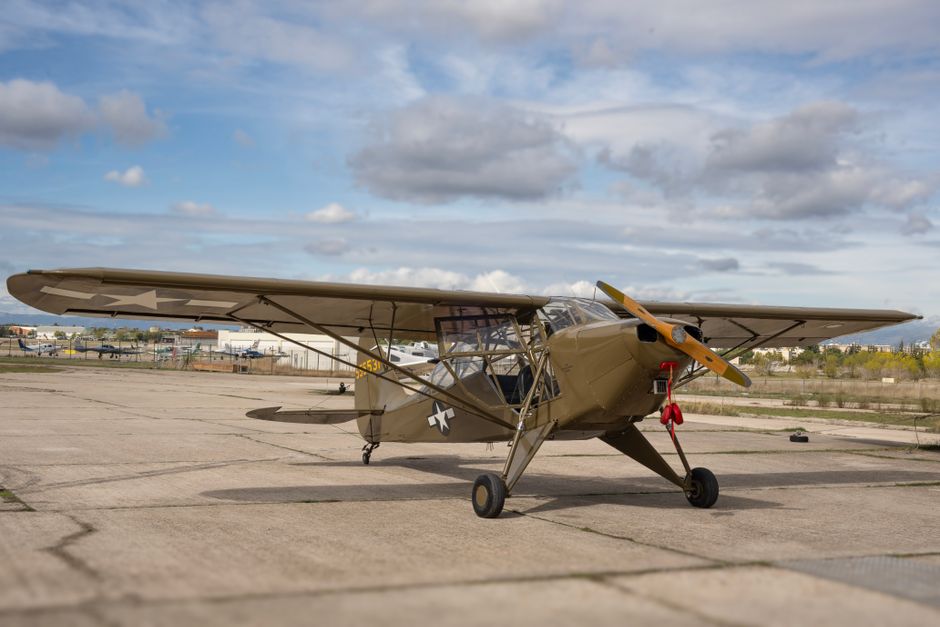
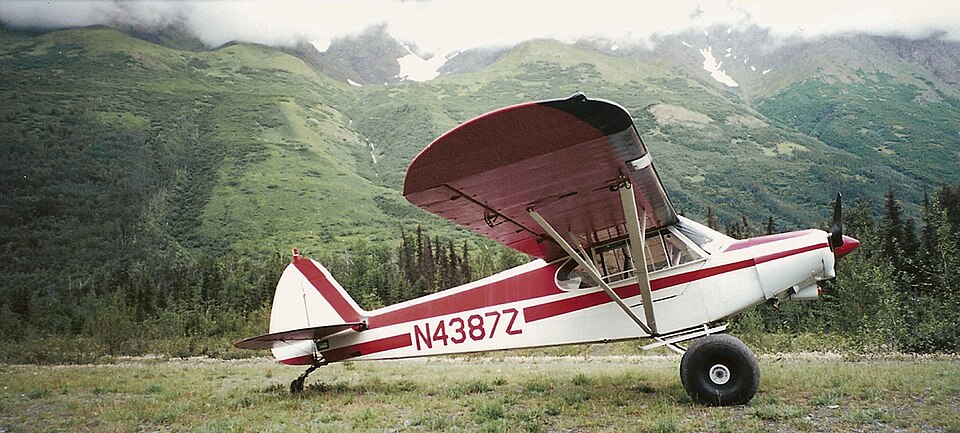
Some small planes are built to land where there are no runways at all. Bush planes use rugged tires, strong landing gear, and short-takeoff designs to handle gravel bars, grass fields, and remote strips. Floatplanes and amphibians add pontoons so they can touch down on lakes and rivers.
These aircraft trade speed for toughness and access. They are the go-anywhere members of the family, beloved by pilots in wide-open country and island regions.
If the idea of bush flying into backcountry strips appeals to you, this is the category to study. It rewards a careful pilot with destinations that paved runways simply cannot reach.
Why It Matters: The plane you pick should match the flying you actually plan to do. A jet is useless on a gravel bar, and a bush plane wastes its talents flying straight between two big airports. Mission first, model second.
How Much Do Small Private Planes Cost?
Cost is usually the first question buyers ask, and the honest answer is that it depends heavily on the type. The range is enormous, from the price of a used car at the bottom to the price of a small mansion at the top.
Here is a rough, general sense of where each category tends to land:
- Ultralights and basic LSA models sit at the affordable end and can be among the most budget-friendly options in the air.
- Single-engine piston planes cover a wide middle band, with older used models being far cheaper than new ones.
- Twin-engine pistons and turboprops climb into a higher bracket because of their power and complexity.
- Very light jets sit at the top and ask for the deepest budget by a wide margin.
Keep in mind that the sticker price is only part of the story. A clearer picture of what small planes cost over time includes fuel, hangar fees, insurance, inspections, and maintenance. A cheap plane to buy can still be costly to keep.
Keep in Mind: Owning a plane is a bit like owning a boat or a house. The purchase is the first check, not the last one. Many owners say the ongoing costs surprise them more than the price tag did.
Used aircraft hold their value reasonably well compared to cars, which is one reason the secondhand market is so busy. Many first-time buyers start with a well-kept used single-engine plane, fly it for a few years, then trade up once they know exactly what they want.
Not sure which category fits your mission? Flying411 also connects buyers with certified A&P mechanics and pre-purchase inspectors who can vet any plane before you commit a single dollar.
Pros and Cons of Flying a Small Private Plane
Owning and flying a small private plane is a genuine thrill, but it is a commitment too. Looking at both sides helps you go in with clear eyes.
The upsides:
- Freedom to travel on your own schedule
- Access to thousands of small airports near towns big and small
- A skill and hobby that stays rewarding for life
- The ability to skip crowded terminals and long security lines
The trade-offs:
- Real money for purchase, fuel, and upkeep
- Ongoing training and currency requirements
- Weather can ground your plans without warning
- Storage, insurance, and inspection responsibilities
Quick Tip: Before buying anything, rent a few different aircraft and fly with an instructor in each. A short rental can teach you in an afternoon what hours of online reading cannot. Feel beats theory.
For most owners, the freedom and joy outweigh the costs, but only when the plane matches their life. A weekend flyer has very different needs from a business owner crossing states each week.
How to Choose the Right Type for You
With eight categories on the table, picking one comes down to a few honest questions. Answer these and the field narrows fast.
- How many people do you usually fly with? Two seats may be plenty, or you may need room for a whole family.
- How far do you want to go? Short local hops point toward light planes. Long cross-country trips favor turboprops or jets.
- How fast do you want to get there? Speed costs money. Decide how much time is worth to you.
- What is your real budget, top to bottom? Include upkeep, not just the purchase.
- How much training are you willing to do? Simpler planes get you flying sooner. Complex ones reward more study.
- Where will you fly? Paved runways, gravel strips, or open water each call for different machines.
- Is this for fun, travel, or business? Your main goal shapes everything else.
Matching your answers to a category is the heart of smart private aircraft ownership. A buyer who wants cheap weekend fun and a buyer who wants fast business travel should almost never end up in the same plane. It helps to study lists of planes worth owning and to compare well-regarded small planes within your budget before you decide.
Many people also find it useful to talk with current owners and instructors. The community around small aircraft is welcoming, and a single honest conversation can save you from an expensive mistake.
Ready to start shopping? Browse the small aircraft listings on Flying411 and filter by engine type, seats, and budget to find a match that actually fits your flying.
Conclusion
The many types of small private planes prove that personal flight is far more varied than a single picture of a "little plane" suggests. From featherlight ultralights to fast and capable very light jets, there is a category for almost every goal and budget. The lightest ones keep things simple and cheap. The fastest ones save time at a higher price. Most of us fall somewhere in the middle, in the world of friendly single-engine planes and capable twins.
The smart move is to match the machine to your mission first, then to your wallet. Start with how you actually plan to fly, and the right type tends to reveal itself. Take your time, fly a few options, and lean on people who know the ropes. The sky is patient, and so should you be.
When you are ready to turn the dream into a hangar reservation, Flying411 puts the planes, the parts, and the people who service them all on one runway. Taxi over and see what fits.
Frequently Asked Questions
Do small private planes require a special pilot's license?
It depends on the type, since a sport pilot certificate covers light sport aircraft while most other planes need at least a private pilot license. Faster, heavier, or multi-engine planes call for extra ratings on top of that.
What is the cheapest type of small private plane to maintain?
Ultralights and basic single-seat designs usually cost the least to keep flying, thanks to simple engines and light airframes. Older single-engine pistons can also be reasonable if they are well cared for.
How far can a small private plane typically fly without refueling?
A light single-engine plane often covers a few hundred miles on one tank, while turboprops and small jets can stretch to a thousand miles or more. Actual range varies with the model, the load, and the weather.
Is it cheaper to buy used or new for a first plane?
Used planes are almost always far less expensive up front, which is why many first-time owners start there. Just budget for a thorough pre-purchase inspection so a low price does not hide costly surprises.
Can small private planes fly at night or in bad weather?
Many can, but it depends on the plane's equipment and the pilot's ratings, since instrument flying requires extra training and gear. Lighter aircraft and newer pilots are usually better off sticking to clear daytime conditions.