There is a special kind of pilot who is not satisfied with smooth runways and well-lit terminals. They want gravel bars, mountain meadows, and frozen tundra. They want to land where roads do not go. For those pilots, the bush plane is not just an aircraft — it is a lifeline, a freedom machine, and sometimes a survival tool all rolled into one.
Bush planes are built for exactly that kind of flying. They thrive on short, rough, and unprepared surfaces. They carry heavy loads into tight spots. And in places like Alaska, northern Canada, and the remote American West, they connect communities that would otherwise be completely cut off from the rest of the world.
Whether you are a seasoned backcountry pilot looking for your next bird or a curious newcomer wondering what these rugged aircraft are all about, this guide breaks down the best bush planes flying today. You will find everything from iconic classics to modern STOL workhorses — and a few kit-built gems that might surprise you.
Key Takeaways
The best bush planes combine short takeoff and landing (STOL) capability, rugged construction, and the ability to operate on floats, skis, or tundra tires. The Piper PA-18 Super Cub and de Havilland DHC-2 Beaver are widely regarded as two of the greatest bush planes ever built, while modern aircraft like the Daher Kodiak and CubCrafters Carbon Cub have raised the bar for performance and technology. Kit-built options like the Kitfox and Zenith CH 701 offer a more affordable path into backcountry aviation.
| Aircraft | Seats | Best For | Configuration |
| Piper PA-18 Super Cub | 2 | Remote STOL flying | Wheels, floats, skis |
| de Havilland DHC-2 Beaver | 6-7 | Heavy hauling, Alaska ops | Wheels, floats, skis |
| Cessna 185 Skywagon | 6 | Utility and payload | Wheels, floats |
| Daher Kodiak 100 | 9-10 | Turbine bush ops | Wheels, floats |
| CubCrafters Carbon Cub | 2 | Ultralight STOL | Wheels, floats, skis |
| Aviat Husky A-1C | 2 | Backcountry touring | Wheels, floats, skis |
| Cessna 208 Caravan | 9-14 | Commercial bush ops | Wheels, floats |
| DHC-6 Twin Otter | 19 | Remote community service | Wheels, floats, skis |
| Kitfox Series 7 | 2 | Kit-built STOL | Wheels, floats |
| Zenith CH 701/750 | 2 | Ultralight bush flying | Wheels |
| Maule M-7 | 4 | Family backcountry travel | Wheels, floats, skis |
Flying411 is a trusted aviation resource for pilots at every level. If you are exploring backcountry aircraft or researching your next purchase, Flying411 has the guides and insights to help you make a smart decision.
What Makes a Great Bush Plane?
Before diving into the list, it helps to understand what separates a bush plane from any other general aviation aircraft. Not every small plane belongs in the backcountry. The best bush planes share a handful of critical traits that make them suited for remote and demanding environments.
The Key Characteristics to Look For
STOL performance sits at the top of the list. Short Takeoff and Landing capability means the aircraft can get airborne and back on the ground in very short distances — sometimes just a few hundred feet. This matters enormously when your runway is a sandbar or a mountain meadow.
Rugged construction is equally important. Bush planes absorb a lot of punishment. Gravel strips chew up landing gear. Rough air beats up airframes. The best aircraft in this category are built with reinforced structures and heavy-duty components that can take years of hard use.
Other key characteristics include:
- High ground clearance to protect propellers from rocks and debris
- Large, wide tires (tundra or bush wheels) for soft or uneven surfaces
- High-wing design to keep wings clear of obstacles during loading and unloading
- Float, ski, and wheel compatibility for year-round versatility
- Good useful load to carry passengers, gear, fuel, and cargo simultaneously
- Tailwheel (taildragger) configuration for durability on rough terrain
- Reliable, field-serviceable engines that can be maintained far from civilization
Good to Know: Most bush planes use a taildragger configuration rather than a nose wheel. The tailwheel sits at the back of the aircraft. This setup provides better propeller clearance and handles rough terrain more durably than a nose wheel, though it does require additional skill to taxi and land.
A Short History of Bush Flying
Bush flying has been part of aviation since nearly the beginning. Some aviation historians trace the origins of bush flying in North America back to the early 1920s, when Canadian pilots began using surplus military aircraft to reach remote logging camps, mining operations, and Indigenous communities in the northern wilderness.
The term "bush" comes from the Australian and African use of the word to describe wild, unsettled country. In Canada and Alaska, it quickly became the common word for any remote, roadless territory. By the 1930s, bush pilots were already legendary figures — flying through mountain passes, landing on frozen lakes, and delivering everything from mail to medical supplies to places that had never seen a paved road.
The de Havilland DHC-2 Beaver, introduced in 1947, is often credited as the aircraft that professionalized bush flying. It was the first aircraft purpose-built with direct input from working bush pilots, and it set the standard that virtually every bush plane has tried to match ever since.
Fun Fact: The de Havilland design team reportedly surveyed around 80 veteran Canadian bush pilots before finalizing the Beaver's design. When engineers warned that the pilots' demands for maximum power and STOL performance would result in poor cruise speed, one pilot is said to have replied: "You only need to be faster than a dog sled to be a winner."
Today, bush flying remains essential in Alaska, northern Canada, remote parts of Australia, the Amazon basin, and other regions where roads simply do not exist. These aircraft are not just for adventure. They are a critical transportation link for many communities around the world.
The 11 Best Bush Planes for Backcountry Flying
These eleven aircraft represent the best of what bush aviation has to offer across a wide range of missions, budgets, and pilot experience levels. Some are legendary classics that have been hauling cargo and connecting remote communities for decades. Others are modern designs that push the limits of what a small aircraft can do on a short strip.
Together, they cover nearly every backcountry need — from a solo hunt in the Alaskan Interior to a family trip into a mountain meadow strip.
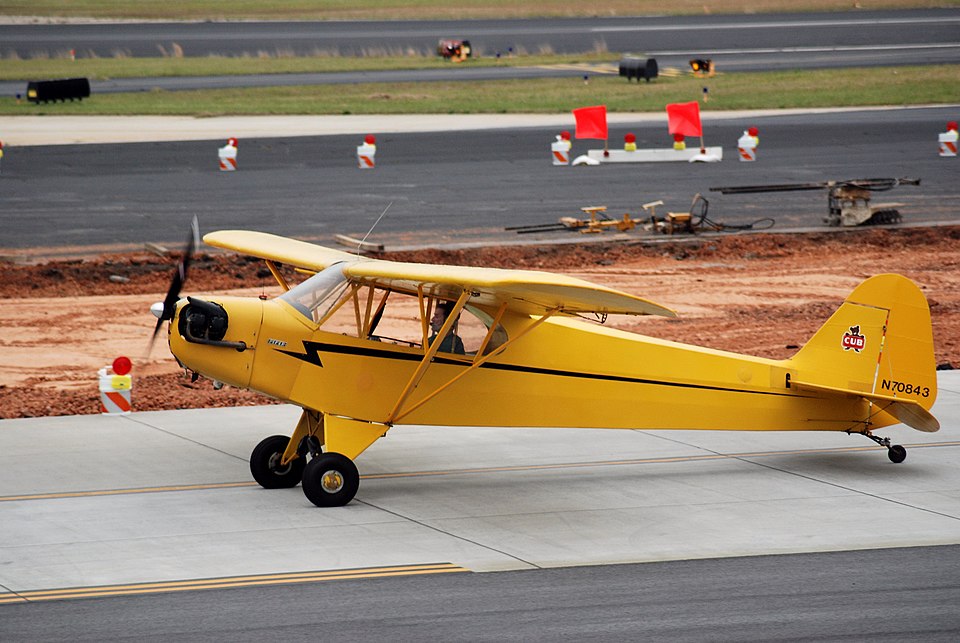
1. Piper PA-18 Super Cub
The Piper PA-18 Super Cub is perhaps the most iconic best bush plane in the history of aviation. Introduced by Piper Aircraft in 1949, it traces its lineage all the way back to the original J-3 Cub of the 1930s. Over nearly four decades of production, more than 10,000 Super Cubs were built — a testament to how right Piper got the design from the start.
The standard Super Cub comes with a 150-horsepower Lycoming engine, though many examples have been upgraded to 180 hp or more through Supplemental Type Certificates. Its high-lift wing, three-position flaps, and light airframe give it extraordinary STOL performance. Well-modified examples can lift off in under 200 feet and land even shorter with proper technique.
The Super Cub is also one of the most modified aircraft in general aviation history. Owners routinely add large bush wheels, extended landing gear, vortex generators, and bigger fuel tanks. The modification ecosystem is enormous. Finding parts and experienced mechanics for a Super Cub is rarely a problem.
Pro Tip: If you are buying a used Super Cub, expect to find very few in completely stock form. Most have been significantly modified over the years. Always have an experienced bush plane mechanic inspect any prospective purchase before committing.
In Alaska, the Super Cub is almost a cultural institution. It is the go-to aircraft for hunters, fishermen, wildlife biologists, and remote lodge operators. As a two-seater, it has limitations in payload — but for getting two people and their gear into tight, remote strips, very few aircraft can match it.
Key specs: 2 seats | ~150-180 hp | Tandem seating | Floats, skis, wheels compatible
2. de Havilland DHC-2 Beaver
If the Super Cub is the best two-seat bush plane ever built, many aviation experts would argue the de Havilland DHC-2 Beaver holds that title for larger bush aircraft. Aviation publication Plane & Pilot has described the Beaver as "arguably the best bush plane ever built," and that sentiment is echoed across the bush flying community.
The Beaver made its first flight on August 16, 1947, and was designed from the ground up specifically for bush operations. De Havilland engineers worked directly with Canadian bush pilots during the design process — an unusual move at the time that resulted in features tailor-made for the job: full-sized doors on both sides, a wing and flap system optimized for STOL performance, and a robust all-metal airframe built to take punishment.
Production ran from 1948 to 1967, with roughly 1,650 examples built. More than 900 were purchased by the U.S. military, many of which eventually found their way into civilian backcountry service. The Beaver is powered by a Pratt and Whitney R-985 Wasp Junior radial engine producing around 450 horsepower — a pug-nosed powerplant that gives the Beaver its distinctive profile and trademark sound.
The Beaver carries up to six or seven occupants and operates equally well on wheels, floats, or skis. In Alaska and northern Canada, float-equipped Beavers are a common sight on remote lakes and rivers, serving as air taxis and cargo haulers for communities with no road access.
Fun Fact: Actor Harrison Ford is one of the most well-known Beaver owners. He has publicly described it as his favorite aircraft in his personal fleet.
The Canadian Engineering Centennial Board named the DHC-2 one of the top ten Canadian engineering achievements of the 20th century. Hundreds of Beavers remain in active service today — a remarkable achievement for an aircraft design that is now more than 75 years old.
Key specs: 6-7 seats | ~450 hp (R-985 radial) | Floats, wheels, skis compatible | Range approx. 778 miles
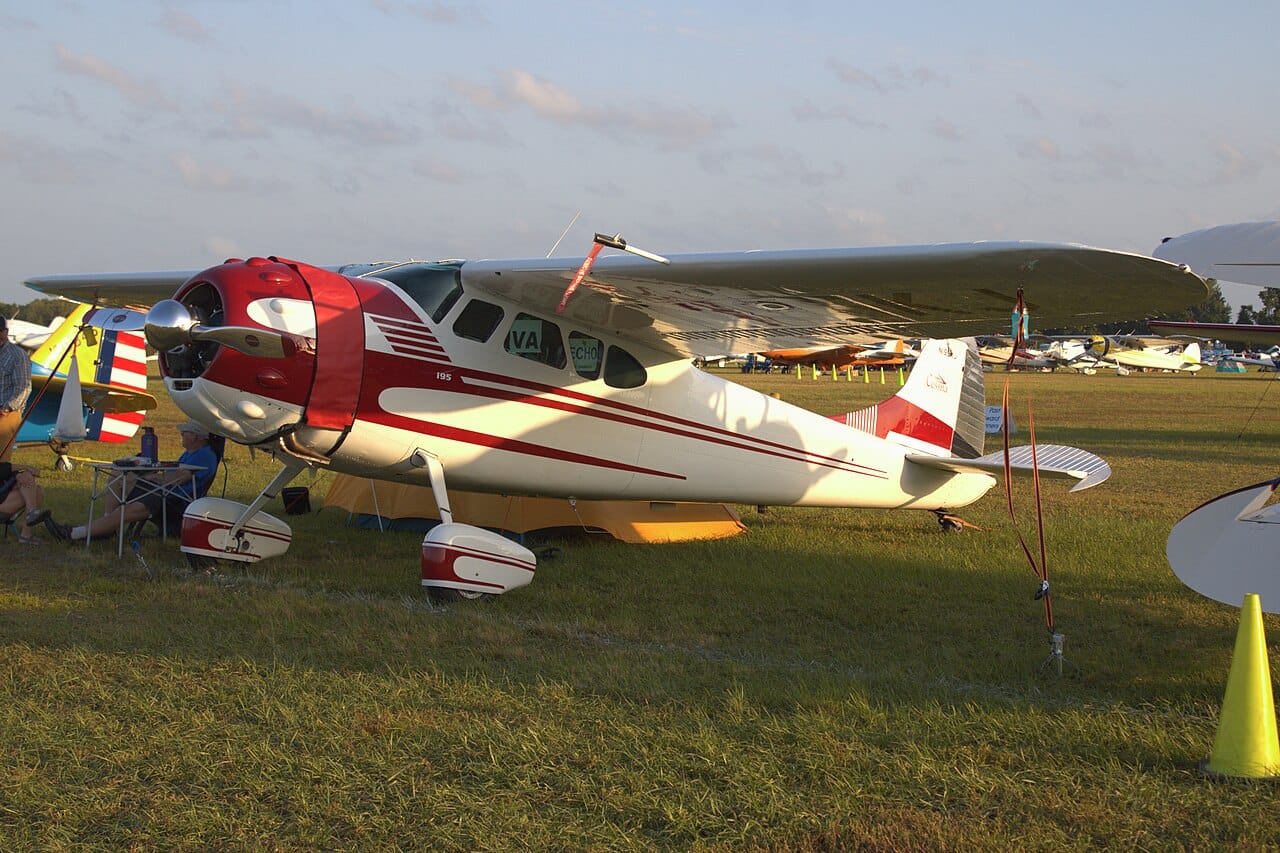
3. Cessna 185 Skywagon
The Cessna 185 Skywagon occupies a unique place in backcountry aviation. It is not purely a bush plane in the traditional sense, but in terms of load-hauling ability, reliability, and rugged performance, it has earned a permanent spot on any honest list of the best bush planes to buy.
Cessna introduced the 185 in 1961. It flew until 1985, with more than 4,400 examples built. The aircraft is powered by a Continental IO-520 engine producing 300 horsepower and can carry six occupants. When it debuted, the 185 could lift a useful load slightly greater than its own empty weight — a remarkable capability that bush operators valued enormously.
In Alaska and northern Canada, the Cessna 185 is the airborne equivalent of a heavy-duty pickup truck. It hauls oil barrels, hunting gear, construction materials, and medical supplies into remote strips that most other aircraft would not attempt. Skilled bush pilots have reportedly landed Skywagons in as little as 300 feet on rough clearings and river sandbars.
The cessna bush plane reputation is well-earned. With large flaps, a tailwheel configuration, and the ability to accept floats, ski kits, and oversized tundra tires, the 185 handles Alaska's varied terrain across all four seasons. An aftermarket cargo pod can be installed under the belly to carry an additional 300 pounds.
Why It Matters: The Cessna 185's combination of a powerful 300-hp engine, large useful load, and proven reliability over more than six decades of service makes it one of the most practical aircraft for commercial bush operations in remote regions.
One practical consideration: the 185 has not been manufactured since 1985, so all available examples are used aircraft. The good news is that the parts supply remains healthy, and there is a large community of owners and mechanics familiar with the type. Prices for well-equipped examples have risen considerably in recent years, reflecting strong demand.
Key specs: 6 seats | 300 hp Continental IO-520 | Tailwheel | Cruise approx. 145 knots | Floats, wheels, skis compatible
4. Daher Kodiak 100 (Quest Kodiak)
The Daher Kodiak 100 represents the modern turbine era of bush aviation. Originally developed by Quest Aircraft and introduced in 2007, the Kodiak was later acquired by French aerospace company Daher in 2019. It has become one of the most capable and in-demand best modern bush planes on the market.
The Kodiak is powered by a Pratt and Whitney Canada PT6A-34 turboprop producing 700 shaft horsepower. It seats up to nine passengers and a pilot, with a useful load that makes it one of the most productive single-engine turboprops in its class. The aircraft is designed from the outset for unpaved, remote strips — the landing gear is robust, ground clearance is generous, and the high-wing configuration aids loading and unloading.
For pilots and operators who need more capacity than a Super Cub or Beaver but want to stay with a single-engine turboprop, the Kodiak fills that niche perfectly. It is widely used by missionary aviation organizations, backcountry charter operators, and humanitarian relief groups operating in some of the world's most remote areas.
Good to Know: The Kodiak is certified to operate from unpaved strips and can accept both standard wheels and floats. Float-equipped Kodiaks are popular in Southeast Alaska and the Pacific Northwest, where water access to remote communities is common.
The Kodiak's modern avionics, pressurization-friendly performance at altitude, and impressive range make it a genuinely versatile aircraft that goes well beyond the traditional bush plane niche.
Key specs: 10 seats | 700 shp PT6A turboprop | Cruise approx. 183 knots | Range approx. 1,130 nm | Wheels and floats compatible
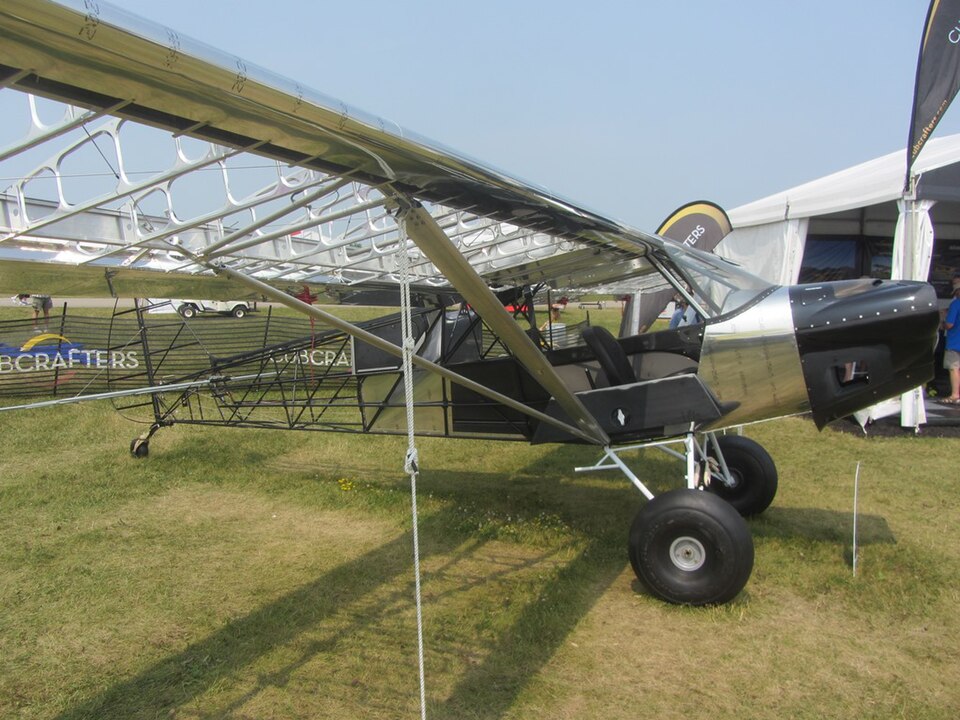
5. CubCrafters Carbon Cub
CubCrafters of Yakima, Washington, has become one of the most respected names in modern backcountry aviation. The Carbon Cub series represents a thoroughly modern evolution of the Super Cub concept — lighter, more powerful, and more capable than the original while maintaining the classic tandem two-seat layout.
The Carbon Cub uses a carbon fiber composite fuselage paired with a powerful Titan X340 engine producing up to 180 horsepower. The aircraft's extremely light empty weight combined with that power output gives it a remarkable power-to-weight ratio. Takeoff rolls of just a few hundred feet are routinely achieved, and the Carbon Cub's top-end STOL models can operate from strips that seem impossibly short.
CubCrafters also produces the CC19-180 Carbon Cub UL, which qualifies as a Light Sport Aircraft (LSA). This makes it accessible to pilots with a Sport Pilot certificate. For those looking for the best LSA bush plane or the best light sport aircraft bush plane, the Carbon Cub UL deserves serious consideration.
Pro Tip: CubCrafters offers the Carbon Cub in both factory-built and kit forms, giving builders a path to ownership at a lower upfront cost. The kit designation also opens up experimental aircraft performance modifications that are not available on certified aircraft.
The Carbon Cub can be ordered with tundra tires up to 35 inches, amphibious floats, or ski systems. It is the choice of many competition bush plane pilots who participate in short takeoff and landing events.
Key specs: 2 seats | Up to 180 hp | Carbon fiber construction | LSA-eligible variants available | Floats, skis, tundra tires compatible
6. Aviat Husky A-1C
The Aviat Husky is a modern American bush plane that builds on the classic tube-and-fabric construction of earlier backcountry aircraft while offering improved performance and reliability. Manufactured by Aviat Aircraft in Afton, Wyoming, the Husky A-1C is the current production version and remains one of the few factory-new two-seat bush planes available to buyers in the United States.
The Husky A-1C is powered by a 200-horsepower Lycoming IO-360 engine. It has a side-by-side seating layout — or, in some interpretations, a slightly offset tandem — with comfortable seating and good visibility. This makes it a popular choice for pilots who find the tandem layout of the Super Cub less comfortable for longer flights.
In terms of the best stol bush plane rankings among production aircraft, the Husky competes directly with the Carbon Cub. It offers good STOL performance, solid build quality, and the reassurance of factory support and parts availability. Many Husky owners operate them on floats, making it a popular choice in the Pacific Northwest and Alaska.
Keep in Mind: The Aviat Husky was used in competition STOL events and has earned a strong following among backcountry pilots who want a factory-built aircraft with modern safety standards. Used Huskys hold their value well.
The Husky can be equipped with tundra tires, amphibious floats, and ski systems. It is one of the top choices for pilots searching for the best bush plane for the money in the new or recent-production category.
Key specs: 2 seats | 200 hp Lycoming IO-360 | Tube-and-fabric construction | Floats, skis, tundra tires compatible
7. Cessna 208 Caravan
The Cessna 208 Caravan is the workhorse of commercial bush aviation. Single-engine turboprop power combined with a large cabin and impressive payload has made the Caravan the go-to aircraft for bush charter operators, humanitarian aviation organizations, and freight carriers in remote regions worldwide.
The Caravan seats up to nine passengers plus the pilot in its standard configuration, with longer variants capable of carrying even more. It is powered by a Pratt and Whitney Canada PT6A turboprop and has a range of roughly 1,200 miles. The aircraft is certified for flight into known icing conditions, making it more capable in adverse weather than many smaller bush planes.
For commercial operators serving remote communities, the Caravan is one of the most practical aircraft in existence. It is used extensively in Alaska, sub-Saharan Africa, the Amazon basin, and the Pacific Islands. Float-equipped Caravans are particularly common in coastal Alaska and the Pacific Northwest, connecting waterfront communities that have no road access.
Why It Matters: For pilots considering bush aviation as a career or for commercial operators needing a certified multi-mission aircraft, the Cessna 208 Caravan represents the gold standard of single-engine turboprop utility aviation.
The Caravan's fixed landing gear, high wing, and large cargo door make it easy to load and unload in remote settings. With modern avionics packages and an established service network, it is also easier to maintain in the field than many older bush aircraft.
Key specs: Up to 14 seats | PT6A turboprop | Cruise approx. 186 knots | Range approx. 1,230 miles | Floats available
8. de Havilland Canada DHC-6 Twin Otter
The DHC-6 Twin Otter is the large-capacity bush plane of choice for operators who need to move people and cargo in high volume while still retaining the STOL capability to access remote strips. It is a twin-engine aircraft that seats up to 19 passengers, and its climb rate of around 1,600 feet per minute is impressive for its size.
Originally introduced by de Havilland Canada in the 1960s, the Twin Otter has had a remarkably long production life. The type certificate was eventually acquired by Viking Air, which later reorganized as De Havilland Canada, and the aircraft continues to be produced in updated form today. The best alaska bush plane operators in the scheduled service sector rely heavily on the Twin Otter.
The Twin Otter is used by skydiving operations, military parachute teams, medical evacuation units, and remote community airlines worldwide. In the Alaska Inside Passage and similar coastal regions, float-equipped Twin Otters provide critical scheduled passenger service to communities with no road connections.
Fun Fact: The Twin Otter has operated on every continent, including Antarctica, where it has long served as a key logistics aircraft for polar research expeditions.
The aircraft's exceptional STOL performance, twin-engine safety margin, and large passenger capacity make it a unique aircraft that sits at the intersection of bush aviation and regional air service.
Key specs: Up to 19 seats | Twin PT6A turboprops | Climb rate approx. 1,600 fpm | Floats, wheels, skis compatible
9. Kitfox Series 7
For pilots who want to build their own best bush plane kit rather than buy a factory-built aircraft, the Kitfox Series 7 is one of the most popular options available. Produced by Kitfox Aircraft in Homedale, Idaho, the Kitfox has been one of the most frequently built amateur-built aircraft in the United States for several decades.
The Series 7 is a two-seat, high-wing design with side-by-side seating. Its steel tube and fabric construction is straightforward to build and repair. The aircraft accommodates a range of engine options, from lighter Rotax engines to heavier Lycoming powerplants, allowing builders to tailor the performance to their needs and budget.
One of the Kitfox's most distinctive features is its folding wings. The wings fold back along the fuselage in a matter of minutes, making it easy to store in a standard garage or transport on a trailer. This makes the best bush kit plane practical for owners who do not have hangar access.
Quick Tip: The Kitfox and similar kit aircraft fall under the Experimental Amateur-Built category with the FAA. This means you have much greater freedom to modify the aircraft, install non-certified equipment, and make repairs yourself — which is a significant advantage for backcountry pilots operating far from maintenance facilities.
The Kitfox can be fitted with floats and tundra tires and is a strong performer in STOL competitions. For pilots looking for the best cheap bush plane path into backcountry aviation, building a Kitfox represents an accessible and rewarding route.
Key specs: 2 seats (side by side) | Multiple engine options | Fabric-covered steel frame | Foldable wings | Floats, tundra tires compatible
10. Zenith CH 701 / CH 750
Designed by Chris Heintz in Canada, the Zenith CH 701 made its first flight in 1986 and quickly became one of the most recognized light STOL bush planes in amateur aviation. The later CH 750 built on that foundation with a larger cabin, improved structure, and better payload capacity.
Both aircraft use an all-aluminum construction with a distinctive slotted leading edge and large slotted flaps. This wing design gives the Zenith remarkable low-speed handling — stall speeds in the 28-30 knot range are typical, and takeoff and landing rolls can be extremely short with proper technique.
The Zenith is lighter and slower than most aircraft on this list, which some pilots see as a limitation and others see as a feature. Flying low and slow is part of the appeal of bush aviation for many pilots, and the Zenith does that very well. It is also among the more accessible best bush plane kits in terms of construction time and complexity.
Good to Know: The Zenith CH 750 SD (Super Duty) variant adds a stronger airframe and higher gross weight rating compared to the standard 750, making it better suited for carrying passengers and gear on longer bush trips.
For pilots in the Light Sport Aircraft category or those seeking the best small bush plane on a tight budget, the Zenith CH 701 and CH 750 offer hard-to-beat value.
Key specs: 2 seats | Light Rotax or similar engines | All-aluminum construction | STOL optimized wing | Very short field capability
11. Maule M-7
The Maule is one of the most underrated aircraft on any bush plane list. Built by Maule Air in Moultrie, Georgia, the Maule M-7 series offers four seats, genuine STOL performance, and a rugged taildragger layout that has earned it a devoted following among backcountry pilots who need to carry a family or small group into remote areas.
The M-7 is powered by a 235-horsepower Lycoming engine and has a useful load that competes well with similarly sized aircraft. Its spring-steel landing gear handles rough terrain reliably, and the aircraft can be equipped with floats and ski kits, making it a genuine all-seasons backcountry option.
For pilots looking for the best 4 seater bush plane or the best 4 seat bush plane that is still manageable for a private owner, the Maule delivers a lot of capability without the turbine operating costs of a Kodiak or the complexity of larger aircraft. It also offers a rare combination of side-by-side front seating with rear passenger accommodation, which makes it comfortable for small families.
Pro Tip: The Maule's slower cruise speed compared to nose-wheel aircraft of similar power is a characteristic of its STOL-optimized design. Pilots who primarily use the aircraft for backcountry access rather than cross-country travel will find the trade-off very worthwhile.
Maule continues to produce new aircraft, making it one of the few manufacturers still building new taildragger bush planes in the United States today. That factory support and parts availability is a meaningful advantage for buyers considering the best bush plane to buy in the four-seat category.
Key specs: 4 seats | ~235 hp Lycoming | Tailwheel | Floats, skis, wheels compatible | STOL performance
At Flying411, you will find in-depth resources on aircraft selection, private aviation, and flight training designed to help you fly smarter and more confidently.
Best Bush Planes for Alaska
Alaska deserves its own conversation. The state has more pilots per capita than almost any other place on earth, and bush aviation is woven into everyday life there in a way that most people in the lower 48 states do not fully appreciate. Many Alaskan communities have no road connections at all. For them, the best alaskan bush plane is not a hobby aircraft — it is as essential as a pickup truck.
What Alaska Pilots Prefer
The most commonly seen aircraft in Alaskan bush operations include:
- Piper PA-18 Super Cub for solo or two-person access to remote strips, gravel bars, and tundra
- Cessna 185 Skywagon for heavier loads and six-seat utility work
- de Havilland Beaver on floats for coastal and lake country operations
- Cessna 208 Caravan for commercial air taxi and freight operations
- DHC-6 Twin Otter for scheduled passenger service to remote villages
Alaska's varied terrain means that the best bush plane for alaska depends heavily on the specific region and mission. Southeast Alaska's coastal waters favor floatplanes. The Interior's gravel river bars and tundra fields favor tailwheel aircraft on big tires. Mountain flying in the Alaska Range requires excellent climb performance and reliable engines.
Heads Up: Bush flying in Alaska is subject to FAA regulations along with Alaska-specific operating considerations. Pilots new to Alaskan operations should seek instruction from experienced local pilots before attempting remote or backcountry flying in the state.
For pilots operating on private property or in the experimental aircraft category, STOL competition-proven aircraft like the CubCrafters Carbon Cub and Kitfox Series 7 are also popular choices for Alaskan backcountry access.
Bush Planes in Microsoft Flight Simulator 2024
For simulation enthusiasts, msfs 2024 best bush plane options have expanded considerably since the simulator's launch. Microsoft Flight Simulator 2024 includes several bush-capable aircraft in its default lineup, and third-party developers have added more.
Top Picks for MSFS 2024
The default DHC-2 Beaver and DHC-6 Twin Otter are well-regarded for their flight model accuracy and are solid starting points for virtual bush flying. Got Friends, one of the first-party development partners for MSFS 2024, produced the Draco X and the Zlin Norden — both of which have received strong praise from the sim community for their detailed systems modeling and backcountry performance.
The Cessna 185 Skywagon is also available in the simulator, and its handling model rewards the same stick-and-rudder skills needed to fly the real aircraft. For pilots who want to practice backcountry flying techniques in a risk-free environment before attempting them in a real aircraft, MSFS 2024 provides a genuinely useful training tool.
Good to Know: MSFS 2024 features detailed terrain rendering that makes bush plane flying particularly immersive. Virtual bush pilots can explore Alaska, Patagonia, New Zealand's backcountry, and other remote regions in remarkable detail.
For those specifically searching for the best bush plane msfs options, the community forums for MSFS consistently recommend the DHC-2 Beaver, the Draco X, and third-party add-ons based on the Super Cub and Cessna 185 for the most authentic experience.
Bush Plane Kits: Building Your Own Backcountry Aircraft
Kit-built aircraft represent a growing segment of bush aviation. For pilots willing to invest the time and effort, building from a kit offers significant cost savings, deep familiarity with the aircraft's systems, and the ability to customize the build to personal requirements.
Popular Kit Options
The best kit bush plane choices currently available include:
- Kitfox Series 7 — the most popular kit bush plane in the US, with foldable wings and a large builder community
- Zenith CH 701 / CH 750 — all-aluminum construction and proven STOL performance
- Bearhawk 4-Place — a four-seat welded steel tube design with excellent load capacity, considered one of the best 4 place bush plane kit options
- Just Aircraft SuperSTOL — known for its hydraulic suspension and self-deploying leading edge slats for extremely slow landing speeds
- Murphy Rebel — a Canadian design with a strong following among bush pilots in North America
Building a kit aircraft requires a significant commitment of time — typically hundreds to over a thousand hours, depending on the design. However, the result is an aircraft you know inside and out, which is a meaningful safety advantage when flying far from maintenance facilities.
Keep in Mind: Kit-built aircraft in the US are registered as Experimental Amateur-Built. Pilots must be the primary builder of the aircraft to qualify. The EAB category allows considerable freedom in modifications and non-certified equipment, which makes these aircraft especially appealing for backcountry use.
The best side by side bush plane in the kit category is frequently cited as the Kitfox or the Just Aircraft SuperSTOL, both of which offer genuine STOL performance in a two-seat, side-by-side layout.
If you are ready to explore bush plane ownership or want to learn more about aircraft that perform well in challenging conditions, Flying411 has the resources to guide your journey.
How to Choose the Right Bush Plane for You
With so many excellent options on the list, narrowing down the best choice requires honest thinking about your specific situation. Here is a simple decision framework to help.
Questions to Ask Before You Buy
How many people do you need to carry? Two-seat aircraft like the Super Cub, Carbon Cub, and Kitfox are ideal for solo or paired operations. If you need to carry a family or small group, look at the Maule M-7 or Bearhawk for four seats, or the Cessna 185 for up to six.
What type of terrain will you operate from? Gravel bars and tundra favor aircraft with big tires and tailwheel configurations. Water operations require floats. Winter flying in the north almost always requires ski capability. Make sure any aircraft you consider can be equipped for your primary terrain.
What is your budget? Used Super Cubs and Cessna 185s are available at a wide range of price points, though demand has pushed prices up in recent years. Kit aircraft like the Kitfox can offer a more affordable path into ownership if you are willing to invest the building time.
Do you want a factory-built or kit-built aircraft? Factory-built certified aircraft are easier to insure and finance, and they come with established maintenance networks. Kit-built aircraft offer more customization and potential cost savings but require more owner involvement.
What engine type fits your budget and mission? Piston engines are less expensive to operate but have range and altitude limitations. Turbine engines like the PT6A offer more power, better altitude performance, and easier cold-weather starting — but operating costs are considerably higher.
There is no single answer that fits every pilot. The best planes for private pilots in the backcountry category span a wide range of sizes, prices, and capabilities.
Pro Tip: Before committing to a bush plane purchase, try to fly as many different types as possible. Many flight schools and backcountry aviation clubs offer introductory flights in common bush plane types. Your instincts about how an aircraft feels in the air are just as important as the numbers on a spec sheet.
Bush Planes vs. Other Light Aircraft: Key Differences
Pilots who are used to standard general aviation aircraft will notice some significant differences when transitioning to bush planes.
| Feature | Bush Plane | Standard GA Plane |
| Landing gear | Usually tailwheel | Usually nose wheel |
| Wing position | Usually high-wing | Varies |
| Tire size | Large / tundra tires | Standard GA tires |
| STOL performance | Optimized for short fields | Not a priority |
| Float/ski capability | Common | Rare |
| Construction | Often steel tube / fabric | Usually aluminum or composite |
| Cruise speed | Generally lower | Generally higher |
| Turbulence handling | Built for rugged use | Optimized for smooth air |
For pilots making the jump from a standard trainer or cross-country aircraft into backcountry flying, additional training is strongly recommended. Aircraft like the Cessna 185 and Piper Super Cub require tailwheel endorsements and benefit greatly from instruction with experienced bush pilots. The best aircraft to learn to fly in before transitioning to a bush plane are typically forgiving, high-wing trainers that build solid basic skills.
Turbulence handling also differs significantly. Bush planes are designed for flying in conditions with significant turbulence. Their rugged construction and relatively low cruise speeds make them better suited than sleek cross-country aircraft for the low-altitude, variable-condition flying typical of backcountry operations.
Caring for Your Bush Plane
Owning a bush plane comes with unique maintenance considerations. These aircraft are often operated in some of the harshest environments aviation has to offer, and that takes a toll.
Key Maintenance Priorities
Corrosion protection is critical for float-equipped aircraft and for any plane operating in coastal or humid environments. Regular inspection of the airframe, floats, and fittings for corrosion is essential.
Landing gear inspection matters more for bush planes than for pavement-only aircraft. Tailwheel springs, gear legs, and attachment points should be inspected regularly, especially after rough-field operations.
Engine care in remote environments requires carrying extra oil, filters, and basic tools. Many bush pilots are also certified as aircraft mechanics, which gives them the ability to handle routine maintenance in the field.
Propeller condition deserves attention after any gravel-strip operation. Even small nicks in propeller blades can grow into cracks under stress, so regular prop inspections are important.
Keep in Mind: Annual inspections (required for certificated aircraft) and condition inspections (for experimental aircraft) are the regulatory minimum. Bush pilots who fly hard should consider more frequent inspections of high-wear components.
For owners flying in the most remote environments, having the ability to perform basic maintenance and carry critical spares can be the difference between a minor inconvenience and a serious emergency.
Conclusion
The best bush planes share a common spirit: they go where others cannot, they carry what needs to be carried, and they bring pilots home from places that test every skill and judgment call they have. From the legendary Super Cub to the turbine-powered Kodiak, the aircraft on this list represent the best of backcountry aviation across different budgets, missions, and pilot experiences.
Choosing the right best bush plane comes down to your specific mission, your experience level, and your commitment to the kind of flying that puts wild country beneath your wheels. Whether you are hunting a used Cessna 185, building a Kitfox in your garage, or saving for a new Carbon Cub, the backcountry is waiting.
Ready to find your perfect bush plane? Flying411 is your trusted guide to aircraft selection, aviation education, and everything that makes backcountry flying one of the most rewarding pursuits in all of aviation.
Frequently Asked Questions
What is the best bush plane for a beginner?
The Piper PA-18 Super Cub is often recommended for its forgiving handling and STOL capability, but beginners should always get proper tailwheel instruction before attempting backcountry flying. A Cessna 172 or similar nose-wheel aircraft is typically the better starting point to build foundational skills.
Are bush planes legal to fly without a special license?
Most bush planes can be flown with a standard Private Pilot Certificate, provided you have the required tailwheel endorsement for taildragger aircraft. Light Sport Aircraft variants like the CubCrafters Carbon Cub UL require only a Sport Pilot Certificate. Always verify the aircraft's category and certification with the FAA before flying.
How much does a used bush plane typically cost?
Prices vary widely depending on the type, age, and condition of the aircraft. Entry-level used bush planes can be found in the low tens of thousands of dollars for older, high-time examples of simpler designs. Well-maintained, lower-time Cessna 185s, Super Cubs, and Beavers typically command considerably higher prices, reflecting their strong demand in the market.
Can I fly a bush plane in the lower 48 states, or are they mainly for Alaska and Canada?
Bush planes are used across the continental United States, particularly in the Rocky Mountain West, Appalachians, and Pacific Northwest. Many backcountry airstrips in Idaho, Montana, Wyoming, and similar states are accessible only to STOL-capable aircraft. Backcountry aviation is a growing community throughout the country.
What is the difference between a bush plane and a STOL aircraft?
All bush planes are STOL aircraft, but not all STOL aircraft are bush planes. STOL simply means Short Takeoff and Landing — a performance characteristic. A bush plane is a broader category that also implies rugged construction, float and ski compatibility, and the capability to operate in remote, off-airport environments. Competition STOL aircraft may have extreme short-field performance without the cargo capacity or rugged durability of a true bush plane.