When you're planning a backcountry trip, hauling gear to a remote cabin, or flying into a rough Alaskan strip, useful load is everything. You need a plane that can carry you, your passengers, your fuel, and your cargo without breaking a sweat. Not every single engine plane is built for that kind of work.
The best useful load single engine planes stand out because they give pilots real-world hauling capacity without sacrificing safety or performance. Whether you're eyeing a classic workhorse or a modern kit build, knowing which planes truly deliver on useful load can save you a lot of frustration and money down the road. This guide breaks down nine of the top contenders so you can find the right fit for your flying mission.
Key Takeaways
The best useful load single engine planes include proven designs like the Cessna 206, Piper PA-32, and Maule series, along with capable kit-built options like the Kitfox and CubCrafters. Useful load typically ranges from around 900 lbs to well over 1,400 lbs depending on the airframe and configuration. For bush flying specifically, the ideal aircraft combines strong useful load with short takeoff and landing (STOL) performance, rugged construction, and the ability to mount floats or tundra tires.
| Aircraft | Approx. Useful Load | Best For |
| Cessna 206 Stationair | ~1,400 lbs | Utility hauling, charter, bush |
| Piper PA-32 Cherokee Six / Saratoga | ~1,200-1,400 lbs | Family travel, cargo |
| Maule M-7 | ~1,050 lbs | STOL bush flying |
| Cessna 185 Skywagon | ~1,100 lbs | Classic Alaska bush flying |
| de Havilland Beaver | ~1,900 lbs (with float weight) | Remote wilderness, floats |
| CubCrafters Carbon Cub | ~850-950 lbs | STOL, backcountry |
| Kitfox Series 7 | ~700-850 lbs | Kit-built STOL |
| American Champion Scout | ~900 lbs | Light bush, training |
| Piper Cherokee 235 | ~1,100 lbs | Affordable four-seater |
Flying411 is a trusted resource for pilots navigating aircraft decisions, from choosing the right plane to understanding the market before you buy.
What Is Useful Load and Why Does It Matter?
Useful load is the difference between an aircraft's maximum gross takeoff weight and its empty weight. In plain terms, it's how much you can actually put in the plane and still take off legally and safely.
That number includes everything: fuel, passengers, baggage, and any gear you're carrying. A plane with a useful load of 1,200 lbs sounds generous until you fill the tanks and realize you've burned through half of that before anyone climbs in.
Useful load = Max Gross Weight minus Empty Weight
For bush flying and backcountry missions, useful load is often the deciding factor between a useful aircraft and a frustrating one. A plane that looks great on paper can disappoint you in the field if its useful load gets eaten up by heavy avionics, extra fuel capacity, or factory options that added weight.
Good to Know: Aircraft empty weight can vary significantly from one example to the next, even within the same model year. Always check the actual weight and balance documents on the specific airframe you're considering.
How to Think About Useful Load for Bush Flying
Not all useful load numbers tell the same story. A high useful load on a heavy airframe might still leave you fuel-limited. A lighter airframe with a modest useful load might actually carry more usable payload once you account for how little fuel it burns.
Here are the key questions to ask before settling on a number:
- How far do you need to fly on a typical mission?
- How much fuel will that distance require?
- How many passengers and how much gear will you carry?
- Will you be operating on floats, tundra tires, or standard gear?
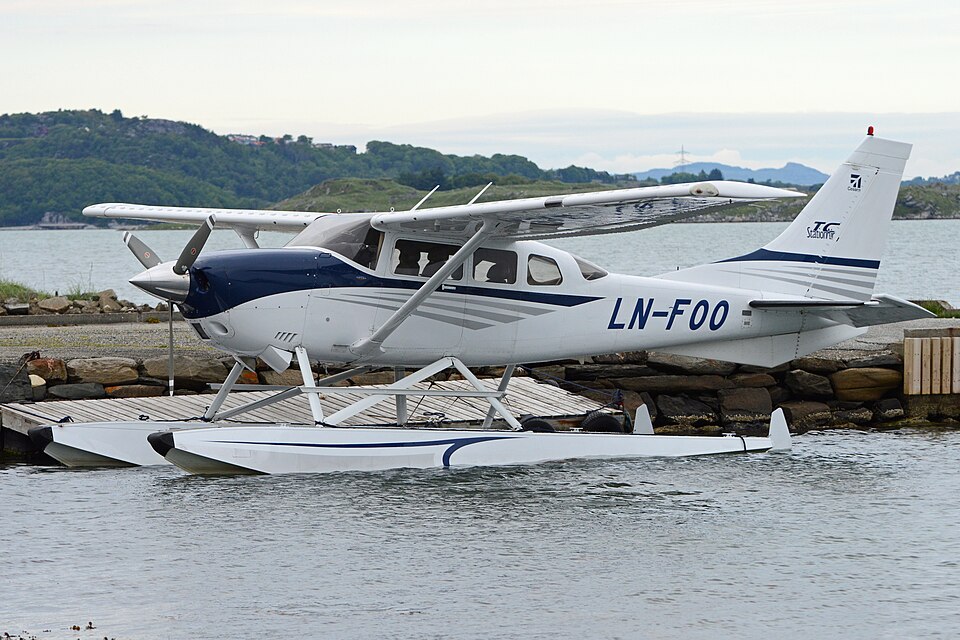
Float installations, for example, can add several hundred pounds to an airframe. That weight comes directly out of your useful load. The same applies to amphibious floats, which weigh more than straight floats.
Pro Tip: When evaluating bush planes for sale, always calculate the "payload with full fuel" number. Subtract the weight of a full fuel load from the useful load. Whatever is left is what you can actually carry when the tanks are topped off.
The 9 Best Useful Load Single Engine Planes
Now that you know what to look for, here are nine aircraft that consistently deliver when it counts. Each one earns its spot through a combination of useful load, real-world versatility, and a track record that pilots actually trust.
1. Cessna 206 Stationair
The Cessna 206 Stationair is widely considered one of the best bush plane options for serious utility work. It consistently delivers useful loads in the range of 1,300 to 1,400 lbs depending on configuration, which is exceptional for a single engine piston aircraft.
The 206 has a wide cabin, a large cargo door, and a proven track record in remote operations from Alaska to the African bush. It handles floats and amphibious gear well. Operators worldwide use it for cargo runs, medevac missions, and passenger service to remote strips.
Why it stands out:
- High useful load relative to gross weight
- Large rear cargo door for oversized items
- Strong aftermarket support and parts availability
- Available with both IO-520 and IO-550 engines
Fun Fact: The Cessna 206 has long been described as the "pickup truck of the sky" among working bush pilots, a reputation it has carried for decades of hard service in remote regions.
The cessna bush plane legacy runs deep in aviation history, and the 206 is the clearest example of that tradition at its most capable. For pilots who want the best of all worlds, the 206 is hard to argue with.
2. Piper PA-32 Cherokee Six / Saratoga
The cherokee 235 started Piper's tradition of big-cabin, high-useful-load singles, and that tradition carried forward into the PA-32 Cherokee Six and later the Saratoga. The Cherokee Six in particular offers useful loads that can approach or exceed 1,400 lbs in some configurations.
The PA-32 is a six-seat aircraft with a long cabin and comfortable travel for families. It is less rugged than the Cessna 206 for true backcountry work, but for grass strips, gravel runways, and moderate bush conditions, it performs admirably.
Good to Know: The Piper Saratoga and Cherokee Six share the same basic airframe but differ in engine and systems. The fixed-gear Cherokee Six is generally simpler to maintain and less expensive to operate.
The PA-32 is a smart choice if you need six seats, solid useful load, and reasonable operating costs. It is one of the best planes for private pilots who need practical carrying capacity without stepping up to a twin.
3. Maule M-7 Series
The Maule M-7 is one of the top names when pilots talk about the best STOL bush plane on the market. Maule has been building these aircraft in Georgia for generations, and they have earned a devoted following among backcountry flyers.
The M-7 offers useful loads in the range of 1,000 to 1,100 lbs, combined with exceptional short-field performance. It can operate on floats, skis, or tundra tires with relatively modest gross weight penalties.
Maule M-7 highlights:
- Factory STOL performance out of the box
- Available in tundra tire and amphibious float configurations
- Strong useful load for its size and empty weight
- Active factory support and community
Why It Matters: Maule's construction uses welded steel tube fuselage with fabric covering, which keeps empty weight low and useful load high. That is a key advantage for backcountry operations where every pound matters.
If you want the best bush plane for alaska, the Maule M-7 belongs on your short list. It is one of the most common bush plane choices you will see on remote Alaskan strips.
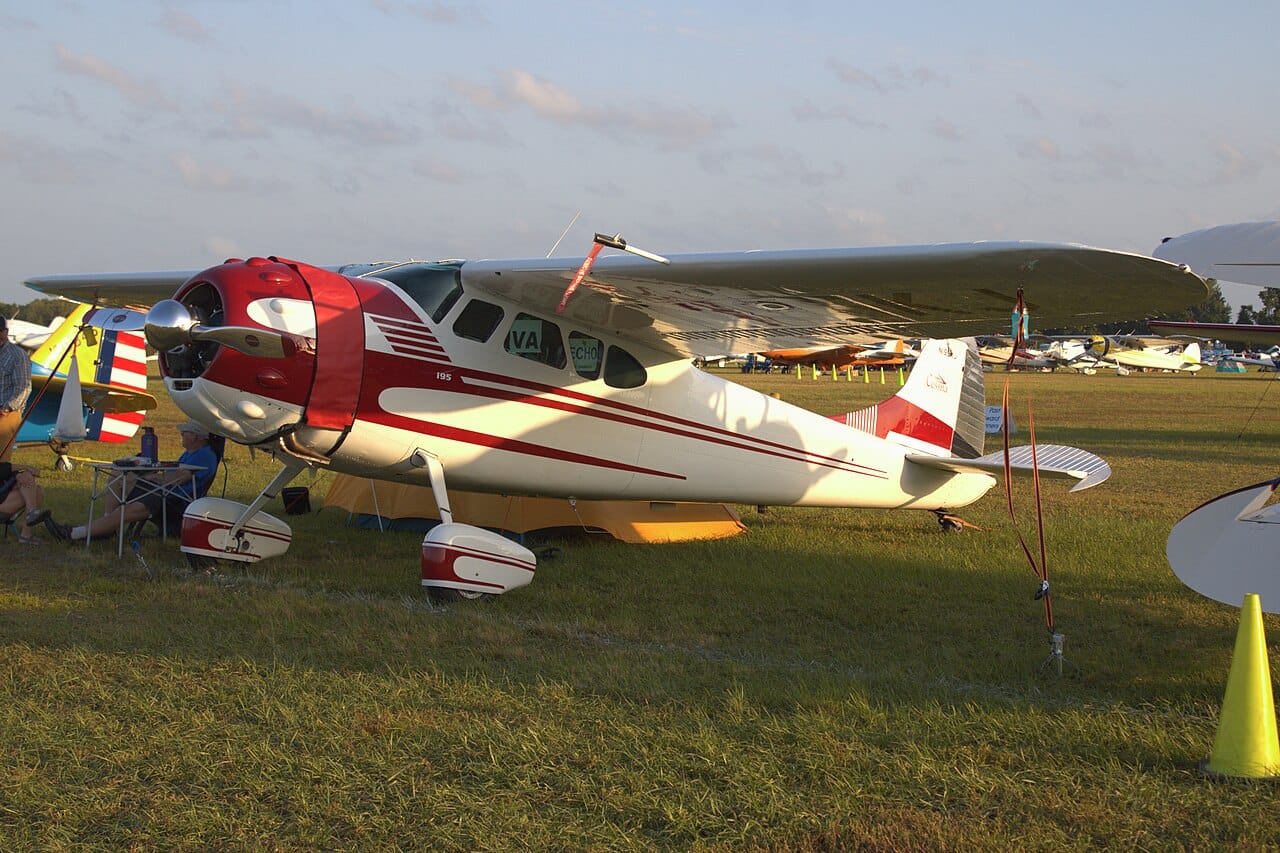
4. Cessna 185 Skywagon
The Cessna 185 Skywagon is a legend in backcountry aviation. It has been flying Alaskan bush strips since the 1960s, and its combination of useful load, rugged construction, and simplicity has made it one of the most trusted bush planes ever built.
Useful load on the 185 typically falls in the range of 1,000 to 1,150 lbs depending on equipment. The aircraft handles floats, skis, and tundra tires with equal confidence.
The 185 uses the Continental IO-520, a powerful and well-proven engine with a strong service record. Parts are readily available, and mechanics familiar with the aircraft are not hard to find.
Fun Fact: The Cessna 185 is said to have transported more cargo per flight hour in remote Alaskan operations than any other piston single of its era. Generations of bush pilots have trusted it with their most demanding missions.
For pilots asking what is the best bush plane for all-around utility in the backcountry, the 185 is frequently the answer. It is also one of the best aircraft choices for pilots who value simplicity and mechanical reliability in remote conditions where maintenance options are limited.
5. de Havilland DHC-2 Beaver
Few aircraft carry the reputation of the de Havilland Beaver. Built in Canada starting in the late 1940s, the Beaver was designed from the ground up as a bush plane, and it shows in every aspect of its design.
On straight floats, the Beaver can carry useful loads that regularly exceed 1,500 lbs, and some estimates put float-equipped payload capacity even higher depending on configuration. Its 450-horsepower Pratt and Whitney R-985 radial engine gives it a level of performance that pistons of similar size simply cannot match.
What makes the Beaver exceptional:
- Purpose-built for bush and float operations
- Exceptional STOL capability on water and rough strips
- Enormous cargo volume relative to cabin size
- Proven radial engine with decades of service life
Keep in Mind: Beaver radial engines require specialized maintenance expertise. Parts can be expensive, and certified mechanics with radial engine experience are less common than those familiar with modern piston engines.
The Beaver is perhaps the most recognized best alaskan bush plane of all time. If budget allows and you want a true bush aircraft with legendary status, it is in a class of its own.
Flying411 helps buyers understand exactly what to look for when evaluating aircraft like the Beaver, including condition reports, logbook reviews, and pre-purchase inspection guidance.
6. CubCrafters Carbon Cub
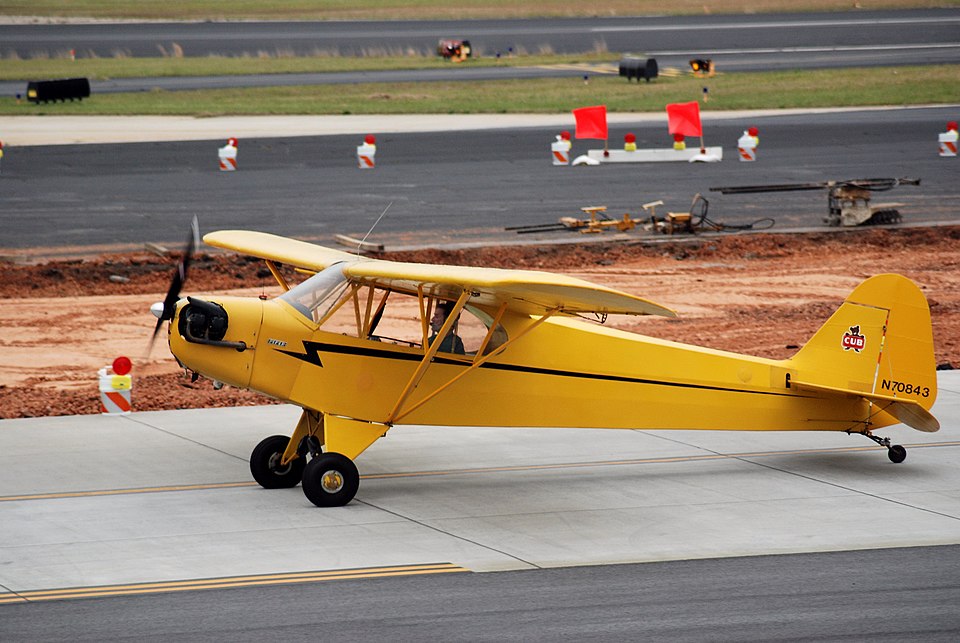
The CubCrafters Carbon Cub represents what modern engineering can do with a classic concept. Built on the tradition of the Piper Cub, the Carbon Cub uses advanced materials and modern engine technology to deliver remarkable performance in a lightweight package.
Useful load on Carbon Cub models typically falls between 850 and 950 lbs. That number is lower than the 206 or Beaver, but the Carbon Cub's empty weight is dramatically less, which means its load-to-weight ratio is impressive.
The Carbon Cub is one of the most celebrated best modern bush plane designs available today. It is factory-built as a Light Sport Aircraft in some configurations and as an Experimental in others.
Pro Tip: The Carbon Cub EX is available as a kit build, which allows buyers to spread costs over time and qualify for experimental certification. The factory-built CC11-160 and FX-3 are also available for those who want a ready-to-fly option.
The Carbon Cub is also one of the top choices in best bush plane msfs 2024 discussions, which speaks to its iconic visual design and performance reputation even in the virtual aviation world. For pilots who want a small, light, agile bush aircraft with serious STOL credentials, it is one of the best buys available.
The Carbon Cub consistently ranks among the top performers on rough strips and is considered by many to be the best light sport aircraft bush plane on the market today.
7. Kitfox Series 7
The Kitfox is a beloved name in the best bush kit plane world. The Series 7 is the most capable version the company has produced, offering a useful load of approximately 700 to 850 lbs depending on build configuration and installed options.
As an airplane kit, the Kitfox allows builders to customize their aircraft significantly. Engine choices, avionics, landing gear, and even fuel capacity can be tailored to the mission.
Why builders love the Kitfox Series 7:
- Foldable wings for easy transport and hangar storage
- Wide range of engine options from 80 to over 200 horsepower
- Proven STOL performance with proper slats and flap configuration
- Active builder community with strong factory support
Good to Know: The Kitfox qualifies as an Experimental Amateur-Built aircraft, which means the builder must complete a significant portion of the construction. The FAA currently requires the builder to have built the aircraft for their own education and recreation.
The best rc bush plane designs are often modeled after the Kitfox silhouette, which is a testament to how iconic and well-proportioned the aircraft looks in the air. For those asking about the best bush plane kits on the market, the Kitfox Series 7 is consistently near the top of the list.
The Kitfox is also one of the more popular answers to the question of the best cheap bush plane for pilots who are willing to invest time in building in exchange for savings on purchase price.
If you enjoy the process of building and want a STOL aircraft you can truly call your own, this is among the best aircraft to learn to fly in for pilots interested in experimental aviation.
8. American Champion Scout
The American Champion Scout does not always get the attention it deserves, but pilots who fly them know what they have. The Scout is based on the classic Citabria airframe, stretched and strengthened to handle a wider range of mission profiles.
Useful load on the Scout is typically around 850 to 950 lbs, which is solid for its size and empty weight. It is a two-seat aircraft, which limits passenger capacity, but for solo or two-person backcountry trips, it is a capable and honest performer.
Fun Fact: American Champion Aircraft, which builds the Scout, is based in Rochester, Wisconsin, and has continued producing tailwheel aircraft using methods and designs that trace back decades. The company has long been considered one of the keepers of traditional tailwheel manufacturing in the United States.
The Scout is often mentioned when pilots discuss the best small bush plane options. It handles rough strips with confidence, accepts tundra tires and floats, and gives pilots a tactile, connected flying experience that modern tricycle-gear aircraft simply do not replicate.
American Champion Scout at a glance:
- Two-seat tandem configuration
- Welded steel tube fuselage
- Traditional tailwheel gear
- Available with multiple engine options
9. Piper Cherokee 235
The Cherokee 235 rounds out this list as one of the best value options for pilots who need a capable four-seat aircraft with solid useful load. The 235 designation refers to its 235-horsepower Lycoming engine, which gives the aircraft enough power to move a full cabin with authority.
Useful load on the Cherokee 235 often exceeds 1,100 lbs, which is impressive for a fixed-gear four-seater. The aircraft is simple, durable, and relatively affordable to purchase and operate.
Why It Matters: The Cherokee 235 is often overlooked in favor of more glamorous bush aircraft, but its combination of useful load, simplicity, and operating cost makes it one of the best-value four-seat singles on the used market.
For pilots who want the best 4 seater bush plane at a price that does not require selling a kidney, the Cherokee 235 deserves a serious look. It is not a dedicated STOL aircraft, but on grass and gravel strips in reasonable condition, it performs well and reliably.
The Cherokee 235 also holds its value reasonably well, which matters when you eventually think about selling. It is one of the better aircraft choices if you want a practical, everyday flyer that can also handle light backcountry work with the right tires and a careful pilot.
Bush Plane Performance Comparison
Here is a side-by-side look at how these nine aircraft compare on key metrics.
| Aircraft | Useful Load (approx.) | Seats | STOL Capable | Float Friendly | Kit Option |
| Cessna 206 Stationair | 1,300-1,400 lbs | 6 | Moderate | Yes | No |
| Piper PA-32 / Cherokee Six | 1,200-1,400 lbs | 6 | Moderate | Limited | No |
| Maule M-7 | 1,000-1,100 lbs | 4 | Yes | Yes | No |
| Cessna 185 Skywagon | 1,000-1,150 lbs | 4 | Moderate | Yes | No |
| de Havilland Beaver | 1,500+ lbs | 6-7 | Yes | Yes | No |
| CubCrafters Carbon Cub | 850-950 lbs | 2 | Yes | Yes | Yes (EX) |
| Kitfox Series 7 | 700-850 lbs | 2 | Yes | Yes | Yes |
| American Champion Scout | 850-950 lbs | 2 | Yes | Yes | No |
| Piper Cherokee 235 | 1,050-1,150 lbs | 4 | Moderate | No | No |
What Makes a Great Bush Plane Beyond Useful Load?
Useful load matters, but it is not the only factor that separates a great bush plane from a merely adequate one. The best bush planes share several other characteristics that are just as important in the field.
Short Takeoff and Landing Performance
STOL performance determines which strips you can actually use. A plane with excellent useful load but long runway requirements is useless at a 400-foot gravel bar. Look for aircraft with low stall speeds, effective flaps, and good power-to-weight ratios.
Pro Tip: The best stol bush plane options typically have stall speeds well below 45 knots and can lift off within 500 feet at sea level. Always check these numbers against the specific strips you plan to use.
Rough Field Durability
Bush strips are not smooth. They have rocks, soft spots, roots, and surprises. Aircraft designed for this environment have stronger landing gear, tougher tires, higher prop clearance, and reinforced airframes. Not every high-useful-load plane can handle rough conditions well.
Float and Ski Compatibility
In Alaska and much of Canada, the ability to mount floats or skis is essential. Some aircraft are designed with this in mind from the factory. Others can be retrofitted, but the process adds cost and complexity. Always verify whether a specific aircraft has been approved for float operations and whether float kits are readily available.
Heads Up: Float certification adds significant complexity to annual inspections and requires a water rating on your pilot certificate for legal float operations. Factor in the cost of training if you do not already hold a seaplane rating.
Engine Reliability and Parts Availability
Remote operations mean you need an engine that starts reliably, runs smoothly, and has parts available somewhere within a reasonable distance. Radial engines like the one in the Beaver are exceptional performers but require specialized knowledge. Continental and Lycoming piston engines are far more common and have deeper mechanic and parts networks.
Bush Flying in Alaska: Special Considerations
Alaska is the ultimate proving ground for bush planes for sale. The state has more pilots and aircraft per capita than anywhere else in the United States, and the demands placed on aircraft there are unlike anywhere else in the lower 48.
Alaskan bush flying typically involves:
- Extremely short and unimproved strips
- Dramatic temperature swings from summer to winter
- Float and ski operations on lakes and frozen rivers
- Heavy gear hauls for hunting, fishing, and remote cabin supply
The best bush plane for alaska needs to handle all of these conditions dependably. The Cessna 185, Maule M-7, and de Havilland Beaver have been the workhorses of Alaskan aviation for generations. More recently, aircraft like the Carbon Cub and the Kitfox have added modern STOL capability to the mix.
Fun Fact: Alaska is said to have more private aircraft per person than any other U.S. state, with a pilot population that has long been estimated at many times the national average. The bush plane is not a novelty there. It is essential infrastructure.
For pilots dreaming of the best alaska bush plane experience, the key is matching the aircraft to the specific mission. A Beaver on floats is perfect for lake access. A Carbon Cub on tundra tires is better for short strip work. The Cessna 206 bridges the gap when you need payload and versatility.
The right aircraft for turbulent mountain flying is a separate but related consideration, and it is worth understanding how different airframes handle planes for turbulence before committing to a backcountry aircraft.
Buying a Bush Plane: New vs. Used vs. Kit Built
The bush plane market has options at every price point, from affordable used production aircraft to expensive new factory builds to kit-built planes you assemble yourself.
Used Production Aircraft
Used bush planes like the Cessna 185, Piper Cherokee 235, and Maule M-7 offer the best combination of proven performance and accessible pricing. Many examples have been well-maintained by pilots who used them regularly and cared for them properly.
What to look for in a used bush plane:
- Corrosion on floatplane-converted airframes
- Landing gear condition after rough field operations
- Engine times and overhaul history
- Avionics condition relative to your mission needs
New Factory Aircraft
New CubCrafters and Maule aircraft are available directly from the factory. They carry higher purchase prices but come with warranties, current avionics, and the benefit of knowing the full history of the airframe from day one.
Good to Know: New single-engine aircraft prices have risen significantly over the past decade. Budget accordingly and factor in avionics, insurance, and operating costs before finalizing your plan.
Kit-Built Aircraft
The best kit bush plane options like the Kitfox give builders a unique opportunity to customize their aircraft while managing costs. Build time is typically measured in hundreds to over a thousand hours depending on complexity, but the result is an aircraft you know intimately because you built it yourself.
For those who want a capable and affordable entry into bush flying, and who enjoy the building process, a kit aircraft is one of the most rewarding paths available. The best bush plane kits on the market today are well-engineered with detailed instructions and active builder communities.
Bush Plane Simulators: Practice Before You Fly
Before committing real money to a bush aircraft, many pilots spend time in flight simulation to better understand performance characteristics and get familiar with backcountry operations.
MSFS 2024 has become a popular platform for bush flying practice. The best bush plane msfs 2024 choices in the simulator include detailed reproductions of aircraft like the Carbon Cub, the Beaver, and the Maule. They give pilots a realistic sense of STOL performance, approach angles, and strip selection that is valuable even if it does not replace real flying.
The MSFS best bush plane community has grown significantly, with forums, YouTube channels, and dedicated add-on developers creating increasingly realistic simulations. It is a great way to build situational awareness and decision-making skills in a low-stakes environment.
Side-by-Side Configurations: Tandem vs. Side-by-Side Seating
Seating configuration is worth thinking about when choosing a bush plane. Most classic bush aircraft use tandem seating, where pilot and passenger sit one behind the other. Others use side-by-side arrangements.
The best side by side bush plane options include the Kitfox and some Maule configurations. Side-by-side seating makes communication easier during flight and can feel less claustrophobic for passengers who are new to small aircraft.
Tandem seating, by contrast, tends to create a narrower fuselage, which reduces aerodynamic drag and can improve STOL performance. It also places weight more favorably along the longitudinal axis, which helps with center of gravity management.
Keep in Mind: If you plan to fly passengers frequently, their comfort matters. Some first-time small plane passengers find tandem seating disorienting because they cannot easily see the instruments or communicate with the pilot without shouting.
Both configurations can deliver the best 4 place bush plane experience depending on the specific model. The Cessna 206 and Piper PA-32, as six-seaters, use side-by-side in the front rows with additional rows behind.
Conclusion
Finding the right aircraft among the best useful load single engine planes comes down to matching the airplane to your actual mission. The Cessna 206 and de Havilland Beaver lead the pack for serious payload capacity. The Maule M-7 and Cessna 185 deliver iconic bush performance with solid useful load. The CubCrafters Carbon Cub and Kitfox Series 7 bring modern STOL capability to lighter-weight airframes. And the Piper Cherokee 235 offers surprisingly strong useful load in a practical and affordable package.
No matter where you land on this list, a pre-purchase inspection by a qualified mechanic is essential. Check the weight and balance documents. Verify the useful load numbers on the specific airframe, not just the model average. And if you are heading into true backcountry operations, get proper training before you go.
Ready to find the right aircraft for your mission? Flying411 has the resources, listings, and expertise to help you make a smart, confident aircraft purchase.
Frequently Asked Questions
What is useful load on an airplane?
Useful load is the difference between an aircraft's maximum gross takeoff weight and its empty weight. It represents the total weight of fuel, passengers, baggage, and cargo that the aircraft can legally carry on any given flight.
Which single engine plane has the highest useful load?
Among common production single engine planes, the Cessna 206 Stationair and the de Havilland Beaver consistently deliver some of the highest useful loads. The Beaver on floats can exceed 1,500 lbs of useful load in some configurations, though exact figures vary by specific aircraft and equipment installed.
What is the best bush plane for a beginner pilot?
The American Champion Scout and the Maule M-7 are often recommended for pilots transitioning into bush flying. Both are honest, forgiving aircraft with good visibility and straightforward handling characteristics. Getting a tailwheel endorsement and backcountry flying training is strongly recommended before heading to remote strips.
Can a Cherokee 235 be used as a bush plane?
The Cherokee 235 can handle light backcountry work including grass strips and mild gravel runways, but it is not designed as a dedicated bush aircraft. It lacks the high prop clearance and rugged gear of true bush planes. With appropriate tires and a careful pilot, it performs well in moderate off-airport conditions.
What is the difference between a bush plane and a standard general aviation aircraft?
Bush planes are specifically designed or modified for operations from short, unimproved airstrips. They typically feature stronger landing gear, larger tires, higher prop clearance, lower stall speeds, and better short-field performance than standard general aviation aircraft. Many are also certified or modified for float and ski operations.
Is the de Havilland Beaver still in production?
The original de Havilland Beaver ceased factory production decades ago, but the type has been kept alive through excellent parts support and a strong owner community. Viking Air in Canada acquired the type certificate and has explored modernization programs, though availability of new-build Beavers has been limited. Well-maintained used examples remain highly sought after.
How does float installation affect useful load?
Straight floats typically add several hundred pounds to an airframe, and amphibious floats add even more because of the retractable gear mechanism. That weight comes directly out of useful load. Always calculate the payload available after floats are installed, especially if you also plan to carry full fuel.