Not every plane is a giant jet packed with hundreds of passengers. Most of the aircraft flying over your head on a calm afternoon are small, light, and built for just a few people or even one. These little flying machines come in many shapes and sizes, and each one has a job it does well.
When people start looking into the types of small planes, they often find a whole world they never knew was there. A two-seat trainer and a sleek personal jet can both be called "small," yet they fly in completely different ways.
Some take off from grass fields shorter than a city block. Others cruise high above the weather at jet speed. The line between a weekend hobby aircraft and a serious travel machine is thinner than you might think, and it usually comes down to design.
The same sky holds a fabric-covered bush plane and a carbon-fiber jet, and the gap between them is where things start to get interesting.
Key Takeaways
The main types of small planes include single-engine piston planes, light sport aircraft, ultralights, twin-engine planes, turboprops, light jets, bush planes, aerobatic planes, seaplanes, gliders, and experimental kit-built aircraft. Each type is shaped by its engine, its size, and the kind of flying it was made to do. Small planes can carry anywhere from one person to nearly a dozen, and they range from simple hobby craft to fast business machines.
| Type | Built For | Power Source |
| Single-engine piston | Training and personal flying | One piston engine |
| Light sport aircraft | Recreation and learning | Small piston engine |
| Ultralight | Solo, low-cost fun | Tiny engine |
| Twin-engine piston | Travel and engine backup | Two piston engines |
| Turboprop | Speed plus heavy loads | Turbine spinning a propeller |
| Light jet | Fast business travel | Small jet engines |
| Bush plane | Rough, remote airstrips | Piston or turbine |
| Aerobatic plane | Stunts and sport flying | High-power piston |
| Seaplane / amphibian | Landing on water | Piston or turbine |
| Glider | Quiet soaring | None, or a small helper engine |
| Experimental / kit | Custom home builds | Varies by builder |
Flying411 brings all of these aircraft together in one place, which makes it simple to see how the different types of small planes stack up side by side.
What Counts as a Small Plane?
There is no perfect, single definition of a "small" plane. Most people use the word for any light aircraft that seats only a handful of people. The FAA generally treats an aircraft as "small" if its maximum takeoff weight is 12,500 pounds or less. That covers almost everything in the world of general aviation aircraft, from tiny single-seaters to roomy turboprops.
To picture how small that really is, compare it to the big stuff. The largest airliners flying today weigh hundreds of times more and carry hundreds of people. You can see that contrast clearly when you look at the largest airliners flying or at today's commercial airliners and the giants in Boeing's airliner lineup.
A small plane sits at the other end of that scale. It might fit in a one-car garage with the wings folded. It often runs on the same kind of fuel a car uses, or close to it. And many can be flown safely by a single pilot.
Good to Know: The 12,500-pound line is a handy guide, but it is not a strict everyday rule. In casual talk, "small plane" usually just means a light aircraft built for a few people, not a packed airliner.
How Small Planes Are Classified
Pilots and builders sort small planes in a few simple ways. Knowing these groups makes the whole list easier to follow.
By What Powers Them
The engine is the biggest clue to how a plane behaves. There are three main power types you will hear about again and again.
| Power Type | How It Works | Example Aircraft |
| Piston | A fuel-burning engine spins the propeller | Cessna 172, Piper Archer |
| Turboprop | A turbine engine spins the propeller | Pilatus PC-12, King Air |
| Jet | A turbine pushes out thrust directly | Cirrus Vision Jet, HondaJet |
Piston engines are the most common in small planes. They are simple, affordable, and great for short trips. Turboprops and jets cost more to buy and run, but they go faster and climb higher.
By How They're Used
Small planes are also grouped by their job. Some are trainers, built to be gentle and forgiving. Some are travel machines, made to cover long distances in comfort. Others are sport planes, work planes, or pure hobby craft. The same basic airframe can sometimes do more than one job, but most planes lean toward one purpose.
The Main Types of Small Planes, Category by Category
Now for the fun part. Here are the most common types of small planes you will run into, with a quick look at what makes each one special.
1. Single-Engine Piston Planes
This is where most pilots begin. Single-engine piston planes use one fuel-burning engine to spin a propeller, and they are the workhorses of light aviation. Popular models include the Cessna 172, the Piper Cherokee and Archer, the Cirrus SR22, and the Beechcraft Bonanza.
These planes are used for flight training, weekend trips, and building hours toward bigger ratings. They are easy to find, easy to maintain, and friendly to new pilots. Many seat four people, though some carry only two and others fit five or six.
One thing buyers care about is how much weight a plane can carry, which pilots call useful load. You can see useful load by aircraft if you want to compare hauling power. For folks shopping for a personal plane to own, a single-engine piston is often the first and best stop.
Fun Fact: The Cessna 172 is widely considered one of the most-produced aircraft in history. It has been built for many decades and is still a favorite at flight schools around the world.
2. Light Sport Aircraft (LSA)
A light sport aircraft is a smaller, simpler plane meant for recreation and learning. The category was created in 2004 to give people an easier, cheaper way into the sky. Many can be flown with a sport pilot certificate, and for most operations a valid driver's license can stand in for a medical certificate.
For years, these planes had to stay under a 1,320-pound weight limit, which kept them tiny. That changed with the FAA's MOSAIC rule. The rule swaps the old weight cap for a performance-based standard built around stall speed, and it opens the door to four seats, retractable landing gear, and more capable designs.
The pilot-side changes took effect in late 2025, and the aircraft certification changes follow in mid-2026. Popular examples include the Icon A5, various Tecnam models, and many sport versions of kit planes.
Why It Matters: Under the MOSAIC rule, sport pilots can now fly a much larger slice of the general aviation fleet than before. That single change makes flying more reachable for thousands of new pilots.
3. Ultralights
Ultralights are the smallest powered planes you can fly, and in the United States they sit in a special class called Part 103. A Part 103 ultralight has a single seat, a very light empty weight of around 254 pounds, a small fuel tank, and a low top speed.
The big surprise for many people is that you do not need a pilot certificate to fly one in the US. That makes ultralights one of the cheapest and quickest ways to get airborne. They are simple, slow, and a pure joy on a calm morning.
Heads Up: No license does not mean no risk. Ultralights still depend on good weather, careful flying, and real training. Skipping lessons just because the law allows it is a fast way to get into trouble.
4. Twin-Engine Piston Planes
Twin-engine planes carry two piston engines instead of one. That second engine adds power, payload, and a safety backup if one engine quits. Common models include the Beechcraft Baron, the Piper Seneca, and the Cessna 310.
Pilots often step up to a twin for longer trips, bad-weather flying, and hauling more people or gear. Twins cost more to buy, fuel, and maintain, since you are now caring for two engines. But for many owners, the extra peace of mind is worth it.
If you want to compare models, take a look at some popular twin-engine options before deciding.
5. Turboprops
A turboprop aircraft uses a turbine engine to spin a propeller. This gives you jet-like power with the steady pull of a prop, which is great for speed and heavy loads. Well-known turboprops include the Pilatus PC-12, the Beechcraft King Air, the Daher TBM, and the Cessna Caravan.
Turboprops fly higher and faster than most piston planes. They can climb above rough weather and cover long distances in comfort. Some have a single engine, while others carry two. Many are roomy enough for a small group, so if you need cabin space, browse some six-seat cabin options to get a feel for the class.
Pro Tip: Match the plane to the mission, not the other way around. A turboprop is wonderful for long family trips, but it can be overkill for short weekend hops. Buy for the flying you actually do.
6. Light Jets and Very Light Jets
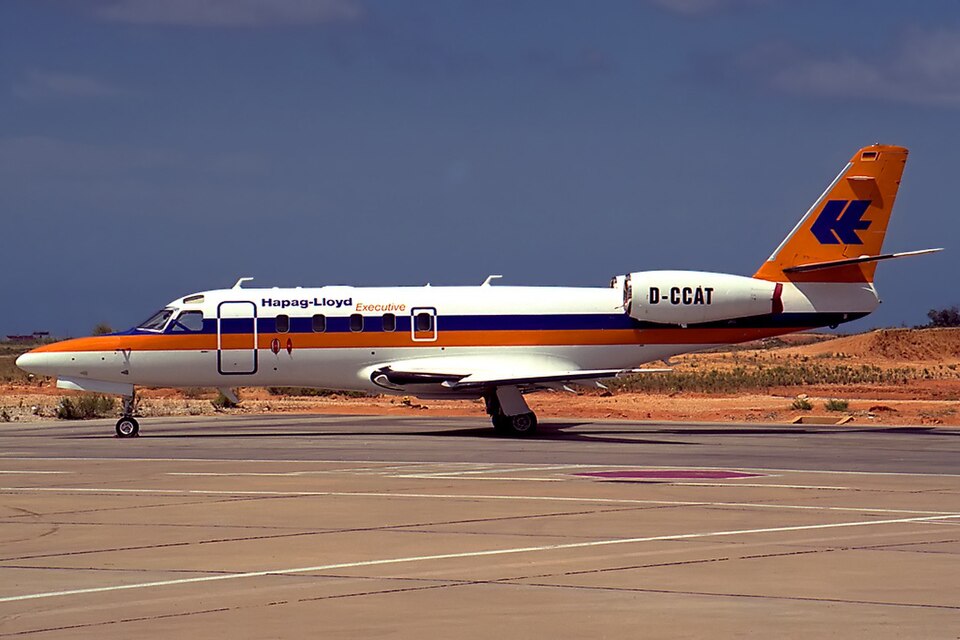
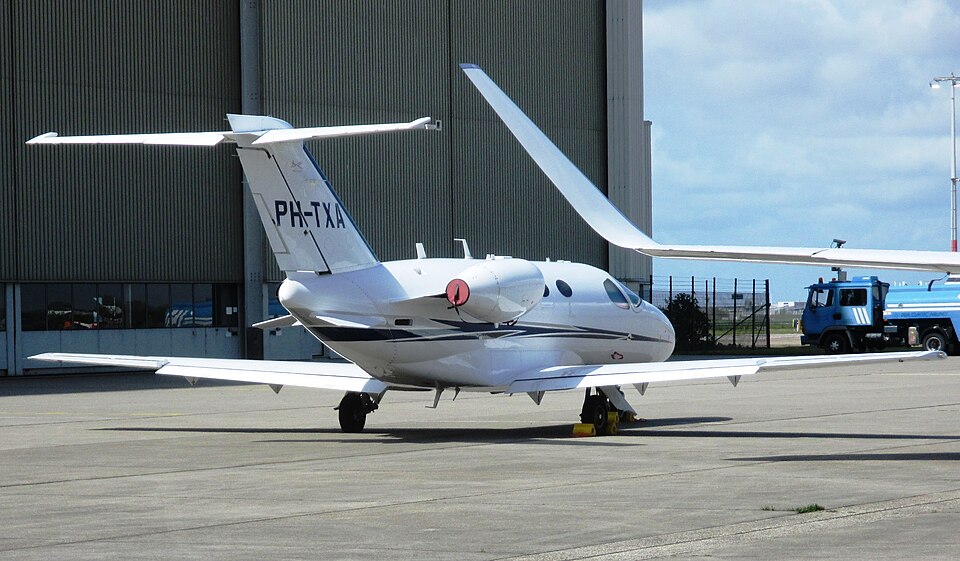
When people picture a small private plane with real speed, they often picture a very light jet. These are the smallest business jets, built to fly fast and high while still being simple enough for one pilot in some cases. Examples include the Cirrus Vision Jet, the Embraer Phenom 100, the HondaJet, and the Cessna Citation Mustang.
Light jets shine on longer trips where time matters most. They climb above most weather and cruise at speeds piston planes cannot touch. If you like comparing the high end, you can scan top private jets or zero in on the fastest private jets.
Range and size vary a lot across the class. Some are built for short hops, while long-range private jets can cross oceans, and the largest private jets feel more like flying living rooms than light planes.
Keep in Mind: A jet's sticker price is only the start. Fuel, training, insurance, and heavy maintenance all add up fast. Owning a jet is a lifestyle, not just a purchase.
On Flying411, you can browse current listings of single-engine planes, turboprops, and light jets from trusted sellers, all in one searchable marketplace.
7. Bush Planes
Bush planes are the tough, go-anywhere members of the family. They are built to take off and land on short, rough strips like gravel bars, fields, and mountain clearings. Big tires, strong landing gear, and slow-flying wings let them get into places other planes cannot reach.
Classic bush planes include the Piper Super Cub, the de Havilland Beaver, the Aviat Husky, and the Cessna 185. Pilots use them for backcountry trips, hunting, fishing, and reaching remote cabins. If rugged flying calls to you, look at what makes a capable bush plane stand out.
8. Aerobatic Planes
Aerobatic planes are made for one thing above all: flying that bends the rules of normal flight. They have strong airframes, quick controls, and high roll rates so they can loop, roll, and spin without strain. Famous names include the Extra 300, the Pitts Special, and various Sukhoi designs.
These planes are built to handle forces that would stress a regular trainer. Some can even fly upside down for long stretches, thanks to special fuel and oil systems. They are a favorite for air shows and sport competition.
9. Seaplanes and Amphibians
Seaplanes trade wheels for floats so they can land on water. A floatplane sits on two pontoons, while a flying boat rests on its hull. An amphibian is the best of both, with floats and wheels, so it can use lakes and runways alike.
Popular water-capable planes include the Icon A5, the de Havilland Beaver on floats, and amphibious versions of the Cessna Caravan. They open up travel to lakes, rivers, and coastal spots that have no airport at all. For anyone who loves the water, a seaplane turns the whole shoreline into a landing strip.
10. Gliders and Motor Gliders
Gliders, also called sailplanes, fly with no engine at all. They get a tow or a winch launch into the air, then ride rising currents of warm air to stay up. Skilled glider pilots can soar for hours and cover long distances without burning a drop of fuel.
A motor glider adds a small engine, sometimes one that folds away, so the pilot can launch or climb without a tow. Gliding is quiet, graceful, and one of the purest forms of flight. It is also a great way to learn how air really moves.
11. Experimental and Kit-Built Planes
An experimental aircraft is one a person builds from a kit or a set of plans, often in a home workshop. These planes carry an experimental airworthiness certificate, which gives builders more freedom in design and upkeep. The Van's RV series is one of the most popular kit lines, with thousands flying today.
Home builders love these planes because you can get strong performance for the money and tailor the aircraft to your taste. The MOSAIC rule also gave the homebuilt community more room to fly and maintain their aircraft. Building a plane takes patience, but the payoff is a machine you know inside and out.
Small and light aircraft also take on some surprising jobs. A few are tough enough to fly through hurricanes for storm research, and a rare handful of winged craft can even reach the edge of space. The range of what wings can do is wider than most people guess.
How Much Do Small Planes Cost?
Cost is one of the first questions buyers ask, and the honest answer is that it depends. The type, the age, the engine hours, and the avionics all move the price up or down. A simple used trainer can be surprisingly affordable, while a new light jet runs into the millions.
Ongoing costs matter just as much as the purchase price. Fuel, hangar space, insurance, and inspections all add up over a year. The yearly bill for a turbine plane is far higher than for a small piston single. If you want a sense of the high end, you can look at what private jets cost to set your expectations.
Here is a rough, plain-language feel for the cost ladder.
| Category | General Cost Feel | Main Ongoing Costs |
| Ultralight | Lowest entry point | Fuel, basic upkeep |
| Used single-engine piston | Affordable to mid-range | Fuel, annual inspection, hangar |
| Light sport aircraft | Mid-range | Fuel, maintenance, insurance |
| Twin-engine piston | Higher | Two engines, more fuel |
| Turboprop | High | Turbine upkeep, fuel |
| Light jet | Highest | Jet fuel, crew, heavy maintenance |
Keep in mind that a cheaper plane is not always the smarter buy. An older airframe can need costly repairs, while a well-kept plane may save you money in the long run. Always factor in upkeep, not just the tag price.
Which Small Plane Is Right for You?
With so many choices, the trick is to start with your goal and work backward. The right plane is the one that fits the flying you plan to do, your budget, and your skill level.
Here is a simple way to think it through:
- Learning to fly: A forgiving single-engine trainer or a light sport aircraft is hard to beat.
- Lowest cost, pure fun: An ultralight or a clean used single keeps things simple and cheap.
- Family travel: A four-seat single or a roomy turboprop covers ground in comfort.
- Speed and business trips: A light jet saves time when distance and schedule matter.
- Backcountry adventure: A bush plane gets you into places others cannot reach.
- Thrills and sport: An aerobatic plane delivers rolls, loops, and pure excitement.
- Water access: A seaplane or amphibian turns lakes into runways.
Quick Tip: Take an intro flight or a few lessons before you buy. Sitting in the seat and feeling how a plane handles tells you far more than any spec sheet ever will.
Ready to find the right fit? Flying411 connects you with sellers, flight schools, and certified aviation pros, so you can move from browsing to flying with confidence.
The Bottom Line
The world of small aircraft is big, friendly, and full of options. From a single-seat ultralight to a fast personal jet, the types of small planes each offer a different door into the sky. Once you understand what sets them apart, picking the right one gets a whole lot easier.
There is a plane for almost every dream and budget, and the best way to learn is to get close to the real thing. Sit in a few, talk to owners, and pay attention to what excites you most.
Ready to take the next step? Browse aircraft, engines, parts, and aviation services on Flying411 and start turning that runway daydream into a real flight plan.
Frequently Asked Questions
What is the easiest small plane to learn to fly in?
Gentle trainers like the Cessna 172 and many light sport aircraft are popular first planes because they handle in a forgiving, predictable way. Their slow, stable flight gives new pilots time to think and react.
Can you fly a small plane without a medical certificate?
In the US, sport pilots can fly qualifying aircraft using a valid driver's license in place of an FAA medical for most daytime operations. Other pilots may also use BasicMed rules, though night flying and some operations still call for a medical.
How far can a small plane fly on one tank of fuel?
It varies widely by type, but many single-engine planes can travel a few hundred miles before needing fuel, while larger turboprops and jets can go well over a thousand. Wind, weight, and altitude all change the real number.
What is the difference between a turboprop and a jet?
A turboprop uses a turbine engine to spin a propeller, while a jet uses a turbine to push out thrust directly. Jets tend to fly faster and higher, but turboprops often handle short, rough runways better.
Are small planes hard to fly?
Trainers are designed to be approachable, so most people can learn the basics with steady practice. Flying takes real training and good judgment, but thousands of new pilots earn their wings every year.