Flying used to feel like a miracle. You step into a metal tube, sit down, and hours later you land thousands of miles away. Behind that everyday miracle are some of the most impressive machines ever built by human hands.
Commercial aircraft have shaped the way the world moves, connects, and does business. Some of these planes changed aviation history. Others changed what passengers expected from air travel altogether.
If you have ever looked out a window at 35,000 feet and wondered about the machine keeping you up there, this article is for you. We rounded up the 13 best commercial planes ever made, covering what makes each one special, why airlines love them, and what passengers notice most.
Whether you are a longtime aviation fan or just curious about what flies overhead, this list covers the aircraft that truly matter.
Key Takeaways
The best commercial planes combine safety, range, fuel efficiency, and passenger comfort into one reliable package. Aircraft like the Boeing 747, Airbus A380, and Boeing 737 have long been considered the most important jets in commercial aviation history. They connect cities, shaped airline economics, and set new standards for what air travel can be. The table below gives you a quick look at the top contenders and what makes each one stand out.
| Aircraft | Maker | Known For |
| Boeing 747 | Boeing | First wide-body jumbo jet |
| Airbus A380 | Airbus | Largest passenger aircraft |
| Boeing 737 | Boeing | Most popular commercial jet |
| Airbus A320 | Airbus | Short-haul workhorse |
| Boeing 777 | Boeing | Long-range twin-engine powerhouse |
| Boeing 787 Dreamliner | Boeing | Fuel efficiency and passenger comfort |
| Airbus A350 | Airbus | Modern composite long-haul jet |
| Concorde | Aerospatiale/BAC | Supersonic passenger travel |
| Douglas DC-3 | Douglas | Pioneer of modern air travel |
| Boeing 757 | Boeing | Narrow-body with long-range ability |
| Airbus A330 | Airbus | Versatile wide-body twin |
| Embraer E-Jet | Embraer | Regional aviation standout |
| Boeing 767 | Boeing | Mid-size wide-body workhorse |
Flying411 is your go-to resource for aircraft news, buying guides, and aviation insights tailored for pilots and enthusiasts across the USA.
A Quick History of Commercial Aviation
Before diving into the list, it helps to know how we got here. Commercial air travel as most people know it today really took off after World War II. Airlines began expanding rapidly. Aircraft manufacturers raced to build planes that could carry more passengers, fly farther, and cost less to operate.
The shift from propeller-driven planes to jet engines in the late 1950s changed everything. Suddenly, crossing the Atlantic was a matter of hours instead of days. Then came the wide-body era in the late 1960s, when the Boeing 747 proved you could carry hundreds of passengers at once without sacrificing comfort.
Fun Fact: The Boeing 747 is said to have been designed in part on a cocktail napkin during a meeting between Boeing executive Bill Allen and Pan Am CEO Juan Trippe. The story may be slightly embellished, but the plane itself is very real.
Since then, materials science, engine technology, and aerodynamics have pushed aircraft design to remarkable new places. Today's best commercial planes burn far less fuel, create less noise, and carry passengers in far more comfort than their predecessors.
Why Aircraft Design Matters So Much
Airlines do not pick planes on looks alone. Every aircraft selection is a business decision. Fuel cost is the single largest operating expense for most airlines, so even small improvements in fuel efficiency translate into millions of dollars saved each year.
Range, seat count, maintenance costs, and passenger appeal all factor in too. A plane that passengers love but mechanics dread is not going to stay in a fleet for long. The aircraft on this list earned their spots by getting most of these things right.
The 13 Best Commercial Planes Ever Built
These 13 aircraft did not end up on this list by accident. Each one represents a turning point in how airlines think about range, efficiency, passenger experience, or all three at once. Some changed aviation economics overnight. Others quietly became the backbone of the global air travel network. Here is what makes each one worth knowing.
1. Boeing 747
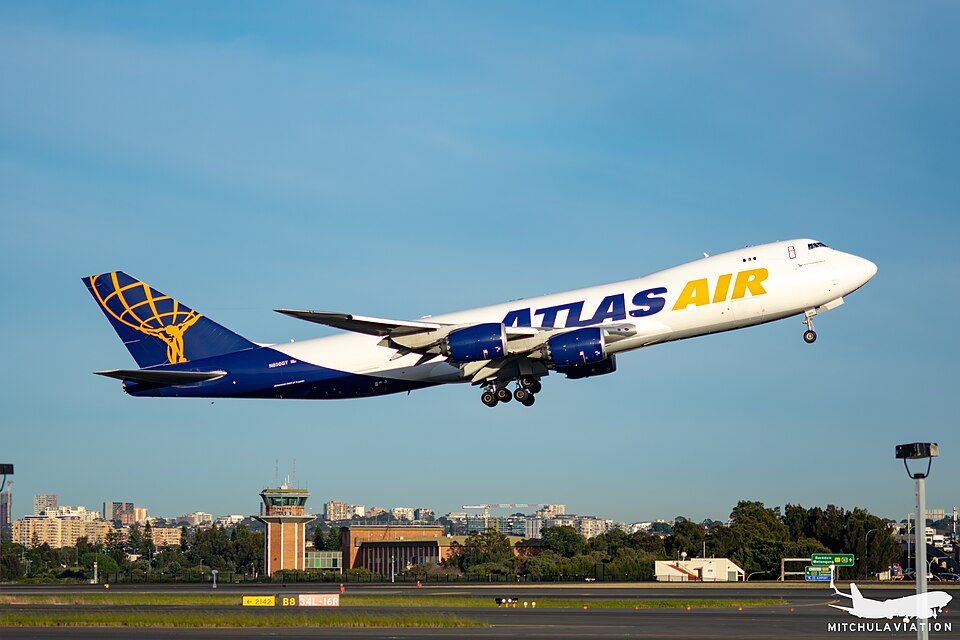
The Boeing 747 is often called the "Queen of the Skies," and the nickname fits. When it entered service with Pan American World Airways in 1970, it nearly doubled the capacity of any commercial aircraft flying at the time. Its distinctive hump upper deck became one of the most recognizable silhouettes in aviation.
The 747 made long-haul international travel accessible to far more people by driving down ticket prices through sheer scale. Airlines could now fill seats more efficiently on high-demand routes. The plane has gone through numerous variants over the decades, with the 747-8 being the most recent and most fuel-efficient version.
Good to Know: The Boeing 747 has served as a cargo hauler as well as a passenger jet. Many of the world's major freight operators still rely on it to move goods across continents.
If you want to go deeper on Boeing's greatest hits, the history of Boeing's most iconic aircraft is worth exploring.
2. Airbus A380
The Airbus A380 is the largest passenger aircraft ever to enter commercial service. It can carry well over 500 passengers in a typical two-class layout, and some configurations push that number even higher. Its double-deck design gives airlines enormous flexibility in how they configure the cabin.
Passengers who have flown on the A380 often mention how quiet and smooth the ride feels, even on very long routes. The sheer size of the aircraft means cabin pressure and humidity can be managed better than on smaller jets, which many travelers say reduces jet lag.
However, the A380 has also faced commercial challenges. Its massive size requires high passenger loads to be profitable, and with airlines increasingly favoring point-to-point routes over hub connections, the ultra-large jet has had a complicated commercial life.
Why It Matters: The A380 proved that passengers would embrace a double-deck commercial jet, even if the economics proved tricky for some operators.
3. Boeing 737
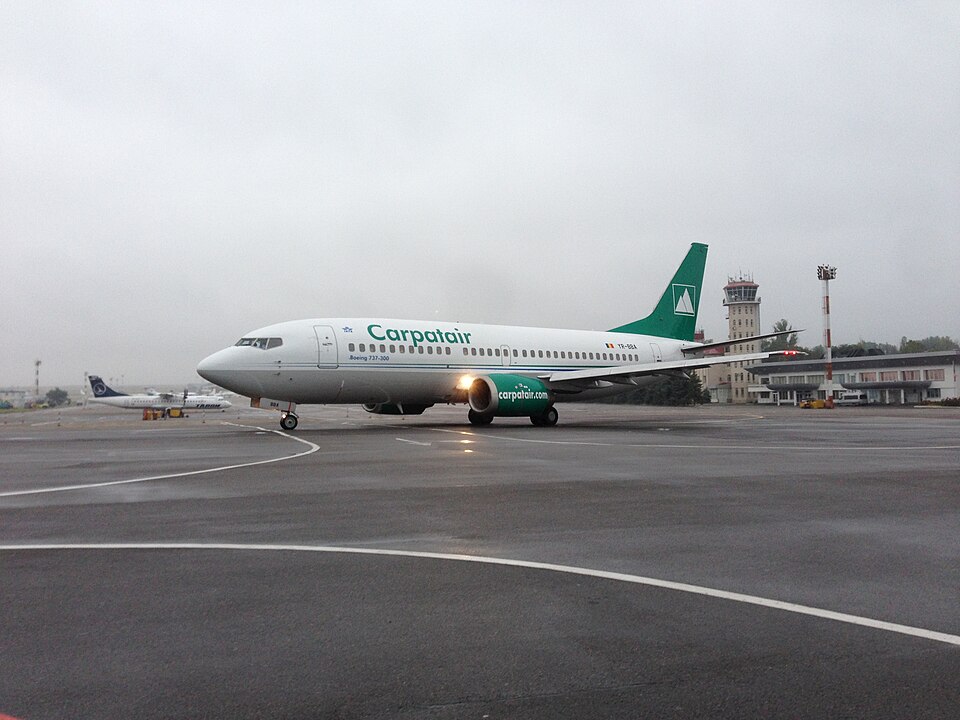
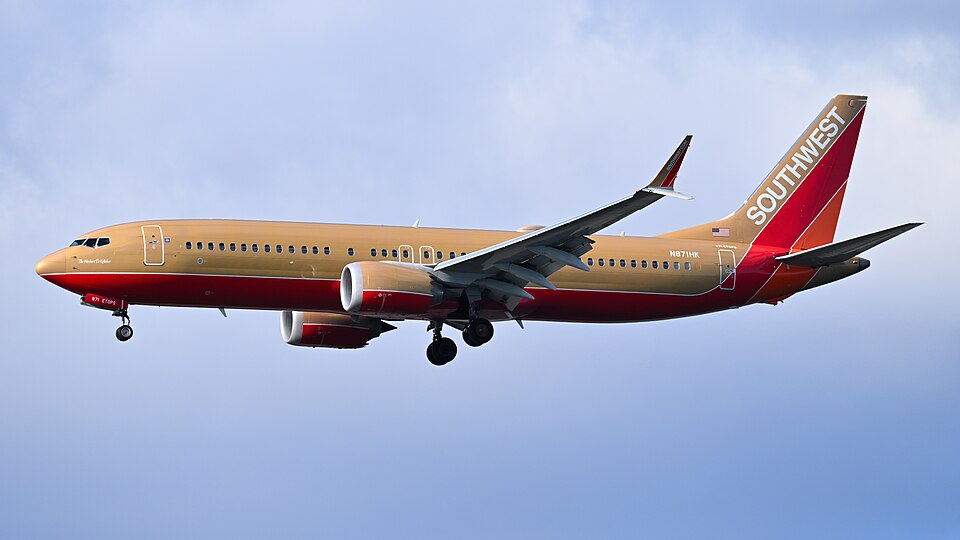
When it comes to sheer numbers, no commercial plane comes close to the Boeing 737. It is the best-selling commercial jetliner in history by a wide margin, with thousands in service around the world at any given time. First introduced in 1968, the 737 has been continuously updated and redesigned to stay competitive across more than five decades.
The 737 serves everything from short hops between nearby cities to medium-haul international routes. Its operating costs are well understood, pilots are plentiful, and spare parts are everywhere. For airlines, that reliability and familiarity is enormously valuable.
The Boeing 737 MAX variant brought new engines and winglets to further reduce fuel burn, though it also went through a difficult period that reshaped how the aviation industry and regulators think about aircraft certification.
4. Airbus A320
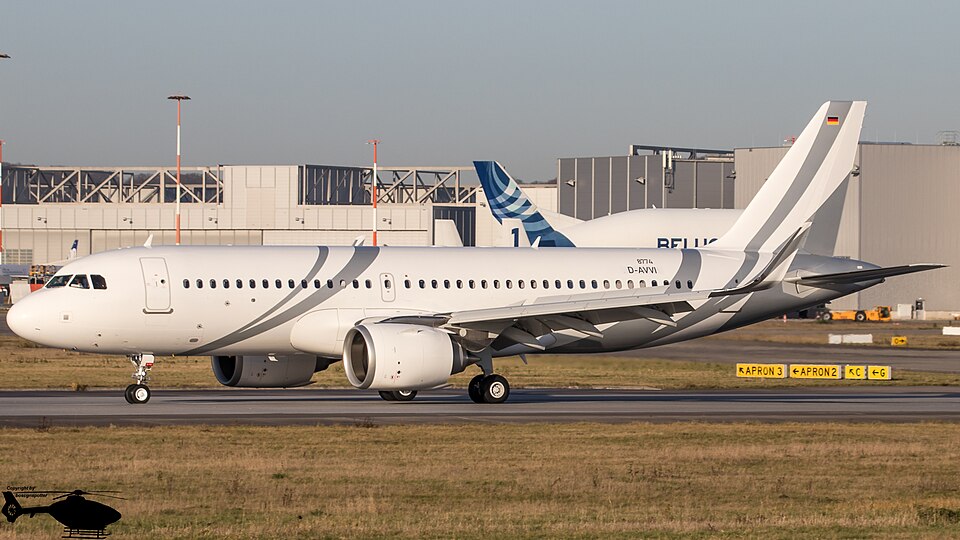
The Airbus A320 is Europe's answer to the 737, and it has been a massive success on its own terms. Introduced in the late 1980s, it was one of the first commercial aircraft to use fly-by-wire technology as a central part of its design. That means the pilot inputs go through a computer before reaching the flight controls, allowing for more precise handling and built-in protections.
Airlines love the A320 for short to medium routes. It is economical, easy to maintain, and passengers find it comfortable for flights up to several hours. The A320neo (new engine option) added even more fuel efficiency, making it one of the most competitive aircraft in its class today.
Pro Tip: If you are an aviation fan booking flights, the A320neo is widely considered one of the more pleasant narrow-body jets to fly on, thanks to larger overhead bins and quieter engines compared to older variants.
5. Boeing 777
The Boeing 777 is a long-range twin-engine wide-body that has become the backbone of many international routes. It entered service in 1995 and quickly earned a reputation for reliability and range. Twin-engine aircraft like the 777 are approved to fly extended routes over water under rules called ETOPS, and the 777 has some of the best ETOPS ratings in the industry.
Airlines use the 777 on some of the longest non-stop routes in the world. Its large cabin allows for multiple classes of service, and passengers generally find the ride comfortable even on very long flights.
The 777X, a newer variant with folding wingtips and composite wings, is in development and expected to push range and efficiency even further.
6. Boeing 787 Dreamliner
The Boeing 787 Dreamliner brought something genuinely new to commercial aviation: a fuselage made primarily of carbon fiber composite materials rather than aluminum. That shift allowed engineers to increase cabin humidity and air pressure to levels closer to what you would find at sea level, which many passengers say makes a real difference in how they feel after a long flight.
The 787 is also significantly more fuel-efficient than the wide-body jets it was designed to replace. Airlines have used it to open up new non-stop routes that were not previously economical, connecting city pairs that once required a connection.
Fun Fact: The windows on the Boeing 787 are notably larger than those on most other commercial jets. They also use an electrochromic dimming system instead of traditional window shades.
7. Airbus A350
The Airbus A350 is Airbus's long-haul flagship and a direct competitor to the 787. Like the Dreamliner, it uses a high proportion of composite materials in its construction. The result is an aircraft that is lighter, more fuel-efficient, and quieter than older wide-body jets.
Airlines operating the A350 on ultra-long routes have reported strong passenger satisfaction scores. The cabin is designed to feel more spacious, with higher ceilings and wider seats in economy than some competing aircraft.
Singapore Airlines has used the A350 for some of the world's longest non-stop flights, which speaks to the aircraft's range capability.
8. Concorde
No list of the best commercial planes would be complete without the Concorde. It was the world's first supersonic passenger jet to enter regular commercial service, flying at roughly twice the speed of sound. A transatlantic crossing that takes around seven hours on a conventional jet took just over three hours on Concorde.
Air France and British Airways operated Concorde from the mid-1970s until 2003. Ticket prices were steep, and the passenger cabin was narrow. But for those who could afford it, Concorde offered something no other airliner could match: speed.
Keep in Mind: Concorde's retirement was driven by a combination of factors including a tragic accident in 2000, rising operating costs, and reduced demand after the September 2001 downturn in air travel. Several companies are now working to bring supersonic passenger travel back.
9. Douglas DC-3
The Douglas DC-3 is arguably the plane that made commercial aviation viable. Introduced in 1936, it was faster, more comfortable, and more economical to operate than anything flying at the time. It helped airlines move from novelty to necessity.
Thousands of DC-3s were built, and a remarkable number are still flying today in various roles. Its simple, durable design made it easy to maintain and operate in almost any conditions. Pilots who have flown it often speak of it with deep affection.
The DC-3 shaped almost everything that came after it in commercial aviation. It set expectations for passenger comfort, reliability, and economic operation that every aircraft since has tried to meet or exceed.
Why It Matters: The DC-3 is widely credited with making airlines profitable for the first time in history. Without it, commercial aviation as we know it might have developed very differently.
10. Boeing 757
The Boeing 757 is a narrow-body jet with surprising range for its size. Airlines use it for domestic routes, transatlantic crossings, and everything in between. Its powerful engines allow it to operate from shorter runways at high-altitude airports, making it useful in places where other jets struggle.
The 757 was discontinued in the early 2000s, but it remains in service with many carriers who value its unique combination of range, capacity, and flexibility. Some aviation experts consider it one of the most versatile commercial jets ever produced.
Looking to understand how single-engine and twin-engine planes compare when it comes to useful load and long-distance capability? Flying411's guides on useful load for single-engine aircraft and top twin-engine planes break it all down.
11. Airbus A330
The Airbus A330 is a wide-body twin that has served airlines reliably since the early 1990s. It is popular on medium to long-haul routes and offers airlines a flexible platform with multiple cabin configurations. Cargo operators also use it widely.
The A330neo (new engine option) updated the type with more efficient engines and new winglets, giving it a new lease on life in an increasingly competitive market. Airlines flying the A330 appreciate its low acquisition and operating costs relative to newer wide-body jets.
Good to Know: The A330 and A340 share a common airframe. The A340 added two extra engines for four-engine operation on ultra-long routes, while the A330 went with two. The twin-engine A330 ultimately proved more economical.
12. Embraer E-Jet Series
The Embraer E-Jet family covers a range of regional jets from around 70 to 130 seats. Brazilian manufacturer Embraer designed this series to fill routes that were too small for mainline jets but too large for turboprops. The result was a family of aircraft that regional airlines around the world quickly adopted.
The E-Jet series is known for its comfortable two-by-two seating layout, which means every passenger in economy gets either a window or an aisle seat. No one is stuck in the middle. For regional aviation, that is a real selling point.
The newer E2 series updated the original E-Jets with new engines and aerodynamic improvements, pushing fuel efficiency significantly further.
If you enjoy exploring aircraft designed for smaller operations and adventure flying, check out this rundown of the best bush planes for a look at a very different side of aviation.
13. Boeing 767
The Boeing 767 is a mid-size wide-body jet that has quietly served airlines for over four decades. It bridges the gap between narrow-body jets and larger wide-bodies like the 777 or 747. Airlines use it on transatlantic routes, domestic trunk routes, and now increasingly as a freighter.
The 767 forms the basis for the KC-46 tanker aircraft used by the U.S. Air Force, which speaks to the soundness of its basic design. Its relatively simple twin-engine layout and well-understood maintenance requirements have kept it popular long past what anyone originally expected.
Pro Tip: If you are tracking cargo aviation, the 767 freighter is one of the most common aircraft you will see at major cargo hubs. Amazon Air and FedEx both operate large 767 fleets.
What Makes a Commercial Plane Truly Great?
Listing 13 aircraft is easy. Understanding why certain planes earn legendary status takes a bit more thought. Several factors separate the truly great commercial jets from those that simply came and went.
Range and Efficiency
Modern airlines operate on thin margins. A plane that burns significantly less fuel on a given route can make the difference between a profitable flight and a money-losing one. Range matters too, because the ability to fly non-stop opens up routes that would otherwise require a connection.
Aircraft like the 787 and A350 represent the current state of the art in fuel efficiency. Their composite construction and new-generation engines give them a measurable advantage over older designs.
Passenger Experience
Passengers are not indifferent to which aircraft they fly on. Websites and apps that let travelers filter by aircraft type exist because people have real preferences. Higher cabin pressure, lower noise levels, larger windows, and more legroom all affect how a flight feels.
Flying411 covers the full spectrum of aircraft ownership and aviation lifestyle, from regional jets to private planes worth owning.
Airlines know this. An aircraft that consistently earns poor passenger reviews can hurt a carrier's brand, especially on routes where travelers have a choice.
Reliability and Maintainability
A plane sitting on the ground is not earning revenue. Aircraft that are easy to maintain, have well-stocked parts networks, and need less downtime between flights are enormously valuable to airlines. The 737 and A320 families have benefited enormously from being so widely operated: the global pool of trained mechanics and available parts is immense.
Adaptability
The best commercial planes tend to be adaptable across different route types and passenger configurations. Airlines want jets that can serve multiple roles in a fleet rather than being limited to one specific use case.
Heads Up: When evaluating commercial aircraft, keep in mind that the passenger version and the freighter version of the same jet can have very different economic profiles. A plane that struggles as a passenger carrier might thrive as a freighter.
Commercial Planes vs. Private Aviation: Two Very Different Worlds
Commercial aviation and private aviation operate in almost completely separate ecosystems, even though they share the same sky. Commercial jets are optimized for high utilization, cost per seat, and schedule reliability. Private aircraft are optimized for flexibility, access to smaller airports, and the specific needs of individual owners or operators.
If you are curious about aircraft that seat fewer passengers in a more tailored environment, there are guides on the best 6-passenger planes that cover a very different side of aviation than the giant jets on this list.
The technology developed for commercial aviation does filter down over time. Composite materials, fuel-efficient engines, and advanced avionics that debuted on large commercial jets eventually find their way into smaller aircraft.
Conclusion
The best commercial planes are more than impressive machines. They are the reason millions of people connect with family, do business across borders, and see parts of the world they might otherwise never reach. From the legendary Douglas DC-3 to the fuel-sipping Airbus A350, each aircraft on this list earned its place by doing something better than what came before.
Aviation keeps moving forward. Supersonic jets are being developed again. Electric regional aircraft are being tested. Hydrogen-powered flight is on the horizon. But the 13 planes on this list will always hold a special place in the story of how humanity learned to fly together, at scale.
If you want to keep up with the aircraft world, stay current on aviation market trends, or dig into what it actually means to own or fly these machines, Flying411 is the resource built for pilots, enthusiasts, and anyone who looks up whenever a plane goes overhead.
FAQ
What is the most popular commercial plane in the world right now?
The Boeing 737 family holds the record as the most widely operated commercial jet in the world, with thousands of aircraft in active service across hundreds of airlines globally.
Which commercial plane has the best passenger comfort ratings?
The Boeing 787 Dreamliner and Airbus A350 consistently receive high marks from passengers, largely because of their higher cabin pressure, lower noise levels, and more modern interior designs compared to older wide-body jets.
Why did Concorde stop flying?
Concorde's retirement in 2003 came after a combination of events including a fatal crash in 2000, declining demand in the years following September 2001, and the high operating costs that made it difficult to sustain commercially.
Are any new supersonic passenger jets being developed?
Yes. Several companies, including Boom Supersonic, are actively developing supersonic passenger jets that aim to bring back faster-than-sound commercial travel at a broader range of price points than Concorde achieved.
What commercial jet has been in service the longest?
The Douglas DC-3 is remarkable in this regard. While it is no longer used by major commercial carriers, examples of the DC-3 are still airworthy and operating in various utility roles nearly 90 years after the type first flew.