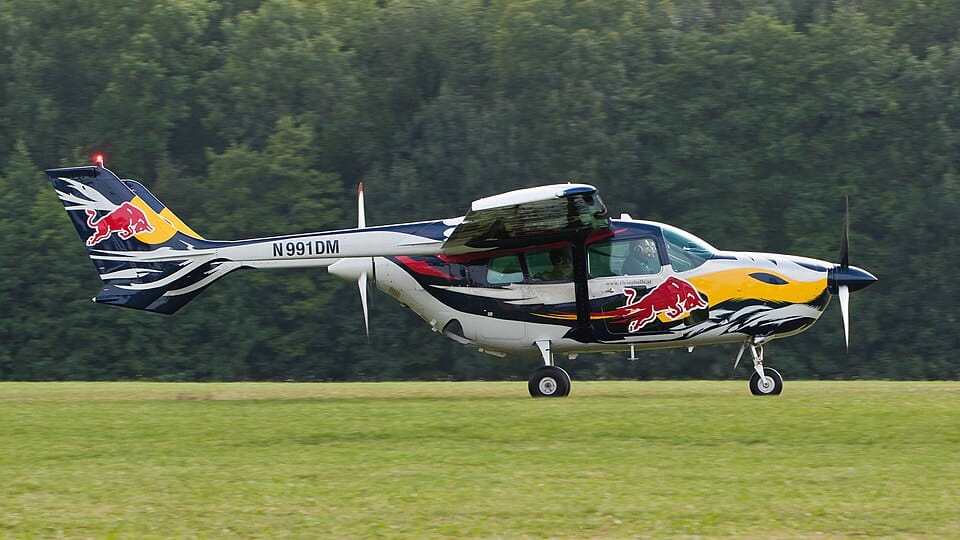
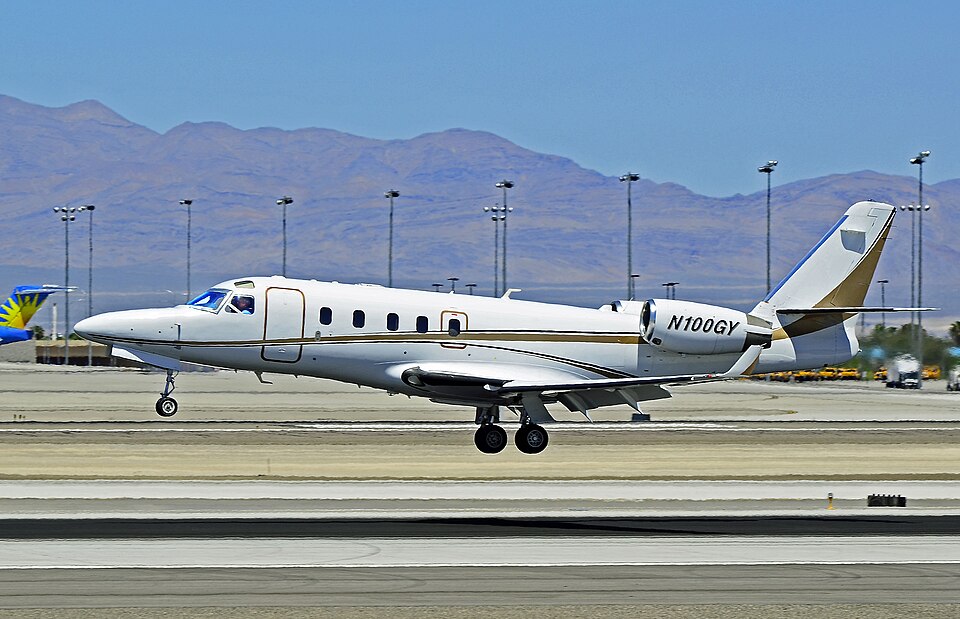
There is something reassuring about two engines humming in harmony at cruising altitude. A second powerplant does not just add performance. It adds a layer of confidence that every serious pilot understands. That is why the twin engine plane has been a staple of general aviation, charter operations, and private travel for decades.
The twin-engine market covers a wide range of aircraft, from light piston twins perfect for weekend trips to powerful turboprops built for cross-country missions. Some are ideal for new multi-engine pilots working on their rating.
Others are full-blown executive transports that rival small jets in comfort. There is no single "best" for everyone, but there is a best for every specific need.
Whether you are shopping for your first twin, upgrading from a single, or just curious how these aircraft stack up, this guide covers the 13 strongest choices on the market today.
Key Takeaways
The best twin engine planes span a broad range of types, from affordable piston twins like the Piper Seminole to sophisticated turboprops like the Beechcraft King Air 350. The right choice depends on your mission, budget, and how many seats you need. Twin-engine aircraft generally offer better safety margins, more range, and greater payload than comparable singles.
| Aircraft | Type | Cruise Speed | Range | Seats |
| Beechcraft Baron G58 | Piston Twin | ~200 kts | ~1,700 nm | 6 |
| Cessna 421C Golden Eagle | Piston Twin | ~240 kts | ~1,500 nm | 6–8 |
| Piper PA-34 Seneca V | Piston Twin | ~195 kts | ~825 nm | 6 |
| Piper PA-44 Seminole | Piston Twin | ~168 kts | ~800 nm | 4 |
| Diamond DA42 TwinStar | Diesel Piston | ~185 kts | ~1,100 nm | 4 |
| Diamond DA62 | Diesel Piston | ~192 kts | ~1,400 nm | 5–7 |
| Beechcraft King Air 350 | Turboprop | ~312 kts | ~1,800 nm | 11 |
| Beechcraft King Air 260 | Turboprop | ~310 kts | ~1,720 nm | 9 |
| Piper Navajo Chieftain | Piston Twin | ~223 kts | ~1,200 nm | 9 |
| Cessna 402 | Piston Twin | ~195 kts | ~1,200 nm | 8–10 |
| Piaggio Avanti EVO | Turboprop | ~402 kts | ~1,980 nm | 9 |
| Piper Aerostar | Piston Twin | ~230+ kts | ~1,300 nm | 6 |
| Beechcraft Duke B60 | Piston Twin | ~285 kts | ~1,200 nm | 6 |
Flying411 helps buyers and sellers navigate the general aviation market with expert guidance and up-to-date listings. Whether you are searching for your first twin or your next upgrade, the team is ready to help.
Why Twin Engine Planes Have Such Lasting Appeal
The case for two engines is simple. If one fails, you still have one running. That peace of mind matters a lot when you are flying over water, mountains, or remote terrain at night.
But safety is only part of the story. Twin engine planes also tend to fly faster and carry more payload than comparable singles. They handle high-density altitude better. Many offer pressurized cabins, letting you cruise above most weather in real comfort.
Turboprop vs piston is one of the first decisions buyers face. Piston engines are more affordable to buy and operate, but turboprops offer significantly more power, altitude capability, and reliability at the cost of higher purchase prices and operating costs. For pilots flying shorter regional hops on a tighter budget, piston twins make a lot of sense. For those who want near-jet performance without jet prices, turboprops are hard to beat.
Twin-engine aircraft also give you access to some of the best planes for turbulence avoidance because their higher service ceilings let you simply fly above rough air far more easily than most singles can.
Understanding the Types of Twin Engine Planes
Not all twins are built for the same job. Before diving into the list, it helps to understand the main categories.
Piston twins use two reciprocating piston engines, much like a car engine scaled up for aviation. They are the most common and affordable twin-engine options in general aviation. The piston engine aircraft category includes everything from simple trainers to pressurized cabin-class machines.
Turboprop twins replace piston engines with gas turbine engines connected to propellers. They cost more to buy and maintain, but they are significantly more powerful, more reliable, and better suited to longer missions. The turbo prop airplane segment is where you find aircraft like the Beechcraft King Air line.
It is also worth knowing the difference between a twin prop plane and a jet. Twin-engine jets exist, but in the context of general aviation, most "twin engine" discussions center on piston and turboprop types. The piper jet category (like the PiperJet Altaire, a single-engine design) is different territory entirely.
13 Best Twin Engine Planes Worth Knowing
Twin engine planes come in many shapes, sizes, and price points. The 13 aircraft below cover the full spectrum, from affordable piston trainers to pressurized turboprops built for serious cross-country missions.
Each one earns its place on this list for a different reason, whether that is raw speed, family comfort, ownership value, or long-range capability. Read through to find the one that fits your flying life best.
1. Beechcraft Baron G58
The best twin engine plane title in the piston class belongs to many pilots' all-time favorite: the Beechcraft Baron G58. It has been around since 1961 in various forms, and for good reason.
Two Continental IO-550-C engines produce 300 horsepower each. The G58 cruises at around 200 knots and can cover about 1,700 nautical miles before needing fuel. It seats six people in a roomy, well-finished cabin. Garmin G1000 NXi avionics come standard, and the whole package feels refined and capable.
The Baron is the go-to step-up aircraft for high-performance single pilots moving into twins. It is also a top pick for families and small businesses who need reliable transportation without turboprop operating costs.
- Best for: Private owners, business travelers, step-up pilots
- Engines: 2x Continental IO-550-C (300 HP each)
- Cruise: ~200 kts
- Range: ~1,700 nm
2. Cessna 421C Golden Eagle
The Cessna 421C Golden Eagle is the crown jewel of Cessna's piston twin lineup. It arrived in 1967 and immediately sold 200 units in its first year. The 421C variant, introduced in 1976, refined everything.
Two Continental GTSIO-520-L engines deliver 375 horsepower apiece. That is serious power for a piston twin. Cruise speed sits around 240 knots, with a range of up to 1,500 nautical miles. The pressurized cabin comfortably seats six to eight passengers, and it can cruise as high as 30,000 feet, which is well above most weather.
The cessna 421c golden eagle is one of the few piston twins that can directly compare with light turboprops on paper, and it still holds up well. It is a favorite for charter operators and private owners who want near-turboprop performance at a lower acquisition cost.
- Best for: Charter, long-range private use, executives
- Engines: 2x Continental GTSIO-520-L (375 HP each)
- Cruise: ~240 kts
- Range: ~1,500 nm
The team at Flying411 can help you locate quality Cessna 421C listings and connect you with pre-purchase inspections through trusted partners.
3. Piper PA-34 Seneca V
The Piper Seneca has been a workhorse of flight training and private aviation since the early 1970s. The Seneca V is the current production version, and it remains one of the most recognized names in best twin engine prop plane discussions.
Turbocharged engines give it strong performance at altitude. The Garmin G1000 avionics suite makes it competitive with newer aircraft. It seats six and offers a good balance of cabin room, speed, and cost of ownership.
The Seneca V is especially popular with charter operators and flight schools, making it easy to find instructors and mechanics familiar with the type. Range sits around 825 nautical miles, making it better suited for regional missions than coast-to-coast runs.
- Best for: Flight training, charter, regional private use
- Engines: 2x turbocharged Lycoming TIO/LTIO-540
- Cruise: ~195 kts
- Range: ~825 nm
4. Diamond DA42 TwinStar
The Diamond DA42 is one of the most modern and fuel-efficient piston twins available. Introduced in the early 2000s, it is powered by two diesel engines that run on Jet-A fuel. That changes the economics significantly compared to avgas-burning competitors.
The DA42 is a natural fit for pilots who want modern avionics, a composite airframe, and lower fuel bills. Its Garmin G1000 glass cockpit is standard. The cabin is on the smaller side with four seats, but the efficiency is hard to argue with.
Diamond sold an impressive number of DA42 and DA62 units in recent years, demonstrating real market demand for the diesel-powered twin formula. For pilots who want a capable, economical IFR trainer or personal aircraft, the DA42 is a standout.
- Best for: Owner-pilots, fuel efficiency, IFR operations
- Engines: 2x Austro AE300 diesel
- Cruise: ~185 kts
- Range: ~1,100 nm
5. Diamond DA62
If the DA42 is a capable sports car, the Diamond DA62 is its luxury SUV sibling. That comparison gets made often, and it fits. The DA62 seats five to seven passengers and offers a genuinely spacious cabin for a piston twin.
It also runs on Jet-A fuel through two diesel engines, keeping operating costs more predictable than high-octane avgas alternatives. The DA62 has earned strong marks from owner surveys for comfort, efficiency, and modern systems integration.
As the best twin-engine plane for family travel, the DA62 checks many boxes: comfortable seating, wide cabin, smooth flight characteristics, and enough range to handle serious trips. It is one of the few twins that works genuinely well as a family vehicle rather than just tolerating passengers.
- Best for: Family travel, owner-pilots, comfort-focused buyers
- Engines: 2x Austro AE330 diesel
- Cruise: ~192 kts
- Range: ~1,400 nm
6. Piper PA-44 Seminole
The Piper Seminole is one of the most important aircraft in this list, even though it rarely wins "most exciting" honors. Its mission is pilot training, and it does that job better than almost anything else in the piston twin category.
Counter-rotating engines eliminate the critical engine problem, making it safer and easier for student pilots to practice engine-out procedures. The cabin is comfortable, the systems are straightforward, and parts support is excellent.
Most multi-engine rated pilots in the United States got their rating in a Seminole. If you are looking at the best aircraft to learn to fly in and want to go twin, this is where most pilots start. It is also a solid personal aircraft for pilots who want an affordable, well-supported twin without chasing maximum speed.
- Best for: Multi-engine training, budget-conscious owners
- Engines: 2x Lycoming O-360-A1H6 / LO-360-E1A6D
- Cruise: ~168 kts
- Range: ~800 nm
7. Beechcraft King Air 260
The Beechcraft King Air 260 is a turboprop that needs little introduction. Introduced in late 2020 as a modernized King Air 200 series aircraft, it brings autothrottle, multi-scan weather radar, and a top cruise of 310 knots to the platform.
It carries up to nine passengers and has a range of about 1,720 nautical miles. The King Air 260 occupies the sweet spot between the smaller King Air 90 variants and the larger 350 series. For businesses that need a capable, comfortable twin turboprop without moving up to the heaviest King Air, the 260 delivers.
The cessna twin engine label gets applied to many aircraft, but it is the King Air that pilots most often mention when describing the ideal owner-operated turboprop. Both brands have produced iconic twins. The King Air 260 represents the current state of the art for mid-size turboprop twins.
- Best for: Business travel, corporate operators
- Engines: 2x Pratt & Whitney Canada PT6A-52
- Cruise: ~310 kts
- Range: ~1,720 nm
8. Beechcraft King Air 350
The King Air 350 is the flagship of the King Air line. It is bigger, heavier, and more capable than the 260, with an 11-passenger cabin and a range approaching 1,800 nautical miles.
The 350 features a stretched cabin with double club seating, large windows, fold-out tables, USB ports, and noise reduction systems that bring the interior closer to a light jet experience than you might expect from a turboprop. It cruises at 312 knots.
This aircraft is the best twin engine private plane for operators who want genuine executive capability without the cost of a jet. Governments, corporations, and NOAA all use King Air 350 variants for demanding missions. It has been in continuous production since the King Air line began in 1964, and it outlasted every turboprop competitor it has faced.
- Best for: Executive transport, government, corporate fleets
- Engines: 2x Pratt & Whitney Canada PT6A-60A
- Cruise: ~312 kts
- Range: ~1,800 nm
9. Piper Navajo Chieftain
The Piper Navajo Chieftain is a workhorse. It is not the most glamorous entry on this list, but it is one of the most versatile. The Chieftain seats up to nine passengers and can be reconfigured for cargo when the seats come out.
At a cruise of 223 knots and a range of about 1,200 nautical miles, the Chieftain handles regional transport missions well. Charter companies have used it for decades across the United States, Alaska, and the Caribbean. It is also popular with medevac and survey operators.
For best twin engine piston plane buyers who need a serious hauler with room to grow, the Chieftain remains a strong contender. Good used examples remain available at relatively accessible price points, making it a smart option for small charter operators and owner-pilots with passenger-carrying needs.
- Best for: Charter, cargo, multi-passenger regional transport
- Engines: 2x turbocharged Lycoming TIO-540
- Cruise: ~223 kts
- Range: ~1,200 nm
10. Cessna 402
The cessna 402 for sale listing pages are busy for a reason. The Cessna 402 has been a backbone of the air taxi industry since the early 1970s. It typically seats eight to ten passengers and handles commuter routes efficiently.
The 402 is not a fast airplane by twin standards, cruising around 195 knots. But it offers a large, flexible cabin and solid operating economics. It sits at the crossroads between a personal aircraft and a small airline, which is exactly why so many regional operators have relied on it for so long.
The Cessna 402 is also a gateway into multi-engine commercial operations for pilots building hours. Parts availability and mechanic familiarity are strong across the United States.
- Best for: Charter, air taxi, multi-stop regional missions
- Engines: 2x Continental TSIO-520-VB
- Cruise: ~195 kts
- Range: ~1,200 nm
11. Piaggio Avanti EVO
The Piaggio Avanti EVO is unlike anything else on this list. It uses a pusher configuration, with the propellers mounted at the rear of the engine nacelles facing backward. This unusual setup dramatically reduces cabin noise and creates one of the quietest turboprop interiors available.
It also happens to be one of the fastest propeller-driven aircraft in civilian service, cruising at up to 402 knots. That beats many light jets. Range stretches to about 1,980 nautical miles with up to nine passengers aboard.
If you are weighing turboprop vs piston and value speed above almost everything else, the Avanti EVO is in a category of its own. It is Italian-built, distinctive in its looks, and earns admiring glances on every ramp it touches. Operating costs are higher than conventional turboprops, but performance is genuinely exceptional.
- Best for: Speed-focused operators, discerning private owners
- Engines: 2x Pratt & Whitney Canada PT6A-66B
- Cruise: ~402 kts
- Range: ~1,980 nm
12. Piper Aerostar
The Piper Aerostar is a high-performance piston twin that built its reputation on speed. Introduced in the late 1960s, it consistently surprises people with what two piston engines can do when the airframe is designed around efficiency.
The Aerostar features a mid-wing design, counter-rotating engines, and a sleek fuselage that minimizes drag. Top performers can exceed 230 knots in cruise, which overlaps with some turboprops. It is a true pilot's airplane, responsive and honest in its handling.
For pilots looking at planes built for private pilot use who want maximum performance from a piston twin, the Aerostar is a serious contender. Used examples are available at prices well below turboprop alternatives while delivering turboprop-competitive performance on some routes.
- Best for: Performance-oriented private pilots
- Engines: 2x Lycoming IO-540 (with turbocharged options)
- Cruise: ~230+ kts
- Range: ~1,300 nm
13. Beechcraft Duke B60
The Beechcraft Duke B60 closes out this list with a combination of speed, pressurization, and piston twin capability that few aircraft can match. It cruises at 285 knots and carries six passengers in a pressurized cabin.
The Duke uses turbocharged and intercooled engines that allow it to operate comfortably in the high teens and low twenties in altitude. That is where it earns its speed advantage. Avionics have often been upgraded on existing airframes, with systems like the GNS 430 navigation suite commonly found in well-maintained examples.
The Duke is demanding to operate and maintain. Engine overhaul costs are high. But for the pilot who wants a fast, pressurized piston twin with genuine long-legs capability, the Duke delivers a flying experience that stands apart from more ordinary twins.
- Best for: Speed-focused private owners, pressurized piston fans
- Engines: 2x Lycoming TIO-541-E1C4
- Cruise: ~285 kts
- Range: ~1,200 nm
What Makes a Twin Engine Plane the Best Twin Engine Plane to Own?
Owning a twin is different from owning a single. The economics shift considerably. Understanding what makes one twin better to own than another comes down to a few key factors.
Parts and mechanic availability matter more than most buyers expect. An aircraft type with strong support networks, active owner communities, and accessible parts is far easier to live with than an obscure design, no matter how impressive its original specs look. The Baron, King Air, and Seneca all score well here.
Engine overhaul costs can be eye-opening. The Cessna 421's Continental GTSIO-520 engines cost around $31,000 each to overhaul. The Duke's engines cost even more. Piston twins with high-performance engines require serious financial planning for eventual overhaul cycles.
Fuel burn is a daily reality. Two engines means twice the fuel consumption compared to a comparable single. The diesel twins from Diamond change this equation somewhat, but for avgas burners, operating costs add up quickly.
Insurance and training requirements also factor in. Most insurers require recurrent training for twin pilots, and some require specific type endorsements for higher-performance models. Budget for this as part of true ownership cost.
Resale value tends to be strong for well-supported types. The Baron and the King Air series historically hold their value better than more obscure alternatives.
For pilots considering one of the longer twin-engine routes, this resource on best planes for transatlantic flights offers useful context on range requirements and what it actually takes to go the distance.
If you are ready to move from browsing to buying, Flying411 connects buyers with verified listings, pre-purchase resources, and expert support to make your twin ownership experience a great one.
Best Twin Engine Plane for Long Distance Missions
Range is not just a spec on a datasheet. It directly affects how useful an airplane is on a practical level. For buyers focused on long-distance flying, a few aircraft rise above the rest.
The best twin-engine plane for long distance comes down to a combination of range, speed, and pressurization. Here is how the top contenders compare:
- Piaggio Avanti EVO leads on speed with 402 knots and a range of nearly 2,000 nautical miles.
- Beechcraft King Air 350 offers 1,800 nm of range and 312 knots in a pressurized cabin with 11 seats.
- Diamond DA62 provides 1,400 nm of range with diesel economy in a comfortable 7-seat cabin.
- Beechcraft Baron G58 covers 1,700 nm in the piston twin class at 200 knots.
- Cessna 421C Golden Eagle reaches up to 1,500 nm with a pressurized cabin at 240 knots.
The best twin engine plane for long distance overall, for a private owner who wants pressurization and true cross-country range, is the King Air 350. For buyers who want piston-twin economics with genuine long-range credentials, the Baron G58 and the 421C Golden Eagle are the strongest answers.
Twin Engine Planes for Families
Family flying has specific requirements. You need enough seats, a comfortable cabin, reasonable noise levels, and an aircraft that does not feel like a demanding handful when the kids are aboard.
The best twin-engine plane for family use is one that prioritizes cabin comfort and reliability over raw performance. A few aircraft stand out.
The Diamond DA62 is the top recommendation here. It is a genuine seven-seater with a wide, modern cabin and diesel engines that are cleaner and quieter than older avgas designs. For families who want a modern aircraft that genuinely seats everyone comfortably, the DA62 is hard to beat.
The Baron G58 is another family-friendly choice. It offers six seats, advanced avionics, and enough range to plan real family trips. The Piper Seneca V also serves family missions well, with an affordable ownership profile and strong parts support.
For families who prioritize safety margins in their aircraft choices, it is worth reading about some of the safest private aircraft designed with additional safety systems for additional context on what modern aviation safety technology can offer.
A Note on Piston vs. Turboprop for Private Owners
This question comes up constantly in twin-engine buying discussions. The honest answer is that piston aircraft make sense for most private owner-pilots flying under three hours at a time and under 20,000 feet. The economics favor piston ownership when hours flown are modest.
Turboprops make sense when you fly frequently, need high altitude capability regularly, or want the reliability advantages that turbine engines offer over piston engines. The Pratt & Whitney PT6A engine family, which powers most of the King Air lineup, is legendary for reliability and has earned the trust of operators worldwide.
For pilots who want to understand how engine pistons and turbine engines compare in practical use, the key metrics are TBO (time between overhaul), fuel consumption, operating altitude, and overhaul cost. Turboprops generally win on TBO and altitude. Pistons generally win on acquisition cost and operating cost at lower altitudes.
The propeller airplane vs. jet distinction is sometimes overplayed. Many turboprop twins at cruise speed overlap with or even exceed entry-level jets in speed, and they do it at much lower acquisition cost. The Piaggio Avanti EVO is the most obvious example, but the King Air 350 also competes well against some small jets.
Finding Engines, Parts, and Listings
The market for twin engine aircraft and their components is active. If you are searching for engines for sale near me, the best starting points are established aviation brokers, manufacturer-authorized service centers, and type club communities.
For specific aircraft like the cessna 402 for sale or other used piston twins, dedicated aviation classifieds, broker networks, and auction platforms all list current inventory. Prices vary widely based on total time, engine time, avionics upgrades, and maintenance history.
Latitude 33 Aviation is one example of an established aircraft broker that specializes in pre-owned aircraft sales and management. Buyers working with experienced brokers tend to avoid common pitfalls like deferred maintenance and incomplete logbooks.
Pre-purchase inspections are non-negotiable for twin-engine aircraft. An AI (annual inspection) shop that specializes in your target type will spot issues that a general shop might miss. Budget for a thorough pre-purchase inspection as a standard part of the acquisition cost.
The piston aircraft market has remained relatively stable in recent years, with strong demand for well-equipped examples. Diesel twins from Diamond have been among the strongest sellers in the piston twin segment, reflecting the growing preference for Jet-A fuel capability.
Conclusion
The best twin engine planes offer something a single-engine aircraft simply cannot: a second chance when the first engine has a bad day. Beyond safety, the best twins in this list deliver genuine speed, range, and comfort that make every mission more capable and more enjoyable.
From the approachable Piper Seminole to the rocket-fast Piaggio Avanti EVO, there is a twin for every mission and every budget. The key is matching the aircraft to your actual flying needs rather than buying the one with the best specifications on paper.
Whether you are a private pilot ready to step up, a family looking for a reliable travel machine, or an operator building a charter fleet, the right twin is out there.
Flying411 is here to help you find it, evaluate it, and make the smartest possible acquisition decision.
FAQs
How much does a twin engine plane cost to own?
Ownership costs vary widely by type, from around $50,000 to $150,000 per year for a well-equipped piston twin when you factor in fuel, insurance, maintenance, and hangar fees. Turboprops run significantly higher.
Do twin engine planes require a special pilot's license?
Yes. Pilots need a multi-engine rating added to their private or commercial certificate to legally fly a twin-engine aircraft. Most pilots earn this rating in a Piper Seminole or similar twin.
Are twin engine planes safer than single engine planes?
Research suggests twins generally have a comparable or slightly better overall safety record than high-performance singles, largely due to engine redundancy and higher service ceilings. However, proper multi-engine training is essential to take full advantage of that safety margin.
What is the most fuel-efficient twin engine plane?
The Diamond DA42 and DA62 stand out for fuel efficiency, using diesel engines that run on Jet-A fuel and burning significantly less than comparable avgas piston twins at similar speeds.
What is the difference between a pressurized and non-pressurized twin?
A pressurized twin maintains a comfortable cabin pressure at high altitudes, allowing flight above most weather and reducing passenger fatigue. Non-pressurized twins are limited to lower altitudes where supplemental oxygen is not required, typically below 12,500 feet for extended flight.