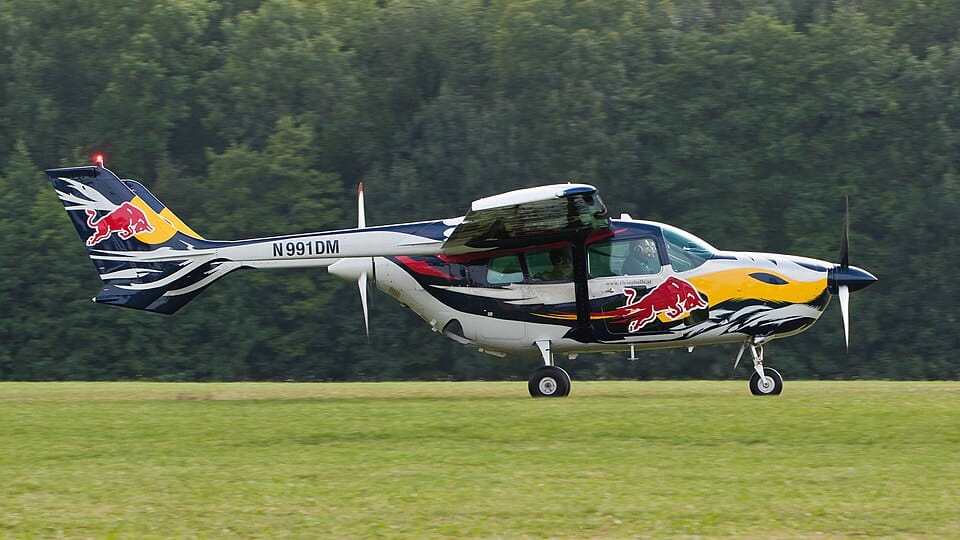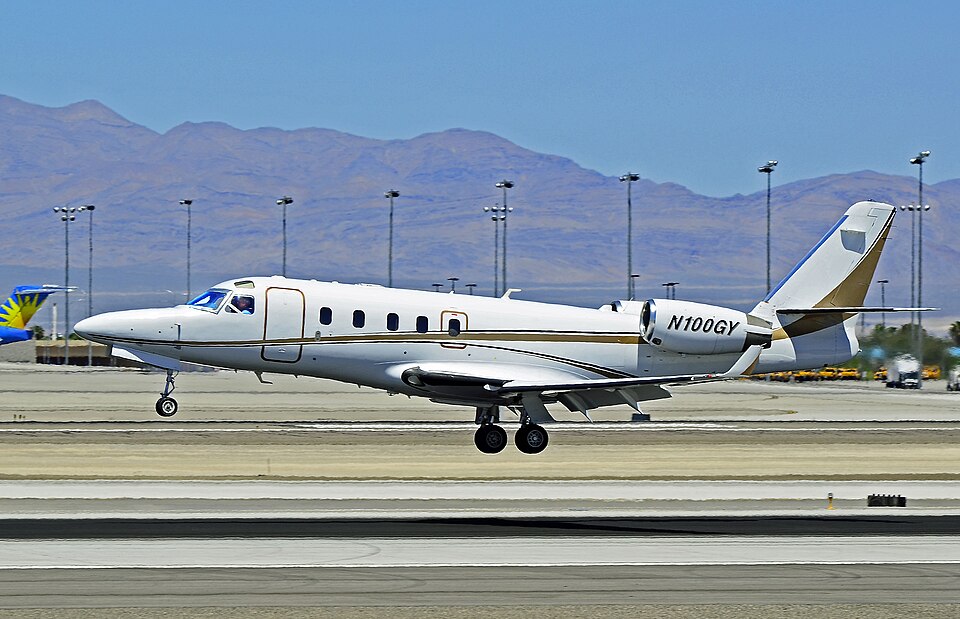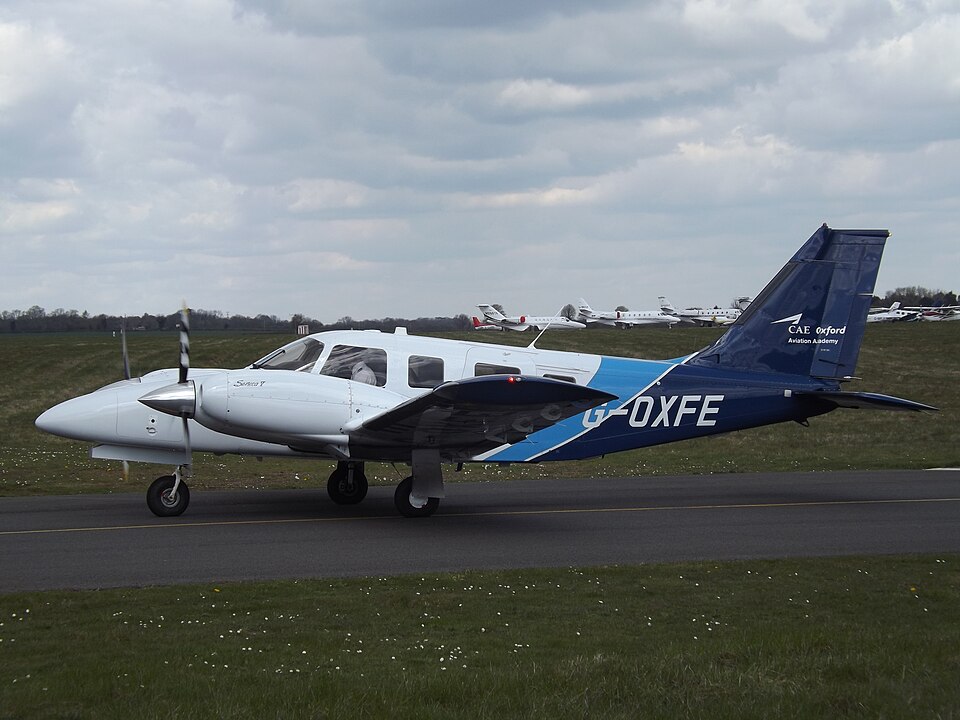
Say you need to fly from Chicago to Miami, skip the airline lines, and land closer to your actual destination. A twin-engine plane makes that happen. These aircraft are built for exactly this kind of mission — long legs, real comfort, and the reliability that comes from having two engines humming instead of one.
But not all twins are created equal. Some are piston-powered and great for regional hops. Others run on turboprop engines and can stretch well past 1,500 nautical miles without breaking a sweat. The right choice depends on your budget, your mission, and how far you really need to go.
This guide covers the best twin-engine plane for long distance, walking through 11 of the most capable options available to general aviation pilots and buyers today. Whether you are shopping for your first twin or upgrading to something with more legs, there is something on this list for you.
Key Takeaways
The best twin-engine plane for long distance depends on how far you need to fly and what you can spend. Piston twins like the Beechcraft Baron G58 and Cessna 421 Golden Eagle offer solid range at a lower cost, while turboprop options like the Beechcraft King Air 350 push well past 1,700 nautical miles with pressurized comfort. Fuel efficiency, avionics, and cabin size all play a role in the right pick.
| Aircraft | Type | Range (approx.) | Cruise Speed (approx.) | Seats |
| Beechcraft Baron G58 | Piston | ~1,700 nm | ~200 kts | 6 |
| Piper Aerostar 700 | Piston | ~1,100 nm | ~255 kts | 6 |
| Cessna 421 Golden Eagle | Piston | ~1,100–1,250 nm | ~230–240 kts | 6–8 |
| Piper PA-34 Seneca V | Piston | ~825 nm | ~195 kts | 6 |
| Beechcraft Duke B60 | Piston | ~1,200 nm | ~230–285 kts | 6 |
| Piper Navajo Chieftain | Piston | ~1,100–1,200 nm | ~220–250 kts | 9–10 |
| Diamond DA62 | Diesel piston | ~1,100–1,283 nm | ~190 kts | 7 |
| Cessna 404 Titan | Piston | ~1,100 nm | ~230 kts | 9–10 |
| Beechcraft King Air 200 | Turboprop | ~1,800+ nm | ~290 kts | 9 |
| Beechcraft King Air 350 | Turboprop | ~1,800 nm | ~312 kts | 9–11 |
| Piaggio P.180 Avanti EVO | Turboprop | ~1,980 nm | ~402 kts | 9 |
If you are exploring aircraft options, Flying411 is a great resource for finding aircraft listings, ownership guides, and aviation tools all in one place.
Why Twin-Engine Planes Excel at Long Distance
A single-engine plane can cover impressive distances. But when the stakes get higher — over open water, mountains, or remote terrain at night — having a second engine changes the equation.
Twin-engine aircraft offer two things that matter most on long trips: redundancy and performance. If one engine has a problem, the other keeps you flying. That safety margin is what makes twins the default choice for serious cross-country travel.
Beyond safety, twins simply carry more — more fuel, more passengers, and more gear. That extra capacity translates directly into range.
Why It Matters: Twin-engine planes are not just about speed. They offer the payload and fuel capacity to cover distances that would require multiple fuel stops in a smaller single-engine aircraft.
What Makes a Twin "Good" for Long Distance?
Not every twin-engine plane is designed with long legs in mind. When evaluating options, look for:
- Range: At least 800–1,000 nautical miles for meaningful long-distance performance, with the best options exceeding 1,500–1,800 nm
- Pressurization: Allows cruising at higher altitudes, above most weather and turbulence
- Fuel efficiency: Lower fuel burn per hour keeps trip costs manageable on extended flights
- Avionics: Modern glass cockpit systems improve situational awareness and reduce pilot workload on longer trips
- Cabin comfort: Pressurized, climate-controlled cabins make four- to six-hour flights far more bearable
Piston vs. Turboprop Twins for Long Distance
This is the biggest decision most buyers face. Piston twins are less expensive to buy and operate but generally cruise slower and lower. Turboprop twins fly higher, faster, and farther — but they cost significantly more to purchase and maintain.
| Factor | Piston Twin | Turboprop Twin |
| Purchase price (used) | Lower | Higher |
| Cruise altitude | ~12,000–20,000 ft | ~25,000–35,000 ft |
| Speed | ~180–260 kts | ~280–400 kts |
| Range | ~800–1,700 nm | ~1,500–2,000+ nm |
| Maintenance costs | Lower | Higher |
| Weather avoidance | Limited | Excellent |
For context on how these aircraft compare to jets and commercial options, the range and performance differences between commercial aircraft types offer a useful frame of reference.
The 11 Best Twin-Engine Planes for Long Distance
Here is a detailed look at each aircraft, covering what makes it worth considering and where it fits best.
1. Beechcraft Baron G58
The Baron is probably the most iconic name in piston twins. It has been in production since the early 1960s in various forms, and the G58 is the current version still rolling off the factory floor — a rare achievement in general aviation.
The G58 is powered by two Continental IO-550-C engines, each producing around 300 horsepower. Cruise speed lands near 200 knots, and range stretches past 1,700 nautical miles with standard tanks. That puts cities like Dallas to New York within reach with just one stop, or coast-to-coast flights manageable with a fuel break.
What sets the Baron apart is its polish. The cabin seats six, the Garmin G1000 NXi avionics suite is excellent, and the aircraft handles beautifully. It is the kind of plane that rewards skilled pilots and feels like a real step up from anything with a single engine.
Pro Tip: The Baron G58 is one of the few piston twins still in current production. That means parts are available and support is strong — a meaningful advantage when budgeting long-term ownership costs.
Best for: Owner-pilots who want a capable, refined, long-range piston twin with good resale value.
2. Piper Aerostar 700 (Super 700)
If the Baron is the gentleman's twin, the Aerostar is the hot rod. The Piper Aerostar Super 700 stands out as one of the fastest piston twin-engine planes you can buy, with cruise speeds around 255 knots — well ahead of most turboprops at similar altitudes.
It is powered by two Lycoming TIO-540-U2A engines, each delivering around 350 horsepower. The Aerostar is a low-wing, streamlined design that was ahead of its time when introduced in the late 1960s. Its sleek fuselage and center-line thrust make it exceptionally efficient.
Range on the Aerostar is more modest than the Baron at around 1,100 nautical miles, but the speed more than compensates on medium-length missions. If you need to cover 800 miles quickly and efficiently, the Aerostar is hard to beat.
Fun Fact: The Piper Aerostar's design is said to be so aerodynamically clean that it has remained competitive in speed against many aircraft produced decades after it.
Best for: Speed-focused pilots who prioritize getting there fast over maximum range.
3. Cessna 421 Golden Eagle
The Cessna 421 Golden Eagle is a pressurized piston twin that punches well above its weight. Pressurization is the big deal here — it allows the aircraft to climb above weather at altitudes where the air is smoother and the engines run more efficiently.
Powered by two turbocharged Continental GTSIO-520-U engines producing around 310 horsepower each, the 421 achieves cruise speeds in the 230–240 knot range and a range of roughly 1,100–1,250 nautical miles. The cabin comfortably seats up to eight passengers depending on configuration.
The Golden Eagle has a well-earned reputation for cabin comfort. It is often described as one of the most livable piston twins ever built, with good headroom, reasonable noise levels, and a layout that works well for business travel.
Good to Know: Pressurized piston twins like the 421 require more diligent maintenance than unpressurized aircraft, particularly around the seals and turbocharging system. Always budget for thorough annual inspections.
Best for: Pilots who want pressurized comfort on long trips without jumping to turboprop operating costs.
4. Piper PA-34 Seneca V
The Piper Seneca V is one of the most popular multi-engine training and ownership aircraft in general aviation. It is approachable, capable, and widely supported — which keeps both training costs and maintenance expenses reasonable.
The Seneca V features counter-rotating turbocharged engines, which eliminate the asymmetric thrust issues common on older twins. Cruise speed runs close to 195 knots, and range sits around 825 nautical miles. That is on the shorter end for this list, making the Seneca V better suited for regional long-distance flying than true cross-country marathons.
Where it excels is accessibility. Garmin G1000 avionics are standard on later models, the cabin fits six passengers, and used examples are available at relatively accessible price points. For pilots stepping into twin-engine flying, the Seneca V is often the first serious option.
Best for: Pilots transitioning to twins who want a capable, affordable, and well-supported aircraft for regional travel.
5. Beechcraft Duke B60
The Beechcraft Duke B60 is a pressurized twin that earned a devoted following for its combination of speed, altitude, and cabin refinement. It is powered by two turbocharged and geared Lycoming TIO-541 engines, and cruise speeds on the B60 can reach into the 230–285 knot range depending on power settings and altitude.
Range sits around 1,200 nautical miles, and the pressurized cabin accommodates up to six passengers in comfort. The Duke was positioned as a step above the Baron in the Beechcraft lineup, and it shows — the interior is well-appointed, and the aircraft's handling at altitude is smooth.
The Duke is no longer in production, so finding well-maintained examples requires some searching. But for pilots who want pressurized piston performance with a touch of luxury, the Duke remains a strong used market find.
Keep in Mind: The Duke's geared engines require specialized maintenance knowledge. Always have a Duke-experienced mechanic perform pre-purchase inspections and ongoing maintenance.
Best for: Pilots who want pressurized piston performance with a more luxurious cabin at a used price point.
6. Piper Navajo Chieftain
The Piper Navajo Chieftain is a workhorse. It was built to carry more people and more cargo than most light twins, and it does both well. With seating for up to nine or ten passengers and two Lycoming TIO-540 engines each producing around 350 horsepower, the Chieftain is all about capacity.
Cruise speed runs around 220–250 knots, and range lands near 1,100–1,200 nautical miles. It is not the fastest option on this list, but the combination of passenger capacity, cargo flexibility, and dependable engines makes it popular with charter operators and high-demand private owners.
The Chieftain also handles well in instrument conditions, and its cabin layout can be configured multiple ways. Whether you are carrying eight passengers or a mix of people and gear, the Navajo Chieftain adapts.
Best for: Owners and operators who need to carry larger groups or mixed loads on long regional routes.
7. Diamond DA62
The Diamond DA62 is the newest-generation option on this list, and it brings a different philosophy to twin-engine flying. Instead of conventional avgas-burning engines, the DA62 runs two Austro Engine AE330 turbocharged diesel engines. This means it burns Jet-A fuel, which is typically cheaper and more widely available worldwide than 100LL avgas.
Cruise speed sits around 190 knots, and range extends to roughly 1,100–1,283 nautical miles depending on configuration and payload. The cabin seats up to seven passengers, and the Garmin G1000 NXi avionics suite is standard. The DA62's composite airframe is both lightweight and durable.
The fuel efficiency angle is significant for long-distance operations. Lower fuel burn per hour can meaningfully reduce the total cost of a long trip compared to a thirstier piston twin. For pilots who fly internationally or in regions where Jet-A is easier to find than avgas, the DA62 makes a compelling case.
Fun Fact: The DA62's diesel engines are said to burn roughly 30–40% less fuel per hour than comparable gasoline piston aircraft of similar performance — a meaningful advantage on long-distance missions.
Best for: Fuel-conscious buyers, international flyers, and pilots who want modern technology in a comfortable, efficient twin.
8. Cessna 404 Titan
The Cessna 404 Titan occupies a useful niche: it is larger than most light twins but more accessible than turboprop options. Introduced in 1975, the Titan was designed specifically for cargo and utility work, with a payload capacity that puts many of its competitors to shame.
Two turbocharged Continental GTSIO-520-M engines produce around 375 horsepower each, pushing the Titan to a cruise speed near 230 knots and a range around 1,100 nautical miles. The cabin can carry up to nine or ten passengers or a substantial cargo load.
The Titan is a favorite among operators in remote regions where reliability and payload flexibility matter most. It is less refined than a Baron or a Duke, but it is built tough and has proven itself in demanding real-world operations for decades.
Best for: Operators who need a high-payload twin for utility or charter work, particularly in remote or challenging environments.
9. Beechcraft King Air 200
This is where the list steps firmly into turboprop territory — and the Beechcraft King Air 200 is a landmark aircraft in that category. The King Air 200 has been in production since the mid-1970s in various forms, and it remains one of the most recognizable business turboprops in the world.
Powered by two Pratt & Whitney PT6A-41 engines, the King Air 200 cruises around 290 knots and reaches a range exceeding 1,800 nautical miles. The pressurized cabin accommodates up to nine passengers, and the service ceiling of around 35,000 feet means the aircraft operates well above most weather.
The King Air 200 is the kind of aircraft that connects small regional airports with destinations that would otherwise require a connection through a major hub. It serves corporate flight departments, charter operators, medical evacuation teams, and government agencies — all a testament to its versatility.
Pro Tip: The King Air 200's PT6 engines are among the most reliable turboprop powerplants ever produced. Their time between overhaul intervals and strong parts availability help keep long-term ownership costs predictable.
For pilots who want a different kind of high-performance aircraft, some of the best small jet planes offer an interesting comparison to the King Air's turboprop capabilities.
Best for: Corporate and charter operators who need reliable long-range performance, pressurized comfort, and strong resale value.
10. Beechcraft King Air 350
The King Air 350 is the flagship of the King Air family and one of the defining aircraft in business aviation. It builds on the 200's foundation with a stretched fuselage, winglets, and more powerful engines to deliver a broader range of capability.
Two Pratt & Whitney PT6A-60A engines, each producing around 1,050 horsepower, push the King Air 350 to a maximum cruise speed near 312 knots. Range extends to approximately 1,800 nautical miles — enough to fly from New York to Miami to Denver nonstop. The cabin seats nine to eleven passengers in various configurations, with pressurization, climate control, and modern amenities available.
The King Air 350 is also the basis for a range of special mission variants used by governments and militaries worldwide. That institutional track record speaks to its fundamental reliability.
If you are seriously considering a King Air 350 or any other high-performance twin, Flying411 can help you navigate the research process with aircraft listings, performance data, and expert resources.
Best for: Corporate buyers and serious owner-operators who want the most capable twin-turboprop in the King Air lineup.
11. Piaggio P.180 Avanti EVO
The Piaggio P.180 Avanti EVO is unlike anything else on this list — or, frankly, in aviation. Its design uses a pusher engine configuration, with the engines mounted behind the wings and the propellers facing rearward. This reduces cabin noise dramatically compared to conventional turboprops and contributes to an aerodynamic efficiency that is hard to match.
The Avanti EVO cruises at approximately 402 knots — faster than many light jets — and has a range of around 1,980 nautical miles. The pressurized cabin accommodates up to nine passengers and is wider than those found on many competing turboprops, contributing to a genuinely spacious feel.
The Avanti EVO is more expensive to purchase and maintain than a King Air, but it competes favorably on performance per dollar burned. For owners who value speed, range, and a distinctive aircraft, it is genuinely hard to beat.
Good to Know: The Piaggio Avanti EVO's unique design attracts considerable attention on the ramp. Its unconventional appearance is said to be one of the most aerodynamically refined shapes ever produced for a propeller-driven aircraft.
Best for: Buyers who want near-jet performance from a turboprop, with an exceptionally low cabin noise profile.
How to Choose the Right Long-Range Twin for You
Picking the best twin-engine aircraft for long distance is less about finding the objectively "best" plane and more about matching the aircraft to your specific mission.
Here are the key questions to work through:
- How far do you typically fly? If most trips are under 800 nautical miles, a Seneca V or DA62 may be enough. If you regularly push past 1,500 nm, a King Air or Avanti EVO makes more sense.
- How many passengers do you carry? Couples or small groups fit well in a Baron or Duke. Larger groups need a Chieftain, 404, or King Air.
- What is your budget for purchase and operations? Piston twins are more affordable to own, but turboprops offer capabilities that are hard to replicate at any price in the piston world.
- Do you fly in instrument conditions? Higher-performance twins with pressurization and de-icing systems handle IFR flying far better than lighter options.
- Where do you fly? International routes or remote destinations favor the DA62's Jet-A fuel compatibility or the King Air's ability to operate from short, unpaved strips.
Quick Tip: Before committing to any twin-engine purchase, get a thorough pre-purchase inspection from a mechanic who specializes in that specific make and model. Twin-engine maintenance is more complex than single-engine work, and surprises are expensive.
If you are still exploring your options and are not sure a twin is the right fit, it is worth reviewing the best four-seat planes as a starting point, particularly if your mission profile is shorter or smaller in scope.
Understanding the Costs of Twin-Engine Long-Distance Flying
Owning a twin is not just about the purchase price. Long-distance flying adds fuel, maintenance, and insurance costs that compound quickly. Here is a rough framework for thinking through the numbers:
Fuel Costs
Piston twins typically burn somewhere between 15 and 30 gallons per hour depending on the aircraft and power settings. Turboprops burn significantly more — often 50 to 100 gallons per hour — but do so at higher speeds and altitudes, which can reduce total trip time and sometimes total fuel burned per nautical mile.
Maintenance
Twins have two of most things — two engines, two propellers, and often two of many avionics systems. That redundancy improves safety but increases maintenance costs. Turboprops, while more mechanically reliable in many respects, carry higher labor and parts costs than piston engines.
Insurance
Insurance premiums for twins are higher than for single-engine aircraft. Long-distance flying, instrument flying, and passenger carrying all factor into your premium. Working with an aviation-specialized broker is strongly recommended.
When you are ready to take the next step toward twin-engine ownership, Flying411 is here to help you explore listings, compare aircraft, and connect with aviation resources tailored to your needs.
Twin-Engine Planes vs. Small Jets for Long Distance
A natural question for buyers at the upper end of the twin market is whether a small jet might be a better fit than a turboprop twin. It is a fair comparison, and the answer depends on your priorities.
Turboprop twins like the King Air offer:
- Lower operating costs per hour than most jets
- Ability to use shorter and unpaved runways
- Strong payload and range at competitive prices
Small jets offer:
- Higher cruise speeds (typically 380–500 knots vs. 290–400 for turboprops)
- Higher service ceilings for better weather avoidance
- Quieter cabin environments in many cases
For more on how small jets stack up as personal aircraft, the best options in the small jet category offer a useful comparison to consider alongside the turboprop twins on this list.
A Note on Aesthetics and Resale Value
Long-distance flying puts a premium on utility, but aircraft ownership is also a personal experience. Some of the planes on this list — the Avanti EVO, the Baron G58, the Diamond DA62 — are genuinely beautiful aircraft that draw attention wherever they land. Others, like the Navajo Chieftain or Cessna 404, are pure workhorses with less visual drama but more practical versatility.
If the look of your aircraft matters to you, it is worth knowing that some of the most visually striking aircraft in aviation happen to include some of the best long-distance performers on this list.
Resale value is another practical consideration. Aircraft like the Baron G58 and King Air 350 hold value well due to strong market demand. Less common aircraft, including the Duke B60 and Piper Aerostar, may be harder to sell in a thin market.
Transitioning from Single-Engine to Twin-Engine Flying
If you are currently flying a single-engine aircraft and considering a move to twins, the performance jump is real — but so is the learning curve.
Multi-engine rating training typically involves intensive instruction on engine-out procedures, asymmetric thrust management, and systems complexity. The best single-engine planes for family flying offer a useful baseline if you are comparing what you know now with what twins offer next.
Most pilots transitioning to twins describe the experience as genuinely rewarding. The added capability — more range, more redundancy, more passenger capacity — opens up missions that simply were not possible in a single.
Heads Up: Adding a multi-engine rating is a meaningful investment of time and money. Budget for a thorough training program with an experienced multi-engine instructor, and consider flying a few dual hours in the specific model you plan to purchase before committing to a buy.
For pilots just beginning to think about aircraft ownership more broadly, starting with the best first plane to buy may help frame the bigger picture before committing to a twin.
Conclusion
Finding the best twin-engine plane for long distance is really about matching capability to mission. The Beechcraft Baron G58 is hard to beat for a polished piston twin with genuine range. The Diamond DA62 brings modern efficiency to the equation. And when you need true long-range turboprop performance, the Beechcraft King Air 350 and Piaggio Avanti EVO set the standard.
The good news is that the used market for twin-engine aircraft is broad and active, with strong options at many price points. Whether your budget points to a pre-owned Seneca V or a late-model King Air 350, there is a twin on this list that fits your flying.
Ready to find the right aircraft? Flying411 brings together aircraft listings, ownership tools, and aviation resources to help you make a confident, well-informed decision.
Frequently Asked Questions
What is the best twin-engine plane for long distance on a budget?
The Piper PA-34 Seneca V and the Beechcraft Baron G58 are both strong options for budget-conscious buyers. Used examples are available at a range of price points, parts and maintenance support are well established, and both aircraft offer solid range for their class. The Seneca V tends to be more accessible as a first twin.
How far can a twin-engine piston plane fly without stopping?
Most capable piston twins can fly 800 to 1,700 nautical miles on a full tank, depending on the model, payload, and cruise altitude. The Beechcraft Baron G58 is among the longest-legged piston twins available today, with range figures exceeding 1,700 nm under favorable conditions.
Is a turboprop twin worth the extra cost for long-distance flying?
For pilots who regularly fly trips exceeding 1,000 nautical miles, carry multiple passengers, or frequently operate in instrument conditions, the answer is often yes. Turboprops cruise faster, fly higher above weather, and offer greater reliability on long missions. The higher acquisition and operating costs need to be weighed against the real-world time and safety benefits.
Do twin-engine planes require a special pilot certificate?
Yes. Pilots must hold a multi-engine rating on their certificate to act as pilot in command of a twin-engine aircraft. This rating requires additional training and a practical test beyond the standard private or commercial certificate, but it is achievable for most dedicated student pilots within a reasonable training timeframe.
What is the most fuel-efficient twin-engine plane for long distance?
The Diamond DA62 is widely regarded as one of the most fuel-efficient twin-engine aircraft available, thanks to its turbocharged diesel engines that burn Jet-A fuel at relatively low rates. On long-distance missions, its lower fuel burn per hour can meaningfully reduce total trip costs compared to conventional piston twins of similar range and capacity.