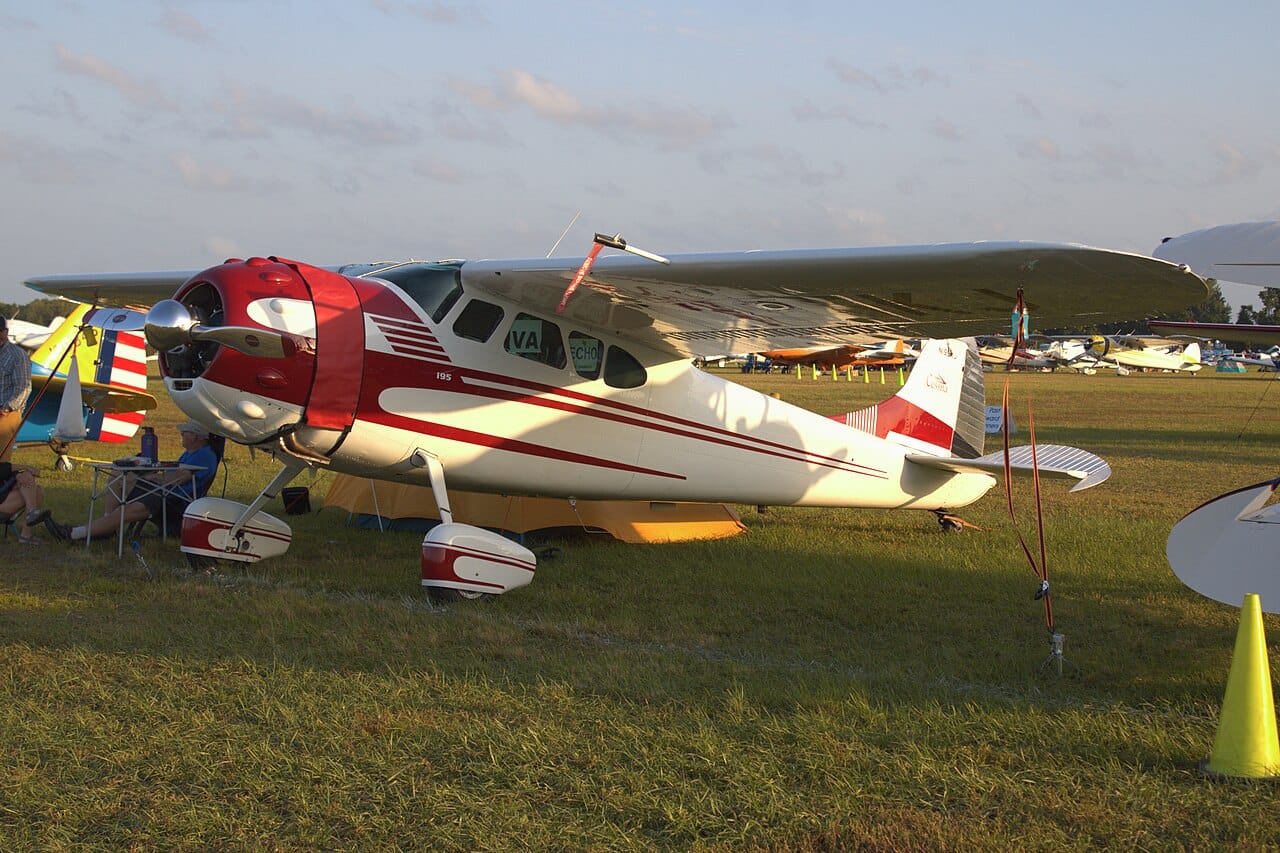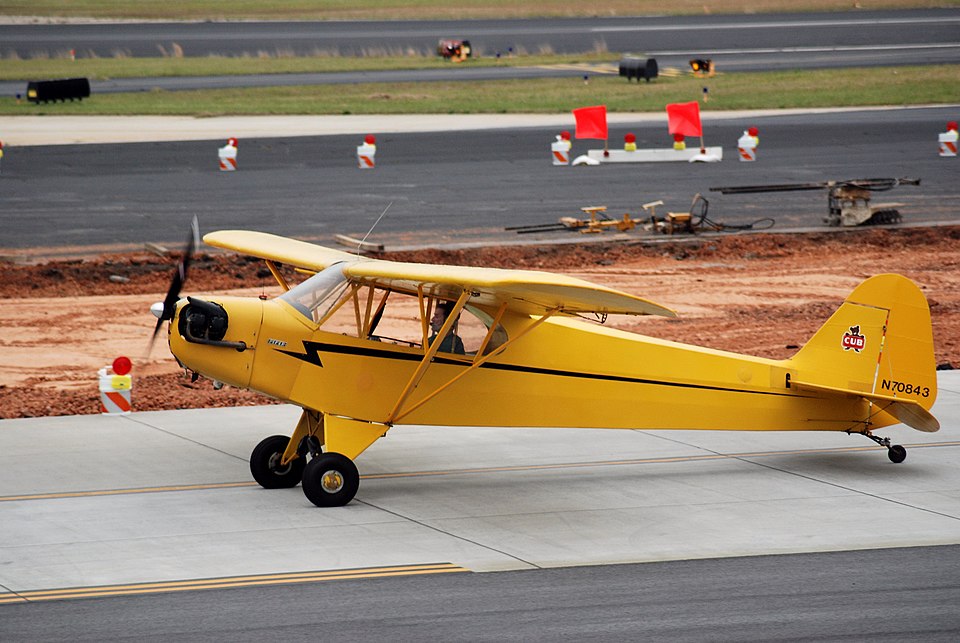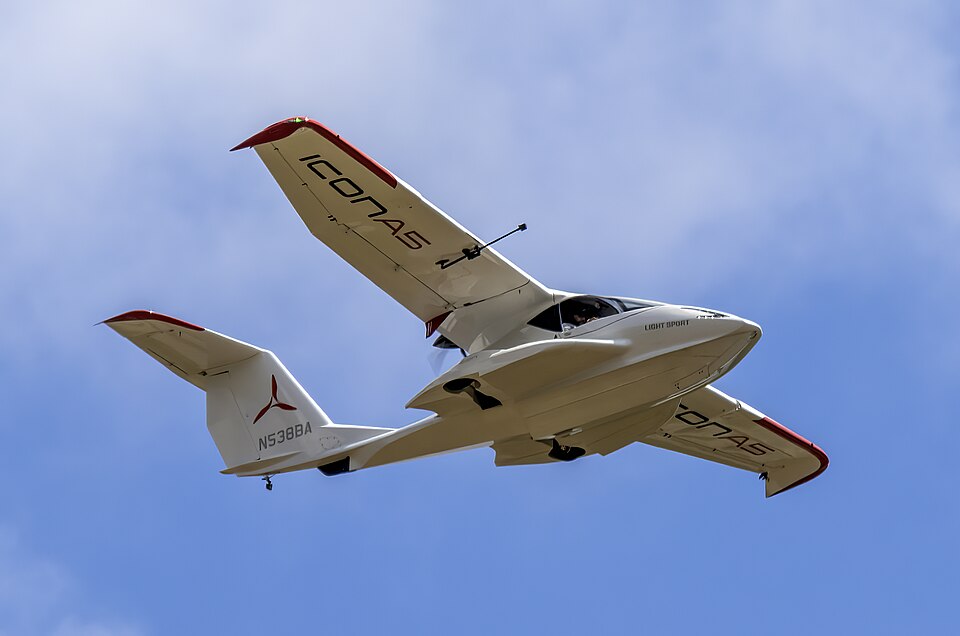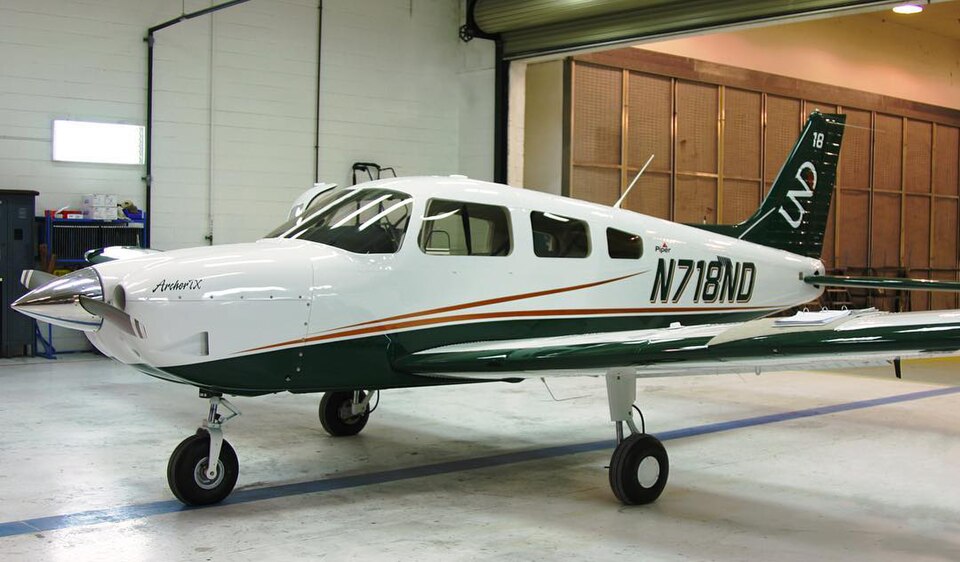
Think of a clear Saturday morning, the whole family is ready, and you need a plane that fits everyone comfortably. Four-seat aircraft are the sweet spot of general aviation. They give you room for passengers, enough range for real trips, and a price point that many private pilots can actually reach.
But with so many models out there, picking the right one gets tricky fast. Different planes suit different needs. Some pilots want speed. Others want simplicity. And some just want a solid, comfortable ride for weekend getaways. Finding the best 4 seater planes for your lifestyle takes a little research, but the payoff is absolutely worth it.
This guide breaks down nine of the most popular and highly rated four-seat aircraft on the market today. You will get a look at performance, cost, comfort, and what kind of pilot each plane suits best.
Key Takeaways
The best 4 seater planes for private pilots in the United States include the Cessna 172 Skyhawk, Cessna 182 Skylane, Piper PA-28 Cherokee/Archer, Cirrus SR20, Cirrus SR22, Diamond DA40, Mooney M20, Beechcraft Bonanza (various models), and the Piper PA-32 for pilots who want extra elbow room. Each aircraft offers a different mix of cost, cruise speed, safety features, and ease of ownership. Your best choice depends on your flying mission, budget, and experience level.
| Aircraft | Cruise Speed | Best For | Approx. Used Price Range |
| Cessna 172 Skyhawk | ~122 knots | Beginners, trainers | $40,000 - $200,000+ |
| Cessna 182 Skylane | ~140 knots | Family travel, utility | $60,000 - $350,000+ |
| Piper PA-28 Archer | ~123 knots | Cross-country, training | $40,000 - $180,000+ |
| Cirrus SR20 | ~155 knots | Safety-focused pilots | $130,000 - $350,000+ |
| Cirrus SR22 | ~183 knots | Performance, IFR | $200,000 - $800,000+ |
| Diamond DA40 | ~145 knots | Fuel efficiency | $100,000 - $350,000+ |
| Mooney M20 series | ~165+ knots | Speed and efficiency | $80,000 - $450,000+ |
| Beechcraft Bonanza | ~165-176 knots | Cross-country, luxury | $150,000 - $900,000+ |
| Piper PA-32 Cherokee Six | ~148 knots | Max payload, versatility | $50,000 - $200,000+ |
Note: Prices reflect approximate used market ranges and vary widely based on year, condition, avionics, and engine time. Always verify with current listings and a pre-purchase inspection.
If you are serious about finding the right four-seat aircraft, Flying411 is a great place to start your search. Their team understands what private pilots actually need and can help you match the right plane to your mission.
Why Four-Seat Planes Dominate General Aviation
Four-seat airplanes have long been the most popular category in general aviation, and for good reason. Most private pilots fly solo or with one or two passengers the majority of the time. But having four seats means you have options. You can bring the whole family. You can haul extra baggage. You never have to leave someone behind.
Good to Know: Even pilots who rarely fill all four seats often prefer four-seat aircraft. The extra capacity gives you more useful load flexibility for fuel, baggage, and passenger weight management.
There is also the financial side to consider. Four-seaters sit comfortably between entry-level two-seat trainers and larger, more expensive six-seat aircraft. They offer real capability without the operating costs of bigger planes.
That balance of practicality and affordability is why four-seaters consistently outsell other configurations in the used aircraft market.
What "True" Four-Seat Capacity Actually Means
Here is something many buyers overlook. Not every plane with four seats can actually carry four adults with full fuel and luggage at the same time. Weight and balance matters enormously in general aviation.
Most four-seaters shine brightest with two to three adults and moderate baggage. If you genuinely need to carry four full-size adults regularly, pay close attention to the useful load number in the aircraft specs.
Heads Up: A plane with a small useful load may require you to reduce fuel or baggage when flying with four adults. Always check the weight and balance chart before assuming a plane truly suits your mission.
Useful load is the difference between the aircraft's maximum takeoff weight and its empty weight. The higher this number, the more flexibility you have. Planes like the Cessna 182 Skylane and Piper PA-32 Cherokee Six tend to do well here.
The 9 Best 4 Seater Planes You Should Know About
Here is a close look at nine of the top four-seat aircraft for private pilots in the United States. These planes cover a wide range of budgets, performance levels, and flying styles.
1. Cessna 172 Skyhawk: The World's Most Popular Trainer
The Cessna 172 Skyhawk is the aircraft that comes to mind first for most pilots, and for good reason. More 172s have been built than any other aircraft in history, with production stretching back to the mid-1950s. That track record says a lot.
The Skyhawk is a high-wing, fixed-gear, single-engine aircraft powered by a Lycoming or Continental engine depending on the variant. The current production S model uses a 180 hp Lycoming IO-360-L2A. Cruise speed sits around 122 knots, and it handles short runways with ease thanks to a stall speed of around 47 knots with flaps deployed.
Key strengths:
- Extremely well-supported with parts, mechanics, and training resources nationwide
- Forgiving flight characteristics ideal for new and low-time pilots
- Available in huge numbers in the used market, making shopping easy
- Modern S models come with the Garmin G1000 NXi glass cockpit
- Low approach speeds mean access to shorter and more rural airstrips
Where it falls short: The 172 is not fast. At around 122 knots, longer cross-country trips take time. Useful load can also be a limiting factor when all four seats are occupied with full-size adults and bags.
Fun Fact: The Cessna 172 is said to be the most produced aircraft in history, with well over 44,000 units built as of the mid-2010s. It remains in production today as the Skyhawk S.
The Skyhawk is the top choice for pilots who want reliability, availability, and an easy learning curve. It is also the aircraft most commonly found in flight schools across the country, which makes finding instruction, maintenance, and peer support simple. Many pilots who are shopping for their first plane that handles well for single-engine family travel put the 172 near the top of their list.
2. Cessna 182 Skylane: The Workhorse of the Fleet
If the 172 is the entry point, the Cessna 182 Skylane is the step up that many pilots eventually make. Introduced in 1956, the Skylane offers more horsepower, more useful load, and stronger performance in all phases of flight compared to its smaller sibling.
The 182 is powered by a 230 hp Continental O-470 in older versions, with later models moving to Lycoming engines and eventually returning to factory production with a 230 hp Lycoming IO-540. Cruise speed is around 140 knots, climb rate is noticeably stronger than the 172, and the useful load is substantially higher.
Key strengths:
- Higher useful load makes it a genuinely practical four-seat aircraft
- Better climb and cruise performance than the 172
- Decades of proven reliability and strong resale value
- Wide range of avionics options available in the used market
- Well suited for instrument flying and cross-country travel
Where it falls short: The 182 burns more fuel than the 172, and maintenance costs rise with the bigger engine. Used prices for clean, well-equipped examples can climb quickly.
Pro Tip: When shopping for a used Skylane, pay close attention to engine time remaining and the quality of the avionics. A fresh engine and a glass panel can add significant value but also cost.
The Skylane is often considered one of the best balanced four-seat aircraft for real family missions. It can carry a realistic four-adult load better than many competitors in its price range, making it a perennial favorite in the used aircraft market.
3. Piper PA-28 Cherokee / Archer: The Low-Wing Alternative
The Piper PA-28 family is the classic low-wing answer to the high-wing Cessna lineup. The Cherokee was introduced in the early 1960s and went through numerous refinements over the decades. The Archer is the most well-known variant and continues to be produced today.
The PA-28 series uses a low-wing configuration with fixed gear and a Lycoming O-360 or IO-360 engine depending on the variant. The Archer III produces 180 hp and cruises at around 123 knots. Its low wing gives passengers a better view of the scenery below, though it can also mean more heat in the cockpit on sunny days.
Key strengths:
- Low-wing design offers excellent passenger visibility and a stable feel
- Simple, reliable systems that are easy to maintain
- Strong pilot community with abundant resources and support
- Well suited for instrument training and cross-country flying
- Competitively priced in the used market
Where it falls short: Useful load is modest, and performance numbers are similar to the 172 without the same level of community support in some regions.
Why It Matters: The PA-28 Archer III is still in production today, which means modern avionics options, factory support, and a healthy supply of new and used parts.
Many pilots who prefer a low-wing feel for landings love the Cherokee family. The broad, straight wing provides a predictable, confidence-inspiring approach to landing every time.
4. Cirrus SR20: Entry-Level Safety Innovation
The Cirrus SR20 changed the way the aviation world thought about safety when it was introduced in the late 1990s. It was the first certified aircraft to come standard with a whole-aircraft parachute system, called the Cirrus Airframe Parachute System, or CAPS. That single feature reshaped expectations across general aviation.
The SR20 is an all-composite, low-wing aircraft with a side-stick controller, large cabin, and door on each side for easy entry. The current version is powered by a 215 hp Lycoming IO-390, cruising at around 155 knots. It features the Garmin Perspective+ avionics suite and excellent visibility through its large windows.
Key strengths:
- Whole-aircraft parachute system (CAPS) adds a meaningful safety backup
- Modern composite airframe is smooth, fast, and aerodynamically clean
- Large, comfortable cabin with excellent visibility
- Garmin Perspective+ avionics are among the most intuitive in the industry
- Doors on both sides make passenger loading easy
Where it falls short: The SR20 is more expensive than comparable Cessna and Piper options. It also requires transition training for pilots coming from traditional high-wing aircraft.
Keep in Mind: The CAPS parachute system has been deployed successfully in real-world emergencies. It is a genuine safety layer, not just a marketing feature. This matters most in scenarios where engine failure or pilot incapacitation occurs.
The SR20 sits at the beginning of the Cirrus lineup but is far from a basic aircraft. For pilots who prioritize modern safety technology and a refined flying experience, it is hard to beat at its price point.
5. Cirrus SR22: The World's Best-Selling Single-Engine Aircraft
If the SR20 is the entry point, the Cirrus SR22 is where the brand really found its stride. The SR22 has been the best-selling single-engine piston aircraft in the world for many consecutive years, a title that reflects genuine market demand and owner satisfaction.
The SR22 is powered by a 310 hp Continental IO-550-N engine and cruises at around 183 knots at altitude. The SR22T adds a turbocharger for high-altitude performance, pushing cruise speeds even higher. Both versions carry the Garmin Perspective+ avionics suite, autopilot, synthetic vision, and the CAPS parachute system as standard equipment.
Key strengths:
- Class-leading cruise speed for a non-turbine piston aircraft
- CAPS whole-aircraft parachute system standard on all models
- Garmin Perspective+ avionics with synthetic vision and traffic awareness
- Comfortable, wide cabin with modern interior options
- Strong resale value and a huge owner community for support
Where it falls short: The SR22 is among the most expensive used single-engine aircraft in the four-seat category. Operating costs are higher than simpler alternatives, and it rewards pilots who invest in proper transition training.
Fun Fact: The Cirrus SR22 is said to be one of the most frequently flown single-engine aircraft in the world, with an enormous community of active owner-pilots sharing knowledge through clubs and online resources.
For pilots who fly cross-country regularly and want the combination of speed, safety, and modern avionics, the SR22 is arguably the benchmark aircraft in this category. Pilots looking at high-performance private ownership often put the SR22 alongside other top private planes to own when comparing their options.
6. Diamond DA40 Diamond Star: The Efficiency Expert
The Diamond DA40 brings a different philosophy to four-seat flying. Where many American designs focus on raw performance and simplicity, the DA40 focuses on aerodynamic efficiency, fuel economy, and a sleek composite airframe. It traces its roots to a glider manufacturer, and that heritage shows in how cleanly it flies.
The DA40 is a low-wing composite aircraft with a distinctive T-tail and center-stick controls. It was introduced in the late 1990s and certified in 2000, originally with a Lycoming IO-360 engine. Later diesel variants, particularly the DA40 NG with its Austro Engine AE300, burn significantly less fuel than most competitors while maintaining solid performance.
Key strengths:
- Excellent fuel efficiency, especially in the diesel-powered NG variant
- Composite airframe is smooth, modern, and highly aerodynamic
- Wraparound canopy provides exceptional cabin visibility
- Garmin G1000 avionics suite standard on modern versions
- A rear door makes passenger access easier than most competitors
Where it falls short: The canopy design can cause cockpit heat buildup in warm, sunny conditions. The DA40 lands faster than the Cessna 172, requiring more runway awareness. Availability in the used market is lower than Cessna or Piper options.
Pro Tip: The DA40 NG diesel variant uses Jet-A fuel, which is generally less expensive and more available internationally than avgas. For pilots who travel or fly frequently, this can add up to meaningful savings over time.
The DA40 is an especially strong choice for pilots who care deeply about operating costs and environmental impact without sacrificing capability. Its sleek profile and European engineering background make it stand out on any ramp.
7. Mooney M20 Series: Speed Meets Efficiency
Few names in general aviation carry the reputation for speed that Mooney does. The M20 series has been delivering impressive cruise performance from relatively modest engines for decades, and it continues to attract pilots who want to cover ground quickly without stepping up to a turbine aircraft.
The Mooney M20 is a low-wing retractable gear aircraft with a distinctive backward-swept tail that has been a signature of the brand for generations. Depending on the variant, M20s cruise anywhere from around 155 knots to well over 200 knots in the high-performance Acclaim version. The most commonly encountered used examples cruise in the 165 to 180 knot range.
Key strengths:
- Outstanding cruise speed for a piston single-engine aircraft
- Retractable landing gear improves aerodynamic efficiency significantly
- Strong useful load in higher-powered variants
- Long range capability makes extended cross-country trips practical
- Lower fuel burn per nautical mile than many faster alternatives
Where it falls short: The Mooney cabin is famously narrow, which some passengers find uncomfortable on longer flights. Retractable gear adds maintenance complexity. Mooney's production history has been interrupted, which can affect parts availability for some variants.
Good to Know: The Mooney M20 is often cited by experienced pilots as one of the most efficient ways to cross the country in a piston single. Its narrow cabin is a trade-off many speed-focused pilots are happy to make.
The M20 series is a dream for pilots who think of flying as efficient transportation rather than leisurely sightseeing. If your mission involves regular trips of 400 to 800 nautical miles, the Mooney family deserves serious consideration.
8. Beechcraft Bonanza: Decades of Cross-Country Excellence
The Beechcraft Bonanza has been in continuous production longer than any other aircraft in history, a record no other airplane has come close to matching. The iconic design traces back to 1947, and the platform has evolved steadily ever since. The current G36 variant carries the Garmin G1000 NXi glass cockpit and a 300 hp Continental IO-550-B engine, delivering cruise speeds around 174 to 176 knots.
The Bonanza is technically a six-seat aircraft in the G36 configuration, but it is often flown as a high-performance four-seat platform where the extra cabin space becomes a genuine luxury. The cabin is roomy, the avionics are modern, and the performance is strong.
Keep in Mind: In November 2025, Textron Aviation announced that the Bonanza G36 and Beechcraft Baron would cease production once the final backlog of orders was filled. Textron has committed to continuing parts and support for existing owners.
Key strengths:
- Exceptional cruise performance and range for a piston aircraft
- Spacious, comfortable cabin with room to move
- Garmin G1000 NXi avionics with integrated autopilot
- Outstanding heritage and a huge community of experienced owners
- Strong IFR capability for all-weather travel
Where it falls short: The Bonanza, particularly newer G36 models, carries a significant price tag. Annual operating costs are higher than simpler fixed-gear alternatives. The retractable gear and high-performance engine demand a disciplined maintenance approach.
For pilots who want the most refined cross-country flying experience in the piston single-engine world, the Bonanza has been delivering that experience for generations. It stands comfortably alongside the best-looking planes in general aviation, with an elegant profile that still turns heads on any ramp.
If you are ready to take your aircraft search to the next level, Flying411 can connect you with listings, resources, and expert guidance to help you find the right Bonanza or any other aircraft that fits your mission.
9. Piper PA-32 Cherokee Six: Maximum Payload, Real Versatility
The Piper PA-32 Cherokee Six technically offers six seats, but it earns a place on this list because many owners fly it as a heavy-duty four-seat utility aircraft where payload and flexibility matter most. When you take two of those rear seats out, the cabin transforms into a genuinely cavernous cargo area.
Powered by a Lycoming IO-540 producing 300 hp, the Cherokee Six cruises at around 148 knots with a useful load that rivals much more expensive aircraft. It is a large-cabin, high-wing alternative for pilots who need to carry real-world loads, equipment, or oversized luggage alongside passengers.
Key strengths:
- Very high useful load makes it one of the most practical haulers in its class
- Large cabin accommodates passengers and serious amounts of baggage
- Reliable, well-supported engine with straightforward maintenance
- Widely available in the used market at accessible price points
- Well suited for utility operations, aerial work, and float plane conversions
Where it falls short: The PA-32 is not fast by modern standards. It is a big, roomy aircraft that prioritizes load over speed. It can also feel heavy and deliberate on the controls compared to lighter four-seat alternatives.
Why It Matters: If your flying missions regularly involve four adults plus meaningful luggage, camping gear, or equipment, the PA-32 Cherokee Six may offer more practical utility than any dedicated four-seat aircraft on this list.
The Cherokee Six is the workhorse choice. It may not be glamorous, but it gets the job done better than almost anything else in its price range when payload is the priority. Pilots who are also interested in aircraft that can carry up to six passengers will find the PA-32 Cherokee Six comes up as a natural bridge between categories.
How to Choose the Right Four-Seat Plane for You
Picking a four-seat aircraft is not just about the plane. It is about matching the plane to your actual flying life.
Here are the key questions to work through before you commit:
- What is your primary mission? Weekend family flights, cross-country travel, and instrument training all point toward different aircraft.
- How many people and how much baggage will you actually carry? Calculate your typical payload and compare it to the aircraft's useful load.
- What is your budget for purchase and annual operating costs? A cheaper aircraft can come with higher maintenance bills, and vice versa.
- What is your experience level? Some aircraft, like the Cirrus SR22, reward pilots who invest in proper transition training.
- Where do you fly? High-density altitude airports, short grass strips, and busy IFR corridors each favor different aircraft designs.
Quick Tip: Rent before you buy whenever possible. Many flight schools and clubs have four-seat aircraft available for rental. Spending time in a plane before purchasing it can save you from expensive regrets later.
Fixed Gear vs. Retractable: Does It Matter?
One of the most common decisions four-seat buyers face is whether to choose a fixed-gear or retractable-gear aircraft. Fixed gear is simpler, cheaper to maintain, and removes the risk of a gear-up landing. Retractable gear reduces aerodynamic drag and meaningfully improves cruise speed.
For most pilots who fly less than 200 hours per year and are not chasing maximum speed, fixed gear is usually the smarter choice. The maintenance savings and reduced risk often outweigh the cruise speed benefit.
Retractable gear makes more sense when speed is a genuine priority and the pilot maintains currency and proficiency in complex aircraft.
Fun Fact: Retractable gear aircraft require pilots to hold a "complex" aircraft endorsement in the United States. This is not a full rating but does require documented training and sign-off from a certified flight instructor.
New vs. Used: What Makes Sense for Most Buyers
Brand-new four-seat aircraft from current manufacturers offer the latest avionics, warranty coverage, and peace of mind. But they come with prices that put them out of reach for most private buyers.
The used market is where the majority of four-seat aircraft change hands, and it is a genuinely strong market. Cessna 172s, Piper Archers, and older Cirrus models all have healthy used inventories. The key is finding an aircraft with good maintenance records, reasonable engine time, and avionics that match your needs.
Pro Tip: Never skip a pre-purchase inspection from a qualified Aviation Maintenance Technician (AMT) who is independent from the seller. A thorough inspection can reveal issues that save you significant money and headache down the road.
Understanding the cost of ownership is essential before any purchase. Beyond the purchase price, budget for annual inspections, engine reserves, hangar or tie-down fees, insurance, fuel, and avionics updates. The general aviation world has many resources to help estimate these costs for specific aircraft models.
For pilots curious about the broader landscape of the commercial aviation world alongside their private aircraft research, comparing the best commercial planes with their private counterparts can give helpful perspective on how technology filters down through the aviation industry.
A Quick Note on Avionics and Safety Technology
Modern avionics have transformed even older aircraft. A well-maintained 1980s Cessna 182 with an updated Garmin G3X or G500 glass panel flies with a level of situational awareness that simply did not exist when the airframe was built.
When shopping, consider not just the avionics installed but also whether they are current on database updates and whether the aircraft is ADS-B Out equipped as required for flight in most controlled airspace in the United States.
Safety technologies like synthetic vision, traffic alerts, and weather data links have made four-seat flying significantly safer over the past two decades. These features are worth factoring into your buying decision.
Comparing the Best 4 Seater Planes at a Glance
| Aircraft | Engine HP | Cruise Speed | Useful Load (approx.) | Gear Type | Best Mission |
| Cessna 172 Skyhawk | 180 hp | ~122 kts | ~878 lbs | Fixed | Training, local flights |
| Cessna 182 Skylane | 230 hp | ~140 kts | ~1,075 lbs | Fixed | Family cross-country |
| Piper PA-28 Archer | 180 hp | ~123 kts | ~905 lbs | Fixed | Training, IFR practice |
| Cirrus SR20 | 215 hp | ~155 kts | ~1,000 lbs | Fixed | Safety-focused travel |
| Cirrus SR22 | 310 hp | ~183 kts | ~1,092 lbs | Fixed | Fast cross-country |
| Diamond DA40 | 180 hp (or diesel) | ~145 kts | ~850 lbs | Fixed | Efficient touring |
| Mooney M20J | 200 hp | ~168 kts | ~1,050 lbs | Retractable | Speed and efficiency |
| Beechcraft Bonanza G36 | 300 hp | ~174 kts | ~1,100 lbs | Retractable | Luxury cross-country |
| Piper PA-32 Cherokee Six | 300 hp | ~148 kts | ~1,400 lbs | Fixed | Payload and utility |
Note: Useful load, cruise speed, and specifications vary between model years and configurations. Always verify current data for the specific aircraft you are evaluating.
Ready to start your search? Flying411 offers tools, listings, and expert support to help you find the four-seat aircraft that fits your life.
Conclusion
The best 4 seater planes in general aviation give you something remarkable: the freedom to go where you want, with the people you want, on your own schedule. Whether you are drawn to the legendary reliability of the Cessna 172, the safety innovation of the Cirrus SR22, the efficiency of the Diamond DA40, or the heritage of the Beechcraft Bonanza, there is a four-seat aircraft out there built for the way you fly.
Take your time. Know your mission. Fly the planes you are considering before you buy. And never skip the pre-purchase inspection.
When you are ready to turn research into a real aircraft purchase, Flying411 is the resource that can help you get there with confidence.
Frequently Asked Questions
What is the most popular 4 seater plane in general aviation?
The Cessna 172 Skyhawk is widely considered the most popular four-seat aircraft in history, with more units produced than any other aircraft. It remains a top choice for flight schools and private owners alike.
Are four-seat planes hard to fly for beginners?
Most four-seat aircraft like the Cessna 172 and Piper Cherokee are designed to be beginner-friendly with forgiving flight characteristics. Higher-performance models like the Cirrus SR22 benefit from specific transition training even for experienced pilots.
How much does it cost to own a four-seat plane annually?
Annual ownership costs vary widely by aircraft type and how often you fly. Budget items typically include fuel, annual inspection, engine reserve, hangar or tie-down fees, insurance, and avionics updates. Simpler fixed-gear aircraft generally cost less annually than high-performance retractable models.
Is a pre-purchase inspection really necessary when buying a used plane?
Yes, absolutely. A thorough pre-purchase inspection from an independent, qualified Aviation Maintenance Technician can reveal hidden issues that may affect safety and require expensive repairs. It is one of the most important steps in any aircraft purchase.
What is the difference between IFR and VFR flying in a four-seat aircraft?
VFR stands for Visual Flight Rules, which means navigating by outside visual reference under clear weather conditions. IFR stands for Instrument Flight Rules, which allows flying in clouds and low visibility using cockpit instruments and air traffic control guidance. Many four-seat aircraft can be equipped and certified for IFR flight, which significantly expands their utility in all weather conditions.