Owning a private plane is one of those goals that sounds like a dream but is more reachable than most people think. The aircraft market in the United States spans an incredible range, from affordable piston-powered trainers you can buy used for well under $100,000 to ultra-long-range jets that cost more than a luxury yacht.
The key is knowing which aircraft matches your flying goals, your budget, and your lifestyle.
Whether you want a simple weekend flyer, a reliable cross-country cruiser, or a cabin in the sky with a flat-floor layout and satellite internet, there is a plane on this list for you. The best private planes to own are not just about raw specs. They are about the right fit for how, where, and how often you plan to fly.
This article walks through 13 of the top private aircraft available today, covering what makes each one special, who it suits best, and what ownership really looks like in the real world.
Key Takeaways
The best private planes to own depend entirely on your mission. For recreational flying and training, aircraft like the Cessna 172 Skyhawk and Piper Archer offer approachable performance at a reasonable cost. For cross-country travel and business trips, turboprops and light jets like the Pilatus PC-12 and Embraer Phenom 300 bridge comfort and efficiency. At the top end, aircraft like the Gulfstream G700 offer intercontinental range and cabin luxury that rivals a five-star hotel.
| Aircraft | Category | Approximate Starting Price | Best For |
| Cessna 172 Skyhawk | Piston Single | $40,000+ (used) | Beginners, recreation |
| Piper Archer LX | Piston Single | $100,000+ (used) | Training, short trips |
| Cirrus SR22T | Piston Single | $500,000+ (new) | Cross-country, safety focus |
| ICON A5 | Light Sport | $380,000+ | Amphibious recreation |
| Diamond DA40 | Piston Single | $400,000+ | Efficiency, glass cockpit |
| CubCrafters CarbonCub SS | Bush Plane | $230,000+ | Off-airport, backcountry |
| Pilatus PC-12 NGX | Turboprop | $5.5M+ (new) | Versatility, high utility |
| Beechcraft King Air 350 | Turboprop Twin | $7M+ (new) | Business, range |
| Cirrus Vision Jet | Very Light Jet | $2.9M+ | Single-pilot jet entry |
| HondaJet Elite II | Very Light Jet | $5.4M+ | Efficiency, light travel |
| Embraer Phenom 300E | Light Jet | $10M+ | Speed, popular charter |
| Cessna Citation Latitude | Midsize Jet | $17M+ | Coast-to-coast, comfort |
| Gulfstream G700 | Ultra-Long-Range | $75M+ | Global travel, luxury |
At Flying411, we help pilots and aviation enthusiasts navigate the aircraft market with honest, experience-driven guidance. Whether you are buying your first plane or upgrading to something bigger, we have the resources to point you in the right direction.
What Makes a Private Plane Worth Owning?
Before jumping into the list, it helps to understand what separates a good private plane from a great one. Not every aircraft that looks impressive on paper translates into a satisfying ownership experience.
Here are the key factors that matter most:
- Operating costs: Fuel burn, maintenance, insurance, and hangar fees add up fast. A cheaper purchase price does not always mean a cheaper plane to operate.
- Useful load: How much weight can the plane carry in people, luggage, and fuel? Some aircraft look roomy but have surprisingly tight weight limits.
- Range and speed: How far do you need to go, and how fast? A short-field trainer is not ideal for cross-country business travel.
- Avionics: Modern glass cockpits with Garmin systems make flying safer and more informative. They are worth the investment for most pilots.
- Support network: Some aircraft have wide maintenance networks and lots of available parts. Others can leave you hunting for specialized mechanics.
- Resale value: Aircraft hold value differently. Some models are in high demand on the used market; others can be hard to sell.
Buying New vs. Used
New aircraft come with warranties and the latest safety features, but used aircraft can offer tremendous value. A well-maintained used Cessna 172 or Piper Archer, for example, can give you years of reliable flying at a fraction of the new-aircraft cost.
Pro Tip: Always get a pre-purchase inspection from an independent mechanic before buying any used aircraft. This single step can save you from inheriting someone else's maintenance headaches.
Understanding the Different Types of Private Aircraft
Private planes fall into several broad categories. Knowing which category fits your needs makes narrowing the list much easier.
Piston Singles and Light Sport Aircraft
These are the most accessible entry points into private ownership. They typically run on aviation gasoline (avgas), carry two to four passengers, and cruise at speeds between roughly 100 and 200 knots. Operating costs are relatively low, and many models have enormous communities of owners and mechanics.
Turboprops
Turboprops sit between piston planes and jets. They use turbine engines driving propellers, offering better reliability, higher altitude capability, and greater range than piston aircraft. They also cost more to buy and operate. The Pilatus PC-12 is the gold standard in this category.
Very Light Jets and Light Jets
Jets start here. Very light jets (VLJs) like the Cirrus Vision Jet are certified for single-pilot operation and offer true jet performance without the crew requirements of larger aircraft. Light jets like the Phenom 300E push farther and faster, making them workhorses of the business aviation world.
Midsize and Large Jets
Midsize jets like the Citation Latitude offer flat-floor cabins and coast-to-coast range. Large jets and ultra-long-range aircraft like the Gulfstream G700 can cross entire oceans in comfort.
Good to Know: Aircraft categories are not just about size. They also reflect certification standards, crew requirements, and maintenance complexity. Moving up a category usually means significantly higher operating costs.
The 13 Best Private Planes to Own
Here is the full breakdown of the best private planes to own across every category and budget.
1. Cessna 172 Skyhawk
The Cessna 172 Skyhawk is arguably the most iconic private plane in the world. It is widely considered the most produced aircraft in history, with tens of thousands built since its introduction in the 1950s. That production history means one important thing for owners: parts, mechanics, and training resources are everywhere.
The 172 is a high-wing, four-seat piston single with a forgiving flight character that makes it ideal for new pilots. Its stable handling, predictable behavior, and long history as a flight school staple make it one of the best aircraft to learn to fly in.
Why it makes the list: Low acquisition cost (particularly used), massive support network, gentle learning curve, and reliable performance for short to medium hops.
Best for: Student pilots, recreational flyers, first-time aircraft owners.
Fun Fact: The Cessna 172 has been in continuous production longer than almost any other aircraft design in history, a testament to how well the original formula worked.
2. Piper Archer LX
The Piper Archer LX is another classic in the world of private aviation. It is a low-wing, four-seat piston single known for its comfortable cabin and smooth, stable handling. Many flight schools use the Archer for instrument training, so pilots who move up from a 172 often find themselves right at home.
The Archer's low-wing design gives passengers a great view of the ground, and the cabin is notably spacious for a plane in its class. Used models are widely available, making entry affordable.
Why it makes the list: Comfortable for passengers, excellent for cross-country trips, and widely supported.
Best for: Pilots stepping up from basic trainers, families flying short to medium routes.
3. Cirrus SR22T
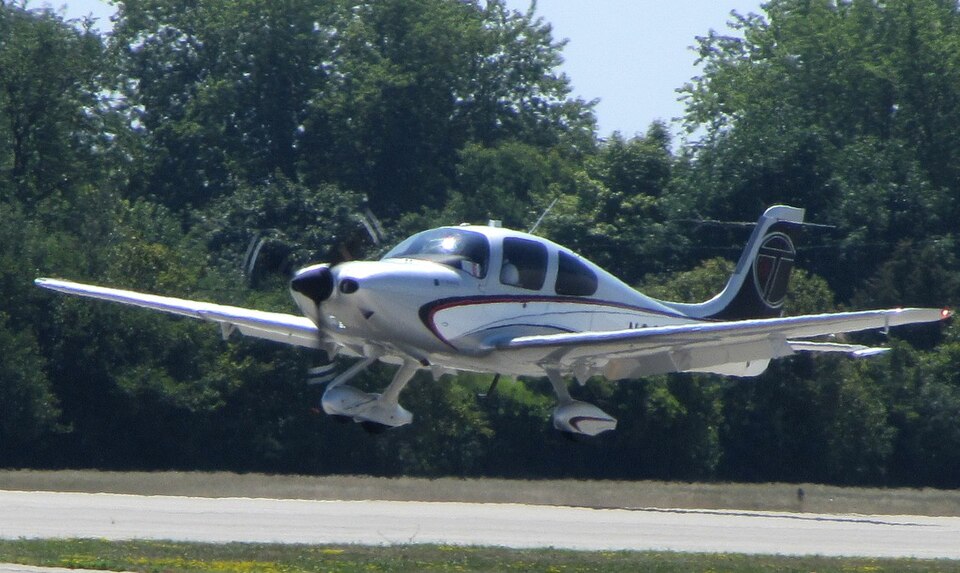
The Cirrus SR22T is where piston aircraft meet modern technology. It features a Garmin Perspective+ avionics suite, a turbocharged engine capable of cruising at higher altitudes, and the signature Cirrus Airframe Parachute System (CAPS). CAPS has been deployed successfully in real-world emergencies on multiple occasions, offering a level of safety reassurance that no other piston aircraft can match.
The SR22T is one of the best planes for private pilots who want high performance and modern safety features in a single package. Its cruise speed and range make it genuinely capable for cross-country missions.
Why it makes the list: Best-in-class safety innovation, outstanding avionics, strong resale value.
Best for: Owner-pilots doing 300 to 800 nautical mile trips who want maximum peace of mind.
Why It Matters: The CAPS whole-aircraft parachute system fundamentally changes the risk calculus for single-engine flying. It has saved lives in situations where a traditional aircraft would have had no recovery option.
4. ICON A5
The ICON A5 is unlike anything else on this list. It is a light sport aircraft (LSA) with amphibious capability, meaning it can take off and land on both water and land. Its sleek, sports-car-inspired design makes it one of the most visually striking aircraft in general aviation.
Flying an A5 feels like piloting a high-performance boat with wings. For pilots who want a purely recreational machine that opens up lakes, rivers, and coastal destinations, it delivers an experience no other aircraft can replicate.
Why it makes the list: Unique amphibious capability, striking design, genuinely fun to fly.
Best for: Recreational pilots near water who want a one-of-a-kind experience.
5. Diamond DA40
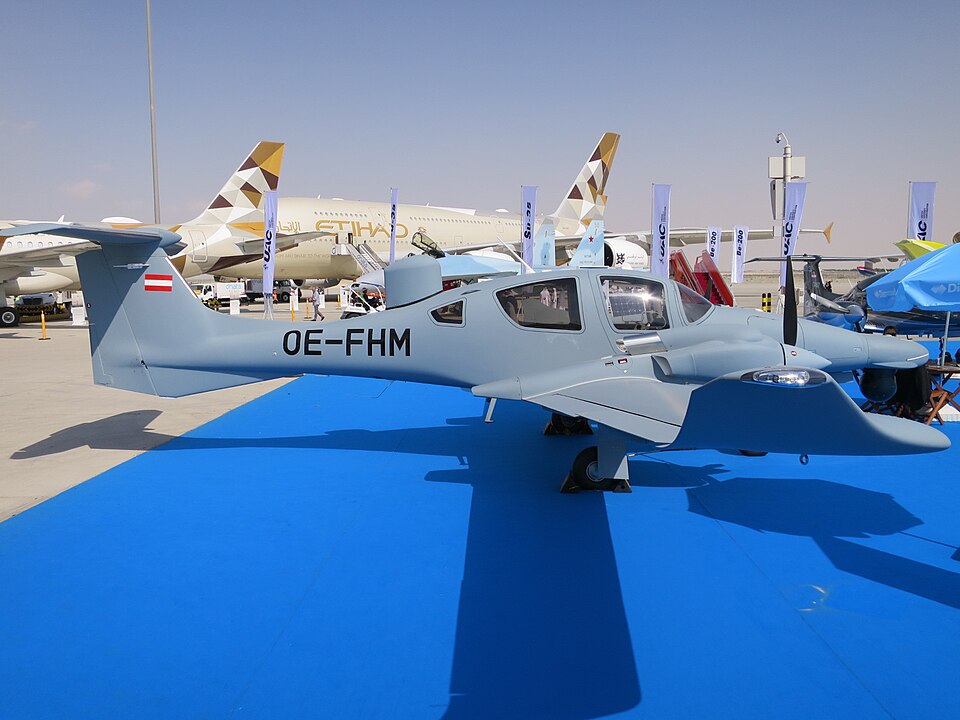
The Diamond DA40 is built around efficiency and safety. Its composite airframe is lighter and more durable than traditional aluminum designs. The DA40 is one of the few piston singles in its class to come standard with a Garmin G1000 glass cockpit, and its diesel engine option (the DA40 XLT) offers impressive fuel economy.
For pilots who want a modern, fuel-efficient single-engine plane with a comfortable four-seat cabin and strong safety ratings, the DA40 is a compelling choice.
Why it makes the list: Outstanding fuel efficiency, modern avionics, durable composite construction.
Best for: Efficiency-focused pilots, cross-country travelers on a budget.
6. CubCrafters CarbonCub SS
If you want to land on gravel bars, mountain strips, or backcountry fields that most planes cannot touch, the CubCrafters CarbonCub SS belongs on your radar. It is widely regarded as one of the best bush planes available today, combining a lightweight carbon fiber airframe with powerful short-takeoff-and-landing (STOL) performance.
The CarbonCub SS can operate from impossibly short fields and carry a solid useful load despite its compact size. For adventure pilots and backcountry enthusiasts, it is simply without peer.
Why it makes the list: Unmatched STOL performance, rugged backcountry capability, lightweight and responsive.
Best for: Backcountry pilots, bush flying enthusiasts, adventure seekers.
Pro Tip: If you plan to fly into remote strips regularly, useful load matters as much as STOL performance. Check out comparisons of the best useful load single-engine planes to understand how the CarbonCub stacks up against the competition.
7. Pilatus PC-12 NGX
The Pilatus PC-12 NGX is one of the most versatile private aircraft ever built. It is a single-engine turboprop that can carry up to nine passengers, handle unpaved runways, cruise at altitudes up to around 30,000 feet, and fly ranges that rival many light jets. Medical evacuation services, cargo operators, and private owners all use the PC-12 because it does so many things well.
Operating costs are lower than most jets while performance rivals many of them. The NGX version features the latest Honeywell Primus Apex avionics, a refreshed cabin, and upgraded systems.
Why it makes the list: Unmatched versatility, turbine reliability, access to remote strips, strong resale value.
Best for: Pilots who need one aircraft to handle everything, from city hops to remote destinations.
Good to Know: The Pilatus PC-12 has one of the strongest resale value histories in general aviation. Well-maintained examples tend to hold their value remarkably well compared to other aircraft in its price range.
8. Beechcraft King Air 350
The Beechcraft King Air 350 is a twin-engine turboprop that has served as the backbone of business aviation for decades. Its pressurized cabin, dual engines, and long range make it a top choice for businesses and individuals who need reliable, comfortable transportation for groups of up to eleven passengers.
The King Air line has one of the most extensive service and support networks of any turboprop series in the world. Parts availability, trained mechanics, and type-rated pilots are easy to find across the United States.
If you are looking at the best twin-engine planes for consistent business travel, the King Air 350 is always near the top of the conversation.
Why it makes the list: Twin-engine reliability, pressurized comfort, long range, outstanding support network.
Best for: Business travelers, charter operators, groups of up to eleven passengers.
9. Cirrus Vision Jet
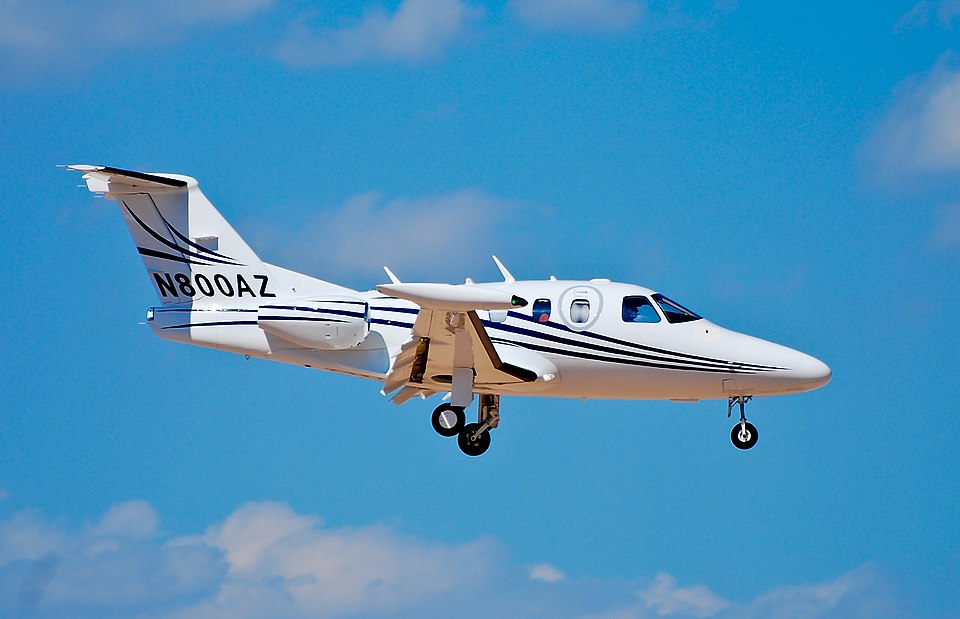
The Cirrus Vision Jet is a genuine jet aircraft certified for single-pilot operation, which sets it apart from almost every other jet on the market. It uses a single Williams FJ33 engine mounted above the rear fuselage, giving it an unusual silhouette and keeping cabin noise remarkably low.
The Vision Jet carries up to five adults and two children, cruises at around 300 knots, and features the same Garmin Perspective Touch+ avionics found in much more expensive aircraft. It also includes the Cirrus Airframe Parachute System, which is a notable safety advantage over competing very light jets.
Why it makes the list: Only jet with a whole-aircraft parachute, single-pilot certified, modern and approachable for piston pilots transitioning to jets.
Best for: Piston pilots moving into jet ownership, owner-operators wanting single-pilot jet capability.
Fun Fact: The Vision Jet is the world's first single-engine personal jet to receive FAA type certification, a milestone that opened the door for a new generation of owner-operated jet aircraft.
10. HondaJet Elite II
Honda is famous for cars and motorcycles, but the HondaJet Elite II has built a serious reputation in aviation. Its most distinctive feature is the over-the-wing engine mount, which frees up the rear fuselage for an expanded cabin and even allows for a small lavatory, something almost unheard of in a very light jet.
The Elite II seats up to five passengers, cruises at around 422 knots, and can reach altitudes up to around 43,000 feet. Its fuel efficiency is a standout advantage for owners watching operating costs. Built in Greensboro, North Carolina, it is one of the most innovative light jets on the market.
Why it makes the list: Innovative design, remarkable cabin for its class, impressive fuel efficiency, domestic manufacturing.
Best for: Small groups doing regional and medium-range travel, efficiency-focused jet owners.
11. Embraer Phenom 300E
The Embraer Phenom 300E has been the world's best-selling light jet for more than a dozen consecutive years, and for good reason. It offers a winning combination of speed, range, comfort, and operating efficiency that few other aircraft in its category can match.
The 300E seats six to eight passengers, offers a range of around 2,010 nautical miles, and is certified for single-pilot operation. Its cabin features LED lighting, advanced climate control, and a notably quiet interior. It is also one of the most recognized aircraft in the private charter market, which supports strong resale values.
For pilots wanting a jet that handles turbulence confidently while keeping passengers comfortable, the Phenom 300E is one of the best planes for flying through turbulence in its class.
Why it makes the list: World's best-selling light jet, excellent range, strong resale value, single-pilot capable.
Best for: Business travelers, owner-operators, charter-focused buyers.
12. Cessna Citation Latitude
The Cessna Citation Latitude bridges the gap between light jets and large-cabin aircraft in a way that has made it enormously popular in the business aviation world. Its flat-floor cabin can seat up to nine passengers, and the six-foot standing height makes it genuinely comfortable for full-duration flights.
With a range of around 2,700 nautical miles, the Latitude can handle coast-to-coast travel across the United States without a fuel stop. Its advanced systems include synthetic vision technology and automated flight aids that reduce pilot workload. Over 400 have been delivered, reflecting strong market confidence in the design.
Why it makes the list: Flat-floor cabin, exceptional passenger comfort, coast-to-coast range, popular with corporate fleets.
Best for: Corporate travel, groups of up to nine, owners wanting large-cabin comfort at a mid-cabin price.
Keep in Mind: The Citation Latitude is not certified for single-pilot operation. You will need two type-rated pilots, which adds to ongoing crew costs. Budget accordingly when calculating total ownership expense.
13. Gulfstream G700
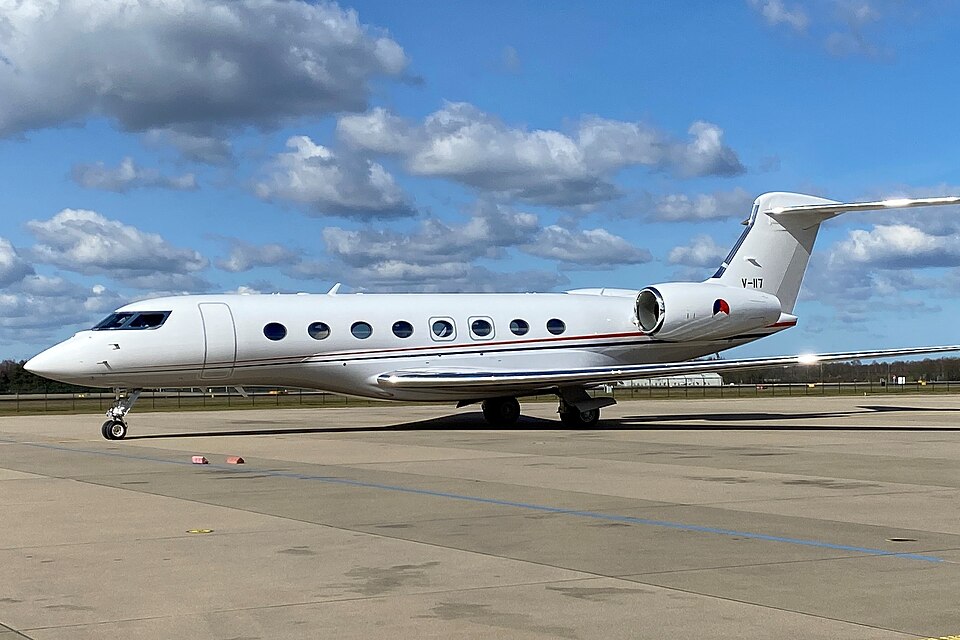
The Gulfstream G700 is the pinnacle of private jet ownership. It offers up to five living zones, a dedicated master suite with a shower, nineteen panoramic oval windows, and a range of around 7,500 nautical miles. That kind of range means you can fly nonstop from New York to Tokyo, or Los Angeles to London, without a fuel stop.
The G700 entered service in 2024 and has since set a significant number of city-pair speed records. Its Symmetry Flight Deck features active control sidesticks and extensive touchscreen panels. The cabin management system responds to voice commands for lighting, temperature, and entertainment.
For those planning true global travel and needing the aircraft to do so while keeping passengers in five-star comfort, the G700 sits at the very top of what private aviation can offer. If intercontinental capability is a priority, it is worth exploring which aircraft make the best candidates for transatlantic flights.
Why it makes the list: Best-in-class range, ultra-luxury cabin, cutting-edge technology, global capability.
Best for: Ultra-high-net-worth individuals, global business travel, heads of state.
Heads Up: Annual operating costs for an aircraft like the G700 can run into the millions of dollars when accounting for crew, fuel, maintenance, hangar, and insurance. Full ownership at this level is typically structured with professional flight departments and detailed operational budgets.
How to Choose the Right Private Plane for You
With 13 options across wildly different categories, it helps to have a simple decision framework. Here is how to think through your choice:
Step 1: Define your typical mission. How far do you usually fly? How many passengers? What airports do you use? A pilot doing 200-mile weekend hops needs a very different aircraft than one doing 1,500-mile business trips.
Step 2: Set a realistic total budget. Purchase price is just the beginning. Factor in hangar costs, insurance, fuel, annual inspections, and maintenance reserves. A common rule of thumb is that annual operating costs often reach 10% or more of the aircraft's acquisition price.
Step 3: Match the aircraft to your certificate. A private pilot cannot legally fly a large jet. Transitioning to turbine aircraft or jets requires additional training and often a type rating. Factor in the cost and time required for that training.
Step 4: Think about the future. Will your flying needs change? Buying slightly more aircraft than you currently need can make sense if you plan to fly more in coming years. On the other hand, overspending on aircraft you rarely use is one of the most common mistakes in private aviation.
Step 5: Test fly before you buy. Always fly an aircraft before committing to purchase it. What reads well on paper does not always feel right in the cockpit.
Quick Tip: Talking to current owners of any aircraft you are considering is one of the best research tools available. Owner forums, type clubs, and associations will give you honest, real-world feedback that no brochure ever will.
The Real Cost of Private Plane Ownership
Understanding the true cost of ownership is essential before signing any purchase agreement. Here is a realistic breakdown by category:
| Aircraft Category | Estimated Purchase Price Range | Estimated Annual Operating Cost |
| Piston Single (used) | $40,000 to $200,000 | $15,000 to $40,000 |
| Piston Single (new) | $200,000 to $600,000 | $25,000 to $60,000 |
| Turboprop | $1.5M to $8M | $250,000 to $600,000 |
| Very Light Jet | $2M to $6M | $300,000 to $700,000 |
| Light Jet | $5M to $12M | $500,000 to $1.2M |
| Midsize Jet | $10M to $25M | $1M to $2.5M |
| Ultra-Long-Range Jet | $50M to $80M+ | $3M to $8M+ |
These are estimates. Actual costs vary based on usage, location, crew requirements, and individual aircraft condition.
Why It Matters: Many first-time buyers focus entirely on the purchase price and underestimate ongoing costs. Building a realistic annual operating budget before buying is the single most important financial step in the process.
Ready to start your search? Flying411 has in-depth aircraft guides and buying resources that can help you evaluate specific models, compare ownership costs, and avoid the most common buyer mistakes. Visit us before you make any big decisions.
Conclusion
Finding the best private plane to own comes down to one question: what do you actually need it to do? A Cessna 172 Skyhawk is a perfect fit for a recreational pilot building hours and enjoying weekends aloft. A Pilatus PC-12 NGX suits a business traveler who needs range, passenger capacity, and the ability to access remote destinations. And for those who want to cross oceans in a flying penthouse, the Gulfstream G700 is simply without equal.
Every aircraft on this list has earned its place. Each one solves a real problem for a real kind of pilot. The best private planes to own are not necessarily the most expensive or the most technologically advanced. They are the ones that match your flying life.
If you want guidance that is honest, practical, and grounded in real aviation experience, Flying411 is where to start. From piston planes to jets, we have the resources to help you make a confident, well-informed decision.
Frequently Asked Questions
What is the most affordable private plane to own?
Used piston singles like the Cessna 172 Skyhawk or Piper Cherokee are among the most affordable entry points, with used examples sometimes available for under $50,000. Operating costs for these aircraft are also relatively low compared to turboprops or jets.
Do I need a special license to fly a private jet?
Yes. Flying a jet typically requires at minimum a commercial pilot certificate and an instrument rating, and most jets require a type rating specific to that aircraft. Transitioning from a piston aircraft to a jet involves significant additional training and expense.
How many hours per year makes private plane ownership worthwhile?
General guidance suggests that full ownership becomes more cost-effective than chartering when you fly more than roughly 200 to 250 hours per year. Below that threshold, fractional ownership or charter can be more economical depending on your specific mission profile.
What is the difference between a turboprop and a jet?
A turboprop uses a turbine engine connected to a propeller, while a jet uses turbine engines to push the aircraft forward through thrust alone. Jets are typically faster and fly at higher altitudes, but turboprops offer better short-field performance and often lower operating costs, especially on shorter routes.
Is it possible to own a private plane as a group?
Yes. Fractional ownership programs allow multiple parties to share ownership of an aircraft, splitting both the purchase cost and ongoing operating expenses. Informal co-ownership between two or three partners is also common in general aviation, particularly for piston aircraft.