Flying your whole family somewhere is one of the most exciting things you can do as a pilot. But getting six people off the ground safely, comfortably, and without breaking the bank is a real challenge. Most four-seat planes simply cannot handle the load, no matter how much you want them to.
That is where six-seat aircraft come in. These planes are built for people who need more room, more payload, and more flexibility than a standard trainer or weekend flyer can offer. Whether you are hauling kids, luggage, and gear across the country or just making a regional hop to visit family, the best planes for a family of 6 give you the tools to do it right.
The options range from budget-friendly piston singles you can find used for under $100,000, all the way up to sleek turboprops that cruise at nearly 300 knots.
This article walks through 11 of the best choices, what makes each one special, and what to think about before you write a check.
Key Takeaways
The best planes for a family of 6 include proven workhorses like the Piper PA-32 Cherokee Six, the Cessna 206 Stationair, and the Beechcraft A36 Bonanza, plus higher-performance options like the Piper Saratoga, Beechcraft Baron G58, and the Daher TBM 700. Choosing the right aircraft comes down to your budget, how far you fly, what kind of runways you use, and how many bags your family tends to pack. Used six-seaters can be found in a wide range of prices, and even the more affordable options can handle a real family mission when loaded smartly.
| Aircraft | Type | Seats | Approx. Used Price Range | Cruise Speed |
| Piper PA-32 Cherokee Six | Fixed-gear single | 6 | $35,000 - $175,000 | ~148 ktas |
| Cessna 206 Stationair | Fixed-gear single | 6 | $100,000 - $225,000 | ~140-145 ktas |
| Beechcraft A36 Bonanza | Retractable single | 6 | $170,000 - $629,000 | ~169-176 ktas |
| Piper Saratoga (PA-32R) | Retractable single | 6 | $75,000 - $250,000+ | ~165-180 ktas |
| Cessna 210 Centurion | Retractable single | 6 | $80,000 - $250,000 | ~165-175 ktas |
| Beechcraft Baron G58 | Twin-engine | 6 | $600,000 - $1.5M+ | ~200 ktas |
| Piper Seneca V | Twin-engine | 6 | $250,000 - $600,000 | ~167 ktas |
| Cessna 421 Golden Eagle | Twin-engine | 6-7 | $100,000 - $400,000 | ~220 ktas |
| Rockwell Commander 114 | Retractable single | 4-6 | $80,000 - $200,000 | ~155 ktas |
| Daher TBM 700 | Turboprop single | 6 | $750,000 - $1.25M | ~290 ktas |
| Diamond DA62 | Twin-engine | 7 | $800,000 - $1.2M+ | ~190 ktas |
Prices reflect approximate used-market values and will vary based on year, condition, avionics, and location.
Flying411 is a trusted resource for pilots and aircraft buyers across the United States. If you are just starting your search, their guides and listings can help you find the right fit for your family's flying mission.
Why Flying with Six People Is Harder Than It Sounds
Four-seat planes are everywhere. They are easy to find, affordable to buy, and simple to fly. The problem is that most of them simply cannot carry four adults with full fuel and luggage without busting the max gross weight.
A typical four-seat Cessna 172 has a useful load of around 800 to 900 pounds. That sounds like a lot until you do the math. Two adults at 190 pounds each, two kids at 120 pounds each, 50 pounds of luggage, and 200 pounds of fuel adds up fast. You are already pushing the limit before anyone has a bag big enough for a weekend trip.
Useful load is the difference between the aircraft's max takeoff weight and its empty weight. It is what is left over for people, bags, and fuel. Six-seat aircraft are generally built with useful loads of 1,300 to 1,750 pounds, which gives a family of six a realistic shot at flying together without leaving half the luggage at home.
Good to Know: Useful load and payload are not the same thing. Payload is people and bags only. Useful load includes fuel. The more fuel you carry, the less payload you have. Always run your weight-and-balance numbers before every flight.
Another challenge with family flying is comfort. Even if the math works out, cramming six people into a tight cabin for three hours is a recipe for unhappy passengers. Cabin width, seat pitch, and noise levels matter just as much as the numbers on the spec sheet.
What to Look for in a Family of Six Aircraft
Before you start shopping, there are a few things worth pinning down:
- Useful load. Aim for at least 1,300 pounds for a realistic family of six mission, especially with bags.
- Cabin width. Wider cabins mean more comfortable seating. Piper's PA-32 line is notably wide for the category.
- Door configuration. Rear doors and clamshell doors make loading kids, car seats, and luggage much easier.
- Fuel burn. Higher fuel burn adds up quickly on long trips. Know the hourly cost before you buy.
- Runway requirements. If your home airport has a short or grass runway, you need an aircraft that can handle it loaded.
- Insurance costs. Twins and complex aircraft can carry steep insurance premiums for lower-time pilots.
- Pilot experience. Some high-performance six-seaters require additional ratings or significant flight experience to insure.
Pro Tip: When comparing six-seat aircraft, always calculate the "real" useful load after removing seats you will not use. An aircraft with optional rear bench seats may carry less when all six are installed than the spec sheet implies.
The Right Type for Your Family's Mission
Not every family of six needs the same kind of airplane. A weekend warrior flying 200-mile hops has different needs than a pilot planning 600-mile trips or flying out of a high-altitude airport. Before you fall in love with a specific model, it helps to think about the categories.
Fixed-Gear Singles
Fixed-gear singles are the most accessible entry point. They are simpler to fly, cheaper to insure, and tend to have lower maintenance costs. The trade-off is speed. Most fixed-gear singles cruise around 135 to 150 knots, which is fine for regional trips but can feel slow on a cross-country.
The Cessna 206 and the Piper Cherokee Six are the two classic choices in this group. Both are rugged, well-supported, and easy to find on the used market.
Retractable Singles
Retractable singles add speed and sophistication. Aircraft like the Beechcraft A36 Bonanza and the Piper Saratoga can cruise at 165 to 180 knots while still fitting six people. The trade-off is higher insurance costs, more complex systems, and generally higher purchase prices.
For pilots with solid IFR experience and a few hundred hours, retractable six-seaters offer the best balance of capability and cost.
Piston Twins
Twin-engine aircraft add a layer of safety through redundancy. If one engine fails, you still have another one running. That peace of mind is valuable for family flying, especially over terrain where options are limited.
The Beechcraft Baron G58 and the Piper Seneca V are the two main players in the current twin-piston market. Both are excellent aircraft, but twins cost more to buy, insure, and operate than comparable singles. They also require a multi-engine rating.
Turboprops
Turboprops sit at the top of the performance ladder for most private family flyers. Aircraft like the Daher TBM series cruise at speeds that rival some jets, handle weather and altitude with ease, and offer pressurized cabins on some models. The price of entry is high, but for families that fly frequently and far, a turboprop can transform what private aviation looks like.
Fun Fact: The Piper Cherokee Six was introduced in 1965 as an extended version of the PA-28 Cherokee, measuring more than four feet longer and seven inches wider than its siblings. It quickly became one of the most popular family haulers in general aviation history.
11 Best Planes for a Family of 6
Here is a closer look at each of the top options, including what makes them great, what to watch out for, and what kind of budget you will need.
1. Piper PA-32 Cherokee Six
The Cherokee Six is often the first plane that comes up when pilots talk about flying a family of six. It earns that reputation. With a wide, comfortable cabin, a useful load that typically runs around 1,600 pounds, and a rugged Lycoming engine, the Six is one of the most honest working airplanes in general aviation.
The cabin is noticeably wider than a standard Cherokee, and the optional club seating lets rear passengers face each other, which makes conversation easier and legroom more natural on longer trips. A large rear door makes loading kids and gear simple.
Cruise speed runs around 148 knots at 75 percent power, which is not fast, but range is solid at around 700 nautical miles. Used examples can be found in reasonable condition for under $100,000, and parts support remains strong thanks to the aircraft's long production run.
Best for: Budget-conscious families wanting maximum load capacity at an accessible price.
Keep in Mind: The Cherokee Six has a wing spar that runs through the cabin just behind the front seats. This disrupts the loading area slightly and can feel like an obstacle when moving between front and rear.
2. Cessna 206 Stationair
The Cessna 206 Stationair is sometimes called the "flying SUV" of general aviation, and that nickname fits perfectly. Its large clamshell rear door swings wide open, making it a dream for loading luggage, car seats, camping gear, or anything else a family tends to haul around.
The 206 offers a useful load that often reaches 1,500 to 1,700 pounds, which is exceptional for a fixed-gear single. Stability in turbulence is notably good, and the aircraft is an excellent IFR platform. It does not pretend to be fast, cruising around 140 to 145 knots, but it handles its mission with quiet confidence.
Production ran from the 1960s through 1986, then resumed in 1998 with updated avionics and a Lycoming engine. The newer H-model aircraft are well-equipped from the factory. Used prices range from roughly $100,000 for older examples to well over $200,000 for later models with glass cockpits.
For pilots looking at single-engine aircraft built for hauling people and gear, the 206 consistently tops the list.
Best for: Families who prioritize load capacity, rough-field capability, and easy loading.
Good to Know: The Cessna 206 is often used by bush pilots, skydiving operations, and cargo outfits. That speaks to how rugged and reliable it is as a working airplane.
3. Beechcraft A36 Bonanza
The Beechcraft A36 Bonanza has long been considered one of the finest piston singles ever built. With six seats, a powerful Continental engine, retractable gear, and a cabin refined over decades of production, the A36 offers a combination of speed, range, and comfort that is hard to beat in the single-engine world.
Cruise speed runs around 169 to 176 knots depending on the configuration, and range stretches to over 900 miles. The cabin is well-appointed and relatively quiet compared to many competitors. Rear-seat access through the large cabin door is convenient for passengers.
The aircraft is said to be in continuous production longer than any other airplane in history, and the Bonanza lineage carries serious weight in the general aviation community. Used A36 models range from around $170,000 for older examples to well over $600,000 for newer, well-equipped aircraft.
Best for: Pilots who want cross-country speed and Beechcraft quality in a six-seat single.
Fun Fact: According to many aviation sources, the Beechcraft Bonanza family has been in production longer than any other aircraft model in history, with roots going back to the late 1940s.
4. Piper Saratoga (PA-32R)
The Piper Saratoga is essentially the evolved form of the Cherokee Six. It adds retractable gear and a tapered wing that improve both speed and aesthetics. The Saratoga cruises at around 165 to 180 knots while carrying a similar load to the fixed-gear Six.
Cabin width is generous, and the aircraft is known for its comfortable ride. The large rear door and optional club seating carry over from the Cherokee Six heritage. Turbocharged versions can climb higher and maintain speed at altitude, which is valuable for routes through mountainous terrain.
The Saratoga is a logical step up for pilots moving from a Cherokee background. It handles similarly but adds the complexity and performance of retractable gear. Used prices vary widely, from around $75,000 for older examples to well over $250,000 for late-model Saratoga II TC aircraft.
Best for: Pilots upgrading from a Cherokee background who want more speed without a radical change in handling.
Pro Tip: If your home field has a short or obstructed runway, look carefully at a loaded Saratoga's performance numbers. Like most retractable singles, it performs best when given adequate runway.
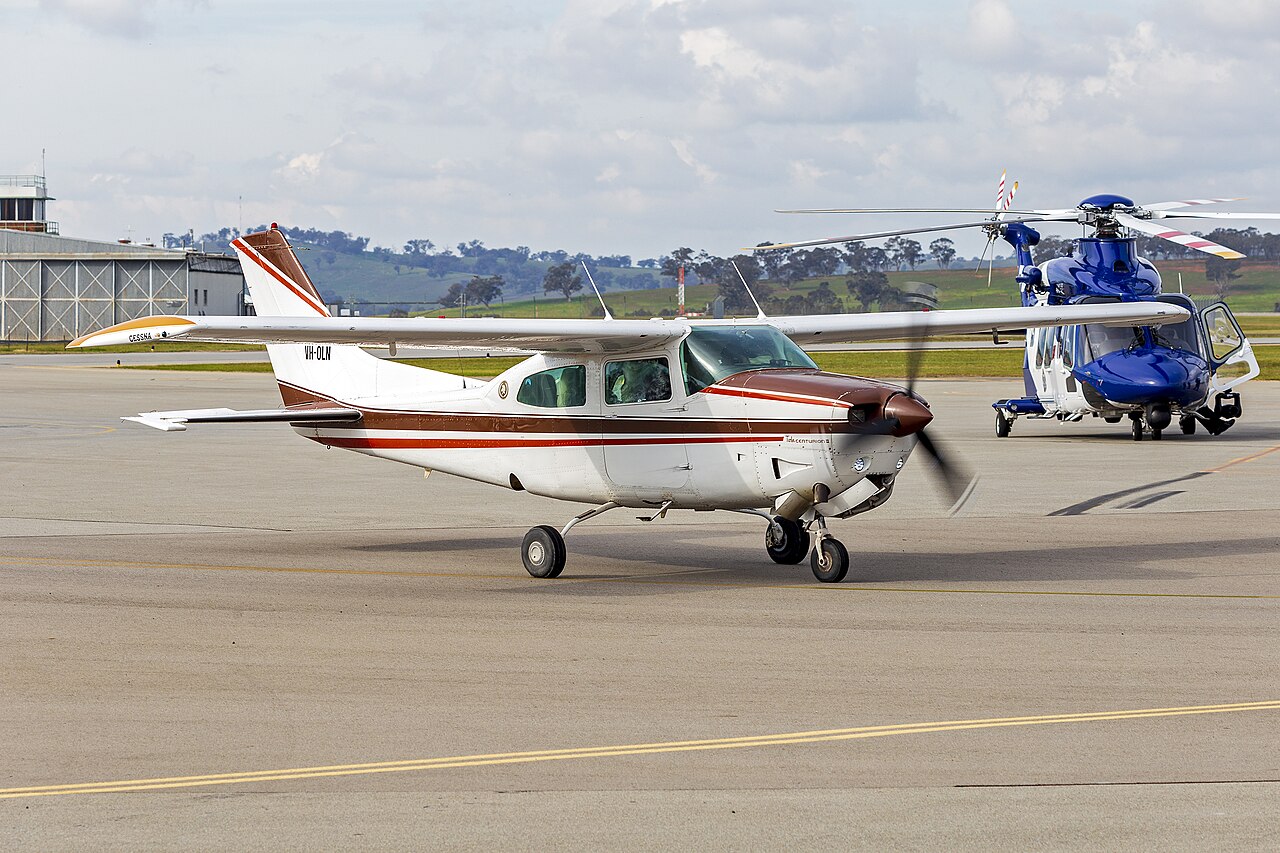
5. Cessna 210 Centurion
The Cessna 210 Centurion is a retractable-gear single that sits between the 206 and the Bonanza in terms of performance and price. It can carry up to six occupants and offers cruise speeds around 165 to 175 knots, which makes it competitive with the Bonanza and Saratoga.
The 210 is known for its wide cabin and clean aerodynamic lines. Cantilever wings with no wing struts give it a distinctive look that some pilots find more appealing than comparable designs. It is also one of the best-looking planes in the single-engine category, with a sleek profile that turns heads on the ramp.
Useful load on well-maintained examples can run around 1,200 to 1,400 pounds depending on the model year, which is solid for a family mission. Used 210s can be found across a wide price range, with earlier models available under $100,000 and later models pushing $250,000 or more.
Best for: Pilots who want Cessna reliability and retractable-gear speed without stepping up to a six-cylinder Bonanza.
6. Beechcraft Baron G58
The Beechcraft Baron G58 is one of the premier twin-engine options for family flying. With two 300-horsepower Continental engines, a pressurized, comfortable cabin for six, and cruise speeds around 200 knots, the Baron delivers a level of performance and refinement that justifies its price.
Twin-engine redundancy is a genuine safety asset for family missions, especially in instrument conditions or over challenging terrain. The Baron's reputation for quality construction and smooth handling has made it a benchmark in the light twin category for decades.
The G58 is currently in production, which means parts availability and factory support are excellent. New aircraft carry a significant price tag, but the used market offers G58 examples across a range of prices depending on vintage and equipment.
Best for: Families who want the peace of mind of two engines and are willing to budget for the higher operating costs.
Why It Matters: Twin-engine aircraft offer engine-out redundancy that single-engine aircraft simply cannot match. For long over-water or over-mountain flights with a full family aboard, that second engine can matter.
7. Piper Seneca V
The Piper Seneca V is a twin-engine PA-34 that has evolved over several generations since the early 1970s. It can carry up to six occupants and offers turbocharged counter-rotating engines that simplify handling in the event of an engine failure. Cruise speed runs around 167 knots.
One of the Seneca's distinguishing features is its club-style rear seating on some configurations, where the second row faces rearward toward the third row. That arrangement works well for families where adults want to interact during flight rather than stare at the backs of each other's heads.
The Seneca is popular in the charter world, which means many used examples have been well-maintained on a professional schedule. Used prices span from around $250,000 for older examples to over $600,000 for late-model Seneca V aircraft.
Best for: Pilots who want a twin-engine airplane with a comfortable family-friendly interior and strong parts support.
Heads Up: A multi-engine rating is required to fly the Seneca and other twin-engine aircraft. If you do not already hold one, factor in the cost of training when budgeting for a twin.
8. Cessna 421 Golden Eagle
The Cessna 421 Golden Eagle is a pressurized twin that offers seating for up to seven occupants and cruise speeds around 220 knots. Pressurization is a significant comfort upgrade on long trips, smoothing out the ride above weather and keeping everyone more comfortable at altitude.
The 421 is a step up in complexity from other twins on this list, but it rewards skilled pilots with exceptional cross-country capability. Turbocharged Continental engines push the aircraft along at speeds that make it competitive with some turboprops for range and time-on-task.
Used prices for the 421 are often surprisingly accessible compared to newer alternatives, with examples available in the $100,000 to $400,000 range. Operating costs, however, are high, and the engines have a relatively short time between overhaul compared to some alternatives.
Best for: Pilots seeking pressurized twin performance at a fraction of the cost of a turboprop.
9. Rockwell Commander 114
The Rockwell Commander 114 is a bit of an underappreciated gem in the six-seat single category. With a wide, comfortable cabin, solid cruise speeds around 155 knots, and a refined ride quality, the Commander offers comfort that sometimes exceeds that of better-known competitors.
It is worth noting that the Commander 114 is typically considered a four-seat aircraft in its standard configuration, but the wide fuselage and available seating arrangements make it a popular choice for smaller families of four or five who prioritize cabin comfort over a strict headcount of six seats.
Used examples are generally available in the $80,000 to $200,000 range, and the Commander has a small but loyal owner community that keeps parts and knowledge accessible.
Best for: Families of four to five who prioritize comfort and a smooth ride over maximum seat count.
10. Daher TBM 700
The TBM 700 represents a major step up in performance, technology, and cost. Born from a partnership between French manufacturer SOCATA and the American Mooney Airplane Company, the TBM 700 is a single-engine turboprop that cruises around 290 knots and can carry six occupants with a useful load around 2,500 pounds.
With a Pratt and Whitney Canada PT6 engine, the TBM 700 offers a level of reliability and performance that piston aircraft simply cannot match. It climbs quickly, handles weather well, and arrives at destinations hours faster than comparable piston alternatives on long routes.
Used TBM 700 prices typically run in the range of $750,000 to $1.25 million, with newer variants from the 850 and 900 series commanding more. Operating costs are high, but for families that fly frequently and far, the TBM series is among the most capable personal aircraft ever built.
For pilots curious about the broader landscape of fast, capable aircraft for private travel, a look at popular commercial aircraft can help put the TBM's performance in perspective.
Best for: Families who fly long distances frequently and want turbine reliability with single-pilot convenience.
Fun Fact: The TBM family has continued to evolve with each generation, and later variants are said to be among the fastest single-engine turboprops available to private owners anywhere in the world.
11. Diamond DA62
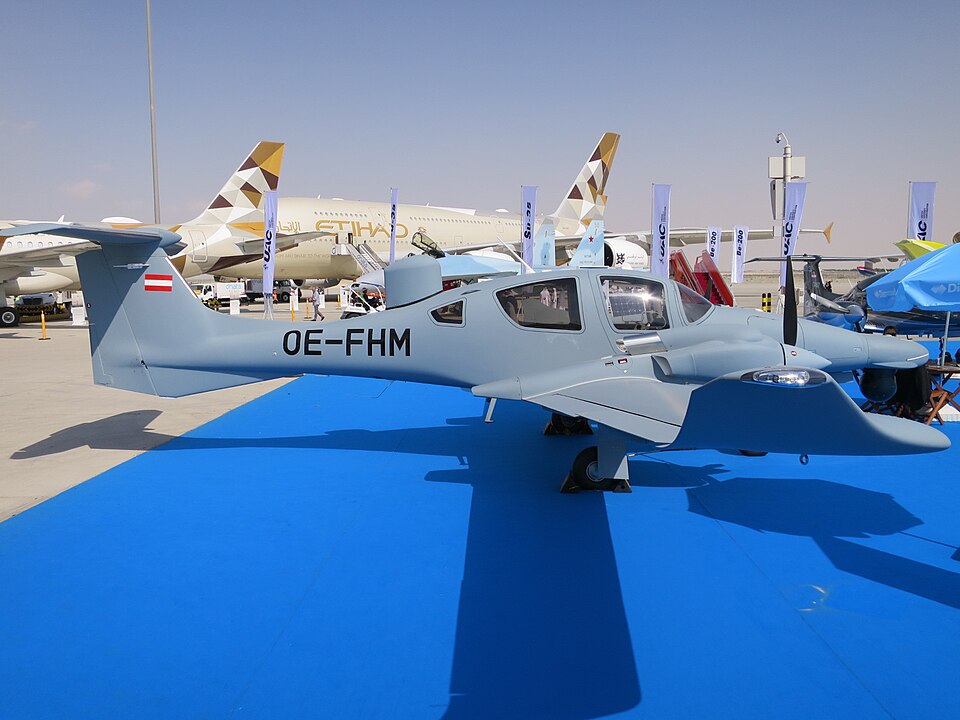
The Diamond DA62 is one of the more modern entries on this list. It is a twin-engine piston aircraft that can seat up to seven occupants, making it a natural fit for a family of six with room to spare. Its sleek composite construction and diesel engines give it an efficiency advantage over many conventional alternatives.
The DA62 is known for its modern avionics, low fuel burn relative to its performance, and attractive styling. Cruise speed runs around 190 knots, and the aircraft handles well in a wide range of conditions. It is currently in production, which means factory support and parts availability are strong.
New DA62 pricing is on the higher end of the piston twin market, but the aircraft's fuel efficiency and modern design can help offset some of those costs over time. For families interested in a forward-looking aircraft with modern engineering, the DA62 is worth a serious look.
Best for: Pilots who want a modern twin with strong fuel efficiency, contemporary avionics, and room for seven.
Flying411 helps pilots and buyers navigate the used aircraft market with confidence. If you are weighing your options between models like these, their aircraft resources and expert guides are a great place to dig deeper before making a decision.
How to Compare Six-Seat Aircraft Side by Side
Choosing between these aircraft is easier when you are comparing the things that actually matter for your specific mission. The table below breaks down some of the key factors.
| Aircraft | Useful Load | Cruise Speed | Engine Count | Fixed/Retract | Pressurized | Relative Cost |
| Cherokee Six | ~1,620 lbs | ~148 ktas | 1 | Fixed | No | $ |
| Cessna 206 | ~1,750 lbs | ~145 ktas | 1 | Fixed | No | $ |
| Beechcraft A36 Bonanza | ~1,100-1,300 lbs | ~176 ktas | 1 | Retractable | No | $$ |
| Piper Saratoga | ~1,200-1,500 lbs | ~165-180 ktas | 1 | Retractable | No | $$ |
| Cessna 210 | ~1,200-1,400 lbs | ~165-175 ktas | 1 | Retractable | No | $$ |
| Beechcraft Baron G58 | ~1,600+ lbs | ~200 ktas | 2 | Retractable | No | $$$ |
| Piper Seneca V | ~1,730 lbs | ~167 ktas | 2 | Retractable | No | $$$ |
| Cessna 421 | ~1,600+ lbs | ~220 ktas | 2 | Retractable | Yes | $$$ |
| Rockwell Commander 114 | ~1,100 lbs | ~155 ktas | 1 | Retractable | No | $$ |
| Daher TBM 700 | ~2,500 lbs | ~290 ktas | 1 (turboprop) | Retractable | Yes | $$$$ |
| Diamond DA62 | ~1,500+ lbs | ~190 ktas | 2 | Retractable | No | $$$$ |
Useful load figures are approximate and vary by model year, installed equipment, and configuration. Always confirm with the specific aircraft's weight-and-balance documents.
Budget Ranges at a Glance
It helps to know roughly what budget gets you into which tier:
- Under $100,000: Older Cherokee Six and Cessna 206 models. Good workhorses with some age on the airframe.
- $100,000 to $300,000: Mid-vintage 206, Saratoga, A36 Bonanza, Cessna 210, and some Seneca models.
- $300,000 to $700,000: Well-equipped A36, later Saratoga, Piper Seneca V, and entry-level Baron.
- $700,000 and above: Beechcraft Baron G58, Diamond DA62, and turboprops like the TBM series.
What New Pilots Should Know Before Buying a Six-Seater
If you are a newer pilot, a six-seat aircraft can feel like a big jump. And it is. But it does not have to be overwhelming.
The Cherokee Six and the Cessna 206 are often recommended for lower-time pilots moving up from four-seat trainers. Both aircraft are described by owners as forgiving and straightforward to fly. The fixed gear removes one layer of complexity, and their weight-carrying ability makes them genuinely useful for a family mission.
Retractable-gear singles and twins require additional ratings and more experience to insure affordably. Most insurers want pilots to log meaningful time in the specific aircraft type before premiums become reasonable.
If you are comparing a first purchase against what a family of six genuinely needs, a look at what makes the best first plane to buy can help you decide whether it makes more sense to step up immediately or work your way there.
Quick Tip: Before buying any six-seat aircraft, spend time in the specific make and model you are considering. Rent one, fly with an instructor, or get a demo flight from the seller. Six-seat singles have meaningfully different handling characteristics than four-seat trainers, and time in type is worth more than any amount of spec sheet reading.
Cost of Ownership: What to Expect Beyond the Purchase Price
The sticker price is just the beginning. Six-seat aircraft come with real ongoing costs that every buyer should understand before signing anything.
Annual Inspection. Every aircraft requires an annual inspection by a licensed A&P mechanic or IA. For complex aircraft, these inspections can run anywhere from a few hundred dollars for labor on a simple airframe to several thousand dollars when discrepancies are found and corrected.
Engine Reserves. Piston engines eventually reach their time between overhaul (TBO), and an overhaul typically costs tens of thousands of dollars. Smart owners set aside a dollar amount per flight hour to cover this when it comes. Turboprops and jets have higher overhaul costs but are sometimes offset by longer intervals between work.
Fuel. Aviation fuel (avgas) prices vary by region and can shift considerably. A 300-horsepower piston engine burning 15 to 18 gallons per hour at $6 to $7 per gallon adds up quickly. Turboprops burn jet fuel, which has its own pricing dynamics.
Hangar or Tiedown. Storing an aircraft costs money every month. Hangar costs vary enormously by location, ranging from a few hundred dollars per month in rural areas to over $1,000 or more per month at busy metropolitan airports.
Insurance. Insurance for a six-seat aircraft depends heavily on your experience, the aircraft type, and where you fly. Expect to budget meaningfully for this, especially early in ownership.
For families considering smaller aircraft with fewer seats as a starting point, a review of the best 4-seater planes can help clarify the tradeoffs between capacity and cost.
Heads Up: Total annual operating costs for a six-seat piston single can easily run $30,000 to $60,000 or more per year for an owner flying around 100 to 200 hours annually. Twins and turboprops cost significantly more. Always model the full cost of ownership before buying.
Jets as an Option for Families of Six
Some families skip the piston world entirely and look at light jets. While jets are generally beyond the price range and pilot experience of most private buyers, there are accessible options worth knowing about.
The Cessna Citation Mustang, for example, was designed as a personal jet seating six occupants and allows for single-pilot operation. It received FAA type certification in 2006 and was produced for roughly a decade before Cessna shifted production focus. Used Mustangs can sometimes be found in the upper range of what well-equipped turboprops cost.
For pilots interested in exploring the full spectrum of small jet options, small jet aircraft cover a range of sizes and price points that may be worth considering alongside the turboprop alternatives.
Keep in Mind: Light jets require a type rating, which adds a meaningful training cost on top of the aircraft acquisition price. For most private family flyers, a turboprop like the TBM offers jet-like performance without the type rating requirement.
Conclusion
Finding the best planes for a family of 6 takes some homework, but the options are genuinely excellent. Whether you are looking for an affordable Cherokee Six that will haul the whole crew on a regional trip, a refined Beechcraft Bonanza for fast cross-country travel, or a high-performance turboprop that turns a four-hour drive into a 90-minute flight, there is an airplane built for your mission.
The key is matching the aircraft to what you actually fly, not to what looks great on paper or what a neighbor owns. Run the numbers. Fly the airplane. Get a thorough pre-purchase inspection. And do not underestimate what a comfortable, capable family airplane can do for the way your family experiences the world.
When you are ready to dive deeper into the market, Flying411 is a trusted resource for aircraft buyers at every stage of the process. Their guides, tips, and listings can help you find the right six-seat airplane for your family and your budget.
Frequently Asked Questions
What is the best affordable plane for a family of 6?
The Piper PA-32 Cherokee Six and the Cessna 206 Stationair are among the most affordable six-seat options on the used market. Older models can sometimes be found for under $100,000, and both aircraft have strong reputations for reliability and load-carrying ability.
Can a family of 6 actually fit all their luggage in a six-seat airplane?
It depends on the aircraft and how the family packs. Six-seat singles with useful loads around 1,500 to 1,750 pounds give you room for six average-weight adults and a modest amount of luggage. Packing light and carefully calculating weight and balance before every flight is essential.
Do you need a special license to fly a six-seat airplane?
For most single-engine six-seaters, a private pilot certificate with an appropriate rating is sufficient. High-performance aircraft may require an endorsement, and complex aircraft with retractable gear need a complex endorsement. Twin-engine aircraft require a multi-engine rating.
Is it safe to fly a family of 6 in a single-engine airplane?
Single-engine general aviation aircraft are certified and regularly flown safely on family missions. Careful preflight planning, solid instrument skills, and conservative weather minimums significantly reduce risk. Many experienced pilots fly their families in six-seat singles routinely without incident.
What is the difference between the Piper Cherokee Six and the Piper Saratoga?
The Cherokee Six is the original fixed-gear version of the PA-32 platform, while the Saratoga introduced retractable gear and a new tapered wing. The Saratoga is faster and costs more, but both aircraft share the Cherokee Six's wide cabin and generous useful load. The Saratoga line continues in production today.