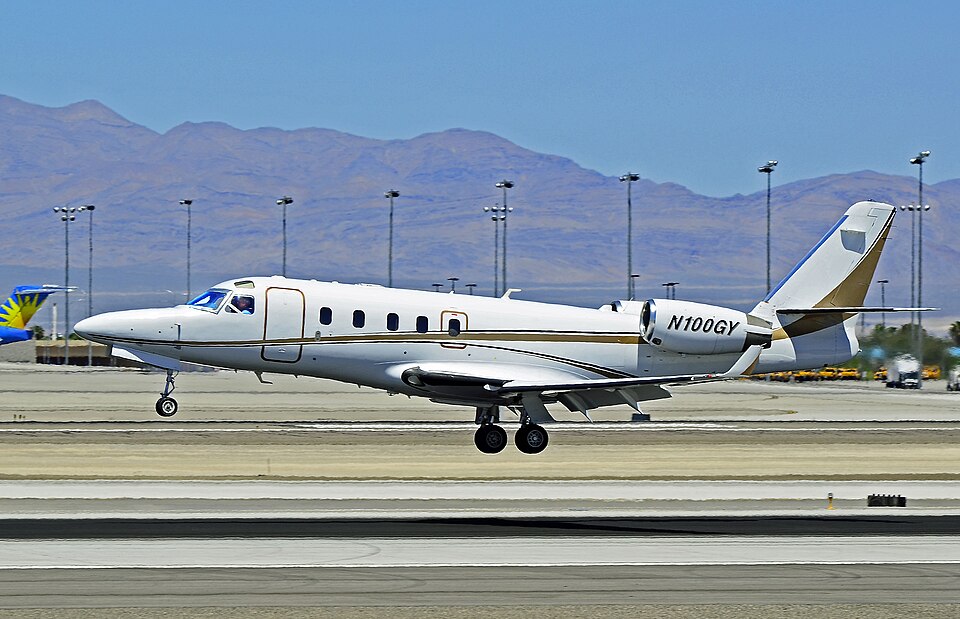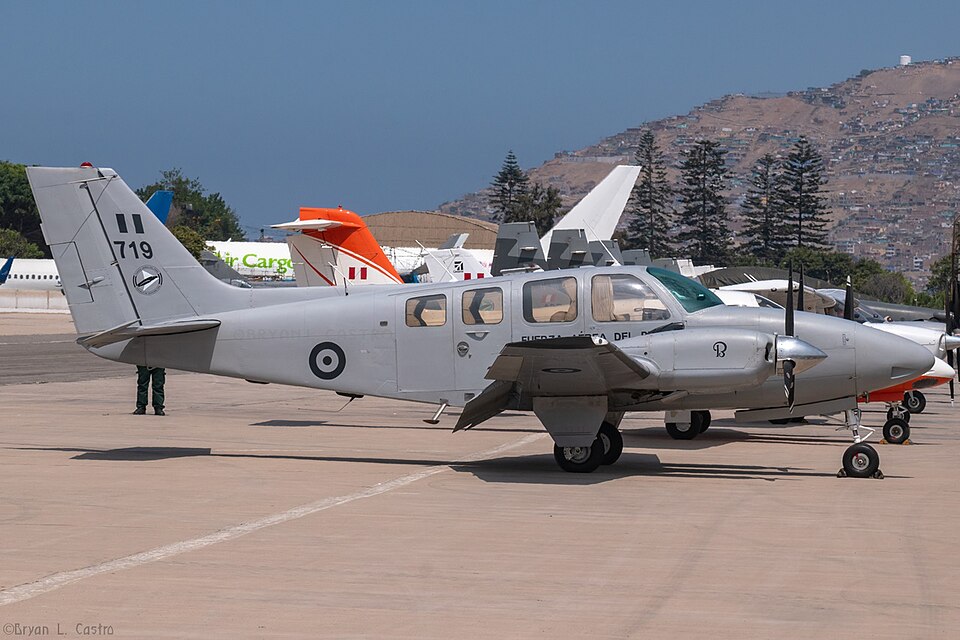
If you have ever sat in the left seat of a single-engine plane and wondered what it would feel like to have a backup engine humming beside you, you are not alone. Twin engine piston aircraft offer something a single engine simply cannot: redundancy. When one engine has a problem, the other keeps you flying. That peace of mind alone is enough to make many pilots take the leap.
But the benefits go well beyond safety. The best twin engine piston aircraft also deliver faster cruise speeds, higher useful loads, greater climb performance, and larger, more comfortable cabins. They are built for pilots who fly longer missions, carry more passengers, or simply want more capability under the cowl.
This guide covers 13 standout models, from classic workhorses that shaped aviation history to modern machines redefining what a piston twin can do. Whether you are shopping for your first multi-engine aircraft or upgrading from a light twin, there is something here for every kind of pilot.
Key Takeaways
Twin engine piston aircraft give pilots added safety through engine redundancy, along with faster speeds, better climb rates, and larger cabins than most single-engine planes. The Beechcraft Baron G58 is widely regarded as the gold standard in this category, though excellent options exist across every budget and mission profile. Models like the Diamond DA42 and Tecnam P2006T stand out for fuel efficiency, while the Piper Aerostar and Cessna 421 Golden Eagle appeal to speed-focused cross-country flyers.
| Aircraft | Best For | Approx. Cruise Speed | Seating |
| Beechcraft Baron G58 | All-around performance | ~202 knots | Up to 6 |
| Diamond DA62 | Fuel efficiency and family travel | ~190 knots | Up to 7 |
| Piper Aerostar 700 | High-speed cross-country | ~260 knots | Up to 6 |
| Cessna 421 Golden Eagle | Pressurized comfort | ~230 knots | Up to 8 |
| Diamond DA42-VI | Modern efficiency | ~180 knots | 4 |
| Piper Seneca V | Versatility and value | ~167 knots | Up to 6 |
| Piper Seminole | Multi-engine training | ~154 knots | 4 |
| Cessna 310 | Classic cross-country | ~188 knots | Up to 6 |
| Cessna 340A | Pressurized light twin | ~200 knots | Up to 6 |
| Piper Aztec | Utility and short-field ops | ~160 knots | Up to 6 |
| Beechcraft Duchess | Entry-level training twin | ~155 knots | 4 |
| Tecnam P2006T | Fuel economy leader | ~135 knots | 4 |
| Piper Twin Comanche | Affordable classic | ~160 knots | Up to 6 |
Flying411 is a trusted resource for pilots and aviation enthusiasts looking to buy, sell, or learn more about aircraft. If you are navigating the twin-engine market, Flying411 has the insights and listings to help you make a confident decision.
Why Twin Engine Piston Aircraft Still Matter
It is fair to ask whether twin engine pistons are still relevant. High-performance single-engine aircraft have improved dramatically over the decades, and turboprops have become more accessible. Still, the twin piston occupies a unique space in aviation.
The core argument for a twin is simple: two engines mean two chances to get to the runway. That does not guarantee safety on its own, but it does change the math on engine failure. When one engine quits on a twin, a properly trained pilot can continue flying and reach an airport. On a single, your options narrow fast.
Beyond safety, twin pistons often carry more passengers and baggage, reach higher cruise altitudes, and climb faster than comparable singles. For pilots who regularly fly instrument flight rules (IFR) missions, carry paying passengers, or travel over challenging terrain, those advantages matter a great deal.
Why It Matters: The FAA requires a separate multi-engine rating to fly piston twins. Pilots who invest in that training gain access to a whole new category of capable, versatile aircraft.
There is also the cost-of-ownership reality. Twin pistons burn more fuel, carry higher insurance premiums, and require maintenance on two engines instead of one. Knowing these trade-offs upfront helps you choose the right aircraft for your actual mission, not just the one you imagine flying.
A Look at the Twin Piston Category of Aircrafts
Twin engine piston aircraft have roots in the post-World War II era, when thousands of pilots returned home with multi-engine experience and an appetite for capable personal aircraft. Manufacturers like Piper, Beechcraft, and Cessna rushed to fill that demand.
Piper introduced the Apache in the early 1950s, giving the general aviation world its first widely accessible light twin. Beechcraft answered with the Travel Air, which eventually evolved into the Baron. Cessna entered the market with the 310 in the mid-1950s, a sleek design that quickly became popular for business travel.
Fun Fact: The Beechcraft Baron has been in continuous production in various forms since 1961, making it one of the longest-running twin-engine piston designs in aviation history. Textron Aviation announced in late 2025 that Baron production will wind down once existing orders are filled.
Through the 1960s and 1970s, the twin piston segment boomed. Airlines and charter operators adopted larger models, while private pilots embraced lighter twins as practical travel tools. Pressurized models like the Cessna 340 and 421 made it possible to fly in comfort above weather that would ground most light aircraft.
The market began to shift in the 1980s. Single-engine aircraft improved significantly, turboprop costs fell, and the liability landscape made manufacturing new twin pistons increasingly expensive. Production of many classic models ended. But the used market remained active, and a few manufacturers kept building new twins to meet continued demand.
Today, new twin piston production is limited primarily to the Beechcraft Baron G58, Diamond DA42 and DA62, Piper Seminole, and Tecnam P2006T. Used models from the classic era remain widely available and are a popular choice for budget-conscious pilots.
What to Look for When Buying a Twin Engine Piston
Before jumping into the aircraft list, it helps to know what factors matter most in this category. Buying a twin is a bigger decision than buying a single, and the evaluation process should reflect that.
Performance specs to compare:
- Cruise speed (knots true airspeed)
- Range (nautical miles, typically at 65-75% power)
- Service ceiling (how high can it go on both engines, and more importantly, one engine?)
- Single-engine service ceiling (a critical safety metric)
- Useful load (how much can you actually put in it?)
- Fuel burn (gallons per hour on both engines)
Ownership costs to budget for:
- Engine overhaul reserves (you have two engines to plan for)
- Annual inspection costs
- Hangar or tie-down fees
- Insurance (twin premiums are higher than singles)
- Avionics upgrades if the panel is outdated
Pro Tip: Always request a pre-purchase inspection from an IA mechanic who is experienced with your specific model. Twins have more systems to inspect, and a thorough pre-buy can save you from expensive surprises down the road.
Mission profile questions to ask yourself:
- How many passengers do I typically carry?
- What is my average trip length?
- Do I fly IFR regularly?
- Will I fly over water or mountainous terrain?
- Do I need pressurization?
If you are planning longer missions with multiple passengers, the choice of aircraft for long-distance twin-engine travel becomes especially important. The right model for a 200-mile weekend hop may look very different from the right aircraft for a 1,000-mile business run.
The 13 Best Twin Engine Piston Aircraft
Not every twin is built for the same mission. Some are designed for speed, others for efficiency, and others for the pilot who wants a capable first twin without a punishing price tag.
The list below spans the full range of what this category has to offer. Each aircraft is evaluated on its own merits, with honest notes on where it shines and where it asks something extra of its owner.
New production models sit alongside well-regarded classics, because the used market is where most pilots will actually find their next aircraft. Read through the full list before narrowing your focus.
The right choice often depends on details that only reveal themselves when you see the whole picture.
1. Beechcraft Baron G58
The Baron G58 is the standard against which most twin engine pistons are measured. It is powered by two Continental IO-550-C engines, each producing 300 horsepower. Cruise speed sits around 202 knots, and range exceeds 1,100 nautical miles with standard tanks.
The cabin seats up to six occupants in a club configuration, and the interior reflects decades of refinement. The current production version features the Garmin G1000 NXi glass cockpit with synthetic vision, ADS-B In and Out, and Electronic Stability and Protection. It is one of the few piston twins still being built new, though Textron Aviation has announced that production will eventually cease.
Good to Know: Textron Aviation has committed to providing parts and support for Baron aircraft indefinitely, even after production ends. Resale values for well-maintained examples have remained relatively strong as a result.
Used Barons, including earlier 58 and 55 series models, are widely available and represent strong value in the market. The Baron's long production run means there is a large fleet of well-documented aircraft with established maintenance networks.
Best for: Cross-country travel, business flying, instrument pilots who want refined performance.
2. Diamond DA62
The Diamond DA62 is one of the most modern twin engine piston aircraft available today. It seats up to seven passengers, runs on Austro AE330 turbodiesel engines, and delivers around 190 knots of cruise speed. The diesel powerplants burn Jet-A fuel, which is available worldwide and tends to cost less than avgas.
The DA62 has earned a reputation as a refined, comfortable traveling machine. Its composite airframe is lightweight and aerodynamically clean. The cabin is wider than many competitors, and the rear seating is spacious enough for adult passengers on long trips. Families who regularly fly together find the DA62 particularly well-suited for their needs.
Fun Fact: The Diamond DA62 is sometimes referred to informally in aviation circles as a "flying luxury SUV" because of its spacious seven-seat cabin and smooth, quiet ride.
Fuel consumption is notably lower than comparable avgas twins, making the DA62 an appealing choice for pilots mindful of operating costs. The Garmin G1000 NXi panel comes standard, keeping the DA62 current with modern avionics expectations.
Best for: Families, long-range travel, pilots in regions where Jet-A is more accessible than avgas.
For families flying together, the DA62 is worth comparing alongside other aircraft designed specifically for larger groups.
3. Piper Aerostar 700
The Piper Aerostar is in a class of its own when it comes to speed. The Super 700 variant is powered by two Lycoming TIO-540 engines producing up to 350 horsepower each, and it can cruise at speeds that rival some entry-level turboprops. Top cruise speeds are commonly reported in the range of 250-260 knots true airspeed.
The Aerostar has a distinctive mid-wing design that contributes to its aerodynamic efficiency. It is not as roomy inside as some competitors, but pilots who fly point-to-point missions where speed is the priority find it hard to beat.
Heads Up: The Aerostar has a reputation for requiring experienced, knowledgeable maintenance. Finding an A&P mechanic with Aerostar-specific experience is worth the extra effort before committing to ownership.
Production of the original Piper Aerostar ended decades ago, so all examples available today are used aircraft. Prices and condition vary widely. A well-maintained Aerostar with fresh engines represents outstanding performance value in the twin piston market.
Best for: Speed-focused pilots, long cross-country missions, experienced twin-engine operators.
If long-distance performance is your top priority, the Aerostar is worth serious consideration alongside other top choices for twin-engine long-distance flying.
4. Cessna 421 Golden Eagle
The Cessna 421 Golden Eagle occupies the top of the classic Cessna twin lineup. It is a pressurized, cabin-class twin powered by two Continental GTSIO-520 engines. Cruise speeds reach around 230 knots, and the pressurized cabin allows comfortable flight at altitudes where weather is less of a factor.
Seating accommodates up to eight occupants depending on configuration, making the 421 one of the roomiest piston twins available. The cabin pressure system keeps the interior comfortable at altitude, which matters greatly on longer trips.
Keep in Mind: Pressurized systems add complexity and maintenance cost. Budget carefully for pressure system inspections and upkeep when evaluating a 421.
The 421 was built primarily in the 1970s, so any example you find today will be a used aircraft. Engine time, airframe condition, and avionics updates are key evaluation points. Well-equipped examples with updated glass panels remain popular for business and charter use.
Best for: Longer missions, pilots who want pressurization, operators carrying multiple passengers regularly.
5. Diamond DA42-VI
The Diamond DA42-VI is the more compact sibling to the DA62 and has become one of the most popular twin engine trainers and personal aircraft worldwide. It seats four, runs on Austro AE300 diesel engines, and delivers a modern, efficient flying experience.
Fuel economy is a standout feature. Diesel engines burn significantly less fuel per hour than comparable avgas powerplants, and some reports place the DA42 among the most economical twins available by nautical miles per gallon.
Pro Tip: The DA42-VI is a favorite of flight schools because its counter-rotating props eliminate the critical engine problem, making it an excellent training platform before moving to more demanding twins.
The Garmin G1000 NXi panel and composite airframe reflect Diamond's commitment to modern design. The DA42 is one of the few new-production twins available today, giving buyers access to a factory warranty and full support network.
Best for: Training programs, entry-level twin ownership, efficiency-focused pilots.
6. Piper Seneca V
The Piper Seneca V is one of the most versatile light twins ever built. It is powered by two turbocharged Continental TSIO-360 engines, each producing around 220 horsepower. Cruise speed comes in around 167 knots, and the cabin comfortably seats up to six.
The Seneca's turbocharged engines allow it to cruise at higher altitudes than many naturally-aspirated competitors, improving fuel efficiency and smoothing out the ride above convective weather. The combination of decent speed, pressurized option in earlier variants, and solid cargo capacity makes it a genuine all-rounder.
Flying411 connects pilots with aircraft listings, expert buying advice, and resources for every stage of ownership. If the Seneca V is on your shortlist, start your search there.
Piper stopped Seneca production in the early 2000s, so all current examples are used aircraft. The Seneca has a large, loyal following, which means parts support and knowledgeable mechanics are generally not hard to find.
Best for: Pilots who want turbocharged performance without the cost of a pressurized cabin-class twin.
7. Piper Seminole
The Piper Seminole holds a unique place in aviation: it is the aircraft that trains most of the world's multi-engine pilots. Simple, forgiving, and reliable, the Seminole is powered by two Lycoming O-360 engines with counter-rotating propellers, which eliminates the critical engine asymmetry that complicates single-engine emergencies on other twins.
Cruise speed is modest at around 154 knots, and the cabin seats four. This is not a high-performance cross-country machine. What it is, though, is an excellent platform for building multi-engine time and growing comfortable with twin-engine procedures.
Good to Know: Many pilots purchase a used Seminole as their first twin, build experience over a couple of years, then step up to a more capable aircraft. The Seminole's low acquisition cost and straightforward systems make it a smart starting point.
The Seminole remains in production through Piper, giving buyers the option of a new aircraft with a full warranty. Used examples are plentiful and generally affordable.
Best for: New multi-engine pilots, time-building, flight schools.
8. Cessna 310
The Cessna 310 was the first twin engine aircraft Cessna produced after World War II, and it spent more than two decades in production. Powered by two Continental IO-520 or IO-550 engines depending on the variant, later models cruise at nearly 190 knots and seat up to six.
The 310's handling is well-regarded. Pilots describe it as responsive and solid, with a feel that is more substantial than lighter alternatives. Distinctive wingtip fuel tanks are a recognizable feature of the design.
Fun Fact: The Cessna 310 gained significant public recognition after it was used as the aircraft of choice in the television series "Sky King," which aired through much of the 1950s and 1960s.
Production ended in 1980, but a large fleet of 310s remains active in the United States. The variety of sub-models means careful research is important. Earlier 310s are more affordable to purchase but may carry higher maintenance costs. The later 310R is generally considered the most refined production version.
Best for: Classic twin owners, budget-conscious pilots who want solid cross-country performance.
9. Cessna 340A
The Cessna 340A bridges the gap between light twins and full cabin-class aircraft. It is turbocharged and pressurized, powered by two Continental TSIO-520 engines. Cruise speeds approach 200 knots, and the pressurized cabin allows comfortable travel at higher altitudes.
The 340 seats up to six and offers a thoughtfully designed interior by the standards of its era. It is smaller and more economical to operate than the 421 Golden Eagle, but delivers many of the same advantages in terms of pressurization and altitude capability.
Heads Up: Cessna 340s have historically had a reputation for complex systems and maintenance demands. Known ice systems, pressurization components, and turbocharged engines all require careful attention. A thorough pre-buy inspection is essential.
RAM Aircraft Corporation developed popular engine modification programs for the 340 that are widely considered upgrades worth seeking in the used market.
Best for: Pilots ready to step into pressurized flying without the full costs of a cabin-class aircraft.
10. Piper Aztec
The Piper Aztec is one of the most versatile light twins ever produced. Over 6,900 were built between 1952 and 1981, and many remain in service today. The Aztec was designed with payload, range, and short-field performance in mind, and it delivers on all three.
Powered by Lycoming IO-540 engines in most variants, the Aztec carries up to six passengers and handles well in both calm and challenging conditions. Short-field capability made the Aztec a popular choice for bush operations and air ambulance work.
Pro Tip: The Aztec's forgiving handling characteristics have long made it one of the preferred choices for pilots transitioning into their first twin. Its stability and docile low-speed behavior help new twin pilots build confidence.
The used market for Aztecs is active, and prices span a wide range depending on year, condition, and equipment. Avionics upgrades to glass panels are common and can significantly improve the flying experience in older airframes.
Best for: Utility operations, first twin buyers, pilots who need short-field performance.
If you are still building experience in single-engine aircraft before stepping up to a twin, the resources on aircraft for new pilots can help you plan your progression.
11. Beechcraft Duchess
The Beechcraft Duchess is a light twin built primarily as a training aircraft, though it serves personal flying missions well. Like the Piper Seminole, it features counter-rotating propellers that simplify multi-engine training by eliminating the critical engine.
Powered by two Lycoming O-360 engines producing 180 horsepower each, the Duchess reaches cruise speeds around 155 knots. The cabin seats four. It is not the fastest or most capable twin on this list, but it is honest, predictable, and pleasant to fly.
Good to Know: Duchess production ended in the early 1980s, so all available examples are used aircraft. Landing gear-related issues have historically been a common maintenance area to scrutinize on the Duchess. A careful pre-buy inspection should include a thorough review of the gear system.
The Duchess shares some parts and design DNA with the Beechcraft Bonanza line, which can simplify parts sourcing in some cases.
Best for: Multi-engine training, entry-level twin ownership, pilots on a tighter budget.
12. Tecnam P2006T
The Tecnam P2006T is one of the most fuel-efficient twin engine piston aircraft available. Powered by two Rotax 912 S3 engines producing around 100 horsepower each, the P2006T burns roughly four gallons per hour per engine, making it exceptionally economical to operate.
Fuel economy figures in the range of 17 to 18 nautical miles per gallon place the P2006T among the leaders in its category by that measure. Cruise speed is around 135 knots, and the aircraft seats four.
Fun Fact: The Rotax 912 engines used in the Tecnam P2006T are certified to run on both avgas and mogas (automotive gasoline), offering pilots additional fueling flexibility compared to most other twins.
The Tecnam is a modern aircraft built to current standards, with a clean composite airframe and glass cockpit avionics. It is particularly popular with flight schools in Europe and has gained a growing following in the United States.
Best for: Budget-conscious operators, flight schools, pilots prioritizing fuel economy.
13. Piper Twin Comanche
The Piper Twin Comanche is a classic light twin that offers surprisingly good performance for its size and price. Powered by two Lycoming IO-320 engines producing 160 horsepower each, the Twin Comanche reaches cruise speeds around 160 knots. The cabin seats up to four comfortably, and the aircraft is known for its clean, efficient aerodynamics.
Range is a strong point. The Twin Comanche can cover impressive distances for a light twin, especially with optional fuel bladders. Turbocharged versions, known as the Turbo Twin Comanche, extend altitude capability and cruise speed.
Keep in Mind: The Twin Comanche requires careful attention during pre-purchase. Like many aircraft of its era, corrosion and airframe condition vary significantly between examples. Seek out one with complete maintenance logs and a clean inspection history.
A large and active community of Twin Comanche owners and type clubs exists in the United States, making ownership more manageable than for rarer aircraft.
Best for: Budget-conscious pilots, efficient cross-country flying, owners who want a supportive type community.
Twin Engine Piston vs. Single Engine: When the Jump Makes Sense
Upgrading from a single-engine aircraft to a twin is a meaningful decision, not just financially but operationally. Understanding when that step genuinely adds value helps pilots make a choice they will not regret.
A twin makes strong sense when:
- You regularly fly over water, mountains, or remote terrain where a forced landing would be dangerous
- You carry passengers on a regular basis and want the added margin of a second engine
- Your missions frequently exceed 300 nautical miles
- You hold or plan to earn an instrument rating and fly IFR regularly
- You want to progress toward turboprop or jet operations
A single might still be the better choice when:
- Your typical missions are short local flights
- You fly mostly VFR in flat terrain
- Budget is a primary concern and operating costs matter more than redundancy
- You are still building fundamental piloting skills
Why It Matters: Flying a twin engine aircraft requires a multi-engine rating from the FAA. The training investment is real, but the skills gained are directly applicable to higher-performance aircraft categories, including turboprops and jets.
The decision also intersects with cargo and specialized operations. If you are flying freight, agricultural missions, or specialized work, the question of which aircraft suits cargo roles best deserves separate consideration.
How Twin Engine Piston Aircraft Compare to Larger Aircraft Categories
Twin piston aircraft sit in an interesting position within the broader aviation landscape. They are more capable than most single-engine pistons, yet significantly more affordable than turboprops and jets.
| Category | Example Aircraft | Approx. Cruise | Typical Fuel Burn | Entry Price Range |
| Twin Engine Piston | Beechcraft Baron G58 | ~202 knots | ~30 GPH | $150K - $1.9M+ |
| Turboprop Single | Pilatus PC-12 | ~280 knots | ~65 GPH | $2M - $5M+ |
| Light Jet | Cirrus Vision Jet | ~305 knots | ~60 GPH | $2M - $3M+ |
| Large Airliners | Airbus A320 series | ~450 knots | Much higher | Not applicable |
Twin pistons occupy a sweet spot for pilots who want meaningful capability without turbine operating costs. They are also an excellent stepping stone for pilots with career aspirations or who plan to eventually transition to more complex aircraft. The gap between a twin piston and a turboprop is narrower than many pilots expect, especially when flying pressurized models like the Cessna 421 or 340.
For those curious about how larger commercial aircraft categories compare at the top end, exploring the world's biggest aircraft offers an interesting perspective on just how wide the aviation spectrum runs.
Ownership Costs: What to Budget for a Twin Engine Piston
One of the most important things any prospective buyer should understand is that the purchase price is not the full picture. Twin engine piston aircraft have ongoing costs that often exceed the initial investment over time.
Key annual cost categories:
- Fuel: Two engines burn roughly twice the fuel of a comparable single. Expect 25 to 35 GPH or more for most cabin-class twins at cruise settings.
- Engine reserves: Most financial advisors recommend budgeting a per-hour reserve toward eventual engine overhaul. With two engines, that reserve doubles. Overhaul costs for twin piston engines commonly range from tens of thousands of dollars per engine depending on the model.
- Insurance: Twin engine aircraft carry higher premiums than singles. Pilot experience, especially total multi-engine time, strongly influences rates.
- Annual inspections: Expect to pay more for a twin's annual than a comparable single, given the additional systems involved.
- Avionics and upgrades: Older aircraft often benefit from glass panel upgrades, ADS-B compliance, and other modernization investments.
Quick Tip: Join a type club for your specific aircraft model before buying. Type clubs often maintain detailed maintenance guides, know the common problem areas, and can recommend experienced mechanics who specialize in your aircraft.
Conclusion
The world of twin engine piston aircraft is rich, varied, and full of outstanding options. Whether you are drawn to the gold-standard performance of the Beechcraft Baron G58, the diesel efficiency of the Diamond DA62, the blistering speed of the Piper Aerostar, or the budget-friendly utility of the Piper Twin Comanche, the best twin engine piston aircraft for you is the one that truly fits your mission.
Start by being honest about what you actually fly, not what you imagine flying. Then match the aircraft to that reality. The twin piston market rewards pilots who do their homework.
Flying411 is here to help every step of the way, from your first research into multi-engine aircraft to closing the deal on the perfect twin for your mission. Explore listings, read expert guides, and get the information you need to fly with confidence.
Frequently Asked Questions
What is the most popular twin engine piston aircraft?
The Beechcraft Baron has long been one of the most widely recognized and respected twin engine piston aircraft in general aviation. It has been in production since 1961 in various forms and has a large, active fleet worldwide.
How much does it cost to own a twin engine piston aircraft?
Ownership costs vary significantly by model, age, and condition. Beyond the purchase price, pilots typically budget for fuel, insurance, hangar or tie-down fees, annual inspections, and engine overhaul reserves. Annual operating costs for a light twin can range from tens of thousands of dollars into six figures for higher-performance models.
Is a multi-engine rating required to fly a twin engine piston?
Yes. The FAA requires a separate multi-engine rating added to your pilot certificate before you can act as pilot-in-command of a twin engine aircraft. The rating involves additional ground training, flight instruction, and a practical test.
Are twin engine piston aircraft safer than single engine aircraft?
The relationship between twin engines and safety is more nuanced than it first appears. A second engine does provide redundancy in the event of an engine failure, but it also introduces additional complexity. Pilots who are not well-trained in single-engine emergency procedures can actually face greater risk in a twin under certain failure conditions. Proper training is essential.
What is the single-engine service ceiling and why does it matter?
The single-engine service ceiling is the maximum altitude an aircraft can maintain level flight using only one engine. It matters because it tells you how the aircraft will perform in the event of an engine failure. A twin with a very low single-engine service ceiling may struggle to clear terrain or reach an airport in mountainous regions on one engine alone.