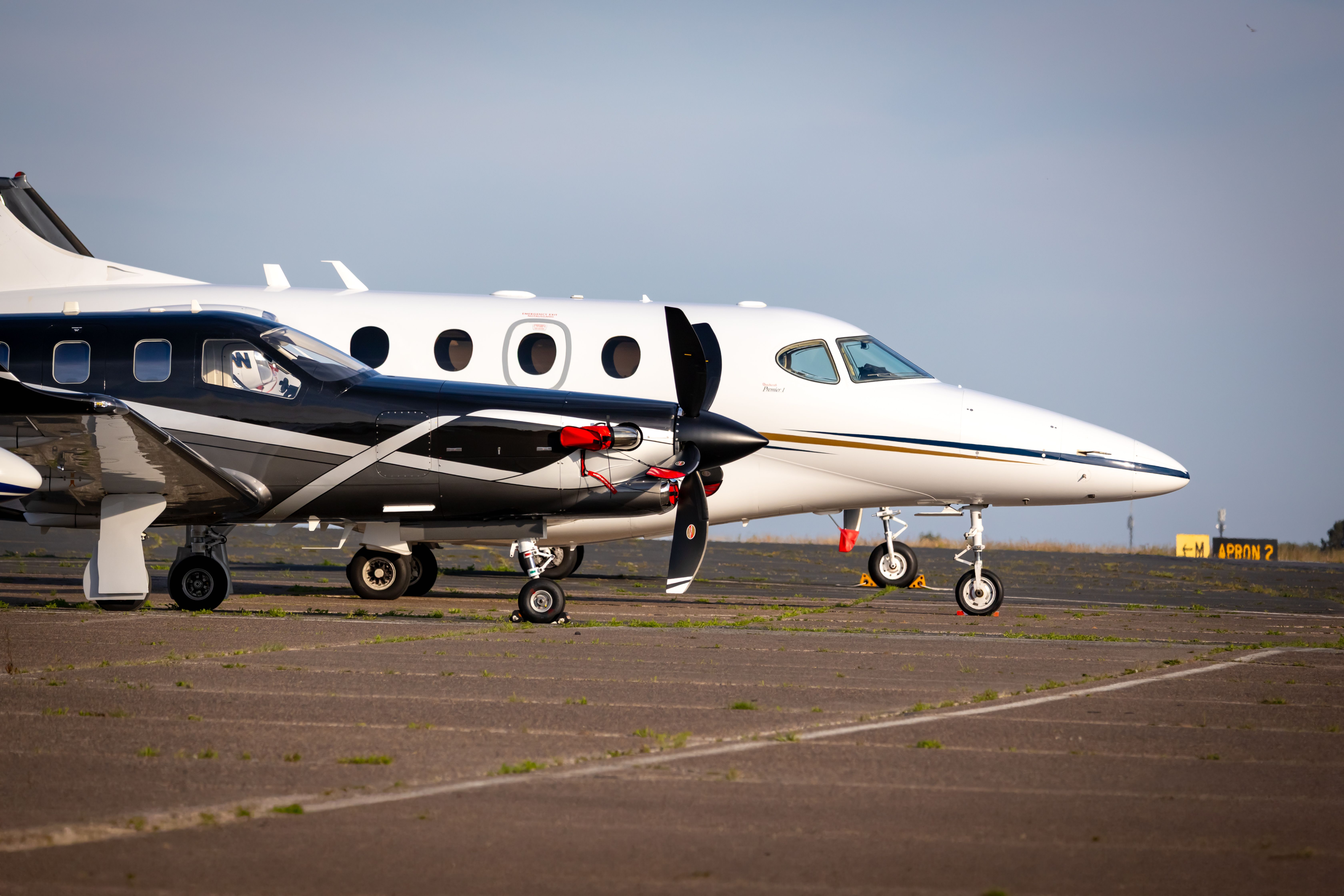
A private jet promises something money usually can't buy back: time. Skip the security lines, fly on your own schedule, and land closer to where you actually need to be. But the price of that freedom is where things get interesting.
The real private jet cost is rarely the number on the sticker. It is the slow drip of fuel, crew, hangar space, and upkeep that follows you long after the sale closes.
Some owners spend more money keeping a jet parked than a family spends flying commercial for ten years.
The plane itself is the easy part to price. Everything that happens after takeoff is where the math gets wild.
Key Takeaways
A private jet costs anywhere from around $2 million for an older light jet to well over $100 million for a brand-new, ultra-long-range model. But buying the plane is only the beginning. Owners usually spend somewhere between several hundred thousand and a few million dollars each year to keep one flying, once fuel, crew, insurance, and maintenance are added up. How much you really pay comes down to the size of the jet, how often you fly, and how you choose to get in the air.
| Cost Area | What to Expect |
| Purchase price (new) | Roughly $3 million (very light jets) to $80 million+ (ultra-long-range) |
| Purchase price (pre-owned) | Often 20% to 50% below the new price |
| Annual ownership cost | Commonly $500,000 to $1.5 million or more |
| Fuel per flight hour | Around $1,500 to $4,000, depending on jet size |
| Charter rate per hour | About $2,000 (light) to $14,000+ (ultra-long-range) |
| Break-even point for owning | Generally around 150 to 200+ flight hours a year |
Flying411 brings buyers, sellers, and aviation professionals together in one place, so you can see what aircraft really cost before you ever make an offer.
Why the Sticker Price Tells You Almost Nothing
When people ask what a private jet costs, they usually picture one big number. The truth is friendlier and stranger than that. The purchase price is just the entry fee. It gets you the keys. It does not get you off the ground.
Think of buying a jet like buying a racehorse. The animal has a price. But the stable, the feed, the vet, and the trainer never stop charging you. A jet works the same way. The aircraft sits at the center, and a whole web of costs orbits around it for as long as you own it.
Good to Know: Industry folks often say the purchase is the cheapest part of owning a jet. Over a typical decade of flying, the running costs can add up to more than the plane itself cost in the first place.
This is why two people can buy the exact same jet and end up with wildly different bills. One flies 50 hours a year and keeps things simple. The other flies 400 hours, hops between countries, and staffs a full-time crew. Same plane. Very different reality.
So let's look at the two big buckets every owner pays into: what it costs to buy, and what it costs to keep.
How Much a Private Jet Costs to Buy
The buying price depends almost entirely on size and range. Bigger cabins and longer legs mean bigger price tags. Aviation sorts jets into rough classes, and each one sits in its own price band.
Here is a general picture of new aircraft pricing. Treat these as ballpark ranges, since options, custom interiors, and demand can push any number around.
| Jet Class | Typical Passengers | Rough New Price |
| Very light jet | 4 to 5 | About $3 million to $7 million |
| Light jet | 5 to 7 | About $8 million to $16 million |
| Midsize jet | 7 to 9 | About $16 million to $25 million |
| Super-midsize jet | 8 to 10 | About $26 million to $38 million |
| Large / heavy jet | 10 to 16 | About $40 million to $62 million |
| Ultra-long-range jet | 12 to 19 | About $65 million to $80 million+ |
A few custom, palace-in-the-sky builds have reportedly climbed well past $100 million, though those are rare and far from the norm. For most buyers, the choice lands somewhere in the light-to-midsize range, where the balance of cost and capability makes the most sense.
If you want a feel for which models people actually choose, this roundup of private planes worth owning is a useful starting point. Families and small groups often look closely at six-seat cabins, which hit a sweet spot of comfort and price.
Fun Fact: The most budget-friendly jets on the market start in the low millions. A popular single-engine model has been quoted at roughly $3.6 million new, which is a fraction of what a heavy jet commands.
New Versus Pre-Owned: A Big Fork in the Road
One of the biggest choices a buyer faces is new versus used. The gap matters a lot for your wallet.
A brand-new jet gives you the latest avionics, the freshest cabin, and a clean maintenance history. It also takes the hardest hit on value. A new jet can lose a noticeable chunk of its resale value in the first year alone, and a meaningful amount over the first five years.
A pre-owned jet flips that math. Buying used can mean paying 20% to 50% less than the new price for a well-kept aircraft. The trade-off is that older planes may need upgrades, repairs, or avionics work down the road. Many smart buyers see a lightly used jet as the more sensible play, since someone else already absorbed the steepest drop in value.
Heads Up: Depreciation is the quiet giant of jet costs. A high-end model can shed millions in value over a few years, flown or not. Buying used lets you sidestep the worst of that early drop.
Before you sign anything on a used jet, a pre-purchase inspection is non-negotiable. It is a deep mechanical review that can catch expensive surprises hiding in the logbooks.
Pro Tip: Always budget for a thorough pre-purchase inspection on any used jet. The cost is small next to the repair bills it can save you from later.
Breaking Down the Real Private Jet Cost: 8 Expenses to Budget For
Here is where the full picture comes together. Owning a jet means paying for a long list of things, and the private jet operating costs are the part that catches new owners off guard. Below are the eight expenses that shape what you actually pay year after year.
1. The purchase price. This is the upfront cost of the aircraft itself, new or used. It is the one number everyone talks about, and the one that matters least once you are flying. Think of it as the down payment on a lifestyle, not the full bill.
2. Fuel. Jet-A fuel is one of the biggest variable costs, and it scales with how much you fly. Fuel can run anywhere from roughly $1,500 to $4,000 per flight hour, depending on the size of the jet. A large jet can burn through hundreds of gallons an hour, so heavy flyers feel this one hard.
3. Crew salaries. A jet needs trained pilots, and bigger jets often carry a flight attendant too. For a heavy jet, a captain's full pay can land in the low-to-mid six figures a year, with a first officer adding more on top. These are fixed costs. You pay them even when the jet never leaves the hangar.
4. Hangar and parking. Your jet needs a home. Hangar space at busy airports can cost a lot, with annual fees climbing into the six figures at premium locations. Park outside instead, and you trade money for weather wear on the aircraft.
5. Insurance. Coverage protects the aircraft and shields you from liability. Annual premiums vary widely based on the jet's value, your flying experience, and how the plane is used. For a larger jet, insurance can run well into the six figures each year.
6. Maintenance. Jets follow strict, scheduled upkeep. Some checks are routine. Others, like major engine overhauls, arrive on a timeline and cost serious money when they do. Maintenance is part predictable and part surprise, and it never truly stops.
7. Management fees. Many owners hire a management company to handle crew, scheduling, maintenance tracking, and paperwork. This convenience comes with its own annual fee, often in the tens of thousands or more for larger operations.
8. Depreciation. This one is invisible until you sell. Every year, the jet's market value shifts, and most of the time it drops. Depreciation does not show up as a bill, but it is very real money, and for newer jets it can be one of the largest costs of all.
Why It Matters: Add these eight together and the yearly annual ownership costs for a properly run jet commonly land between several hundred thousand and well over a million dollars. The flying is only one slice of that pie.
Fixed Costs Versus Variable Costs
There is a simple way to think about all of this. Jet expenses split into two types: fixed and variable.
Fixed costs are what you pay no matter what. Crew salaries, insurance, hangar fees, and management charges all keep ticking even if the jet sits still for a month. These are the costs of simply owning the asset.
Variable costs rise and fall with your flying. Fuel, landing fees, catering, and hourly maintenance reserves only grow when you actually fly. The more hours you log, the bigger this bucket gets.
This split explains a lot. An owner who flies rarely still pays heavy fixed costs, which makes each trip feel expensive. An owner who flies constantly spreads those fixed costs across many trips, so each flight feels more reasonable. The jet rewards people who use it.
Flying411 also connects owners with certified A&P mechanics, avionics specialists, and maintenance providers, so the upkeep side of ownership has fewer guessing games.
What Owning a Private Jet Costs Per Hour
A useful way to compare jets is cost per flight hour. This rolls fuel, maintenance, crew, and other running costs into one number for each hour in the air. It helps you see the true price of a trip.
Here is a general look at hourly operating costs by class.
| Jet Class | Rough Operating Cost Per Hour |
| Very light jet | About $1,800 to $2,500 |
| Light jet | About $2,800 to $4,200 |
| Midsize jet | About $3,800 to $5,500 |
| Super-midsize jet | About $5,000 to $7,000 |
| Large / heavy jet | About $6,500 to $9,500 |
| Ultra-long-range jet | About $8,500 to $12,500 |
These numbers do not include depreciation or your big fixed costs like a full-time crew. They simply show what each hour of flying tends to cost in direct expenses. Stack a full year of flying on top of the fixed bills, and the total comes into focus.
You Don't Have to Buy a Jet to Fly Private
Here is the part most people skip past. Full ownership is only one way into a private cabin, and for many flyers it is not the smartest one. There are three popular alternatives, and each fits a different flying habit.
On-Demand Charter
Charter is the pay-as-you-go option. You book a jet for a single trip and pay an hourly rate. No ownership, no long-term commitment, no depreciation to worry about. The private jet charter cost generally runs from around $2,000 per hour for a light jet up to $14,000 or more for an ultra-long-range jet.
Most operators set a daily minimum of about two flight hours, so even a short hop usually starts in the several-thousand-dollar range. Charter shines for people who fly only now and then.
Quick Tip: If you fly fewer than about 25 hours a year, on-demand charter is almost always the cheaper, simpler choice. You skip every fixed cost and only pay when you actually fly.
Jet Cards
A jet card works like a prepaid phone plan for flying. You buy a block of hours up front, often in chunks of 25, at a fixed hourly rate. The rate usually covers crew and basic catering, which makes budgeting easy.
Jet cards remove the resale risk, monthly management fees, and multi-year contracts that come with deeper commitments. They tend to fit flyers logging roughly 25 to 75 hours a year who want predictable pricing and guaranteed access without owning anything.
Fractional Ownership
Fractional ownership sits between chartering and full ownership. You buy a share of a specific jet, and that share entitles you to a set number of hours each year. A common 1/16 share often equals around 50 flight hours annually.
You get an owned asset, priority access, and consistency in the aircraft you fly. You also take on an upfront cost, monthly management fees, and hourly operating charges. Fractional tends to make sense for people flying somewhere around 50 to 200 hours a year.
Here is how the four paths compare at a glance.
| Access Model | Best For (Hours/Year) | Upfront Cost | Commitment |
| On-demand charter | Under ~25 | None | None |
| Jet card | ~25 to 75 | Prepaid block | Low |
| Fractional ownership | ~50 to 200 | Share purchase | Medium (often 5 years) |
| Full ownership | 200+ | Full aircraft | High |
So When Does Buying Actually Make Sense?
This is the question every serious buyer circles back to. The honest answer comes down to flight hours.
The industry leans on a rough crossover point. Below roughly 150 hours a year, chartering or a jet card usually wins on pure cost. Above that, and especially past 200 hours, full ownership or fractional starts to pay off, because you spread those heavy fixed costs across enough trips to justify them.
Why It Matters: The single biggest factor in whether owning makes sense is not your net worth. It is how many hours you genuinely fly. Count the hours you actually flew last year, not the hours you imagine you will.
Owning also brings perks that money alone does not capture. Total control over your schedule. The same familiar cabin every time. The ability to leave on short notice without checking availability. For very frequent flyers, that control can be worth the premium even when the spreadsheet is close.
For high flyers chasing the top end, the biggest private jets and the fastest private jets show just how far the price ceiling can stretch when range, speed, and cabin size all climb together.
Ready to see real numbers on real aircraft? Browse current jet, turboprop, and helicopter listings on Flying411 and compare what fits your mission and your budget.
How a Private Jet Compares to Commercial
It helps to zoom out. Even the priciest first-class commercial seat costs a sliver of what private flying runs. The world's largest passenger jets move hundreds of people at once, which spreads the cost thin across every traveler.
A private jet flips that model. You are paying to move a handful of people, or sometimes just yourself, with the whole aircraft dedicated to your trip. You are buying time, privacy, and flexibility, and those things carry a steep price per passenger. Most of the commercial airliners that fill the skies exist precisely because shared flying is so much cheaper.
The trade is simple. Commercial saves money. Private saves time. Which one wins depends entirely on how much your time is worth and how often you need that flexibility.
Other Aircraft, Other Price Tags
Private jets sit at the high end of a much wider world of aircraft, and not every flying machine costs millions. For buyers thinking beyond jets, the range of options is huge.
Smaller propeller aircraft offer a far gentler entry point. Rugged bush planes built for remote landings can cost a tiny fraction of a jet. Pilots who need to haul gear often look at single-engine workhorses known for their useful load. Step up to twin-engine planes and you gain speed and redundancy without jumping to jet prices.
At the other extreme, large airframes from major builders show how high costs can climb. Browsing Boeing's jet lineup makes it clear that aviation costs scale almost without limit once size enters the picture.
Keep in Mind: The "right" aircraft is the one that matches how you actually fly. A modest turboprop can outperform a flashy jet for short regional hops, and it costs far less to run.
The Strange and Wonderful Edges of Aviation
Cost is only one slice of what makes aviation fascinating. The sky is full of machines that push every limit, and they put the price of a private jet into a wider context.
Some specialized aircraft fly straight into hurricanes to gather storm data. A rare few can climb high enough to reach the edge of space. Stunt and aerobatic planes are built to fly upside down without missing a beat. And the sobering history of aviation's worst disasters is a reminder of why so much of that jet cost goes toward training, maintenance, and safety.
All of that engineering, in some form, trickles down into the jets people buy. Safety, reliability, and performance are expensive to build and expensive to maintain. That cost is baked into every flight.
Conclusion
The real private jet cost is a moving target. The purchase price is just the doorway. Behind it sits a steady stream of fuel, crew, hangar, insurance, maintenance, and the quiet bite of depreciation. For some owners that adds up to a few hundred thousand dollars a year. For others it runs into the millions. The deciding factor is almost always how often you fly, not how much the plane stickered for.
If you fly rarely, charter or a jet card will likely serve you better and cheaper. If you fly often, ownership starts to earn its keep. Either way, going in with clear eyes on the full cost is what separates a smart purchase from an expensive surprise.
Whether you're pricing your first turboprop or hunting for a heavy jet, Flying411 puts aircraft, engines, parts, and trusted aviation pros in one place, so the only thing left to figure out is where you want to fly.
Frequently Asked Questions
How much does the cheapest private jet cost?
Entry-level very light jets and single-engine jets generally start in the low millions, with some new models quoted around $3 million to $4 million. Older pre-owned light jets can sometimes be found for even less.
Is it cheaper to charter or own a private jet?
For most people who fly fewer than about 150 hours a year, chartering or a jet card works out cheaper, since you skip the heavy fixed costs. Owning tends to pay off only once you fly often enough to spread those costs across many trips.
How much does it cost to fuel a private jet?
Fuel can run roughly $1,500 to $4,000 per flight hour, depending on the size of the jet and current Jet-A prices. Larger jets burn far more fuel, so heavy flyers feel this cost the most.
Do private jets lose value over time?
Yes, most private jets depreciate, and newer models often lose the largest share of their value in the first few years. Buying a lightly used jet is one way to avoid the steepest part of that early drop.
How many people does it take to fly a private jet?
Most jets need at least two pilots, a captain and a first officer, and larger cabins often add a flight attendant. Crew salaries are a fixed cost you pay whether or not the jet flies.