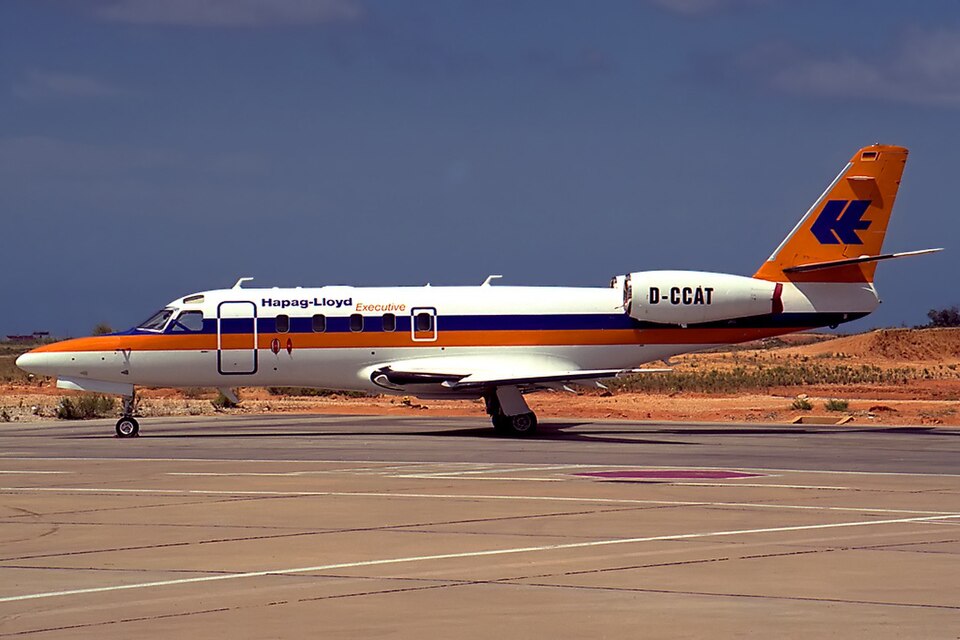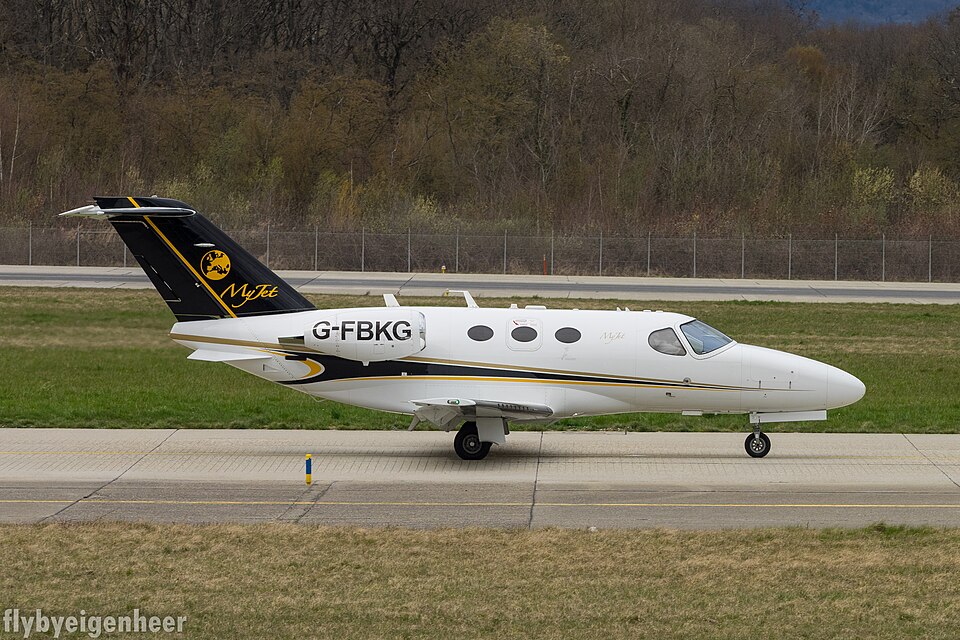
Small jet planes pack a lot of capability into a compact frame. They can carry you from one city to another in a couple of hours, slip into little airports that big airliners skip, and do it all with a single pilot up front.
For a long time, owning a jet felt like something only large companies could manage. That picture has changed in a big way.
Today, a first-time buyer can step into a sleek aircraft without needing a full flight crew or a giant hangar. These planes mix speed, comfort, and surprising fuel efficiency into a package that fits real budgets better than most people guess.
They have opened private flying to pilots and families who once thought a jet was out of reach.
The surprising part is how much real airplane hides inside something this small.
Key Takeaways
Small jet planes are compact, jet-powered aircraft that carry roughly four to ten people on short and medium trips, and many can be flown by one pilot. They sit between fast turboprops and full-size business jets, offering jet speed and cabin comfort at a lower cost to buy and run. Buyers pick them for quick regional travel, access to small airports, and a smooth step into jet ownership.
| Question | Quick Answer |
| What are they? | Compact jet aircraft for short to medium trips |
| Main types | Very light jets and light jets |
| Typical seats | About 4 to 10 people, including the pilot |
| Typical range | Around 1,000 to 2,500 nautical miles |
| Cruise speed | Roughly 400 to 460 knots |
| Crew needed | Often a single qualified pilot |
| Rough new price | Low single-digit to low double-digit millions |
| Best for | Regional travel, small-airport access, first-time jet owners |
At Flying411, you can browse new and used small jets side by side, which makes it simple to see how different models stack up before you ever reach for the phone.
What Counts as a Small Jet Plane
A small jet plane is a jet-powered aircraft built for a handful of passengers rather than a full cabin of travelers. Most seat between four and ten people. Many are light enough to take off and land on short runways, and a good number can be flown by one pilot who holds the right training.
These aircraft fill the gap between propeller planes and the larger jets you might picture parked outside a corporate headquarters. They are quick, comfortable, and far easier to own than a big airliner. If you want the bigger picture of how they fit among other small planes, it helps to look at the wider range of small aircraft categories first.
Small jets usually break down into two main groups. Knowing the difference makes everything else easier to follow.
Good to Know: The industry once called the smallest of these aircraft "microjets." Today you will more often hear the friendlier terms "personal jet" or "entry-level jet," especially for the single-pilot models aimed at owner-flyers.
Very Light Jets vs Light Jets
The two big buckets are very light jets and light jets. They share a lot, but a few key things set them apart.
Very light jets (often shortened to VLJs) are the smallest jets you can buy. They tend to weigh under about 12,500 pounds, seat roughly four to seven people, and fly somewhere around 1,000 to 1,500 nautical miles on a tank. They are built for short hops and are almost always certified for single-pilot operation. Popular names here include the Cirrus Vision Jet, the Embraer Phenom 100EV, and the HondaJet.
Light jets step up in size, range, and cabin room. They usually carry six to eight passengers and can fly farther, often in the range of 1,800 to 2,500 nautical miles. Many offer a stand-up or near stand-up cabin, which makes longer trips more pleasant. The Embraer Phenom 300E, the Cessna Citation CJ series, and the Pilatus PC-24 live in this group.
Here is a simple side-by-side look:
| Feature | Very Light Jets | Light Jets |
| Typical seats | 4 to 7 | 6 to 8 |
| Typical range | ~1,000 to 1,500 nm | ~1,800 to 2,500 nm |
| Cabin | Compact, sit-down | Larger, sometimes stand-up |
| Crew | Usually single pilot | Often single pilot |
| New price (rough) | Low single-digit millions | High single-digit to low double-digit millions |
How Small Jets Differ From Turboprops and Pistons
It helps to see where jets sit next to the planes just below them. A piston plane uses an engine much like the one in a car, turning a propeller. A turboprop uses a jet-style engine to spin a propeller, which gives more speed and altitude. A jet skips the propeller and pushes air straight out the back.
That difference shows up in the air. Jets generally cruise faster and climb higher than turboprops, often above the rough weather. A buyer stepping up from a strong single-engine plane, such as one of the high payload single-engine models, will feel the jump in speed and smoothness right away.
The trade-off is cost. Jets burn more fuel and ask more from your wallet at every step. For many owners, the comfort and speed are worth it. For others, a fast turboprop does the job for less.
Why It Matters: When a jet is approved for single-pilot operation, the owner can legally fly it without hiring a second pilot. That one rule removes a major cost and is a big reason small jets have become so popular with owner-flyers.
How Small Jets Work and What Makes Them Special
Small jets feel high-tech because they are. Behind the sleek shells sit modern engines, smart screens, and safety tools that were science fiction a generation ago.
Most run on one or two turbofan engines. A turbofan pulls in air, squeezes it, adds fuel, and lights it to make thrust. The result is steady power that works best up high, where the air is thin and the plane can fly fast and efficient. That is why small jets often cruise near 41,000 feet, well above many storms.
The cockpit is where these planes really shine. Many use glass cockpits, which means big touchscreen displays instead of rows of dials. Systems like the Garmin G3000 suite show maps, weather, traffic, and engine data in one clean view. This setup lowers the pilot's workload and is part of why one person can safely handle the aircraft.
Safety tech has come a long way too. A few standout features include:
- Autoland systems that can land the plane on their own if the pilot becomes unable to fly. Some models pair this with a button a passenger can press in an emergency.
- Synthetic vision, which paints a clear picture of the terrain and runway on screen, even in clouds or at night.
- Whole-airframe parachutes on certain single-engine jets, which can lower the entire plane to the ground under a giant canopy.
Fun Fact: The single-engine Cirrus Vision Jet is widely known for carrying a built-in parachute system designed to bring the whole aircraft down safely in a serious emergency. It is a feature that helped open jet ownership to pilots who wanted an extra layer of backup.
Range is the one area where buyers should keep expectations grounded. The numbers a brochure lists are best-case figures. Real trips often come up shorter once you add passengers, bags, headwinds, and weather. That is normal across the industry, not a flaw in any one plane.
Heads Up: Advertised range usually assumes light load and ideal conditions. Plan your real trips with a comfortable buffer, since a full cabin and a strong headwind can trim the distance you can fly without a fuel stop.
Popular Small Jet Planes Worth Knowing
There is no single best aircraft here. The right small jet plane depends on your budget, your typical trip, and how many people you bring along. Still, a handful of models show up again and again, and they make a great starting list. Below are eight worth knowing, moving from the smallest very light jets up into the light jet class.
- Cirrus Vision Jet (SF50): This is the only single-engine personal jet of its kind in regular production, and it has become a favorite for owner-pilots stepping up from a propeller plane. It seats up to about five adults, including the pilot, and flies roughly 1,200 nautical miles. Its parachute system and easy handling make it one of the friendliest doors into true jet ownership.
- Embraer Phenom 100EV: A twin-engine very light jet from Brazil's Embraer, the Phenom 100EV carries around four to six passengers with a single pilot. It pairs a modern Garmin flight deck with a comfortable cabin and a reputation for solid build quality. Many owners like it for short business hops and weekend trips.
- HondaJet Elite II: Honda's small jet stands out thanks to its engines, which sit on pylons above the wings instead of on the rear fuselage. This unusual design helps free up cabin and baggage room while keeping the inside quiet. It offers modern avionics and strong fuel efficiency for its class.
- Cessna Citation M2: The M2 is part of the long-running Citation family and serves as a natural follow-on to the older Citation Mustang. It carries up to about six passengers, cruises around 400 knots, and is known for being approachable for newer jet pilots. Cessna's wide support network is a real plus for owners.
- Eclipse 550: This compact twin-engine jet earned attention for being light on fuel for its size. It seats up to around five or six and is built for short, efficient trips. Its production history has been bumpy over the years, so most buyers shop the used market for one.
- Embraer Phenom 300E: Step up into the light jet class and the Phenom 300E is hard to ignore. It has been among the best-selling light jets for many years running. It seats up to seven or more, flies around 2,000 nautical miles, and brings real speed near 460 knots. For buyers comparing it against the field of leading private jets, it sets a high bar.
- Cessna Citation CJ3+ and CJ4: These light jets offer a roomier cabin, longer legs, and seating for up to eight or so. The CJ4 reaches farther than most in its class, while the CJ3+ balances range and short-field ability nicely. Both carry advanced avionics and a loyal owner base.
- Pilatus PC-24: Pilatus calls the PC-24 a "Super Versatile Jet," and the nickname fits. It can land on short, rough, and even unpaved strips, a trick borrowed from the world of rugged bush planes. It pairs jet speed with a large, flexible cabin, which is why air ambulance and remote-area operators love it.
If you want broader context on the high end of this world, it is worth seeing how these models compare against the biggest private jets, the fastest private jets, and the longest-range private jets. The contrast shows just how much small jets deliver for their size.
Pro Tip: When comparing models, look past the headline speed number. A jet that climbs faster, burns less fuel, and fits your real trip length will often beat a flashier rival on the missions you actually fly.
It is worth a quick smile to note how wide the world of aviation runs. Beyond these everyday travelers, there are specialized planes built to fly through hurricanes, aircraft designed to reach the edge of space, and aerobatic machines made to fly upside down. Small jets sit in a much calmer, friendlier corner of that same sky.
What Small Jet Planes Cost
Cost is usually the first real question, and the honest answer is that it depends. Price spans a wide range based on the model, its age, and how it is equipped. Still, some general guideposts help.
New very light jets often start in the low single-digit millions. New light jets tend to land in the high single-digit to low double-digit millions. Used examples can cost far less, which is one reason the pre-owned market is so active. A three to five year old jet can offer most of the capability of a new one at a real discount.
But the sticker price is only the start. Owning a jet means paying for fuel, maintenance, insurance, hangar space, training, and more. Many owners of small jets spend somewhere in the low-to-mid six figures per year once everything is added up, especially if they fly a few hundred hours. For a full breakdown of the numbers, the deep dive on private jet ownership costs is a useful read.
Here is a rough picture of where the money goes each year:
- Fuel: Often the single biggest variable cost, tied directly to how much you fly.
- Maintenance: Scheduled inspections, parts, and the occasional surprise repair.
- Insurance: Based on the aircraft value, your experience, and how it is used.
- Storage: Hangar or tie-down fees to keep the plane safe and out of the weather.
- Training: Recurrent training to keep your type rating current and your skills sharp.
Good to Know: One reason small jets appeal to budget-minded buyers is efficiency. Compared with larger business jets, they tend to burn less fuel and need less crew, which keeps the yearly bills smaller even though they still fly like jets.
Should You Buy or Charter?
Not everyone who wants jet travel should buy one. The math changes a lot based on how often you fly.
If you only need a jet a handful of times a year, chartering is usually the smarter move. You pay by the trip and skip the fixed costs of ownership. If you fly often, ownership starts to make sense, since the cost per trip drops the more you use the plane.
A simple way to think about it:
| You fly... | Often the better fit |
| A few times a year | Charter |
| Once or twice a month | Charter or fractional share |
| Very often, dozens of trips | Full ownership |
Plenty of buyers also start by browsing private planes worth owning to get a feel for the market before deciding. There is no shame in test-driving the idea on paper first.
Need to keep one flying? Flying411 connects owners with certified A&P mechanics, avionics specialists, and MRO providers who handle the upkeep that small jets need.
Who Flies Small Jet Planes
Small jets attract a wider crowd than you might expect. They are not only for the ultra-wealthy. The people behind the controls and in the seats come from many walks of life.
Common groups include:
- Owner-pilots who fly themselves, often stepping up from a high-performance piston or turboprop.
- Small business owners who need to reach several cities in a single day without depending on airline schedules.
- Families who want quick, private getaways to places big airlines do not serve well.
- Charter operators who fly paying passengers on demand, filling routes the airlines ignore.
- Medical and emergency teams, especially with rugged jets like the PC-24 that double as air ambulances.
The shared thread is time. These travelers value getting where they need to go on their own clock, landing closer to their real destination. A small jet can reach thousands of regional airports that never see a commercial flight.
For travelers focused on moving people rather than flying themselves, it is worth knowing how small jets compare with the best small passenger planes. And for those who move freight, there is a whole world of small cargo planes built for the same kind of short-hop flexibility.
Keep in Mind: Buying used is popular and smart, but it calls for homework. A thorough pre-purchase inspection by a trusted mechanic can catch costly issues before they become your problem, and it often pays for itself many times over.
Pros and Cons of Small Jet Planes
No aircraft is perfect for every job. Small jets shine in some areas and ask for compromise in others. Weighing both sides helps you set the right expectations.
The upsides:
- Speed with comfort. You get jet cruise speeds in a cabin that feels private and calm.
- Small-airport access. Short runway needs open up thousands of airports closer to your destination.
- Lower running costs. Compared with big business jets, they are easier on fuel and crew.
- Single-pilot friendly. Many can be flown by one trained pilot, cutting cost and complexity.
- Strong used market. A healthy supply of pre-owned aircraft gives buyers real choice and value.
The trade-offs:
- Limited range. Most cannot cross an ocean nonstop, so long trips may need a fuel stop.
- Smaller cabins. Space is tighter than in midsize or large jets, especially for tall passengers.
- Less baggage room. Packing for a big group can get tricky on the smallest models.
- Weather limits. Lighter aircraft can be more affected by strong winds and turbulence than heavy jets.
To see the far end of the spectrum, it is striking to compare these compact jets with the largest airliners or the well-known lineup of big Boeing jets. Those giants and these small jets solve very different problems, even though they share the same sky as everyday commercial airliners.
It is also fair to mention safety, since it sits on many buyers' minds. Modern small jets carry advanced systems built to lower risk, and the broader push for safety has helped the industry learn hard lessons over the decades, including from past aviation accidents. Today's avionics, training, and backup systems reflect that progress.
Ready to start your search? Browse the small jet listings on Flying411 and set up alerts so the right aircraft can find its way to you.
How to Choose the Right Small Jet
Picking the right plane comes down to matching the aircraft to your real life, not to a wish list. A few clear questions point most buyers in the right direction.
Start with these:
- How far do you usually fly? Map your most common trips. If they fit inside 1,000 miles, a very light jet may be plenty.
- How many people travel with you? Count not just average groups but your biggest ones. Seating limits matter.
- Will you fly it yourself? Single-pilot models save money but ask more of you as a pilot.
- What airports do you use? Short or remote strips may steer you toward a rugged model.
- What is your full budget? Include the purchase plus a realistic yearly operating figure, not just the price tag.
Once you answer those, the field narrows fast. A family flying short regional trips has very different needs from a charter operator chasing range. Models built for six-passenger trips suit some buyers, while those wanting a step into twin-engine jets for extra redundancy lean another way.
Quick Tip: Bring an aviation-savvy advisor or experienced mechanic into your search early. A second set of eyes on a listing, a logbook, or a price can save you from a deal that looks great but hides trouble.
The smartest buyers take their time, compare a few models head to head, and lean on real data instead of hype. The good news is that today's market gives you plenty of choices across every size, budget, and mission.
Conclusion
Small jet planes have quietly reshaped what private flying looks like. They bring jet speed, real comfort, and small-airport freedom to buyers who once thought a jet was forever out of reach. From the parachute-equipped Cirrus Vision Jet to the rugged Pilatus PC-24, there is a model to fit almost every mission, group size, and budget.
The key is to match the aircraft to your real trips, plan honestly for the cost of owning it, and lean on solid information at every step. Do that, and a small jet stops being a daydream and becomes a practical tool that gives you back the one thing you can never buy more of: time.
When you are ready to compare models, check prices, or connect with trusted aviation pros, start your search at Flying411 and let the right small jet come to you.
Frequently Asked Questions
Do small jet planes have bathrooms?
Some do and some do not, depending on the model and how it is configured. Larger light jets often include a small lavatory, while the tiniest very light jets may offer only a basic or curtained option to save space.
How fast is a small jet compared to a commercial flight?
Many small jets cruise around 400 to 460 knots, which is in the same ballpark as a commercial airliner's typical speed. The real time savings come from skipping crowds and lines and flying directly to smaller airports closer to your destination.
Can a small jet plane fly across the Atlantic?
Most small jets are not built for a nonstop ocean crossing, since their range usually tops out around 2,500 nautical miles. A transatlantic trip is often possible with one or more planned fuel stops along the way.
What kind of license do you need to fly one?
You generally need at least a private pilot certificate with an instrument rating, plus a specific type rating for the jet you intend to fly. Insurance companies usually require recurrent training as well, so flying a jet is an ongoing commitment, not a one-time test.
How long does it take to learn to fly a small jet?
Earning the type rating for a small jet often takes a few weeks of focused training for a pilot who already has solid experience and an instrument rating. Building up to that point from scratch, however, takes far longer and many flight hours.