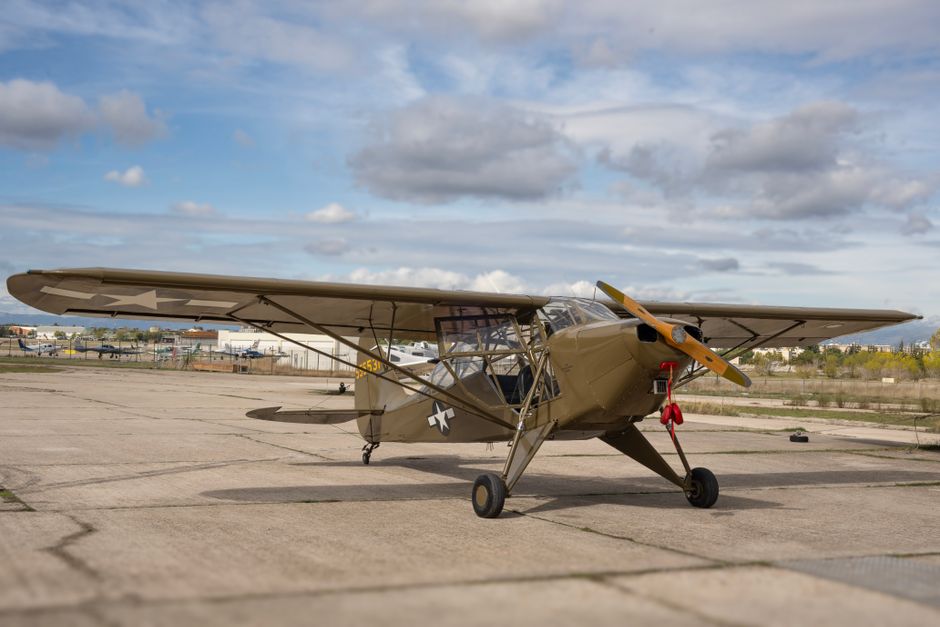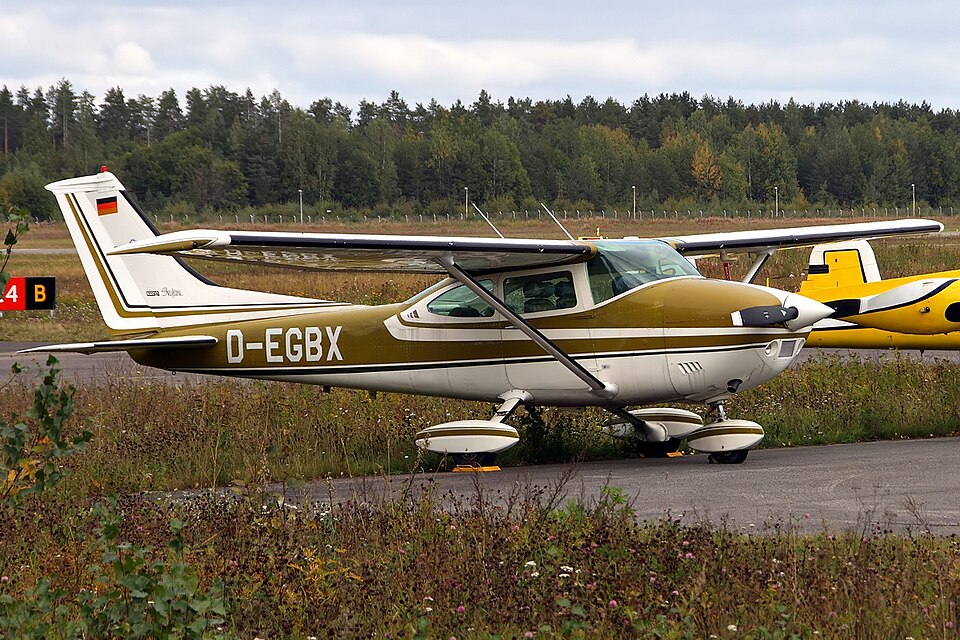
A small single engine plane is one of the simplest ways to leave the ground and go almost anywhere. One engine. One propeller. A handful of seats.
That basic recipe has carried student pilots, weekend flyers, and backcountry adventurers for generations. These little aircraft fill more training ramps and small-town hangars than any other kind of plane in the sky.
Part of the appeal is how approachable they feel. You do not need a huge budget or a full flight crew to fly one. Many people learn to fly in these planes, fall in love with the freedom, and never look back. Others use them to hop between small airports, visit family, or reach places no airline will ever serve.
One of the most-built aircraft in history is not a fighter or an airliner. It is a humble four-seat single that fits neatly inside a small hangar.
Key Takeaways
A small single engine plane is an aircraft powered by one engine turning one propeller, built to carry a few people on short trips, training flights, and fun. These planes stay popular because they are simpler to fly, cheaper to run, and easier to maintain than larger aircraft. Most seat two to six people and are used for learning to fly, personal travel, and recreation.
| Feature | What to Know |
| What it is | One engine, one propeller, usually 2 to 6 seats |
| Main uses | Training, personal trips, recreation, light cargo |
| Engine types | Piston (avgas) or turboprop (jet fuel) |
| Typical speed | Roughly 100 to 200 knots for most piston models |
| Used price range | Often tens of thousands up to several hundred thousand dollars |
| Yearly costs | Fuel, maintenance, insurance, hangar, and inspections |
| Best suited for | New pilots, hobby flyers, and short-distance travelers |
Flying411 is an online aviation marketplace where buyers and sellers connect over aircraft, engines, and parts, backed by a blog full of plain-language guides just like this one.
What Is a Small Single Engine Plane?
A small single engine plane is exactly what the name says. It has one engine, and that engine spins one propeller to pull or push the plane through the air. Most of these planes carry between two and six people. They are the everyday workhorses of general aviation, which simply means all the flying that happens outside of major airlines and the military.
These aircraft cover a wide mix of jobs. A flight school uses them to train new pilots. A family uses one to visit relatives a few states away. A rancher uses one to check fences from above. A skydiving club uses a bigger single to haul jumpers to altitude. The common thread is simplicity. One engine means one set of controls to manage, one fuel system to watch, and one less thing that can go wrong.
Good to Know: "Single engine" describes the power, not the size. A two-seat trainer and a roomy six-seat hauler can both be single engine planes. The seat count and the engine count are two separate things.
Small singles also tend to be forgiving. Many of them are designed to fly slowly and steadily, which is exactly what a brand-new pilot needs. They take off and land on shorter runways than big jets, so they can use thousands of small airports that airliners cannot touch. That reach is a big part of why people love them.
How a Single Engine Plane Works
The idea behind these planes is wonderfully simple. The engine turns the propeller. The spinning propeller pushes air backward, which pulls the plane forward. As the plane moves forward, air flows over the wings. The shape of the wing makes the air move faster over the top than the bottom, and that creates lift. Enough lift, and the plane rises.
Most small singles use one of two kinds of engines:
- Piston engines. These work a lot like a car engine, burning aviation gasoline (avgas) to drive pistons up and down. A piston aircraft is the most common and most affordable type of small single. Brands like Lycoming and Continental build most of these engines.
- Turboprop engines. These burn jet fuel and spin a turbine, which then spins the propeller. They are smoother, more powerful, and fly higher and faster, but they cost a lot more to buy and run.
The pilot controls the plane with a few key tools. The yoke or side stick tilts the nose up and down and rolls the wings left and right. The rudder pedals swing the tail. The throttle adds or cuts engine power. Put together, these let a pilot climb, turn, descend, and land with smooth, steady inputs.
Fun Fact: Some of the most popular small single engine designs have been in production, on and off, for well over half a century. A plane built decades ago can often share parts and know-how with a brand-new one rolling off the line today.
The Main Types of Small Single Engine Planes
Not all small singles are the same. They range from tiny two-seaters made for fun to powerful machines that move people and cargo with real purpose. Understanding the small plane categories makes it much easier to picture where each model fits. Here are the main groups you will run into.
Light Sport Aircraft
A light sport aircraft, or LSA, is a small, lightweight plane built for recreation and easy flying. These planes have weight limits and speed limits set by the rules, which keeps them simple. They often need a lighter pilot certificate to fly, which makes them a friendly entry point for hobby flyers. Some even land on water.
Two-Seat Trainers
These are the classic learning planes. They seat one student and one instructor side by side, and almost nothing else fits. They are cheap to rent, cheap to fuel, and very forgiving. Many pilots take their very first lessons in a small two-seat trainer.
Four-Seat Cruisers
This is the sweet spot for a lot of owners. A four-seat single can carry a small family or a few friends, hold some bags, and handle real cross-country flying over several hundred miles. These planes balance comfort, speed, and cost in a way that keeps them popular year after year.
High-Performance Singles
These planes trade simplicity for speed and reach. They often have stronger engines, retractable landing gear, and fancy cockpit screens. They cruise faster and climb higher, but they ask more of the pilot and cost more to maintain. Many owners move up to one of these after a few years of flying something simpler.
Single Engine Turboprops
A single engine turboprop sits at the top of the small single world. These planes use a jet-fuel turbine, fly higher and faster, and can carry more people and cargo. They are popular for business travel, air ambulance work, and short regional routes. The trade-off is a much higher price tag, both to buy and to keep flying.
Bush and Backcountry Planes
Some singles are built to land almost anywhere. With big tires, strong landing gear, and short-field talent, these rugged backcountry machines can drop into gravel bars, grass strips, and mountain meadows. Pilots love them for fishing trips, hunting camps, and reaching truly remote places.
Why It Matters: Picking the right type comes down to your mission. A weekend hobby flyer and a business traveler need very different planes. Matching the aircraft to how you will actually use it saves money and a lot of frustration later.
Popular Small Single Engine Planes Worth Knowing
Now for the fun part. There are many great single engine planes out there, but a handful show up again and again at airports around the world. These models earned their reputations through reliability, value, and easy ownership. Here are some of the most popular small single engine planes you are likely to meet.
- Cessna 172 Skyhawk. This is the plane most people picture when they think "small airplane." It is widely considered one of the most-produced aircraft ever built. It is steady, simple, and beloved by flight schools everywhere. If you take a first flying lesson, there is a strong chance it happens in a 172.
- Cessna 182 Skylane. Think of it as the 172's bigger sibling. It has a stronger engine, more speed, and the muscle to haul more weight. With a solid useful load, it can carry four adults and bags on a real trip, which makes it a favorite for families.
- Piper PA-28 Cherokee Family. This low-wing line includes names like the Cherokee, Archer, and Warrior. These planes are roomy, stable, and easy to fly, which has made them a flight school staple for decades. They go head to head with the Cessna singles for popularity.
- Cirrus SR22. This modern favorite is known for its sleek cabin, advanced cockpit screens, and a built-in parachute system that can lower the whole plane to the ground in an emergency. It is fast, comfortable, and very popular with owner-pilots who fly long trips.
- Diamond DA40. This plane has built a strong reputation for safety and fuel efficiency. Its modern design and big canopy give a great view, and many flight schools and private owners trust it for both training and travel.
- Beechcraft Bonanza. A true classic, the Bonanza has been flying since the 1940s and is still admired for its build quality, comfort, and resale value. It blends high performance with a refined cabin, which is why so many pilots dream of owning one.
- Mooney M20 Family. Mooneys are famous for being fast and efficient. Their slim, aerodynamic shape lets them cover ground quickly while sipping fuel, which appeals to pilots who want to go far without burning a fortune.
- Van's RV Series. These are popular kit planes that owners build themselves from parts. They are known for being light, sporty, and a joy to fly. Building one is a long project, but the payoff is a personalized plane and a deep sense of pride.
- Cessna 208 Caravan. Stepping into turboprop territory, the Caravan is a rugged single that hauls cargo, jumpers, and passengers from short and rough runways. It is a true workhorse for small operators around the globe.
Heads Up: Popularity is a great signal, but it does not mean a specific used plane is a good buy. Two planes of the same model can be worlds apart depending on engine hours, damage history, and how well they were cared for.
Browsing for one of these? Flying411 lists new and used single engine planes from makers like Cessna, Piper, Cirrus, Beechcraft, and more, all in one searchable marketplace.
Single Engine vs Twin Engine Planes
A common question for new buyers is simple. If one engine is good, are two engines better? The honest answer is that it depends on how and where you fly. Both setups have real strengths.
A single engine plane is cheaper to buy, cheaper to fuel, and cheaper to maintain. With one engine, there is half as much engine work to pay for. The trade-off is obvious. If that one engine quits, the pilot must glide down and land. Modern singles are very reliable, and good training prepares pilots for this, but the risk is real.
A twin engine plane adds a backup. If one engine fails, the other can keep the plane flying to a safe landing. This is comforting for pilots who fly at night, over water, or over rough terrain. The cost is steeper, though, since you now feed and maintain two engines instead of one. Stepping up to a solid twin engine plane is a big jump in both price and pilot workload.
| Factor | Single Engine | Twin Engine |
| Purchase cost | Lower | Higher |
| Fuel and upkeep | Lower | Higher |
| Engine-out backup | None | Yes, with training |
| Pilot workload | Simpler | More demanding |
| Best for | Training, hobby, short trips | Night, over-water, longer hauls |
For most first-time owners and new pilots, a single engine plane is the practical, sensible choice. The simpler systems and lower costs make flying far more accessible.
What It Costs to Own a Small Single Engine Plane
Cost is where dreams meet reality. Owning a plane is a real commitment, but small singles are the friendliest entry point in the aircraft world. The total cost breaks into two parts: the price to buy the plane and the price to keep it flying. For a closer look at the numbers, it helps to separate those two clearly.
The Purchase Price
What you pay up front depends heavily on the type, age, and condition of the plane. Here are general ranges to set expectations. These are soft estimates, since real prices shift with avionics, engine time, and the market.
- Used two-seat trainers. Older, simple trainers can sometimes be found in the tens of thousands of dollars.
- Used four-seat singles. A used Cessna 172, Piper Archer, or similar plane often falls somewhere from the low six figures up, depending on condition and equipment.
- New piston singles. A brand-new, well-equipped single like a Cirrus SR22 can climb well into the hundreds of thousands of dollars.
- Single engine turboprops. These sit in a different league entirely, often reaching into the millions.
The Ongoing Costs
Buying the plane is just the beginning. Every owner budgets for the costs of keeping it ready to fly. The main ones include:
- Fuel. Most small piston singles burn a modest amount of avgas per hour, so fuel cost scales with how much you fly.
- Maintenance and inspections. Aircraft need a yearly inspection by a certified mechanic, plus routine upkeep like oil changes and part replacements.
- Insurance. Premiums vary with the plane, the pilot's experience, and how the plane is used.
- Hangar or tie-down. Storing the plane outdoors costs less, while a hangar costs more but protects your investment.
- Engine reserve. Smart owners set money aside for the big day when the engine needs an overhaul.
Pro Tip: Before you buy any used plane, pay an independent mechanic for a pre-purchase inspection. It usually costs a small fraction of the plane's price, and it can save you from a very expensive surprise hiding in the logbooks.
A helpful way to think about it: the sticker price gets you in the door, but the yearly costs decide if the plane stays a joy or becomes a burden. Honest budgeting up front keeps flying fun.
Who Flies Small Single Engine Planes?
These planes attract a wide and friendly crowd. Their low cost and simple handling open the door to all kinds of pilots and missions. You will find them flown by:
- Student pilots, who use them for flight training because they are forgiving and affordable.
- Hobby flyers, who love the freedom of a weekend flight just for the fun of it.
- Families and personal travelers, who use a four-seater to visit relatives or reach a vacation spot.
- Business owners, who skip the airline hassle for short trips between regional airports.
- Bush and backcountry pilots, who chase remote fishing, hunting, and camping spots.
- Working operators, such as skydiving clubs, pipeline patrols, and small cargo runs.
The beauty of small singles is that the same basic kind of plane can serve a teenager's first lesson and a seasoned owner's hundredth cross-country. That range is rare in any machine.
Quick Tip: If you are not ready to buy, many flight schools and flying clubs rent these planes by the hour. Renting is a smart way to build hours and figure out what kind of flying you actually enjoy before you commit.
Pros and Cons of Small Single Engine Planes
No plane is perfect for everyone. Small singles shine in many ways, but they have honest limits too. Here is a balanced look at both sides.
The upsides:
- Lower cost to buy, fuel, and maintain than bigger or twin engine planes.
- Simpler systems, which means easier flying and cheaper upkeep.
- Short-runway ability, opening up thousands of small airports.
- Great for learning, since most are stable and forgiving.
- Strong resale, as well-kept singles tend to hold their value.
The trade-offs:
- One engine means a forced landing if that engine quits, though this is rare with good care.
- Limited range and load compared to larger aircraft.
- Weather sensitivity, since smaller planes feel turbulence and wind more.
- Slower speeds than turboprops and jets, so long trips take more time.
For the vast majority of new pilots and hobby owners, the upsides win by a wide margin. The limits matter most when your mission grows beyond short, daytime, fair-weather flying.
How to Choose the Right Small Single Engine Plane
Picking your plane is a personal decision, and the best choice is the one that fits your real needs and budget. Walk through these questions before you commit:
- What is your mission? Be honest about how you will fly. A trainer, a family cruiser, and a backcountry plane all look different. Buying for the flying you actually do beats buying for the flying you imagine.
- How many seats do you need? Two seats keep costs low. Four seats add flexibility. Six seats add capability and cost. Match the cabin to your typical passenger load.
- What is your full budget? Add up the purchase price plus a year of ownership costs. If the yearly numbers feel tight, step down to a simpler plane.
- New or used? A used plane saves money up front but may need upgrades. A new plane costs more but comes with modern screens and a clean history. Both paths work.
- How much do you want to maintain? Simple fixed-gear pistons are cheap and easy. High-performance singles with retractable gear cost more to keep. Looking at compact private aircraft side by side helps you weigh comfort against upkeep.
- What is the support like? Popular models have parts and mechanics everywhere. Rare planes can be charming but harder to fix. Choosing a well-supported model is a smart move for a first plane.
- What is your growth plan? Some pilots buy a simple plane first, then step up later. Reviewing which planes worth owning long term hold their value can shape a wiser first purchase.
Keep in Mind: The cheapest plane to buy is not always the cheapest plane to own. A bargain with a tired engine or weak logbooks can cost far more in repairs than a well-kept plane that costs a bit more up front.
Ready to find yours? Browse current listings on Flying411 and compare real single engine planes side by side before you make the call.
Conclusion
Small single engine planes are the heart of personal flying. They are simple, affordable, and capable enough to carry you to places airlines forget. From a two-seat trainer where a student takes a first lesson to a fast cross-country cruiser or a rugged backcountry hauler, there is a single out there for almost every dream and budget.
The key is matching the plane to your mission, then budgeting honestly for both the purchase and the years of flying that follow.
Once you have a clear picture of what you want, the next step is finding the right aircraft and the right people to support it. Flying411 brings buyers, sellers, and aviation pros together in one place, so the only thing left to decide is where you want to fly first.
Frequently Asked Questions
How many people can a small single engine plane carry?
Most small singles seat between two and six people, including the pilot. Two-seat trainers are the smallest, while larger four to six-seat models can carry a small family plus some bags.
Are small single engine planes safe to fly?
Modern single engine planes have strong safety records when they are well maintained and flown by trained pilots. Good training, regular inspections, and careful flight planning keep the risk low, even with just one engine.
How far can a small single engine plane fly?
Range varies by model and load, but many small singles can travel somewhere between roughly 500 and 1,000 nautical miles before refueling. Wind, weather, altitude, and how much weight you carry all affect the real distance.
Do I need a pilot's license to fly one?
Yes, you need a pilot certificate to fly a small single engine plane as the pilot in command. Many people earn a private pilot certificate, while some light sport models can be flown with a lighter sport pilot certificate.
Is it cheaper to buy a plane or rent one?
For occasional flyers, renting from a flight school or club is usually cheaper and simpler. Buying tends to make more sense once you fly often enough that ownership costs spread across many hours of flying each year.