The Atlantic Ocean looks impossibly wide from a plane window. So it surprises a lot of people to learn that small planes that can cross the Atlantic are not rare at all. Every year, single-engine aircraft you might spot parked at a quiet local airport make the long trip from North America to Europe.
Some are brand-new planes being delivered to overseas buyers. Others are flown by adventurous owners chasing a once-in-a-lifetime journey.
These are not giant jets with four engines. Many are four-seat piston planes with a single propeller up front. They get across by using a clever path, a lot of careful planning, and a few extra tanks of fuel. The trick is not a bigger engine. It is knowing exactly where the next patch of land is hiding.
Key Takeaways
Yes, small planes can cross the Atlantic, and many do it every year. The most common way is the North Atlantic route, where a plane hops from Canada to Greenland to Iceland and then on to Europe. This breaks one huge ocean into several shorter legs, so a single-engine plane never has to fly more than a few hundred miles over water at once. The plane needs good range, extra fuel tanks, the right radios and navigation gear, and a pilot who knows what they are doing.
| Question | Short Answer |
| Can small planes cross the Atlantic? | Yes, many single-engine planes do it each year. |
| How do they do it? | By hopping between Canada, Greenland, Iceland, and Europe. |
| What helps the most? | Extra ferry tanks, solid range, and good navigation gear. |
| What is the biggest risk? | Weather, icing, and cold water with few places to land. |
| Single or twin engine? | Both can do it, but single-engine planes are the most common. |
| Who flies these trips? | Owners, buyers, and professional ferry pilots. |
At Flying411, we spend a lot of time around the kind of capable single-engine and turboprop aircraft that make trips like this possible. It is a friendly place to get familiar with the planes pilots actually trust over open water.
How a Small Plane Crosses a Whole Ocean
A nonstop hop straight across the middle of the Atlantic is a tall order for a little plane. The water is too wide and the fuel runs out long before the far shore. So pilots almost never try that. Instead, they take the long way around the top of the map.
This path is called the North Atlantic route, and it has been used for crossings since the early days of aviation. It follows a string of islands and coastlines that act like stepping stones across the cold northern ocean.
The Greenland and Iceland Hop
The classic route looks something like this. A pilot starts in the northeastern United States or Canada. From there, they fly up to a departure point like Goose Bay in Labrador. Next comes a leg to Greenland, then a leg to Iceland, and finally a leg across to Scotland or another part of Europe.
Each of those jumps is only a few hundred miles. That keeps the plane within reach of land for most of the trip. The longest stretch over open water can be kept fairly short if the pilot picks a smart routing, sometimes well under 400 miles.
Good to Know: The far northern version of this route, by way of places like Iqaluit and Kangerlussuaq, often keeps a plane in radio contact with land for almost the entire crossing. Many ferry pilots prefer it for that reason, even though it adds extra miles.
Why Most Small Planes Do Not Fly Nonstop
A few specially modified planes have crossed the Atlantic nonstop. But for the average small aircraft, that is not realistic or safe. The fuel needed to fly straight across would weigh more than the plane could carry.
Breaking the trip into shorter legs solves two problems at once. It keeps the fuel load reasonable, and it gives the pilot real airports to aim for if the weather turns or something goes wrong. A short hop with a backup plan beats a long gamble over deep water every time.
Fun Fact: The stepping-stone airfields across the North Atlantic are said to have grown busy during World War II, when thousands of military planes were flown to Europe along these same routes. The path pilots use today follows much of that history.
What Makes a Small Plane Atlantic Capable
Not every little plane is a good candidate for an ocean crossing. A handful of features separate the planes that can make the trip from the ones that should stay closer to home. The good news is that many popular general aviation planes already check most of these boxes.
Range and Fuel
Range is the headline number. The more miles a plane can fly on a full load of fuel, the more comfortable each ocean leg becomes. A plane with around a thousand miles of range or more has plenty of margin for the shorter legs on the northern route, even with strong headwinds pushing back.
Headwinds matter a lot up there. Flying west toward North America often means fighting the wind the whole way, which eats into range fast. Pilots plan for that by carrying generous fuel reserves and sometimes slowing down to sip fuel.
Ferry Tanks, the Secret Weapon
Here is the part many people never hear about. A lot of small planes get extra range by carrying temporary ferry tanks inside the cabin. These are special tanks, often a soft bladder or a rigid aluminum tank, fitted where the back seats normally sit.
A ferry tank can add many hours of flying time. It turns a plane that could never reach Greenland into one that can do it with room to spare. The tanks are installed with proper engineering and paperwork, then removed once the trip is done. For long crossings, they are often the difference between possible and impossible.
Why It Matters: Without extra fuel, even a capable plane might fall short on a windy day. Ferry tanks give a pilot the buffer to handle bad winds, weather delays, and the need to divert to a backup airport, all of which can drain fuel faster than planned.
Navigation and Communication Gear
Flying over the ocean means leaving behind the comfort of constant radar coverage and chatty control towers. A plane needs reliable navigation equipment to stay on course, plus radios that can reach controllers across long distances.
Modern GPS has made this far easier than it used to be. Many crossings today are done with up-to-date avionics that handle navigation neatly. The rules for the busiest high-altitude tracks are strict, but smaller planes flying lower along the northern corridor have more flexible options. The route requirements have shifted in recent years, so pilots check the current rules before every trip.
Survival Equipment for Cold Water
The North Atlantic is brutally cold. Falling into that water without protection would be dangerous within minutes. So pilots gear up.
A typical crossing includes an immersion suit worn during overwater legs, an inflatable life raft, and a grab bag of emergency supplies. Many planes also carry oxygen, since climbing over Greenland's tall ice cap can mean flying high enough to need it.
Quick Tip: Pilots planning a crossing often brief each other before every leg on exactly who does what if the plane has to land on water. A calm, practiced plan beats panic when seconds count.
9 Small Planes That Can Make the Atlantic Crossing
Now for the fun part. Plenty of aircraft have proven themselves over the North Atlantic, from humble four-seaters to sleek turboprops. The list below highlights nine planes that show up again and again on transatlantic ferry flight routes. They come in many shapes, and the different types of small planes each handle the trip in their own way.
1. Cirrus SR22 and SR22T
The Cirrus SR22 is one of the most popular high-performance piston singles in the world, and it shows up often on Atlantic crossings. It offers strong range, modern glass avionics, and a comfortable cabin for long days in the seat.
The turbocharged SR22T can climb higher to get above bad weather and icing, which is handy near Greenland. The Cirrus is also known for its whole-aircraft parachute system, one of the few of its kind on a production plane. That extra safety net gives many owners peace of mind over open water.
2. Cessna 182 Skylane
The Cessna 182 is a true workhorse and one of the most-built planes in aviation history. It is simple, sturdy, and forgiving, which makes it a favorite for pilots who value reliability over speed.
A stock 182 does not have huge range on its own. With ferry tanks added, though, it becomes a steady ocean crosser. Its high wing and easy handling make it a comfortable choice for the long, slow legs of the northern route. Many ferry pilots have flown these planes across without drama.
3. Beechcraft Bonanza
The Beechcraft Bonanza has been in production for an incredibly long run and remains a beloved choice among traveling pilots. It blends speed, range, and a smooth ride in a way few planes match.
With its solid cruising speed and good fuel capacity, the Bonanza handles the North Atlantic legs nicely. Its strong useful load also leaves room for the survival gear and fuel a crossing demands. For pilots who want a classic single that can genuinely go places, the Bonanza is hard to beat.
Heads Up: Greenland weather can change in a hurry, with sudden storms, severe icing, and few nearby airports. Even a capable plane is only as safe as the pilot's willingness to wait for a good weather window. Patience is part of the equipment.
4. Piper M-Class (Malibu, Mirage, and M350)
The Piper M-class planes are pressurized singles built for serious cross-country travel. Pressurization lets them fly high and smooth, which is a real advantage over rough northern weather.
These planes carry plenty of fuel and offer the comfort of a cabin you can stretch out in a little. Their range and high-altitude ability make them well suited for ocean work. Owners who use them for long trips often find the Atlantic well within reach with proper planning.
5. Daher TBM Series
The Daher TBM family steps things up into turbine power. These fast single-engine turboprops cruise high and quick, covering ground at speeds that make the legs feel shorter.
With strong range and the reliability of a turbine engine, a TBM can handle the crossing with comfort to spare. It is a popular choice for owners who want airline-like capability in a single-engine package. Among small turboprop planes, the TBM is a standout for long-distance flying.
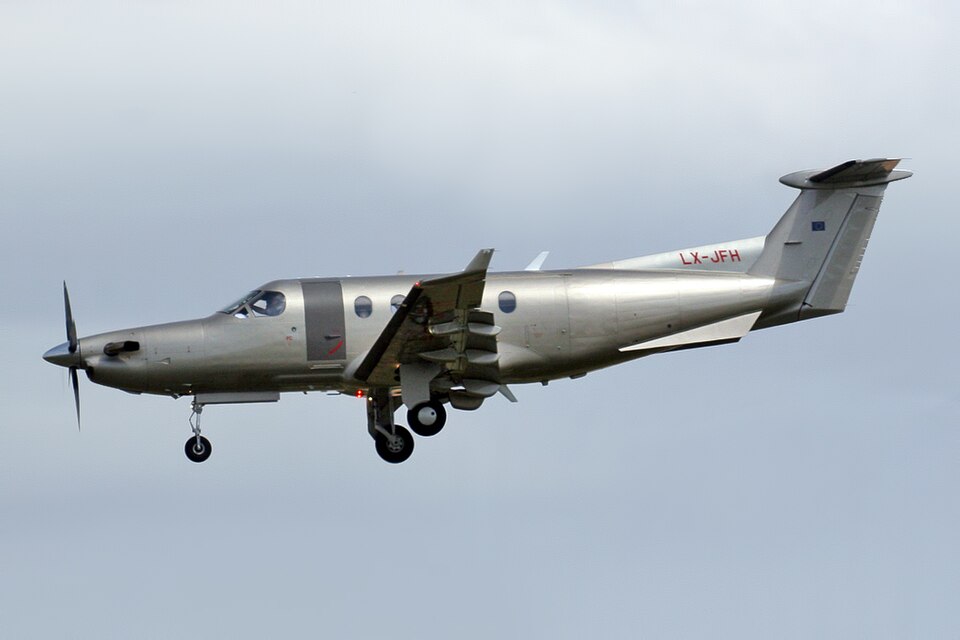
6. Pilatus PC-12
The Pilatus PC-12 is a roomy, rugged single-engine turboprop trusted around the world. It is known for hauling people and cargo into remote places, and that toughness pays off over the ocean.
Its big cabin, long range, and dependable turbine make it a strong ocean crosser. The PC-12 is the kind of plane that flies in places with few airports and harsh weather, so the North Atlantic is right in its comfort zone. Owners and operators ferry these planes across regularly.
7. Cessna 210 Centurion
The Cessna 210 Centurion is a high-performance single with retractable gear and generous fuel capacity. It is fast for a piston plane and can carry a real load, which helps on long trips.
With ferry tanks, the 210 has solid range for the northern route. Its roomy cabin gives pilots space for fuel and gear, and its proven design has carried many owners on big adventures. It is a practical pick for those wanting range and capability without stepping up to a turbine.
8. Mooney Acclaim and Ovation
Mooney planes are famous for being slippery and fuel-efficient. They squeeze impressive speed and range out of a single engine, which is exactly what a long crossing rewards.
A Mooney's efficiency means it can fly far on its fuel, stretching each leg comfortably. The cabins are snug, but for pilots who care most about going fast and far, that is a fair trade. Ferry pilots have taken Mooneys across the Atlantic many times.
9. Diamond DA42 and DA62
The Diamond twins offer a different approach with two efficient diesel engines. They sip fuel and offer the reassurance of a second engine over the water.
The DA62 in particular has good range and a modern, comfortable cabin. Its fuel efficiency makes the legs manageable, and the twin-engine layout appeals to pilots who want extra backup. For those drawn to twin-engine options, the Diamonds are a thoughtful, modern choice.
Thinking about an aircraft built for long legs? Flying411 lists new and used airplanes, turboprops, and engines from trusted manufacturers, so you can compare range and capability side by side before you ever file a flight plan.
Single-Engine vs. Twin-Engine for Ocean Crossings
One of the most common questions about ocean flying is simple. If you only have one engine, is it crazy to fly over all that water?
It turns out single-engine planes make the bulk of these crossings, and they do it safely with good planning. A modern engine is very reliable, and the short-leg northern route keeps land close. Still, the choice between one engine and two comes with real trade-offs.
Here is a quick comparison:
- Single-engine planes: Lighter, cheaper to operate, and simpler to manage. The vast majority of small Atlantic crossings are flown on one engine. The catch is obvious, since an engine failure over water leaves no backup power.
- Twin-engine planes: Offer a second engine for redundancy and often more useful load. The downside is higher cost, more fuel burn, and more complexity. A twin also needs to actually fly well on one engine, which not all light twins do when fully loaded.
Plenty of pilots are comfortable on one engine because the route is built to keep airports within reach. Others sleep better with two. Both camps cross the ocean successfully every year. If you want to weigh the bigger picture, looking at the carrying capacity of a single-engine plane helps put the choice in context.
Keep in Mind: A second engine only helps if the pilot is trained and current on flying with one engine out. Skill and recent practice matter as much as the number of engines bolted to the wings.
How Much Does It Cost to Fly a Small Plane Across the Atlantic
The price of a crossing depends on the plane, the route, and how much help the pilot brings in. Costs add up across several areas, and the total can climb into the thousands fairly quickly.
The main expenses usually include:
- Fuel. Long legs and high fuel prices in remote places like Greenland and Iceland add up fast.
- Ferry tank installation. Renting, fitting, and removing the tanks takes time, parts, and proper paperwork.
- Survival gear. Immersion suits, a life raft, and emergency supplies are required and can be rented or bought.
- Handling and landing fees. Remote airports often charge for fuel, paperwork, and ground support.
- Permits and planning. Some crossings need permits, weather services, and charts.
- A professional ferry pilot. If an owner hires an expert to fly the plane over, that service is its own cost.
None of these are pocket change, but they are predictable with good planning. Many owners decide the experience and convenience are well worth it. For a broader sense of pricing across different planes, it helps to look at what small planes cost before budgeting a trip like this.
Ready to find a plane with the range for big adventures? Browse the current aircraft listings on Flying411 and start matching real airplanes to the trip you have in mind.
The Risks and Realities of Crossing in a Small Plane
It would be a mistake to make this sound easy. Crossing the Atlantic in a small plane is a serious undertaking with real dangers. Respecting those dangers is what keeps pilots safe.
The biggest challenges include:
- Weather and icing. The North Atlantic serves up storms, fog, and icing, especially near Greenland's ice cap. Ice on the wings is a major hazard for small planes.
- Cold water. A landing on the ocean would be survivable only with the right gear and a fast rescue. The water is dangerously cold.
- Few places to land. Airports are far apart, and some have limited fuel or services. A closed airport can ruin a plan.
- Fuel margins. Headwinds and weather can shrink fuel reserves. Careful math and conservative choices are essential.
- Pilot fatigue. Long legs of low, slow flying are tiring. A worn-out pilot makes worse decisions.
The pilots who do this well share a habit. They wait for good weather, plan generous fuel reserves, and never let pride push them into a risky flight. The plane matters, but the person flying it matters more.
A Quick Look Back at the Pioneers
Long before GPS and modern avionics, brave pilots crossed this same ocean with far less help. Their stories are part of why these crossings feel so special today.
In 1919, two aviators named John Alcock and Arthur Brown are widely credited with the first nonstop transatlantic flight, flying a converted bomber from Newfoundland to Ireland. It was a rough, freezing trip, and they barely made it.
A few years later, in 1927, Charles Lindbergh flew solo and nonstop from New York to Paris in his single-engine Spirit of St. Louis. The flight made him famous around the world and helped spark huge public interest in flying. Then in 1932, Amelia Earhart became the first woman to fly solo across the Atlantic, flying a single-engine Lockheed Vega.
Those early flights were enormous risks with simple planes. Today's small planes are far more capable, yet the spirit of those journeys lives on in every pilot who points a little single-engine plane toward the far shore.
Good to Know: Many of today's crossings follow much the same northern path those pioneers and wartime pilots helped establish. The names on the map have stayed remarkably steady for nearly a century.
Conclusion
So the short answer is a happy one. There are many small planes that can cross the Atlantic, from simple four-seat pistons to fast turboprops, and they make the trip every single year. The secret is not raw power. It is the smart northern route, a set of ferry tanks, the right gear, and a careful pilot who waits for good weather.
If you have ever watched a little plane lift off and wondered how far it could really go, the answer might surprise you. With planning and respect for the ocean, far is the answer. The dream of flying your own plane to another continent is more reachable than it looks.
The ocean has not gotten any smaller, but the right airplane makes it feel that way. When you are ready to find yours, Flying411 is the place to start the hunt.
Frequently Asked Questions
How long does it take to fly a small plane across the Atlantic?
It usually takes several days, since the trip is broken into short legs with stops for fuel, rest, and weather. Bad weather can add days of waiting, so most pilots plan a flexible schedule rather than a fixed deadline.
Do you need a special license to fly across the Atlantic?
You do not need a brand-new license, but you do need an instrument rating and strong cross-country experience. Many first-timers hire or fly with a seasoned ferry pilot to learn the ropes safely.
What is the longest stretch of open water on the crossing?
On the popular northern route, the longest overwater leg can often be kept to only a few hundred miles by choosing the right stops. Smart routing through places like Iceland and Greenland keeps a plane near land for most of the trip.
Can a beginner pilot attempt an Atlantic crossing?
It is not a trip for new pilots, since it demands sharp weather judgment, fuel planning, and overwater navigation. Most experts recommend building plenty of cross-country hours and getting mentorship before even considering it.
Why fly a small plane across instead of shipping it?
Some owners ferry their plane to save the cost and hassle of shipping, while others simply want the adventure. For many, the journey itself is the reward, and the plane arrives ready to fly the moment it lands.