Buying your first plane is a little like buying your first car, except the car can fly and the parking lot is the whole sky. For new pilots, the hard part is not wanting to own an airplane. It is figuring out which one actually fits your skills, your wallet, and the kind of flying you love to do. The best small planes for private pilots get three things right at once. They are forgiving enough to fly safely, affordable enough to own, and capable enough to take you somewhere worth going.
Some pilots want a simple two-seater for weekend hops around the patch. Others dream of a roomy four-seat cruiser that can carry the family across the state for a long weekend. A few want a rugged taildragger that can put down on a gravel bar with nobody around for miles. There is a small plane for each of those dreams, and most of them have been quietly proving themselves for decades.
The tricky part is knowing what separates a great first airplane from an expensive headache. Two planes can sit side by side on the same ramp and look equally shiny, yet one might cost twice as much to keep in the air. Pick the right one, and your first airplane will grow right alongside you as a pilot.
Key Takeaways
The best small planes for private pilots are reliable, easy-to-fly single-engine airplanes that are simple to maintain and matched to the kind of flying you do most. Most new owners start with a trainer like a Cessna 172 or a Piper Archer. As skills and budgets grow, many step up to faster or roomier planes like a Cirrus SR22, a Beechcraft Bonanza, or a Mooney. The right pick depends on how many seats you need, how far you want to fly, and how much you can spend to buy and keep it.
| Plane | Type | Best For | Seats |
| Cessna 172 Skyhawk | Fixed-gear single | All-around first plane | 4 |
| Cessna 152 | Fixed-gear single | Budget two-seat training | 2 |
| Piper PA-28 (Archer / Warrior) | Fixed-gear single | Easy four-seat flying | 4 |
| Cirrus SR22 | Composite single | Fast, modern cross-country | 4–5 |
| Diamond DA40 | Composite single | Efficient, gentle handling | 4 |
| Cessna 182 Skylane | Fixed-gear single | Hauling more weight | 4 |
| Beechcraft Bonanza | High-performance single | Speed and long trips | 4–6 |
| Mooney M20 | High-performance single | Fast and fuel-friendly | 4 |
| Van's RV-12 / RV-7 | Experimental / kit | Sport flying and value | 2 |
| Piper Super Cub (and similar) | Tailwheel | Backcountry and short fields | 2 |
Flying411 is an online aviation marketplace where pilots can browse new and used aircraft, engines, and parts all in one place, then connect with trusted aviation pros when they are ready to buy.
What Counts as a "Small Plane" for a Private Pilot
A small plane is usually a light aircraft with one engine, a handful of seats, and a takeoff weight low enough that one pilot can manage it comfortably. Most of these are single-engine aircraft built for two to six people. They are the backbone of personal flying, and they make up the bulk of the general aviation aircraft you see at small airports across the country.
For a private pilot, "small" really means manageable. You can preflight it yourself in a few minutes. You can fuel it without a ladder. You can park it in a standard hangar. And you can learn to fly it well without years of extra training.
There are a few broad families of small planes, and knowing the differences helps you shop smarter. You can read more about the main types of small planes before you start your search, but here is the quick version.
- Trainers: Simple, forgiving planes built to teach. Think Cessna 152 and 172, or the Piper Cherokee family.
- Four-seat cruisers: Bigger cabins for family trips and longer flights. Many trainers double as cruisers.
- High-performance singles: Faster planes with more horsepower, often with retractable landing gear.
- Light sport aircraft: Smaller, lighter planes you can fly with a sport pilot certificate. These count as light sport aircraft under a special set of rules.
- Taildraggers: Planes with a small wheel under the tail, loved for short fields and rough strips.
Good to Know: Almost every private pilot earns their certificate in a single-engine, fixed-gear airplane. Starting simple is not a limitation. It is the smartest way to build habits that keep you safe in anything you fly later.
What to Look For in a Small Plane
Before you fall in love with a paint job, it helps to know what actually makes a plane right for you. The same airplane can be perfect for one pilot and wrong for another. It all comes down to your mission, your money, and your comfort level.
Match the Plane to Your Mission
The most common mistake new buyers make is buying too much airplane. A fast six-seat cruiser sounds great until you realize you fly alone for an hour on Saturdays. Think about the flying you will actually do most of the time, then buy for that.
- Flying solo or with one friend? A two-seater is plenty.
- Carrying family or bags? Look at a four-seat airplane with real cabin room.
- Heading to faraway airports often? Speed and fuel range start to matter.
- Landing on grass or dirt? A taildragger or a rugged fixed-gear plane shines.
Why It Matters: Every extra seat, every knot of speed, and every fancy avionics screen adds to the price you pay to buy and to keep the plane flying. Buying for the flying you do most often, instead of the trip you take once a year, can save you a small fortune over time.
Think About the Total Cost
The sticker price is only the start. Owning a plane also means hangar or tie-down fees, insurance, yearly inspections, fuel, and the surprise repairs that come with any machine. A cheaper plane to buy can sometimes cost more to keep, so look at the full picture. It helps to understand what they cost to own over a full year, not just the purchase day.
Check the Avionics and Safety Gear
Older planes often have older radios and gauges. Newer ones may have glass screens, autopilots, and even a whole-airplane parachute system. None of this is required, but it can make flying easier and, for some pilots, safer. Decide which features you truly want before you start shopping, since upgrades after the fact are not cheap.
The 10 Best Small Planes for Private Pilots, One by One
There is no single "best" plane for everyone, but a handful of models keep showing up on the ramps of happy private pilots year after year. These ten have earned their reputations through decades of safe, simple, satisfying flying. They cover every common mission, from first lessons to long family trips. Many are also among the most popular models in personal aviation for good reason.
1. Cessna 172 Skyhawk
If there were a "default" small plane, this would be it. The Cessna 172 is roomy enough for a family of four, gentle enough for a student, and tough enough to take regular abuse from flight schools. Parts are everywhere, mechanics know it inside and out, and it holds its value well.
The 172 is the plane most pilots picture when they think of general aviation. It will not win any races, but it will get you and three friends to breakfast two states over without drama. As a first plane, it is hard to beat for peace of mind.
Fun Fact: The Cessna 172 is widely regarded as one of the most-produced aircraft in history, with examples still rolling out of the factory and tens of thousands flying around the world. That popularity is exactly why support for it is so easy to find.
2. Cessna 152
When pilots talk about a true budget trainer aircraft, the little Cessna 152 is usually first in line. It seats two, sips fuel, and is famously honest in how it flies. Push it the wrong way and it gently tells you about it instead of biting back.
For a private pilot who flies alone or with one passenger, the 152 is one of the most affordable ways into ownership. Older examples are common, simple to maintain, and forgiving of rookie mistakes. The cabin is cozy, and it is slow, but for learning and local fun it is a gem.
3. Piper PA-28 (Archer and Warrior)
The Piper Cherokee family, which includes the Archer and Warrior, is the main rival to the Cessna 172. These low-wing planes seat four, fly steadily, and feel sporty thanks to the wing sitting below the cabin. Many pilots love the easy step-up onto the wing and the snug, car-like feel inside.
The low wing gives a different view than a Cessna, with the ground tucked nicely below you. Handling is predictable and friendly. Maintenance support is strong, and parts are easy to find. For pilots who want a four-seater with a sportier personality, the PA-28 is a classic choice.
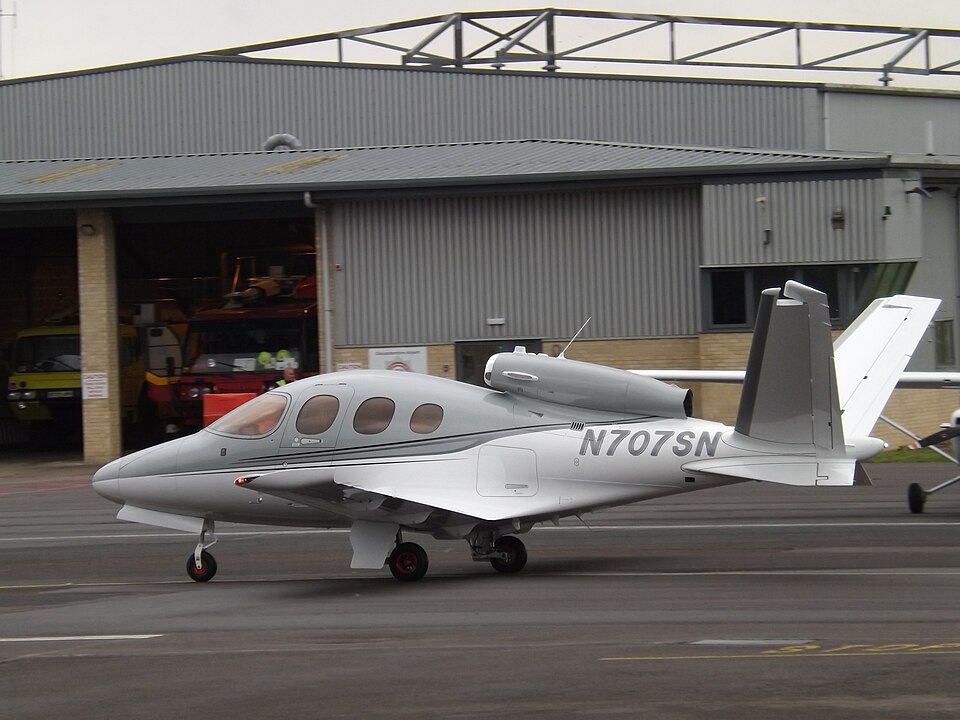
4. Cirrus SR22
The Cirrus SR22 brought small planes into the modern age. It is fast, sleek, and built from composite materials instead of metal. Big glass screens fill the panel, the seats feel like a luxury car, and cross-country flying in one is genuinely comfortable.
What really set the Cirrus apart is the whole-airplane parachute built into the design. In a true emergency, the pilot can deploy it and float the entire plane down. That feature has made many families more comfortable with personal flying. The SR22 costs more than older trainers, but for pilots who fly far and often, it earns its keep.
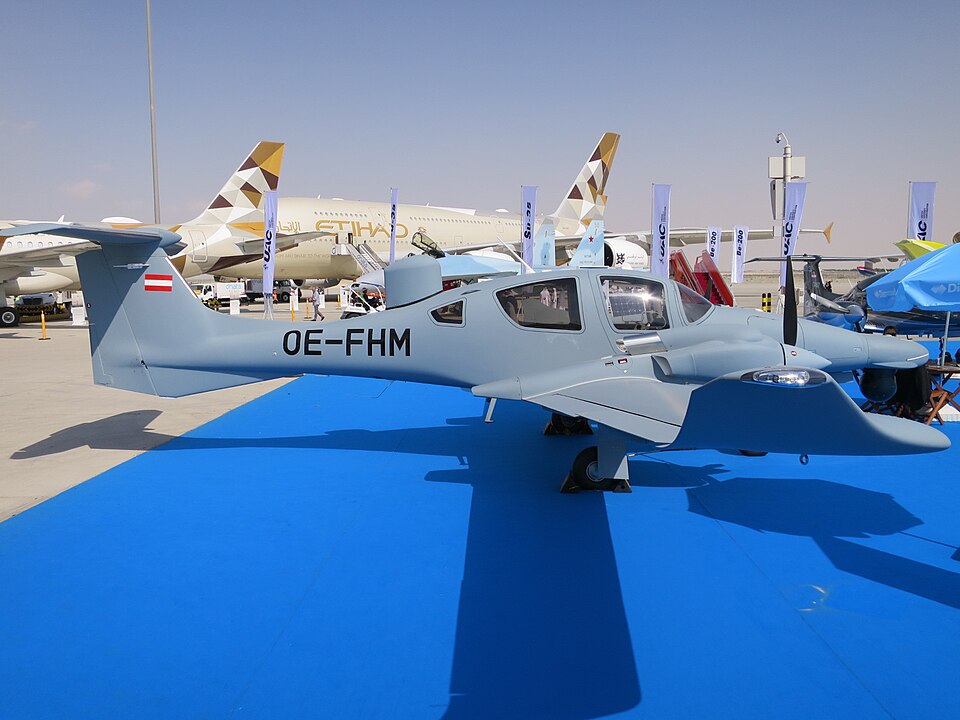
5. Diamond DA40
The Diamond DA40 is a sleek composite four-seater known for being gentle, efficient, and easy on the eyes. It has a great reputation for safety, a long thin wing that glides nicely, and a bubble canopy that gives a stunning view. Many flight schools use it, which says a lot about how forgiving it is.
The DA40 sips fuel and feels modern without being intimidating. Pilots often describe it as a plane that makes them look good. For a new owner who wants something current, safe, and a little different from the usual Cessnas and Pipers, it is well worth a look among the safest small planes on the market.
6. Cessna 182 Skylane
Think of the Cessna 182 as a 172 that hit the gym. It is the natural step up when you need to carry more people, more bags, or more fuel. The bigger engine and stronger airframe give it real muscle, and it can lift a heavy load off a short runway without complaint.
This is a favorite for pilots who actually fill the seats and pack for the trip. It handles much like the 172, so the move up feels natural. If your flying involves real useful load instead of just one or two light passengers, the Skylane delivers. You can read more about useful load and why it matters so much for owners.
7. Beechcraft Bonanza
The Beechcraft Bonanza is the grand old name in fast, comfortable singles. Built for speed and long trips, it has been carrying pilots in style for many decades. The cabin is wide, the ride is smooth, and the craftsmanship feels a notch above the average light plane.
The Bonanza is a step into high-performance flying. It moves quickly, covers ground with ease, and feels solid in the bumps. It is a plane many pilots aspire to own once they have some hours behind them. It is a serious machine, and it rewards a pilot who flies it often.
Heads Up: Planes like the Bonanza and many Mooneys have retractable landing gear and bigger engines, which means you will need extra training and special endorsements before you can fly them solo. Budget time and money for that learning step, not just the purchase.
8. Mooney M20
If you want speed without burning a fortune in fuel, the Mooney M20 is the answer. These planes are famously slippery, which means they cruise fast on surprisingly little gas. The trade-off is a cabin that feels snug, with a low roofline that taller pilots learn to live with.
Mooney pilots tend to be a loyal bunch. They love how their planes turn modest horsepower into real speed and range. For a private pilot who wants to cover long distances quickly and efficiently, the Mooney is one of the faster small planes you can own without stepping up to a turbine.
9. Van's RV-12 and RV-7
For pilots who love the idea of a fun, sporty plane at a friendly price, the Van's RV series is hard to ignore. These are kit planes, which means many of them were built by their owners. The RV-12 is a light, easy two-seater, while the RV-7 is a quicker, more spirited machine that pilots rave about.
RVs are known for crisp, responsive handling that makes flying feel alive again. They are also generally affordable to own and operate. Because they fall under the experimental category, the rules around building and maintaining them are different from factory planes, which can be a big plus for hands-on owners.
Keep in Mind: Experimental and kit-built planes follow a separate set of rules than factory-certified aircraft. That freedom lets owners do much of their own maintenance, but it also means each plane is unique. A careful inspection and a clear build history matter even more with these.
10. Piper Super Cub and Other Taildraggers
Not every pilot wants speed and glass screens. Some want to land on a sandbar, a mountain strip, or a friend's grass field. For that kind of adventure, a tailwheel plane like the Piper Super Cub is a dream. These rugged little planes take off and land in tiny spaces and feel like flying in its purest form.
Taildraggers ask more of the pilot, especially on the ground, so they take real practice to master. But the skills you build are priceless, and the places they can take you are off-limits to most other planes. If wild, remote flying calls to you, look into backcountry bush flying and the planes built for it.
When you are ready to compare real options, Flying411 lets you filter used single-engine planes by price, hours, and avionics, so you can quickly see which models actually fit your mission and your budget.
Best Small Planes by Goal
Sometimes it is easier to pick a plane by what you want to do, rather than by brand. Here is a simple way to match a goal to a great starting point.
| Your Goal | Strong Picks | Why It Fits |
| Learn to fly cheaply | Cessna 152, Piper Warrior | Simple, forgiving, low cost |
| Carry the whole family | Cessna 182, Piper Archer | Real cabin room and load |
| Fly fast and far | Mooney M20, Beechcraft Bonanza | Speed and long range |
| Modern comfort and safety | Cirrus SR22, Diamond DA40 | Glass panels, gentle handling |
| Sport flying for fun | Van's RV-7, RV-12 | Lively, affordable, exciting |
| Backcountry adventure | Piper Super Cub | Short fields and rough strips |
This is also where browsing single-engine options side by side really pays off. Seeing several planes in the same category helps you spot which features matter to you and which ones you can skip.
How Much Do Small Planes Cost to Buy and Own
Costs vary a lot, so be careful with any number you hear. A well-used two-seat trainer is among the most affordable ways into ownership. A newer, faster composite plane can cost many times more. The smart move is to look at the full cost of ownership, not just the price tag on the listing.
Here is what goes into owning a small plane:
- Purchase price. This swings widely based on age, hours, engine condition, and avionics.
- Storage. Hangar space costs more than an open tie-down, but it protects your investment.
- Insurance. Your hours, ratings, and the plane's value all affect the rate.
- Annual inspection. Every certified plane needs a yearly checkup, and the cost depends on what the mechanic finds.
- Fuel and oil. Faster planes and bigger engines drink more.
- The engine fund. Engines have a recommended life, and rebuilding one is a big expense. Smart owners save a little every flight hour for that day.
Pro Tip: Always pay for a thorough pre-buy inspection from a mechanic you trust, not the seller's mechanic. A few hundred dollars spent before you sign can save you thousands in surprise repairs later. Skipping this step is the most common ownership regret.
If keeping costs low is your top priority, it is worth looking at budget-friendly choices that are simple to maintain. Older fixed-gear singles with basic panels are usually the easiest on the wallet over the long run.
Are Small Planes Safe for Private Pilots
This is the question every new pilot's family asks first, and it deserves a straight answer. Modern small planes are built to be safe, and most accidents trace back to pilot decisions rather than the airplane itself. Good training, careful planning, and honest limits keep pilots safe far more than any single feature.
That said, some planes do add extra safety help. Composite planes with whole-airplane parachutes give pilots one more option in a true emergency. Stable, gentle handlers like the Diamond DA40 make it harder to get into trouble in the first place. If safety is high on your list, it helps to learn how they stack up on safety and which features matter most to you.
Quick Tip: The single biggest safety upgrade is not a gadget. It is recurrent training. Flying regularly with an instructor, even after you earn your certificate, keeps your skills sharp and your judgment honest. Confident, current pilots have far fewer surprises.
How to Choose the Right First Plane
When it is finally time to pick your first airplane, take it step by step. Rushing the choice is how people end up with a plane that sits in the hangar collecting dust. Work through this simple checklist instead.
- Be honest about your mission. Write down the flights you will actually take this year.
- Set a real budget. Include buying, owning, and a cushion for repairs.
- Pick two or three models. Narrow your search before you fall in love with one specific plane.
- Get the logbooks reviewed. A clean, complete history is worth its weight in gold.
- Pay for a pre-buy inspection. Every single time, no exceptions.
- Plan your training. Make sure you can get checked out and insured in the model you choose.
Many great first planes come from the same short list of trusted models, and plenty of pilots find that one of the planes worth owning checks every box on their list. The goal is not the flashiest plane on the ramp. It is the one you will actually fly, afford, and enjoy for years.
Ready to start your search? Browse current aircraft listings on Flying411 and see which trusted small planes are available near you right now.
Conclusion
The best small planes for private pilots all share the same simple recipe. They are easy to fly, sensible to own, and matched to the flying you love. A Cessna 172 or Piper Archer makes a friendly, forgiving start. A Cirrus, Diamond, Bonanza, or Mooney waits for the day you want more speed, room, or range. And for the bold, a Super Cub opens up a whole world of wild places no big jet will ever reach.
The smartest buyers do not chase the fanciest plane. They pick the one that fits their mission, their wallet, and the pilot they want to become. Get that part right, and your first airplane becomes the start of a lifetime of adventures in the sky.
When you are ready to turn that dream into a real tail number, Flying411 connects you with the aircraft, engines, parts, and certified pros to get you flying with confidence.
Frequently Asked Questions
What is the easiest small plane for a new private pilot to fly?
The Cessna 172 and Cessna 152 are widely considered among the easiest and most forgiving planes to learn on. Their gentle handling and huge support network make them low-stress choices for a first airplane.
How many seats should my first plane have?
Pick the number of seats you will actually use most of the time. Many pilots are happy with a two-seater for solo and weekend flying, while those carrying family usually prefer a four-seat plane.
Do I need a special license to own a small plane?
Owning a plane requires no special license at all, since anyone can buy one. To fly it yourself, you need the proper pilot certificate, and faster or retractable-gear planes call for extra training and endorsements.
Is it cheaper to buy an older plane or a newer one?
Older planes usually cost much less to buy, but they can need more maintenance and may lack modern avionics. Newer planes cost more upfront yet often bring better screens, autopilots, and added safety features.
What is the most affordable way to get into aircraft ownership?
A well-maintained used two-seat trainer with a simple panel is generally the most affordable path into ownership. Shared ownership or joining a flying club is another popular way to split the costs.