Walk onto almost any small airport in the country and you will see the same handful of airplanes parked on the ramp. A high-wing Cessna here. A sleek composite single there. Maybe a bright yellow taildragger that looks older than the hangar it sits in. These are the popular small planes that have shaped how regular people learn to fly, travel for fun, and build a life around general aviation.
What makes a small plane a favorite is rarely one big thing. It is usually a mix of reliability, cost, comfort, and that hard-to-name feeling a pilot gets when an airplane just fits. Some of these designs have been rolling off the line for half a century, and pilots still line up to buy them.
Here is the strange part: many of the most-loved small planes flying today are the same designs your grandfather might have trained in.
Key Takeaways
The most popular small planes are trusted single-engine aircraft like the Cessna 172, Piper Cherokee, and Cirrus SR22, loved because they are reliable, affordable to operate, and forgiving to fly. Trainers stay popular for flight schools, while faster touring planes appeal to owners who want to travel. The best choice depends on your mission, budget, and skill level.
| Plane | Best For | Why Pilots Love It |
| Cessna 172 Skyhawk | Training, first plane | Easy to fly, hard to beat |
| Cessna 152 | Basic training | Cheap to run, simple |
| Piper PA-28 Cherokee | Training, family flying | Stable, roomy, low-wing feel |
| Cirrus SR22 | Cross-country travel | Speed, glass cockpit, parachute |
| Beechcraft Bonanza | Fast, refined travel | Performance and pedigree |
| Piper J-3 Cub | Fun, classic flying | Pure, simple joy |
| Diamond DA40 | Modern training, touring | Strong safety record |
| Mooney M20 | Fast, efficient travel | Speed on less fuel |
| Cessna 182 Skylane | Hauling people and gear | Power and useful load |
| Cub-style backcountry | Bush and short fields | Lands almost anywhere |
| Icon A5 | Sport and water flying | Fun, approachable design |
| Van's RV series | Building and sport flying | Performance and personality |
Flying411 makes it easier to see these airplanes side by side, with real listings, real prices, and real services in one place.
What Counts as a Small Plane?
Before naming names, it helps to agree on what "small" actually means. In everyday terms, a small plane is a light, fixed-wing aircraft built for a handful of people rather than a crowd. Most carry between two and six occupants. Most use one engine, though some use two.
These airplanes sit at the heart of general aviation, the broad world of flying that is not airline or military. They are flown by students, hobby pilots, business travelers, instructors, and families. If you want a deeper breakdown of the categories, this overview of the main types of small planes is a good place to start.
Good to Know: "Small plane" is a loose label, not an official class. A two-seat trainer and a six-seat turboprop can both wear the title depending on who you ask.
Small planes usually share a few traits. They are simpler than airliners. They cost far less to buy and run. And they can use short, local runways that big jets cannot touch. That mix of access and affordability is a big reason these aircraft stay so common.
Why Small Planes Stay So Popular
Popularity in aviation is not about hype. It comes from years of pilots trusting the same airplanes to do the same jobs well. A few clear reasons keep these designs at the top.
- They are easy to learn on. Many popular models are gentle and predictable, which matters when you are still figuring things out.
- Parts and mechanics are everywhere. Common planes are easy to maintain because the support network is huge.
- They hold their value. A well-kept popular model tends to stay in demand on the used market.
- They fit real missions. From a quick lesson to a weekend trip, these planes match what owners actually do.
Why It Matters: When a plane is common, the whole ownership experience gets cheaper and simpler. Insurance, repairs, training, and resale all benefit from a model that thousands of other people already fly.
There is also a comfort factor. Pilots talk to each other. When a model earns a strong reputation over decades, that trust passes from one generation of flyers to the next.
12 Popular Small Planes Worth Knowing
Here are twelve of the most recognized and respected small planes in the air today. The list mixes classic single-engine planes, modern touring machines, and a few fun outliers. Each one earned its spot by being genuinely good at what it does.
1. Cessna 172 Skyhawk
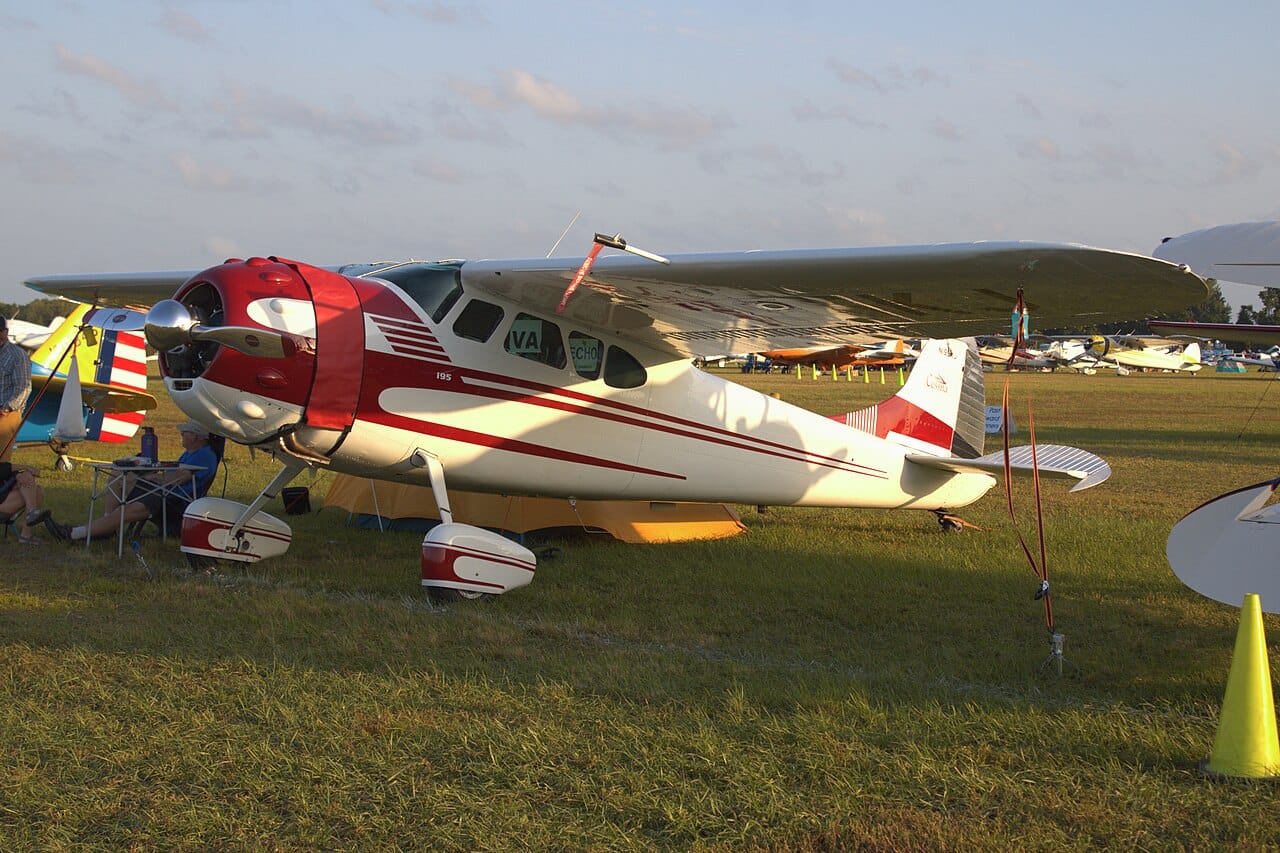
If small planes had a mascot, it would be the Cessna 172. This high-wing, four-seat single is widely regarded as the most-produced aircraft in history, with tens of thousands built since the 1950s. It is the plane most pilots picture when they imagine learning to fly.
The Skyhawk is loved because it is forgiving. It is stable in the air, simple to handle, and tough enough to survive years of student landings. It will never win a race, and that is fine. It is the airplane that teaches you the basics and keeps teaching them well.
Fun Fact: The Cessna 172 is said to have trained more pilots than any other airplane in the world, which is why so many flyers remember their first lesson in one.
2. Cessna 152
The Cessna 152 is the smaller, leaner cousin of the 172. It seats two and sips fuel, which makes it a favorite of flight schools watching their budgets. Many pilots logged their very first solo in this little two-seater.
It is not roomy, and it is not fast. What it offers is low cost and honest handling. For pure flight training on a tight budget, the 152 is hard to beat. Plenty of clubs still keep one or two on the line for exactly that reason.
3. Piper PA-28 Cherokee Family
The Piper Cherokee and its relatives, including the Warrior and Archer, are the low-wing answer to the Cessna trainers. Sit in one and the difference is clear. The wing is below you, the cabin feels solid, and the plane lands with a planted, stable feel.
The Cherokee family has been a training and family-flying staple for decades. These planes are roomy, dependable, and easy to own. Many first-time buyers pick a Cherokee because it offers comfort and predictable manners at a fair price.
Pro Tip: When comparing a Cessna trainer to a Piper Cherokee, take a demo flight in both. High-wing and low-wing planes feel different, and the right "fit" often comes down to personal taste, not specs.
4. Cirrus SR22
The Cirrus SR22 changed what buyers expect from a small plane. It is a sleek, composite four-seater with a modern glass cockpit and serious cross-country speed. For years it has been among the best-selling personal airplanes in the world.
Its signature feature is the whole-airframe parachute system, designed to lower the entire plane to the ground in an emergency. That single idea reshaped how many owners think about safety. If the concept interests you, this look at small planes with parachutes explains how it works.
The SR22 appeals to owners who want to actually travel. It is fast, comfortable, and packed with technology that makes long trips feel manageable.
5. Beechcraft Bonanza
The Beechcraft Bonanza is the classy veteran of the group. It has been in production since the late 1940s, one of the longest production runs in aviation history. The early models wore a distinctive V-shaped tail that pilots still recognize instantly.
A Bonanza is fast, smooth, and beautifully built. It carries the kind of reputation that makes owners proud. This is a refined traveling machine for pilots who want performance with a touch of heritage, and it remains one of the most respected names in four-seat aircraft and beyond.
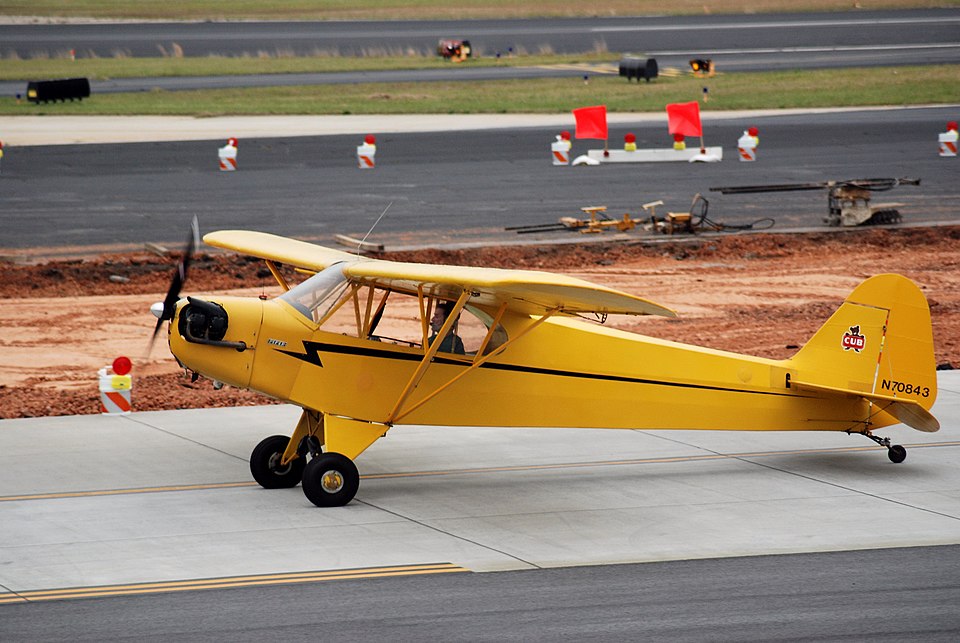
6. Piper J-3 Cub
The Piper J-3 Cub is the airplane that taught America to fly. Painted in its famous bright yellow, the Cub is a simple, light, two-seat taildragger from a slower and gentler era of aviation.
It is not built for speed or comfort. It is built for joy. Flying a Cub with the door open on a calm summer evening is the kind of pure experience that reminds pilots why they started. Decades later, it is still one of the most beloved small planes ever made.
Keep in Mind: Taildragger airplanes like the Cub handle differently on the ground than modern tricycle-gear planes. Many pilots get a special endorsement and a few hours of training before flying one solo.
7. Diamond DA40
The Diamond DA40 is a modern, composite four-seater that has built a strong reputation around safety and efficiency. Its sleek airframe, big canopy, and excellent visibility give it a fresh, almost sporty feel.
Flight schools and private owners both like the DA40. It is economical to run, pleasant to fly, and known for one of the better safety records in its class. For buyers who want something newer than the classic trainers, it is a popular pick.
8. Mooney M20
The Mooney M20 is the speed demon of the efficient set. This sleek, low-wing single is famous for being fast on relatively modest fuel. If your goal is to cover long distances quickly without burning a fortune, a Mooney earns a hard look.
That speed comes with a tighter cabin and handling that rewards a sharper pilot. Mooney owners tend to be travelers who value efficiency and performance over cabin space. The result is a cult-favorite airplane with a loyal following.
9. Cessna 182 Skylane
The Cessna 182 Skylane is the muscle of the Cessna single-engine family. It looks like a bigger 172, but the extra power and stronger useful load change what it can do. It hauls people and gear that lighter trainers cannot manage.
The Skylane is a favorite for owners who fly with family, luggage, or backcountry gear. If you care about how much a plane can actually carry, this guide to useful load on single-engine planes puts the 182's strength in context. It is the practical, do-it-all single that grows with a pilot.
10. Cub-Style Backcountry Planes
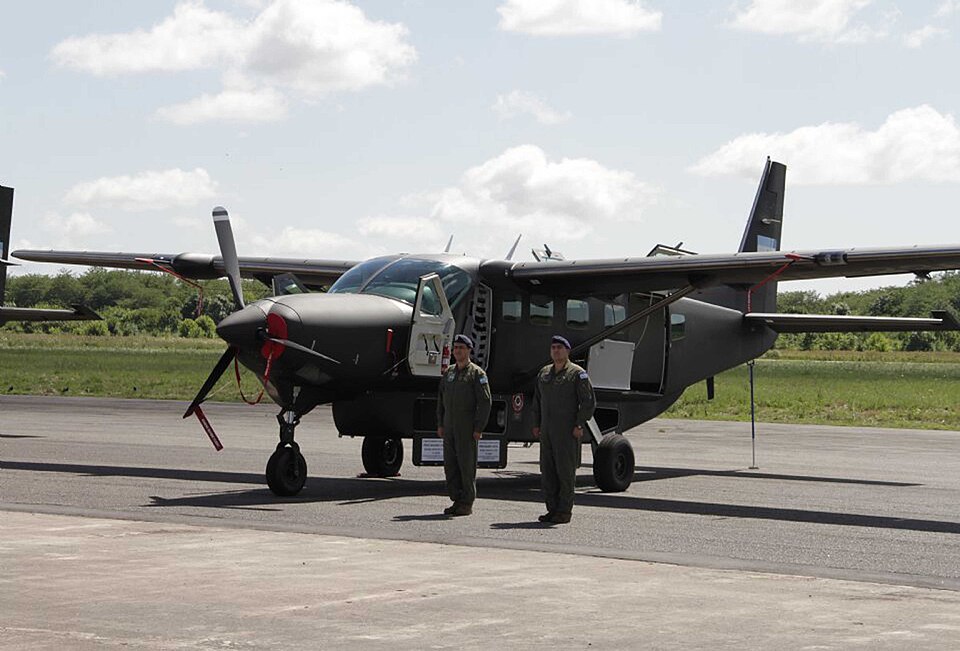
The backcountry world has its own heroes, led by the Piper Super Cub and modern Cub-style builds. These rugged taildraggers are designed to land on gravel bars, grass strips, and tiny mountain clearings that would terrify most pilots.
With big tires and slow, controlled landings, these airplanes go where pavement ends. They are favorites for hunting, fishing, and pure adventure flying. If wild places call to you, this rundown of the best bush planes is worth a read.
Quick Tip: Backcountry flying takes specialized skill. Even experienced pilots usually train with a mountain or bush instructor before tackling rough, remote strips.
11. Icon A5
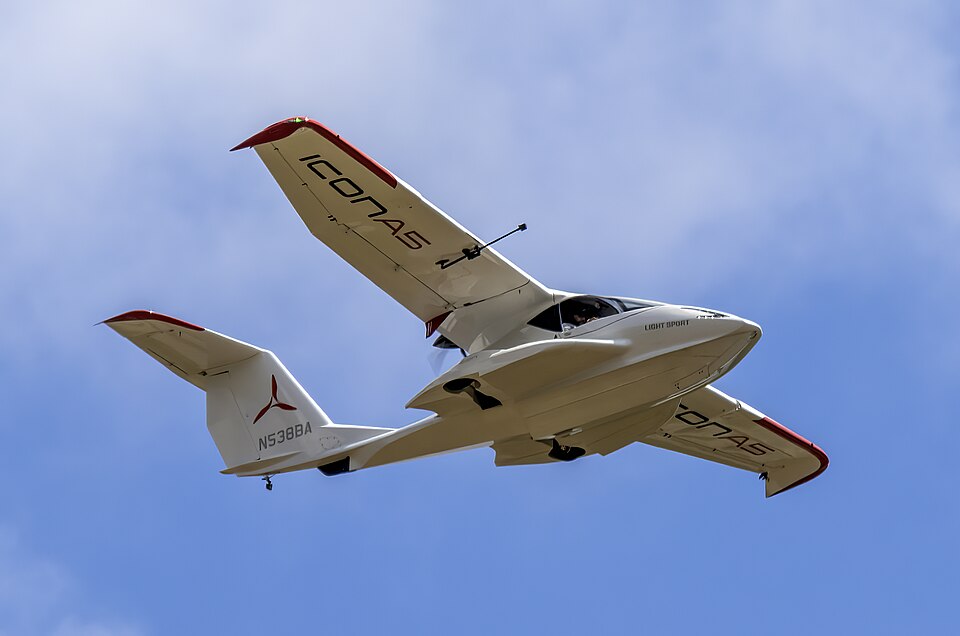
The Icon A5 is one of the most approachable airplanes ever marketed to new flyers. It is a sporty, amphibious light sport aircraft that can land on both runways and water. Its folding wings even let owners tow it home on a trailer.
The A5 was designed to feel friendly and fun rather than intimidating. With its open cockpit and water-landing ability, it pulls in people who want flying to feel like riding a jet ski with wings. It represents a newer, recreation-first style of small aviation.
12. Van's RV Series
Van's Aircraft RV series proves that some of the most beloved small planes are built by their owners in a garage. These kit airplanes, including models like the RV-7 and RV-10, are famous for sharp performance and a huge, passionate community.
Builders love the personal connection of putting the airplane together themselves. Pilots love how the finished planes fly, with crisp, sporty handling that bigger production singles cannot match. The RV family is a cornerstone of the homebuilt movement.
Looking at one of these models seriously? Flying411 connects buyers with certified A&P mechanics for pre-purchase inspections, so you know exactly what you are getting before you sign.
How Small Planes Differ: Categories and Types
Not every small plane fits the same job. Sorting them into categories helps you understand where each design shines. Here is a simple way to think about the main groups.
| Category | Typical Use | Example Models |
| Trainers | Learning to fly | Cessna 172, Cessna 152, Piper Warrior |
| Touring singles | Fast travel | Cirrus SR22, Bonanza, Mooney M20 |
| Utility singles | Hauling loads | Cessna 182, Cessna 206 |
| Backcountry | Rough strips | Super Cub, Carbon Cub |
| Light sport | Recreation | Icon A5, various LSA |
| Kit and experimental | Building, sport | Van's RV series |
Each group answers a different question. A trainer asks, "How do I learn safely and cheaply?" A touring single asks, "How do I get there fast?" A backcountry plane asks, "How do I land where there is no runway?"
Heads Up: Buying the wrong category for your mission is a common and expensive mistake. A fast touring single is a poor choice for short grass strips, and a slow trainer frustrates owners who want to travel.
Some popular models blur the lines. A Cessna 182 trains pilots, hauls gear, and travels well, which is part of why so many owners love it. Still, knowing the categories keeps your search focused.
What It Costs to Own a Small Plane
Cost is where dreams meet reality. Owning a small plane is more affordable than many people expect, but it is rarely as cheap as the sticker price suggests. The full picture includes several ongoing items, not just the purchase.
The main costs of ownership usually include:
- Purchase price, which varies widely by model, age, and condition.
- Fuel, the cost that grows with every hour you fly.
- Maintenance and inspections, including the required annual checkup.
- Insurance, which depends on your experience and the aircraft.
- Hangar or tie-down, the cost of keeping the plane somewhere safe.
Older trainers like a Cessna 152 sit at the friendly end of the range. Modern composite singles and refined travelers sit much higher. For a realistic sense of the numbers, this breakdown of what small planes cost is a helpful reference, and buyers on a budget can compare more affordable options before committing.
Good to Know: Many owners lower their costs by joining a flying club or sharing a plane with partners. Splitting fixed expenses across several pilots makes ownership far easier on the wallet.
The smart move is to budget for the whole picture, not just the buy. A cheaper plane with high upkeep can cost more over time than a pricier model that is well supported.
Are Small Planes Safe?
Safety is the question almost every new flyer asks. The honest answer is that small planes are safe when they are flown by trained pilots, maintained well, and operated within their limits. Most accidents trace back to human factors, not failing machines.
Modern designs have pushed safety even further. Features like glass cockpits, better weather tools, and whole-airframe parachutes have made flying more forgiving. The comparison of small plane safety against larger aircraft offers useful perspective for nervous first-timers.
Keep in Mind: A plane is only as safe as its upkeep and its pilot. Regular inspections, recurrent training, and honest weather decisions matter more than any single safety gadget.
The popular models on this list earned their reputations partly through proven, dependable track records. Sticking with a well-known design is one of the simplest ways to start out on solid footing.
How to Choose the Right Small Plane
With so many good options, choosing can feel overwhelming. The trick is to stop shopping by emotion and start shopping by mission. Answer a few honest questions and the field narrows fast.
- What will you mainly do? Training, traveling, hauling gear, or weekend fun all point to different planes.
- How many people will you carry? Two seats versus four or six changes your whole list.
- What is your real budget? Include upkeep, not just the purchase price.
- Where will you fly? Long paved runways and short grass strips ask for different airplanes.
- What is your experience level? A gentle trainer and a fast retractable demand different skills.
Once you have those answers, comparing specific models gets much easier. This roundup of the best small planes for everyday flying is a strong next step, and buyers leaning toward ownership can study the best planes to own for long-term value.
Pro Tip: Whatever model you favor, fly it before you buy it. A short demo flight tells you more about fit and feel than any spec sheet ever will.
Ready to start your search? Browse current aircraft listings on Flying411 and compare popular small planes by price, condition, and location in one simple place.
Conclusion
The world of popular small planes is wide, but a few trusted names sit at the center of it all. From the humble Cessna 172 that teaches new pilots to the speedy Cirrus and the rugged backcountry Cubs, each of these airplanes earned its loyal following the hard way, through years of doing its job well.
The right one for you depends on your mission, your budget, and the kind of flying that makes you smile.
The good news is that you do not have to figure it out alone. If you are chasing your first trainer or your dream traveling single, the perfect airplane is closer than you think.
Ready to find yours? Start your search with Flying411, where buying, selling, and servicing small planes all live under one roof.
Frequently Asked Questions
What is the most popular small plane for beginners?
The Cessna 172 Skyhawk is widely considered the top choice for beginners because it is stable, forgiving, and available at almost every flight school. Its smaller cousin, the Cessna 152, is also a budget-friendly favorite for early training.
How many seats do most popular small planes have?
Most popular small planes seat between two and four people, with trainers usually holding two and family-style singles holding four. A few utility models stretch to six seats for hauling extra passengers or gear.
Are small planes hard to fly?
Small planes are not as hard to fly as many people fear, especially the popular trainers built to be gentle and predictable. Like any skill, flying takes proper training, but thousands of ordinary people earn their licenses every year.
Which small plane is best for long trips?
Touring singles like the Cirrus SR22, Beechcraft Bonanza, and Mooney M20 are the strongest choices for long trips because they combine speed, comfort, and range. The best pick depends on your budget and how much cabin space you want.
Do small planes need a runway?
Most small planes use a runway, but backcountry and bush models can land on grass, gravel, and very short strips. Amphibious light sport planes like the Icon A5 can even land on water, opening up places a runway-bound plane cannot reach.