If you try to look up on a clear afternoon near almost any local airport, and you will probably spot one. A little plane with room for a few people, humming along a few thousand feet up, going somewhere on its own schedule. These are small general aviation planes, and they make up the largest and busiest slice of flying that most people never think about.
They train new pilots, carry families on weekend trips, watch over crops, fly patients to faraway hospitals, and let everyday folks own a real aircraft without an airline-sized bank account.
What makes them special is how ordinary they are. You do not need to be rich or famous to sit in the left seat of one. You need some training, a bit of patience, and a love of being in the air. These planes have been around for generations, and the most popular ones have barely changed because they simply work.
The little plane you barely notice at the neighborhood airfield might be one of the most useful flying machines ever built.
Key Takeaways
Small general aviation planes are light aircraft, usually with one or two engines and seats for two to six people, used for personal flying, training, business, and short trips. Most are single-engine piston planes, which are simpler and cheaper to own than jets. Familiar names include the Cessna 172, the Piper Cherokee, and the Cirrus SR22. Costs swing widely based on age, size, and condition, and many pilots find a clean used plane the most sensible way to get started.
| Topic | Quick Answer |
| What they are | Light civil aircraft for personal, training, and business flying |
| Common engines | Usually one piston engine, sometimes two |
| Typical seating | Two to six people |
| Popular models | Cessna 172, Piper Cherokee, Cirrus SR22, Diamond DA40 |
| Main uses | Flight training, weekend travel, sightseeing, light work flying |
| Cost feel | Older used trainers are most affordable; new advanced singles cost far more |
| Best for beginners | Two-seat trainers and light sport planes |
Flying411 is an online aviation marketplace where buyers and sellers meet over aircraft, engines, and parts, backed by a blog full of plain-spoken guides for new and seasoned pilots alike.
What Is General Aviation, and What Makes a Plane "Small"?
General aviation is a big umbrella. It covers almost all civilian flying that is not a scheduled airline flight or a military mission. Think flight schools, hobby pilots, crop dusters, air ambulances, business owners flying themselves to meetings, and people who just love a quiet sunset flight. If a plane is flying and it is not an airline jet or a fighter, there is a good chance it falls under general aviation.
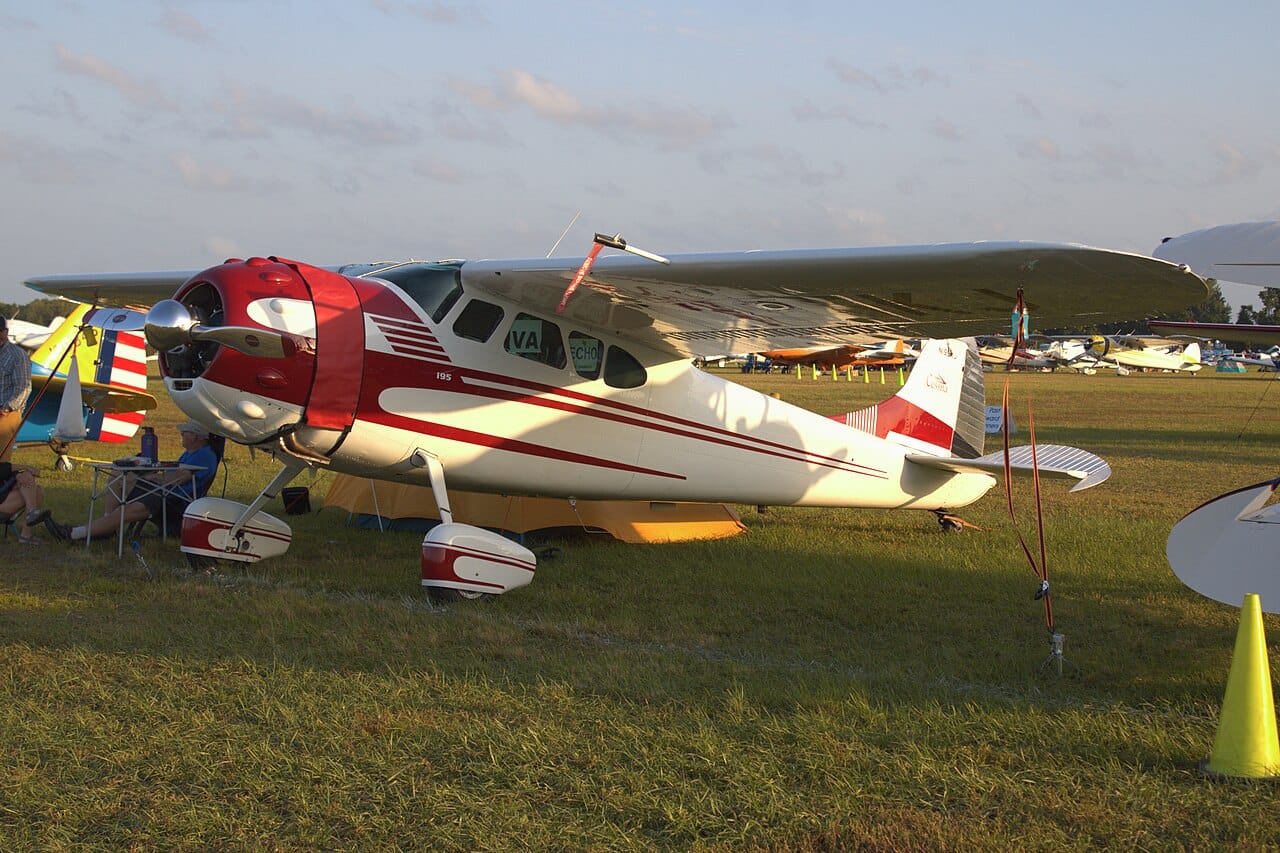
So where does the word "small" come in? In everyday terms, a small plane is a light aircraft with a handful of seats and a modest takeoff weight. Most carry between two and six people. Many have a single propeller up front, spun by a piston engine much like the one in a car, only built for the sky.
Good to Know: General aviation is often called the foundation of flying. Nearly every airline pilot started out bouncing down a runway in a small training plane before they ever touched a jet.
The General Aviation Family
The family of light aircraft is wide and friendly. A few traits tend to show up again and again:
- Light weight. These planes are small enough to be parked in a modest hangar or tied down outside.
- Simple controls. Many use basic instruments that are easy to learn, though newer models add glass screens.
- Short field manners. Plenty can take off and land on grass strips or short runways.
- Personal scale. They are built for one pilot and a few passengers, not crowds.
That simple, personal scale is the whole appeal. A small plane turns a long drive into a short hop and makes the sky feel close enough to touch.
The Main Types of Small General Aviation Planes
Small planes come in several flavors, each built with a different job in mind. Knowing the main groups makes it far easier to picture which one fits the kind of flying you want to do. Here are the common categories, and you can dig deeper into the full range of types of small planes when you are ready to compare them side by side.
- Single-engine piston planes. The most common type by far. One engine, one propeller, usually two to four seats. Simple, affordable, and the backbone of flight training. The world of single-engine options is huge.
- Light sport aircraft. Smaller and lighter, built to a friendlier rulebook that makes them easier and cheaper to fly for newcomers. They top out at modest speeds and seat one or two people.
- Twin-engine planes. Two engines for more power and an extra layer of backup. They cost more to run but can carry more and fly farther. You can read about the strengths of twin-engine designs if redundancy matters to you.
- Small turboprops. A propeller spun by a turbine engine instead of pistons. Faster and pricier, these bridge the gap between a basic single and a jet.
- Seaplanes and floatplanes. Built to land on water, perfect for lakes, rivers, and coastlines. The charm of seaplanes is hard to beat for waterfront flying.
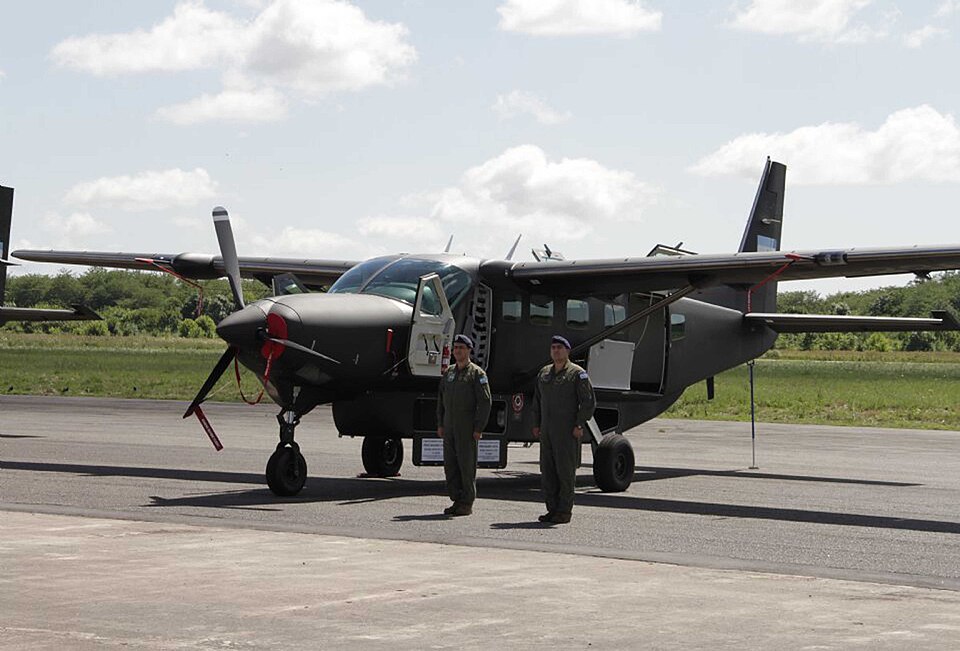
- Bush planes. Rugged taildraggers made for rough strips, gravel bars, and backcountry adventure. The best bush planes trade speed for the ability to land almost anywhere.
- Experimental and kit planes. Built by owners from kits or plans, often delivering big performance for the money.
Quick Tip: If you are brand new to flying, a light sport aircraft is one of the gentlest places to start. The rules around them are simpler, and the planes themselves are forgiving for fresh hands.
That variety is a feature, not a bug. A weekend camper, a daily commuter, and a backcountry adventurer can each find a plane shaped around their dream.
Popular Small General Aviation Planes to Know
Now for the fun part: the actual airplanes. A short list of small general aviation planes shows up over and over at airports around the world, and for good reason. They are reliable, well supported, and easy to find used. Here are some of the most recognizable, along with what makes each one loved.
- Cessna 172 Skyhawk. The classic high-wing, four-seat trainer. It is forgiving, easy to fly, and famous for getting countless pilots through their first solo. Parts and mechanics who know it are everywhere.
- Cessna 152. A two-seat trainer that is smaller and thriftier than the 172. Many flight schools keep these around because they sip fuel and teach the basics beautifully.
- Piper PA-28 Cherokee family. A low-wing favorite that comes in many versions, including the Warrior, Archer, and Arrow. It is roomy, stable, and a common sight at training fields.
- Cirrus SR22. A modern, sleek four-seat plane with a sliding glass cockpit and a whole-airframe parachute system. It has been among the best-selling models in its class in recent years.
- Diamond DA40. A composite four-seater praised for its smooth handling and strong safety record. It is efficient and pleasant on long flights.
- Beechcraft Bonanza. A polished, faster single that has stayed in production for an unusually long stretch. It is a step up in speed and comfort for cross-country trips.
- Mooney. Sleek and efficient four-seaters known for being quick on relatively little fuel. Pilots who value speed-per-dollar often love them.
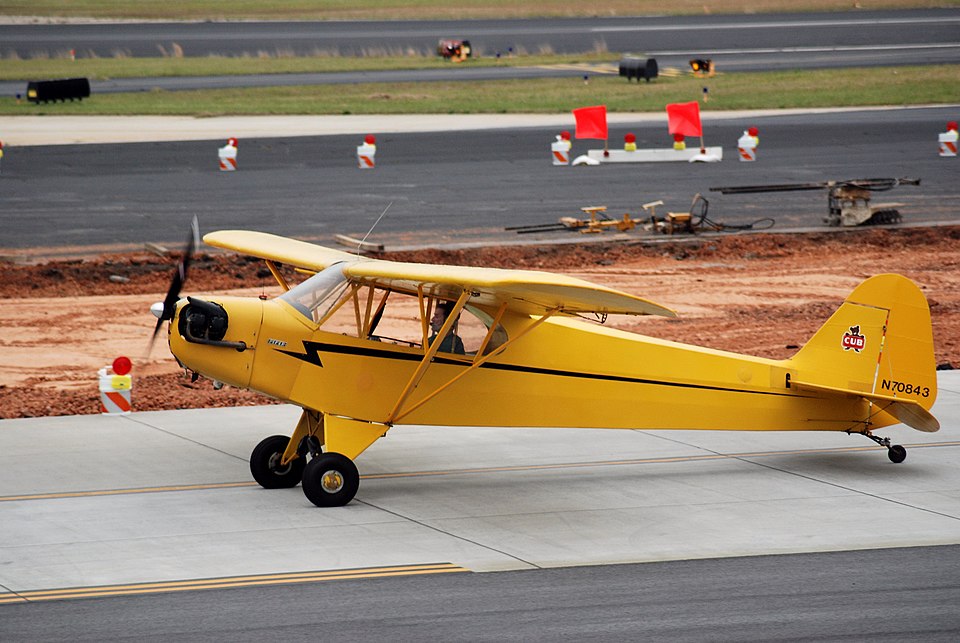
- Piper J-3 Cub and Super Cub. The yellow taildragger that defines old-school flying fun. Cubs are simple, slow, and pure joy on a calm morning.
- Van's RV series. Popular kit-built planes with a reputation for spirited, sporty handling. Builders enjoy both the project and the performance.
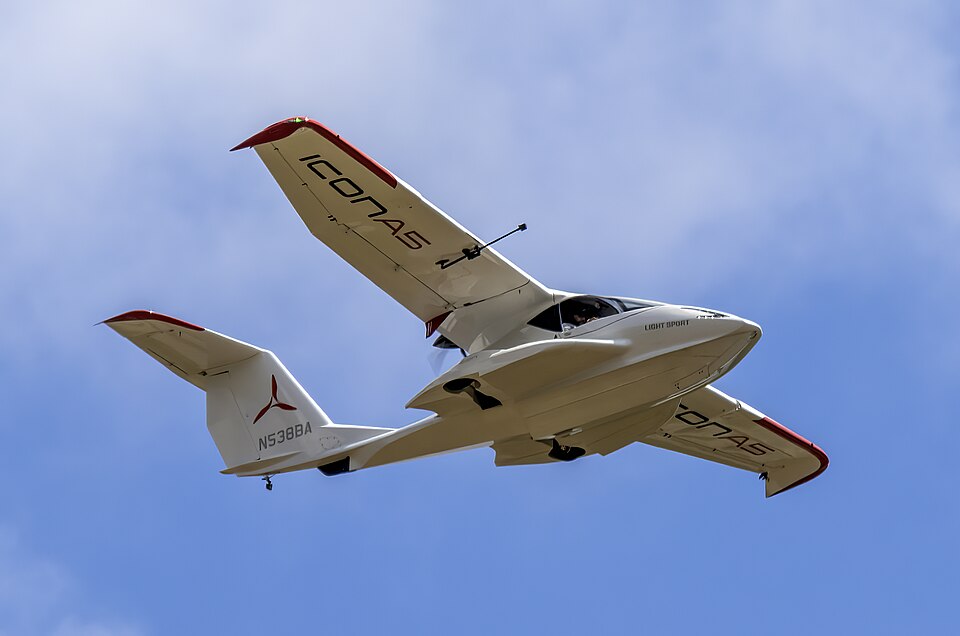
- Icon A5. A small light sport seaplane that folds its wings and can land on water, built to feel approachable for newcomers.
Fun Fact: The Cessna 172 is widely regarded as one of the most-produced aircraft ever built, with examples flying on nearly every continent. Odds are good that a pilot near you trained in one.
You can compare even more options among the best small planes once you have a feel for the styles that speak to you. Each name above earns its spot through a blend of reliability, support, and that hard-to-define charm.
How Much Do Small General Aviation Planes Cost?
This is the question on everyone's mind, and the honest answer is that it depends. The price of getting into the air covers two very different things. There is the cost to buy the plane, and then there is the cost to keep it flying.
On the purchase side, older two-seat trainers tend to be the most budget-friendly way in, while new high-performance singles sit at the top of the range. Condition, age, engine hours, and avionics all push the number up or down. You can get a realistic feel for what they cost across the market, and there are plenty of more affordable options for first-time buyers who shop carefully.
Why It Matters: The sticker price is only the beginning. Two pilots can buy the same model for the same money and still spend very different amounts each year, depending on how they store, insure, and maintain their plane.
Owning a plane brings a set of regular costs that every buyer should plan for. Here is a simple breakdown of the main aircraft ownership costs to expect:
| Cost Category | What It Covers |
| Storage | A hangar or an outdoor tie-down spot |
| Insurance | Coverage for the aircraft and liability |
| Fuel | Avgas or, for some, jet fuel |
| Routine maintenance | Oil changes, small fixes, and wear items |
| Annual inspection | A required yearly checkup by a mechanic |
| Engine reserve | Money set aside for an eventual overhaul |
Heads Up: The yearly inspection and the engine overhaul reserve catch many first-time owners off guard. Setting aside a little every month for these keeps a surprise repair from grounding both the plane and the dream.
Many people manage the cost by buying a clean used airplane instead of a new one, or by sharing ownership with a partner or a flying club. Splitting the fixed costs across several pilots can make a plane far easier to afford while still giving everyone plenty of flying time.
Browsing Flying411 makes it easy to line up used single-engine planes side by side, from humble trainers to family cruisers, so you can match the right aircraft to your real budget.
Are Small General Aviation Planes Safe?
Safety is a fair thing to wonder about, and it deserves a straight answer. Flying a small plane carries real responsibility, and the pilot plays a much bigger role in the outcome than passengers might guess. Good training, careful weather decisions, and steady maintenance are what keep small aircraft safe.
Most incidents trace back to human factors rather than the plane itself falling apart. Pushing into bad weather, running low on fuel, or skipping careful planning causes far more trouble than mechanical failure. A cautious, well-trained pilot in a well-kept plane enjoys a very different risk picture than a careless one. If you want a deeper look, this comparison of small plane safety versus large aircraft is worth a read.
Technology keeps improving the odds too. Some modern planes, like the Cirrus line, carry a whole-airframe parachute that can lower the entire aircraft to the ground in an emergency. The growing number of planes with parachutes has given many pilots and their families extra peace of mind.
Keep in Mind: No plane flies itself to safety. The single biggest safety feature in any small aircraft is a current, careful, well-rested pilot who knows when to stay on the ground.
The takeaway is simple. Small planes can be operated very safely, and millions of hours are flown each year without trouble. The pilot's judgment is the part that matters most.
Who Flies Small Planes, and Why?
The people behind the controls are as varied as the planes themselves. Small general aviation planes serve a long list of needs, which is a big reason so many of them fill the skies.
- Student pilots logging the hours they need to earn a certificate.
- Hobby pilots who fly for the sheer love of it on weekends.
- Business owners who skip airline hassle by flying themselves between cities.
- Families taking short trips that would be a long, dull drive.
- Working pilots doing aerial photography, surveying, pipeline patrol, or crop work.
- Volunteers flying patients to distant medical care through charitable groups.
Each of these missions shapes the kind of plane that fits best. A flight school wants a simple, sturdy trainer. A traveling salesperson wants speed and range. A photographer wants a high wing and a clear view. The shared thread is freedom: the ability to go where you want, when you want, without a ticket counter in sight.
How to Start Flying a Small Plane
Getting into the cockpit is more reachable than most people think. The path is well worn, and thousands of new pilots walk it every year. Here is the usual road from curious beginner to certified pilot.
- Take an introductory flight. Most flight schools offer a low-cost first lesson where an instructor lets you actually handle the controls. This is the best way to find out if flying is for you.
- Choose your certificate. Many start with a Sport Pilot path for light sport flying, while others aim straight for a full private pilot license that opens up more planes and conditions.
- Start ground school and flight lessons. You learn the book knowledge alongside hands-on time with an instructor. The two go together.
- Get a medical, if needed. Depending on the certificate, you may need a basic aviation medical exam to fly.
- Solo, then test. After enough training, you fly alone, then pass a written test and a checkride with an examiner.
- Keep learning. A new certificate is a license to keep growing, with ratings for night, instrument, and more.
Pro Tip: Before you commit to one flight school, visit a couple and talk to their instructors. A good teaching match makes training faster, cheaper, and far more fun.
The whole journey rewards steady effort. You do not need to rush. Plenty of happy pilots earned their wings a lesson or two at a time, fitting it around work and family.
Tips for Buying Your First Small Plane
Once the flying bug bites, ownership starts to look tempting. Buying your first plane is exciting, and a little planning keeps the excitement from turning into regret. Use these steps to shop smart.
- Define your mission first. Be honest about how you will use the plane. A short-hop weekend flyer needs different things than a long cross-country cruiser. Looking at lists of the best planes to own can help you match a model to your goals.
- Budget for the whole picture. Add storage, insurance, fuel, and maintenance to the purchase price before you fall in love with a tail number.
- Get a pre-purchase inspection. Pay a trusted mechanic to look the plane over before you buy. This single step has saved countless owners from costly surprises.
- Read the logbooks. A complete maintenance history tells you how the plane was cared for. Gaps and sloppy records are warning signs.
- Consider a partnership or club. Sharing a plane spreads the fixed costs and can make ownership far easier on the wallet. Many great small private planes are owned by two or three pilots together.
A quiet truth among pilots: the cheapest plane to buy is rarely the cheapest plane to own. The deal that looks too good often hides deferred maintenance that catches up fast.
Patience pays here. The right plane, bought carefully, becomes a faithful companion for years. The wrong one, bought in a hurry, becomes a money pit and a source of stress.
When you are ready to look at real listings, start your search on Flying411 today and see exactly what is sitting on the market right now, from first-time trainers to capable cross-country machines.
Conclusion
Small general aviation planes are the quiet workhorses of the sky. They teach new pilots, carry families, support working flights, and turn the dream of personal flying into something ordinary people can actually reach.
From the humble two-seat trainer to the sleek modern single with a parachute on board, there is a plane shaped around almost any goal and any budget. The hardest part is usually deciding which one fits your life best.
The good news is that the path from curious newcomer to proud owner is well marked and full of friendly company along the way. Take the first flight, do your homework, and shop with care. The sky has plenty of room for one more pilot.
When you are ready to turn that daydream into a tail number, Flying411 is the place to find the plane, the parts, and the people who keep it flying.
Frequently Asked Questions
What is the easiest small plane to learn to fly in?
Many instructors point to gentle two-seat trainers like the Cessna 152 or a forgiving light sport aircraft, since they are stable, simple, and easy on new hands. The best choice often comes down to what your local flight school flies.
Can you make money with a small general aviation plane?
Yes, some owners earn income through flight instruction, aerial photography, survey work, or light charter, though rules and certificates apply. Most casual owners, however, fly purely for personal travel and enjoyment.
How long does it take to get a private pilot license?
It varies widely with your schedule and budget, but many people finish in several months of regular lessons. Flying often and studying steadily tends to make the process faster and cheaper.
Do small planes need a long runway?
Not always. Many light aircraft can use short paved strips or even grass fields, and bush planes are built for very rough, short surfaces. Larger or faster singles tend to want more room.
What is the difference between a light sport aircraft and a regular small plane?
Light sport aircraft are smaller, lighter, and built to a simpler set of rules, which can make them cheaper and easier to fly. A standard small plane may be heavier, faster, and able to carry more, but it usually asks for more training and money.