Picture a plane that does not need a runway. It lands on a lake, a river, or a calm patch of ocean, then taxis right up to a dock like a boat. That is the simple magic of small sea planes. They turn open water into a landing strip and reach spots where roads stop and the wild begins.
These little aircraft have a loyal following. Bush pilots use them to reach remote camps. Weekend flyers use them to hop between lakes. People who live near water use them the way other folks use a pickup truck.
Some look like regular planes wearing big floats. Others have a hull shaped like a boat. A few can do both land and water, switching from wheels to water with the press of a button.
What looks like a smooth glide across the surface is actually a careful fight against the water trying to hold the plane down.
Key Takeaways
Small sea planes are light aircraft built to take off from and land on water, using either floats below the body or a boat-shaped hull built into the body. Most carry two to six people and reach lakes, rivers, and coastlines that have no airport at all. They cost more to buy and maintain than a similar land plane, and flying one takes a little extra training. In return, they hand you a kind of freedom that few other aircraft can match.
| Topic | The Short Version |
| What they are | Light planes that land on water using floats or a hull |
| Main types | Floatplanes, flying boats, and amphibious models |
| Typical size | Two to six seats |
| Who flies them | Bush pilots, hobby flyers, lakeside and coastal owners |
| Extra training | A seaplane rating added to a pilot certificate |
| Big upside | Access to water with no runway needed |
| Main tradeoffs | Higher cost, more upkeep, and weather-sensitive flying |
Flying411 is an online aviation marketplace where buyers and sellers connect over everything from floatplanes to overhauled engines and certified aircraft parts.
What Makes a Small Sea Plane Different
A small sea plane is built around one big idea. It needs to float, move across water, and still fly well once it leaves the surface. That sounds simple, but it changes almost every part of the design.
A normal plane rolls on wheels and brakes to a stop on pavement. A sea plane has no brakes on the water. It slows down by settling into the surface and letting the water drag it down. Steering also works differently, since you cannot turn a steering wheel on a glassy lake. Designers solve these problems in two main ways, and that gives us the two core families of sea planes.
Floatplanes vs Flying Boats
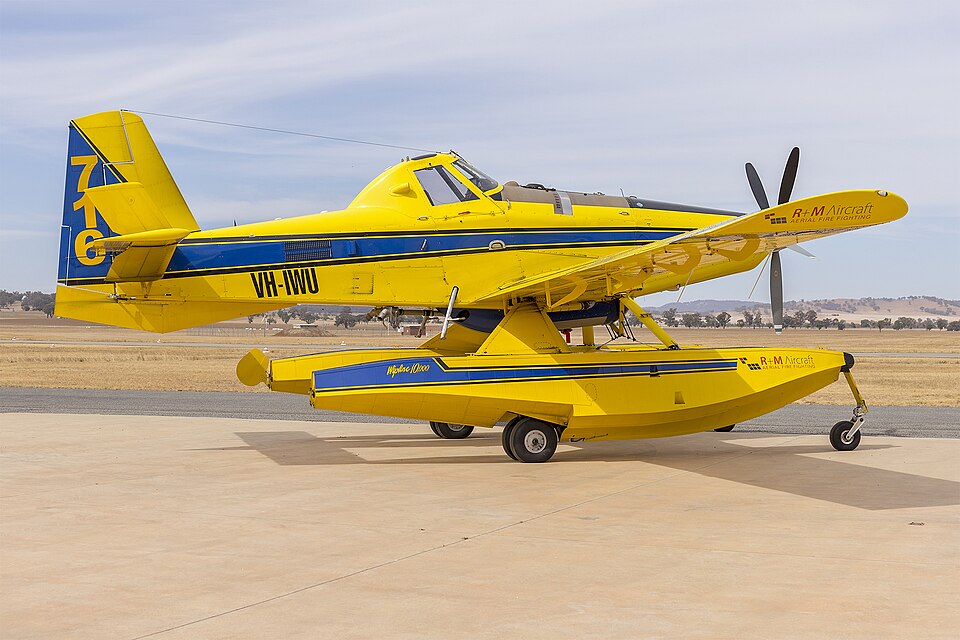
The first family is the floatplanes. These are often regular land planes that have been fitted with two long floats, also called pontoons, in place of wheels. The floats hold the whole plane up out of the water. A floatplane can sometimes be converted back to wheels, which makes it a flexible choice for owners who want both worlds over time.
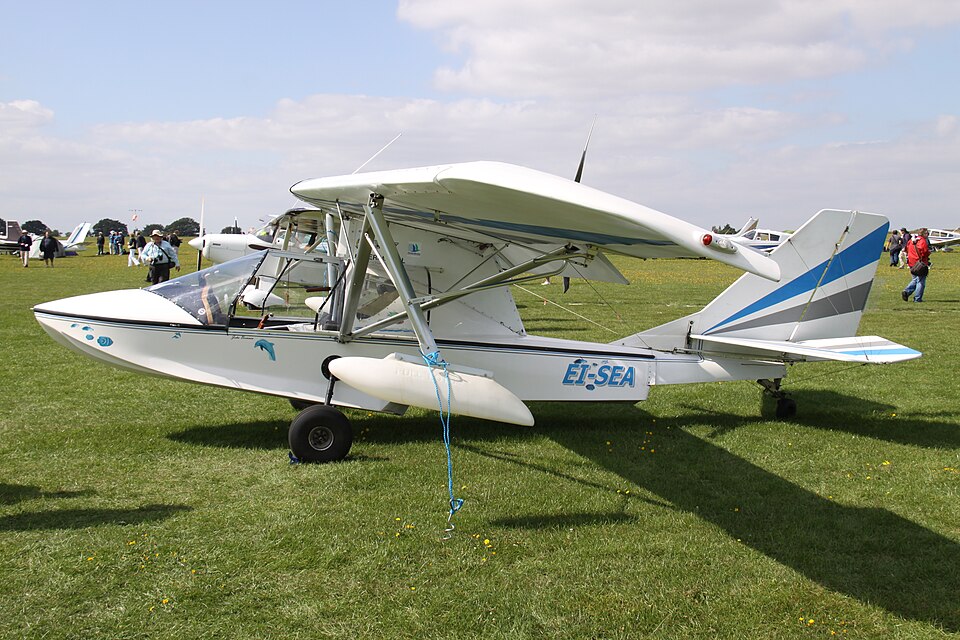
The second family is the flying boats. On these, the body of the plane itself is shaped like a boat hull and rests in the water. Small wing-tip floats keep the plane from tipping over sideways. Flying boats tend to sit lower and feel more like a boat that grew wings.
Here is a quick way to keep them straight:
- Floatplane: A plane standing on floats, like a person on stilts in the water.
- Flying boat: A boat with wings, where the body floats directly.
Good to Know: People often use the word "seaplane" as a catch-all for both floatplanes and flying boats. The word covers any plane that can operate from water, so a floatplane is one kind of seaplane, not a separate thing.
What "Amphibious" Really Means
Some sea planes can land on both water and land. These are called amphibious aircraft. They carry small retractable wheels tucked inside the floats or the hull. When the pilot wants a runway, the wheels come down. When the pilot wants a lake, the wheels go up.
This flexibility is wonderful, but it adds weight, cost, and one very important habit. The pilot must always set the wheels correctly for the surface ahead. Wheels down on water, or wheels up on a runway, can ruin a perfectly good day. Careful pilots build a strong checklist habit to keep the wheels right every single time.
How Small Sea Planes Take Off and Land on Water
Getting a plane off the water is a different art from getting it off a runway. Water grabs the floats and holds on. The pilot has to break that grip and let the plane climb up onto the surface before it can fly. This is the part that surprises new sea plane pilots the most.
The Role of the Step
Look closely at a float or a flying boat hull and you will see a sharp break in the bottom, partway back. That break is called the step. It is the secret to leaving the water.
As the plane speeds up, the pilot eases it up onto the step. The plane rises so only the back part of the float skims the surface. This cuts the water drag in a big way and lets the plane keep gaining speed until it lifts off. Pilots call this "getting on the step," and it feels like the plane suddenly wakes up and wants to fly.
Why It Matters: Without the step, the floats would stay buried in the water and drag would win. The step is the single design feature that turns a heavy floating object into something that can break free and climb into the sky.
Water Rudders and Steering
On the water, a sea plane steers with water rudders. These are small fins at the back of the floats that drop down into the water like the rudder on a boat. The pilot uses foot pedals to swing them and turn the plane while taxiing.
For takeoff and landing, the water rudders lift up out of the way. After that, the plane behaves like an aircraft and the air rudder takes over. Wind, current, and waves all push the plane around on the surface, so taxiing a sea plane to a dock can feel a bit like docking a boat in a breeze.
Heads Up: Very calm water, called glassy water, is one of the trickiest things a sea plane pilot faces. A mirror-flat surface hides exactly how high the plane is above it, which makes judging the landing hard. Pilots use a special slow descent and trust their instruments to set down safely.
Popular Small Sea Planes Worth Knowing
Now for the fun part. The world of small sea planes covers everything from tiny two-seat sport planes to rugged bush machines. The list below walks through models that pilots know and love. Sizes and missions vary, so think of this as a tour across the whole range rather than a ranking.
If you enjoy comparing aircraft, this list pairs well with broader guides to types of small planes and small single-engine planes.
- Icon A5. A modern light sport amphibian with folding wings, so you can tow it home on a trailer. It is built for fun flying close to the water and is popular with sport pilots who want easy adventure.
- Progressive Aerodyne SeaRey. A light, sporty amphibian that comes in open-cockpit and enclosed versions. It has a loyal following among flyers who like a simple, playful plane for lake days.
- Super Petrel LS. An amphibious biplane with a friendly reputation. Its two wings give it a vintage look and steady low-speed handling, which many water pilots appreciate.
- Aventura. A light amphibious design that has long been a favorite in the sport and kit-built world. It keeps things basic and affordable for flyers who want water access without a big machine.
- Cessna 180 and 185 on floats. These classic high-wing Cessnas are bush workhorses. Bolt on a set of floats and they become tough, roomy water haulers that pilots in remote regions rely on heavily.
- Cessna 206 on floats. A bigger single-engine hauler that takes well to amphibious floats. It carries more people and gear, which makes it a favorite for lodges, tours, and serious backcountry work.
- Piper PA-18 Super Cub on floats. A legendary tail-dragger that turns into a nimble floatplane with the right gear. It is light, short-field friendly, and beloved by adventure pilots almost everywhere bush flying happens.
- de Havilland Canada DHC-2 Beaver. Sitting on the larger end of "small," the Beaver is one of the most famous floatplanes ever built. It is widely known as a rugged, dependable bush plane that has hauled cargo and passengers across the north for generations.
- Maule M-series on floats. These short-takeoff planes are right at home on water. They mix strong low-speed handling with a light frame, which suits pilots who land in tight bays and rivers.
- Lake Buccaneer and Lake Renegade. These are amphibious flying boats with the engine mounted up high on a pylon. The boat-style hull means the body rides right in the water, and the high engine keeps the propeller clear of spray.
- Republic RC-3 Seabee. A vintage amphibious flying boat with a devoted fan base. It is an older design, but its rear-mounted engine and roomy cabin still turn heads at any seaplane gathering.
Fun Fact: The de Havilland Beaver is so respected in the bush flying world that it is often called a flying pickup truck. It has long been considered one of the toughest aircraft ever made for rough, remote work on floats, skis, or wheels.
Some of these planes double as classic backcountry machines, so they overlap with the wider world of the best bush planes. If raw hauling ability matters to you, it also helps to understand useful load on a single-engine plane, since floats eat into how much weight you can carry.
Browsing for your own water machine? Flying411 lists new and used floatplanes, amphibians, and the engines and avionics that keep them flying, all in one searchable marketplace.
What Small Sea Planes Cost
Cost is the question everyone asks, and the honest answer is that it depends on a lot. A tiny used light sport amphibian sits at one end of the range. A turbine bush plane on amphibious floats sits far at the other. Still, a few patterns hold true across the board.
The biggest extra cost compared to a land plane is the floats themselves. A quality set of floats, especially amphibious ones with retractable wheels, can add a serious amount to the price of an aircraft. That cost shows up again at resale and again in upkeep.
Here are the main things that move the price up or down:
- New versus used. A brand-new factory amphibian costs much more than a well-kept used floatplane.
- Plain floats versus amphibious floats. Wheels that retract add complexity and price.
- Engine type. A simple piston engine costs less to run than a turbine.
- Size and seats. More seats and more power usually mean more money.
- Condition and corrosion history. Water planes can suffer corrosion, so a clean history is worth a lot.
For a broader sense of the numbers across the light aircraft world, it helps to read up on what small planes cost before you shop. Buyers on a tighter budget may also want to look at affordable small planes and weigh how much a water setup adds.
Keep in Mind: The sticker price is only the start. Floats need their own inspections, the hull or floats need rinsing after saltwater, and insurance for water flying often costs more. Budget for the whole picture, not just the purchase.
Pros and Cons of Owning a Small Sea Plane
A sea plane is a tool with a strong personality. It gives you something special and asks for something in return. Knowing both sides before you buy keeps the dream realistic and the ownership happy.
The Upsides
The freedom is the headline benefit. With a sea plane, almost any calm body of water becomes a place to land. That opens up fishing trips, hunting camps, island cabins, and quiet coves that no road or runway can reach.
- Access: Land where there is no airport at all.
- Adventure: Reach remote lakes, rivers, and coastlines with ease.
- Flexibility: With an amphibian, you get both land and water in one plane.
- The view: Low water flying offers scenery that high-altitude trips simply cannot.
- Community: Seaplane flyers tend to form tight, welcoming groups.
The Tradeoffs
Now the other side. Sea planes cost more to buy and keep, and they reward careful, skilled flying. Water adds variables that a paved runway never does.
- Higher cost: Floats, upkeep, and insurance all add up.
- Corrosion: Water, and saltwater most of all, is hard on metal.
- Lower performance: Floats add weight and drag, so payload and speed drop a bit.
- Weather sensitivity: Wind, waves, and glassy water all affect water operations.
- More skill required: Reading water and docking in wind take practice.
Pro Tip: If you fly off saltwater, rinse the floats, hull, and any exposed metal with fresh water as soon as you can after each trip. Salt left to sit is one of the fastest ways to grow corrosion and shrink the life of your aircraft.
For owners weighing a water plane against other personal aircraft, it can help to compare options across the field of small private planes and the wider list of types of small private planes.
Getting a Seaplane Rating
You cannot just buy a floatplane and splash down on a lake the next morning. Flying off water takes its own training and a special add-on to your pilot certificate. The good news is that the add-on is one of the most enjoyable bits of training in all of aviation.
The rating most owners earn first is the single-engine sea rating. It teaches you the water side of flying: how to read the surface, how to handle wind on the water, how to dock, how to take off and land safely, and how to handle that tricky glassy water.
Here is the simple path most people follow:
- Hold a pilot certificate already. A seaplane rating builds on top of your existing flying.
- Train with a seaplane instructor. You learn step taxiing, water takeoffs, and landings.
- Practice water handling. Docking, beaching, and reading wind take repetition.
- Pass a checkride. An examiner confirms you can operate safely on water.
Quick Tip: Many pilots earn a seaplane rating over a single fun weekend course at a dedicated school. It is often described as one of the best confidence boosters in flying, even for people who never plan to own a sea plane.
Because sea planes share so much with their land cousins, the skills you already have carry over. If you are still building your foundation, broader reading on the best small planes can help you pick a first aircraft that later supports float training.
Where People Fly Small Sea Planes
Sea planes thrive wherever there is plenty of open water and not enough roads. A few regions have become famous for water flying, and once you see the map it makes perfect sense.
- Alaska: Endless lakes, rivers, and coastline, with many places reachable only by air or boat.
- Canada: Vast northern wilderness dotted with lakes that act as natural runways.
- The northern United States: Lake-rich states draw a strong floatplane community.
- Florida and the Gulf coast: Warm water and easy access make for popular sport flying.
- Island and coastal regions worldwide: Short water hops often beat long, winding road trips.
In these places, a sea plane is a practical machine, not just a toy. Lodges fly guests to remote cabins. Families reach island homes. Pilots run supplies to spots that would take a full day to reach by boat. The plane earns its keep every time it lands where nothing else can.
Heads Up: Local rules matter a great deal on the water. Some lakes, parks, and coastal areas limit or ban seaplane operations to protect wildlife, swimmers, and quiet. Always check the local rules before you plan to land somewhere new.
Ready to turn the dream into a hangar reality? Start your search on Flying411 and connect with sellers, mechanics, and seaplane services in one place.
A Few Things to Watch Before You Buy
Buying a sea plane rewards a careful eye. Because these aircraft live in water, the inspection process leans heavily on a few extra items that a land-only buyer might never think about.
Pay close attention to these areas:
- Float condition: Look for dents, leaks, and corrosion inside the float compartments.
- Hull integrity: On flying boats, check the hull for cracks and past repairs.
- Corrosion history: Ask hard questions about saltwater use and storage.
- Rigging and water rudders: Make sure the steering gear works smoothly.
- Logbooks: A clear maintenance record is worth real money on a water plane.
A trusted mechanic who knows sea planes is worth every penny here. Water aircraft hide their wear in places a casual look will miss, so an expert pre-purchase inspection can save you from an expensive surprise. Some buyers also factor in modern safety features, which is why interest in small planes with parachutes has grown across light aviation in general.
Good to Know: A sea plane that has spent its whole life on clean, fresh inland water often holds up far better than one that worked hard over saltwater. Two planes of the same model and age can be in very different shape because of where they flew.
Conclusion
Small sea planes hand you a simple but powerful gift. They erase the need for a runway and turn open water into a doorway. With a set of floats or a boat-shaped hull, a light plane can reach quiet lakes, hidden coves, and remote camps that most travelers will never see. Yes, they cost more and ask for extra care and training.
For the people who fall in love with water flying, that trade feels more than fair.
So picture that calm lake at dawn one more time. The floats kiss the surface, the plane climbs onto the step, and a moment later you are airborne over country that has no roads at all. That feeling is the whole reason these aircraft exist.
When you are ready to find your own water machine, let Flying411 connect you with the floatplanes, amphibians, parts, and pros that make the splashdown dream take off.
FAQs
How much water does a small sea plane need to take off?
It depends on the plane, the load, the wind, and the air temperature, but many light floatplanes can lift off from a few thousand feet of clear water. Heavier loads, calm wind, and hot days all stretch that distance, so pilots always plan for more room than they think they need.
Can small sea planes land on snow or ice?
Many can, but usually with a swap to skis rather than floats, and some bush planes use combination ski-and-wheel setups. Landing on snow or ice is its own skill, so pilots train for it before trying it in the backcountry.
Is it harder to fly a small sea plane than a regular plane?
The flying part in the air is similar, but the water work adds new skills like reading the surface, docking in wind, and handling glassy water. Most pilots find a seaplane rating challenging in a fun way rather than truly difficult.
Can you dock a small sea plane at a regular boat dock?
Often yes, as long as the dock is sturdy and the water is deep enough for the floats or hull. Pilots approach slowly and treat it much like docking a boat, since wind and current push the plane around on the surface.
Do small sea planes have parachutes?
A few modern light aircraft offer whole-airframe parachute systems, though they are more common on certain land planes than on sea planes. Most small sea planes rely instead on careful training, good judgment, and solid water-handling skills for safety.