Look up on a clear afternoon near almost any small-town airport, and the plane humming overhead is probably a small engine plane. These light aircraft are the quiet workhorses of everyday flying.
They teach new pilots, carry families on weekend trips, dust crops, watch over highways, and reach little airfields that big jets could never touch.
Most of them seat two to six people and run on one or two piston motors. They are simple to operate, friendly on the wallet compared to bigger aircraft, and built for the kind of flying real people actually do.
The surprising part is how much airplane you can get from a motor not much bigger than the one bolted into a family sedan.
Key Takeaways
A small engine plane is a light aircraft powered by one or two piston engines, usually built to carry two to six people on short trips. These planes are the most common aircraft in the sky. They are popular for training, recreation, personal travel, and light work because they cost less to buy and run than jets or turboprops, and they can land on short, simple runways.
| Topic | Quick Answer |
| What it is | A light plane run by one or two piston engines |
| Typical seats | Two to six people |
| Common engine brands | Lycoming, Continental, and Rotax |
| Main jobs | Flight training, personal flying, light utility work |
| Cost range | From a modest used-trainer price to several hundred thousand dollars new |
| Best-known model | The Cessna 172 Skyhawk, one of the most-produced aircraft ever |
Flying411 keeps an eye on this corner of aviation every day, from beginner trainers to fast cross-country singles, so the planes in this guide are the same ones you will see in real listings and at real airports.
What Counts as a Small Engine Plane?
The phrase covers a wide family of aircraft, so it helps to pin down what fits inside it. In plain terms, a small engine plane is a light, propeller-driven aircraft powered by a piston motor, much like a very refined car engine turned sideways and aimed at the sky.
These planes share a few common traits:
- They run on one or two piston engines rather than jet turbines.
- They are light, usually well under the weight of a regional airliner.
- They carry a small group, often two to six people.
- They fly at modest speeds and lower altitudes than airliners.
- They can use short runways and small community airports.
That last point matters more than it sounds. A jet needs a long paved runway and a real airport. A small piston plane can drop into a grass strip behind a farm. This freedom is a big reason so many people fall in love with this style of flying.
Good to Know: "Small engine plane" is an everyday phrase, not an official government category. Pilots and regulators usually sort these aircraft by weight, speed, and number of seats. The casual term simply points at the light, piston-powered planes most folks picture when they imagine a little airplane.
It also helps to know what a small engine plane is not. It is not an airliner, not a business jet, and not a heavy military transport. If you are curious how this little plane stacks up against the giants, the contrast with the biggest passenger planes is a fun one, since they sit at opposite ends of the same sky.
How Small Plane Engines Actually Work
The heart of a small engine plane is its piston engine. If you have ever heard a propeller plane buzz overhead, you have heard pistons at work. The basic idea is the same one that powers a lawn mower or a car, only built to aircraft standards for safety and reliability.
The simple version of the cycle
Inside the engine, fuel and air mix together and get squeezed by moving pistons. A spark lights the mix, it pushes the piston down, and that motion spins a shaft. The shaft turns the propeller, and the spinning prop pulls the plane forward through the air. Do that thousands of times a minute, and you get steady thrust.
Most of these motors are "horizontally opposed," which means the cylinders lie flat on each side of the engine. This shape is compact and balances well, which keeps things smooth in the cockpit.
Fuel and cooling
Many small engine planes burn a special leaded fuel called 100LL avgas. Newer light planes can often run on regular automotive gasoline, which is cheaper and easier to find in some places. A growing number of models even use diesel-style engines that sip Jet-A fuel.
Cooling is usually simple too. Most traditional aircraft pistons are air-cooled, so they rely on air rushing over metal fins instead of a heavy radiator system. Fewer parts means fewer things that can go wrong.
Fun Fact: The Wright brothers' first powered flight in 1903 used a small four-cylinder piston engine that made only about 12 horsepower. Today a typical trainer engine makes ten to fifteen times that, and it fits in roughly the same space up front.
Horsepower and what it buys you
Power in these planes is measured in horsepower, just like cars. A light trainer might make around 100 to 180 horsepower. A faster, heavier single might make 300 or more. More power usually means a higher useful load, better climb, and quicker cruise. It also means more fuel burned per hour, so pilots balance speed against cost.
Types of Small Engine Planes
This family is bigger and more varied than most people expect. The aircraft below all count as small engine planes, but each serves a different mission. Knowing the different types of small planes makes it much easier to picture where each one fits.
Single-engine piston planes
These are the classic small planes, with one propeller up front and seats for two to six. They handle most flight training and personal flying in the world. Think Cessna 172 or Piper Cherokee. If you want a deeper look at single-engine piston aircraft, the world of small single-engine planes is where most pilots begin their story.
Light sport aircraft (LSA)
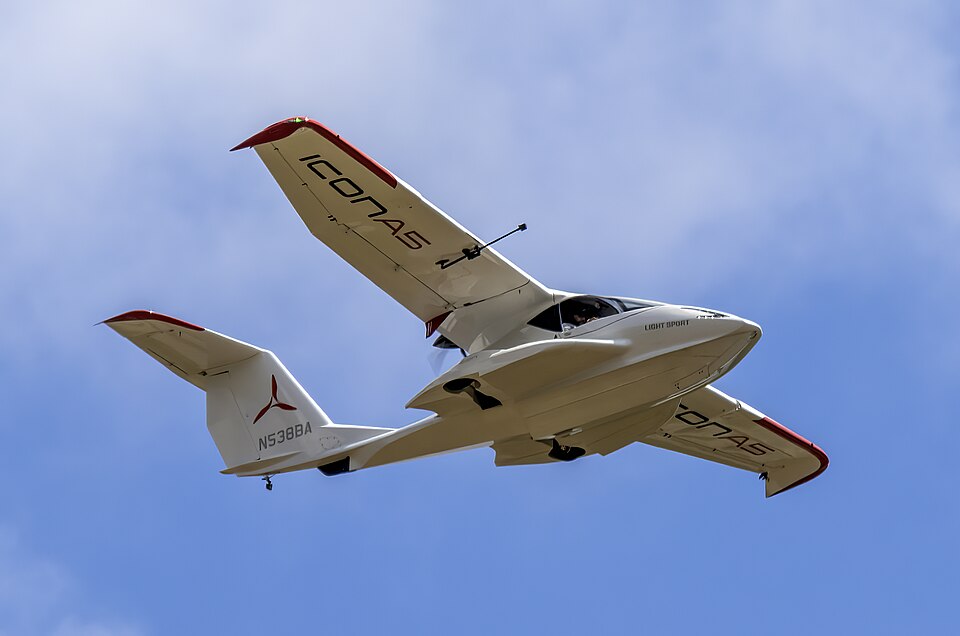
Light sport aircraft are a newer, lighter class with weight and speed limits set by rule. They are simple, efficient, and friendly for sport and recreation. Many are two-seaters built from modern materials. A pilot can fly one with a sport pilot certificate, which is quicker and cheaper to earn than a full private license.
Ultralights
Ultralights are the smallest, lightest end of the family. In the United States, true ultralights are single-seat machines below a strict weight limit, and they can be flown without a pilot certificate. They are basic, slow, and pure fun, closer to a flying go-kart than a traveling machine.
Twin-engine piston planes
Some small planes carry two engines instead of one. The second engine adds a safety backup and often more speed and load. These planes cost more to buy and run, since you are feeding two motors. Pilots who want that redundancy can look at twin-engine options, including compact models covered in this roundup of small twin-engine prop planes.
Experimental and kit planes
Many small engine planes are built at home from kits. Builders assemble them in a garage or hangar over months or years. These experimental aircraft can be highly capable, and they let owners customize nearly everything. Brands like Van's Aircraft have huge, loyal followings in this space.
Bush and backcountry planes
Some small planes are built tough for rough strips, gravel bars, and mountain airfields. Fat tires, strong gear, and short-takeoff wings let them go where pavement ends. If wild places call to you, the world of rugged bush planes is a great rabbit hole.
Why It Matters: Picking the right type is half the battle. A pilot who only wants cheap weekend fun does not need a six-seat cross-country machine, and a family that travels often will outgrow a tiny two-seater fast. Matching the plane to the mission saves money and frustration.
For a tour focused on the personal-travel end of the family, the breakdown of types of small private planes lines up the options side by side.
The Engines Under the Cowling: Lycoming, Continental, and Rotax
Open the front of almost any small engine plane in the United States and you will likely find one of three engine names. Each one tells you something about how the plane flies and what it costs to keep running.
| Engine Brand | Known For | Common Home |
| Lycoming | Rugged, proven, widely supported | Trainers and cross-country singles |
| Continental | Smooth running, deep history | Classic Cessnas and high-performance singles |
| Rotax | Light, efficient, modern | Light sport and experimental planes |
Lycoming and Continental are the old guard. They have powered trainers, bush planes, and cross-country cruisers for decades. Their engines are air-cooled and horizontally opposed, and almost every mechanic in the country knows them well. Parts are easy to find, which keeps these planes flying.
Rotax is the newer name on the flight line. The Austrian company first reached aviation through ultralights, then took over the light sport world with its compact four-stroke engines. A Rotax often burns far less fuel than an older engine of similar power, and many run happily on regular auto gas.
Fun Fact: Rotax is widely said to build more aviation engines each year than Lycoming and Continental combined, though most of those go into light sport and kit planes rather than certified trainers.
There is no single "best" engine here. Lycoming and Continental tend to rule certified training and travel planes. Rotax tends to win in the light, efficient, modern corner. The right choice depends on the plane and the mission.
Popular Small Engine Planes Worth Knowing
Now for the fun part. These small engine planes are the ones you will see again and again at airports, in flight schools, and in for-sale listings. Each earned its spot through years of dependable service. The list runs from humble trainers to fast travelers, so there is something here for almost every dream.
- Cessna 172 Skyhawk. The most famous small plane in the world, and widely considered the most-produced aircraft ever, with over 44,000 built since 1956. It is a four-seat, high-wing single that is forgiving, stable, and easy to learn on. If you picture a "little airplane," you are probably picturing a 172.
- Cessna 150 / 152. A small two-seat trainer that taught generations of pilots. It is cheap to run, simple to fix, and built in huge numbers, so parts and mechanics are everywhere. For budget flying, it is hard to beat.
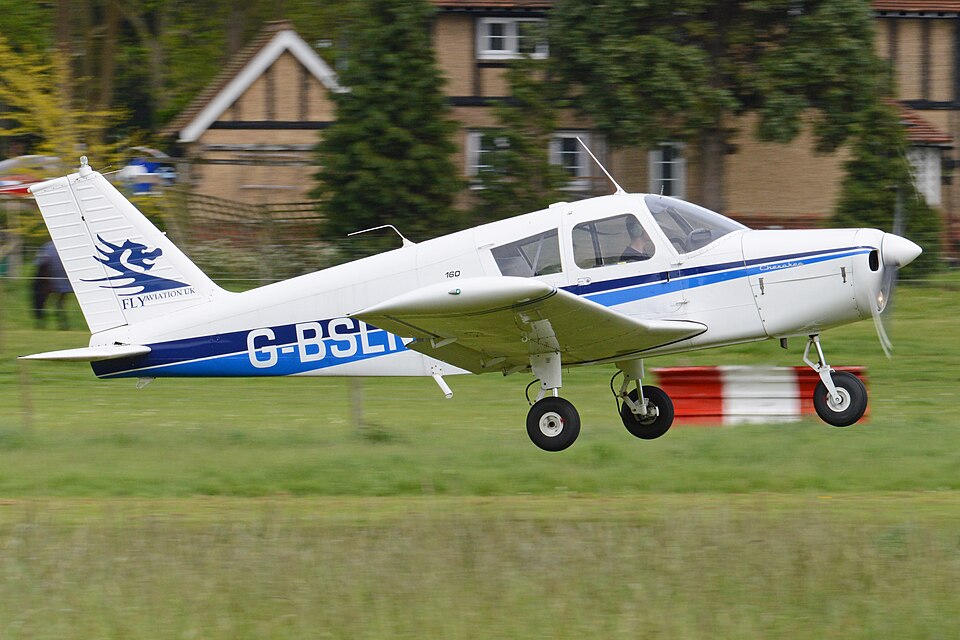
- Piper PA-28 Cherokee (and Archer). A low-wing four-seater that has been in production since 1960, with tens of thousands sold. The low wing gives a different look and feel from the Cessnas, and it remains a flight-school favorite.
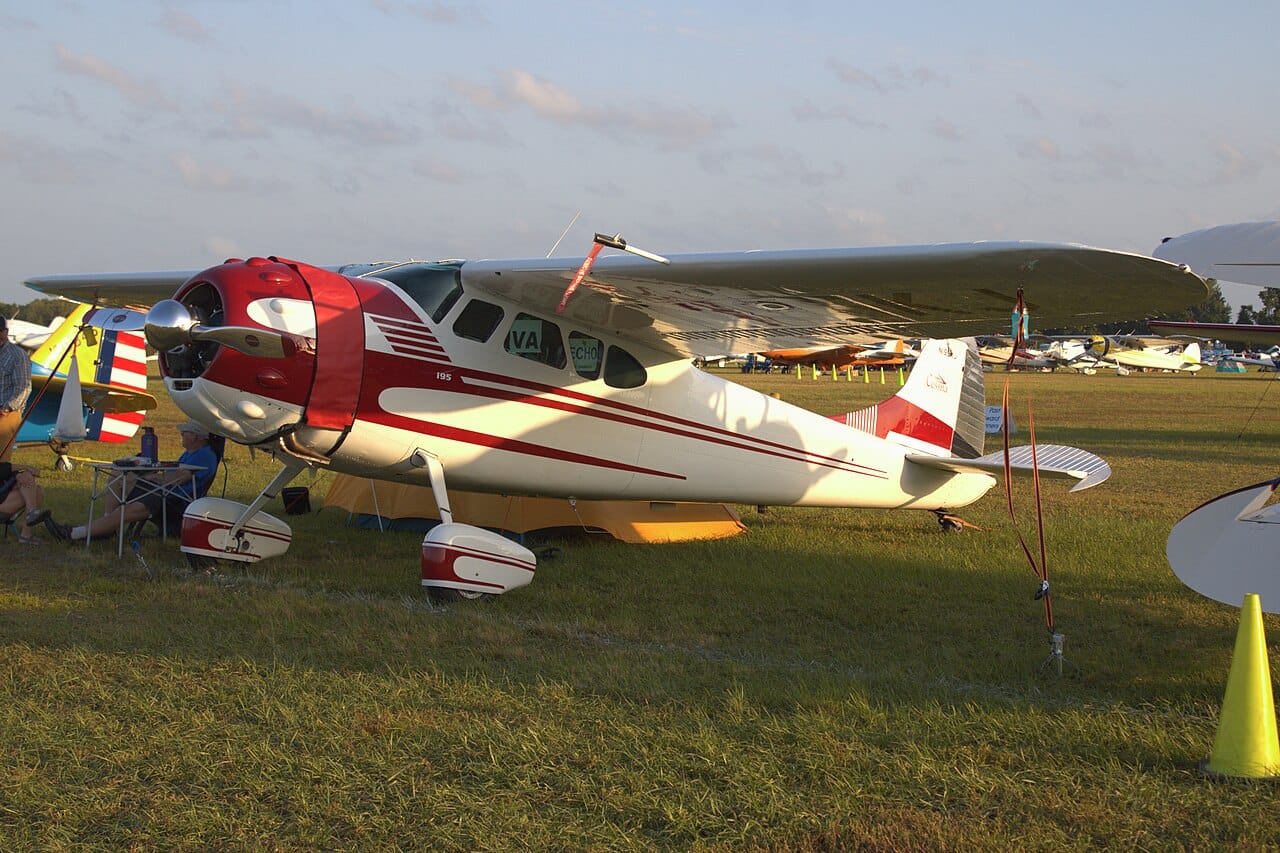
- Cessna 182 Skylane. A roomier, more powerful step up from the 172. It carries four adults and gear with ease, making it a beloved family and travel plane. Many owners call it the do-everything single.
- Cirrus SR22. A modern, high-tech single with a sleek composite body, a glass cockpit, and a whole-airframe parachute system. It has been a sales leader since the early 2000s and changed how many people think about personal flying.
- Beechcraft Bonanza. First built in 1947 and still made today, the Bonanza is one of the longest-running aircraft designs in history. It is fast, comfortable, and well loved by pilots who fly long distances.
- Mooney M20. A sleek, efficient low-wing single famous for getting a lot of speed out of modest power. Its unique forward-canted tail makes it easy to spot on the ramp.
- Diamond DA40. A modern composite four-seater known for fuel efficiency and a strong safety record. Diesel versions sip far less fuel than older designs, which keeps trips affordable.
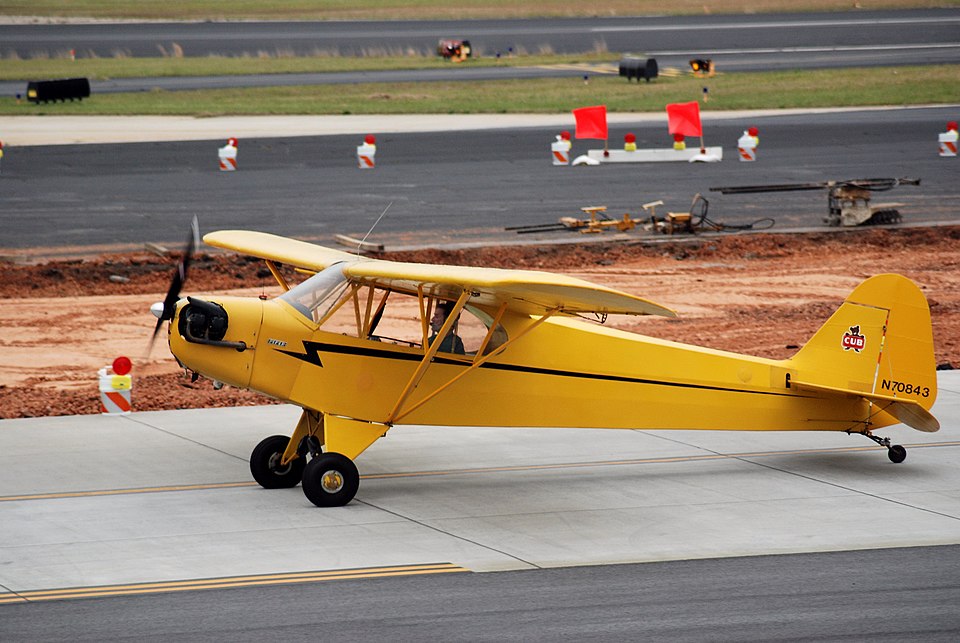
- Piper J-3 Cub. The classic yellow tail-dragger that taught countless pilots to fly. It is slow, simple, and pure joy, the kind of plane people fly just to feel the air. More than 20,000 were built.
These nine barely scratch the surface, but they cover the planes most people mean when they talk about small engine planes. For more picks across budgets and missions, the rundown of the best small planes and a guide to private planes worth owning both add great options.
Ready to put a name to a tail number? Flying411 lists new and used single-engine planes, twins, and light sport aircraft from makers like Cessna, Piper, Cirrus, and Robinson, so you can compare real planes for sale in one place.
Keep in Mind: Popularity is your friend when buying. A model with huge production numbers, like the Cessna 172 or Piper Cherokee, usually means easy-to-find parts, plenty of mechanics who know it, and a deep used market. A rare plane can be wonderful to fly and a headache to maintain.
If you carry friends and family often, planes with more seats deserve a look. The guide to six-seat options and a list of small passenger planes both focus on hauling more people in comfort. And for those who care about hauling weight, the topic of useful load explains how much a single-engine plane can actually carry once fuel and people are aboard.
How Much Do Small Engine Planes Cost?
This is the question everyone asks, and the honest answer is "it depends." Price swings widely based on age, hours, condition, and equipment. Still, some general ranges help set expectations. For a fuller picture, the breakdown of how much small planes cost digs into the details.
Buying the plane
Here is the rough lay of the land, kept general on purpose since prices move:
- Older used trainers can often be found for a modest five-figure sum, especially basic two-seaters.
- Mid-range used singles with decent avionics tend to land somewhere in the low-to-mid six figures.
- Brand-new modern singles commonly run well into the several-hundred-thousand-dollar range, sometimes more for high-tech models.
If sticker shock sets in, there are gentler ways into the sky. The guide to more affordable options shows how patient buyers find honest planes without a fortune.
Pro Tip: The purchase price is only the down payment on the dream. The real cost of owning a small engine plane is the ongoing spending: hangar or tie-down, insurance, fuel, annual inspections, and the engine overhaul that comes due after a set number of hours. Budget for the year, not just the buy.
Owning and flying it
Beyond the sticker price, plan for steady costs that show up every month and every year:
| Cost | What It Covers |
| Storage | Hangar rent or an outdoor tie-down spot |
| Insurance | Coverage that varies with the plane and your experience |
| Fuel | Burned by the hour, more with bigger engines |
| Maintenance | Routine fixes plus a required yearly inspection |
| Engine reserve | Money set aside for the eventual overhaul |
The good news is that small piston planes are far cheaper to feed and fix than turboprops or jets. A light trainer with an efficient engine can fly on a fuel budget that surprises people in the best way.
Heads Up: An old plane with a low price tag can hide expensive surprises, like a tired engine near overhaul or out-of-date avionics. A thorough pre-purchase inspection by a trusted mechanic is the cheapest insurance you can buy before signing anything.
Pros and Cons of Small Engine Planes
No aircraft is perfect for every job. Small engine planes shine in many ways and fall short in a few. Seeing both sides helps you set fair expectations.
The upsides
- Lower cost. Cheaper to buy, insure, fuel, and maintain than larger aircraft.
- Simple to operate. Fewer systems mean an easier learning curve.
- Go almost anywhere. They reach short, small fields that big planes cannot use.
- Great for learning. Forgiving handling makes them ideal trainer aircraft.
- Strong used market. Popular models hold value and keep parts flowing.
The trade-offs
- Less speed and range. Most cruise slower and fly shorter distances than turbines.
- Smaller cabins. Space and comfort are tight compared to bigger planes.
- Weather limits. Many are not built to climb above rough weather.
- Single point of failure. One-engine planes have no backup motor, though modern engines are very reliable.
Some makers tackle that last worry head-on. A number of modern singles now carry a whole-airframe parachute that can lower the entire plane to the ground in an emergency. The story behind planes with parachutes shows how that safety idea took hold.
Quick Tip: If range and bad-weather travel matter most to you, a step up to a twin, a turboprop, or even a light jet may fit better. For an idea of that next rung on the ladder, the look at small jet planes shows where many pilots aim once they outgrow pistons.
When you are ready to move from reading to shopping, browse Flying411 and filter real listings by engine type, seats, and budget to find the small engine plane that fits your mission.
Who Flies Small Engine Planes?
These aircraft serve a huge range of people and jobs. That variety is a big part of why they stay so popular year after year. General aviation runs on planes like these.
Student and new pilots
Almost every pilot starts here. Flight schools rely on simple, forgiving singles like the Cessna 172 and Piper Archer to teach the basics safely. The low operating cost keeps lesson prices within reach for more students.
Personal and recreational flyers
Many owners fly purely for the love of it. A weekend hop to a pancake breakfast, a scenic loop over the coast, or a quick visit to family two states away all fit the small-plane life perfectly.
Business travelers
Small fast singles save time for people who visit clients, work sites, or remote offices. They turn a long drive into a short flight and reach airports that airlines skip. Owners who love cross-country flying often weigh these against small private planes built for comfort and speed.
Light utility and special missions
Small engine planes do real work too. They handle aerial photography, pipeline patrol, traffic watch, crop dusting, and short hauls of light freight. The world of small cargo planes shows how much these little aircraft can haul, and a look at civilian small cargo planes covers the everyday workhorses. Even the military uses light planes for training and scouting, as the roundup of small military planes makes clear.
Good to Know: The same plane can wear many hats. A single Cessna 182 might train a student in the morning, carry a family on a trip that afternoon, and fly an aerial photo job the next week. Flexibility is one of the quiet superpowers of small engine planes.
What to Know Before Buying One
Buying your first plane is exciting, and a little homework goes a long way. A few smart steps protect both your wallet and your safety.
- Match the plane to your mission. Be honest about how you will fly. Training, short hops, and long trips each point to different planes.
- Set a full-year budget. Add up storage, insurance, fuel, maintenance, and an engine reserve, not just the purchase price.
- Check the logbooks. Complete, honest records are gold. Gaps or vague entries are a warning sign.
- Get a pre-purchase inspection. Always have a trusted mechanic examine the plane before money changes hands.
- Think about resale. Popular models with strong parts support are easier to sell later.
- Plan for training. A new-to-you plane often calls for transition training, especially if it is faster or more complex than what you learned on.
This kind of patient, step-by-step approach is what separates happy owners from frustrated ones. Take your time, and lean on people who know these planes well.
Conclusion
Small engine planes are the friendly front door to aviation. They are light, affordable to fly compared to bigger aircraft, and capable of far more than their size suggests. From a humble two-seat trainer to a fast, parachute-equipped cross-country single, this family covers nearly every reason a person might want to leave the ground.
They teach pilots, carry families, do honest work, and bring pure joy to weekend flyers, all on the steady beat of a piston engine.
The best way into this world is to look closely at real planes, compare honest numbers, and pick the one that fits your dreams and your budget. Whatever mission calls to you, the perfect small engine plane is probably already out there waiting for a new owner.
Ready to find yours? Start your search at Flying411, where new and used small engine planes, engines, and parts meet the pilots looking for them.
Frequently Asked Questions
What is the easiest small engine plane to learn to fly?
Many instructors point to the Cessna 172 Skyhawk because it is stable, forgiving, and built in huge numbers, so lessons and parts are easy to find. Simple two-seat trainers like the Cessna 152 are also popular first planes for new pilots.
Are small engine planes safe?
Modern small piston planes are very reliable when well maintained and flown within their limits. Good training, regular inspections, and careful weather decisions matter far more to safety than the number of engines.
How fast can a small engine plane fly?
Most cruise somewhere between about 110 and 200 knots, depending on the design and engine. Light trainers sit at the slower end, while sleek, powerful singles like the Mooney M20 or Beechcraft Bonanza reach the higher speeds.
Do you need a license to fly a small engine plane?
Yes, for nearly all of them. You need at least a sport or private pilot certificate, depending on the aircraft. The one exception is true single-seat ultralights, which can be flown without a certificate under specific weight and speed rules.
Can a small engine plane fly across the country?
Many can, with planning and fuel stops along the way. Faster singles with larger tanks handle long cross-country trips comfortably, while smaller trainers can still make the journey in shorter legs.