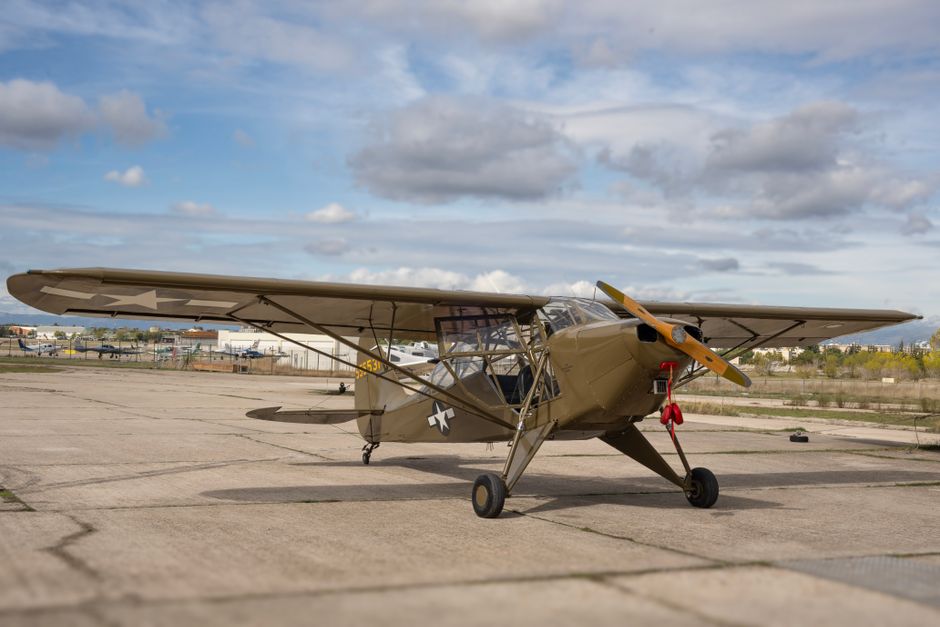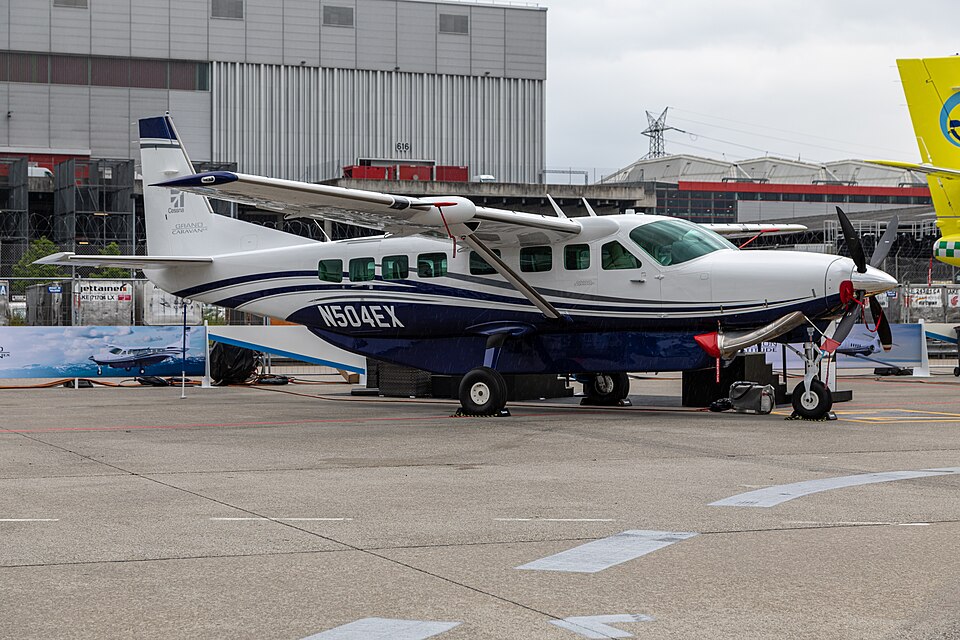
Most people picture cargo flight as a giant jet with a nose that swings open. That picture is real, but it leaves out the smaller planes doing the quiet, daily work. Civilian small cargo planes are the ones hauling boxes, mail, medical supplies, and fresh food into towns that big jets simply cannot reach.
They land on short strips, gravel bars, and tiny regional airports, then turn around and do it again.
These planes are the last link in a long chain. A package can cross an ocean on a wide-body freighter, then ride the final leg on a single propeller plane to a town with one runway and a windsock.
A single propeller and a few thousand pounds of packages can keep an entire region connected, and most people never look up to notice.
Key Takeaways
Civilian small cargo planes are light aircraft that carry freight instead of passengers, usually moving a few hundred to a few thousand pounds into smaller airports that larger freighters skip. They run the short "feeder" routes that connect remote towns and regional hubs to the wider air cargo network. Most are turboprops, they come in single-engine and twin-engine forms, and many can switch between hauling cargo and carrying people in a matter of minutes.
| Quick Fact | What to Know |
| What they are | Light planes built or converted to carry freight, not passengers |
| Typical load | Roughly a few hundred up to about 6,000 pounds |
| Main job | Short feeder runs into small and remote airports |
| Common power | Single or twin turboprop engines |
| Star example | The Cessna 208 Caravan, a longtime parcel hauler |
| Bonus skill | Many convert from cargo to seats and back quickly |
Flying411 is an online aviation marketplace where buyers and sellers connect over aircraft, engines, and parts, including the kind of light freighters in this list.
What Counts as a Civilian Small Cargo Plane?
A small cargo plane is a light aircraft that hauls freight for civilian use. "Civilian" simply means it is not a military transport. These planes serve businesses, shippers, charter operators, and remote communities instead of armed forces.
The word "small" is flexible, but it usually points to planes under about 60,000 pounds of maximum takeoff weight. Many are far lighter than that. The category covers everything from a single-engine plane carrying a few hundred pounds to a twin turboprop hauling several tons of light freight.
Some of these planes are built from the start as freighters. Others begin life as passenger aircraft and get converted later. A converted plane often loses its seats and windows, then gains a reinforced floor and a wide cargo door.
Good to Know: A "feeder" plane is one that carries cargo on the short legs between a major hub and smaller towns. The big jets handle the long haul. The feeder planes handle the last 100 to 500 miles.
If you want a sense of how broad this family is, it helps to compare it against the full range of different types of small planes flying today. Cargo versions exist for many of them.
Why Small Cargo Planes Matter in the Air Freight Chain
Air freight is a relay race. No single plane does the whole job. The giant freighters cover oceans and continents, then hand the load to smaller planes for the final stretch.
That final stretch is where small cargo planes shine. They reach airports with short runways, light traffic, and no special loading equipment. A town that could never host a wide-body jet can still get overnight packages, thanks to a turboprop the size of a delivery van with wings.
This is the world of the feeder aircraft. Shipping companies build whole networks around these planes. The small ones gather freight from many little airports and bring it to a central hub. From there, the big planes take over.
Why It Matters: Without light cargo planes, many rural and remote areas would wait days for goods that city dwellers get overnight. These planes keep medicine, mail, and machine parts moving to places trucks and large jets cannot easily serve.
There is a human side too. In remote regions, these planes carry far more than parcels. They bring food, fuel, building supplies, and emergency aid. After storms or floods, a small cargo plane is often the first machine to reach a cut-off community.
Single Engine vs Twin Engine: Two Roads to the Same Job
Small cargo planes come in two basic flavors. Some have one engine. Some have two. Each setup has trade-offs, and operators pick based on their routes, rules, and cargo.
A single-engine plane is usually cheaper to buy and run. It burns less fuel and needs less maintenance. The famous example here is the single-engine turboprop, which gives strong power with fairly simple upkeep. The downside is obvious: one engine means no backup if it quits.
A twin-engine plane costs more but adds a safety margin. If one engine fails, the other can keep the plane flying. Twins also tend to carry more weight and fly in tougher conditions. Many shippers prefer twins for night flying and bad weather. You can see the appeal in a closer look at twin-engine workhorses built for hard use.
Here is a simple way to think about the choice:
- Single-engine planes: lower cost, simpler upkeep, great for short daylight runs and rough strips
- Twin-engine planes: higher cost, extra safety, better for heavier loads, night work, and harsh weather
Keep in Mind: More engines do not automatically mean a better plane. The right choice depends on the route, the load, the weather, and the rules an operator flies under. A single-engine plane is often the smarter pick for short, sunny, low-volume routes.
10 Civilian Small Cargo Planes That Carry the Load
Now to the planes themselves. Below are ten civilian small cargo planes that have earned their place hauling freight around the world. They range from single-engine haulers to twin turboprops, and each one fills a slightly different need. For a wider survey of light haulers, this rundown of the best small cargo planes pairs well with the list here.
1. Cessna 208 Caravan and Cargomaster
The Cessna 208 Caravan is the plane most people picture when they think of small air freight. It is a high-wing, single-engine turboprop powered by a reliable Pratt & Whitney Canada PT6A. Simple, tough, and easy to maintain, it became a favorite of overnight shippers decades ago.
A windowless freight version, the Cargomaster, was built at the request of Federal Express, and a stretched model called the Super Cargomaster followed. FedEx has long flown a large fleet of Caravans on feeder routes, and that endorsement helped make the type a global standard.
The Caravan can carry roughly 3,000 pounds or more of cargo, depending on the version and conditions. An optional belly cargo pod under the fuselage adds even more room for bulky items. Operators love how quickly it switches between cargo hauling and passenger seating.
Fun Fact: The Caravan is widely known as one of the largest single-engine planes Cessna ever built, and the freight version was shaped almost entirely around what a parcel company asked for.
If lifting a heavy load on one engine is the goal, the Caravan is a textbook case of how to get strong useful load on a single engine.
2. Cessna 408 SkyCourier
The Cessna 408 SkyCourier is the Caravan's bigger, twin-engine cousin. It is a clean-sheet design, meaning it was drawn from scratch rather than adapted from an older plane. FedEx worked closely with Cessna on the project and signed up as the launch customer, with the type entering service in the early 2020s.
The SkyCourier was built around a simple idea: carry full air cargo containers with ease. Its large flat floor and wide cargo door can take three standard containers, loaded right through the back. It can haul around 6,000 pounds, which roughly doubles what a single Caravan manages.
Two Pratt & Whitney turboprops give it the safety margin and muscle that busy feeder networks want. The design stays deliberately simple to keep maintenance and costs down.
Pro Tip: When comparing cargo planes, look at cabin volume, not just weight. Many light freighters run out of space before they run out of lifting power. The SkyCourier was designed specifically to fix that "out of room" problem.
3. Pilatus PC-12
The Pilatus PC-12 is a Swiss-built, single-engine turboprop with a loyal following. It is pressurized, which lets it fly higher and smoother than many planes in this class. Most people know it as an executive aircraft, but it is a serious cargo machine too.
The secret is a large rear cargo door behind the left wing. Crews can hand-load boxes, roll cargo up a ramp, or even bring a forklift to the door. With the seats out, the PC-12 becomes a tidy little freighter that can carry a couple thousand pounds.
It also handles short and rough runways well, which makes it useful for remote work. Its blend of comfort, range, and cargo flexibility keeps it popular with charter and utility operators alike. It sits comfortably among the more capable small single-engine planes on the market.
4. Daher Kodiak 100
The Daher Kodiak 100 was first designed by Quest Aircraft for missionary and humanitarian flying in the world's hardest-to-reach places. That mission shaped everything about it. The Kodiak is rugged, simple, and built to work off short, unpaved strips.
This is a true short takeoff and landing aircraft. With a full load, it can get off the ground in under 1,000 feet. A single PT6A turboprop gives it a useful load in the range of about 3,500 pounds, and a pallet-sized cargo door makes loading easy.
Like the Caravan, the Kodiak offers an optional cargo pod under the belly for extra gear. It can also be fitted with floats for water landings, with no major changes to the airframe. That versatility makes it a star in mining, forestry, disaster relief, and bush flying. It belongs in any conversation about rugged bush planes that double as freight haulers.
Heads Up: Short-field talent comes with a trade. STOL planes like the Kodiak give up some cruise speed to gain that off-runway muscle. For backcountry cargo, that trade is almost always worth it.
5. Beechcraft King Air and Beech 1900
The Beechcraft King Air family is best known for business travel, but its twin-turboprop design also works well for freight. Strong, pressurized, and fast, King Airs move time-sensitive cargo on short and medium routes. With seats removed, they make clean little freighters.
The larger Beech 1900 took the same idea further. It is a stretched, twin-turboprop airliner built for regional routes, and it carries more cargo than the King Air. Many 1900s have flown freight runs after their passenger careers ended.
These planes appeal to operators who want twin-engine safety in a familiar, well-supported airframe. Parts and mechanics are easy to find, which keeps them flying.
6. de Havilland Canada DHC-6 Twin Otter
The DHC-6 Twin Otter is a legend in remote aviation. This twin-turboprop, high-wing plane was designed to go where roads do not. It lands on gravel, snow, water, and short dirt strips with ease, and it has been doing so for generations.
Its boxy fuselage and large doors make loading simple. The Twin Otter hauls passengers and cargo to islands, mountain villages, mining camps, and polar research bases. It is one of the few planes equally at home on wheels, skis, or floats.
Production restarted years after the original run ended, which says a lot about how much the world still wants this design. For pure go-anywhere capability, few planes match it.
Good to Know: The Twin Otter is so trusted in harsh places that it flies regular missions to some of the coldest research stations on Earth. Reliability in extreme cold is one of its calling cards.
7. Piper PA-31 Navajo Chieftain
The Piper PA-31 Navajo, and its stretched Chieftain version, is a light twin built for business and commuter work. Over the years, plenty have moved into freight, especially for small parcel and bank-document runs. They are affordable, common, and easy to operate.
The Chieftain added a longer body and more power, which made it a better hauler than the standard Navajo. With seats out, it carries a useful load of light freight on short routes. It is piston-powered rather than turbine, which keeps the purchase price lower.
For small operators on a budget, the Navajo family offers a practical way into twin-engine cargo work. It remains a familiar sight at small airports.
8. Britten-Norman BN-2 Islander
The Britten-Norman BN-2 Islander is a small twin from the United Kingdom, built for short hops between islands and small towns. Its simple, boxy shape is all about utility. Three doors and a flat cabin floor make loading quick and easy.
The Islander is famous for getting in and out of very short strips. That makes it ideal for island chains, where each airport might have just a few hundred feet of usable runway. It carries passengers, cargo, or a mix of both.
Low cost and easy upkeep keep the Islander working around the world. It is a no-frills plane that does exactly what it promises, day after day.
Flying411 connects buyers and sellers with light cargo aircraft, overhauled engines, and certified parts, so sourcing the right freighter and keeping it flying happens in one place.
9. Fairchild Metro III
The Fairchild Metro, also called the Swearingen Metroliner, is a slim, twin-turboprop that found a strong second life as a freighter. Its long, narrow body looks almost like a flying pencil, and that shape gives it good speed for the class.
The Metro became a workhorse for regional package and check-sorting runs, often flying at night. It carries a solid load on short and medium routes, and many were built or converted purely for cargo. Operators value its speed and capacity.
The Metro is a classic example of a passenger plane that became more useful as a freighter. Its tight cabin is not great for people, but it suits boxes just fine.
10. Let L-410 Turbolet
The Let L-410 Turbolet is a Czech-built twin-turboprop designed for short, rough routes. It is sturdy, easy to fix in the field, and built to handle places with little infrastructure. That toughness made it popular across many regions.
The L-410 carries passengers and cargo, and it handles short, unpaved runways without complaint. Its simple systems and strong airframe make it a favorite where conditions are harsh and support is thin. Among smaller regional freighters, it is one of the most widely used.
For shippers serving difficult terrain, the L-410 offers real capability at a reasonable price. It keeps earning its keep decades after its first flight.
What These Planes Typically Carry
Small cargo planes haul an amazing variety of goods. The exact load depends on the route, the region, and the operator. Still, some cargo types show up again and again.
Here is what light freighters most often carry:
- Parcels and mail: the bread and butter of feeder networks, especially overnight packages
- Medical supplies: medicine, blood, lab samples, and equipment for clinics and hospitals
- Fresh and perishable goods: food, flowers, and seafood that need speed to stay fresh
- Machine and vehicle parts: urgent components for mines, farms, and factories
- Documents and high-value items: bank papers, legal files, and small valuable shipments
- Relief supplies: food, water, and shelter gear after storms, floods, or earthquakes
Quick Tip: Time-sensitive cargo is the sweet spot for small planes. When a part or a sample absolutely has to arrive today, a light freighter often beats every other option into a small airport.
The mix of cargo also explains why convertibility matters so much. A plane that hauls boxes at night might carry workers or tourists by day. That flexibility helps operators earn money around the clock.
How Much Do Small Cargo Planes Cost to Buy and Run?
Cost is where dreams meet reality. Small cargo planes span a wide price range, and the sticker price is only the start. Fuel, maintenance, insurance, and crew all add up over time.
On the buying side, used piston twins like older Navajos sit at the affordable end. Modern turboprops like the Kodiak and PC-12 cost much more, often running into the millions for newer examples. A brand-new, purpose-built freighter sits higher still.
Operating costs follow a similar pattern. Single-engine turboprops usually cost less per hour to run than twins, since they burn less fuel and have one engine to maintain. Twins cost more but add safety and capacity. A plane's payload capacity matters here too, because a hauler that carries more per trip can spread its costs across more cargo.
A rough way to compare classes:
| Plane Type | Buy-In Cost | Running Cost | Best For |
| Used piston twin | Lowest | Low to medium | Short, light, budget routes |
| Single-engine turboprop | Medium to high | Lower per hour | Short feeder and remote runs |
| Twin turboprop | High | Higher per hour | Heavier loads, night and weather flying |
| New purpose-built freighter | Highest | Varies | High-volume feeder networks |
For a deeper look at the dollars involved, this breakdown of what small planes cost is a useful starting point before any purchase.
Heads Up: The cheapest plane to buy is rarely the cheapest to own. An old piston twin can cost a fortune in fuel and repairs over the years. Always look at the full lifetime cost, not just the price tag.
Browse current listings on Flying411 to compare prices, specs, and conditions across the light cargo planes that fit your routes and budget.
What to Look at Before Buying a Small Cargo Plane
Buying a cargo plane is a business decision first. The right choice depends on what you carry, where you fly, and how often. A plane that is perfect for one operator can be wrong for another.
Start with these questions:
- What is your typical load? Match the plane's lift and cabin volume to your real cargo, not your biggest one-off job.
- How long are your routes? Short hops favor simple, cheap planes. Longer legs reward speed and range.
- What are your runways like? Rough or short strips push you toward STOL planes like the Kodiak or Twin Otter.
- Do you fly at night or in bad weather? That often points to twin-engine planes for the added safety margin.
- How easy is support? Common planes mean easy parts and mechanics. Rare types can leave you grounded.
- What does the whole cost look like? Add fuel, maintenance, insurance, and crew, then compare across candidates.
- Will you ever carry people? A convertible plane lets you chase both cargo and passenger work.
Pro Tip: Before you buy any used freighter, pay for a thorough pre-purchase inspection from a trusted mechanic. The records and the airframe condition matter as much as the model. A clean logbook can be worth more than a low price.
It also helps to think one step ahead. Many cargo planes share airframes with small passenger planes, so resale and conversion options can widen your choices later. Flexibility today often pays off tomorrow.
Ready to find your next freighter? Search aircraft listings on Flying411 and connect directly with sellers and aviation pros who can help you close the deal.
Conclusion
Civilian small cargo planes are the quiet workhorses of the sky. They lack the size and drama of giant freighters, yet they keep towns supplied, clinics stocked, and businesses running. From the trusty Cessna Caravan to the rugged Twin Otter, each one solves a real problem: getting freight into places nothing else can reach.
The right plane for you comes down to your load, your routes, and your budget. Single or twin, piston or turbine, there is a light freighter built for almost every job. Compare them carefully, weigh the full cost, and look beyond the sticker price.
When you are ready to buy, sell, or service a light cargo plane, start with Flying411, where the right aircraft, engine, or part is only a search away.
Frequently Asked Questions
What is the smallest plane used to carry cargo?
Very light planes like the Cessna 206 and small piston singles carry modest cargo loads, often a few hundred pounds. For regular commercial freight, single-engine turboprops like the Cessna Caravan are usually the smallest planes operators rely on.
Can a small cargo plane carry passengers too?
Yes. Many light freighters are built to convert between cargo and seats quickly. Operators often fly people by day and packages by night using the very same airframe.
Are small cargo planes safe with only one engine?
Single-engine turboprops have strong safety records thanks to reliable engines and simple systems. Operators do plan routes and weather carefully, since a single-engine plane has no backup engine if the first one fails.
Why do shipping companies use small planes instead of trucks?
Small planes reach remote towns and islands far faster than trucks, especially where roads are poor or missing. For urgent or perishable cargo, the speed of flight easily justifies the higher cost.
Do you need a special license to fly a small cargo plane?
Pilots need the proper certificates and ratings for the specific aircraft, and commercial cargo work requires a commercial pilot license at minimum. Larger or more complex planes call for added training and, in some cases, a type rating.