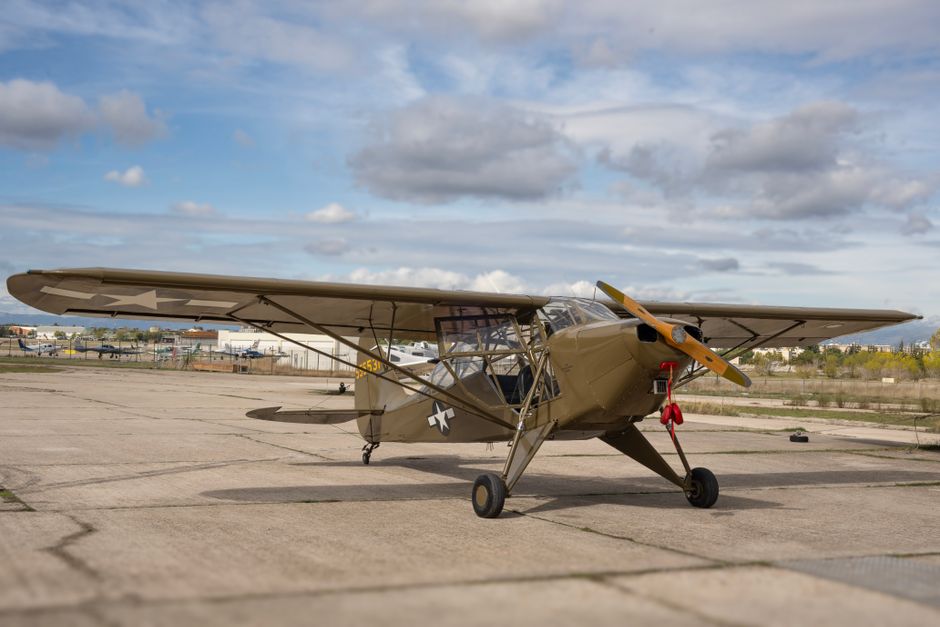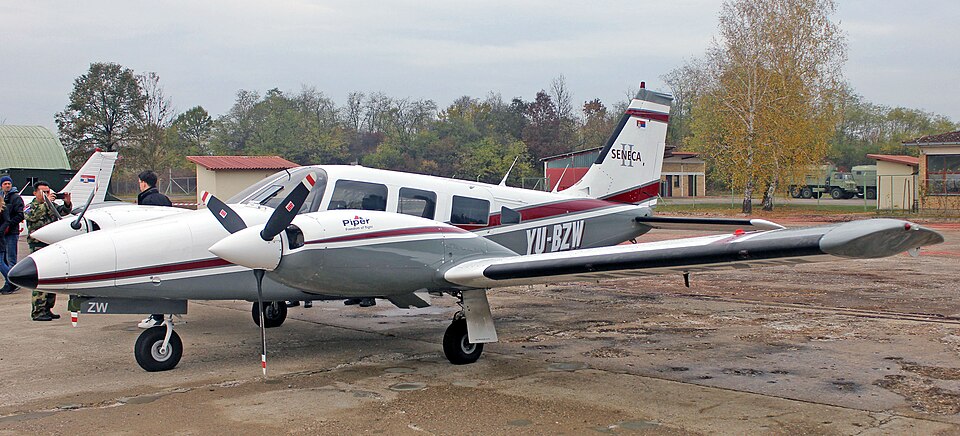
Two engines on a small airplane change almost everything about how it flies. Small twin engine prop planes sit in a happy little corner of general aviation. They carry more people than most singles, climb higher, and hand the pilot a backup if one engine ever quits.
In exchange, they ask for more skill, more money, and more attention than a simple single-engine trainer.
These airplanes have been around for decades. Families use them for trips. Business owners use them to reach small airports near their meetings. Flight schools use them to train the next wave of airline pilots. And plenty of weekend flyers just like the steady hum of two propellers spinning at cruise.
The second engine is the whole selling point. It is also the part most people get wrong.
Key Takeaways
Small twin engine prop planes are small airplanes with two propeller engines, one mounted on each wing. The second engine gives a pilot a backup if the other one fails, and it usually adds speed, cabin room, and the ability to fly higher. The trade-off is higher cost and the need for extra training, since flying on one engine takes real skill.
| Topic | Quick Answer |
| What they are | Small planes with two propeller engines, usually one per wing |
| Main benefit | A backup engine, plus more speed, payload, and altitude |
| Main trade-off | Higher cost to buy and run, and harder to fly on one engine |
| Common engine type | Mostly piston engines; a few burn Jet-A diesel fuel |
| Popular models | Piper Seminole, Beechcraft Baron, Diamond DA42, Cessna 310 |
| Who flies them | Families, business owners, charter operators, flight schools |
| What you need | A multi-engine rating added to your pilot certificate |
Flying411 is an online aviation marketplace where buyers and sellers connect over light twins, engines, parts, and the certified pros who keep them flying.
What Are Small Twin Engine Prop Planes?
A small twin engine prop plane is exactly what the name suggests. It is a compact airplane with two engines that spin propellers, instead of one engine like most trainers or jet engines like an airliner. Pilots and mechanics often call these airplanes light twin aircraft, and the name fits. They are light, they are small, and they have two of nearly everything.
Most of these planes seat four to six people. A few of the bigger cabin models can carry eight or more. The two engines usually sit on the wings, one on each side, which gives the airplane a balanced, sturdy look on the ramp.
There are many shapes and sizes inside this family, and it helps to know how they break down before picking a favorite. If you want a wider view of the small-plane world, the broader category of types of small planes gives helpful context for where twins fit in.
Good to Know: Not every twin has its engines on the wings. The Cessna 337 Skymaster places one engine on the nose and one on the tail, so both propellers line up with the center of the plane. Pilots call this design centerline thrust, and it behaves differently from a normal wing-mounted twin.
Piston twins versus turboprop twins
Most small twins use piston twin engines, the same basic kind of engine you would find in a car, just built for aviation. These engines burn aviation gasoline, often called avgas or 100LL. They are simpler and cheaper to run than turbine engines, which is a big reason light twins stayed popular for so long.
A smaller group of twins use turboprop engines. A turboprop is a small jet engine that spins a propeller. Turboprops cost more, but they make more power and fly higher and faster. Aircraft like the Beechcraft King Air live in this turboprop world, and they sit a step above the small piston twins most owner-pilots start with.
A handful of modern twins now run on diesel-style engines that burn Jet-A fuel. These are clever machines, and we will meet a couple of them in the model lineup below.
Why Pilots Choose Two Engines
The headline reason is simple. If one engine fails, the other can keep the airplane flying. That backup is called engine redundancy, and it is the heart of why twins exist. Over open water, across mountains, or at night, a second engine offers real peace of mind.
But the benefits go past the backup engine. Two engines together make more power than one, so twins tend to:
- Climb faster and reach higher cruising altitudes
- Carry more weight, including people, fuel, and baggage
- Cruise faster than many single-engine planes of similar size
- Offer bigger cabins, since the design has room to grow
- Fly above weather more often, especially the pressurized models
For a family that travels often, those upgrades add up. For a business owner racing between small airports, the speed and room can turn a long day into a short one.
Why It Matters: A second engine is only an advantage if the pilot is trained and current to use it. On most light twins, losing an engine right after takeoff is one of the most demanding moments in all of general aviation. The pilot has just seconds to identify the dead engine, control the airplane, and set up a safe climb.
The redundancy reality
Here is the honest part. Two engines do not automatically make an airplane safer. When an engine quits on a single, the pilot glides down and lands. When an engine quits on a twin, the airplane can keep flying, but only if the pilot does several things quickly and correctly.
The working engine pulls the plane to one side. The pilot must catch that swing, raise the landing gear, feather the dead propeller, and hold a precise speed. Fly too slow on one engine and the plane can roll over. Pilots call that critical speed Vmc, the minimum control speed, and it deserves deep respect.
Many newer twins use counter-rotating propellers, where the two props spin in opposite directions. This removes the so-called critical engine problem and makes the airplane easier to handle when one engine is out. Older twins without this feature ask even more of the pilot.
Heads Up: Twins reward recurrent training more than almost any other class of small airplane. Skills like engine-out control fade quickly without practice. Most experienced twin owners fly with an instructor at least once a year to stay sharp.
How Small Twin Engine Prop Planes Work
Under the skin, a twin is a busier machine than a single. Knowing the main systems helps you understand both the appeal and the upkeep.
Engines and propellers. Each engine drives its own propeller. On most twins the props are constant-speed and full-feathering. Feathering means the blades can turn edge-on to the wind, which cuts drag on a dead engine and helps the plane keep climbing on the other one.
Fuel systems. Twins carry fuel in several tanks, often in the wings or wingtips. The pilot manages fuel with selectors and a crossfeed system, which lets one engine draw fuel from the other side if needed. This flexibility is useful, but it also means more knobs to manage and more chances to make a mistake.
Landing gear. Almost all small twins have retractable landing gear. Tucking the wheels away cuts drag and adds speed. It also adds a system that needs care, since gear problems are a common write-up on these airplanes.
Pro Tip: When looking at any used twin, ask for the landing gear maintenance history first. Gear-up landings and gear system neglect are among the most frequent issues on light twins, and a clean gear record is a very good sign.
Modern twins add even more polish. Many now carry glass cockpits like the Garmin G1000, autopilots, weather tools, and de-ice systems. Some use FADEC, a digital brain that manages the engines so the pilot moves a single lever instead of juggling throttle, propeller, and mixture controls.
Popular Small Twin Engine Prop Planes Worth Knowing
This is the part most readers come for. There are many great light twins, and the right one depends on your mission, your budget, and your skill level. Below are nine well-known options that show off the range of this family, from simple trainers to roomy cabin-class cruisers. For an even wider lineup with deeper detail, the rundown of the best twin engine planes is a strong companion read.
1. Piper Seminole. The Seminole is one of the most familiar twin-engine trainer airplanes in the world. Tens of thousands of pilots earned their multi-engine rating in one. It uses two modest piston engines with counter-rotating props, which makes it forgiving when an engine is pulled. Flight schools love it because it is easy to fly and reasonable to run by twin standards.
2. Beechcraft Duchess. The Duchess, known by its model number BE76, is another beloved light trainer. It has a distinctive T-tail, four seats, and counter-rotating engines. Many pilots remember it fondly as the airplane where they first felt comfortable managing two powerplants at once.
3. Diamond DA42 Twin Star. The DA42 is a sleek, modern twin built mostly from composite material. Its two engines are turbo-diesels that burn Jet-A fuel, each making around 168 horsepower. Pilots like the glass cockpit, the single-lever power controls, and the very low fuel burn. Many flight schools now use it for multi-engine training, and families use it for comfortable trips.
4. Tecnam P2006T. The P2006T is widely described as the lightest certified twin on the market. It uses two small Rotax engines, each around 100 horsepower, and it can run on automotive gasoline as well as avgas. That makes it remarkably cheap to operate for a twin, which is why training schools keep adding it to their fleets.
Fun Fact: The Tecnam P2006T is said to be so efficient and so light that NASA chose a modified version of it as the airframe for its X-57 Maxwell electric airplane research project. A four-seat trainer became a flying lab for the future of electric flight.
5. Beechcraft Baron G58. The Baron is the polished, premium piston twin still rolling off the line today. The current G58 seats six, cruises fast, and feels like a luxury car of the sky. New examples carry a premium price, but the Baron name has long been associated with quality and resale strength.
6. Piper Seneca V. The Seneca has been a workhorse of training and private flying since the early 1970s. The current Seneca V is turbocharged, which gives it strong performance at higher altitudes. It seats six and balances cabin room, speed, and operating cost, which makes it a favorite with charter operators and families alike. If you want roomy options in general, the lineup of six passenger planes is worth a look.
7. Cessna 310. The 310 is a classic that first flew in the 1950s and stayed in production for decades. Its sleek shape and wingtip fuel tanks gave it both speed and good looks. Plenty are still flying today, and the large pool of used examples makes the 310 an approachable entry into twin ownership.
8. Piper Aztec. The Aztec earned its reputation as a rugged hauler. With stout engines and a generous useful load, it could carry a real load of people and gear into short, rough strips. Owners who care about how much they can carry know that useful load matters more than raw speed for many missions, and the Aztec delivers on that front.
9. Cessna 340. The 340 brings something special to the small-twin world: a pressurized, cabin-class cabin. Pressurization lets it fly higher, above much of the weather and turbulence, in real comfort. It carries six in a quiet, business-style cabin and remains a favorite for owner-pilots who want near-executive comfort at a piston-twin price.
That list barely scratches the surface. Fast machines like the Piper Aerostar, bigger haulers like the Piper Navajo and Chieftain, and the unusual centerline-thrust Cessna 337 Skymaster all have devoted fans. Each one trades something for something else, and the fun is in matching the airplane to the mission.
Found a twin that catches your eye? Flying411 can connect you with A&P mechanics and pre-purchase inspectors who know these airframes down to the last rivet, so you buy with confidence.
What Small Twin Engine Prop Planes Cost
Money is where twins get serious, so let us be clear and honest about it. Costs come in two big buckets: what you pay to buy the plane, and what you pay to keep it flying.
Buying the plane. The range here is wide. A brand-new premium twin like a Baron G58 or a Diamond DA62 can run well over a million dollars. On the other end, older legacy twins from the 1960s and 1970s can be surprisingly affordable to buy, sometimes priced like a nicer single-engine airplane. The catch is that a cheap purchase price does not mean cheap ownership. For a fuller picture of the buying side, it helps to understand how much small planes cost across the whole spectrum.
Running the plane. This is the big one. A twin has two of nearly everything, which means roughly double the engine maintenance of a single. You pay for two overhauls, two sets of propellers, more frequent inspections, and higher fuel burn. Insurance also costs more, especially for newer twin pilots.
| Cost area | What to expect on a small twin |
| Purchase price | Legacy used twins can be affordable; new premium twins run well into seven figures |
| Fuel burn | Roughly double a comparable single, though diesel twins burn far less |
| Engine overhauls | Two engines means two overhauls, the single biggest long-term expense |
| Maintenance | More systems, more inspections, generally higher annual costs |
| Insurance | Higher than singles, and pricier for low-time twin pilots |
Keep in Mind: The smart move with any twin is to budget for the engines from day one. Engine overhauls are the largest expense in twin ownership, and a plane with mid-time or high-time engines may cost far more over the next few years than a pricier plane with fresh ones.
If the running costs feel steep, you are not alone. Many pilots compare twins against a high-performance single or even a small jet before deciding. For context on the lighter end, the world of budget-friendly small planes shows how the math changes when you drop the second engine.
Who Flies Them and Why
Small twin engine prop planes serve a wide mix of people. Knowing who buys them and why can help you figure out where you fit.
- Families like the speed, cabin room, and the comfort of a second engine on long trips.
- Business owners use them to reach small airports near job sites and meetings, often faster than driving or connecting through airline hubs.
- Charter operators run twins to carry small groups on regional routes at a reasonable cost.
- Flight schools rely on twins to train the multi-engine pilots who go on to fly for airlines.
- Special mission operators fit them out for survey work, aerial mapping, medical flights, and more.
For pilots building hours toward a professional career, time in a twin is valuable and often required. Many start in a single, then step up. If you are weighing that path, comparing twins against strong single engine options early can save you money while you build experience.
Quick Tip: If your trips are usually short, low, and over friendly terrain, a capable single may serve you better and cheaper. Twins shine most when you regularly fly far, high, over water, or at night, where a backup engine earns its keep.
Things to Know Before Buying
Buying a twin is a bigger commitment than buying a single, so a little homework goes a long way. Keep these points in mind as you shop.
- Get the rating first, or budget for it. You need a multi-engine rating added to your pilot certificate to fly these airplanes. Training in a twin costs more per hour than a single, so plan for that.
- Match the plane to the mission. A simple trainer like a Seminole fits hour-building. A pressurized 340 fits high, long, comfortable trips. Buying the wrong category is the most common and most expensive mistake.
- Demand a thorough pre-purchase inspection. Twins hide costs in their systems. A careful inspection by a mechanic who knows the type is the best money you will spend.
- Study the engine times. Two engines near overhaul can erase any savings on the purchase price. Always factor engine condition into the true cost.
- Plan for recurrent training. Engine-out skills fade fast. Insurance companies often require yearly training anyway, and it keeps you safe.
Curious how twins stack up against turbine power? Some buyers cross-shop them against entry-level small jet planes once the budget climbs, since the gap between a top piston twin and a light jet is smaller than it used to be.
Ready to start the search? Browse current twin listings on Flying411 and set up alerts so the right airplane lands in your inbox the moment it hits the market.
Conclusion
Small twin engine prop planes occupy a special place in flying. They blend the security of a backup engine with the speed, room, and reach that many pilots crave. They are not the cheapest or the simplest way to get airborne. For the missions they were built for, though, few airplanes feel as capable or as confidence-inspiring.
The key is honesty about the trade. Two engines mean more cost, more systems, and more training. Match the airplane to your real flying, keep your skills fresh, and a twin can serve your family or your business beautifully for years.
When you are ready to turn that two-engine dream into a tail number, Flying411 is the place to start the search, find the right airframe, and connect with the pros who keep it flying.
Frequently Asked Questions
Do you need a special license to fly a twin engine prop plane?
You need a multi-engine rating added to your existing pilot certificate, not a brand-new license. It involves extra training and a checkride focused on engine-out handling and twin systems.
Are twin engine planes safer than single engine planes?
The second engine adds a backup, but twins are only safer in the hands of a trained, current pilot. Managing an engine failure on a twin takes skill, so the safety advantage depends heavily on the person flying.
How many people can a small twin engine prop plane carry?
Most light twins seat four to six people, including the pilot. Larger cabin-class models like the Cessna 402 or Piper Chieftain can carry eight or more.
What fuel do small twin engine prop planes use?
Most burn aviation gasoline, commonly called 100LL or avgas. A few modern twins, such as the Diamond DA42, use diesel engines that run on Jet-A fuel.
Why are there so few new twin engine prop planes today?
Demand shifted over the decades toward capable singles and small jets, so only a handful of new twin models remain in production. The large pool of well-built used twins also keeps many buyers shopping the pre-owned market instead.