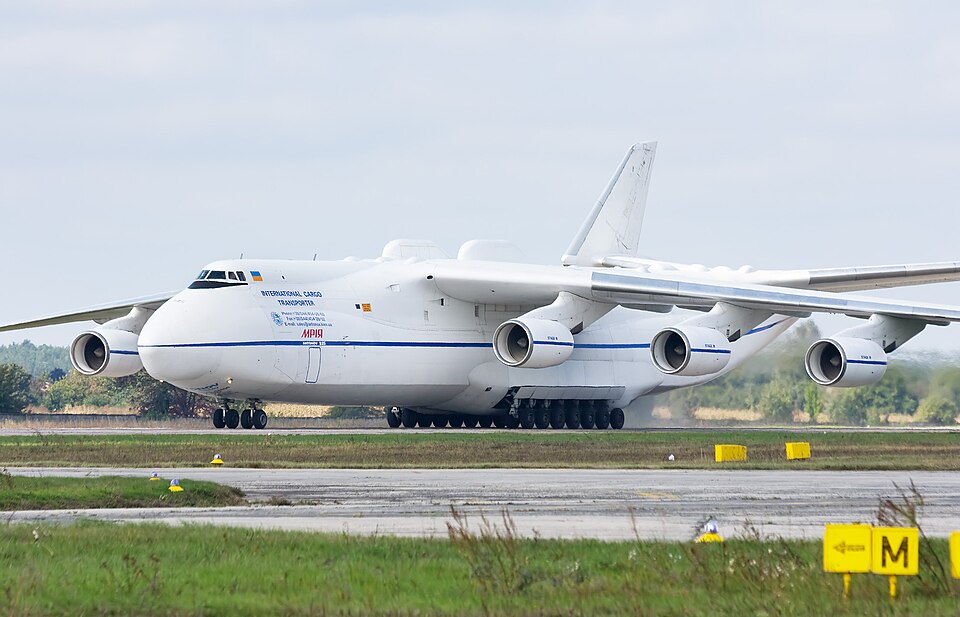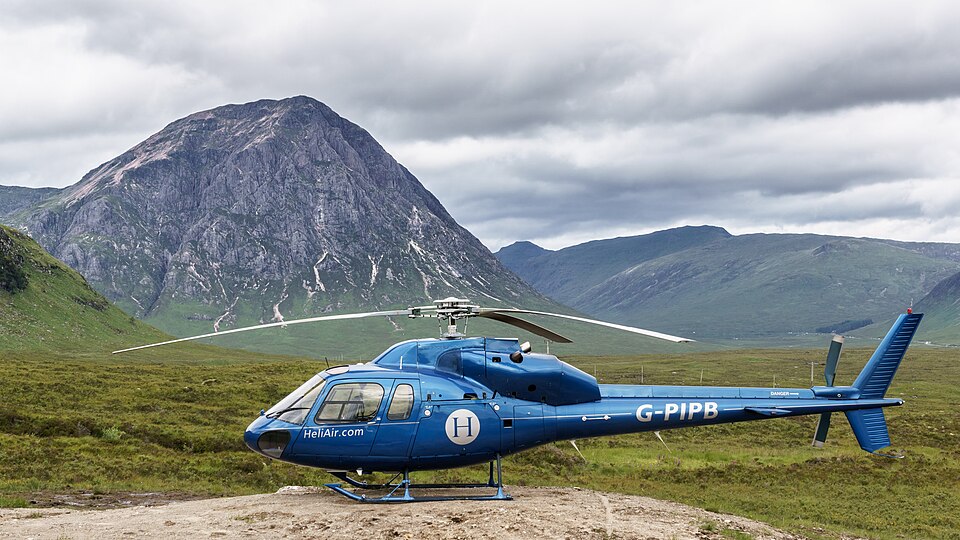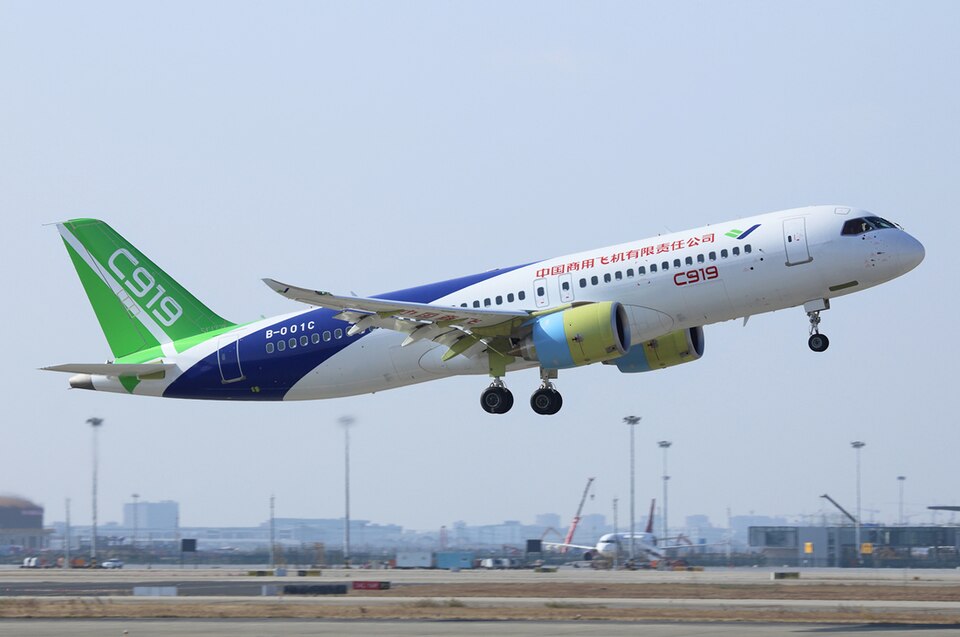
Think of two very different flights. One is a wide-body jet with hundreds of seats, two professional pilots up front, and a cabin crew walking the aisle. The other is a four-seat propeller plane with a single pilot, drifting low over the countryside on a quiet Sunday afternoon. Both are airplanes.
Both leave the ground and come back down. So when people ask are small planes safer than big planes, what they really want to know is which of those two flights they should trust with their life.
It is a fair question, and the honest answer catches a lot of people off guard. The numbers point one way, but the reasons behind the numbers point somewhere else entirely. Size, all by itself, turns out to be one of the least important things in the whole story.
The reason one of those planes is far safer than the other has almost nothing to do with how big it is.
Key Takeaways
Big commercial planes are, on average, much safer than small private planes, but the size of the aircraft is not the real reason. The difference comes from the people, the rules, and the backup systems wrapped around each flight. A scheduled airliner has two trained pilots, strict oversight, heavy maintenance, and layers of technology. A small plane often has one pilot and far fewer safety nets. Change those factors, and the safety gap shrinks fast.
| Factor | Big Commercial Planes | Small Planes |
| Pilots | Two trained, salaried crew | Often one pilot, mixed experience |
| Backups | Many redundant systems | Fewer, sometimes a single engine |
| Rules and oversight | Very strict, closely watched | Lighter for personal flying |
| Weather handling | Built and crewed for bad weather | More exposed to it |
| Maintenance | Heavy, scheduled programs | Varies widely by owner |
| Overall safety record | Outstanding | Higher accident rate per hour |
Flying411 follows this whole side of aviation, from the largest airliners down to the smallest two-seaters, so the machines behind the headlines actually make sense.
What "Safer" Really Means in Aviation
Before we compare anything, we need to agree on what the word "safe" even means here. Safety is not one tidy number. How you measure it changes the answer completely. Count risk one way, and small planes look scary. Count it another way, and they look reasonable.
The most useful yardstick in aviation is the fatal accident rate per flight hour. In plain terms, it asks: for every hour an airplane spends in the sky, how often does a deadly crash happen? Safety boards like the National Transportation Safety Board (NTSB) track accidents this way, usually counting them per 100,000 flight hours. It is a fairer measure than raw headlines because it accounts for how much each type of plane actually flies.
Why Raw Numbers Can Fool You
Raw body counts are misleading on their own. A single airliner can carry hundreds of people, while a small plane might carry two or three. There are also far more car trips than flights of any kind. So comparing totals tells you almost nothing about your personal risk on any given trip.
To compare fairly, you have to look at rates, not totals. You also have to ask "safe compared to what." Flying is often stacked up against driving, and that comparison gets tricky too, since cars are measured per mile and planes per hour.
Good to Know: When you see a scary aviation headline, check the metric. "More crashes" might just mean "more flights." The fatal accident rate per flight hour is the number that actually compares apples to apples.
The Short Answer: Big Planes Win on the Numbers
Here is the part most people want first. When researchers and safety boards compare the two worlds, scheduled commercial airlines come out with an outstanding safety record, while smaller personal flying carries a notably higher accident rate per flight hour. This pattern has held steady for a long time and is widely accepted across the industry.
The category most small planes fall into is called general aviation safety, which covers nearly all civilian flying outside the scheduled airlines. That bucket includes private trips, flight training, sightseeing, business flying, and more. Studies have repeatedly found that this group sees more accidents per hour flown than the major carriers, sometimes by a wide margin.
That sounds alarming, but it needs context. Most of that risk is not spread evenly. It clusters around specific conditions, specific kinds of flying, and specific pilot decisions. The plane sitting in the hangar is rarely the problem. The flight that gets planned on a bad day usually is.
It also helps to remember how rare the dramatic events are on the airline side. The kind of catastrophe that makes global news, like the biggest plane crashes in history, stands out precisely because it almost never happens to a modern scheduled flight. Those events are the exception that proves how safe the system has become.
Why Big Commercial Planes Have Such Strong Safety Records
If size is not the magic ingredient, what is? The answer is the entire support system built around every airline flight. A big jet is not safe because it is heavy. It is safe because of everything happening around it before, during, and after the flight.
Two Trained Pilots and Never-Ending Training
Up front in an airliner sit two professional pilots. They train constantly, get checked again and again, and practice emergencies in simulators until the responses become muscle memory. If one pilot becomes ill or makes a mistake, the other is right there to catch it. That second set of trained hands is one of the biggest safety advantages in the sky.
Layers of Backups Built Into Every System
Large aircraft are designed with redundancy at their core. Two or more engines. Backup electrical systems. Multiple ways to control the plane. If one part fails, another takes over. The design goal is simple: no single failure should bring the airplane down. The largest passenger jets take this idea to an extreme, with systems stacked on top of systems.
Strict Rules and Constant Oversight
Airlines operate under some of the tightest rules in transportation. Pilots face strict limits on duty time and rest. Aircraft follow heavy, scheduled maintenance programs. Air traffic controllers keep planes safely spaced. Dispatchers help plan around weather long before takeoff. All of that oversight is invisible to passengers, but it is doing quiet work on every flight. You can see the result in the strong commercial airline safety record that the best commercial planes have built over decades.
Why It Matters: Almost none of an airliner's safety comes from the metal itself. It comes from people and rules. That is good news, because those same ingredients can be added to smaller flying too.
Why Small Planes Carry More Risk
Now flip the picture. A typical small plane flight has far fewer of those safety nets, and that is where the extra risk creeps in. The aircraft is usually fine. The gaps tend to show up around the edges of the flight.
Across decades of investigations, the leading cause of small plane accidents comes back to the human in the seat. Pilot error is widely considered the single biggest factor in general aviation crashes. That is a hard truth, but it is also a hopeful one, because human decisions can be trained and improved.
Often One Pilot, Sometimes Less Experience
Many small planes are flown by a single pilot, and experience levels vary widely. A weekend flyer with a few hundred hours is in a very different position than a seasoned airline crew. There is no second pilot to catch a slip, and there is no dispatcher double-checking the weather. The decisions rest on one person.
Weather Hits a Small Plane Harder
Weather is a far bigger threat to light aircraft. A small plane flies lower and slower, and it can be tossed around by conditions an airliner would climb right over. One of the most dangerous situations in general aviation safety is a pilot trained only for clear skies who flies into clouds by accident. That single mistake has ended many flights. The pros respect weather so much that some aircraft are even built to fly through hurricanes, but those are highly specialized machines flown by highly specialized crews.
Fewer Backups When Something Fails
Many small planes have a single engine and simpler systems. If that engine quits, the pilot has to glide and land, often with little time to react. There is usually less automation to share the workload and fewer layers to fall back on. None of this makes a small plane a deathtrap. It just means the margin for error is thinner.
Heads Up: The most dangerous moments in light aviation are rarely about a broken plane. They are usually about a tough decision, like pressing on into bad weather, that a careful pilot could have avoided on the ground.
A quick look at the common threads behind small plane accident rates makes the pattern clear:
- Loss of control in flight, often after flying too slow or making sharp, uncoordinated inputs
- Flying into bad weather that the pilot or plane was not equipped to handle
- Fuel problems, including simply running out
- Mechanical issues that were missed or ignored
- Pushing a flight that should have been delayed or canceled
It's the System, Not the Size
Here is the heart of the whole question. When you line up all the evidence, the size of the airplane is almost a side note. A well-maintained small plane, flown by a current and careful pilot in good conditions, can be a very safe way to travel. A big jet is safe because of the system around it, not because of its weight.
Think of it like driving. A small, well-kept car with a calm, alert driver is safer than a giant truck driven recklessly by someone exhausted. The vehicle matters less than how it is run. Airplanes work the same way.
This is also why private plane safety swings so widely from one aircraft and one pilot to the next. The same model can be statistically risky in careless hands and remarkably safe in disciplined ones. The plane is a constant. The flying around it is the variable.
Some of the safest small aircraft in the sky are the most loved ones, the best small planes that owners maintain like family heirlooms.
Fun Fact: Whole-airframe parachutes that lower an entire small plane gently to the ground are said to have helped hundreds of people survive emergencies that might once have been fatal. The technology proves that smarter design, not bigger planes, is where modern safety gains are coming from.
7 Factors That Decide If Small Planes Are Safer Than Big Planes
If you want a real answer to that opening question about small planes and big planes, stop looking at the wingspan and look at these seven factors instead. They decide the outcome far more than size ever will.
- Who is flying. Crew experience and training matter more than anything. Two trained, rested, current pilots beat a single tired or rusty one every time.
- How many engines and backups. Redundancy buys time and options. The classic single-engine vs twin-engine debate lives here. A second engine adds a backup, though it also adds complexity that must be managed well.
- The rulebook each plane follows. Scheduled airlines fly under very strict commercial rules. Most personal flying follows lighter general rules. Tighter oversight tends to mean tighter safety.
- The weather and where they fly. A flight planned around good conditions is far safer than one that bulls through bad weather, mountains, or darkness without the right equipment and training.
- Maintenance and inspections. Heavy, scheduled upkeep keeps airliners reliable. On the small side, care ranges from meticulous to neglectful, and it shows in the safety record.
- Technology in the cockpit. Modern screens, autopilots, terrain warnings, and traffic alerts cut workload and catch mistakes. Older, sparse cockpits leave more to the pilot alone.
- Emergency options when things go wrong. Glide range, runway needs, and tools like a recovery parachute change what happens on a bad day. More options usually mean better outcomes.
If you are weighing a specific aircraft, Flying411 lists new and used planes right alongside vetted A&P mechanics and inspection services, so you can check an airframe's history before you ever sign.
Not All Small Planes Are the Same
Lumping every small aircraft into one group is a mistake. The risk varies hugely from one kind to the next. A modern trainer is a very different animal from a vintage homebuilt or an engineless glider.
In broad strokes, planes with turbine and turboprop engines tend to post better safety records than basic piston aircraft, partly because they are often newer, better equipped, and flown by more experienced pilots. At the other end, gliders and amateur-built aircraft have historically carried higher accident rates. The point is simple: the category "small plane" hides a wide range of risk.
Here is a rough sense of how the landscape sorts out:
| Type of small aircraft | General risk profile |
| Modern trainers and certified singles | Solid record when well maintained |
| Turboprops and light jets | Often among the safer small categories |
| Older piston aircraft | Reliable but depends heavily on upkeep |
| Homebuilt and experimental | Higher accident rates on average |
| Gliders | Historically higher risk than powered planes |
It is worth getting to know the different types of small planes before judging any of them. A nimble single-engine plane and a capable twin-engine design ask very different things of a pilot. The same goes for stepping up to the best private jets, which bring airline-grade systems into a smaller cabin.
Keep in Mind: When someone asks if small planes are dangerous, the right reply is "which small plane, flown by whom, in what weather?" The honest answer depends entirely on those details.
Cost plays into safety too, in a roundabout way. Cheaper, older aircraft can be perfectly safe, but they may demand more careful maintenance and inspection. Understanding how much small planes cost helps set realistic expectations for upkeep, and upkeep is part of staying safe. A bargain that gets neglected is no bargain at all.
Modern Safety Features Changing the Game
One of the most exciting parts of this story is how fast small aircraft are getting safer. The gap with the airlines is shrinking, and it is shrinking because of smart aircraft safety features, not bigger fuselages.
The headline example is the whole-airframe parachute. Instead of the pilot wearing a chute, the entire airplane carries one. Pull a handle, and a rocket pulls out a canopy that lowers the whole aircraft, people and all, down to the ground. The first system of its kind earned its certification in the late 1990s and now comes standard on a popular line of light aircraft. It has been credited with hundreds of survivors across many real-world activations.
Parachutes are only the start. Today's small planes increasingly carry:
- Glass cockpits that present clear, easy-to-read information at a glance
- Capable autopilots that reduce pilot workload on long or tense flights
- Terrain awareness that warns of rising ground ahead
- Traffic alerts that flag nearby aircraft
- Angle-of-attack indicators that help pilots avoid the slow-flight conditions behind many crashes
These tools attack the exact problems that drive small plane accident rates, like loss of control and flying into terrain. The technology that protects the smallest private planes keeps improving every year.
Pro Tip: A parachute or fancy screen is only as good as the training behind it. The pilots who get the most safety out of these tools are the ones who practice using them long before they ever need them.
If recovery systems interest you, it is worth seeing how small planes with parachutes actually deploy them and how pilots are trained to make that split-second call.
Ready to find a safe, well-kept aircraft of your own? Browse current listings on Flying411 and connect with certified pros who can inspect it from nose to tail.
How Pilots Make Small Planes Safer
Since the pilot is the biggest variable in the whole equation, the biggest safety gains come from better flying, not bigger planes. The good news is that this is the part everyone can control.
Safe small-plane pilots tend to share a few habits. They train regularly and stay current, treating skills like a muscle that fades without use. They earn extra ratings, like an instrument rating, so clouds become a tool instead of a trap. They set personal minimums and honor them, even when it means scrubbing a trip. They respect weather and fuel as the unforgiving things they are.
Most importantly, they make decisions early. The riskiest flights almost always involve a small bad call that snowballs. A pilot who decides on the ground what they will and will not do has already removed much of the danger before the engine even starts.
Quick Tip: The single best safety upgrade for any small plane is a pilot willing to cancel. A flight you skip is a flight that can never go wrong.
This mindset is exactly why the safety gap can close. The factors that make airlines safe, training, discipline, oversight, and good tools, are all things a committed small-plane owner can bring to their own flying.
Conclusion
So, are small planes safer than big planes? On the raw numbers, big commercial flights hold a clear edge, with an outstanding record built over decades. But that edge comes from the people, rules, and systems around the airplane, not from its size.
A small plane in the hands of a current, careful, well-trained pilot, kept in top shape and flown in good conditions, can be a remarkably safe way to travel. The wingspan was never the point. The flying always was.
The smartest thing any traveler or future owner can do is look past the size of the plane and ask the better questions: who is flying, how is it maintained, and what conditions is it facing. Answer those, and you understand the risk far better than any headline ever could.
When you are ready to put that knowledge to work, Flying411 brings the aircraft, the mechanics, and the experts together in one place, so your next flight starts on solid ground.
Frequently Asked Questions
Are private jets safer than small propeller planes?
Private jets generally post stronger safety records than basic propeller planes, largely because they carry advanced systems, are often newer, and tend to be flown by more experienced, professionally trained pilots. The jet's edge comes from its support system and crew, not simply from being a jet.
Is it safer to fly in a single-engine or twin-engine small plane?
Both can be very safe, and the answer depends on the pilot. A second engine adds a backup, but it also adds complexity that must be managed correctly, so a well-flown single can be safer than a poorly handled twin.
What is the most common cause of small plane crashes?
Human factors lead the list, with pilot decisions and loss of control showing up again and again in investigations. Most accidents trace back to choices, like flying into bad weather, rather than to the airplane itself failing.
Do small planes really have parachutes?
Yes, certain modern light aircraft come with whole-airframe parachutes that can lower the entire plane to the ground in an emergency. The system has been credited with saving hundreds of lives, though pilots must be trained to use it at the right moment.
Is flying a small plane more dangerous than driving a car?
Measured per hour, personal small-plane flying tends to carry a higher fatal accident rate than driving, though the comparison is tricky because cars and planes are measured differently. As with both activities, skill, conditions, and good judgment heavily shape the real risk.