Flying is one of the safest ways to get around. Even so, a familiar question shows up before a lot of trips: are big planes or small planes safer? It sounds like a simple yes-or-no question. The real answer has a few more layers, and most of them have little to do with size.
The thing that matters most is not the wingspan. It is who is flying the plane and how the whole flight is run.
Key Takeaways
Big commercial planes are safer than small planes, on average, and the gap is wide. Large jets carry two trained pilots, backup systems for almost everything, and very strict maintenance and rules. Small planes can still be flown safely, but they carry more risk because they often have one pilot, fewer backups, and lighter oversight. The honest takeaway is that safety comes from how a plane is flown and cared for, not from how big it is.
| Question | Quick Answer |
| Are big planes safer overall? | Yes. Large commercial jets have a much stronger safety record than small planes. |
| Why are they safer? | Two pilots, strict training, backup systems, heavy maintenance, and tight rules. |
| Is it really about size? | Not mainly. How the plane is flown and maintained matters more than how big it is. |
| Are small planes dangerous? | They carry more risk, but careful flying and modern safety gear lower it a lot. |
| What causes most small plane accidents? | Pilot decisions are the leading factor, often tied to weather and judgment calls. |
Flying411 is an online aviation marketplace where buyers, sellers, and pilots come together, with a blog that breaks down questions like this one in plain language.
What Counts as a Big Plane vs a Small Plane
Before comparing safety, it helps to know what each label means. The line between "big" and "small" is not exact, but most people use it in a simple way.
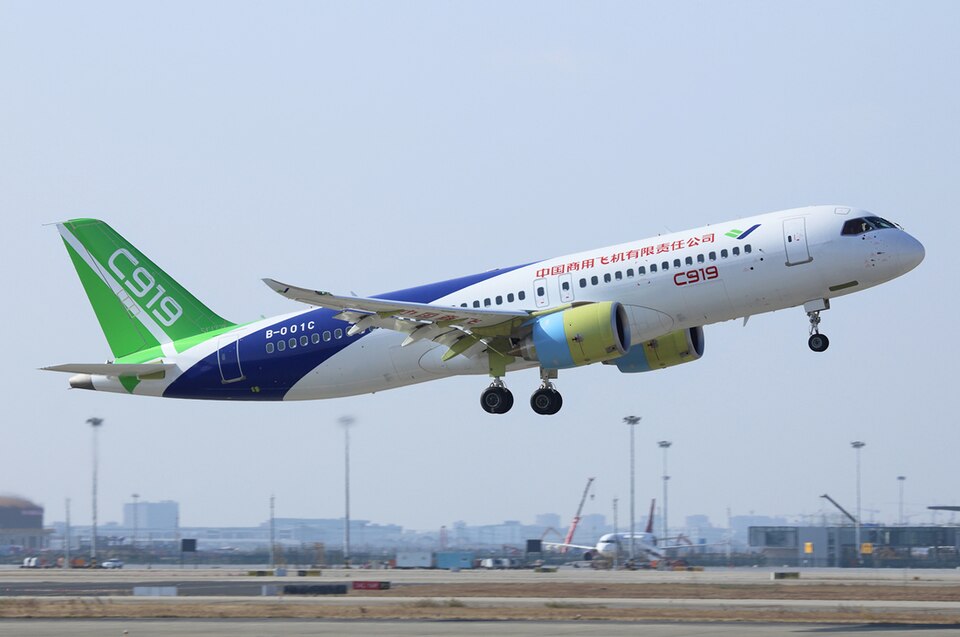
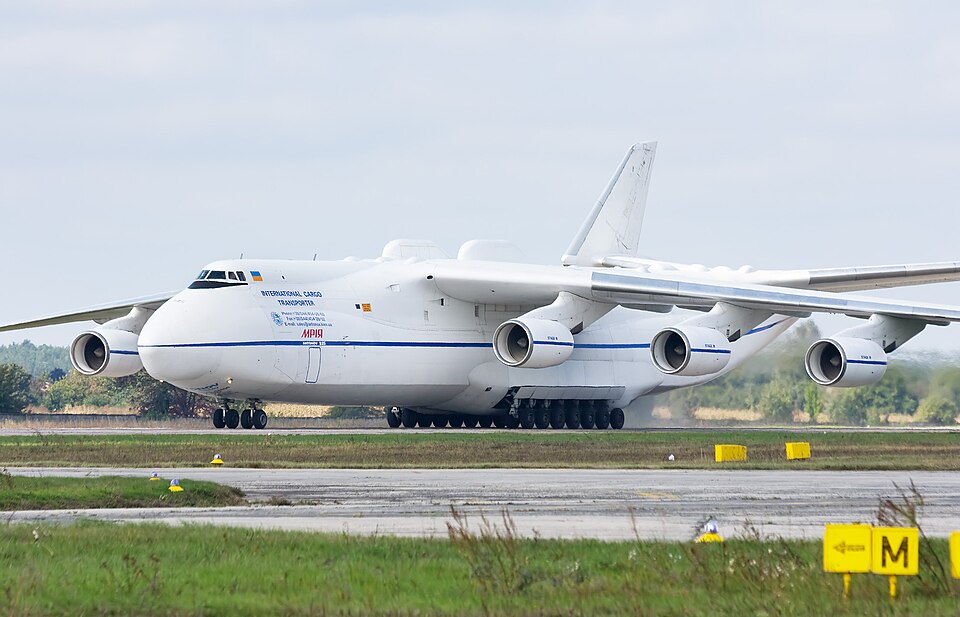
A big plane usually means a large commercial airliner. Think of the jets you board for a vacation or a work trip. These planes carry dozens to hundreds of people. They are flown by professional crews and run by airlines. Some of the largest passenger jets flying today can hold several hundred passengers at once.
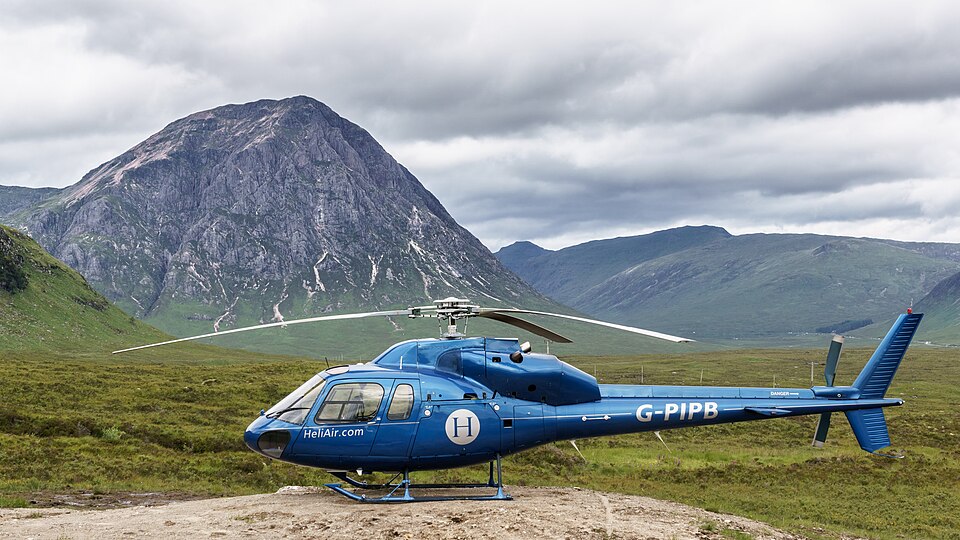
A small plane usually means a light aircraft used in general aviation. This group is broad. It includes single-engine trainers, small private planes, light twins, and small turboprops. There are many different types of small planes, and they range from two-seat trainers to roomy six-seat cruisers.
Here is a simple way to picture the two groups:
- Big planes: airliners run by carriers, flown by two professional pilots, built for many passengers
- Small planes: light aircraft, often privately owned, sometimes flown by a single pilot
- In between: business jets and corporate turboprops, which are small in size but often flown like airliners
Good to Know: Size alone does not decide the category. A business jet is small compared to an airliner, yet it is often flown by two trained pilots under rules close to the ones airlines follow. That mix matters a lot when we talk about safety.
How Aviation Safety Is Actually Measured
You cannot answer the big-vs-small question without knowing how safety gets counted. The numbers can look very different depending on the method used. There are three common ways to measure it.
- Per flight hour. This counts accidents for every set number of hours flown, often per 100,000 hours. It is the most common method in aviation reports.
- Per mile. This counts accidents for every set distance traveled. It tends to favor planes that fly long, fast trips, like airliners.
- Per flight or departure. This counts accidents for every takeoff. Since takeoff and landing are the busiest, riskiest moments, this view tells its own story.
Why does the method matter so much? Small planes fly shorter trips. That means more takeoffs and landings for every hour in the air. Big planes often fly long routes with one takeoff and one landing across many hours. So a per-mile count and a per-hour count can paint two different pictures of the same flight.
Why It Matters: When you read a safety claim, check the yardstick. A stat measured per mile can make flying look far safer than the same stat measured per departure. Both can be true at once. They are just answering slightly different questions.
These methods are why aviation safety statistics can feel confusing. One headline says flying is the safest way to travel. Another says small planes crash far more than cars. Both can be correct because they measure different things.
What the Safety Numbers Say About Big and Small Planes
Now to the part most people want. When you line up the records, large commercial planes come out far ahead of small planes. This is widely accepted and backed by data from groups like the National Transportation Safety Board (NTSB) and the Federal Aviation Administration (FAA).
Here is the broad picture, stated carefully:
- Commercial airlines have an extremely low accident rate. Major US carriers have gone long stretches with no fatal crashes at all.
- General aviation, the group that includes small planes, has an accident rate many times higher per flight hour.
- Commonly cited NTSB figures put the small plane rate at roughly 25 times the commercial rate per flight hour, though the exact gap shifts year to year.
The general aviation accident rate has been improving over time. Industry groups note that recent years have been among the safest on record for small planes. Still, the gap with the airlines is real and steady.
It also helps to keep perspective. Big crashes get heavy news coverage because they are rare and dramatic. You can read about the worst crashes in history and notice how few of them happened in recent decades. Small plane accidents happen more often, but each one usually involves far fewer people, so they rarely make national headlines.
Fun Fact: Commercial flying is widely considered safer today than it has ever been. Decades of shared accident data, better training, and improved technology have pushed the risk down to a tiny fraction of what it was in earlier eras.
So the short version is clear. By the numbers, big commercial planes are safer than small planes. The more interesting question is why.
Why Big Planes Tend to Be Safer Than Small Planes
The safety gap between big planes and small planes comes down to many small advantages that stack up. Each one helps a little. Together they create a huge difference. Here are the main reasons large commercial planes hold the edge.
1. Two pilots instead of one. Airliners are flown by two trained pilots. One flies while the other watches, checks, and backs up every move. In many small planes, a single pilot does it all. There is no second set of eyes to catch a mistake.
2. More flight hours and stricter training. Airline pilots fly for a living. They train constantly and log thousands of hours in the same kind of aircraft. Many small plane pilots fly part-time and build hours much more slowly.
3. Backup systems for almost everything. Big jets are built with redundancy. If one system fails, another takes over. Hydraulics, electrical power, and flight controls usually have two or three backups. Small planes often run on a single system with fewer fallbacks.
4. Heavy, frequent maintenance. Airliners get checked before and after flights by trained crews. Their upkeep follows strict, scheduled rules. Small plane maintenance still matters, but it is lighter and less frequent, and standards can vary from owner to owner.
5. Tight regulatory oversight. Airlines operate under some of the strictest rules in transportation. Every part of the operation is watched and audited. Small private flying has rules too, but the oversight is not as constant or as deep.
6. Better weather information. Big jets carry advanced radar and get rich, real-time weather data. They can climb above many storms. Small planes often have less weather information on board and fly at lower altitudes, closer to rough weather.
7. Advanced avionics and automation. Modern airliners use highly automated systems that reduce pilot workload and catch errors early. This automation has been refined over many years of real-world use.
8. Controlled routes and air traffic support. Airliners fly planned routes inside controlled airspace with constant help from air traffic control. Many small flights happen in less structured airspace with less support.
9. A strong teamwork and safety culture. Airlines build a culture around shared checklists, clear communication, and learning from every incident. That culture, often called crew resource management, is hard to match in a single-pilot cockpit. It is one of the quiet reasons commercial airline safety keeps improving year after year.
Need maintenance done right? Flying411 connects aircraft owners with certified A&P mechanics, avionics specialists, and MRO providers, so upkeep stays on schedule and on standard.
Keep in Mind: No single item on this list makes big planes safe. It is the whole stack working together. Remove a few of these layers and the safety record changes fast. That is the real lesson hiding inside the big-vs-small debate.
It Is Less About Size and More About How the Plane Is Flown
Here is the twist that surprises a lot of people. The safety gap is not really caused by size. It is caused by how the plane is operated. Size and operation just tend to travel together.
Look at business jets. They are small compared to airliners. Yet they are often flown by two professional pilots, maintained to a high standard, and run under strict charter rules. When you isolate that group, their safety record gets very close to the airlines. The plane is small, but it is flown like a big one.
The same idea works in reverse. Put a single, lightly practiced pilot in a small plane with minimal backups, and the risk climbs. Not because the plane is small, but because so many safety layers are missing.
This reframes private plane safety in a helpful way. A private flight can be very safe when the pilot is well trained, the plane is well kept, and good judgment rules the day. The aircraft size is only a small piece of the puzzle. For a deeper side-by-side, this look at how small planes stack up against big ones adds useful context.
Heads Up: When people say "small planes are dangerous," they are usually describing a pattern, not a rule. A careful, current pilot in a well-kept small plane is in a very different risk bracket than the raw averages suggest.
Why Small Planes See More Accidents
If size is not the main cause, what is? Most small plane accidents trace back to a handful of human and situational factors. Knowing them makes the risk easier to understand and, importantly, easier to lower.
Pilot decisions lead the list. Studies of general aviation point to pilot error as the leading factor in most accidents. This is rarely about flying skill alone. It is often about judgment, like pressing on into bad weather or running low on fuel.
Weather catches small planes off guard. Light aircraft fly closer to storms and carry less weather gear. A pilot who flies into clouds or rough air without the right training or tools can lose control quickly.
One pilot carries the whole load. With no second pilot, there is no one to catch a missed step or share the workload during a stressful moment. Fatigue and tunnel vision hit harder when you are alone in the cockpit.
Less redundancy means fewer second chances. Many single-engine planes have one of everything. If a key system quits, the pilot has fewer options than an airline crew would have.
Maintenance varies widely. Some owners keep their planes in top shape. Others stretch inspections or delay repairs. That swing in care shows up in the accident record.
Here is a quick comparison of the typical setup for each group:
| Factor | Big Commercial Plane | Typical Small Plane |
| Pilots in the cockpit | Two professionals | Often one |
| Backup systems | Two or three layers | Often single systems |
| Maintenance | Strict, scheduled | Varies by owner |
| Weather tools | Advanced radar, high altitude | Limited, lower altitude |
| Oversight | Very tight | Lighter |
Pro Tip: If you are ever a passenger in a small plane, the most useful safety question is not "how big is it?" It is "how current and careful is the pilot, and how well is the plane maintained?" Those two answers tell you far more about your risk.
How Small Planes Are Getting Safer
The good news is that small planes have come a long way. New technology and better training are closing part of the gap. Modern small plane safety has improved a lot, and today's light aircraft are safer than the ones from a few decades ago.
A few advances stand out:
- Whole-plane parachutes. Some small planes built with parachutes can lower the entire aircraft to the ground under a giant canopy. The Cirrus Airframe Parachute System is the best-known example, and it has been credited with saving hundreds of lives.
- Glass cockpits. Modern digital displays give pilots clearer information, better situational awareness, and simpler ways to read engine and weather data.
- Stability protection. Some new planes gently nudge the controls to keep the aircraft from stalling or overbanking, which helps prevent loss of control.
- Better training programs. Aircraft makers now pair their planes with focused training, so pilots learn how to use the safety gear before they need it.
These features do not erase the risk. A parachute only helps if the pilot pulls the handle in time. Still, the trend is encouraging. You can see this in lists of some of the safest small planes, where modern safety design is a common thread.
Quick Tip: When shopping for a small plane, treat safety features like parachutes, stability protection, and modern avionics as real value, not extras. They can make a meaningful difference in an emergency.
How Plane Safety Compares to Driving
People often ask how flying stacks up against driving, since that is the trip most of us know best. The answer depends, again, on big planes versus small planes.
Commercial flying is widely viewed as far safer than driving. The odds of being in a fatal airline crash are very low, and major carriers have gone years without one. For most travelers, the drive to the airport is the riskiest part of the journey.
Small plane flying is a different story. By some measures, personal general aviation flights carry a fatal accident risk well above driving. The exact comparison is tricky because road safety is measured per mile and flying is often measured per hour. The careful takeaway is that small private flying carries more risk than a typical car trip, while commercial flying carries far less.
So the same word, "flying," covers two very different risk levels. That is the heart of the whole big-vs-small question.
Thinking about owning or selling an aircraft? Browse listings, compare models, and connect with trusted aviation professionals on Flying411 to make your next move with confidence.
For anyone weighing ownership, it helps to look at the planes themselves. Reviews of planes worth owning and roundups of the most common commercial airliners show how design choices shape both comfort and safety. Even questions like how helicopters compare on safety follow the same logic: operation and upkeep matter more than the shape of the machine.
Conclusion
So, are big planes or small planes safer? Big commercial planes win on the numbers, and the margin is wide. They carry two pilots, backups for nearly everything, strict maintenance, and tight rules. Small planes carry more risk, mostly because they have fewer of those safety layers, not because they are small.
The deeper truth is more useful than a simple winner. Safety lives in the details. A well-flown, well-kept small plane can be remarkably safe. A neglected one is not. Size sets the starting point, but the pilot and the upkeep decide the rest.
Ready to learn more, find your next aircraft, or connect with certified aviation pros? Visit Flying411 and let smarter aviation decisions take flight.
Frequently Asked Questions
Are private jets as safe as commercial airlines?
When flown by two professional pilots under strict charter rules, business jets reach a safety record very close to the airlines. The main risks come from operator standards and pilot experience, so a well-vetted operator matters a lot.
Do bigger planes handle turbulence better?
Larger planes tend to ride through turbulence more smoothly because of their weight and size, and they can climb higher to avoid rough air. Turbulence is uncomfortable, but modern aircraft are built to handle far more of it than passengers usually feel.
Is it safe to fly in a single-engine plane?
Yes, single-engine planes are flown safely every day, especially with a current pilot and good maintenance. The key is solid training, careful weather decisions, and keeping the aircraft in top condition.
Why do small plane crashes happen more often?
Most small plane accidents trace back to pilot judgment, weather, single-pilot workload, and lighter maintenance. These factors, not the size of the plane, drive the higher accident rate.
What is the safest seat on a plane?
No seat guarantees safety, since outcomes depend on the type of incident. The bigger safety factors are the airline, the aircraft, the crew, and simply wearing your seatbelt whenever you are seated.