Small planes carry a reputation that does not always match reality. A lot of people picture them as flimsy or risky, when in truth the safest small planes are built around decades of hard lessons, careful engineering, and steady design choices. A well-kept single-engine aircraft flown by a trained, current pilot is far safer than most folks assume.
The trick is knowing what to look for. Safety in a small plane comes from a few clear places: how the airplane handles when things get tense, how well it protects people in a crash, what the cockpit tells the pilot, and in some cases, what happens when the pilot pulls a red handle and floats the whole thing down under a parachute.
Not every small plane is built the same way, and the gap between the safest models and the riskiest ones is wider than the gap between most cars. The planes that earn the "safe" label do it in surprising ways, and a few of them carry a parachute big enough to lower the entire aircraft to the ground.
Key Takeaways
The safest small planes combine forgiving handling, strong crash protection, modern avionics, and in some cases a whole-airframe parachute that can lower the entire plane to the ground. Trusted models like the Cirrus SR22, the Cessna 172 Skyhawk, and the Diamond DA40 stand out because they are stable, hard to stall by accident, and built to protect the people inside. Still, no airplane is safe on its own. Good training, honest maintenance, and smart decisions in the cockpit matter just as much as the model name on the tail.
| What matters most | Why it makes a plane safer |
| Forgiving handling | Gentle, predictable controls give pilots time to fix mistakes |
| Good stall behavior | Stall-resistant wings make loss of control far less likely |
| Crashworthy structure | Strong cabins and crush zones protect people in hard landings |
| Modern avionics | Glass screens, traffic alerts, and terrain warnings cut errors |
| Airframe parachute | A whole-plane chute offers a last resort when flight is not survivable |
| Maintenance and training | A careful pilot and a well-kept plane beat a fancy one flown poorly |
Flying411 makes it easier to compare small aircraft side by side, so you can see how safety features, history, and value line up before you ever step into a cockpit.
What Actually Makes a Small Plane Safe
Safety is not one feature. It is a stack of them working together. Some features help a pilot avoid trouble in the first place. Others protect people once trouble starts. The best small planes do both well.
Here are the building blocks that show up again and again in the safest aircraft.
Forgiving Handling and Gentle Stall Behavior
A forgiving airplane warns you before it bites. It gives clear signals as it slows down, and it does not snap into a spin the moment you get sloppy. This matters because a large share of small-plane accidents trace back to loss of control, often at low speed near the ground.
A stall-resistant design is a huge part of this. When a wing is shaped to lose lift slowly and predictably, the pilot has time to react. The nose drops gently, the controls stay responsive, and a small push forward gets things flying again. Planes with sharp, sudden stalls leave far less room for error.
Good to Know: Most stall and spin accidents happen low and slow, usually in the traffic pattern near an airport. That is exactly where forgiving handling earns its keep, because there is little altitude to recover.
A Crashworthy Structure
Even great pilots end up in rough situations. A crashworthy airframe is what stands between a hard arrival and a tragedy. Modern safe planes use strong cabin shells, energy-absorbing seats, and crush zones built into the structure to soak up impact forces before they reach the people inside.
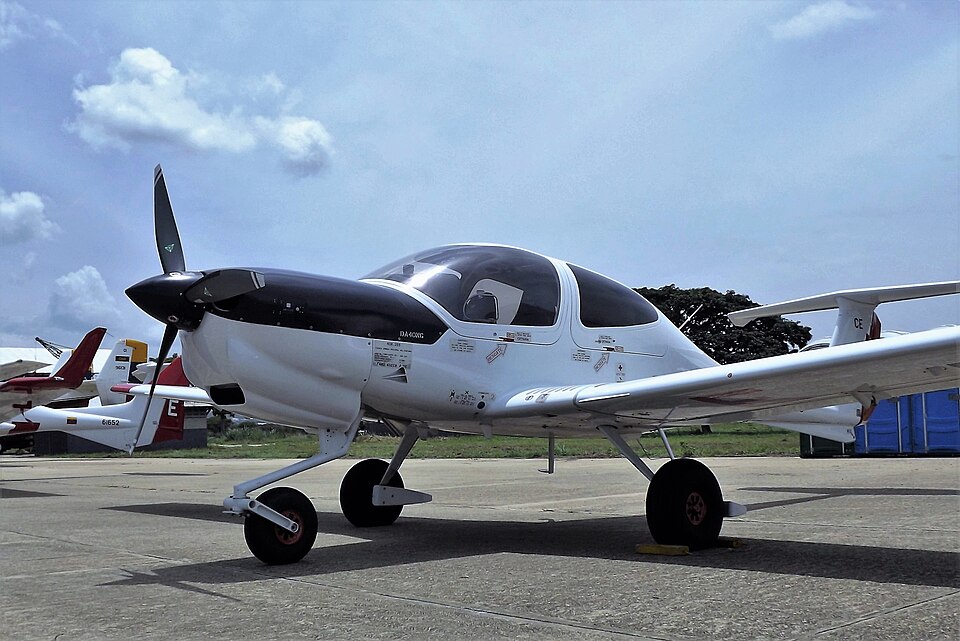
Composite aircraft like the Diamond series take this seriously. Their cabins are built to hold their shape during impact, and the seats are designed to compress and absorb shock. Fuel tanks are tucked into protected spots so they are less likely to rupture and catch fire. None of this shows up on a spec sheet, but it saves lives.
Modern Avionics and Warning Systems
The cockpit has changed a lot. Older planes used round dials and steam gauges. Newer ones use bright glass screens that pull navigation, engine data, traffic, and terrain into one clear picture. This cuts down on confusion, which cuts down on mistakes.
The most helpful systems include:
- Traffic alerts that warn the pilot about nearby aircraft
- Terrain warnings that call out rising ground or obstacles
- Synthetic vision that paints a 3D view of the world even in poor weather
- Autopilots with safety modes that can level the wings at the push of a button
These tools do not replace a pilot. They give a pilot more time and better information, and in flying, time and information are everything.
The Whole-Airframe Parachute
This is the headline feature for a reason. A whole-airframe parachute is a rocket-deployed canopy that lowers the entire airplane, people and all, to the ground. When a pilot faces a situation that no amount of skill can fix, like a structural failure, a midair collision, or engine loss over rough terrain at night, the parachute becomes a true last resort.
Cirrus made this famous with its airframe parachute system, which comes standard on every airplane the company builds. Other makers, like BRS Aerospace, sell ballistic parachutes that can be fitted to certain light aircraft, including a retrofit for the popular Cessna 172. If the idea appeals to you, it is worth reading up on small planes built with parachutes to see how the systems work and which models offer them.
Why It Matters: A parachute only helps if the pilot uses it. Early on, some Cirrus pilots crashed without ever pulling the handle. Once the company built training that taught pilots to "pull early and pull often," survival rates climbed sharply.
How Aircraft Safety Is Actually Measured
People love to argue about which plane is "the safest," but the honest answer is that it depends on the data behind the claim. A brand name alone tells you very little. Safety analysts look at long-term numbers across many thousands of flights, not single accidents.
The most common yardstick is the fatal accident rate, measured as fatal accidents per 100,000 flight hours. A lower number is better. According to figures shared by groups like the FAA and AOPA, general aviation as a whole has been running at roughly 0.6 fatal accidents per 100,000 flight hours in recent years, with the overall accident rate higher than that because it includes non-fatal events like gear-up landings and runway mishaps.
There is a catch, though. Popular planes rack up huge numbers of total accidents simply because there are so many of them flying so many hours. The Cessna 172 Skyhawk has been involved in many accidents over the decades, but that is mostly because it is one of the most common aircraft in the sky, not because it is dangerous. To compare fairly, you have to look at accidents against the number of airframes flying and the hours they log.
Keep in Mind: Two planes of the same model can have very different safety stories. How an aircraft was flown and maintained often matters more than the year it rolled off the line.
If you want to understand the bigger picture of general aviation safety, it helps to compare smaller aircraft against the airliners most people fly on. The way small and large planes compare shows that the differences come down more to training, oversight, and maintenance than to the size of the plane itself.
Are Small Planes Safe Compared to Big Planes
This is the question that worries most first-time passengers. The short answer is that small planes are statistically more likely to be in an accident than large commercial airliners, but the gap is not because small planes are poorly built.
Commercial airliners benefit from a few big advantages:
- Professional, well-trained crews who fly the same routes daily
- Strict maintenance schedules with constant inspections
- Huge fleets and constant data collection that catch problems early
- Tight regulatory oversight at every level
Small general aviation planes often fly with a single pilot who may be less experienced, in tougher conditions, with less backup. So the difference in safety records usually points back to people and process, not the airplane.
The good news is that the safest small planes close much of that gap on their own. Add modern avionics, a forgiving airframe, careful upkeep, and a current pilot, and a small plane becomes a genuinely safe way to travel. For a broader look at the field, browsing the range of general aviation aircraft gives a good sense of how varied this world really is.
Fun Fact: The Cessna 172 is widely regarded as the most-produced aircraft in history. Its long, steady safety record is a big reason flight schools have trusted it for generations.
The 9 Safest Small Planes Pilots Trust Most
Now for the heart of it. These nine aircraft show up over and over when pilots, instructors, and safety experts talk about the safest small planes. They earn their spots in different ways. Some are famous for forgiving handling. Some carry parachutes. Some are built like a vault. All of them have track records worth respecting.
1. Cirrus SR22
The Cirrus SR22 is the plane most people think of when they hear "small plane with a parachute." Its airframe parachute system comes standard, and it has been credited with saving hundreds of lives across many real-world deployments. Beyond the chute, the SR22 has benign low-speed handling, a crashworthy cabin, and one of the most advanced glass cockpits in its class.
Early in its life, the SR22 actually had a bumpy safety record, because pilots were not using the parachute when they needed it. After Cirrus built a strong, type-specific training program, the accident rate fell well below the general aviation average, according to safety analysts. It is a powerful reminder that safety gear and training have to work together.
2. Cessna 172 Skyhawk
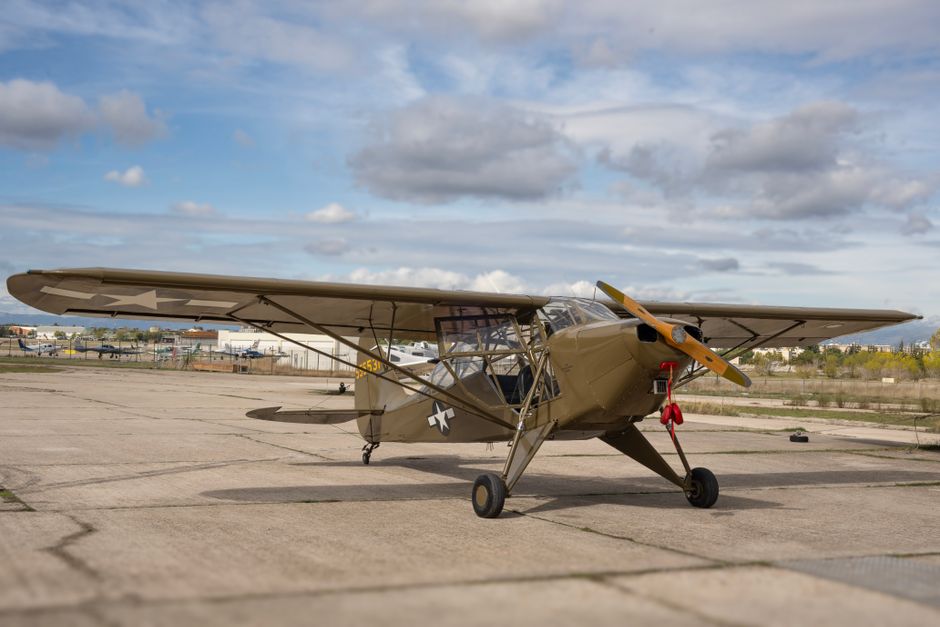
If safety had a mascot, it might be the Skyhawk. This high-wing single is the airplane most pilots learn on, and for good reason. Its controls are gentle and predictable. Its high wing gives great downward visibility and natural stability, since the weight hangs below the wing like a pendulum. It is famously hard to get into serious trouble in a 172, which is exactly what you want in a trainer.
Decades of production mean parts, mechanics, and instructors are everywhere, which keeps maintenance honest and affordable. The Skyhawk is a cornerstone of the list of the most popular small planes for the same reasons it is one of the safest.
3. Diamond DA40
The Diamond DA40 has one of the strongest safety records in light aviation, and it is no accident. The DA40 uses a composite airframe built to absorb impact, with fuel tanks tucked safely into the wings between strong structural spars. Despite its low wing, it offers excellent visibility and very gentle stall behavior.
Flight schools that fly Diamonds often point to remarkably low fatal accident numbers for the type. The fleet is smaller than the Cessna and Piper world, so the figures can shift over time, but the design philosophy is clearly aimed at keeping people alive when things go wrong.
Pro Tip: When comparing safety records between models, always ask how many airframes are flying and how many hours they log. A tiny fleet with a perfect record can look better than it really is until the numbers grow.
4. Cessna 182 Skylane
Think of the Cessna 182 as the Skyhawk's bigger, stronger sibling. It carries more, flies a bit faster, and handles weather and load with extra muscle, yet it keeps the same forgiving, stable personality. That combination of capability and calm manners makes it a favorite for families and longer trips.
The Skylane's stability is a real safety asset. It tracks steadily, resists sudden upsets, and gives pilots a planted, confident feel. For owners who want room to grow without giving up the easy handling of a trainer, the 182 is a natural step up among planes worth owning.
5. Piper PA-28 Archer and Cherokee
The Piper PA-28 family, including the Cherokee and Archer, has been a fixture of general aviation for well over half a century. These low-wing singles are durable, simple, and very forgiving, which is why so many pilots train in them after or alongside the Cessna 172.
The PA-28 stalls gently and recovers easily, and its low wing actually helps in a crash by putting structure between the cabin and the ground. Generations of safe service have made it a trusted choice for students, families, and weekend flyers alike. It is a great example of a dependable safest single-engine plane option that does not cost a fortune to own.
6. Diamond DA62
The Diamond DA62 brings Diamond's crash-protection philosophy to the twin-engine world. Two engines mean that losing one does not automatically end the flight, which gives pilots options that single-engine planes simply do not have. Pair that with Diamond's tough composite cabin and modern cockpit, and you get one of the safer light twins flying today.
Twins are not automatically safer than singles, since a poorly handled engine failure can be dangerous. But in trained hands, the DA62's redundancy is a real plus. If twin power interests you, it is worth looking at other twin-engine choices to see how the category compares.
7. Cessna 152
The little Cessna 152 is a two-seat trainer with a big safety reputation. It is light, simple, slow, and almost stubbornly stable, which makes it very hard to scare. Generations of pilots earned their wings in a 152, and its gentle manners are a big part of why.
Because it flies at modest speeds and is so predictable, the 152 gives new pilots time to think and react. Its simplicity also means fewer systems to fail and easier, cheaper maintenance. For pure beginner-friendly safety, it is tough to beat among small single-engine options like those covered in small single-engine planes.
8. Cirrus Vision Jet (SF50)
Here is something rare: a personal jet with a parachute. The single-engine Cirrus Vision Jet carries the same airframe parachute philosophy found in the SR-series piston planes, which is almost unheard of in the jet world. It also includes an emergency system that can land the airplane on its own if the pilot becomes unable to fly.
The Vision Jet shows where small-aircraft safety is heading: smart automation, layered backups, and a last-resort chute, all wrapped into one airframe. It is far pricier than the others here, but it is a striking example of how far safety design has come.
Heads Up: A parachute or auto-land system is a backup, not a license to take risks. The safest pilots treat these features as emergency tools, not as reasons to fly into conditions they would otherwise avoid.
9. Tecnam P2010
The Tecnam P2010 is a newer high-wing single that blends modern design with the stable, visible feel that makes high-wing planes so trainer-friendly. It pairs a strong cabin structure with up-to-date glass avionics, and it has been adopted by a growing number of flight schools that want a fresh, comfortable, safe trainer.
As a newer model, its long-term record is still being written, but its design goals line up with everything that makes a small plane safe: gentle handling, good visibility, modern systems, and a sturdy cabin. It rounds out a list that spans classic trainers and cutting-edge designs alike. To see how it fits the wider field, the overview of the best small planes puts models like this in context.
If you are weighing a few of these models against each other, Flying411's aircraft listings let you browse real Cessna, Piper, Cirrus, and Diamond aircraft for sale, so you can match safety features to your budget and mission.
Single-Engine vs Twin-Engine Safety
A common myth says twin-engine planes are always safer because they have a spare engine. The reality is more nuanced.
In a single-engine plane, an engine failure means you are gliding to a landing. That sounds scary, but well-flown singles glide just fine, and a calm pilot can usually pick a field and land. In a twin, losing one engine while the other keeps running creates a tricky, unbalanced situation that demands quick, correct handling. A pilot who is not sharp on those skills can get into serious trouble fast.
So the safety edge of a twin depends heavily on training and currency. Here is a simple way to think about it:
| Setup | Main safety strength | Main safety challenge |
| Single-engine | Simple, predictable engine-out glide | No backup power if the engine quits |
| Twin-engine | Backup power keeps you flying | Engine-out handling is harder and less forgiving |
For most everyday flying, a well-maintained single with good handling is plenty safe. Twins shine for pilots who fly long distances over water or rough terrain and stay current on their engine-out drills. If you are curious about the smaller end of the category, small twin-engine prop planes is a good place to compare options.
What the Safest Small Planes Cost
Safety and price do not always move together, but the most advanced safety features do tend to cost more. A brand-new Cirrus SR22 with a parachute and full glass cockpit sits at the high end of the piston market, while a brand-new Cessna 172 still runs several hundred thousand dollars.
The good news is that the used market is huge and friendly. Older Skyhawks, Cherokees, and Skylanes can be found for a fraction of new prices, and many are still very safe when properly maintained. A well-kept older plane with honest logbooks can be a smarter buy than a newer one with a rough history.
A few cost realities worth knowing:
- Parachute repacks on Cirrus aircraft are a scheduled, pricey maintenance item, so always check when the next one is due.
- Twin-engine planes cost more to fuel and maintain, since you are caring for two of everything.
- Older planes can be affordable up front but may need avionics upgrades to reach modern safety standards.
For a fuller breakdown, it helps to look at what small planes cost and the lineup of budget-friendly used models before setting your number.
Quick Tip: Budget for the first year of ownership, well beyond the sticker price. Insurance, a thorough pre-purchase inspection, training, hangar costs, and reserves for maintenance all add up fast.
Safety Is Also About the Pilot
No list of safe planes is complete without this point. The airplane is only half the equation. The other half is the person flying it.
Most small-plane accidents trace back to pilot decisions, not mechanical failure. Flying into bad weather, running low on fuel, pushing past personal limits, or skipping recurrent training causes far more harm than faulty parts. The very safest plane in the world is still risky in the hands of a careless or out-of-practice pilot.
The pilots with the best safety records tend to share a few habits:
- They train regularly, going beyond the bare minimum to stay legal
- They respect weather and turn back when conditions sour
- They maintain their aircraft by the book, not by the bare minimum
- They make decisions early, before a small problem becomes a big one
This is why a modest, well-flown Cessna 152 can be safer in practice than a high-tech plane flown by someone who skips training. The machine sets the ceiling. The pilot decides how close you get to it.
Ready to start your search? Browse Flying411's marketplace to compare safe, well-documented aircraft for sale, and connect with vetted mechanics and avionics shops to keep whatever you buy in top shape.
Bringing It All Together
When you stack everything up, a clear picture forms. The safest small planes are forgiving when you make a mistake, strong when impact comes, clear in what they tell you, and in some cases able to float the whole airplane down under a canopy. Models like the Cirrus SR22, the Cessna 172, the Diamond DA40, and the others on this list earn their reputations through real-world data and thoughtful design, not marketing.
But the throughline behind every one of them is the same. A safe plane plus a safe pilot equals a safe flight. Take either one away, and the math falls apart. For pilots who want even more capability without giving up that safety mindset, the field of faster small planes shows how speed and safety can live together when the design is right.
Conclusion
Choosing among the safest small planes is less about chasing the single "safest" model and more about matching a well-built aircraft to honest training and steady maintenance. The Cirrus SR22 brings its parachute, the Cessna 172 brings legendary forgiveness, the Diamond DA40 brings a crash-tough cabin, and each of the nine planes here brings something worth trusting.
Pick the one that fits your mission, learn it deeply, and care for it well, and you will be flying with the kind of safety margin most passengers never realize a small plane can offer.
Your safest next flight starts with the right aircraft. Browse listings, compare safety features, and connect with trusted aviation pros at Flying411, where smart pilots start their search.
Frequently Asked Questions
What is the single safest small plane to fly?
There is no one winner, but the Cirrus SR22 often tops the list because it pairs forgiving handling with a standard whole-airframe parachute. For pure trainer safety, the Cessna 172 and Diamond DA40 are also widely trusted choices.
Do small planes with parachutes really work?
Yes, when used correctly and within their limits. Airframe parachutes have been credited with saving hundreds of lives, but they must be deployed at a safe altitude and speed, which is why pilot training on when to pull the handle is so important.
Are older small planes safe to buy?
They can be very safe if they have clean logbooks, solid maintenance, and up-to-date inspections. A well-kept older plane is often safer than a newer one with a neglected service history, so a thorough pre-purchase inspection is essential.
Is a high-wing or low-wing plane safer?
Neither is automatically safer, since both designs have strong safety records. High-wing planes like the Cessna 172 offer better downward visibility, while low-wing planes like the Piper Archer can place structure between the cabin and the ground in a crash.
How often do small planes have engine failures?
Total engine failures are fairly rare in well-maintained aircraft, and many in-flight power losses trace back to fuel issues or poor upkeep rather than the engine itself. Regular maintenance, careful fuel management, and recurrent training make a serious engine emergency far less likely.