Speed has a funny way of changing how you think about distance. A trip that takes five hours by car can shrink to a little over an hour in the right airplane. And some of the quickest options in the sky are not giant airliners at all.
They are fast small planes, the kind one person can own, fly, and park in a single hangar.
These aircraft pack a real punch. A few single-engine models can cruise faster than 300 knots, which puts them right in the speed range of some light business jets. Others sip fuel while still covering ground at a serious pace.
The mix of size, cost, and speed is what makes this corner of flying so much fun to get to know.
Here is the part that surprises most people. The fastest plane on this list spins a propeller, not a jet engine, and it still leaves some light jets behind.
Key Takeaways
The fastest small planes flying today are single-engine turboprops like the Epic E1000 GX and the Daher TBM 960, which cruise around 330 knots, close to 380 mph. Among piston planes, the Mooney Acclaim Ultra leads the field at roughly 242 knots. Speed comes down to three things working together: a strong engine, a clean and slippery airframe, and flying high where the air is thin.
| Aircraft | Type | Approx. Cruise Speed | Stands Out For |
| Epic E1000 GX | Single-engine turboprop | ~330 kt (380 mph) | Top speed in its class |
| Daher TBM 960 | Single-engine turboprop | ~330 kt (380 mph) | Speed plus modern tech |
| Pilatus PC-12 NGX | Single-engine turboprop | ~290 kt (334 mph) | Big cabin, rough-field access |
| Mooney Acclaim Ultra | Piston single | ~242 kt (278 mph) | Fastest production piston single |
| Cirrus SR22T | Piston single | ~213 kt (245 mph) | Speed with a whole-plane parachute |
| Lancair Evolution | Experimental turboprop | ~300 kt (345 mph) | Kit-built speed for less money |
Flying411 brings aircraft listings, engines, and certified parts together in one place, so comparing fast singles side by side is simple.
What Counts as a Small Plane
Before we line up the speed champions, it helps to agree on what "small" means here. In this context, a small plane is a light aircraft from the world of general aviation. Most seat about four to six people. Many can be flown by a single pilot. You will not find airliners or large corporate jets on this list.
The planes here fall into a few buckets. Some run on piston engines, much like the engine in a car, only built for the sky. Others use turboprops, which are turbine engines that spin a propeller. A handful are experimental kit planes, which owners build themselves from a factory kit.
All of them are small enough to fit a personal or small-business mission. They live at smaller airports, fit in standard hangars, and cost a fraction of what a full jet costs to buy and run. If you want a wider view of the whole field, it is worth seeing how these compare across the different categories of light aircraft.
What Makes a Small Plane Fast
Speed in the air is not magic. It comes from a few clear ingredients, and once you know them, the numbers start to make sense. A fast plane usually does three things very well.
- Strong, smart power. A turbocharged piston engine or a turbine keeps making power as the plane climbs. That extra muscle pushes the plane through the air at higher speeds.
- A clean airframe. Designers shape every inch to cut drag. Smooth surfaces, tight cowlings, and clean lines all help the plane slip through the air. Many of the fastest models also tuck their landing gear up after takeoff.
- High altitude. The higher you go, the thinner the air gets. Thin air means less drag, so the same plane can fly faster while burning less fuel.
Good to Know: Higher altitude often means a faster true airspeed, even when the engine is not making any extra power. Thinner air pushes back less, so the plane covers more ground each hour.
These three factors explain why a turbocharged plane can hold strong cruise speed up high while a basic trainer slows down. They also explain why so many fast singles climb into the high teens or low twenties on a long trip.
There is also a long history of clever engineering behind these numbers. One famous example is the Mooney 201, which earned its name in the 1970s.
Fun Fact: The Mooney 201 is widely said to have earned its name by breaking 201 mph on just 200 horsepower, thanks to careful drag cleanup. That kind of speed for the power has long been a Mooney trademark.
Piston, Turboprop, or Experimental
Fast small planes generally sort into three groups. Each group has its own feel, cost, and top speed. Knowing which is which makes the rest of this list much easier to follow.
- Piston singles. These use a single piston engine and burn avgas. They are the most common high-performance personal planes, with top cruisers reaching the low 240-knot range.
- Single-engine turboprops. These swap the piston engine for a turbine that spins a prop. They burn jet fuel, fly higher, and reach the quickest speeds in this group. Good options are easy to find among turbine-powered single-engine planes.
- Experimental kit planes. Owners build these from kits, which keeps the price down. Some kit turboprops chase speeds that rival certified turbines.
Most buyers start with a piston single and step up over time. If you are early in that journey, it helps to study the full range of single-engine designs before you settle on one.
12 Fast Small Planes That Really Move
Here is the heart of it. Below are twelve fast small planes, ordered roughly from quickest to more modest. The list mixes turboprops, piston singles, and one kit plane, so you can see the full picture of what speed looks like at this size. All speeds are approximate max cruise numbers, since real-world figures shift with weight, weather, and altitude.
1. Epic E1000 GX
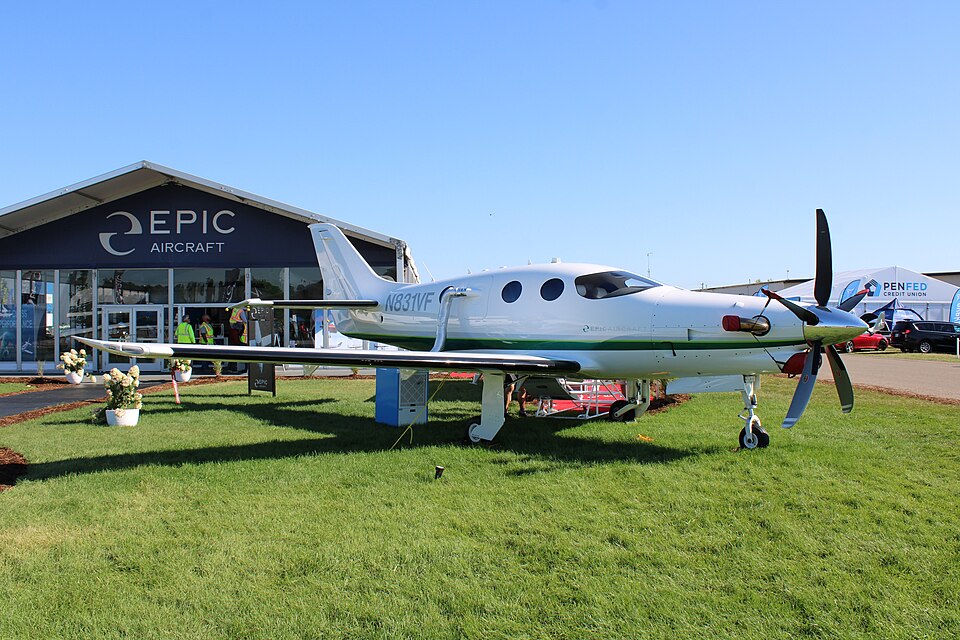
The Epic E1000 GX is often called the speed king of the single-engine turboprop world. It cruises at around 330 knots, which is roughly 380 mph and faster than some light jets. Power comes from a Pratt & Whitney PT6A turbine making about 1,200 horsepower. The carbon-fiber airframe is light and clean, which helps it hold that pace while burning under 50 gallons an hour. Many owners love its blend of jet-like speed and lower running costs.
2. Daher TBM 960
The Daher TBM 960 is a polished, fast, and well-loved single. It tops out near 330 knots, with a recommended high-speed cruise a touch lower for better fuel use. Its digitally controlled PT6E engine makes power easy to manage, even for owner-pilots flying solo. The TBM line has built its name on speed and safety for decades, and the 960 keeps that going with modern avionics and an emergency autoland feature.
3. Lancair Evolution
The Lancair Evolution proves that a kit plane can run with the big names. In turbine form, it can cruise as fast as 300 knots, with some setups reaching higher. It is a four-seat, pressurized, all-composite design built around a Pratt & Whitney turboprop. Because it sits in the experimental category, owners build it themselves, which brings turbine speed within reach for a lower price. The trade is the build time and the skill it takes to fly a hot airframe well.
4. Piper M700 Fury
The Piper M700 Fury is one of the newer fast singles, and it brings serious pace. It cruises around 300 knots and carries a six-seat cabin with up-to-date safety tech. Power comes from a Pratt & Whitney PT6A turbine. Piper aimed it at owners who want turbine speed and modern features without stepping up to the priciest models on the market.
Keep in Mind: Top speed and everyday cruise are not the same number. Almost no one flies at full power all day. Real trip speeds usually sit a bit below the headline figure, which is normal and still very fast.
5. Pilatus PC-12 NGX
The Pilatus PC-12 NGX trades a little speed for a lot of room. It cruises around 290 knots, which is quick for a plane with such a large cabin. The PC-12 seats up to nine in some layouts and has a big cargo door for skis, bikes, or crates. It can also land on short, rough strips that jets cannot touch. For buyers who want speed and true utility in one airplane, the PC-12 is hard to beat.
6. Piper M600/SLS
The Piper M600/SLS offers a friendly path into turbine flying. It cruises around 274 knots and carries a pressurized cabin for five to six people. The SLS version adds Garmin's emergency autoland system, which can land the plane on its own if the pilot becomes unable to fly. It costs less than the fastest turboprops, which makes it a popular first turbine for many owners.
7. Mooney Acclaim Ultra
The Mooney M20V Acclaim Ultra is widely considered the fastest production piston single. It cruises at about 242 knots, roughly 278 mph, on a twin-turbocharged Continental engine making 280 horsepower. The secret is decades of drag cleanup on the slippery Mooney airframe. Few piston planes come close to its speed, and it does it while sipping fuel at a reasonable rate for the pace. Mooney production has been limited in recent years, so many buyers shop the used market.
8. Cessna TTx
The Cessna TTx, also known from its Columbia 400 roots, is a fixed-gear speedster. It cruises around 235 knots thanks to a turbocharged engine and a sleek composite body. The fixed landing gear keeps maintenance simpler while still posting big speed numbers up high. Cessna has ended production, so you will find these among more budget-friendly used cruisers rather than on the new-plane lot.
9. Cirrus SR22T
The Cirrus SR22T pairs speed with peace of mind. It cruises at about 213 knots on a turbocharged Continental engine and comes with the famous Cirrus Airframe Parachute System. That whole-plane parachute has made the SR22 family a top seller in general aviation. If safety features are high on your list, it is worth looking at parachute-equipped designs like this one. The cabin is roomy, the avionics are modern, and the plane is easy to live with.
10. Piper M350
The Piper M350 stands out as a pressurized piston plane. It cruises around 213 knots, and the pressurized cabin lets you fly higher in comfort without wearing an oxygen mask. That comfort makes long trips far easier on passengers. It also carries a solid load, which matters for families and small businesses. Buyers who care about hauling a real payload often put it near the top of their list.
11. Mooney Ovation Ultra
The Mooney Ovation Ultra is the naturally aspirated sibling of the Acclaim. It cruises at about 197 knots without a turbo, which is impressive for a non-turbo piston single. It keeps the same clean Mooney lines and timeless styling. For pilots who want strong speed without the extra cost and upkeep of a turbocharger, it is a sweet spot.
12. Beechcraft Bonanza G36
The Beechcraft Bonanza G36 closes the list with class. It cruises around 176 knots, a touch slower than the others here, but it makes up for it with comfort and a six-seat cabin. The Bonanza has been a respected name for generations, known for solid build quality and a smooth ride. It is the kind of plane owners keep for decades. For an all-around mix of speed, room, and reliability, it remains a favorite among well-rounded small planes.
Heads Up: Many of the fastest singles only hit their top numbers high up, often around 25,000 feet. Flying that high without a pressurized cabin means using oxygen, so plan for it on long, high climbs.
How Fast Small Planes Stack Up Against Jets
Here is where things get fun. The quickest turboprops on this list cruise in the same range as some light jets, yet they cost far less to buy and run. A turboprop single can fly near 330 knots while burning a fraction of the fuel a jet uses.
Jets still win on raw top speed and on flying very high over long distances. A turboprop tends to cruise a bit lower and a bit slower than a jet on a long leg. But for many trips under 1,000 miles, a fast single gets you there at a similar time for much less money. If you want to see the gap clearly, it helps to compare these against the quickest private jets and the smaller compact jet options on the market.
Why It Matters: A high cruise speed paired with the ability to climb into the high teens or low twenties lets you fly over many weather systems instead of around them. That is a real safety benefit, not just a comfort one.
Speed also buys you flexibility. A faster plane can wait out a slow morning and still reach a far airport by lunch. It can dodge weather by climbing above it. And it can turn a tiring full-day drive into a short, pleasant flight.
What That Speed Really Costs
Speed is wonderful, but it comes with a bill. Before you fall for a 330-knot dream machine, it helps to know where the money goes. Faster planes ask for more in a few key areas.
- Fuel. Turbines and big turbocharged pistons drink more than a basic trainer. The trade is that you reach your destination sooner.
- Engine upkeep. A turbocharged piston engine often costs more to overhaul than a simple non-turbo one. Turbines have their own service needs and reserves.
- Pressurization and systems. Pressurized cabins add comfort but also add complexity and maintenance.
- Insurance and training. Faster, higher-flying planes can cost more to insure. Many turboprops also require a type rating or extra training.
A close look at what these aircraft cost over a full year often surprises new buyers, since fuel and maintenance add up fast. The good news is that a well-cared-for fast plane holds its value and rewards you with years of quick, comfortable trips.
Flying411 also connects owners with certified A&P mechanics and MRO providers who know turbocharged and turbine engines inside and out, so upkeep does not have to be a guessing game.
Pro Tip: Before buying any fast single, pay for a thorough pre-purchase inspection from a shop that knows the type. A few hours of expert eyes can save you from a very expensive surprise later.
Who Fast Small Planes Are Really For
These planes are not for everyone, and that is fine. The right buyer has a clear reason to go fast. A few common profiles tend to fit best.
- Business travelers who need to reach several cities a week and value time over almost everything else.
- Owner-pilots stepping up from a trainer who want shorter trips and more reach.
- Families who want to turn long drives into quick flights with room for bags and gear.
- Mission flyers like air ambulance or charter operators who need speed plus utility.
If you are weighing your options, it pays to study the best planes to own for your specific mission rather than chasing the highest speed number alone. The fastest plane is only the best plane if it fits how you actually fly. Safety also belongs in the math, so it is worth reading up on small plane safety as part of your choice.
Quick Tip: Match the plane to your real missions, not your dream missions. If most of your trips are short hops with two people, a fast piston single may serve you better than a thirsty turbine.
Ready to find your own fast cruiser? Browse current listings on Flying411 and connect with sellers directly to start your search today.
Conclusion
The world of fast small planes shows just how far light aircraft have come. A single propeller and a clean airframe can now carry you at speeds that once belonged only to jets. From the record-setting Mooney Acclaim Ultra to the jet-chasing Epic E1000 GX and Daher TBM 960, these planes prove that small does not mean slow.
Each one offers its own balance of speed, comfort, cost, and reach.
The best choice always depends on your missions, your budget, and how you like to fly. Speed is the headline, but value, safety, and fit are what keep an owner smiling year after year.
When you are ready to put one of these fast machines in your own hangar, Flying411 is a smart place to start the hunt, because the right plane is a lot easier to find when listings, engines, and parts all live under one roof.
FAQs
Do you need a special rating to fly a fast small plane?
Many fast piston singles call for a high-performance or complex endorsement, which is straightforward training added to a private license. Turboprops and pressurized planes often require extra training, and some need a type rating.
Are turboprops or piston planes a better first fast plane?
A turbocharged piston single is usually the friendlier and cheaper first step into high-performance flying. Turboprops fly faster and higher but cost more to buy, run, and insure, so most pilots grow into them over time.
How high do fast small planes fly?
Many fast singles cruise best in the high teens to mid-twenties in thousands of feet, where thin air helps them reach top speed. Turboprops often climb even higher, into the high twenties or low thirties.
Can a fast small plane fly in bad weather?
Many of these planes are equipped for instrument flying and can climb above a lot of weather, which is one reason owners value their speed and altitude. Still, careful planning and good judgment matter far more than any single feature.
What is the most fuel-efficient fast small plane?
Modern turboprops like the Epic E1000 GX stand out for covering long distances quickly while burning a modest amount of fuel for their speed. Among piston planes, clean designs like the Mooney singles are known for strong speed per gallon.