Flying from New York to London without stopping sounds like something only big airlines do. But private planes that can cross the Atlantic nonstop are very real, and the list of aircraft that can pull it off has grown a lot over the past two decades.
The transatlantic private jet market has expanded steadily, with more ultra-long-range aircraft entering service each year.
The technology behind these jets has reached a point where crossing an ocean on a private aircraft is not just possible. It is becoming more common than most people think.
Here is a friendly look at what makes it happen, who actually does it, and which aircraft are best built for the job.
Key Takeaways
Private planes that can cross the Atlantic nonstop are a small group of ultra-long-range jets built for very long flights. They carry huge fuel loads, use highly efficient engines, and have cabins designed for comfort over many hours. The most capable models include the Gulfstream G650ER, Bombardier Global 7500, and Dassault Falcon 8X. These jets can fly from major U.S. cities to Europe in one go, and many can reach the Middle East or Asia without stopping.
| Takeaway | Quick Detail |
| Top aircraft | Gulfstream G650ER, Bombardier Global 7500, Dassault Falcon 8X |
| Typical range needed | Around 4,500 to 7,500 nautical miles |
| Common routes | New York to London, Miami to Paris, Los Angeles to Paris |
| Typical charter cost | Often six figures for a one-way crossing |
| Common users | Executives, families, sports teams, government officials |
| Common departure points | Teterboro, Westchester, Dulles, Boston, Miami |
| Common arrival points | Farnborough, Luton, Le Bourget, Zurich |
Looking for more guides on aircraft, ownership, and private aviation? Flying411 has friendly resources and articles to help you make smart decisions in the air.
Why Crossing the Atlantic Nonstop in a Private Plane Is Now Possible
Not long ago, almost every private jet attempting a transatlantic flight had to stop somewhere along the way. Iceland, the Azores, and Shannon in Ireland were common fuel stops for smaller jets heading across the Atlantic Ocean. That added hours to the trip and made the whole experience feel less private and less efficient.
The change came from two directions at once. Better engines and smarter aerodynamics worked together to push range further than anyone expected. Modern turbofan engines burn fuel far more efficiently than the engines from earlier decades. That efficiency means an aircraft can carry the same fuel load and go significantly farther. At the same time, airframe design improved. Lighter composite materials replaced heavier aluminum in many structural parts, which reduced overall weight and allowed designers to dedicate more of the aircraft's capacity to fuel.
Why It Matters: Range improvements are not just about bragging rights. A nonstop crossing can save four to six hours compared to a flight with a fuel stop, which is a huge benefit for business travelers and families alike.
The Engineering Shifts That Made It Happen
Here is what specifically changed to make nonstop crossings possible for private jets:
- Fuel capacity grew. Ultra-long-range jets carry fuel loads measured in tens of thousands of pounds. The Gulfstream G650ER, for example, is said to carry enough fuel to fly more than 7,500 nautical miles without stopping.
- Engine efficiency improved. Modern high-bypass turbofan engines produce strong thrust while burning less fuel per mile than older designs.
- Airframe weight dropped. Composite materials cut structural weight, which left more room in the aircraft's weight budget for fuel.
- Flight planning became more precise. Modern routing tools allow crews to plan optimal altitude profiles and take advantage of favorable winds, especially the jet stream over the North Atlantic.
The result is a category of jets built specifically for long-range ocean crossings. These are not modified mid-size jets. They are aircraft engineered from the ground up to cover huge distances in a single flight.
Cabin Comfort Caught Up Too
Private aviation has also benefited from advances in cabin pressurization and climate control. On a long crossing that takes eight or more hours, passenger comfort depends on the aircraft holding a healthy cabin altitude. Modern jets keep cabin pressure equivalent to about 6,000 feet or lower even at cruise altitudes well above 40,000 feet. This reduces fatigue significantly during extended flight time.
The best planes for transatlantic flights share a common set of traits. They have high fuel capacity, efficient engines, and aerodynamic designs that reduce drag at cruise speed. Understanding those traits helps explain why only certain jets qualify for this kind of mission.
What Makes a Private Plane Capable of a Nonstop Atlantic Crossing
Not every aircraft in private aviation can make the transatlantic trip without landing somewhere in the middle. The aircraft that do it well share a specific set of design features that work together to cover the distance.
Range is the starting point. The Atlantic at its narrowest, between Europe and North America, spans roughly 3,000 miles. But direct routes between major city pairs like New York and London or Los Angeles and Paris are quite a bit longer. A jet generally needs a real-world range of at least 4,000 miles, and ideally 6,000 or more, to handle these routes with proper fuel reserves.
Pro Tip: Always think of range in terms of "real-world" performance, not just the number on a brochure. Headwinds, weather routing, and fuel reserves all eat into the maximum range a jet can actually use on any given day.
Core Features That Define a Capable Transatlantic Jet
Here are the design features that let a private jet cross the Atlantic nonstop:
- Large fuel tanks. Ultra-long-range jets carry fuel loads that would fill a small swimming pool. That volume keeps the engines running for eight to twelve hours without interruption.
- High-efficiency engines. Engines like the Rolls-Royce Pearl and GE Passport use advanced internal aerodynamics to extract more thrust from each pound of fuel burned.
- Low-drag airframes. Swept wings, smooth fuselage lines, and winglets all reduce aerodynamic drag, which directly improves fuel economy at cruise.
- Advanced avionics. Navigation systems that communicate directly with air traffic control and update routing in real time allow crews to fly the most efficient path across the ocean.
- Certified for oceanic operations. Aircraft flying over the North Atlantic must meet specific regulatory requirements for communication, navigation, and emergency procedures.
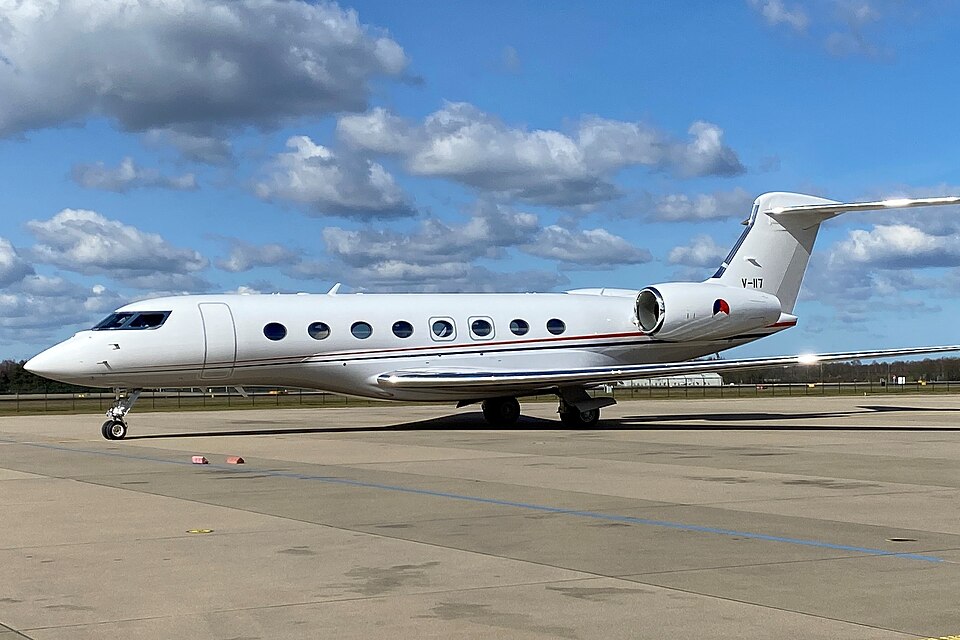
The Gulfstream G550 and Bombardier Global series are among the most recognized names in this category. They consistently deliver the range, reliability, and cabin quality that operators need for demanding ocean crossings. The Gulfstream G650 pushed the standard even further when it entered service, offering range that made previously difficult routes feel routine.
Good to Know: The Gulfstream G650ER holds a certified range that is said to reach about 7,500 nautical miles. That means it can fly nonstop from New York to almost any city in Europe, the Middle East, or many parts of Asia without stopping.
Cabin size also matters on a long crossing. A roomy interior with lie-flat beds, a proper galley, and separate seating zones makes an eight-hour ocean flight genuinely comfortable. The best long-range jets are designed so passengers arrive rested rather than drained. For a sense of how private flexibility compares with airline travel, the contrast with the largest commercial airliners is striking.
Who Actually Flies Private Planes Across the Atlantic Nonstop
The image of a transatlantic private jet passenger is often a billionaire or a movie star. That picture is not entirely wrong, but it is much more incomplete than most people realize.
Corporate travel is actually one of the biggest drivers of transatlantic private jet use. Senior executives, deal teams, and board members regularly fly across the Atlantic on private jets because the time savings and confidentiality are worth the cost. A team of six flying on a private jet charter can hold working meetings throughout the flight, arrive rested, and get straight to business.
A Closer Look at Who Books These Flights
Here is a friendly breakdown of who regularly uses these aircraft for Atlantic crossings:
- Corporate executives and deal teams. Mergers, acquisitions, and major contracts often require face-to-face meetings in multiple cities across the Atlantic. Private jets make it possible to cover those distances without losing days to commercial schedules.
- High-net-worth individuals and families. Families who own homes or businesses on both sides of the Atlantic use private jets the way most people use commercial airlines, just without the airport lines.
- Sports teams and entertainment figures. Professional athletes traveling for international competitions and performers on global tours regularly charter ultra-long-range jets for transatlantic legs.
- Government and diplomatic travelers. Senior officials from many countries use private or government-owned aircraft for transatlantic travel when commercial schedules do not fit mission requirements.
- Medical transport operations. Patients who need specialized care not available in their home country often require a private aircraft configured for medical use.
A jet card membership is one of the more common ways frequent private flyers access transatlantic aircraft without owning one outright. Jet card programs allow members to pre-purchase flight hours on specific aircraft categories, including the ultra-long-range jets needed for ocean crossings.
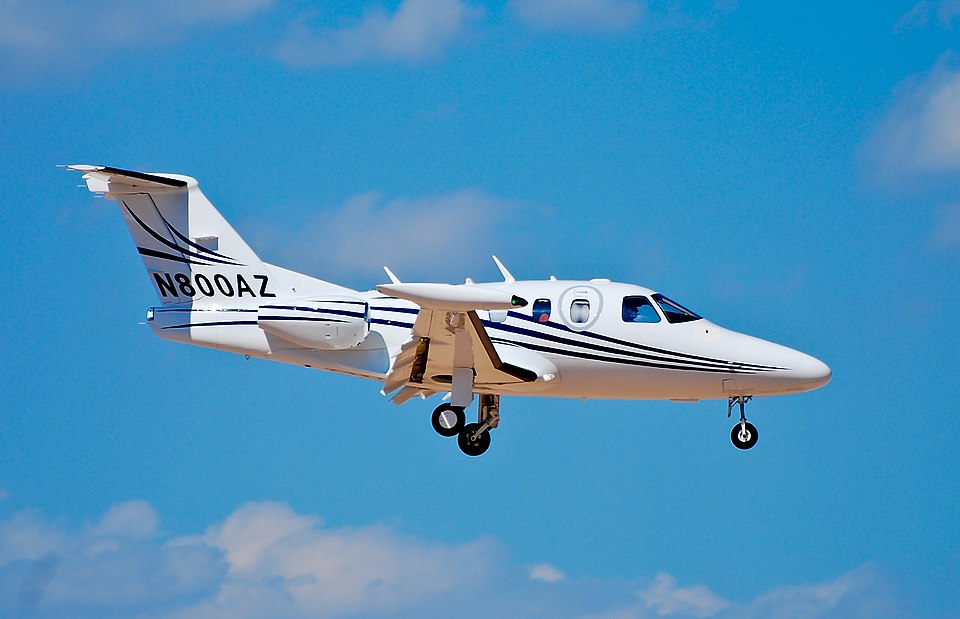
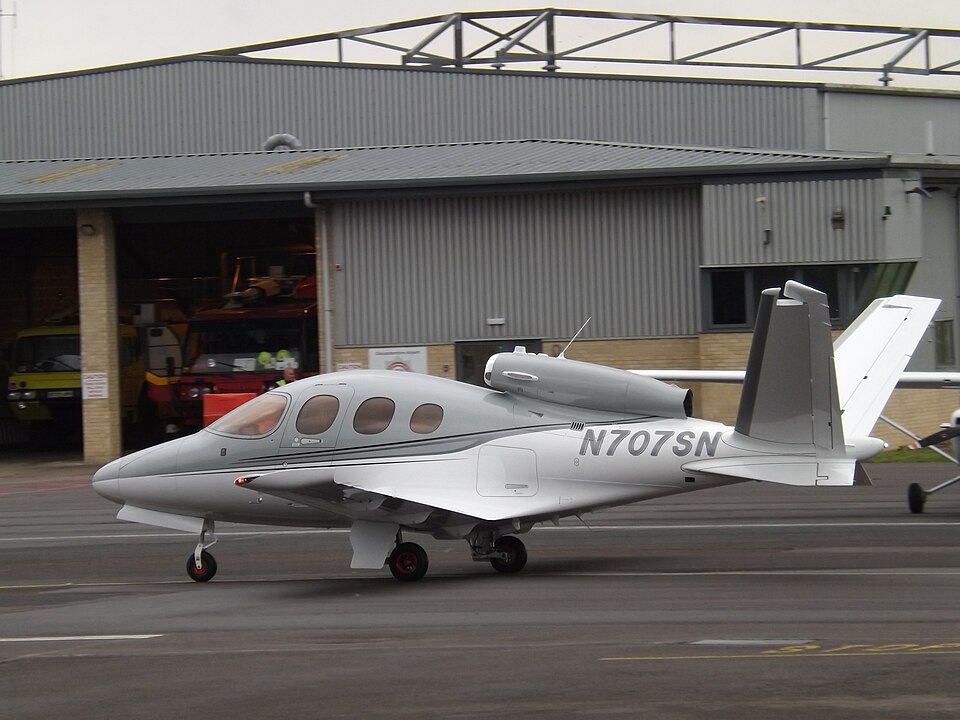
Heads Up: A light jet is not part of this conversation. Those aircraft are excellent for short regional hops, but their fuel capacity and range simply do not support ocean crossings. The Atlantic demands something quite a bit larger and more capable.
Global 6000 operators and Gulfstream G650 operators make up a significant share of the transatlantic private jet market. Those aircraft offer the range, reliability, and interior quality that regular Atlantic travelers expect. If you are curious about smaller aircraft used for shorter hops, the world of smaller regional aircraft is a fun place to explore.
Top Private Planes That Cross the Atlantic Nonstop Today
This is the heart of the article, and the answer is more specific than most people expect. Only a handful of aircraft can reliably handle a nonstop flight across the Atlantic without a fuel stop. Here is a friendly look at each top option, including range, passenger capacity, and what makes each one stand out.
| Aircraft | Range (nautical miles) | Passengers | Standout Feature |
| Gulfstream G650ER | ~7,500 | Up to 19 | Class-leading ultra-long range |
| Bombardier Global 7500 | ~7,700 | Up to 19 | Four true living zones |
| Dassault Falcon 8X | ~6,450 | Up to 16 | Three-engine design and efficiency |
| Gulfstream G650 | ~7,000 | Up to 19 | The original ultra-long-range icon |
| Gulfstream G550 | ~6,750 | Up to 18 | Proven workhorse for Atlantic routes |
| Bombardier Global 6000 | ~6,000 | Up to 17 | Spacious cabin and reliable performer |
| Dassault Falcon 7X | ~5,950 | Up to 14 | Smooth ride and three-engine safety |
Gulfstream G650ER
The Gulfstream G650ER is widely seen as one of the most capable business jets ever built. With a range said to reach about 7,500 nautical miles, it can fly from New York to nearly any major European city and well beyond. Its cabin holds up to 19 passengers and includes lie-flat sleeping options for overnight crossings.
Bombardier Global 7500
The Global 7500 is known for its extra-long range and four distinct living zones inside the cabin. It can fly nonstop on some of the longest business jet routes in the world. The interior is often compared to a small private apartment in the sky.
Dassault Falcon 8X
The Falcon 8X stands out because it uses three engines instead of two. This design is popular for long ocean crossings because it offers extra redundancy. The aircraft has long been considered one of the most efficient jets in its class.
Gulfstream G650
The G650 is the original ultra-long-range Gulfstream that changed the market when it entered service. It still flies long routes today and remains a favorite for owners who want proven performance with a polished cabin.
Gulfstream G550
The G550 is a workhorse of transatlantic private aviation. It balances range, cabin size, and operating cost in a way that works well for both charter and ownership. Many G550 operators use the aircraft for U.S. to Europe routes year-round.
Bombardier Global 6000
The Global 6000 offers a spacious cabin and the range needed for most transatlantic city pairs. It is often chosen by operators who want a roomy interior without stepping up to the largest ultra-long-range options.
Dassault Falcon 7X
The Falcon 7X also uses a three-engine design and is known for a smooth ride. While it sits at the lower end of the transatlantic range scale, it can handle most popular routes nonstop with proper planning.
Quick Tip: When comparing aircraft, look beyond range. Cabin size, sleeping setup, and onboard internet quality often matter more on a long crossing than a few hundred extra miles of range.
How Far Do Private Planes That Cross the Atlantic Nonstop Actually Fly
Range is measured in nautical miles in aviation. One nautical mile equals about 1.15 regular miles. The minimum practical range for a nonstop trip between the U.S. East Coast and Western Europe is around 3,500 nautical miles. But that is a bare minimum with little margin.
Real-world operations require more. Fuel reserves, alternate airport requirements, and the chance of headwinds mean that responsible operators want at least 4,500 to 5,000 nautical miles of range for East Coast to Europe routes. Longer trips from the West Coast call for considerably more.
Common route distances include:
- New York to London: roughly 3,450 nautical miles
- Los Angeles to London: roughly 5,400 nautical miles
- Miami to Paris: roughly 4,600 nautical miles
- New York to Paris: roughly 3,630 nautical miles
Aircraft like the Gulfstream G550 and Bombardier Global 6000 cover these distances comfortably. The Gulfstream G650ER and Global 7500 handle even the longest routes with range to spare.
Fuel and Reserves Explained
Private jets can cross the Atlantic only when they carry enough fuel for the full distance plus required reserves. Aviation rules require aircraft to carry enough fuel to reach their destination, divert to an alternate airport, and hold for a set time beyond that. For a transatlantic trip, that adds up to a serious fuel load.
The Gulfstream G650ER is said to carry around 44,000 pounds of fuel. The Bombardier Global 7500 carries a similar amount. These numbers are not accidents. They are the result of careful engineering to match fuel capacity with the range needed for the longest possible routes.
Keep in Mind: Fuel reserves are non-negotiable in transatlantic operations. No responsible operator cuts into reserve fuel, because the nearest alternate airport over the mid-Atlantic could be hundreds of miles away.
Where Do Private Planes That Cross the Atlantic Nonstop Depart From
Popular transatlantic routes for private jets follow a similar geography to commercial routes, but with more flexibility on departure points. Private jets can depart from a much wider range of airports than commercial flights because they do not need large terminals and gate infrastructure.
Common U.S. departure points include:
- Teterboro Airport (TEB) in New Jersey, the primary private jet gateway for New York
- Westchester County Airport (HPN) in New York
- Dulles International Airport (IAD) near Washington
- Boston Logan International (BOS)
- Miami-Opa Locka Executive Airport (OPF)
On the European side, popular arrival points include Farnborough Airport and Luton Airport near London, Le Bourget Airport in Paris, and Zurich Airport in Switzerland. These airports cater specifically to private aviation and offer customs, handling, and ground services tailored to private jet operations. Iceland is still a common technical stop for smaller jet models that cannot quite make the full crossing nonstop, but true ultra-long-range jets skip it entirely.
When Did Private Planes First Cross the Atlantic Nonstop Reliably
Crossing the Atlantic Ocean by private jet became a practical reality in the late 1990s and early 2000s, as the first generation of purpose-built ultra-long-range jets entered service. The original Gulfstream V is said to have been among the first business jets with the certified range to make nonstop transatlantic crossings routine rather than exceptional.
Before that, transatlantic private travel usually involved stops, which added hours and logistical complexity. The arrival of jets with 6,000-plus nautical mile ranges changed the market for good. Operators quickly learned that their clients were willing to pay a premium to skip the fuel stop, and aircraft manufacturers responded by pushing range even further in newer models. By the 2010s, the Gulfstream G650 and Global 6000 had raised the standard to the point where nonstop transatlantic crossings became the expected norm for serious long-range operators.
Fun Fact: Some of the earliest transatlantic flights used aircraft so basic they would feel unrecognizable today. For aviation lovers who enjoy aircraft history, the world of classic aircraft restoration projects is a fun place to wander.
Why Some Private Planes Cannot Cross the Atlantic Nonstop
Long-range private jets are a specific category. Most jets in private aviation do not belong to it. Smaller aircraft simply do not carry enough fuel. A mid-size jet might have a range of 2,000 to 2,500 nautical miles, which is less than the distance from New York to London.
Here is why most private jets fall short:
- Limited fuel capacity. Mid-size and super-mid-size jets carry fuel loads designed for domestic or regional flights, not ocean crossings.
- Lower cruise altitude limits. Smaller jets may not be certified for the altitudes that produce the best fuel efficiency over long distances.
- No oceanic communications equipment. Long flights over open ocean require specific radio and satellite systems that not all jets carry.
- Weight limits. Even if a smaller jet could theoretically carry more fuel, doing so might exceed its maximum takeoff weight.
Long-range jets like the Dassault Falcon 8X and the Gulfstream G650ER are engineered to solve all of these problems at once. Aircraft that lack these features simply do not qualify for transatlantic journeys, no matter how capable they are on shorter routes.
How Much Does It Cost to Cross the Atlantic Nonstop on a Private Plane
The cost to fly the Atlantic on a private jet varies widely depending on the aircraft, the route, and the operator. As a general guide:
- A one-way private jet flight from New York to London on a heavy jet often falls in the low to mid six figures.
- Charter flights on ultra-long-range jets can cost more for longer routes or peak travel periods.
- Ownership costs for an aircraft built for nonstop Atlantic operations run into the tens of millions of dollars for the aircraft itself, plus several million per year in operating costs.
Air charter is the most common way to access transatlantic capability without owning an aircraft. A good charter broker can match clients with the right aircraft for specific routes and dates, often with access to a wide range of jets in the ultra-long-range category.
Jet card programs that include ultra-long-range categories typically charge by the flight hour. Rates for this category of jet generally start in the five-figure range per hour and rise from there, depending on the specific aircraft and program terms.
Heads Up: Costs may rise during peak periods like summer in Europe or holiday travel windows, when demand for capable jets is highest and aircraft availability tightens.
Cost Comparison at a Glance
| Access Method | Typical Cost Range | Best For |
| One-way charter | Low to mid six figures | Occasional travelers |
| Jet card program | Five figures per flight hour | Frequent flyers wanting flexibility |
| Fractional ownership | Mid to high six figures upfront, plus hourly rates | Regular users not ready to fully own |
| Full ownership | Tens of millions for the aircraft | Heavy users with private flight departments |
How to Choose the Right Private Plane for a Nonstop Atlantic Crossing
Choosing the right aircraft for a nonstop Atlantic crossing comes down to four main factors: route distance, number of passengers, budget, and desired cabin experience. Start with the route. London to New York and London to Miami are among the most popular transatlantic routes, and both are well within the range of jets like the Gulfstream G650 and Global 6000. Los Angeles to Paris and other longer routes call for aircraft with maximum range, like the Gulfstream G650ER or Global 7500.
Here is a simple framework for choosing the right aircraft:
- Route under 4,500 nautical miles: Gulfstream G550, Bombardier Global 6000, or Dassault Falcon 7X
- Route between 4,500 and 6,000 nautical miles: Gulfstream G650, Global 6000, or Falcon 8X
- Route over 6,000 nautical miles: Gulfstream G650ER or Bombardier Global 7500
Passenger comfort matters enormously on an eight to twelve hour crossing. Look for aircraft with lie-flat seating, dedicated sleeping areas, and a full galley. The Gulfstream G650 can comfortably hold up to 10 passengers for overnight crossings with proper rest setups. Flight planning also plays a role. Newer aircraft with advanced avionics and weather routing systems can take better advantage of favorable winds and avoid turbulence over the North Atlantic, which makes a real difference in comfort and efficiency.
The standard for transatlantic private travel has moved steadily upward. Today's best private jets for transatlantic routes are quieter, more efficient, and more comfortable than anything available twenty years ago. The best aircraft choice depends heavily on the specific mission, but the options have never been better.
What to Expect on a Nonstop Atlantic Crossing in a Private Plane
Flying across the Atlantic on a private jet is a genuinely different experience from commercial travel. The differences go far beyond airport procedures and cabin size.
Pre-flight on a private jet is fast. Most operators ask passengers to arrive 15 to 30 minutes before departure. There are no long security lines, no gate holds, and no boarding announcements. Customs and immigration for international private jet departures are often handled at the terminal or on the aircraft itself.
Onboard the Flight
During the flight, a premium private jet on a transatlantic crossing typically offers:
- Lie-flat beds or fully reclining seats for sleep
- Hot meals prepared onboard or delivered by a catering service
- High-speed satellite internet for work or entertainment
- Quiet cabin environments with low vibration and noise levels
- Direct communication with the flight crew throughout the trip
Flying by private jet across the Atlantic also means more flexibility on arrival. Private terminals at European airports like Le Bourget or Farnborough process arrivals quickly, with ground transportation often waiting on the ramp.
Behind the Scenes
Flight operations on transatlantic routes follow strict oceanic procedures. Crews file specific routes approved by air traffic control authorities across multiple countries. Maintenance standards for aircraft used on ocean crossings are rigorous, because the remoteness of the route means there is no option to divert to a nearby airport if something goes wrong partway across.
The overall experience on a well-operated transatlantic private jet is smooth, efficient, and genuinely comfortable. Transatlantic private jet travel does require planning and budget, but for travelers using the right aircraft, arriving rested and ready rather than worn out is a meaningful advantage. For aviation fans who enjoy reading about aircraft for very different missions, the planes designed to carry vehicles are a fascinating contrast to ultra-long-range business jets.
Good to Know: Gulfstream G550 operators remain a popular choice for U.S. to Europe routes because the aircraft balances range, cabin size, and operating cost in a way that works well for both charter and ownership models.
Conclusion
Private planes that can cross the Atlantic nonstop represent the top tier of what aviation engineering has achieved for business and personal travel. The aircraft that do it best combine large fuel capacity, efficient engines, and cabins designed for genuine comfort over long distances.
Whether the trip is from New York to London or Los Angeles to Paris, the right jet makes the crossing feel like part of the journey rather than an obstacle.
For pilots, owners, charter clients, and aviation enthusiasts who want to understand this category fully, Flying411 has friendly resources, guides, and coverage to help you stay informed and make smart decisions in private aviation.
Frequently Asked Questions
Can a mid-size private jet cross the Atlantic with a fuel stop?
Yes. Many mid-size jets complete transatlantic crossings with one or two fuel stops. Common stop points include Iceland, the Azores, and Shannon in Ireland. While this adds time to the trip, it makes Atlantic crossings accessible to aircraft with ranges between 2,500 and 4,000 nautical miles that would not otherwise reach Europe from the U.S. East Coast nonstop.
What certifications do pilots need to fly a private jet across the Atlantic?
Pilots operating private jets over the North Atlantic must hold specific oceanic route certifications and be trained in MNPS airspace procedures. This includes mastery of HF radio communications, oceanic clearance procedures, and navigation standards unique to transatlantic flight corridors. Most crews flying these routes train regularly for oceanic operations as part of their ongoing professional requirements.
How does weather affect nonstop Atlantic crossings on private jets?
Weather plays a major role in transatlantic flight planning. The jet stream, a fast-moving band of air at cruise altitude, can either cut flight time significantly when used as a tailwind or extend it when flying against it. Meteorologists and specialized flight planning services help crews find the most efficient route through North Atlantic weather systems before every crossing.
Are there weight restrictions on private jets flying nonstop across the Atlantic?
Yes. Maximum takeoff weight limits apply to every aircraft, and on long-range transatlantic routes, jets often depart close to their limits because of the heavy fuel load required. This can affect how many passengers and how much luggage the aircraft can carry. Operators calculate payload and fuel balance carefully during pre-flight planning to keep the aircraft within its certified limits for the entire flight.
What happens if a private jet has a mechanical issue halfway across the Atlantic?
Aircraft operating over the North Atlantic follow designated oceanic tracks that keep them within range of diversion airports where possible. Iceland, the Azores, Shannon in Ireland, and Gander in Newfoundland are common diversion points. Operators are required to file contingency plans before departure, and crews are trained to handle in-flight issues and divert safely if needed. The strict maintenance standards for aircraft used on these routes are designed to keep diversions rare.
How long does a nonstop transatlantic private jet flight take?
Most nonstop crossings between the U.S. East Coast and Western Europe take around six to eight hours, depending on the route and winds. Westbound flights into headwinds usually take longer than eastbound flights with favorable jet stream tailwinds. West Coast departures to Europe can run closer to ten or eleven hours.
Do private jets offer Wi-Fi on transatlantic flights?
Yes, most ultra-long-range private jets are equipped with high-speed satellite internet that works across the Atlantic. Coverage and speed depend on the system installed, but many modern jets offer connection quality good enough for video calls, streaming, and full work sessions during the flight.