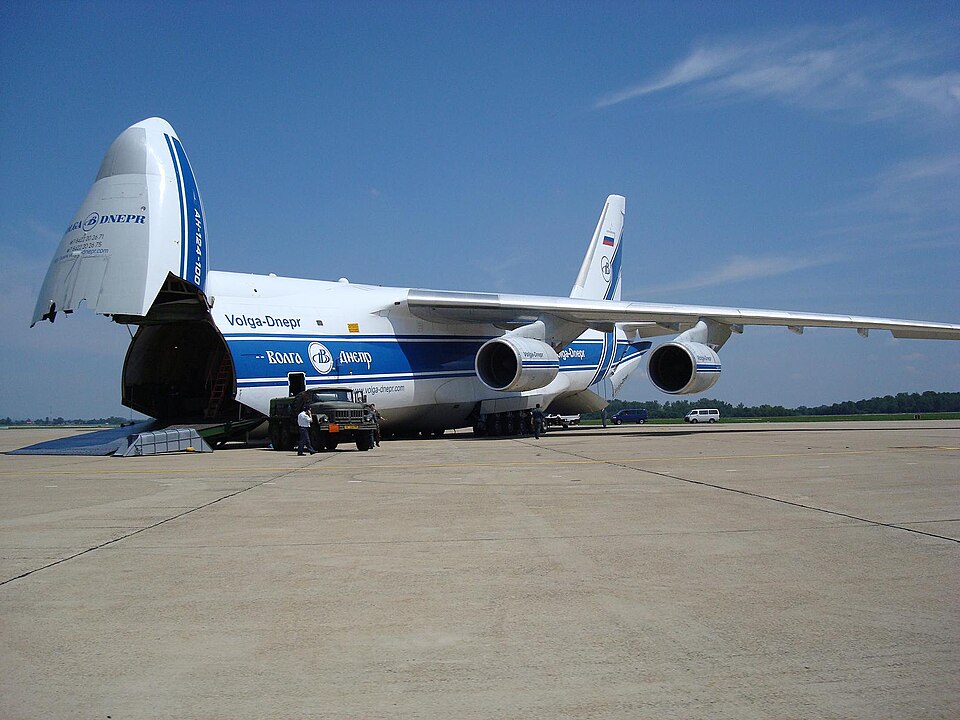
Shipping a car across the world used to mean one thing. You put it on a boat and waited. A long time. But air freight has changed that equation in a big way, and planes that carry cars are now a real option for more people than ever before.
Cargo aircraft built for heavy vehicle transport feature reinforced floors and high payload limits that make moving even large SUVs by air a real possibility. That surprises a lot of people. Most assume flying a car costs a fortune and only billionaires bother. The truth is more interesting.
Speed, safety, route, and vehicle type all play a role in deciding which method actually makes sense. The answer is not always the one you expect. The real comparison starts with understanding what each method involves and what you are actually paying for.
Key Takeaways
Planes that carry cars are faster and safer for high-value or time-sensitive vehicles, but ships are far cheaper for standard cars moving in bulk. Air shipping usually costs several times more than sea freight. In return, it offers shorter transit times, lower damage risk, and more route flexibility. The right choice depends on your vehicle type, your budget, and how fast you need it delivered.
| Factor | Air Shipping | Sea Shipping |
| Average Cost (per vehicle) | Several thousand to over ten thousand dollars | A few hundred to a few thousand dollars |
| Transit Time | Roughly 1 to 7 days | Roughly 2 to 8 weeks |
| Damage Risk | Very low | Low to moderate |
| Best For | Luxury, rare, urgent vehicles | Standard vehicles, bulk shipments |
| Route Flexibility | High | Moderate |
| Volume Capacity | Low (a handful of cars per flight) | Very high (thousands per vessel) |
Flying411 is your go-to source for aviation content that actually makes sense. Bookmark the site and come back anytime you need straight answers about aircraft, ownership, and the industry.
What Are Planes That Carry Cars and How Do They Work?
Not every plane can haul a car. It takes a specific kind of aircraft with serious muscle, smart engineering, and the right interior setup to move a vehicle safely from one country to another. Here is what that actually looks like in real life.
Cargo aircraft designed for vehicle transport are built differently from passenger jets. They feature reinforced floors that can handle the weight of multiple vehicles. They have wide cargo door openings that allow cars to roll in without being taken apart. And they include interior tie-down systems that lock each vehicle in place during flight. Without those features, a standard jet simply cannot do the job.
Aircraft Commonly Used to Move Vehicles
Some of the most commonly used planes in vehicle air transport include the following:
- Boeing 747-8F — Widely considered one of the most capable freighters in the world. The 747-8F has a massive main deck and lower hold that can carry several vehicles at once, including large SUVs and performance cars.
- Antonov An-124 — A Ukrainian-built giant used for large cargo. It often hauls vehicles, heavy machinery, and military equipment.
- Airbus A300-600F — A reliable mid-size freighter used by regional cargo carriers for vehicle and general freight missions.
- Lockheed C-5 Galaxy — A military transport aircraft known for hauling oversized loads, including armored vehicles.
- C-130 Hercules — A military workhorse that has moved vehicles in both combat and humanitarian missions for decades.
How a Car Actually Gets Loaded
Loading a car onto a cargo plane is more involved than most people imagine. The process usually starts with draining or reducing fuel levels to meet safety rules set by aviation authorities. Tires get checked. Sometimes they are deflated slightly. The car is then driven or pushed up a ramp and positioned carefully inside the hold. Straps and wheel chocks lock everything in place.
Some specialized services even offer custom-built configurations for clients who want their vehicle kept in a climate-controlled environment during the flight. This is especially common for exotic and collector cars, much like the kind of care you see in premium private aviation services at the high end of the industry.
Good to Know: Cars shipped by air are almost always insured separately from the freight contract. Before booking any air shipment, confirm that your vehicle insurance covers international air transit. Many standard auto policies do not.
Cargo transport by air is not new. Air cargo has long moved everything from racehorses to industrial machinery. But vehicle shipping by air became more accessible as dedicated freight operators expanded their fleets and routes over the past few decades. Today, major logistics hubs in places like Frankfurt, Dubai, Hong Kong, and Los Angeles handle a steady flow of vehicle shipments.
Air transport of vehicles works because the core infrastructure already exists. Freighter routes that carry electronics, medicine, and industrial parts can often handle vehicles with little extra setup. That is what keeps the process efficient even at premium price points.
Who Uses Planes That Carry Cars and Why Does It Matter?
The short answer is more people than you might think. The longer answer is more interesting.
High-value vehicle owners are the most common customers. Think exotic car collectors, luxury dealerships, and auction houses moving rare finds from one continent to another. When a car is worth a small fortune, the extra cost of flying it is a small fraction of the vehicle's total value. Damage during a long ocean voyage is a real risk. For these buyers, that risk is simply not acceptable.
Racing teams are another major user group. Time-sensitive race schedules mean a car sitting on a container ship for several weeks is completely useless. Formula racing teams, endurance race crews, and rally organizations regularly fly vehicles to circuits around the world to meet tight event windows.
A Broader Look at Who Ships Cars by Air
Here is a wider view of who relies on air vehicle shipping:
- Luxury and exotic car dealers moving inventory between continents for clients who want fast delivery.
- Auction houses transporting purchased vehicles across borders quickly.
- Racing teams on international competition circuits with no flexibility in delivery dates.
- Military and government contractors moving specialized vehicles to forward operating locations.
- Private collectors adding to overseas collections without risking sea damage.
- Automakers transporting prototype vehicles for testing at international facilities.
The stakes matter here. A collector who just paid a seven-figure sum for a vintage Ferrari at a European auction is not interested in waiting two months for a container ship. They want the car inspected, loaded, flown, and delivered in days. That is exactly what air vehicle shipping provides.
Why It Matters: Air vehicle shipping is not a niche curiosity. It is a working industry with established operators, set pricing structures, and a steady customer base as global trade in high-end vehicles continues to grow.
Where Do Planes That Carry Cars Fly and Where Do Ships Go?
Geography matters a lot when comparing these two methods. The routes each option can serve, and how efficiently they serve them, shape everything from cost to delivery time.
Major Air Freight Corridors for Vehicles
Air routes for vehicle shipping follow the same major freight corridors that carry electronics, medical supplies, and commercial goods. Key hubs and lanes include the following:
- North America to Europe: New York, Los Angeles, and Miami connect to Frankfurt, London, and Amsterdam regularly via freighter routes.
- North America to Asia: Los Angeles and Chicago connect to Tokyo, Hong Kong, Seoul, and Shanghai with frequent cargo service.
- Europe to the Middle East: Frankfurt and Paris connect to Dubai, Doha, and Abu Dhabi, where demand for luxury vehicles is consistently high.
- Intercontinental routes: Major hubs can connect almost any two large cities within one or two stops.
How Sea Routes Compare
Ships, by contrast, operate on fixed lane schedules with longer lead times. The major sea routes for vehicle shipping include:
- Roll-on/roll-off (RoRo) vessels that operate between ports like Baltimore, Southampton, Bremerhaven, and Yokohama on monthly or bi-monthly schedules.
- Container ship routes connecting North America, Europe, Asia, and South America with transit times ranging from a couple of weeks to roughly two months depending on origin and destination.
The key difference is flexibility. A freighter can charter a specific route for a single high-value shipment. A container ship or RoRo vessel runs on a published schedule. If your car misses the cutoff, you wait for the next sailing.
For remote island destinations, some Pacific and Caribbean locations are mostly served by sea. In those cases, air shipping may not even be a practical option because the receiving location lacks the infrastructure to handle large freight aircraft. Coastal monitoring of those long sea lanes is often supported by specialized maritime patrol fleets, which is one of the reasons sea shipping remains so well-established.
Quick Tip: If your destination is a small island or a port without major air freight service, save yourself the headache and start with sea shipping. The numbers will almost always work out better.
The practical takeaway is that air shipping wins on speed and flexibility for most major city-to-city routes. Sea shipping dominates for bulk volume and destinations without major air freight infrastructure.
Which Method Wins When Planes That Carry Cars Go Up Against Ships on Total Cost?
This is the question everyone actually wants answered. The honest answer is that it depends on what you are shipping, where it is going, and what matters most to you.
Start with the numbers. Air freight for a single vehicle typically runs into the thousands of dollars per shipment, sometimes well into five figures depending on the route, aircraft type, and service level. Sea shipping for the same vehicle on a RoRo vessel is usually a fraction of that. On pure price, sea shipping wins easily. But price is only one part of the equation.
Breaking Down the Real Costs
When you transport cars by air, you are paying for speed, security, and access. When you use sea shipping for car transport, you are paying for volume efficiency. Here is how the full cost picture breaks down:
- Transit time: Air delivers in roughly a week or less. Sea takes weeks, sometimes nearly two months. For time-sensitive deals, auctions, or racing events, a long wait can cost more in lost opportunity than the price difference between the two methods.
- Insurance: High-value vehicles often cost more to insure at sea because exposure time is longer and port handling adds damage risk. Air insurance premiums are higher per day but lower overall because the shipment is done in days, not weeks.
- Damage risk: Cars on RoRo vessels are exposed to salt air, humidity, port handling, and the movement of the ship. Vehicles shipped by air spend minimal time exposed to the elements and are handled far fewer times. For luxury cars and rare finds, that matters a lot.
- Customs and port fees: Both methods involve customs clearance. Shipping a car by sea often includes extra port storage fees if there are delays. Air shipments clear faster and usually run into fewer holding charges.
What Each Aircraft Type Actually Costs to Operate
The reason air cargo transport is expensive comes down to operating costs. A long-haul freighter burns thousands of gallons of fuel per flight. The cargo hold space on a large freighter is priced by weight and distance, and a typical mid-size sedan weighs well over a thousand kilograms. Do the math and you start to understand why the price floor for air vehicle shipping sits where it does.
Specialized options like a private jet with vehicle storage push costs even higher. They also offer complete control over schedule, routing, and security. For buyers of race cars, one-of-a-kind prototypes, or vehicles worth millions, that control has real monetary value.
Other aircraft used for vehicle transport carry different cost profiles:
- C-5 Galaxy: A military transport aircraft that has historically been used to airlift vehicles in government and defense contexts. It is not commercially available, but its sheer scale is worth noting. It is widely regarded as one of the most capable large cargo aircraft ever built.
- C-130 Hercules: Another military stalwart. It is smaller than the C-5 but has been used by air forces around the world to transport vehicles in tactical and humanitarian missions. Its large rear ramp makes loading and unloading straightforward even in rough environments.
- Antonov An-225: Often described as one of the largest aircraft ever built, the An-225 was a purpose-built cargo plane capable of carrying vehicles, machinery, and even other aircraft on its back. It is no longer operational, but it set the standard for what oversized cargo transport could look like.
New aircraft programs from manufacturers like Airbus and Boeing are being designed with easier loading configurations and improved cargo bay layouts that could bring vehicle transport costs down over time. That same attention to cabin and cargo design also shows up in the latest generation of regional aircraft, where efficiency drives nearly every decision.
Pro Tip: If you are comparing quotes from cargo bay operators, always ask whether the price includes customs clearance, fuel surcharges, and destination handling fees. Base rates rarely include all of these, and the final number can look very different from the initial quote.
When Sea Shipping Makes More Sense
For most everyday vehicle moves, sea shipping is the smarter financial choice. Here is when to choose it:
- You are moving a standard production vehicle with no urgent deadline.
- You are transporting vehicles in bulk, such as a dealership moving multiple units.
- Your destination is a port city well-served by RoRo or container shipping.
- Your vehicle is not especially rare or irreplaceable.
- You have several weeks of lead time built into your plan.
Dedicated cargo shippers that specialize in RoRo services have refined the process to keep damage and delays low. Many operators will tell you plainly that sea is the right answer for high-volume, non-urgent moves.
When Air Shipping Makes More Sense
There are clear situations where using cargo planes is worth every dollar:
- Your vehicle is a high-value collector car, prototype, or race vehicle.
- You are on a strict deadline for a competition, event, or sale.
- Your destination lacks good sea port access but has a working freight airport.
- The vehicle is irreplaceable and sea transit risk is not acceptable.
- You need specialized loading and handling that the vehicle's value or fragility demands.
Auto transport decisions at the high end of the market almost always factor in more than the base shipping price. Vehicle shipping for a multi-million dollar hypercar is a risk management decision as much as a logistics one. The cost of air shipping is high, but losing a vehicle to port damage at sea would be far more expensive. For collectors weighing similar tradeoffs, the same logic shows up in choosing a worthwhile classic to restore or to ship.
Heads Up: Some heavily modified vehicles, those with aftermarket fuel systems, or cars with certain hazardous materials may not qualify for air shipping at all. Always confirm eligibility with your freight provider before booking.
A Word on Cargo Carriers and Long-Distance Routes
Cargo carriers operating long distances face real constraints on how many vehicles they can fit. Most commercial freighters can hold only a handful of vehicles at a time, depending on size. Payload limits mean heavier vehicles like trucks or large SUVs may push costs significantly higher.
Passenger aircraft converted to freighter use, sometimes called combis or airliner conversions, are occasionally used for smaller vehicles in markets where dedicated freighters do not operate. Aviation regulators in each country set the rules for exactly how vehicles must be prepared and secured before they are allowed on any commercial aviation platform.
The cost of transporting a car by air versus sea ultimately comes down to a simple tradeoff. Sea wins on price. Air wins on speed, safety, and flexibility. Aircraft like the 747-8F and the An-124 exist precisely because there is real demand for fast, secure vehicle transport across long distances, and that demand is not going away.
How to Decide Between Air and Sea for Your Vehicle
A clean decision framework can save you a lot of time and money. The right answer for your vehicle is rarely a coin flip. It usually becomes obvious once you look at a few key factors in order.
A Simple Step-by-Step Decision Path
Walk through these questions in order. The first "yes" usually points you to your answer:
- Is the vehicle worth more than the cost of two or three air shipments? If yes, lean toward air. The damage risk premium is worth it.
- Do you have a hard deadline within the next two weeks? If yes, air is almost certainly the only realistic option.
- Is the destination served by major freight airports? If no, sea may be your only choice anyway.
- Are you moving more than one vehicle at a time? If yes, sea pricing scales much better for bulk moves.
- Is this a daily-driver or a standard production car? If yes, sea almost always makes more financial sense.
- Do you need climate-controlled handling? If yes, air offers more options here, especially for collector vehicles.
- Are you comfortable with port-side handling and storage? If no, air shipping reduces those touchpoints significantly.
Keep in Mind: Your insurance policy and the freight operator's liability limits should both be reviewed before you sign anything. Operator liability often covers only a small share of a high-value vehicle's worth, and that gap can come back to bite you.
| Scenario | Best Choice | Why |
| Family sedan moving overseas for relocation | Sea | Cost-effective, no urgency |
| $500K classic car bought at auction | Air | Damage risk, value, urgency |
| Race car needed for next weekend's event | Air | Hard deadline |
| Dealership moving 20 vehicles to a new market | Sea | Bulk pricing wins |
| Prototype vehicle for short-term testing abroad | Air | Security and speed |
| Used SUV being delivered to a new owner across the ocean | Sea | Standard vehicle, flexible timing |
For broader context on how aircraft size and capability shape what is possible in cargo aviation, the same engineering ideas that make today's largest passenger jets so capable also make heavy freighters work.
Conclusion
The debate between planes that carry cars and ships comes down to what you value most. If price is everything and your timeline is flexible, sea shipping is the clear winner for most vehicles. If speed, security, and the condition of a high-value vehicle matter more than the shipping bill, air freight earns its premium. Neither method is perfect for every situation. The smart move is matching the method to the vehicle, the route, and the deadline.
For more content like this covering every corner of the aviation world, head over to Flying411 and explore what else is waiting for you.
Frequently Asked Questions
Can a regular commercial airline carry a car as cargo?
Most commercial passenger airlines do not carry full-sized cars in their cargo holds because standard aircraft cargo compartments are too small and lack the reinforced floors needed for vehicle weight. Some airlines operate dedicated freighter divisions that handle vehicles, but these are separate services from passenger operations. They require advance booking and proper vehicle preparation before loading.
How long does it take to prepare a car for air shipping?
Preparing a car for air freight usually takes one to three days. The process involves draining or reducing fuel to safe levels, disconnecting the battery, removing loose items from the interior, and completing customs and export documents. Some operators also require a full mechanical inspection before the vehicle is cleared for loading. Starting this process early helps prevent delays at the departure facility.
Is it possible to ship an electric vehicle by air?
Electric vehicles can be shipped by air, but they require extra steps. Aviation authorities have strict rules about lithium-ion battery charge levels during transport. Most operators ask for EV batteries to be charged within a specific range before loading. Owners should confirm these requirements with the freight operator well in advance because non-compliance can result in the shipment being refused at the last minute.
What happens if a car is damaged during air shipping?
If a car is damaged in air transit, the freight operator's liability coverage applies first. That coverage often pays only a fraction of the vehicle's actual value. This is why separate transit insurance is strongly recommended, especially for high-value or collector vehicles. Filing a damage claim usually requires documenting the vehicle's condition with photos before and after shipment and reporting any damage at the time of delivery.
Are there any vehicles that cannot be shipped by air at all?
Yes. Vehicles that are too wide, too tall, or too heavy for available freighter aircraft cannot be shipped by air in standard configurations. Some heavily modified vehicles, those with aftermarket fuel systems, or cars carrying certain hazardous materials may also be restricted. Operators follow guidelines from aviation authorities to decide eligibility, and it is always worth checking with your freight provider before assuming any vehicle qualifies.
How much advance notice do air freight operators usually need?
Most air freight operators prefer at least one to two weeks of notice for vehicle shipments. That window gives them time to arrange aircraft space, complete paperwork, and coordinate customs requirements. Last-minute bookings are sometimes possible, but they often cost more and may be limited to whatever cargo capacity is still available on scheduled flights.
Does the type of car affect which aircraft can carry it?
Yes, the size and weight of the vehicle directly affect aircraft choice. Compact sedans and sports cars fit easily into most major freighters. Large SUVs, pickup trucks, and oversized vehicles may require larger aircraft like the 747-8F or An-124. Very tall or wide vehicles sometimes need specialized configurations that only a few operators offer worldwide.