People often use the terms "private plane" and "private jet" as if they mean the same thing. They don't. The difference comes down to engines, speed, range, and the kind of experience you get in the sky.
If you've ever wondered about jet vs plane terms when planning a trip or thinking about buying an aircraft, this guide breaks it all down.
We'll cover how each type works, what they cost, and when one makes more sense than the other for the way you actually fly.
Key Takeaways
A private plane is any aircraft owned by a person or company, including small propeller planes and turboprops, while a private jet is a specific kind of private plane that uses jet engines for higher speeds and longer range. Jets fly faster, higher, and farther, but they cost a lot more to buy and run. Smaller propeller planes work great for shorter trips and reach smaller airports easily. Your best choice depends on how far you fly, how often, and how much comfort matters to you.
| Feature | Private Plane (Propeller/Turboprop) | Private Jet |
| Engine Type | Piston or turboprop | Turbojet/turbofan |
| Cruising Speed | 200–400 mph | 500–700 mph |
| Range | Short to medium | Medium to ultra-long |
| Passenger Capacity | 3–9 typical | 4–19 typical |
| Purchase Price | $250K–$5 million | $2 million–$100+ million |
| Best For | Short hops, small airports | Long trips, business travel |
| Cabin Amenities | Basic | Luxurious |
| Altitude | Lower (often under 30,000 ft) | Higher (41,000–51,000 ft) |
Flying411 helps everyday pilots, owners, and curious travelers make sense of the aviation world with clear guides on aircraft, ownership, and buying smart.
What Counts as a Private Plane?
A private plane is any aircraft owned by a person, family, or company instead of an airline. The term is broad. It covers tiny single-engine trainers, four-seat Cessnas, sleek turboprops, and yes, even private jets fall under this umbrella.
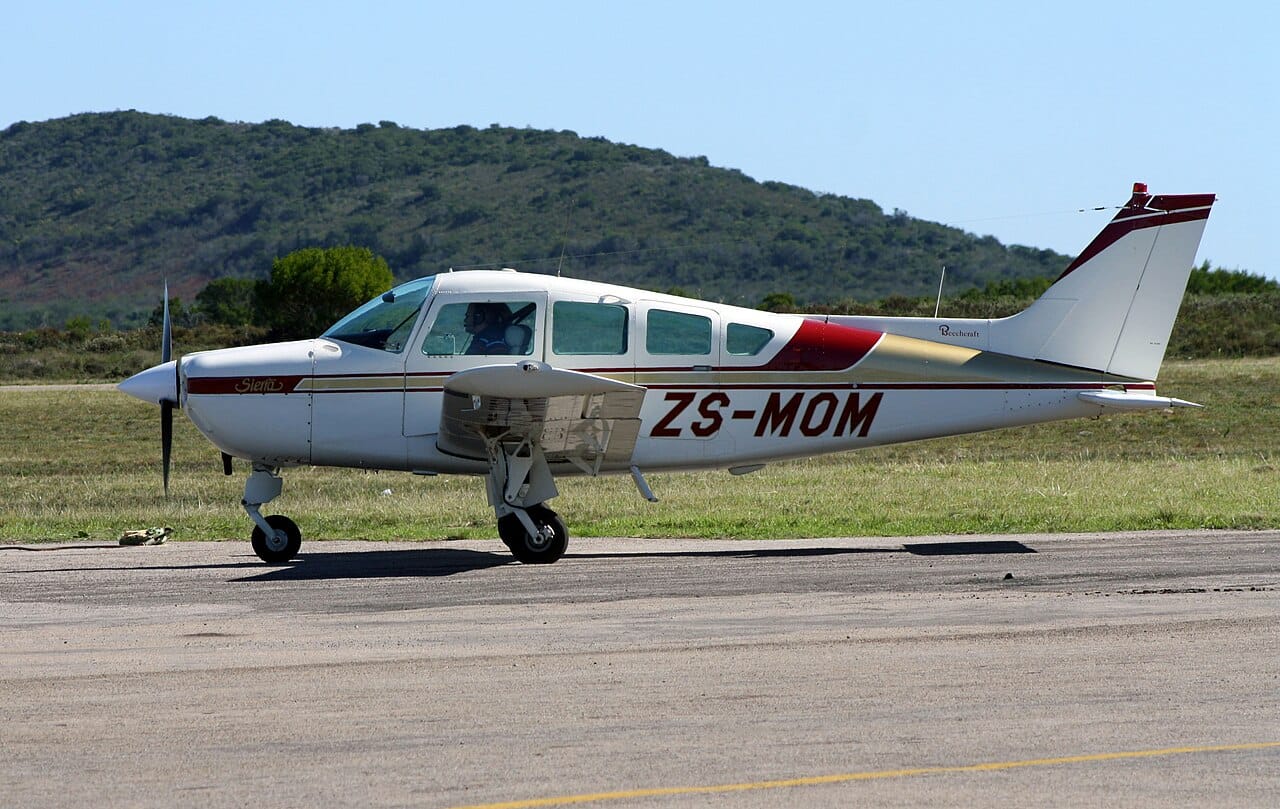
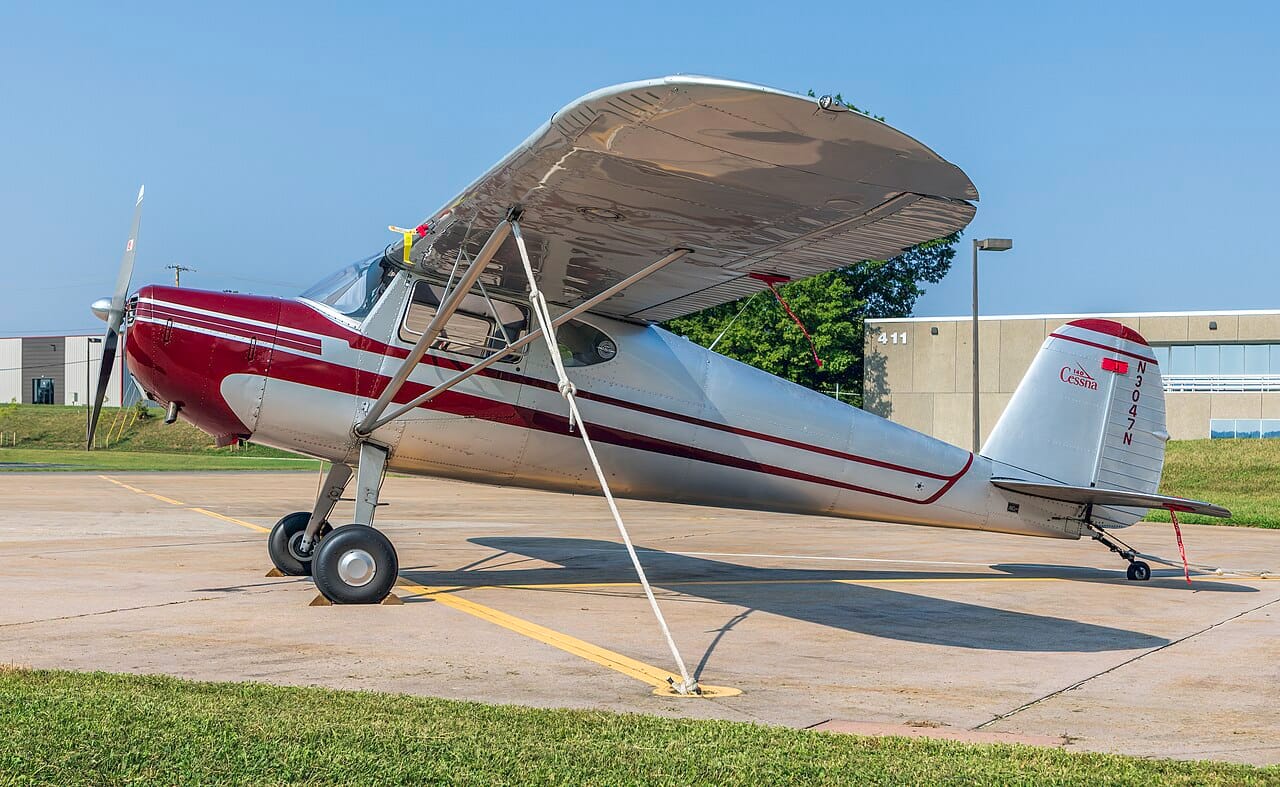
Most people picture a small propeller aircraft when they hear "private plane." That's fair, since most private planes in the U.S. are propeller-driven. They're affordable, easy to maintain, and great for personal trips, flight training, or short business hops.
Here are the main categories that fall under the private plane label:
- Single-engine piston planes like the Cessna 172 or Piper Cherokee, used for training and short personal flights
- Twin-engine piston planes like the Beechcraft Baron, offering more power and a backup engine
- Single-engine turboprops such as the Pilatus PC-12 or TBM 960, blending speed with efficiency
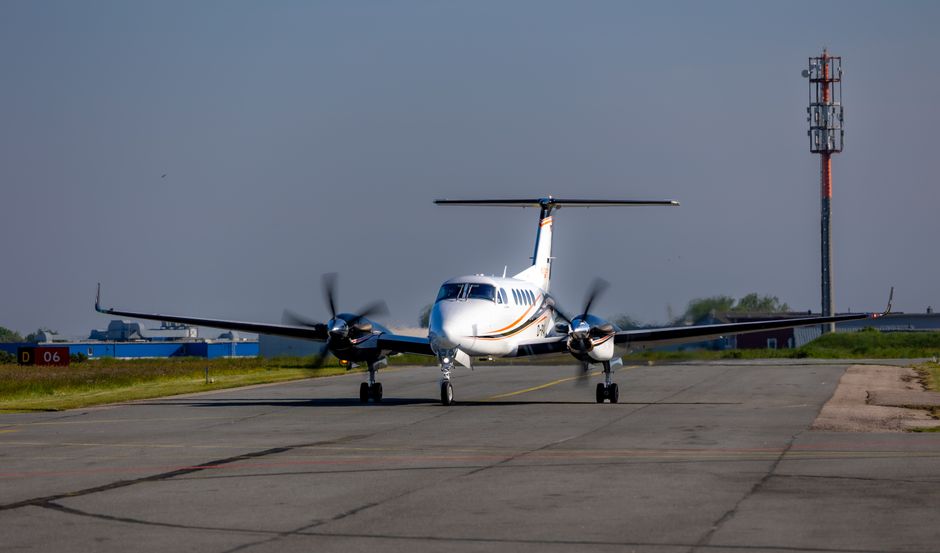
- Twin-engine turboprops like the King Air series, popular with business travelers
- Private jets, which are technically a subset of private planes but get their own category
If you're shopping for something dependable to fly yourself, you might want to check out the most reliable aircraft before making a decision. Reliability matters as much as speed when you're the one in the cockpit.
What Makes a Private Jet Different?
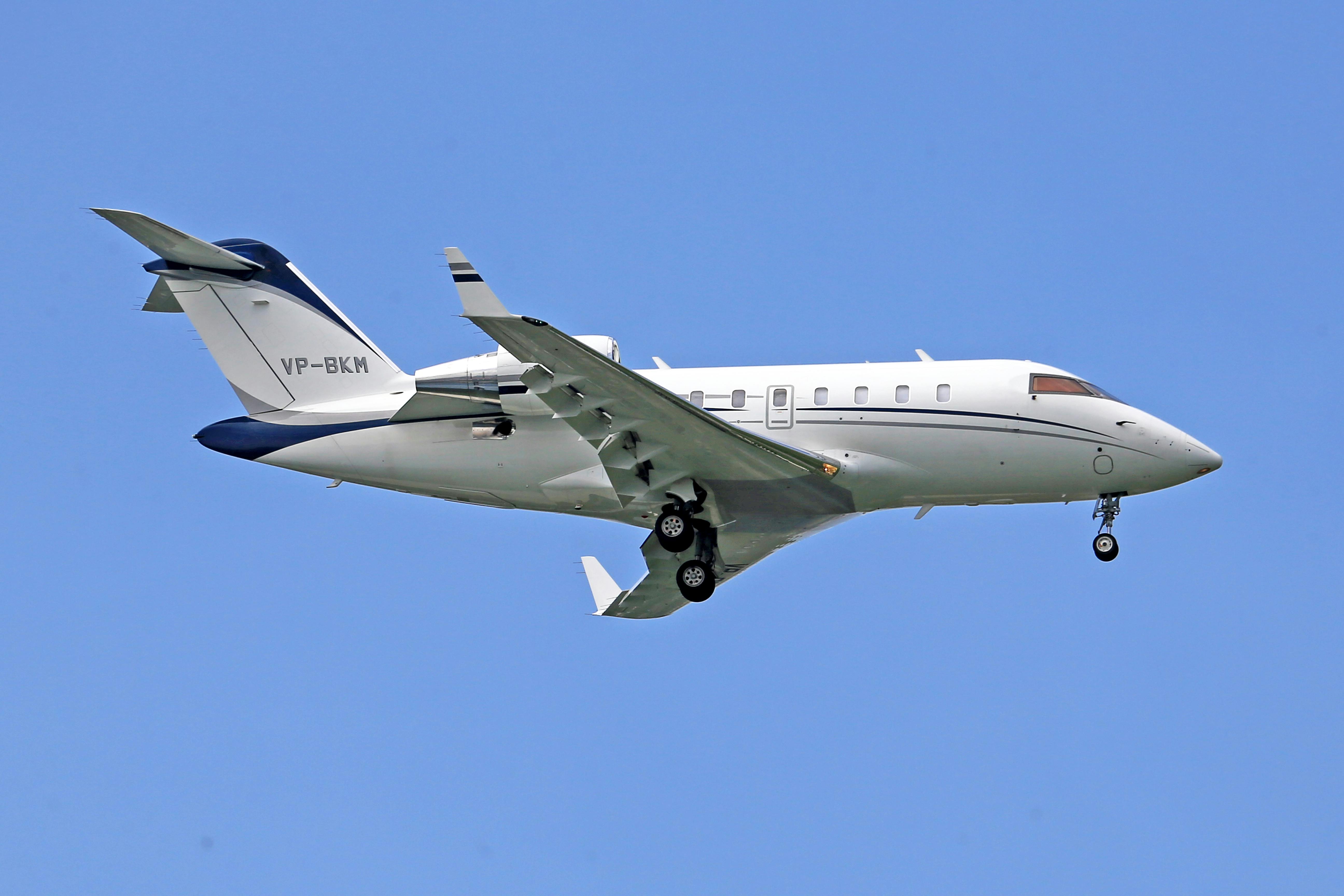
A private jet is a private plane powered by jet engines. That's the core difference. Jet engines work by sucking in air, compressing it, mixing it with fuel, and igniting the mixture to create thrust. The result is more power, more speed, and the ability to fly much higher than propeller planes.
Jets are built for performance. They climb fast, cruise smoothly above most weather, and cover huge distances without stopping. The cabins are usually larger, quieter, and packed with amenities you won't find in a small propeller plane.
Are private jets faster than commercial? Often yes. Many private jets cruise at speeds that match or beat commercial airliners, and they skip the long boarding lines, layovers, and indirect routes commercial flights deal with.
Private jets come in several sizes:
- Very Light Jets (VLJs) seat up to 5 passengers and fly about 3 hours nonstop
- Light Jets like the Cessna Citation CJ series carry 6–8 passengers
- Midsize Jets offer transcontinental range and stand-up cabins
- Super-Midsize Jets balance long range with reasonable cost
- Heavy Jets like the Gulfstream G650 fly intercontinental routes with full luxury
- Ultra-Long-Range Jets such as the Bombardier Global 8000 reach speeds near Mach 0.94
Fun fact: The Bombardier Global 8000 can hit a top speed of about 980 km/h (Mach 0.94), making it the fastest civilian aircraft built since the retirement of the Concorde.
How Speed Compares Between Jets and Propeller Planes
Speed is one of the biggest reasons people pick a jet over a propeller plane. The numbers tell a clear story.
Most propeller planes cruise between 200 and 400 mph. A high-end turboprop like the Pilatus PC-12 can push past 320 mph, which is impressive for a single-engine aircraft. If you're curious about how propeller planes compare among themselves, the fastest single-engine turboprop options show just how much these aircraft have improved.
Private jets, on the other hand, typically cruise between 500 and 700 mph. Some of the fastest models approach the speed of sound. That speed advantage adds up fast on longer trips. A flight that takes 4 hours in a turboprop might only take 2.5 hours in a midsize jet.
| Aircraft Type | Average Cruise Speed | Typical Altitude |
| Single-Engine Piston | 120–180 mph | 8,000–12,000 ft |
| Twin-Engine Piston | 180–250 mph | 10,000–18,000 ft |
| Single-Engine Turboprop | 280–330 mph | 25,000–30,000 ft |
| Twin-Engine Turboprop | 300–360 mph | 25,000–31,000 ft |
| Light Jet | 460–520 mph | 41,000–45,000 ft |
| Heavy Jet | 560–700 mph | 45,000–51,000 ft |
So how fast do private jets fly? Most cruise around 500 to 600 mph, with the fastest reaching close to 700 mph. That speed plus higher altitude makes long flights smoother and quicker.
Comparing Cost: Plane vs Jet vs Charter
Cost is where the plane vs jet decision gets serious. Buying or chartering an aircraft can range from manageable to truly massive depending on what you pick.
Buying Costs
Small propeller planes start around $250,000 for a basic used model. New high-end turboprops can run $4 million to $5 million. Private jets start around $2 million for a pre-owned very light jet and climb past $75 million for a new ultra-long-range model. Some VIP airliners go beyond $400 million when fully customized.
Charter Costs
If you don't want to own, charter is popular. Hourly rates in 2026 generally look like this:
- Turboprops and very light jets: $2,000–$4,000 per hour
- Light jets: $4,000–$6,500 per hour
- Midsize jets: $6,500–$9,500 per hour
- Super-midsize jets: $9,000–$12,000 per hour
- Heavy jets: $12,000–$18,000 per hour
- Ultra-long-range jets: $18,000–$25,000+ per hour
Looking for a smarter way to compare ownership, charter, and fractional options? Flying411's aviation guides break down the trade-offs so you can make a confident choice without the sales pitch.
Annual Operating Costs
Owning a jet costs much more than the sticker price. Annual operating costs for a midsize jet often run between $700,000 and $1.5 million when you add fuel, maintenance, crew, insurance, and hangar fees. A small piston plane might only cost $15,000 to $40,000 a year to operate.
Industry experts say ownership starts to make financial sense when you fly more than 200 hours a year. Below that, a charter plane vs private jet decision usually leans toward chartering.
Range and Where You Can Land
Range and airport access are two areas where each type shines in different ways.
Private jets have huge range. A heavy jet can fly nonstop from New York to Tokyo or London to Singapore. They can also climb above bad weather and cross oceans without stopping for fuel. That makes them ideal for international business travel.
Propeller planes have shorter range, usually 500 to 1,500 miles between fuel stops. But they have one big advantage: they can land at small airports that jets can't touch. The U.S. has over 5,000 public airports, and many have short runways or limited services. Propeller planes thrive there.
Want to fly far in a small plane? Check out the best single-engine plane for long distance trips. Some single-engine models reach over 1,800 nautical miles on one tank.
Comfort, Cabin, and the Flying Experience
The flying private jet experience is hard to match. Most jets have stand-up cabins, leather seats that recline, full bathrooms, Wi-Fi, and catering. Larger jets often include a galley, a private bedroom, and even a shower on ultra-long-range models.
A private jet with bed is common in heavy and ultra-long-range categories. The Gulfstream G650, Bombardier Global 7500, and Dassault Falcon 8X all offer full sleeping quarters.
Propeller planes are much simpler. A small Cessna might seat four people in close quarters with no bathroom and limited storage. Turboprops are roomier and quieter than piston planes, but they still don't match the polish of a jet cabin.
Here's a quick look at typical amenities by aircraft type:
| Amenity | Small Prop Plane | Turboprop | Light Jet | Heavy Jet |
| Stand-up cabin | No | Sometimes | Yes | Yes |
| Lavatory | Rare | Often | Always | Always |
| Wi-Fi | Rarely | Optional | Common | Standard |
| Full galley | No | Limited | Basic | Full |
| Bedroom | No | No | No | Available |
| Shower | No | No | No | Some models |
Safety and Reliability
Both private planes and private jets have strong safety records when properly maintained. Modern aircraft are built with redundant systems, advanced avionics, and rigorous inspection schedules.
Jets generally fly above weather, which reduces turbulence and storm exposure. Propeller planes fly lower, so weather plays a bigger role in flight planning. Pilots of small planes have to keep a close eye on conditions and may delay or reroute trips more often.
If safety is a top concern, you might want to read about the top 10 safest plane in the world options across categories. Knowing which aircraft have the best safety records helps when you're buying, chartering, or just choosing what to fly on.
Ready to compare specific aircraft side by side? Flying411's resources walk you through real specs, real prices, and real-world performance numbers so you can pick what truly fits your mission.
Private Flight vs Commercial Flight
A private flight vs commercial flight comparison shows clear differences beyond the cabin.
What is a commercial flight? It's a scheduled flight operated by an airline that carries paying passengers on set routes. What are commercial flights known for? Fixed schedules, large aircraft, public airports, and security lines.
A commercial flight meaning in plain terms is shared transportation. You buy a seat, you follow the airline's schedule, and you fly with strangers. The commercial plane vs private jet experience is night and day.
Here's how they stack up:
- Boarding: Private flights board in minutes; commercial takes hours
- Schedule: You set the time when flying private; commercial follows airline timing
- Airports: Private planes use over 5,000 U.S. airports; commercial uses about 500
- Privacy: Private flights have no strangers; commercial means crowds
- Speed: Private jet vs commercial plane speed is often similar at cruise, but private wins on total trip time
- Comfort: Private cabins beat even first class on most commercial flights
The commercial plane vs private jet speed comparison is interesting. While many commercial jets cruise around 550–575 mph and some private jets cruise faster, the real time savings come from skipping layovers and using closer airports.
Why fly private? It usually saves around 2 hours per trip compared to commercial when you count check-in, security, boarding, and ground transport. For busy professionals, that adds up to days saved each year.
Private Jet vs Private Plane: Main Differences You Need to Know
Now we get to the heart of the private jet vs private plane comparison. Here are the key differences that matter most when you're deciding between the two.
- Engine type. A private plane uses piston or turboprop engines, while a private jet uses turbojet or turbofan engines. This is the core difference between jet and plane designs and drives almost every other difference.
- Speed. Private jets cruise at 500–700 mph, while propeller planes top out around 200–400 mph. The private jet vs plane speed gap means jets cover the same distance in roughly half the time.
- Range. Jets fly farther without refueling. A heavy jet can cross oceans nonstop, while most propeller planes max out at 1,500 miles or less per leg.
- Altitude. Private jets cruise between 41,000 and 51,000 feet, well above weather and traffic. Propeller planes usually fly between 8,000 and 30,000 feet, where turbulence is more common.
- Cost. A private jet vs private plane purchase comparison shows jets cost 5 to 50 times more than comparable propeller planes. Operating costs follow the same pattern.
- Cabin space. Jets have larger, quieter cabins with more amenities. Propeller planes are tighter and louder, though turboprops have improved a lot in recent years.
- Passenger capacity. Private jets typically carry 4–19 passengers, while most private planes carry 3–9. Larger groups almost always need a jet.
- Airport access. Propeller planes win here. They can use shorter runways and reach small regional airports that jets can't. This is huge for rural areas and remote destinations.
- Maintenance complexity. Jets need more specialized maintenance and certified mechanics. Propeller planes are simpler to maintain and often cost less per hour to keep airworthy.
- Crew requirements. Most private jets require two pilots, while many smaller propeller planes can be flown by a single pilot. This affects both cost and flexibility.
Thinking about taking the next step? Flying411's expert articles walk you through the full ownership and buying process, so you skip the rookie mistakes and find the right aircraft the first time.
Charter Plane vs Private Jet: When Does Charter Make Sense?
A charter plane vs private jet decision usually comes down to how often you fly. Charter means you rent the aircraft for one trip with no long-term commitment. Ownership means you commit to the costs whether you fly or not.
Charter works best when:
- You fly fewer than 200 hours a year
- Your destinations vary widely
- You want flexibility to pick different aircraft for different trips
- You don't want to deal with crew, maintenance, or hangar issues
- You travel for occasional events or emergencies
Ownership works best when:
- You fly more than 200–300 hours a year
- You want the same aircraft and crew every time
- You need an aircraft on standby at all times
- You can absorb the high fixed costs
Many owners offset costs by chartering their jet to others when not in use. This can recover up to 80% of fixed costs in the right market conditions, but it adds wear and regulatory complexity.
Looking at value, the best single-engine turboprop for the money options often beat light jets on cost-per-mile for shorter trips. Smart buyers compare these numbers carefully before committing.
Who Should Buy Which Type?
The right aircraft depends on your mission. Here's a simple guide:
Choose a small propeller plane if:
- You're a recreational pilot or student
- You fly short personal trips under 500 miles
- Budget is a top priority
- You want to learn to fly yourself
Choose a turboprop if:
- You travel regionally for business
- You need to land at small airports
- You want jet-like comfort at lower cost
- Your trips are usually 500–1,500 miles
Choose a private jet if:
- You fly long distances often
- You travel internationally
- You need stand-up cabin comfort
- Time savings outweigh higher costs
- You carry larger groups regularly
A private jet to buy should always include a full pre-purchase inspection, a review of maintenance records, and a clear picture of total operating costs. The same applies to any private airplane purchase.
Final Thoughts
The jet vs plane debate doesn't have one right answer. Both private planes and private jets have real strengths, and the best pick depends on how you fly, where you go, and what you can spend. Propeller planes win on cost and airport access.
Jets win on speed, range, and cabin comfort. Knowing the difference helps you avoid overspending on capability you don't need or settling for less than your trips demand.
Whether you're shopping for your first single-engine trainer or weighing a heavy jet purchase, Flying411 has the straight-talking guides, comparisons, and buyer tips to help you fly smarter from day one.
Frequently Asked Questions
Is a private jet always faster than a private plane?
In most cases yes. Private jets typically cruise at 500–700 mph while propeller planes cruise at 200–400 mph, though some high-end turboprops close the gap on shorter trips.
Can I fly a private jet myself?
You can if you have the right pilot certificate and type rating, but most private jets require two pilots and significant training. Many owners hire professional crews instead of flying solo.
How much does it cost to charter a private jet for a one-way trip?
Charter costs vary widely based on aircraft size and distance, with short hops in light jets starting around $5,000 and long-range trips in heavy jets often exceeding $50,000 one-way.
Are private jets safer than commercial flights?
Both are very safe when properly operated, though commercial airlines have slightly better statistics due to stricter oversight and standardized training programs across large fleets.
What is the cheapest way to fly private?
Empty leg flights, jet card memberships, and shared charters are the most affordable options, sometimes offering discounts of 50% or more compared to standard charter rates.