Two of the most familiar piston helicopters in general aviation could hardly feel more different once you climb in. The Robinson R44 Raven vs Schweizer 300 matchup pits a fast, four-seat cruiser against a rugged, three-bladed trainer that has been teaching pilots for decades. Both run on avgas. Both cost far less to fly than a turbine. And both show up on flight lines, ranches, and private pads all over the world.
Yet the way they fly, the missions they suit, and the money they ask for are worlds apart. One flies on two rotor blades and a lot of horsepower. The other spins three blades and makes you earn every smooth landing. The gap between them says a lot about the kind of pilot you want to become.
Key Takeaways
The Robinson R44 Raven is the better pick for speed, range, and carrying four people, while the Schweizer 300 is often the better pick for low-cost training and a gentle learning curve. The R44 flies faster and farther on a two-bladed rotor and a powerful Lycoming engine. The Schweizer trades speed for a forgiving, three-bladed rotor system and simple, sturdy design. Your best choice comes down to mission, budget, and how you plan to use the aircraft.
| Category | Robinson R44 Raven | Schweizer 300 |
| Main role | Personal travel, tours, some training | Primary training, light utility |
| Seats | 4 | 2 to 3 |
| Rotor system | Two-bladed main rotor | Three-bladed, fully articulated |
| Engine | Lycoming IO-540 (carbureted or fuel-injected) | Lycoming HIO-360 |
| Power (takeoff) | Around 245 hp | Roughly 180 to 190 hp |
| Cruise speed | About 110 knots | About 70 to 80 knots |
| Controls | Hydraulically boosted | Direct, no hydraulics |
| Typical use case | Faster trips, four people | Budget-friendly flight training |
Flying411 helps pilots and owners compare aircraft like these side by side, so the right helicopter is easier to find without the guesswork.
Meet the Robinson R44 Raven and the Schweizer 300
Before the head-to-head, it helps to know what each helicopter is built to do. They come from different design philosophies, and those roots shape everything else.
The Robinson R44 Raven at a Glance
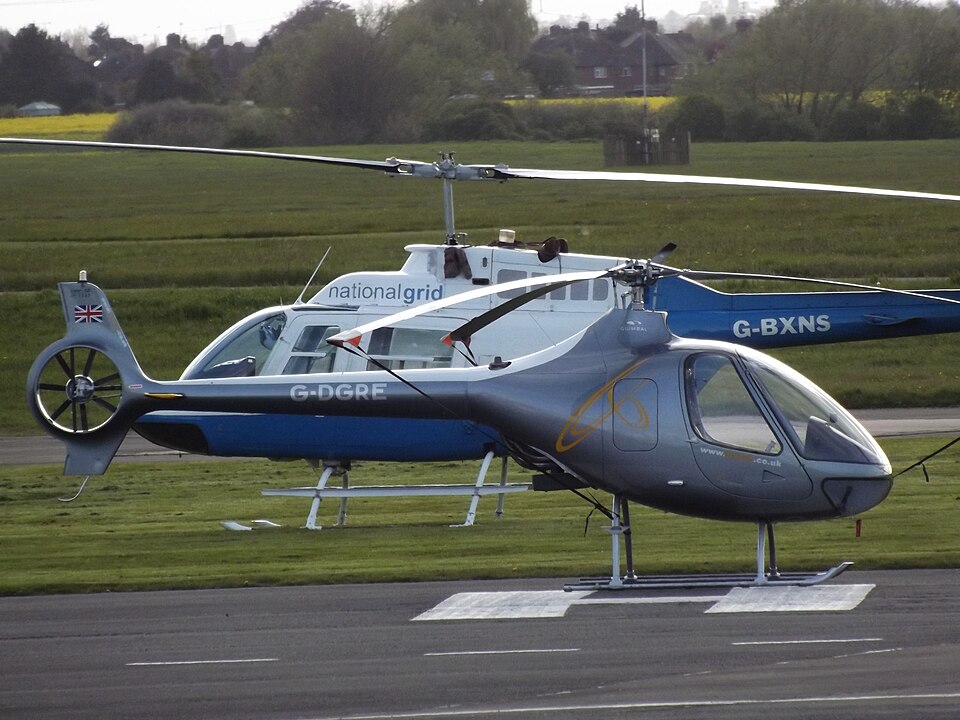
The Robinson R44 Raven is a four-seat, single-engine helicopter built by the Robinson Helicopter Company. It grew out of the smaller two-seat R22 and quickly became one of the most popular civil helicopters in its class. People use it for personal travel, sightseeing tours, aerial photography, ranch work, and flight training.
The Raven comes in two main flavors, the Raven I and the Raven II. The Raven I uses a carbureted Lycoming engine, while the Raven II uses a fuel-injected version with a bit more muscle at altitude. If you want a deeper look at how those two models differ, the differences between the Raven I and Raven II are worth understanding before you buy.
Key traits of the R44 Raven:
- Two-bladed main rotor with hydraulically boosted controls
- Cruise speed around 110 knots, which is quick for a piston helicopter
- Seating for a pilot plus three passengers
- A range that commonly reaches into the 300-nautical-mile area on a full tank
- A reputation for speed, comfort, and easy cross-country flying
The Schweizer 300 at a Glance
The Schweizer 300 has one of the longest histories in light aviation. It started life as the Hughes 269 in the 1950s, then became the Hughes 300, later the Schweizer 300, and for a time the Sikorsky S-300. Today the type is supported and produced by Schweizer RSG in Fort Worth, Texas. The basic design has stayed in production, in one form or another, for a very long time.
The Schweizer 300 shares its DNA with the Hughes TH-55 Osage, a helicopter that trained thousands of U.S. Army pilots.
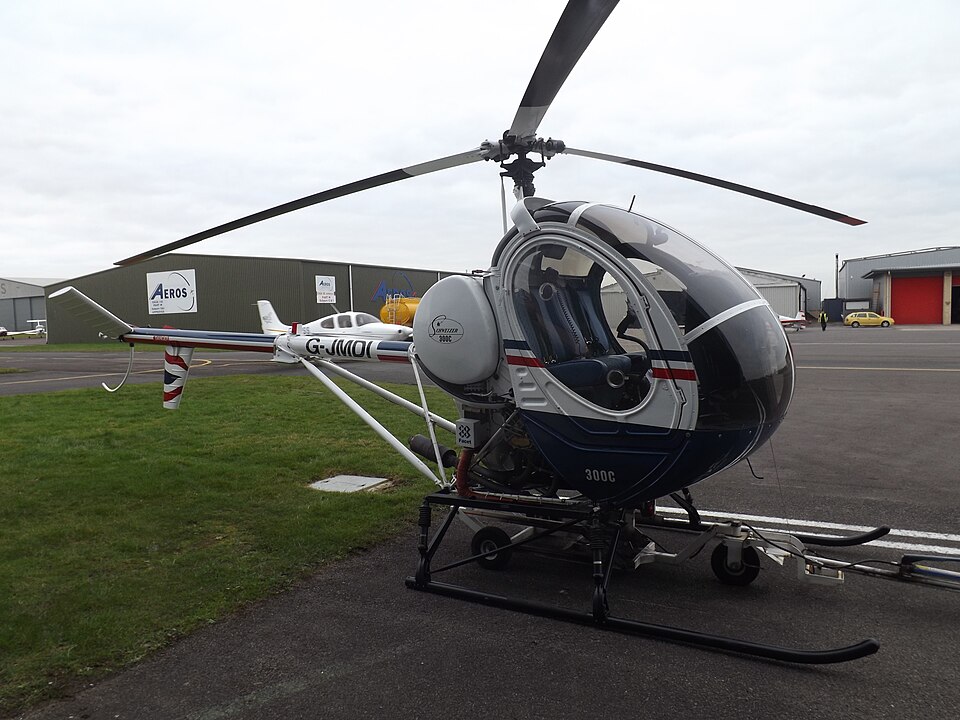
The 300 is a two- to three-seat piston helicopter built around a three-bladed main rotor and a simple, exposed frame. It is widely used as a primary trainer and for light utility jobs like agriculture and patrol.
Key traits of the Schweizer 300:
- Three-bladed, fully articulated main rotor for smooth, stable flight
- Direct flight controls with no hydraulic boost
- A forgiving nature that many instructors praise for new students
- Slower cruise speed, generally in the 70 to 80 knot range
- A rugged, easy-to-maintain airframe
Good to Know: The R44 uses two rotor blades, while the Schweizer 300 uses three. That single design choice shapes how each helicopter feels in the air, from vibration levels to how it behaves during certain maneuvers.
Robinson R44 Raven vs Schweizer 300: 8 Key Differences That Matter
Here is where the two helicopters really separate. When you compare the Robinson R44 Raven and Schweizer 300 point by point, a clear picture forms of who each one is for. These eight differences cover the things that shape daily flying, long-term cost, and safety.
1. Rotor System Design
This is the biggest technical split between the two.
The R44 uses a two-bladed rotor system. Two-bladed rotors are lighter and simpler, and they help the R44 fly fast. The trade-off is that this type of rotor can be more sensitive to low-G situations, which is why proper training and smooth control inputs matter so much.
The Schweizer 300 uses a three-bladed, fully articulated rotor. Three blades spread the load and tend to produce a smoother, more planted feel in the air. Many instructors like this design for students because it behaves in a steady, predictable way.
Why It Matters: Rotor design affects more than comfort. It changes how the helicopter responds to sudden control movements, which is a real factor when you are teaching a brand-new pilot who is still learning a light touch.
2. Engine and Power
The R44 Raven is powered by a Lycoming IO-540, a big six-cylinder engine producing around 245 horsepower for takeoff. That power is a big reason the R44 cruises fast and climbs well, even with four people aboard.
The Schweizer 300 runs a smaller Lycoming HIO-360, generally rated somewhere around 180 to 190 horsepower depending on the model. It is a proven, durable engine, but it makes less power because the 300 is a lighter, slower machine that does not need as much.
Both engines have earned solid reputations for dependability. If engine reliability is high on your list, it is worth reading about the traits of the most dependable helicopter engines before you commit to either type.
| Engine Detail | R44 Raven | Schweizer 300 |
| Engine family | Lycoming IO-540 | Lycoming HIO-360 |
| Approx. takeoff power | Around 245 hp | Roughly 180 to 190 hp |
| Fuel | Avgas | Avgas |
| Fuel delivery | Carbureted or fuel-injected | Carbureted or fuel-injected |
3. Speed and Range
The R44 wins this category by a wide margin. With a cruise speed near 110 knots, it can cover ground fast and handle real cross-country trips. Its range often reaches into the 300-nautical-mile area, which opens up practical travel between towns and regions.
The Schweizer 300 cruises much slower, generally in the 70 to 80 knot range, with a shorter practical range. That is fine for training circuits and local work, but it is not built for long, fast journeys.
If your goal is to fly places, the R44 is the clear pick. If your goal is to build skills close to home, speed matters far less.
4. Seating and Cabin
The R44 seats four, which makes it far more useful for carrying passengers or a family. That extra capacity is one of its biggest selling points. For buyers comparing options in the four-seat helicopter category, the R44 is almost always on the shortlist.
The Schweizer 300 seats two or three, depending on the configuration. Its cabin is open and airy, with excellent visibility, but it simply cannot carry the load the R44 can.
Fun Fact: The Schweizer 300 is widely known for its wide-open cockpit view. The bubble canopy and exposed frame give students a clear look at the world around them, which many pilots say helps with learning spatial awareness.
5. Handling and the Learning Curve
Ask instructors, and many will tell you the Schweizer 300 is one of the more forgiving helicopters to learn on. Its three-bladed rotor, slower speeds, and stable manners give new students room to make small mistakes and recover.
The R44 is a capable trainer too, but it is faster and more sensitive in some situations. Its two-bladed rotor asks for smooth, deliberate control inputs. Plenty of people learn on the R44 with no trouble, though it is often seen as a step up rather than a first machine.
The hydraulic controls on the R44 also change the feel. Boosted controls take the muscle work out of flying, which many pilots enjoy. The Schweizer, with its direct controls, gives a rawer, more connected feel that some pilots love and others find tiring on long flights. Neither approach is wrong. It comes down to what you want out of the flying experience and how much feedback you like through the controls.
Pro Tip: If you are shopping for a first trainer, ask the flight school which helicopter they recommend for zero-hour students and why. The answer often reveals how the school views the trade-off between forgiveness and speed. You can also compare popular two-seat trainers to see where the Schweizer fits.
6. Safety Features and Track Record
Both helicopters have long service histories and are widely used, which means both have well-understood safety profiles.
The R44 includes crashworthy features such as bladder-type fuel tanks, which were mandated to reduce post-crash fire risk. Its two-bladed rotor system does require careful handling, and pilot training emphasizes avoiding low-G pushovers.
The Schweizer 300, with its three-bladed articulated rotor and gentle manners, is often praised as a stable, predictable platform. Its simple systems mean fewer things to manage during a busy training flight.
Neither helicopter is inherently unsafe. In both cases, good training and disciplined flying are the real safety factors. Weather judgment, careful preflight checks, and staying current all matter far more than the badge on the tail. A well-maintained example of either type, flown by a sharp pilot, is a safe machine.
It also helps to fly with an instructor who knows the specific type well. Each helicopter has its own quirks, from start-up procedures to how it behaves in the flare. Learning those details from someone experienced on the airframe pays off for years.
7. Purchase Price and Availability
Prices for used helicopters swing based on age, hours, condition, and equipment, so treat any figure as a ballpark.
- Robinson R44 Raven: Used examples commonly land in the mid-hundreds of thousands of dollars, with newer, well-equipped models costing more. The R44 is produced in large numbers, so parts and support are easy to find.
- Schweizer 300: Used models tend to sell for less than a comparable R44, which is part of their appeal for budget-minded buyers and schools. Since production has been more limited over the years, availability of specific models can vary.
Keep in Mind: A lower sticker price is only part of the ownership story. Maintenance schedules, parts costs, and overhaul timing can shift the total cost of ownership in ways that surprise first-time buyers.
8. Operating and Maintenance Costs
This is where the two helicopters tell very different financial stories.
The R44 burns more fuel because it runs a bigger engine and flies faster. Robinson also requires major overhauls at set intervals, commonly cited as around 12 years or roughly 2,200 hours, whichever comes first. That overhaul can be a significant expense, so smart buyers plan for it well in advance.
The Schweizer 300 generally burns less fuel and is known for straightforward, rugged maintenance. Its simple design, with no hydraulics and an open frame, can make some inspections and repairs easier. For flight schools running many hours a year, lower operating cost per hour is a major draw.
If you already own one of these helicopters and want a fast, no-pressure estimate of what it is worth, you can value your aircraft with Flying411 in just a few clicks.
Which Helicopter Is Better for Flight Training
For pure primary training, the Schweizer 300 has a strong case. It is forgiving, stable, and easier on the wallet per hour. New students often build confidence quickly in the 300, and the slower speeds give them time to think.
The R44 still trains plenty of pilots, especially those who plan to fly the R44 afterward or want to carry passengers during training. Learning in the aircraft you will actually own makes sense. The R44 is faster and busier, though, so students need to stay sharp.
A simple way to think about it:
- Tightest budget, zero-hour student: The Schweizer 300 often makes the most sense.
- Planning to own an R44 later: Training in the R44 avoids a costly transition.
- Want to carry family or passengers while learning: The R44's four seats are hard to beat.
Heads Up: Switching helicopter types mid-training can add hours and cost. If you know which aircraft you want to fly long term, training in that same type from the start can save money in the long run.
Which Helicopter Is Better for Personal Ownership
For a private owner who wants to fly places, the R44 is usually the winner. Four seats, real cruise speed, and useful range make it a practical travel machine. You can carry friends, take weekend trips, and cover distance that the Schweizer simply cannot match.
The Schweizer 300 shines for a different owner. If you want a rugged, lower-cost helicopter for local flying, skill-building, or light utility work, the 300 delivers. It is a joy for pilots who love the pure act of flying and do not need speed or a big cabin.
Owners weighing a jump to turbine power sometimes look past both of these. If that is on your radar, comparing the R44 against options like the turbine-powered R66 or a look at how the R44 measures up to the Bell 505 turbine can help frame the decision. And if you simply want the smallest, most affordable footprint, browsing compact options among small helicopters is a helpful next step.
Flying411's marketplace lists new and used helicopters, engines, and certified parts, making it easier to shop the R44, the Schweizer 300, and everything in between in one place.
Buying Used: What to Watch For
Most buyers of either helicopter shop the used market, so a few checks can save real money and stress.
- Time until overhaul: For the R44, find out how close it is to that 12-year or roughly 2,200-hour overhaul. A helicopter near overhaul can look cheap but carry a big bill soon after.
- Total time and history: Ask for complete logbooks. A clean, well-documented history is worth paying for.
- Corrosion and airframe condition: The Schweizer's open frame makes some inspection easier, but corrosion still matters, especially on coastal aircraft.
- Avionics and equipment: Upgraded panels add value and reduce future spending.
- Damage history: Any prior incident should be fully documented and repaired to standard.
Quick Tip: Always budget for a professional pre-purchase inspection by a qualified mechanic. It is a small cost compared to the price of the aircraft, and it can reveal issues a casual look would miss.
Ready to find your next helicopter? Browse listings, connect with sellers, and shop certified parts and services on Flying411 today.
Robinson R44 Raven vs Schweizer 300: The Bottom Line
The Robinson R44 Raven vs Schweizer 300 choice comes down to a simple question: do you want speed and seats, or simplicity and savings? The R44 Raven is the faster, roomier, more capable travel helicopter, ideal for owners who want to cover ground and carry people. The Schweizer 300 is the steady, forgiving, lower-cost trainer that has shaped generations of new pilots and still earns its place on flight lines today.
Neither one is the "wrong" answer. They are built for different pilots with different goals. Match the helicopter to your mission and your budget, and you will be happy with the machine you pick.
When you are ready to compare real listings, check current values, or connect with trusted aviation pros, Flying411 is the marketplace built to help you fly smarter.
Frequently Asked Questions
Is the Robinson R44 harder to fly than the Schweizer 300?
Many instructors consider the Schweizer 300 more forgiving for brand-new students because of its three-bladed rotor and slower speeds. The R44 is very flyable but faster and more sensitive, so it is often seen as a step up rather than a first trainer.
Which helicopter is cheaper to own, the R44 or the Schweizer 300?
The Schweizer 300 usually costs less per hour to operate thanks to lower fuel burn and simpler maintenance. The R44 costs more to run and has scheduled overhauls that add up, though it offers more speed and seating in return.
How many people can each helicopter carry?
The Robinson R44 Raven seats four, including the pilot. The Schweizer 300 seats two or three depending on how it is configured.
Is the Schweizer 300 still in production?
The Schweizer 300 design is supported and produced by Schweizer RSG in Fort Worth, Texas. The basic type has remained in production, in various forms, for many decades.
Which one is better for cross-country flying?
The R44 Raven is the stronger choice for cross-country trips because of its faster cruise speed and longer range. The Schweizer 300 is better suited to local flying, training circuits, and short hops.