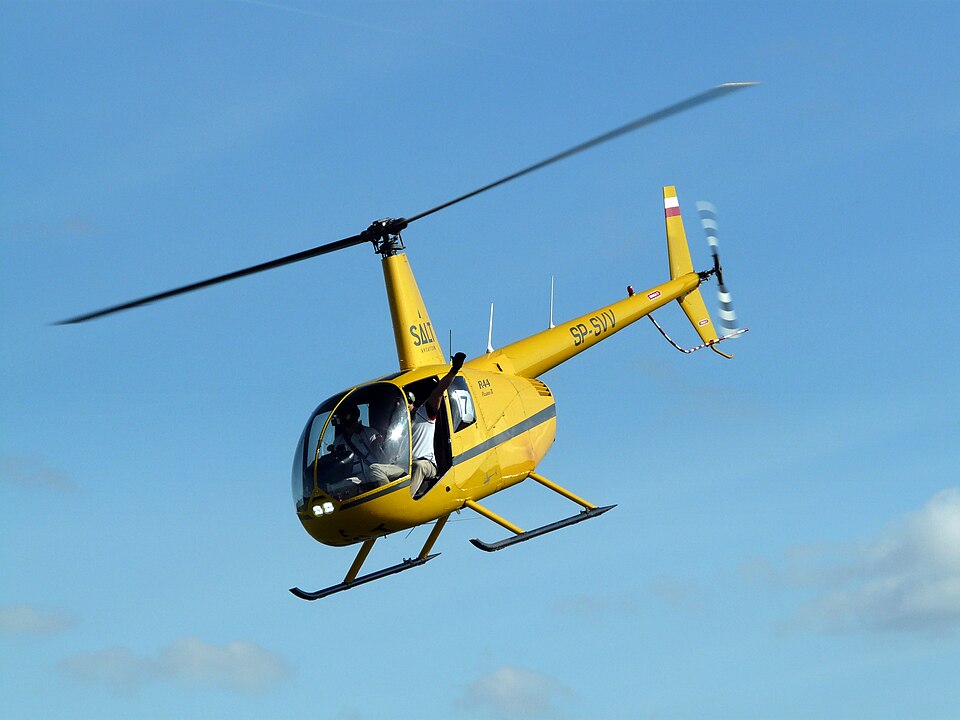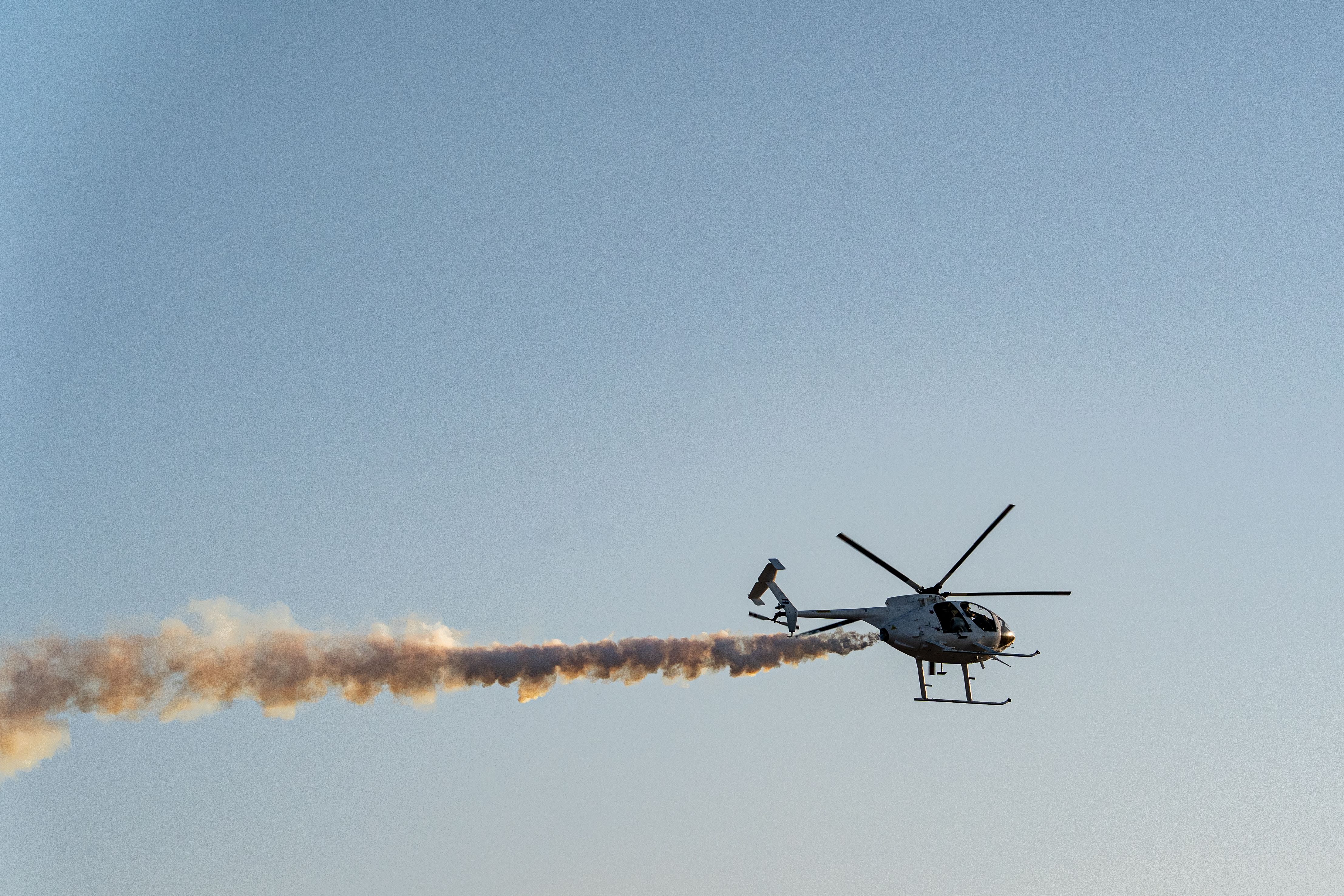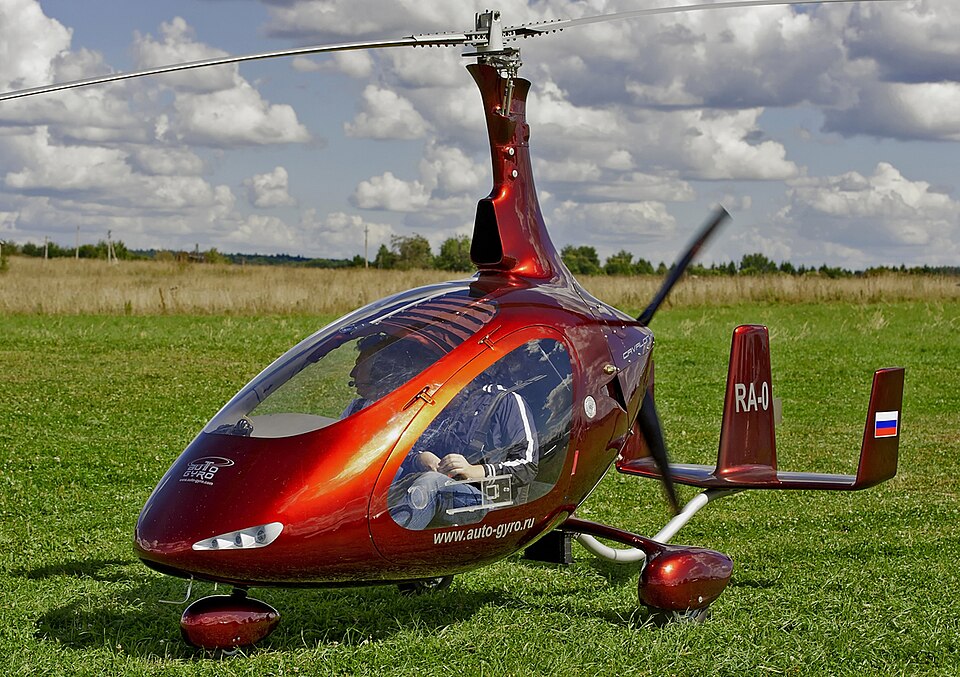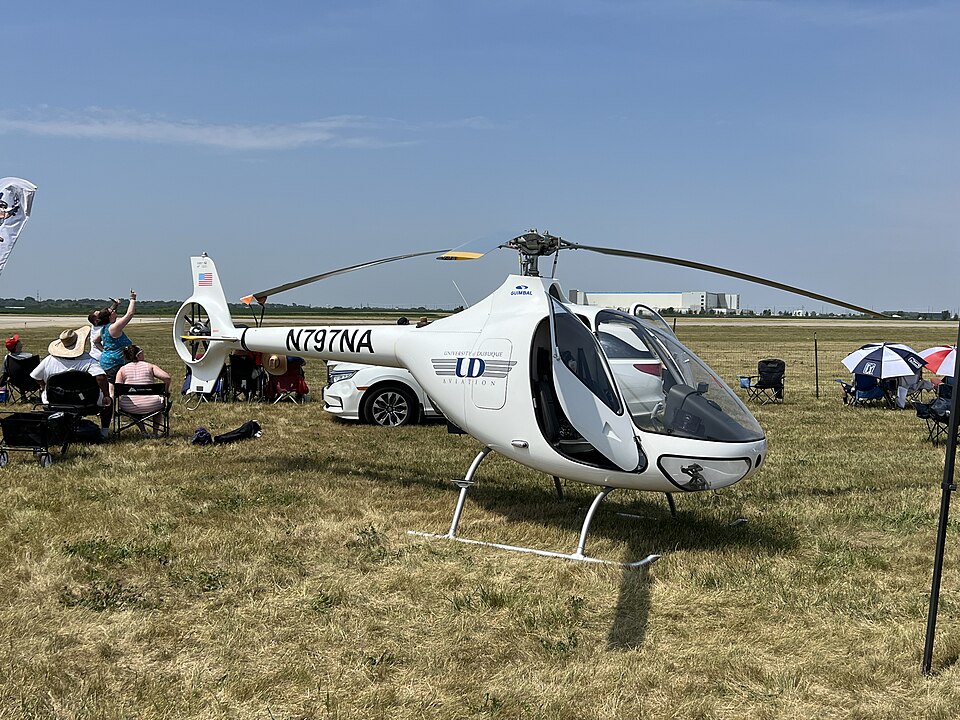
A two-seat helicopter is the smallest practical way to get into the air under spinning blades. It carries a pilot and one passenger, sips fuel compared to bigger machines, and costs far less to buy and fly.
For student pilots, weekend flyers, and small operators, these little aircraft open the door to vertical flight without an airline-sized budget.
The best two-seat helicopters cover a wide range. Some are polished factory trainers used by flight schools around the world.
Others are home-built kits that a patient owner can assemble in a large garage. A few are ultralight machines built around car engines and simple parts.
Each one carries two people, but that is often where the similarities end. Picking one looks easy until you learn how different two machines with the same seat count can really be.
Key Takeaways
The best two-seat helicopters for most people are the Robinson R22 Beta II and the Guimbal Cabri G2, with the Sikorsky S-300CBi close behind as a forgiving trainer. These are certified piston machines built for flight training and personal flying. If you want lower cost and do not mind building, kit-built and ultralight options like the Safari 400, RotorWay A600 Talon, Dynali H3, and AK1-3 Sanka give you a way into ownership for far less money.
| Helicopter | Best For | Type |
| Robinson R22 Beta II | Affordable flight training | Certified piston |
| Guimbal Cabri G2 | Modern safety and comfort | Certified piston |
| Sikorsky S-300CBi | Forgiving training platform | Certified piston |
| Brantly B-2B | Classic personal flying | Certified piston |
| Safari 400 | Budget kit building | Experimental kit |
| RotorWay A600 Talon | Builder-friendly performance | Experimental kit |
| Dynali H3 | Light, fuel-efficient flying | Ultralight / experimental |
| AK1-3 Sanka | Lowest-cost ownership | Experimental |
Flying411 is an aviation marketplace where pilots and buyers can browse two-seat helicopters, parts, and certified services all in one place.
What Counts as a Two-Seat Helicopter
A two-seat helicopter is exactly what it sounds like. It has room for two people and nothing more. Usually that means a pilot and one passenger sitting side by side. In a training machine, the two seats hold an instructor and a student.
These aircraft are the entry point to the rotorcraft world. They are light, they use small piston engines, and they are simple to operate compared to larger helicopters. That simplicity is the whole point. Fewer systems mean lower cost, easier upkeep, and a gentler learning curve for new pilots.
A helicopter stays up because its spinning rotor acts like a long, fast wing. That is very different from flapping-wing designs that try to copy birds and insects. The rotor does all the lifting, and on a two-seater that rotor is small, which keeps the whole machine light.
The two-seat layout goes back a long way. In the early days of helicopter history, bubble-canopy machines with side-by-side seats were among the first to teach people how to hover. That basic shape has stayed popular ever since.
Good to Know: Seat count is not the same as useful load. A helicopter can have two seats but still be unable to carry two large adults plus full fuel. Always check the weight numbers, not just the seats.
Who Two-Seat Helicopters Are For
Most people who fly two-seat helicopters fall into a few simple groups. Knowing where you fit makes the buying choice much clearer.
- Student pilots. Almost every private helicopter certificate is earned in a light two-seater. The skills carry straight over to bigger aircraft.
- Flight schools. Many schools build their whole training fleet around two-seat piston models because they are cheap to run and easy to maintain.
- Private owners. Plenty of people buy a two-seater just for the joy of flying on weekends.
- Small operators. Some use them for jobs like aerial photography, short patrols, or pipeline checks.
A two-seater can even earn a little money on the side. Some small operators use them for short scenic helicopter tours, giving one passenger a ride with a view. The cabin is tight, but the low operating cost makes short flights affordable.
The point is the mission. A trainer needs to be predictable and tough. A personal flyer wants comfort and easy handling. A budget builder cares most about price. The same seat count can serve all three, just in very different machines.
How Two-Seat Helicopters Compare to the Big Machines
When most people picture a helicopter, they think of something dramatic. Maybe a military gunship. Maybe a giant transport hauling cargo over a city. Two-seat helicopters live in a completely different world. They are small, light, and built for simple jobs.
It helps to see the gap. Attack helicopters like the Apache and the Comanche carry weapons, armor, and complex sensors. Heavy lifters such as the Chinook and the Black Hawk move troops and tons of cargo. Older icons like the classic Huey became famous in combat. Some machines are so rugged that people compare a helicopter against a tank just for fun.
A two-seat trainer sits at the opposite end of that spectrum. It is light, plain, and built to teach or to fly for pleasure.
Speed and luxury are their own worlds too. The fastest helicopters are turbine machines built to cover long distances in a hurry. The most expensive luxury helicopters feel like flying limousines with leather seats and quiet cabins. A two-seater does not try to play either game. It trades speed and space for low cost and easy handling. That trade is exactly why so many pilots start here.
The Best Two-Seat Helicopters Worth a Closer Look
Here is the heart of the list. These eight machines cover the full range of the two-seat world, from trusted factory trainers to clever home-built kits. Each one has a clear strength, so read past the specs and think about your own mission.
1. Robinson R22 Beta II
The Robinson R22 Beta II is the machine most people picture when they hear "two-seat helicopter." It has trained generations of pilots and remains one of the most widely used trainers on the planet.
The R22 is a light piston helicopter built around simplicity. It uses a Lycoming O-360 four-cylinder engine, derated for long life, and it carries two people side by side with big windows for great views. Cruise speed sits at roughly 90 knots, and fuel burn is low, often in the range of seven to ten gallons per hour.
What makes the R22 special is also what makes it demanding. Its light rotor system responds fast to control inputs. Some pilots call it twitchy. In an engine failure, a student has a very short window to react and start an autorotation. That sharp behavior is part of why the R22 is such a strong teacher.
As many instructors put it, if you can fly an R22 well, you can fly almost anything.
Pro Tip: A demanding trainer can feel scary at first, but it builds sharp habits. Pilots who learn on a responsive machine like the R22 often find heavier helicopters feel calm and easy afterward.
2. Guimbal Cabri G2
The Guimbal Cabri G2 is the modern answer to the training market. Designed by former Eurocopter engineer Bruno Guimbal, it brings features usually found on much larger turbine helicopters down to a small two-seat package.
The Cabri uses a composite airframe, a three-blade main rotor with high inertia, and a shrouded Fenestron tail rotor. That covered tail rotor is quieter, safer for bystanders, and works well in strong winds. The machine received its European type certification in late 2007.
Safety is the headline here. The Cabri G2 was built with crash-resistant seats and structure, a crash-resistant fuel tank, and a strong cabin. The maker reports it is the only piston helicopter certified to the tougher CS-27 and FAR 27 standards normally used for bigger aircraft.
It costs more to buy and train in than an R22, but owners point to low operating costs, slow depreciation, and rotor blades designed for a very long service life.
Fun Fact: The Cabri G2 is widely described as the first new twin-seat piston helicopter to earn certification in more than 30 years. Its Fenestron tail rotor comes from the same family of technology used on much larger Eurocopter machines.
3. Sikorsky S-300CBi (Schweizer 300CBi)
The Sikorsky S-300CBi has deep roots. The design traces back to the Hughes 269 and 300 family, then passed to Schweizer, and later to Sikorsky. The CBi version is set up as a two-seat trainer, while its bigger sibling, the 300C, adds a third seat.
This helicopter is famous for being forgiving. It uses a stable, fully articulated three-blade rotor and standard flight controls. Schweizer has long pointed to a strong safety record among piston trainers, and flight schools value the machine for how gently it teaches autorotations and basic skills.
The cabin is roomy for the class, visibility is excellent, and the energy-absorbing landing gear adds a margin of safety. The two-seat CBi keeps things light and focused on training.
If the R22 is the demanding teacher, the S-300CBi is the patient one. Both produce capable pilots, just with different styles.
Why It Matters: A rotor with high inertia keeps spinning longer after an engine failure. That extra spin gives a pilot more time to set up a safe autorotation and reach the ground in one piece. It is one of the most important safety traits in any trainer.
4. Brantly B-2B
The Brantly B-2B is a classic American personal helicopter with a long history. First flown in the 1950s, it was designed by Newby Brantly to be a simpler machine for private buyers, and the basic design stayed in production for decades.
The B-2B is a true two-seater. It uses a three-blade articulated main rotor and an all-metal body, with the piston engine mounted vertically behind the cabin. A fuel-injected Lycoming engine of around 180 horsepower gives it solid performance for its size. Owners can fit it with skids, wheels, or floats.
This is not the helicopter for someone who wants the newest glass cockpit. It is for the buyer who likes vintage character, a tidy two-seat cabin, and a design that has proven itself over many years. Parts and support take more effort to find than for a Robinson, so a careful buyer does their homework first.
For the right pilot, the Brantly offers charm and a real slice of rotorcraft history.
Heads Up: Older and rarer helicopters can be harder to sell later and harder to keep supplied with parts. Before buying a classic two-seater, check how easy it is to find parts and a mechanic who knows the type.
5. Safari 400
The Safari 400 is a kit-built helicopter that looks a lot like the old Bell 47, the bubble-canopy machine many people remember from television. It shares the same general layout, with an exposed steel-tube frame, a wide bubble canopy, and a central instrument cluster.
The Safari is a two-seat machine built mostly from welded chromoly steel tubing. It comes as a kit helicopter, and much of the hard work, like the rotor system and transmission, arrives already assembled. The builder handles final assembly, which keeps the cost well below a new certified aircraft.
Buyers can choose to build from a kit or order a finished, turn-key machine for more money. Most owners go the kit route to save cash and to enjoy the building process itself.
This is a great fit for hands-on people who want a classic look and a real flying helicopter without paying factory prices. It rewards patience and good shop skills.
Building from a kit means parts and engine overhauls will be part of your life as an owner. Flying411 connects you with certified A&P mechanics, avionics specialists, and parts sellers who help keep light helicopters like these flying.
6. RotorWay A600 Talon
The RotorWay A600 Talon is one of the most refined kit helicopters on the market. It grew out of the long-running RotorWay Exec series, a family of two-seat kits with decades of development behind them.
The A600 seats two side by side in an enclosed cockpit with a windshield. It uses a turbocharged in-house engine driving a two-blade main rotor, and it features a shaft-driven tail rotor for smoother, more reliable performance. The kit ships with the airframe, tail boom, engine, and rotor system factory-assembled, so the builder focuses on final assembly.
RotorWay markets the A600 as one of the leading helicopter kits in the world, and the design is known for stable, friendly handling. That stability makes it useful for both first-time training and transition flying.
For a builder who wants modern features, turbo power, and a polished kit experience, the A600 Talon is a strong pick.
Quick Tip: If you plan to build any kit helicopter, budget for the time as well as the money. A clean, careful build can take hundreds of hours, and rushing the work on a flying machine is never worth it.
7. Dynali H3
The Dynali H3 is a Belgian-designed two-seat machine that has become a popular choice in the light and ultralight world, especially across Europe. It sits between bare-bones ultralights and full certified aircraft, offering more refinement than the cheapest options.
The H3 seats two side by side under a bubble canopy and rides on a clever stainless-steel skid system that flexes to absorb hard landings. Depending on the version, it uses a Rotax engine, often a fuel-injected or turbocharged unit producing strong power for such a light airframe. The tube frame is designed for passive safety, helping protect the people inside.
In the United States, the H3 is usually registered as an experimental amateur-built aircraft, and a helicopter pilot certificate is still required to fly it. It gives buyers a serious training or utility platform at a price well below most certified machines.
For pilots who want low fuel costs and modern light-helicopter design, the Dynali H3 deserves a close look.
8. AK1-3 Sanka
The AK1-3 Sanka is one of the most affordable two-seat helicopters you can find. This Ukrainian-designed machine is built to keep costs low from the start, which makes it appealing to buyers on a tight budget.
The clever part is the engine. The AK1-3 uses a four-cylinder Subaru boxer engine, the same kind of motor found in many ordinary cars. That means parts are widely available and often cheaper than dedicated aviation engines. It also means fuel costs can be lower, since the engine does not always need expensive aviation gasoline.
Performance is modest, with a top speed of around 110 miles per hour and a reasonable range for short trips. This is not a powerhouse, but it is a sensible little machine for personal flying and transportation. It is also reported to be useful for training, since its controls translate well to other helicopter types.
For the buyer who wants the lowest cost of entry, the AK1-3 is hard to ignore.
Keep in Mind: The cheapest helicopter to buy is rarely the cheapest to own. Insurance, hangar space, inspections, and overhauls add up over time. Always look at the full yearly cost before you fall in love with a low sticker price.
Certified vs Kit-Built Two-Seaters
One of the biggest choices in this market is simple to state and hard to answer. Do you buy a certified factory helicopter, or do you build an experimental one from a kit?
A certified machine, like the R22 or Cabri G2, is ready to fly and backed by a maker. It holds its value better and can be used for paid work like training, within the rules. The trade-off is cost. New certified two-seaters are the most expensive way into the market.
A kit-built or experimental helicopter, like the Safari or RotorWay, costs far less up front. The catch is the work. You build it, you learn it deeply, and you follow different rules for upkeep and use. Resale can be harder, and paid commercial work is limited.
Here is a simple way to compare the two paths:
| Factor | Certified factory | Kit-built / experimental |
| Up-front cost | Higher | Lower |
| Build effort | None, ready to fly | Significant, you assemble it |
| Resale value | Stronger and easier | Weaker, harder to sell |
| Maintenance | Standard certified parts | Owner-built rules apply |
| Use for paid work | Allowed, with rules | Limited |
Neither path is wrong. The right answer depends on your budget, your skills, and what you plan to do with the machine. A flight school needs certified aircraft. A hands-on hobbyist may love a kit.
What It Costs to Own a Two-Seat Helicopter
Cost is the first question most buyers ask, and the honest answer is that it varies widely. The two-seat market spans a huge price range.
At the top sit new certified machines. A brand-new certified two-seater can cost about as much as a house, and the most modern designs sit at the high end of that range. In the middle are used certified helicopters, which are cheaper to buy but still need certified upkeep. At the bottom are ultralight and kit options, which can cost a fraction of a factory aircraft.
The sticker price is only part of the story. Real ownership costs include several recurring items:
- Fuel. Light pistons sip far less than turbines, but the bill still adds up with regular flying.
- Maintenance and overhauls. Engines and rotor parts have time limits and must be serviced or replaced.
- Insurance. Rates depend on the machine, your hours, and how you use it.
- Storage. A hangar or pad costs money every month.
- Inspections. Regular checks keep the aircraft legal and safe.
When you are ready to compare real machines, browsing current listings is the best way to get a feel for value. A search for a two-seater helicopter for sale will show you how prices shift by model, age, and condition.
Looking for a specific model? Flying411 lists new and used helicopters from makers like Robinson, Schweizer, and more, so you can compare real machines side by side before you commit.
How to Choose the Right Two-Seat Helicopter
With so many options, the best way to choose is to work backward from your goal. Start with the mission, then let the machine follow.
Ask yourself a few simple questions:
- Are you learning to fly? If so, a proven trainer like the R22, Cabri G2, or S-300CBi is the safe path. These are the machines instructors know best.
- Do you want low cost above all? A kit or ultralight like the Safari, Dynali H3, or AK1-3 will save you the most money.
- Do you love building things? A kit machine turns the project itself into part of the fun.
- Do you value the newest safety features? The Cabri G2 leads the field there.
- Do you want vintage character? The Brantly B-2B offers classic charm.
Training is its own important step. Many helicopter flight schools build their fleets around two-seat pistons, so the model you train on may shape what you buy later. A solid program of helicopter flight training in a forgiving two-seat training helicopter sets you up for safe years in the air.
One last note on the lightest machines. A few single-seat designs fall under rules for aircraft that skip the license requirement, but almost every true two-seater needs a real pilot certificate. If two seats matter to you, plan on getting properly trained and rated.
Before you buy any used helicopter, get a pre-purchase inspection from a trusted mechanic. A few hundred dollars spent up front can save you from a very expensive surprise later.
Ready to start your search? Browse two-seat helicopters for sale on Flying411 and find the machine that fits your mission and your budget.
Conclusion
The best two-seat helicopters give pilots a real, affordable way into vertical flight. The Robinson R22 Beta II and Guimbal Cabri G2 lead the certified training world, the Sikorsky S-300CBi offers a forgiving feel, and the Brantly B-2B brings classic charm. For lower cost, the Safari 400, RotorWay A600 Talon, Dynali H3, and AK1-3 Sanka prove you do not need a fortune to own a flying machine.
The key is matching the helicopter to your real needs. Think about your mission, your budget, and how much you want to build versus simply fly. Get good training, inspect before you buy, and plan for the full cost of ownership, not just the purchase price.
When you are ready to turn research into a real purchase, Flying411 puts the listings, parts, and aviation experts you need all in one place, so your first two-seater is the right one.
Frequently Asked Questions
How much does a two-seat helicopter cost?
Prices range widely, from low-cost kit and ultralight machines to new certified models that can cost about as much as a house. Used certified helicopters fall somewhere in the middle, and the full cost also includes fuel, insurance, storage, and maintenance.
Do you need a license to fly a two-seat helicopter?
Yes, almost all two-seat helicopters require a proper helicopter pilot certificate. Only a small group of the lightest single-seat ultralights fall under simpler rules, and those are not true two-seaters.
What is the best two-seat helicopter for learning to fly?
The Robinson R22 Beta II, Guimbal Cabri G2, and Sikorsky S-300CBi are the most common training choices. The R22 builds sharp reflexes, the Cabri G2 leads on safety features, and the S-300CBi is known for being forgiving.
Is it cheaper to build a kit helicopter or buy a certified one?
A kit helicopter usually costs far less to buy than a certified factory machine. The trade-off is the time and skill needed to build it, plus harder resale and limits on using it for paid work.
How many hours does a piston helicopter engine last before overhaul?
Light piston helicopter engines typically run for a set number of hours, often around two thousand, before a major overhaul is required. The exact figure depends on the engine and the maker's published limits, so always check the specific model.