There is something unforgettable about the moment a helicopter lifts off the ground. No runway. No rolling start. Just a smooth, vertical rise into open sky. If that image excites you, you are already thinking like a helicopter pilot.
The path to getting your rotary-wing certificate starts with one critical decision: picking the right school. With over 150 FAA-approved helicopter training programs across the country, the options can feel overwhelming fast. Programs differ in cost, structure, fleet size, location, and career support. The wrong choice can cost you time, money, and momentum. The right one can put you in the cockpit of your dream career.
This guide breaks down the best helicopter flight schools in the US, what they offer, how much training costs, and exactly what to look for when comparing your options. By the end, you will know how to make a confident, informed decision.
Key Takeaways
Finding the best helicopter flight schools in the US comes down to matching the program to your goals. Career-focused students generally benefit most from FAA Part 141 structured programs, which can reduce required flight hours and offer a clearer path to commercial certification. Top schools like Embry-Riddle Aeronautical University, Hillsboro Heli Academy, Quantum Helicopters, and Southern Utah University are widely recognized for their comprehensive programs, experienced instructors, and strong job placement outcomes. Total training costs to reach a commercial pilot certificate can range widely, often landing somewhere between $45,000 and $100,000 or more depending on the school, the training path, and how many hours a student needs.
| Takeaway | Key Detail |
| Top school types | University programs and standalone helicopter academies |
| Training paths | FAA Part 61 (flexible) and Part 141 (structured) |
| Private pilot cost | Roughly $15,000 to $25,000 depending on hours and school |
| Commercial pilot cost | Often $45,000 to $100,000+ for a full program |
| Program length | Typically 12 to 24 months for full-time students |
| Job placement | Top schools report strong graduate employment rates |
| Best for career pilots | Part 141 programs reduce required hours for commercial cert |
| GI Bill eligible | Several schools accept Post-9/11 GI Bill benefits |
Flying411 is a trusted resource for aviation enthusiasts and aspiring pilots. Whether you are just researching your options or ready to take the next step, Flying411 has the information to help you move forward with confidence.
Why Helicopter Flight Training is Worth the Investment
Becoming a helicopter pilot opens doors that most people never even know exist. The job market for qualified rotary-wing pilots spans emergency medical services, law enforcement, offshore oil and gas operations, firefighting, aerial photography, corporate transport, and tourism. That variety is rare in any profession.
Why It Matters: The demand for trained helicopter pilots has grown steadily in recent years. Retirements, industry expansion, and a limited pool of qualified rotorcraft pilots have created real opportunities for new graduates at well-regarded schools.
The training itself is genuinely challenging. Helicopters require a type of coordination and situational awareness that is different from fixed-wing flying. You are managing engine power, rotor speed, tail rotor control, and collective pitch all at once. That complexity is exactly what makes helicopter piloting so rewarding once you get it right.
A good flight school teaches you more than the mechanics of hovering. It builds the judgment, discipline, and decision-making habits that define a safe and professional pilot.
Understanding the Two Main Training Paths
Before comparing schools, it helps to understand the two frameworks the FAA uses to govern pilot training. Every helicopter school operates under one or both of these.
Part 61 vs. Part 141: What Is the Difference?
Part 61 is the more flexible option. There is no required curriculum structure, and your instructor tailors lessons to your pace and schedule. You pay as you go, which suits students with busy lives or irregular availability. The trade-off is that Part 61 requires more total flight hours before certification.
Part 141 is the structured path. Schools must follow an FAA-approved curriculum with defined lesson plans, stage checks, and progress milestones. Because the training is tightly organized and regularly audited by the FAA, the agency allows Part 141 students to certify with fewer total flight hours.
| Feature | Part 61 | Part 141 |
| Curriculum structure | Flexible, instructor-driven | FAA-approved, structured syllabus |
| Private pilot minimum hours | 40 hours | 35 hours |
| Commercial pilot minimum hours | 250 hours | 190 hours |
| Training pace | Student's own schedule | Generally full-time |
| Best suited for | Recreational flyers, career changers | Career-focused students |
| GI Bill eligible | No | Yes (at approved schools) |
| FAA oversight | Standard | Regular audits and stage checks |
Pro Tip: If your goal is a professional helicopter career, Part 141 training is typically the faster and more cost-effective path. The reduction in required flight hours can save both time and money compared to Part 61 for the same commercial certificate.
The difference in commercial pilot hours is worth noting. A Part 61 commercial helicopter certificate requires 250 total flight hours, while a Part 141 program can qualify you with as few as 190. That 60-hour gap can translate to a meaningful reduction in total cost, since helicopter flight time is billed by the hour.
What to Look for in a Helicopter Flight School
Not all FAA-approved schools are created equal. Before committing to a program, there are several factors worth researching carefully.
Fleet Size and Aircraft Type
The size and condition of a school's fleet directly affects your training schedule. A school with a limited number of aircraft may have more scheduling conflicts, leading to delays. Ask about the student-to-aircraft ratio and how quickly they can reschedule a cancelled flight.
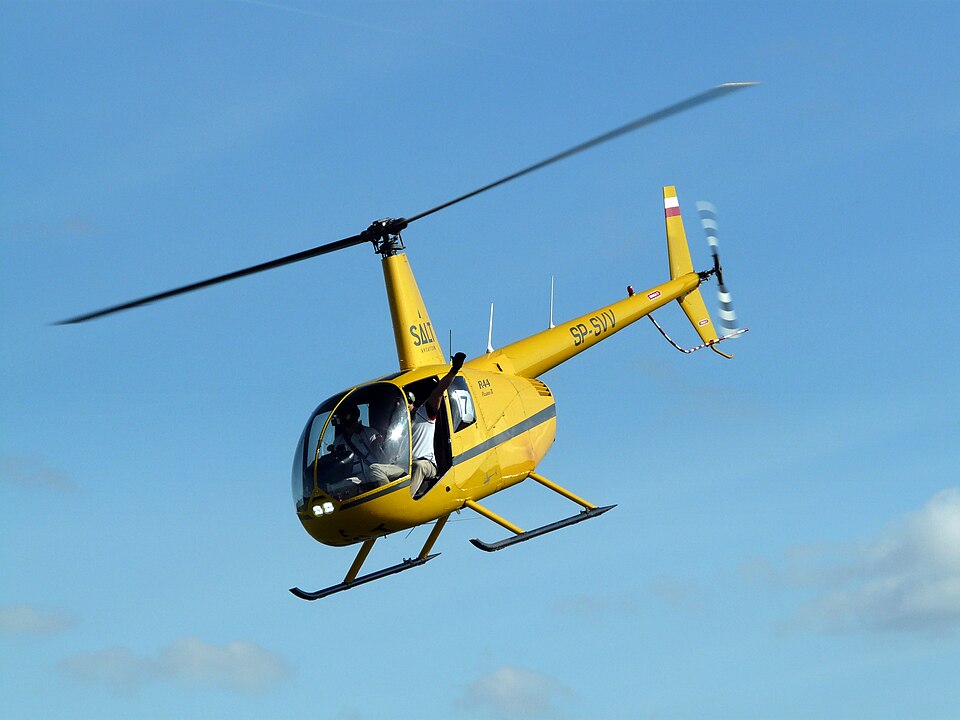
Most schools train on Robinson R22 and Robinson R44 helicopters. The R22 is the standard for early training due to its lower operating cost. The R44 is larger, used for instrument work and cross-country flying. Some advanced programs also offer turbine transition training on aircraft like the Bell 206.
Good to Know: If a school only operates a single helicopter model, your exposure to different aircraft types will be limited. Schools that offer turbine time or transition training tend to produce graduates that are more versatile in the job market.
Instructor Experience and Retention
Ask how long the school's instructors have been on staff. High turnover is a red flag. Experienced, consistent instructors build stronger student outcomes and make it easier to maintain continuity in your training.
Accreditation and FAA Certification
Check whether the school holds Part 141 certification from the FAA. Some schools also carry additional accreditation from bodies like the Accrediting Commission of Career Schools and Colleges (ACCSC). These credentials indicate a school that has been evaluated against established quality standards.
Job Placement and Career Support
Some schools offer active job placement assistance, career fairs, and employer connections. Others hand you a certificate and wish you well. If a professional career is your goal, ask for specific job placement data before enrolling.
Financial Aid and GI Bill Acceptance
Helicopter training is a significant financial investment. Look for schools that offer third-party financing partnerships, scholarships, or payment plans. Veterans should confirm whether the school accepts Post-9/11 GI Bill benefits, which can cover a substantial portion of tuition at qualifying Part 141 programs.
Best Helicopter Flight Schools in the US
These schools are consistently recognized for program quality, instructor experience, fleet reliability, and graduate outcomes. Each has a different strength, so consider which factors matter most to you.
1. Embry-Riddle Aeronautical University (Arizona and Florida)
Embry-Riddle is widely considered one of the most respected names in aviation education in the world. The university has campuses in Prescott, Arizona and Daytona Beach, Florida, and has been training pilots since the 1920s.
The Prescott campus offers helicopter training through a partnership with Helicopter Institute Inc., which brings decades of rotorcraft-specific experience to the program. Students fly NVG-modified Robinson R22 and R44 helicopters equipped with glass cockpit avionics. The program is structured to carry students from zero flight time through their Certified Flight Instructor certificate.
Graduating from Embry-Riddle with a Bachelor of Science in Aeronautical Science gives students a credential that carries weight with employers across the industry. The school also reports that FAA-approved degree program graduates may qualify for reduced airline transport pilot hour requirements.
Best for: Students who want a university degree combined with professional helicopter training and access to a large alumni network.
Fun Fact: Embry-Riddle has long been nicknamed "The Harvard of the Skies" and is said to be one of the largest and most well-known aviation universities in the world, with graduates spread across all 50 states and dozens of countries.
2. Hillsboro Heli Academy (Oregon)
Hillsboro Heli Academy, part of Hillsboro Aero Academy in Hillsboro, Oregon, is one of the most internationally recognized helicopter training programs in the country. The school has trained pilots from more than 55 countries and reports a strong job placement rate for graduates pursuing helicopter careers.
The program is structured for full-time students and is designed to be completed in roughly 15 months. It covers private pilot through certified flight instructor ratings. One standout feature is the school's joint EASA/FAA program, which allows eligible European students to train in the US while earning hours that count toward both licensing standards.
Hillsboro also offers financing options that can cover a significant portion of tuition for students who qualify.
Best for: Career-focused students who want a globally recognized credential and strong industry connections after graduation.
Pro Tip: Hillsboro's location in the Pacific Northwest gives students exposure to a variety of real-world weather conditions and terrain types, which builds the kind of adaptive skill set that professional employers look for.
3. Quantum Helicopters (Arizona)
Founded in 1993, Quantum Helicopters in Chandler, Arizona, is one of the longest-running and most respected standalone helicopter training schools in the nation. The school operates under both Part 61 and Part 141, offers training from private pilot all the way through ATP certification, and is a Robinson Helicopter Factory Approved Service Center.
Quantum's maintenance reputation is particularly strong. Former students and instructors frequently cite the well-maintained fleet and the rarity of cancelled flights due to mechanical issues. The school has also earned a reputation for being especially welcoming to veterans, with staff experienced in working with GI Bill benefits.
The school has attracted students from across the US and internationally, and its graduates work across virtually every sector of the helicopter industry, from EMS to offshore oil operations to flight instruction.
Best for: Students looking for a dedicated helicopter school with a long track record, an excellent maintenance record, and strong veteran support.
Good to Know: Quantum Helicopters is one of only a handful of helicopter schools in the US to hold accreditation from the ACCSC, which sets it apart from many competitors in terms of institutional quality standards.
4. Southern Utah University Aviation (Utah)
Southern Utah University's aviation program in Cedar City, Utah, is built around what the school describes as the largest collegiate helicopter fleet in the nation. The program is a five-semester course of study that takes under two years to complete and leads to both a degree and commercial helicopter certification.
Students fly Robinson R44 Raven IIs and Bell 206s powered by Rolls Royce turbine engines. The curriculum includes standard commercial training plus night vision goggle operations, advanced mountain flight, long-line procedures, and turbine transition. Cedar City sits at over 5,600 feet above sea level, which means students train in genuine high-density-altitude conditions from day one.
SUU is also one of the few university flight programs to accept Post-9/11 GI Bill benefits, which can significantly reduce the cost of attendance for eligible veterans.
Best for: Students who want a degree-granting program with turbine experience, mountain flying, and veteran benefit eligibility built into the standard curriculum.
Fun Fact: Training at high altitude is said to be one of the best preparations for real-world helicopter operations, since many demanding missions such as mountain rescues and firefighting involve conditions that low-altitude schools rarely replicate.
5. Epic Helicopters (Texas)
Epic Helicopters, based near Dallas-Fort Worth, is a career-focused FAA Part 141 school that is also approved to train non-US citizens. The school's location in north Texas gives students access to consistently flyable weather for much of the year, which reduces training delays caused by weather cancellations.
Epic offers programs from private pilot through commercial certification and is structured with professional aviation careers in mind. The school's FAR Part 141 approval means its programs meet the structured curriculum requirements that allow students to certify with fewer minimum flight hours.
Best for: Career-focused students in the southern US, or international students looking for an FAA-approved program with strong weather reliability.
Quick Tip: Consistent flying weather is a practical factor that is easy to overlook when comparing schools. More flyable days per year means fewer delays and, often, a shorter total training timeline.
6. Precision Helicopters (California)
Precision Helicopters has been training professional pilots since the early 1980s and maintains a one-on-one training approach that distinguishes it from larger, more volume-driven schools. The school's philosophy centers on individualized instruction in real-world environments, with an emphasis on building pilots who are genuinely ready for professional operations from day one.
Best for: Students who prioritize a personalized, mentor-style training experience over a large classroom environment.
7. Quantum Helicopters' Northeast Counterpart: Core Helicopters (New Jersey)
For students on the East Coast, Core Helicopters near New York City offers helicopter flight training from private pilot through commercial certification. Located just 14 miles from Manhattan, the school provides training in one of the busiest and most complex airspace environments in the country.
Training in dense airspace from the start builds communication skills, air traffic control familiarity, and situational awareness that students at less congested airports may only develop later in their careers.
Best for: East Coast students who want urban airspace experience built into their training from the beginning.
Keep in Mind: Flying in and around Class B and Class D airspace regularly, as students near major cities do, can be a strong resume asset when applying for positions that involve congested or controlled environments.
8. Northeast Helicopters (Maine)
Established in 1974, Northeast Helicopters is one of the older helicopter training operations in the country. The school has grown over the decades into a well-regarded training and flight services company, offering programs for students at various levels of experience.
Best for: Students in the New England region looking for an established school with a long history in the industry.
Flying411 covers everything from flight training basics to the latest developments in rotary-wing aviation. If you are building your knowledge base alongside your training search, Flying411 is a great place to keep learning.
How Much Does Helicopter Flight Training Cost?
Cost is one of the most common questions prospective students ask, and the honest answer is that it depends on several factors. The type of helicopter used for training, the school's hourly rates, how efficiently a student progresses, and the level of certification being pursued all affect the final number.
That said, here is a realistic general breakdown based on commonly reported figures.
Cost Breakdown by Certificate Level
| Certificate / Rating | Approximate Cost Range |
| Private Pilot Certificate | $15,000 to $25,000 |
| Instrument Rating | $15,000 to $20,000 |
| Commercial Pilot Certificate | $18,000 to $25,000 |
| CFI / CFII | $8,000 to $15,000 |
| Full program (Private through CFII) | $55,000 to $100,000+ |
Heads Up: These are general estimates. Actual costs vary significantly by school, location, aircraft type, and how many hours a student takes to meet proficiency standards. Always request a detailed program cost breakdown directly from any school you are considering.
Additional costs to budget for include FAA medical examination fees, checkride examiner fees, aviation headset and gear, ground school materials, and living expenses if you are relocating for training.
Factors That Affect Your Total Cost
Several variables can push your final number up or down considerably.
Aircraft type: Robinson R22 helicopters typically carry lower hourly rates than R44s or turbine aircraft. Schools that primarily use R22s in early training tend to have lower per-hour costs.
Training pace: Students who fly frequently, practice consistently, and stay current in their studies tend to reach checkride readiness in fewer total hours. Gaps between lessons often require review flights, which adds cost.
Location: Schools in areas with a lower cost of living and stable weather tend to have lower overall costs than those in major metro areas or high-cost regions.
Part 141 vs. Part 61: As covered earlier, Part 141's reduced hour requirements can lead to meaningful savings on commercial training in particular.
What Careers Can a Helicopter Pilot Pursue?
One of the great advantages of helicopter training is the diversity of career paths available after certification. Here are some of the most common and rewarding options.
- Emergency Medical Services (EMS): Air ambulance pilots transport critical patients between hospitals and accident scenes. This is one of the most demanding and respected roles in helicopter aviation.
- Law Enforcement: Many police departments and sheriff offices operate helicopter units for surveillance, search and rescue, and pursuit operations.
- Offshore Oil and Gas: Helicopter pilots transport workers to offshore platforms in the Gulf of Mexico and other locations. These positions typically offer strong compensation.
- Firefighting: Aerial firefighting pilots support ground crews by dropping water or retardant on wildfires. This role is seasonal in many regions but highly skilled.
- Corporate and Charter Transport: Wealthy individuals and companies use helicopters for point-to-point travel in areas where fixed-wing aircraft are impractical.
- Aerial Photography and Film: Production companies rely on helicopter pilots for camera work, especially for live broadcast and feature film productions.
- Tour and Sightseeing Operations: Scenic helicopter tours are popular in destinations like the Grand Canyon, Hawaii, and New York City.
The diversity of helicopter operations means that pilots with strong training backgrounds often have multiple career options at once.
To understand more about the machines you will be flying, it helps to explore helicopter facts and history so you arrive at your first lesson with a solid foundation.
If you want to get inspired by the most impressive aircraft in the world before you begin training, reading about the fastest helicopters in the world gives you a sense of just how far rotary-wing technology has come.
Questions to Ask Before You Enroll
Before signing any enrollment agreement or committing to a program, ask each school these questions directly.
- Is the school FAA Part 141 certified, and is that certification current?
- What is the student-to-aircraft ratio, and how far in advance are lessons scheduled?
- What is the average number of hours students take to complete each certificate?
- What is the school's checkride pass rate?
- Does the school offer job placement support, and can they share graduate employment data?
- Are financing options available, and does the school accept GI Bill benefits?
- What happens if a key instructor leaves during my training?
- Can I speak with current students or recent graduates before enrolling?
Pro Tip: Any school that is reluctant to answer these questions directly or that struggles to provide clear data on pass rates and graduate outcomes deserves a second look before you commit.
Helicopter Training and the Broader World of Aviation
Learning to fly helicopters puts you inside one of the most fascinating segments of aviation. The history of rotary-wing flight stretches back well over a century, and the technology has evolved from simple piston-powered machines to highly sophisticated turbine aircraft used in military, medical, and commercial operations worldwide.
Some of the most intriguing machines in aviation history are helicopters. The field includes everything from the most famous helicopters in the world that shaped history to modern marvels like the strongest US military helicopters flying today.
For those interested in high-performance and specialized rotorcraft, there is fascinating reading to be found on the stealthiest helicopters in the world, which represent the cutting edge of what is possible in rotary-wing design.
On the civilian side, for those curious about what awaits at the top of the profession, a look at the best luxury helicopters shows the kind of aircraft that high-end corporate and charter pilots fly regularly.
Ready to go from curious to certified? Flying411 is here to support every stage of your aviation journey, from the moment you start researching schools to the day you earn your wings. Head to Flying411 to keep exploring.
Conclusion
Choosing where to train is the most important decision you will make on your path to becoming a helicopter pilot. The best helicopter flight schools in the US are not just places where you accumulate flight hours. They are environments that shape how you think, how you make decisions under pressure, and how you present yourself as a professional in the cockpit.
Whether you are drawn to the university experience at Embry-Riddle, the international reputation of Hillsboro Heli Academy, the veteran-friendly environment at Quantum Helicopters, or the high-altitude challenge of Southern Utah University, there is a program built for your goals. Take the time to visit schools, speak with graduates, and ask hard questions before you commit.
When you are ready to keep learning, Flying411 is the place to go for honest, practical aviation content that helps you make smarter decisions in the air and on the ground.
Frequently Asked Questions
How long does it take to become a helicopter pilot in the US?
The timeline depends on the certificate level and training format. A private helicopter pilot certificate can often be completed in a few months with consistent flying. A full commercial program, from zero experience through CFI certification, typically takes 12 to 24 months for full-time students.
Do I need a college degree to attend a helicopter flight school?
Most standalone helicopter flight schools do not require a college degree for enrollment. University-based programs like Embry-Riddle combine flight training with a bachelor's degree, which takes longer and costs more but adds academic credentials alongside the pilot certificate.
Can veterans use GI Bill benefits for helicopter flight training?
Yes, but only at qualifying Part 141 FAA-approved schools. Eligible veterans should confirm with each school that their specific program is approved for Post-9/11 GI Bill benefits before enrolling, as not every course at an eligible school may qualify.
What kind of helicopter will I train in at most schools?
The majority of US helicopter schools train students in Robinson R22 and Robinson R44 helicopters. The R22 is commonly used for early training, while the R44 is typically introduced for instrument work and cross-country flying. Some advanced programs add turbine-powered aircraft like the Bell 206.
Is helicopter training harder than fixed-wing training?
Many pilots describe helicopter training as more demanding in the early stages, particularly because of the coordination required to manage multiple flight controls simultaneously. Hovering alone, which has no equivalent in fixed-wing flight, is a skill that takes many students considerable practice to master. That said, with consistent instruction and dedicated practice, most motivated students work through the learning curve successfully.
What is the job market like for newly certified helicopter pilots?
The helicopter pilot job market has shown steady demand, particularly in sectors like EMS, offshore operations, and law enforcement aviation. Entry-level positions often require building additional flight hours before qualifying for higher-paying roles, which is why many new commercial pilots begin their careers as flight instructors.
How do I verify that a helicopter school is legitimately FAA-approved?
The FAA maintains a publicly accessible database of certificated pilot schools. You can search for any school's approval status online through the FAA's official website to confirm that its Part 141 certification is current before you enroll.