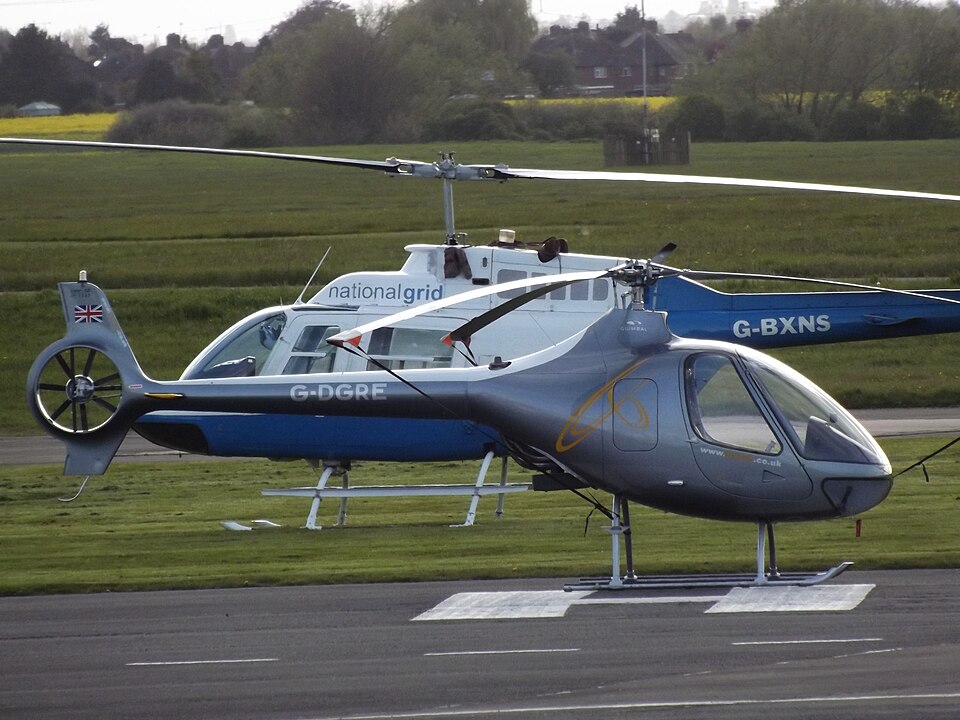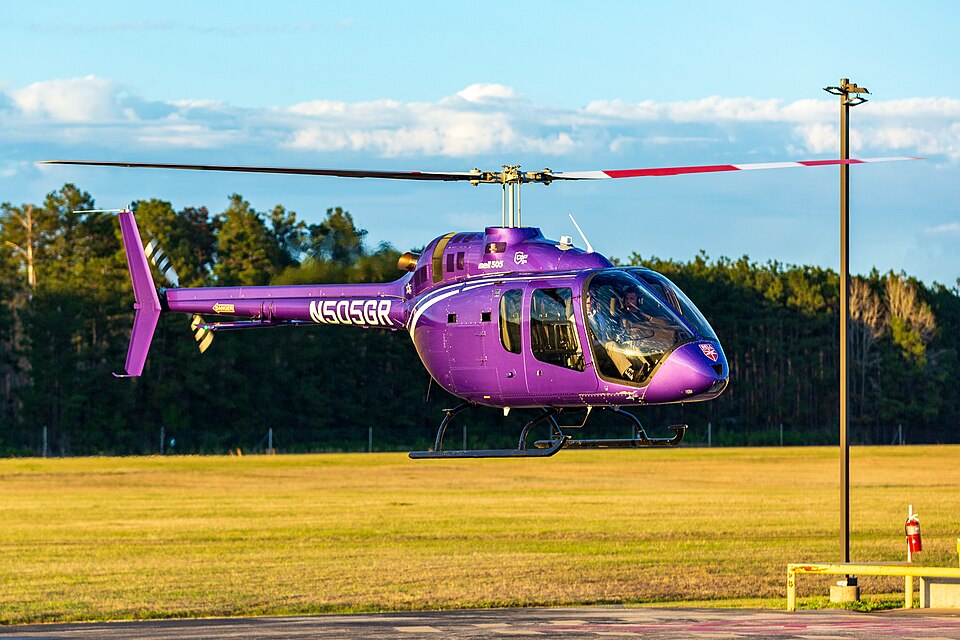
Choosing your first personal helicopter often comes down to two very different machines. On one side sits the Robinson R44 Raven, a piston-powered workhorse that has trained thousands of pilots and put private flight within reach of regular budgets.
On the other sits the Bell 505 Jet Ranger X, a sleek turbine that carries the famous JetRanger name into the modern era with a glass cockpit and jet-engine smoothness. The Robinson R44 Raven vs Bell 505 question is really a question about what kind of owner you want to be.
These two helicopters look similar from a distance. Both are light, single-engine machines with room for a small group. Both land almost anywhere and fit in a modest hangar.
Underneath the paint, though, they aim at different wallets and different missions. One burns avgas and sips it carefully. The other spins a turbine and asks for jet fuel. That single choice shapes almost everything else about owning one.
Key Takeaways
The Robinson R44 Raven is the cheaper helicopter to buy and fly, while the Bell 505 is the faster, roomier, turbine-powered step up that costs far more to own. The R44 suits budget-focused buyers, training, and short personal trips. The Bell 505 suits owners who want turbine reliability, five seats, and a modern cockpit and can afford the higher price tag.
| Feature | Robinson R44 Raven II | Bell 505 Jet Ranger X |
| Engine type | Piston (Lycoming IO-540) | Turbine (Safran Arrius 2R) |
| Power | 245 hp | ~505 shaft hp |
| Fuel | 100LL avgas | Jet-A |
| Seats | 4 (1 pilot + 3) | 5 (1 pilot + 4) |
| Cruise speed | ~110 knots | ~125 knots |
| Range | ~300 nautical miles | ~300 to 360 nautical miles |
| New price (approx.) | $400,000 to $500,000+ | $1.3 to $1.7 million |
| Best for | Budget owners, training | Turbine comfort, business use |
Flying411 is an online aviation marketplace where buyers and sellers connect over helicopters like these, along with the engines, parts, and services that keep them in the air.
Meet the Two Helicopters
Before we line them up spec by spec, it helps to know each machine on its own terms. They come from different makers with different goals, and that shows up in every part of the design.
Robinson R44 Raven at a Glance
The Robinson R44 is a four-seat piston helicopter built by the Robinson Helicopter Company in California. It grew out of the tiny two-seat R22 and kept the same simple, low-cost formula while adding two more seats. That formula worked. The R44 is widely regarded as one of the best-selling piston helicopters ever made, with thousands delivered since the 1990s.
The "Raven" name covers the modern R44 family. The Raven II is the higher-performance version. It uses a fuel-injected piston helicopter engine, the Lycoming IO-540, which puts out 245 horsepower for takeoff. Fuel injection removes the risk of carburetor icing and gives better performance on hot days and at higher altitudes.
Robinson also sells a few close cousins of the Raven. If you are sorting out the family tree, the split between the Raven I and Raven II mostly comes down to the engine and altitude performance. There is also the float-equipped R44 Clipper for over-water work and the training-focused R44 Cadet, which trades the rear seats for a lower price.
Key traits of the R44 Raven:
- Two-bladed main rotor and two-bladed tail rotor
- Skid landing gear
- Side-by-side front seats and a rear bench for two
- Hydraulically boosted controls for lighter handling
- Optional air conditioning and impact-resistant windshields
Good to Know: The R44 is popular far beyond private flying. Police units, news crews, and aerial photographers use it for patrol, filming, and survey work because it is cheap to run and easy to land in tight spots.
Bell 505 Jet Ranger X at a Glance
The Bell 505 Jet Ranger X is a five-seat, single-engine turbine helicopter from Bell. It carries forward the legacy of the classic Bell 206 JetRanger, one of the most recognized helicopters in history, and wraps it in modern parts and electronics. Bell first flew the 505 in 2014, and it has been rolling off the line ever since.
Instead of a piston engine, the 505 uses a Safran Arrius 2R turboshaft engine that produces roughly 505 shaft horsepower at takeoff. The engine runs on jet fuel and is managed by a dual-channel FADEC, which stands for Full Authority Digital Engine Control. In plain terms, a small computer manages the engine so the pilot does not have to babysit power settings.
The cockpit is another big selling point. The 505 comes with the Garmin G1000H NXi glass flight deck, a pair of large digital screens that show flight data, engine health, and a moving map all in one place. This cuts pilot workload and makes the cabin feel modern.
Key traits of the Bell 505:
- Turbine engine with dual-channel FADEC
- Garmin G1000H NXi glass cockpit
- Flat-floor cabin with removable seats
- Double doors for easy loading of people or cargo
- Two-bladed rotor system carried over from proven Bell designs
Why It Matters: A turbine engine changes the whole ownership experience. Turbines tend to run smoother, start faster, and handle high-altitude work better than pistons, which is a big reason business and charter operators lean toward the 505.
Piston vs Turbine: The Core Difference
Almost every other difference between these two machines flows from one fact. The R44 has a piston engine. The Bell 505 has a turbine. Once you understand that split, the rest of the comparison clicks into place.
A piston engine works a lot like the one in a car. It burns avgas (a special aviation gasoline called 100LL) inside cylinders that push pistons up and down. It is cheaper to build, cheaper to buy, and burns less fuel per hour. The trade-off is that pistons run a little rougher, need more hands-on management, and lose power faster as you climb into thin mountain air.
A turbine engine, sometimes called a turboshaft, spins a set of blades at very high speed to make power. It burns jet fuel, which is often easier to find at busy airports than avgas. Turbines are famous for smooth running and strong reliability. They also keep their power better at altitude and in heat. The catch is cost. Turbines are far more expensive to buy, and when they need major work, the bill is steep.
Here is the simple version:
- Piston (R44): cheaper to buy and fly, burns less fuel, best for short trips and training
- Turbine (Bell 505): smoother and more reliable, stronger in heat and altitude, but costs much more
If you want to go deeper on what makes a rotor engine dependable over the long haul, the topic of the most reliable helicopter engines adds useful background to this piston-versus-turbine choice.
Keep in Mind: Fuel type matters more than new pilots expect. Avgas for the R44 can be harder to find at some fields, while jet fuel for the Bell 505 is widely stocked wherever bigger aircraft operate. Plan your fuel stops around whichever machine you fly.
Robinson R44 Raven vs Bell 505: 8 Key Differences That Matter
Now we put them head to head. These are the eight areas that shape the decision most, ranked from the specs you can measure to the ownership realities you live with every day. Each one tilts toward a different buyer, so read them with your own mission in mind.
1. Engine and Power
This is the headline difference. The R44 Raven II runs a 245-horsepower Lycoming piston engine. The Bell 505 runs a turbine rated around 505 shaft horsepower. On paper the 505 has roughly double the power, and that extra muscle shows up in climb rate, hot-day performance, and how confidently the helicopter lifts a full load.
The R44 is no slouch for its class, and its engine is simple and well understood. But it is a piston, and it feels like one. The 505 feels like a small jet by comparison.
2. Speed and Range
The Bell 505 is the faster of the two. It cruises at about 125 knots, while the R44 Raven II cruises closer to 110 knots. Over a long trip, that gap adds up to real time saved.
Range is closer than you might think. The R44 covers around 300 nautical miles on a tank. The Bell 505 covers roughly 300 to 360 nautical miles depending on how it is set up and loaded. Neither is a long-haul machine, and both are happiest on short regional hops.
3. Cabin Space and Seating
The R44 seats four, meaning a pilot plus three passengers. The Bell 505 seats five, a pilot plus four. That one extra seat can be the deciding factor for a family or a small work crew.
The 505 also has a flat-floor cabin with removable seats and double doors, so it swaps between people and cargo with ease. The R44 cabin is comfortable but tighter and less flexible. Buyers weighing group travel often compare it against other family helicopters before settling on seat count.
4. Avionics and Cockpit
The Bell 505 wins the technology contest by a wide margin. Its Garmin G1000H NXi glass cockpit puts flight data, engine readouts, and a moving map on bright digital screens. It looks modern and lowers pilot workload.
The R44 traditionally uses a simpler panel, though newer builds and upgrades can add glass displays and better avionics. Out of the box, the 505 feels a generation ahead in the cockpit.
5. Purchase Price
Money is where these two split hardest. A new R44 Raven II often lands somewhere in the $400,000 to $500,000-plus range depending on options, and used examples can cost far less. A new Bell 505 typically runs from roughly $1.3 million to $1.7 million depending on configuration, with pre-owned units often hovering around the $1.5 million mark.
In short, you can buy two or three R44s for the price of one Bell 505. For many first-time owners, that gap ends the debate before it starts.
6. Operating Costs
Flying costs follow the same pattern. The R44 is one of the cheapest helicopters to operate in its class, with direct operating costs commonly cited in the range of a couple hundred dollars per hour. It burns modest amounts of avgas and has a huge global parts network.
The Bell 505 costs more per hour to run. Turbine fuel burn, turbine maintenance, and turbine parts all carry higher price tags. You get smoothness and reliability in return, but the meter runs faster. These helicopter operating costs are the number many buyers underestimate, so budget for the hourly rate, not just the sticker.
7. Maintenance and Overhaul
Here is a quirk that catches new R44 owners off guard. Robinson helicopters carry a mandatory overhaul at 2,200 flight hours or 12 years, whichever comes first. When that clock runs out, the aircraft needs a major rebuild that can cost a large sum, and it can ground the machine for months. (Robinson has recently extended the service life of some parts, such as the rotor blades, to help lower long-term costs.)
The Bell 505 turbine engine carries a longer time between overhauls, often quoted around 3,000 hours. Turbine shop visits are pricey, but the calendar pressure and the single big Robinson-style deadline are not part of daily 505 ownership in the same way.
Heads Up: The R44 overhaul requirement is one of the most important ownership facts to understand before you buy. A cheap used R44 with little time left before overhaul may not be the bargain it looks like. Always check the hours and years remaining.
8. Safety and Reliability
Both helicopters have strong safety records when flown by trained, current pilots. Turbine engines like the one in the 505 are prized for reliability, and the FADEC system reduces the chance of pilot-caused engine trouble. That is a real point in the Bell's favor.
The R44 is a proven, dependable machine, but it demands respect. Its rotor system and autorotation behavior call for careful, ongoing training. Robinson requires specific training for R44 pilots for exactly this reason. Fly either one within its limits, and both reward you with years of service.
Flying411 connects owners with certified A&P mechanics and MRO providers who handle overhauls and inspections on both piston and turbine helicopters, so you can plan the big maintenance milestones before they arrive.
How Much Do They Cost to Buy and Fly?
Cost is the number one question for most buyers, so it deserves its own close look. The two machines sit in different price tiers, and the gap holds up across buying, fueling, and maintaining them.
Here is a simplified side-by-side to frame the budget. Treat these as ballpark figures, since real numbers move with the market, options, and how you fly.
| Cost area | Robinson R44 Raven II | Bell 505 Jet Ranger X |
| New purchase | ~$400,000 to $500,000+ | ~$1.3 to $1.7 million |
| Fuel | 100LL avgas, lower burn | Jet-A, higher burn |
| Hourly operating cost | Lower (class-leading) | Higher (turbine premium) |
| Major overhaul | 2,200 hr / 12-yr rebuild | ~3,000 hr engine TBO |
| Insurance | Generally lower | Generally higher |
A few takeaways from the table:
- Buying: The R44 is the clear budget choice, often costing a third or less of a new 505.
- Fueling: The R44 sips avgas, while the turbine 505 drinks more jet fuel per hour.
- Overhauls: The R44 has that firm 12-year or 2,200-hour deadline, so plan for a big future bill.
- Resale: Both hold value reasonably well, but turbines like the 505 often appeal to a wider buyer pool.
Before you list or shop, it helps to know what a specific airframe is worth in today's market. You can value your aircraft to set a realistic budget or asking price for either model.
Pro Tip: Never buy a used helicopter without a thorough pre-purchase inspection from an independent shop. On an R44, that means confirming hours and years left before overhaul. On a Bell 505, it means checking engine records and turbine health closely. A few hundred dollars of inspection can save you a fortune.
Which One Should You Choose?
There is no single right answer here. The best helicopter is the one that matches your mission, your budget, and how often you plan to fly. Below are two simple profiles to help you see yourself in one camp or the other.
Choose the R44 Raven If
Pick the Robinson if money and simplicity lead your list. It is the smart choice when:
- You want the lowest possible cost to buy and fly
- You are training toward a license or building hours
- Your trips are short, local, and carry three people or fewer
- You value a huge parts network and easy servicing
- You are comfortable planning for the 12-year or 2,200-hour overhaul
The R44 has put private helicopter flight within reach for countless owners who could never justify a turbine. For personal flying and training, it is hard to beat on value. Many first-time buyers also compare it against other four-seat helicopters before committing.
Choose the Bell 505 If
Pick the Bell if comfort, capability, and turbine peace of mind matter more than the price tag. It fits when:
- You want turbine smoothness and reliability
- You need five seats instead of four
- You fly in hot climates or at higher altitudes often
- You want a modern glass cockpit out of the box
- Business, charter, or executive travel is your main use
The 505 is a natural pick for owners moving up from a piston machine or running a small operation. It often shows up on shortlists of business helicopters and among the better options when passenger comfort is a priority.
Quick Tip: Match the machine to your real flying, not your dream flying. If most trips are short and solo or with one passenger, the R44 saves you huge money. If you regularly fill the seats or fly for business, the 505's extra capability earns its keep.
Ready to see what is on the market? Browse current R44 and Bell 505 listings on Flying411 and compare real aircraft side by side before you commit.
The Bottom Line on Performance and Value
Step back, and the picture is clear. The R44 Raven is the value leader. It is cheaper to buy, cheaper to fly, and simple to maintain, which makes it the default first helicopter for training and personal use. Its limits are the four-seat cabin, the modest cruise speed, and that looming overhaul deadline.
The Bell 505 is the premium light single. It is faster, roomier, smoother, and more modern, with turbine reliability that operators trust. Its limit is money. Everything about owning one costs more, from the purchase to the fuel to the shop visits.
Neither is better in a vacuum. A flight school shopping on a budget and a charter operator flying paying passengers will reach opposite conclusions, and both will be right. The trick is being honest about which owner you are.
Conclusion
The Robinson R44 Raven vs Bell 505 decision really comes down to two questions: how much can you spend, and what do you need the helicopter to do? The R44 wins on price and simplicity and remains one of the most accessible ways into rotary flight. The Bell 505 wins on speed, space, and turbine confidence, and it rewards owners who can afford the step up. Both are proven, capable machines that will serve you well inside their limits.
Once you know which camp you fall into, the next move is finding the right aircraft at the right price. That is easier when the listings, parts, and professionals live in one place.
Start your search today with Flying411, where the R44s, the 505s, and the experts who service them are only a click apart.
Frequently Asked Questions
Is the Bell 505 harder to fly than the Robinson R44?
Not really, and many pilots find the 505 easier thanks to its FADEC engine control and glass cockpit, which lower workload. The R44 demands more hands-on engine management and careful rotor handling, so it can feel busier for a new pilot.
Can a private pilot own and fly either helicopter?
Yes, a private pilot with a helicopter rating can own and fly both, though insurance and training requirements differ. The R44 carries specific Robinson training rules, and turbine time in the 505 often leads to higher insurance expectations.
Which holds its resale value better, the R44 or the Bell 505?
Both tend to hold value reasonably well when maintained properly. Turbine helicopters like the 505 often appeal to a broader pool of buyers, while the R44's low price keeps demand strong in the entry-level and training market.
How many passengers can each helicopter carry?
The Robinson R44 Raven seats four total, meaning a pilot plus three passengers. The Bell 505 seats five total, a pilot plus four passengers, which gives it an edge for families or small work crews.
Why is the Bell 505 so much more expensive than the R44?
The main reason is the turbine engine. Turbines cost far more to build, buy, and maintain than piston engines, and the 505 also adds a premium glass cockpit and a roomier five-seat cabin, all of which raise the price.