For families who love aviation, owning a helicopter opens up a whole new way to travel together. Skip the traffic, the airports, and the long road trips. Land closer to where you actually want to go.
Picking the best family helicopter takes a lot more than a glance at the seat count. You need to think about space, range, comfort, safety, and the real cost of flying. The right pick can turn weekend getaways into something your kids will brag about for years.
Some of these rotorcraft are bare-bones piston machines, and others are turbine-powered cruisers with leather interiors and air conditioning. Each one has a story worth knowing before you sign anything.
Key Takeaways
The Robinson R44 Raven II is widely considered the most popular family helicopter for personal use because it seats four, is reasonably priced, and has a strong safety and reliability record. For larger families, turbine options like the Bell 407 or Airbus H130 give you more seats, more comfort, and more capability, but the price climbs fast.
| Quick Comparison | Best For | Typical Seats |
| Robinson R44 Raven II | Small families, first-time owners | 4 (1 pilot + 3) |
| Robinson R66 Turbine | Step up to turbine power | 5 (1 pilot + 4) |
| Bell 505 Jet Ranger X | Smooth turbine ride on a budget | 5 (1 pilot + 4) |
| Bell 407 GXi | Bigger families, longer trips | 7 (1 pilot + 6) |
| Airbus H125 | Mountains, hot weather, rugged use | Up to 6 passengers |
| Airbus H130 | Comfortable cabin, big windows | Up to 7 passengers |
| Bell 206 JetRanger | Affordable turbine on the used market | 5 (1 pilot + 4) |
| Leonardo AW109 | Twin-engine luxury travel | 7-8 passengers |
| Sikorsky S-76 | VIP family transport | 6-12 passengers |
| Bell 429 | Twin-engine all-weather flying | 7 passengers |
| MD 500E | Sporty, compact family flyer | 4-5 passengers |
Flying411 is an online aviation marketplace built for buyers and sellers of helicopters, planes, engines, and parts. It is a friendly place to start your search if you are weighing options for a family helicopter.
What Makes a Helicopter Good for Families?
Before jumping into the list, it helps to know what to look for. A family helicopter is different from a training helicopter or a utility workhorse. Families care about specific things that pilots flying alone might overlook.
Here are the main features that matter most:
- Seating capacity. A family of four needs at least four seats. A family of six needs more space, plus room for bags.
- Range. Longer range means fewer fuel stops on family trips. Most personal helicopters have a range of about 300 to 500 miles per fill-up.
- Cabin comfort. Quiet cabins, climate control, and good visibility matter when you have kids in the back.
- Safety features. Crash-resistant seats, energy-absorbing landing gear, and modern avionics all add peace of mind.
- Operating cost. Piston helicopters cost less per hour to run. Turbine helicopters cost more but offer smoother, more reliable performance.
- Ease of maintenance. Some helicopter brands have a wider service network, which matters if you fly often.
Good to Know: Most light helicopters can be flown by a single pilot. That means one parent can fly the family on a weekend trip without needing a co-pilot, as long as they have the proper training and licensing.
Families also tend to favor helicopters with sliding doors or wide entry points. Loading kids, car seats, snacks, and bags through a narrow door gets old fast.
Piston vs Turbine: Which Type Is Better for Families?
This is one of the first big choices you will face when shopping for a family helicopter. Both types have real benefits, and the right answer depends on your budget and how you plan to fly.
Piston helicopters use engines similar to those in cars. They are cheaper to buy and cheaper to maintain. The downside is that they tend to be slightly noisier and have less power, especially in hot weather or at higher altitudes. The Robinson R44 is the most popular piston family helicopter in the world.
Turbine helicopters use jet engines. They are smoother, quieter inside, and more powerful. They handle heat and altitude much better. The trade-off is cost. Turbine helicopters can easily cost two to four times as much to buy and a good bit more per hour to operate.
Pro Tip: If you mostly fly short trips with three or fewer passengers and stay close to home, a piston helicopter like the R44 makes a lot of sense. If you plan longer trips with a full cabin and want to fly in all kinds of weather, a turbine helicopter is worth the extra cost.
For more on the business side of rotorcraft ownership, the top business helicopter options cover models that often double as family aircraft.
11 Best Family Helicopters for Personal Use
Here are 11 helicopters that families turn to most often. Each one offers a different mix of price, performance, and comfort, so there is a good chance one of these fits your needs.
1. Robinson R44 Raven II
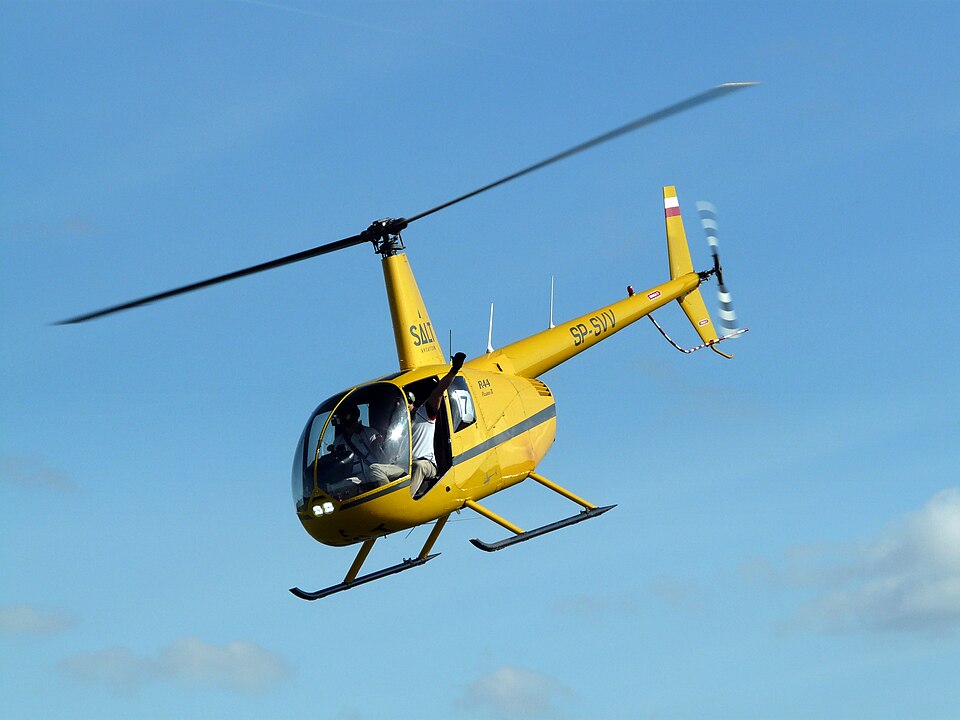
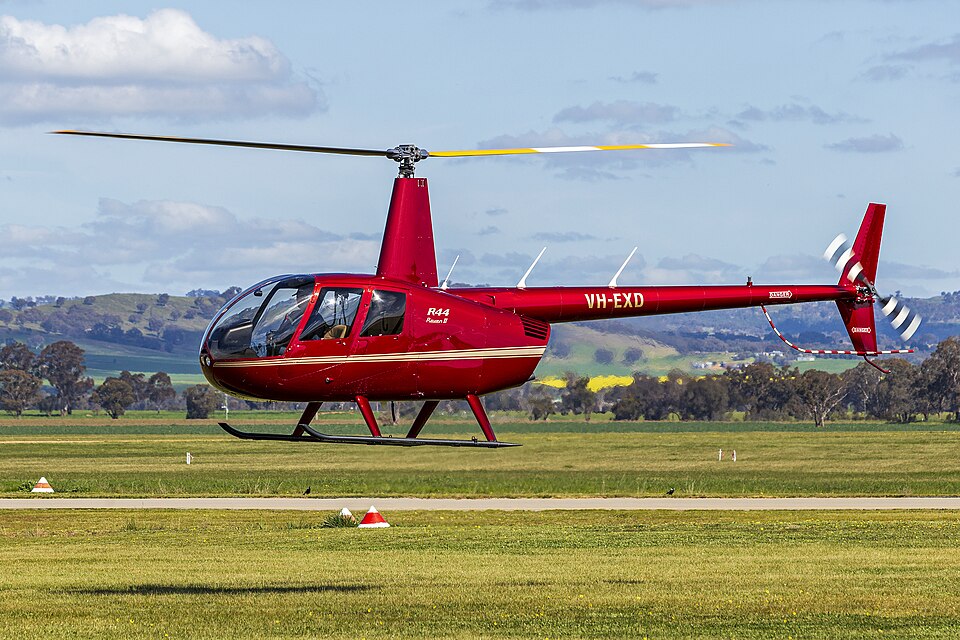
The R44 Raven II is widely considered the world's most popular personal helicopter. It seats four, including the pilot, and has been the best-selling general aviation helicopter for many years. That kind of track record speaks for itself.
The cabin has two rows of side-by-side seats. The pilot and one passenger sit up front, with two more passengers in the back. A fuel-injected Lycoming engine pushes it to around 130 mph cruise speed, with a range close to 300 nautical miles.
Why families like it:
- Easy to fly compared to other helicopters
- Lower purchase and operating cost than turbines
- Strong parts and service network around the world
- Hydraulic controls make it less tiring on long flights
The R44 works well for families who fly mostly for fun, run short business hops, or want a real personal transportation tool without jumping straight to a turbine.
Fun Fact: The Robinson R44 has been the best-selling civilian helicopter on the planet for over two decades, with thousands delivered around the world.
2. Robinson R66 Turbine
If you love the R44 but want a smoother, more powerful ride, the R66 is the natural next step. It is a five-seat turbine helicopter from the same company, built around a Rolls-Royce RR300 engine.
The R66 has an extra seat in the back compared to the R44. That fifth seat makes a real difference for a family of five or for those times when extended family wants to come along. It also has a separate cargo compartment, which is something most light helicopters lack.
Key advantages:
- Turbine smoothness and reliability
- Five seats instead of four
- Dedicated baggage area for family trips
- Higher cruise speed than the R44
The R66 also performs better at high altitudes and in hot weather, which makes it a good fit for families in mountain states or hot southern climates.
3. Bell 505 Jet Ranger X
The Bell 505 is Bell's modern five-seat turbine helicopter, built to fill the gap left when the famous Bell 206 went out of production. It seats one pilot plus four passengers and uses a Safran Arrius 2R turbine engine.
The cabin is wide and bright, with large windows that give kids a great view. A flat floor and clamshell doors on the copilot side make loading easy. The dual-channel FADEC engine control adds an extra layer of safety and reduces pilot workload.
Highlights:
- Crashworthy energy-absorbing seats
- Garmin G1000H integrated glass cockpit
- Rear seats remove easily for cargo flexibility
- Smooth, quiet ride at cruise
The Bell 505 is one of the better-rounded family helicopters available, especially for families who want modern avionics and turbine reliability without stepping up to a bigger machine.
Why It Matters: Modern glass cockpits like the Garmin G1000H reduce pilot workload during flight. That means the pilot can stay more focused on flying and on the passengers, which is a real safety win for family operations.
4. Bell 407 GXi
The Bell 407 is a step up in size and capability. It is a seven-seat single-turbine helicopter built from the bones of the older Bell 206L LongRanger. The 407 has a four-blade rotor system that gives it a smooth, planted feel in flight.
This one is for families that want to bring everyone along. Grandparents, kids, friends, and bags all fit comfortably. The Bell 407 features club-style passenger seating, which means some seats face forward and others face backward, similar to a private jet layout.
What stands out:
- Six passenger seats plus the pilot
- Strong hover capability for tight landing zones
- Comfortable interior with good legroom
- Trusted Rolls-Royce 250-C47 engine
Used Bell 407s remain a popular pick for family ownership because they hold value well and are easy to find parts and service for in most parts of the country.
5. Airbus H125
The Airbus H125, formerly known as the Eurocopter AS350, is a true workhorse. It has earned a reputation around the world for performance in tough conditions, including high altitude and hot weather. The H125 famously holds the record for the highest-altitude helicopter landing on Mount Everest.
For families, the H125 offers up to six passenger seats and great visibility through wraparound windows. It uses a Safran Arriel 2D engine that produces strong power, even in thin mountain air.
Family-friendly features:
- Up to six passengers in a flexible cabin
- High-altitude and hot-weather performance
- Glass cockpit with Garmin G500H TXi avionics
- Multi-role versatility for utility and family use
Families that live in mountain regions or fly to high-elevation vacation homes often prefer the H125 over flatland-friendly helicopters that struggle with thin air.
Quick Tip: If you plan to fly into mountain resorts or remote ranches at high elevation, ask any helicopter broker about hot-and-high performance numbers. Not every helicopter performs the same when the air is thin and the temperature climbs.
6. Airbus H130
The H130 is the more comfort-focused cousin of the H125. It comes from the same Ecureuil family but is built around passenger experience. The cabin is wider, the rotor blades are quieter, and the windows are larger.
It seats one pilot and up to seven passengers. That makes it one of the more spacious single-engine family helicopters on the market. The H130 is widely used for sightseeing tours because of its panoramic visibility, and that same feature works beautifully for family flights.
Top reasons families pick it:
- Quiet enclosed Fenestron tail rotor
- Large wraparound windows for great views
- Up to seven passenger seats
- Smooth ride with low cabin vibration
The H130's tail rotor is shrouded inside the tail boom, which makes it safer around people on the ground and quieter overall. That is a nice feature when you are loading kids or older relatives near the helipad.
7. Bell 206 JetRanger
The Bell 206 is one of the longest-serving civilian helicopters in history. Production ended over a decade ago, but used JetRangers remain a strong choice for family ownership because so many were built and so many are still flying.
It seats one pilot and four passengers and uses a single Rolls-Royce 250 turbine engine. The JetRanger has logged millions of flight hours across military, civil, and personal use, and parts and service support are excellent.
Why it still earns a spot:
- Strong safety track record
- Affordable on the used market compared to newer turbines
- Reliable turbine engine with widespread support
- Smooth, predictable handling
For families who want a turbine helicopter without paying new-helicopter prices, the Bell 206 is one of the smartest used picks out there. To see how the JetRanger compares to other top passenger helicopters, it helps to look at cabin layout and range side by side.
8. Leonardo AW109
For families with bigger ambitions and bigger budgets, the Leonardo AW109 enters the chat. This is a twin-engine, IFR-capable helicopter that has long been a favorite among VIPs, corporate flyers, and high-end family owners.
The AW109 seats up to seven or eight passengers depending on configuration. Twin engines mean redundancy if one fails, which is a big safety advantage for families that fly often or over long distances and rough terrain.
What makes it special:
- Twin-engine safety with full IFR capability
- Retractable landing gear for higher cruise speed
- Spacious cabin often customized with leather and luxury finishes
- Capable of flying in instrument weather conditions
Families who travel often, including over water or in changeable weather, find the twin-engine setup worth the extra cost. It is also a popular pick for owners who want to fly into both private estates and city helipads.
Heads Up: Twin-engine helicopters cost noticeably more to operate per hour than single-engine models. The added safety is real, but so is the added expense. Make sure your flying mission actually needs twin-engine capability before paying for it.
9. Sikorsky S-76
The Sikorsky S-76 is in another league. It is a twin-engine, IFR-rated helicopter with a luxury cabin big enough to seat six to twelve passengers depending on configuration. This is the kind of helicopter that companies and ultra-high-net-worth families use to move groups in comfort.
Heads of state, executives, and well-known names have used S-76s for decades. The cabin can be configured like a flying limousine, with leather seats, polished wood, and divider screens. It has a long range, plenty of speed, and the smoothness of a twin-turbine machine.
Family-level highlights:
- Twin Pratt and Whitney or Turbomeca engines
- Large cabin that can seat the whole extended family
- All-weather IFR capability
- Stand-up cabin in some configurations
This one is overkill for most families, but for those who fly often and want airline-style comfort with helicopter convenience, the S-76 is a strong choice.
10. Bell 429
The Bell 429 is one of the newer twin-engine offerings in this list. It seats up to seven passengers and is built for both private and commercial work. Bell often markets the 429 directly to families and business owners who want the safety of two engines without going as large as the AW139 or S-76.
The cabin is open and configurable, with a flat floor and rear clamshell doors that make loading easy. It can carry stretchers, gear, or just a family with lots of bags. The Bell 429 also offers strong single-engine performance, meaning it can keep flying safely if one engine fails.
Strengths:
- Twin-engine safety with single-pilot IFR capability
- Wide passenger cabin with flat floor
- Rear clamshell doors for easy loading
- Modern Rockwell Collins glass cockpit
For families who want twin-engine reliability in a slightly smaller and more affordable package than the AW109, the Bell 429 is worth a serious look.
11. MD 500E
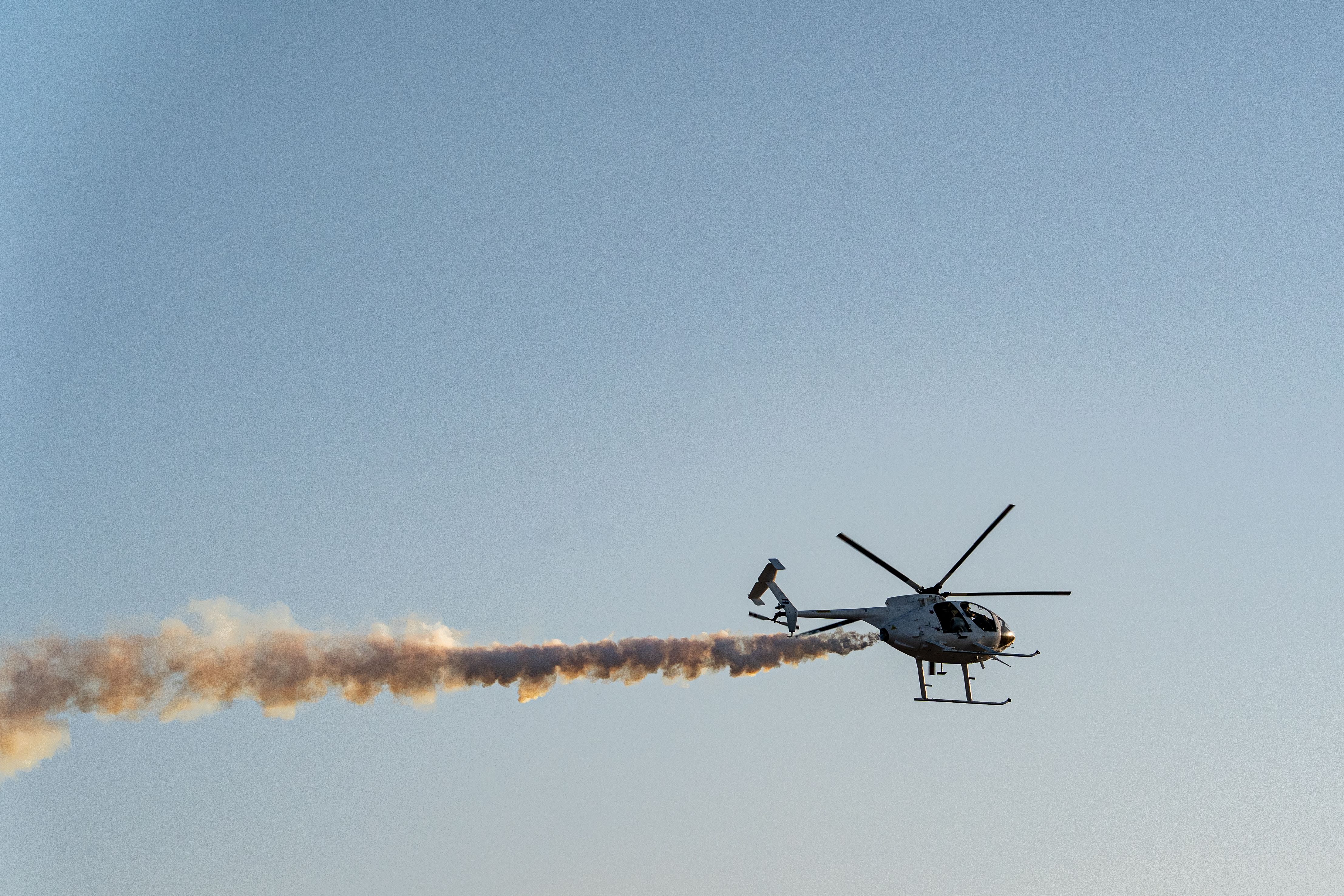
The MD 500E is the smallest and sportiest helicopter on this list. It is a piston-turbine machine known for its agility, quick response, and that classic egg-shaped fuselage. It seats up to four or five depending on configuration.
The MD 500 series has been around since the 1960s and was originally developed for the military as the OH-6. Its NOTAR variants replace the tail rotor with a stream of air, which makes them quieter and safer around the ground.
What sets it apart:
- Compact size for tight landing zones
- Strong performance for its size
- Sporty handling that pilots love
- Bright, open cabin layout
The MD 500E suits families who want something a little different. It is not the most spacious helicopter on this list, but it is a blast to fly and turns heads everywhere it lands.
Keep in Mind: Some helicopters on this list, like the MD 500E and Robinson R44, are smaller. They work great for small families but can feel tight with four full-size adults plus luggage. Always sit in a helicopter before buying it. Comfort matters more than specs.
Flying411 connects buyers with verified listings of new and used helicopters across all major manufacturers, including Robinson, Bell, and Airbus. Browse current family-friendly rotorcraft listings to compare specs and prices.
How Much Does a Family Helicopter Cost?
Helicopter prices vary widely based on type, age, and condition. A new piston helicopter can start in the mid hundreds of thousands. A new luxury twin-turbine can run into the millions.
Here is a general idea of what you can expect:
| Helicopter Type | Approximate Price Range (Used) | Approximate Price Range (New) |
| Light piston (R44) | $250,000–$500,000 | $500,000+ |
| Light turbine (R66, Bell 505) | $700,000–$1.5M | $1.2M–$1.8M |
| Mid-size single turbine (Bell 407, H125) | $1.5M–$3M | $3M–$4M+ |
| Luxury twin-turbine (AW109, S-76) | $2M–$8M+ | $5M–$10M+ |
These ranges are general and can change with the market. Add-ons, avionics, paint, interior upgrades, and recent overhauls all affect the final price.
Operating costs also matter. Piston helicopters can cost a few hundred dollars per flight hour. Big twin turbines can run well over $2,000 per hour when you factor in fuel, maintenance, insurance, and reserves for engine overhaul.
Pro Tip: Don't just budget for the purchase price. Build a real annual budget that includes hangar fees, insurance, maintenance reserves, fuel, and pilot training. Many new owners are surprised by how much these add up in the first year.
If you are considering airplanes too, the comparison guide to single-engine planes for family travel is helpful to think through alongside helicopter options.
How Many People Does a Family Helicopter Hold?
The number of seats really depends on the model. Here is a quick breakdown:
- 2 seats: Trainers like the Robinson R22. Not practical for families.
- 4 seats: Robinson R44, MD 500. Good for a small family.
- 5 seats: Robinson R66, Bell 505, Bell 206. Better for a family of four or five.
- 6 to 7 seats: Bell 407, Airbus H125, H130, Bell 429. Room for bigger families and luggage.
- 8+ seats: AW109, S-76. Built for extended family or group travel.
When picking the right seat count, think about your typical mission. If you usually fly with just your immediate family, a five-seater gives you a spare seat for friends. If you regularly travel with extended family, a six- or seven-seater is worth the extra cost.
Safety Features to Look for in a Family Helicopter
Safety is the single most important factor when you are flying your loved ones. Here are the features worth asking about when shopping:
- Crashworthy seats. These absorb energy in a hard landing and are now standard on most modern helicopters.
- Bladder fuel tanks. These reduce post-impact fire risk by holding fuel even if the tank is damaged.
- HTAWS. Helicopter Terrain Awareness and Warning Systems alert you to nearby terrain and obstacles.
- FADEC. Full Authority Digital Engine Control manages the engine automatically, reducing pilot workload.
- Twin engines. If one fails, the other keeps you flying. This is mostly available in larger and more expensive models.
- Modern glass cockpit. Better situational awareness means better decisions in the air.
Helicopter safety has improved a lot in the last 20 years. Newer machines like the Bell 505, Robinson R66, and Airbus H130 all come with several of these features as standard.
Ready to find the right helicopter for your family? Browse aircraft listings, connect with sellers, and check out aviation services at Flying411.
How to Choose the Right Family Helicopter
Picking the best family helicopter is a personal decision. There is no single right answer for everyone. Here is a simple way to narrow down your options.
Start with these questions:
- How many people fly with me on a typical trip?
- How far do I usually go?
- Do I fly in mountains, hot weather, or both?
- How important is twin-engine safety to me?
- What is my realistic annual budget?
- Will I fly the helicopter myself, or hire a pilot?
- Do I want a new or used helicopter?
Answering these questions will narrow your options quickly. A family of three flying short hops in mild weather has very different needs from a family of seven flying long cross-country trips through the Rockies.
Test flights are also key. Most dealers and brokers will arrange a demo flight, and there is no substitute for actually sitting in the seats and flying around with the family. Pay attention to noise levels, legroom, visibility, and how easy it is to load and unload.
For more cost-friendly aviation thinking, the breakdown of family planes under $100k covers entry-level aviation budgets in a useful way.
Tips for First-Time Helicopter Owners
If this is your first helicopter, a few extra tips can save you headaches and money.
- Get a pre-purchase inspection. Always have a qualified mechanic look over the helicopter before you buy. Major components like the engine, transmission, and rotor blades have life-limited parts that are expensive to replace.
- Check the logbooks. Service history tells you how well the helicopter has been cared for. A well-maintained piston helicopter is often better than a neglected turbine.
- Buy training in your specific model. Most insurance companies require model-specific training, and it is just smart safety practice.
- Plan for unexpected costs. Set aside a maintenance reserve fund for surprise repairs and parts.
- Find a good hangar. Outdoor storage shortens helicopter lifespan and is harder on paint, avionics, and engines.
Good to Know: Insurance for personal helicopter ownership can be a real challenge for new pilots. Many insurance companies require a minimum number of hours in the specific model before they will fully cover the aircraft. Plan for higher premiums in your first year or two.
If you fly with a particularly large family, the deeper guide to planes for a family of six covers seat-count thinking that applies to helicopters too.
Where Can Families Fly a Helicopter?
One of the biggest benefits of owning a family helicopter is access to places where airplanes simply cannot land. Helicopters can land in:
- Private estates with a helipad
- Mountain ranches and remote properties
- Boat docks and yachts with helipads
- Beach resorts and golf courses (with permission)
- Small city helipads near downtowns
- Wilderness areas with cleared landing zones
This kind of access is what makes helicopters magic for families. A typical small airport is often miles from the actual place you want to go. A helicopter can land much closer, sometimes right at the front door.
That said, you cannot land just anywhere. Local rules, airspace restrictions, and noise ordinances all play a role. Always check with the property owner and the local authority before landing somewhere new.
Conclusion
The best family helicopter is the one that matches your family's size, your budget, and how you actually plan to fly. The Robinson R44 has stayed at the top of the personal helicopter market for good reason. It is affordable, capable, and trusted by thousands of families. Step up to the Robinson R66 or Bell 505 for turbine smoothness. Go bigger to the Bell 407 or Airbus H130 for more seats and longer trips. Reach for the AW109 or S-76 if you need twin-engine comfort for the whole extended family.
Whatever you pick, a family helicopter changes the way you experience travel together. Weekend trips become quick adventures. Visits to family across the state become afternoon hops. The right rotorcraft really can become a part of your family's story.
Ready to find the family helicopter that fits your life? Browse current listings and connect with trusted sellers at Flying411.
Frequently Asked Questions
What is the safest helicopter for a family?
Modern twin-engine helicopters like the Bell 429, Leonardo AW109, and Sikorsky S-76 are generally considered among the safest options because of engine redundancy and full IFR capability. Among single-engine helicopters, the Bell 505 and Robinson R66 both feature modern safety systems like crashworthy seats and FADEC engine control.
Can you fly a family helicopter yourself without a co-pilot?
Yes, most light and mid-size helicopters on this list are certified for single-pilot operation. That means one trained and licensed pilot can legally fly the helicopter with family on board, no co-pilot required.
How long does it take to learn to fly a family helicopter?
Most students earn a private helicopter pilot license in around 60 to 80 flight hours, which usually takes six to twelve months part-time. Plan on additional hours for instrument training or twin-engine ratings if you choose a more advanced helicopter.
Is owning a helicopter cheaper than chartering one?
For families who fly more than around 100 hours per year, ownership often becomes more cost-effective than chartering. Below that level, charter flying tends to be the smarter financial choice because you skip fixed costs like hangar, insurance, and maintenance reserves.
Do family helicopters need a special hangar?
Helicopters do not require a special hangar but do benefit from indoor storage to protect the rotor blades, paint, and avionics. Many owners use standard general aviation hangars at small airports, with some modifications for the helicopter's rotor span and ground handling needs.