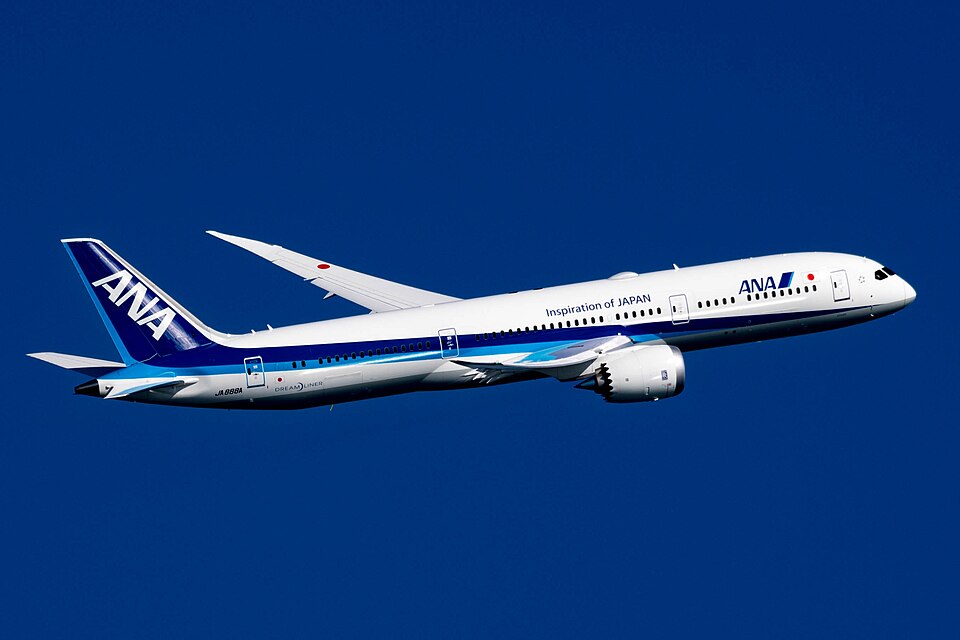
The Boeing 787 Transponder Failure AD 2026-05-01 may sound like a small technical rule. It is not. This directive points to a much bigger safety story in modern aviation.
Today's airplanes lean on radio signals to stay visible, trackable, and safely separated from other traffic. When those signals get disturbed, even a high-tech jet can run into trouble.
In this guide, we will break it down in plain words. You will learn what a transponder does, why continuous wave interference matters, where GPS jamming fits in, and what the Federal Aviation Administration (FAA) now asks operators to do.
Key Takeaways
The Boeing 787 Transponder Failure AD 2026-05-01 is a required safety fix. Some Dreamliners could lose part of their transponder function when flying through steady radio interference, known as continuous wave (CW) interference. When that happens, the airplane may not answer tracking signals the right way. The FAA's airworthiness directive tells operators to replace the affected hardware so each aircraft stays visible to air traffic control and nearby traffic. GPS jamming did not directly cause this rule, but it helps explain the wider problem of radio interference in the sky.
| Key Point | What It Means |
| Main aircraft | Certain Boeing 787 Dreamliners (787-8, 787-9, 787-10) |
| Main issue | Possible transponder loss during CW interference |
| Main risk | Reduced visibility and weaker traffic alerts |
| Required action | Replace the affected surveillance processor hardware |
| GPS jamming link | A wider interference concern, not the direct trigger |
| Why it matters | Keeps aircraft visible to ATC and nearby aircraft |
Want aviation rules explained without the headache? Flying411 gathers directives, parts info, and aircraft guides in one friendly, easy-to-scan place.
What a Transponder Does on a Boeing 787
A transponder is the airplane's electronic way of saying "I am here." When ground radar or another system sends a signal, the transponder sends back useful information. That reply can include the aircraft's identity, its altitude, and other tracking data.
On a Dreamliner, the transponder is part of a larger surveillance setup. This system helps the airplane operate safely in controlled airspace. It supports the controllers on the ground who guide traffic. It also feeds the systems inside the cockpit that help pilots spot nearby aircraft.
Here is the simple version:
- Air traffic control sends a question.
- The aircraft transponder sends a reply.
- That reply helps identify and track the airplane.
- Other safety systems use that traffic information.
- Controllers and pilots use it to keep safe spacing.
Good to Know: Many modern airliners use a system called Mode S. It is a smarter type of transponder that can share detailed, aircraft-specific data. When people talk about this 787 problem, they usually mean the Mode S function.
The transponder matters most in busy skies. Many aircraft may be climbing, descending, and crossing routes at the same time. Controllers need steady data to keep them apart. The key word here is "reply." A transponder does not help much if it fails to answer properly. If the reply is weak or missing, the airplane becomes harder to track. It does not vanish from the sky. It just means one safety layer may stop doing its job.
That is why a small black box deserves serious attention. The hardware inside still needs proper care, much like the close attention behind how technicians evaluate how technicians evaluate a part's condition before it returns to service.
Why Radio Interference Is a Growing Aviation Concern
Modern aviation runs on many radio-based systems. Aircraft talk to air traffic control. They receive navigation signals. They send out position data. They also listen for traffic information from other aircraft. All of this keeps flights smooth and safe.
But radio signals can be disturbed. This can come from jamming, spoofing, plain interference, or a strong signal sitting near the wrong frequency. The shared idea is simple. The aircraft may get bad, weak, or crowded signal information.
Common examples include:
- GPS jamming, which can block satellite navigation signals.
- GPS spoofing, which can feed false position data.
- CW interference, which can disturb certain radio equipment.
- Signal congestion, which can make communication harder.
- Equipment sensitivity, which can make a system react poorly.
The skies are also filling up with new kinds of traffic, including drones. The rules around drone operations in controlled airspace show how regulators are working to keep shared airspace organized as it gets busier.
Why It Matters: A signal problem may not make smoke or noise. It will not leave a part a passenger can see. But it can quietly weaken the systems that help aircraft navigate, talk, and stay apart. That makes it a very modern kind of safety risk.
GPS Jamming vs. CW Interference
People often mix these two up. They are not the same thing. Here is a side-by-side look so the difference is easy to remember.
| Feature | GPS Jamming | CW Interference |
| What it is | Blocking of satellite navigation signals | A steady, continuous radio signal |
| What it mainly affects | Navigation and position data | Sensitive radio gear like transponders |
| Carries a message? | Often just blocks the signal | Usually a plain, steady wave |
| Link to this AD | Part of the wider story, not the trigger | The direct focus of the directive |
| Common worry | Lost or false position | Weak or missing transponder replies |
Interference also adds workload. Pilots may need to cross-check instruments. Controllers may need to confirm identity through other tools. That kind of added pressure is exactly why regulators track human factors too, including recent pilot fatigue rule updates that aim to keep crews sharp during demanding operations.
What Made This Boeing 787 Issue Different
This Dreamliner issue stands out because of a hidden risk. The affected aircraft could lose transponder function during CW interference. The tricky part is that this loss could be unannounced. In plain words, the crew might not get a clear warning right away.
That matters a lot. A warning helps pilots act. If a system fails and a clear message appears, the crew can run the right checklist, tell air traffic control, and use backup methods. When a failure stays quiet, it is much harder to catch.
The FAA's concern centered on the Mode S transponder function. If it does not reply correctly, both tracking and traffic awareness can suffer. This was not a simple wear-and-tear swap. The problem was tied to certain signal conditions. Knowing the real state of the hardware is key here, and avoiding common part condition labeling mistakes is exactly the kind of detail that keeps a fix honest.
What made the issue serious?
- It involved a safety-related surveillance function.
- It could happen during outside signal interference.
- It could reduce correct transponder replies.
- It could affect traffic alert information.
- It might not clearly warn the crew.
- It called for a fleet-level hardware fix.
Why a Quiet Failure Is So Risky
An unannounced failure is the kind that does not clearly tell the crew it happened. Pilots are trained to handle system failures, but they need clear information to do it well. Air traffic control may notice a tracking issue first. Nearby aircraft may also receive less traffic data.
The danger grows because the transponder supports other safety functions. The Traffic Collision Avoidance System (TCAS) helps warn pilots about nearby aircraft. If the Mode S transponder function is lost, some TCAS advisory messages may also be affected. The possible risks include less reliable tracking, reduced traffic awareness, more work for pilots and controllers, and a higher chance of losing safe separation in busy airspace.
Heads Up: A quiet failure is the kind safety teams worry about most. You cannot fix what you do not know is broken. That is the whole reason regulators act early, before a hidden gap becomes a real event.
Boeing 787 Transponder Failure AD 2026-05-01: What the FAA Requires
This rule is a required safety action, not a friendly suggestion. The FAA issued an airworthiness directive because certain Dreamliners could lose transponder function while flying through CW interference. In everyday terms, the airplane could stop answering some tracking signals the right way.
The fix centers on the aircraft's integrated surveillance system processor unit, also called the ISSPU. This unit helps handle key surveillance work. Here is what the directive asks operators to do, broken into clear steps:
- Identify the affected airplanes. The directive applies to certain 787-8, 787-9, and 787-10 aircraft. Operators use the official service information to confirm which jets are on the list.
- Use the approved service bulletin. The work is tied to Boeing's alert requirements bulletin for this issue, which spells out the exact steps.
- Replace the affected hardware. Both the left and right ISSPU units may need to be swapped for corrected hardware.
- Complete the installation test. After the swap, crews run a required test to confirm the new hardware works as intended.
- Record the work for compliance. Every step must be documented so the job can be proven complete.
- Plan for parts and downtime. A widebody jet cannot be parked on a whim. Parts, labor, and maintenance slots all need careful scheduling.
- Track the deadline. Airworthiness directives come with compliance times, and operators must finish within the window the FAA sets.
Clean paperwork is a bigger deal than it sounds. Strong records prove the work was done right, which lines up with the updated maintenance records guidance that many operators already follow.
Pro Tip: For maintenance planners, the smartest move is to confirm affected tail numbers early and reserve parts before the rush. Directives often hit many operators at once, so the supply of corrected hardware can tighten fast.
Timing gets tricky when parts are scarce. The Airbus A320neo supply chain crisis showed how shortages can ripple across a whole fleet, and corrected surveillance hardware can face the same squeeze when many airlines need it at once. This kind of clear, fleet-wide directive still gives operators one defined path to correct the issue and keep their schedules steady.
How CW Interference Affects Transponder Replies
A transponder has one basic job here. It listens for a question, then sends back a reply. If CW interference disrupts that process, the transponder may miss replies or answer below the required standard. The simple flow looks like this. A ground system or nearby aircraft asks for a reply. The transponder should answer. Interference disturbs the system. The reply becomes weak, missing, or unreliable. Controllers and traffic systems then receive less useful information.
This is serious because air traffic safety works in layers. Radar, ADS-B, transponders, TCAS, pilots, and controllers all help build a clear traffic picture. If one layer gets weaker, the others still help, but the safety margin shrinks. The important point is that interference does not need to break the airplane physically. It only needs to change how a system behaves.
Where GPS Jamming Fits Into the Bigger Story
GPS jamming did not directly cause this directive. The direct issue was CW interference affecting transponder performance. That distinction matters, and keeping it straight helps the whole story make sense.
Still, GPS jamming belongs in the wider picture because it shows the same broad problem. Modern aircraft depend on trusted radio signals. If those signals are blocked, distorted, or disturbed, aircraft systems may lose useful data. GPS jamming can affect navigation. It can also weaken Automatic Dependent Surveillance-Broadcast (ADS-B) data, because the aircraft may not have a reliable position source.
CW interference hits a different part of the picture. Here, the worry was the transponder's response. So the clean way to explain it is this:
- GPS jamming can affect navigation and position data.
- CW interference can affect certain radio equipment.
- The 787 directive focuses on CW interference.
- Both show why signal protection matters in aviation.
Catching these subtle issues early is where smarter tools help. Approaches like AI-powered predictive maintenance aim to spot odd patterns before they grow into bigger faults, which fits the directive's goal of fixing risks early.
Why Airlines Must Take This AD Seriously
Airlines treat directives like this seriously because they are required safety rules. They also touch daily operations. A large aircraft cannot simply be pulled from service without a plan. Maintenance teams need parts. Engineers need instructions. Schedulers need time. Records teams need proof of compliance.
Airlines must think about:
- Which aircraft are affected.
- How soon parts can be secured.
- When maintenance can be scheduled.
- How long each airplane may be unavailable.
- How compliance records will be managed.
- How crews should understand the issue.
This matters even more for long-haul aircraft. The Dreamliner often flies long routes across countries, oceans, and busy international airspace. A surveillance issue can affect coordination between pilots and air traffic control, so a clean fix protects more than one flight.
How This Compares to Other Recent Directives
This is not the first time operators have faced a fleet-wide safety action, and it will not be the last. The Boeing 737 MAX directives, for example, showed how a single safety concern can shape work across many aircraft at once.
Keep in Mind: Each directive is different, but the playbook rhymes. Identify the affected jets, follow the approved instructions, complete the work, and record it. Operators who treat that routine as second nature tend to handle surprises better.
Engine-side actions follow the same logic. The Pratt & Whitney GTF engine directive reminded operators that a known risk needs a clear, documented plan and a firm deadline.
Smaller fleets and general aviation see the same pattern too. The point is not the size of the part. It is the discipline of the response.
Even component-level issues follow this rhythm. A Lycoming connecting rod failure directive called for prompt, specific work, just like the 787 case. Different aircraft, different parts, but the same simple truth. Operators need a clear action plan when regulators flag a safety risk.
What This AD Tells Us About Modern Aircraft Safety
This directive shows how modern safety now reaches deep into electronics, signals, and system design. Aircraft still need strong structures and reliable engines. But they also need protected digital and radio-based systems that keep working in real-world conditions.
A modern airplane depends on many connected parts working together. The transponder supports surveillance. TCAS supports traffic awareness. GPS supports navigation and timing. ADS-B supports tracking. When one system becomes vulnerable to interference, the concern can spread to pilots, controllers, dispatchers, maintenance teams, and passengers.
Aircraft are also changing fast. Progress in electric aircraft certification shows how new designs bring brand-new systems, and every new system needs protection from interference too.
Fun Fact: Transponders have long been considered one of aviation's quiet workhorses. The basic idea, an aircraft replying to a signal so it can be identified, is said to trace back to early radar identification needs many decades ago.
Regulators are busy on many fronts at once. New efforts like updated carbon emissions standards sit alongside safety directives, showing how broad modern aviation oversight has become.
All of this points to one simple lesson. Aircraft must keep communicating, stay visible to traffic systems, and hold up in messy signal conditions. Airlines must fix known risks on time, and regulators must respond when patterns appear.
As fleets grow, like the Philippine Airlines fleet expansion, keeping every aircraft's safety systems current becomes an even bigger task. The sky is still physical, but the safety net is now electronic too. Keeping that net strong is part of keeping flight safe.
Conclusion
The Boeing 787 Transponder Failure AD 2026-05-01 shows how a modern safety issue can start with radio interference, not a broken wing or engine. The direct trigger was CW interference affecting transponder performance on certain Dreamliners. GPS jamming sits in the bigger picture, reminding us that clean, trusted signals are now a core part of aviation safety.
The required fix helps protect aircraft visibility, traffic awareness, and safe separation. That matters for pilots, controllers, airlines, and passengers alike. A transponder may not be the most famous part on an airplane, but when it works, a lot of people can do their jobs with better information.
For more plain-language aviation guides, aircraft insights, and parts resources, visit Flying411. You can even list aircraft or parts for free, making it easier for buyers and sellers to connect in one aviation-focused place.
Frequently Asked Questions
Is CW interference the same as GPS jamming?
No. CW interference is a steady radio signal that can disturb certain equipment, like a transponder. GPS jamming blocks satellite navigation signals. They are different problems, but both are part of the wider radio interference issue in aviation.
Does this AD mean the Boeing 787 is unsafe?
No. It means regulators found a risk that must be fixed. Airworthiness directives are used to correct safety issues before they grow into bigger problems. The goal is to keep the fleet safe, not to ground it.
Can pilots still fly if a transponder fails?
It depends on the flight, the airspace, and the rules in place. Pilots must follow procedures and may need help from air traffic control. Some airspace requires working transponder equipment, so a failure can limit where and how an aircraft may fly.
Why does TCAS matter in this issue?
The Traffic Collision Avoidance System warns pilots about nearby aircraft. If transponder-related data is lost or reduced, some traffic alert functions may be affected too. That is one reason the FAA treated the issue seriously.
Is this related to the old 5G radio altimeter concern?
No. The FAA made clear this issue is separate from the 5G radio altimeter concern. This rule focuses on Boeing 787 transponder performance during CW interference.
What is an airworthiness directive?
An airworthiness directive is a legally required safety order from a regulator like the FAA. It tells operators to inspect, repair, or replace something on an affected aircraft within a set time. It is mandatory, not optional.
Which Boeing 787 models are affected?
The directive applies to certain Boeing 787 Dreamliners, said to include 787-8, 787-9, and 787-10 aircraft. Operators confirm the exact list using the official service information tied to the rule.
What is the ISSPU on a Boeing 787?
ISSPU stands for integrated surveillance system processor unit. It helps handle important surveillance functions on the aircraft. This directive focuses on replacing affected ISSPU hardware so the transponder works correctly during interference.
How long do airlines have to comply?
Airworthiness directives include a compliance time, which sets the deadline for the work. The exact window depends on the directive, so operators check the official rule and plan parts and maintenance around it.
Does GPS jamming affect ADS-B?
It can. ADS-B often relies on a GPS-based position source. If GPS jamming makes that position unreliable, ADS-B data can become less useful. This is one reason signal protection is a growing focus in modern aviation.