The FAA does not issue a new airworthiness directive without a good reason. When one comes out for a popular engine family that powers hundreds of jets, the whole aviation world takes notice. That is exactly what happened with Pratt & Whitney's GTF engine family. That is exactly what happened with Pratt & Whitney's GTF engine family when the FAA issued AD 2025-03-10, effective February 17, 2025.
The recall has grown so serious that some lessors have found it more profitable to strip nearly new A321neo jets for parts than to keep them flying. The story behind this latest directive involves fan blade fracture events, engine fire incidents, and a manufacturing problem that has been growing for years. Here is everything you need to know about what the FAA found, what it is requiring, and what the deadlines mean for airlines right now.
Key Takeaways
The FAA issued a new airworthiness directive for certain Pratt & Whitney PW1100G engine family engines. The reason was multiple fan blade fracture reports. Three of those fractures caused engine fire events. The directive requires changes to the thermal management system mounted on up to 586 engines. The goal is to stop fuel leaks and engine fire incidents on Airbus A320neo family aircraft. Airlines have 30 days from the effective date to comply.
| Key Detail | Information |
| Engine Affected | PW1100G (GTF family) |
| Directive Type | Airworthiness Directive (AD) |
| Root Cause | Fan blade fracture causing fuel leak and fire |
| Engines Affected | Up to 586 engines |
| Required Action | Replace thermal management system mounts |
| Compliance Deadline | Within 30 days of effective date |
| Aircraft Type | Airbus A320neo family |
| Estimated Work Hours | ~125 work-hours per engine |
| U.S. Engines (Deeper AD) | 430 engines |
| Issued By | FAA |
What Is the Pratt & Whitney GTF Engine?
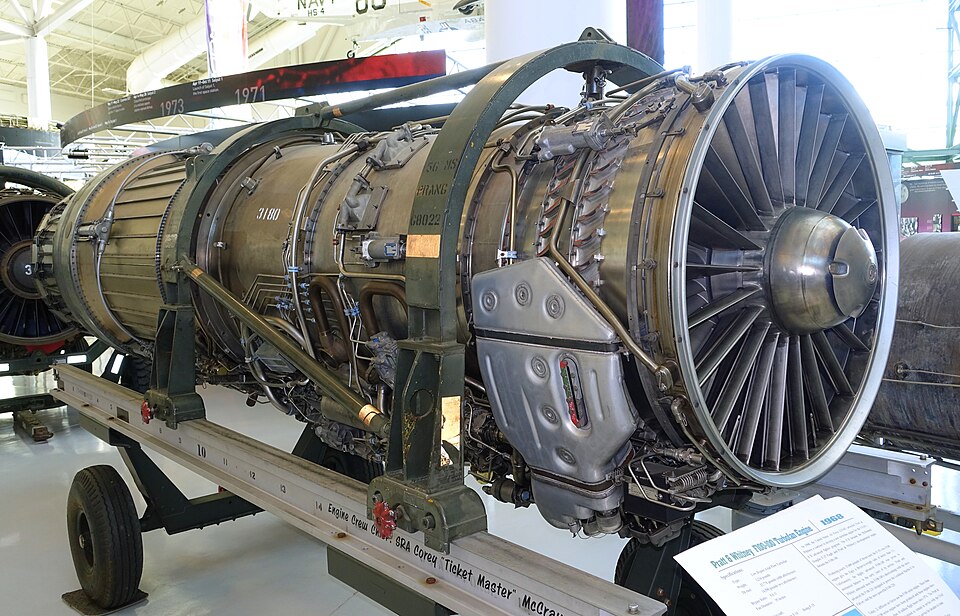
If you have flown on a newer Airbus or Embraer jet in the last few years, there is a good chance you were sitting behind a Pratt & Whitney geared turbofan engine. GTF stands for Geared Turbofan. The word "geared" is what makes this engine different from older designs.
Most jet engines spin all their parts at the same speed. The geared turbofan uses a gear system. That system lets the big front fan spin slowly while the inside turbine spins fast. This one change makes the engine run better. It burns up to 20% less fuel and makes 75% less noise than older engines. For airlines trying to save money and cut emissions, that is a big deal.
Here is a quick look at the GTF engine family and the planes it powers:
- PW1100G engine — Powers the Airbus A320neo family, including the A319neo, A320neo, and A321neo
- PW1500G engines — Powers the Airbus A220 series
- PW1900G engines — Powers the Embraer E-Jet E2 series
- PW1400G — Built for the Russian Irkut MC-21, not widely used today
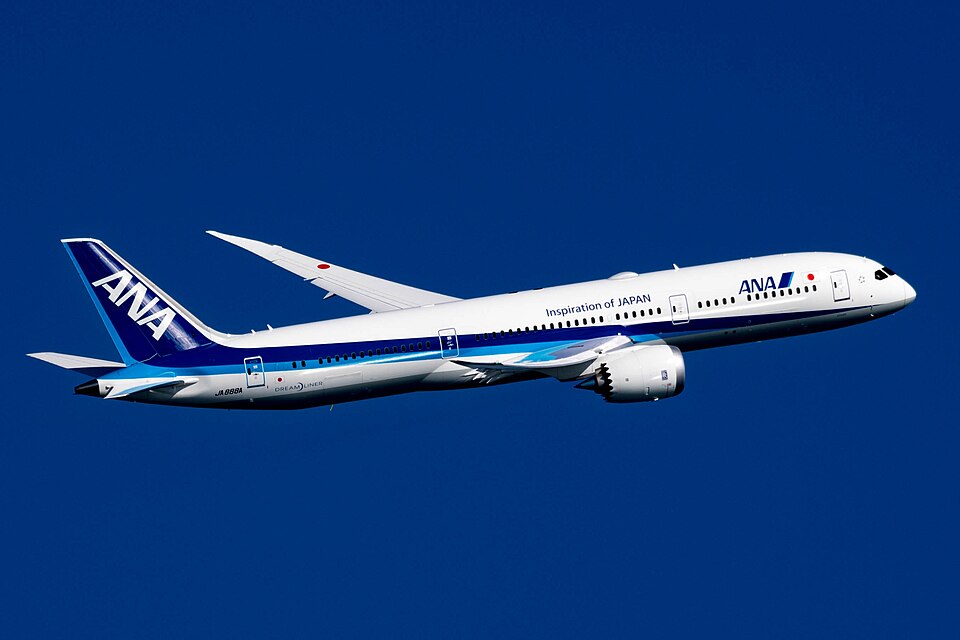
The PW1100G engine is the most common version flying today. Airbus has delivered over 2,400 GTF-powered aircraft to more than 85 customers around the world. Airlines like Delta, United, JetBlue, IndiGo, Wizz Air, and Frontier all fly jets with these engines. Over 12,000 GTF orders have been placed by more than 90 customers worldwide. That is a huge number. It means any safety issue with these engines affects a lot of people.
The geared turbofan is built with many precision parts that spin at very high speeds. Parts like high-pressure compressor rotors, turbine hubs, and bladed rotors are made using a process called powdered metal production. In this process, metal powder is pressed and shaped into very strong parts. This method makes parts that are tough and durable. But as we will see next, it also created a problem that has followed the GTF program for years.
Pratt & Whitney introduced the GTF in 2016. Airlines loved it as a replacement for older, less efficient engines. It was seen as a big step forward. But as more engines went into service and built up hours in the air, a serious problem began to show up. That problem would eventually put the FAA on high alert and lead to a string of safety directives that are still being worked through today.
Why Has the FAA Been Watching These Engines So Closely?
To understand the latest directive, you need to know about a manufacturing flaw that has caused big problems for Pratt & Whitney, its airline customers, and regulators around the world. It all comes down to powdered metal.
Between roughly October 2015 and September 2021, certain engine parts were made using the powdered metal process. During that time, a rare flaw was introduced into the metal. Tiny defects formed deep inside the parts. You could not see them with normal inspection tools. These hidden flaws made the parts much more likely to crack and break sooner than expected.
The problem first got serious attention on December 24, 2022. A Viva Aerobus Airbus A320neo stopped its takeoff after its PW1127GA-JM engine, part of the PW1100G engine family made by International Aero Engines, had a part break inside the high-pressure compressor. The part that broke was the 7th-stage integrally bladed rotor. The crew stopped the plane safely. No one was hurt. But the event led Pratt & Whitney to review its records, and that review uncovered a much bigger problem.
The review found that the same powdered metal flaw had affected many critical parts. Those parts were at risk of breaking far sooner than originally planned. Here is a summary of what was found:
- HPT 1st-stage hubs — At risk of early failure
- HPT 2nd-stage hubs — At risk of early failure
- HPC IBR-7 and IBR-8 — The compressor rotors at the center of the incident
- HPC rear hub — Also flagged as a concern
- Multiple related seals and blade retaining plates
The federal aviation administration responded with a series of directives. An early emergency AD focused on the HPT hubs. At first, only about 20 U.S. engines were thought to be at immediate risk, mostly in the Spirit Airlines fleet. But as the investigation grew, so did the numbers. A 2024 directive found that 430 engines in the U.S. alone would need inspections or part replacements. The cost to U.S. carriers topped $150 million.
At the same time, Pratt & Whitney announced in mid-2023 that up to 1,200 engines would need early shop visits. That number eventually grew to nearly 3,000 engines worldwide. The result was a massive grounding problem. By late 2025, 835 GTF-powered aircraft were sitting unused around the world. That was about one-third of the entire GTF fleet. Airlines like Wizz Air, Volaris, and VivaAerobus had dozens of planes parked at any given time.
This is the background behind the latest airworthiness directive. Knowing this history helps explain why the FAA moved fast when fan blade fracture reports started coming in.
What Happens When a Fan Blade Breaks Inside a Jet Engine?
Jet engines are built to handle a lot of stress. The parts inside spin very fast, sometimes thousands of times per minute, while dealing with extreme heat and pressure. Engineers build safety margins into these systems. But when a fan blade fracture happens, it can start a chain of events that those safety margins cannot always stop.
Here is what can happen, step by step, when a fan blade breaks during flight:
- The blade fractures — A small crack finally gives way under the normal stress of flight
- The broken piece flies outward — At high spin speed, a broken blade is thrown with enormous force
- It can hit internal parts — Fuel lines, hydraulic tubes, and other systems are nearby. A fragment can cut right through them
- Fuel leaks — If a fuel line is damaged, jet fuel starts spraying near the hot engine
- An engine fire starts — Fuel and extreme heat together are very dangerous. Three of the engine fire events linked to the fan blade fracture reports in the latest directive resulted in fires under the engine cover or pool fires on the ground
- The situation gets worse — An uncontrolled fire can spread to the plane, and an engine failure can affect the aircraft's ability to fly safely
The FAA is direct in its language for these directives. If the unsafe condition is not fixed, the result could be an uncontained part failure, release of high-energy debris, damage to the airplane, and even loss of the airplane. That is not an exaggeration. It is a clear statement of what can happen when a high-speed rotating part breaks loose inside an engine.
This is why the latest directive targets the thermal management system mounts on affected engines. When a fan blade fracture happens, the force involved puts stress on these mounts. If they shift or break, a fuel leak can develop. A fuel leak near a hot engine leads to fire. The fix requires modifications to PW1100G engines to replace those mounts with a new design that lowers the risk. Here is what operators need to know:
- The fix involves removing one loop cushion clamp from the fuel cooler tube assembly, replacing the thermal management system mounts with a new design, and putting the clamp back
- The estimated work time is about 125 work-hours per engine
- The directive covers up to 586 engines on A320neo family aircraft
- Compliance is required within 30 days of the directive's effective date
The fan blade fracture concern is not new to aviation. Similar events have led to directives for other engine types in the past. But the size of the GTF problem, combined with the powdered metal history, makes this latest directive part of a much bigger safety story. An engine shop visit to complete these changes will be required for hundreds of operators in the weeks ahead.
The turbofan engines in the GTF family were designed to be a long-term solution for efficient air travel. Fixing these problems is part of making sure they deliver on that promise.
The FAA Just Issued a New AD for Pratt & Whitney PW1100G Engines — Here Is What It Requires
So what does this latest directive actually say, and what does it require airlines to do?
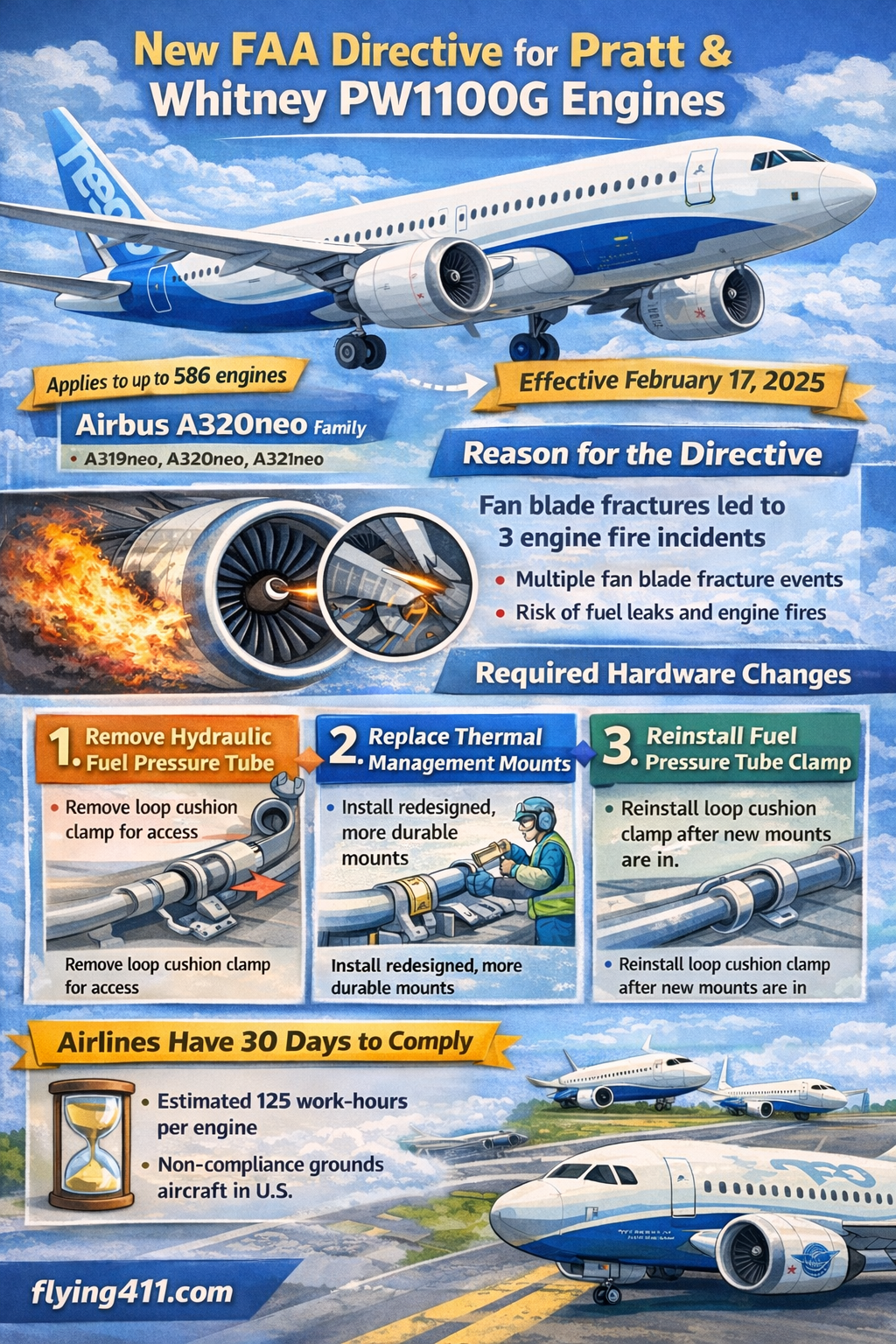
The federal aviation administration published this directive after getting multiple reports of fan blade fracture events on Pratt & Whitney PW1100G engine family engines. Three of those fractures led to engine fire incidents. That kind of pattern gets the FAA's attention fast. The agency issued a formal airworthiness directive requiring specific hardware changes on a large number of jets in commercial service across the U.S. and beyond.
The directive is officially called AD 2025-03-10 under Docket No. FAA-2024-2026. It took effect on February 17, 2025. It applies to the PW1100G engine, which powers the Airbus A320neo family of narrow-body jets. That includes the A319neo, A320neo, and A321neo. These are some of the most common commercial aircraft flying today.
What the Directive Actually Requires
When a fan blade fracture happens inside the engine, the forces created put heavy stress on the thermal management system mounts. These mounts hold key parts in place near the engine's fuel and oil systems. If they fail or shift, a fuel leak can develop. A fuel leak near a hot engine leads to fire.
To stop that chain of events, the FAA orders the following actions on all affected engines:
- Remove one loop cushion clamp from the hydraulic fuel pressure fuel oil cooler fuel tube assembly
- Replace the existing thermal management system mounts with a new redesigned version
- Put the loop cushion clamp back after the new mounts are in place
These modifications to PW1100G engines are not optional. They are legally required under federal aviation rules once an airworthiness directive takes effect. Operators who do not comply by the deadline cannot legally fly those aircraft in U.S. airspace.
The estimated time to finish the work is about 125 work-hours per engine. That is a big commitment for any maintenance team. With up to 586 engines covered under this directive, the total workload across the industry adds up fast.
Which Engines and Aircraft Are Covered
This directive covers specific serial numbers and part types within the PW1100G engine family. Not every PW1100G in service is automatically included. Operators need to check their engine records against the AD requirements carefully.
That said, the scope is wide. Here is what the numbers look like:
- Up to 586 engines are covered under the fan blade fracture and thermal management system mounts modification requirement
- A separate but related directive targets 430 engines in the U.S. that need deeper inspections and part replacements tied to the powdered metal problem
The aircraft most directly affected are A320neo family jets with PW1100G engine family engines installed. Airlines flying these jets in the U.S. and internationally must all meet the same requirements once the directive takes effect in their region.
It is worth noting that this directive is focused only on the PW1100G engine. The PW1500G engines powering the Airbus A220 and the PW1900G engines powering the Embraer E-Jet E2 series are separate versions with their own AD histories. They share the same geared turbofan design and have faced related issues tied to the same powdered metal problem, but they are covered under different directives.
Where This Specific AD Comes From
The official starting point for this directive goes back to the December 24, 2022 incident involving a PW1127GA-JM engine on a Viva Aerobus A320neo. That engine, made by International Aero Engines, had its 7th-stage integrally bladed rotor break apart in the high-pressure compressor during the takeoff roll. The crew stopped the plane safely and no one was hurt. But the event triggered a full engineering investigation that eventually uncovered the powdered metal flaw affecting a wide range of engine parts.
The fan blade fracture events that led to this specific directive were found to be a separate but related problem. When a blade breaks loose, the forces placed on nearby parts, including the thermal management system mounts, create a second risk of fuel leakage and fire. Three of the reported events turned into actual engine fire incidents before the cause was fully understood and a fix was ready.
The unsafe condition identified in the directive is clear. An uncontained rotor failure or fuel-fed fire could cause damage to the airplane or, in the worst case, loss of the airplane. That is the standard language the FAA uses when the risk is real and the cost of doing nothing could be catastrophic. An engine failure of this kind is exactly what this directive is designed to prevent.
Compliance Deadline and What Happens Next
Airlines have 30 days from the effective date of AD 2025-03-10 to finish the required changes. That means scheduling an engine shop visit, taking the engine out of service if needed, completing the mount replacement, and getting the aircraft back to airworthy status.
For operators already dealing with the broader GTF recall and a long list of aircraft waiting for shop visits, this adds one more item to an already full schedule. The aviation industry has been managing GTF-related groundings for several years. This directive is another sign that the work is not finished yet.
The good news is that the fix is clearly defined. Pratt & Whitney has already provided the service documentation. The redesigned mounts are available now. Operators are not waiting for a solution. The solution is ready, and the timeline is set.
If you want to understand how engine maintenance timelines and overhaul intervals work, What Is TBO in Aircraft Engines? Hours, Rules, and Costs Explained breaks down exactly how operators track and manage engine life limits. And once an engine comes out of an engine shop visit like this one, caring for it properly matters. Aircraft Engine Preservation Procedure: A Guide With Tips covers what good post-maintenance care looks like and why it makes a difference in the long run.
Conclusion
Safety in aviation moves fast. This latest directive for Pratt & Whitney GTF engines shows exactly how the system is supposed to work. The FAA spotted a pattern, looked into the cause, and issued clear steps to fix it before something worse happened. For airlines, that means inspections, modifications to PW1100G engines, and grounded jets. For passengers, it means the planes flying overhead are being held to a very high standard.
The GTF story is still going. The powdered metal problem is being worked through. The GTF Advantage is entering service with better materials and design improvements. Pratt & Whitney has been ramping up its repair output. Recovery is expected to continue through the end of the decade, but real progress is being made.
If you want to stay current on airworthiness directive updates, engine safety news, and what it all means for aircraft owners and pilots, Flying411 has you covered. We break down the technical details into plain language so you always know what is happening in the sky above you.
Frequently Asked Questions
Does this AD affect private or general aviation aircraft?
No. This directive targets commercial jet engines in the Pratt & Whitney PW1100G engine family, which power large Airbus A320neo family aircraft. General aviation aircraft use completely different engine types and are not affected by this directive.
Can airlines keep flying aircraft with affected engines while waiting for the fix?
In most cases, yes, but only within the compliance window set by the FAA. The directive gives operators a set deadline to complete the required changes. Airlines flying with unmodified engines past that deadline would be breaking the rules of the directive.
How does the FAA decide when to issue an airworthiness directive?
The FAA issues an AD when a known or suspected safety issue is confirmed in a certified aircraft or engine. It usually follows incident reports, manufacturer analysis, or findings from engineering reviews. The directive legally requires operators to take corrective action.
What is the GTF Advantage and does it fix these problems?
The GTF Advantage is a redesigned version of the PW1100G engine that received FAA type certification in February 2025. It has better materials, improved cooling, and more durable parts. It is built to avoid the problems seen in earlier engines and is now the production standard for new GTF deliveries.
Why does it take so long to complete engine shop visits during a recall like this?
An engine shop visit requires removing the engine from the aircraft, fully taking it apart, checking every critical part, replacing flagged components, and putting it all back together before reinstalling it. This process can take close to a year per engine. With thousands of engines in the queue, MRO facilities are under enormous pressure to keep up.