A bolt is a small thing. It costs a few dollars. It fits in your palm. And when the wrong one goes into the wrong place on an airframe, it can bring down an airplane full of people. That is the uncomfortable truth behind counterfeit aircraft parts, and it is the reason mechanics, buyers, and owners spend so much time staring at paperwork before they ever pick up a wrench.
Fake parts do not arrive with a warning label. They arrive in clean boxes, with crisp certificates, from sellers who answer the phone quickly and quote a price that feels like a win. The whole trick depends on looking normal. Which means the people who catch these parts are usually the ones who slow down at the exact moment everyone else speeds up.
The good news is that bogus parts almost always leave fingerprints. You just have to know where to look for them.
Key Takeaways
You spot counterfeit aircraft parts by checking three things together: the paperwork, the part itself, and the seller behind it. A real part comes with a clean, traceable document trail back to an approved manufacturer or repair station. A fake part usually has paperwork that does not match the hardware, markings that look off, or a seller who cannot explain where the part came from. When any of those three pieces fails, you stop and quarantine the part.
| What to Check | What Good Looks Like | Warning Signs |
| Documentation | FAA Form 8130-3 or EASA Form 1, complete and legible, matching the part | Photocopies of photocopies, blurred stamps, missing block entries, mismatched fonts |
| Traceability | An unbroken chain back to the manufacturer or approved repair station | Gaps in ownership history, vague "from a teardown" answers, no source named |
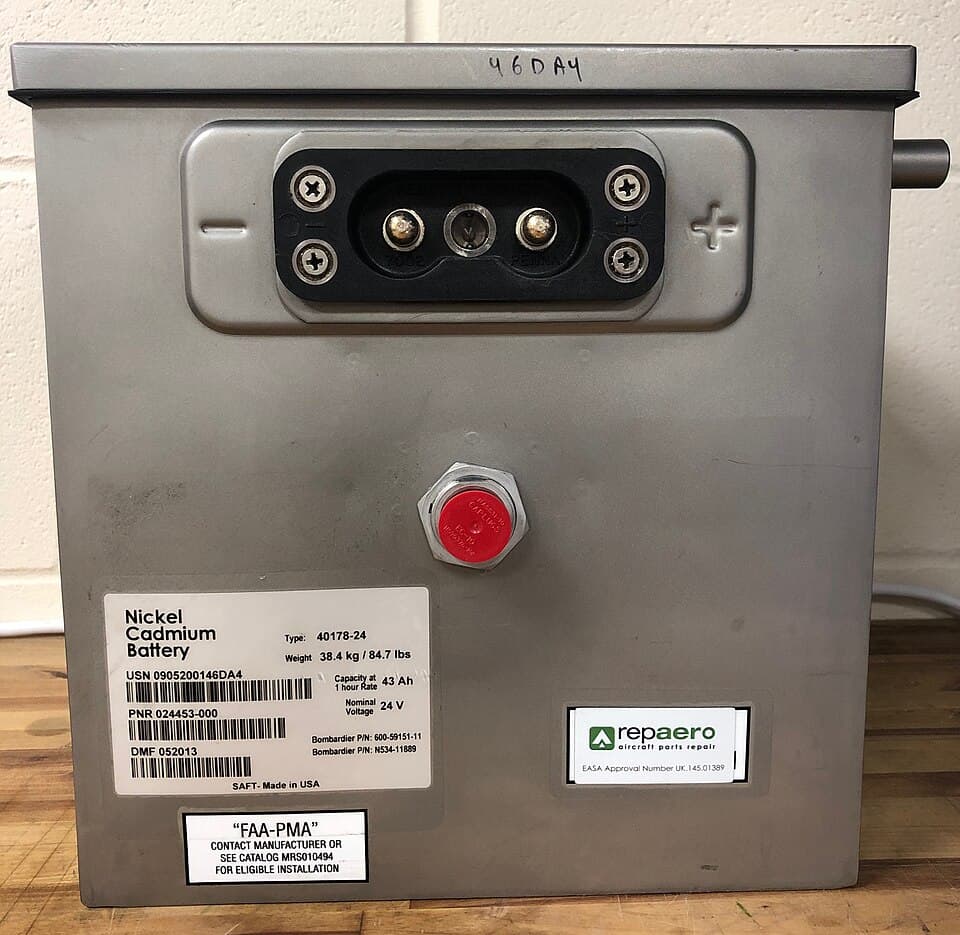
| Part markings | Correct part number, serial number, and manufacturer marks | Hand-stamped numbers, misspellings, ground-off surfaces, fresh data plate rivets |
| Physical condition | Condition matches what the paperwork claims | "Overhauled" tag on a part with corrosion, wear, or old paint |
| Packaging | Proper protective packaging, correct labels, matching part numbers | Generic bags, mismatched labels, damaged or reused boxes |
| Seller | Accredited distributor or known repair station with a real quality system | No accreditation, no physical facility, pressure to buy fast |
| Price | In line with the market for that condition code | Far below market with no clear reason |
Flying411 brings aircraft, engines, parts, and certified aviation professionals together in one place, so buyers can see who they are dealing with before money changes hands.
What Counts as a Counterfeit Aircraft Part
People use a few different terms here, and they do not all mean the same thing. Getting the language right helps you ask better questions.
A counterfeit part is one that was made or altered to imitate an approved part, without the right to do so, with the goal of fooling the buyer. Think of a bearing stamped with a famous manufacturer's mark that never came from that manufacturer. Or a time-limited component with fresh paperwork that hides how many hours it already flew.
An unapproved part is a wider category. Counterfeits sit inside it, but so do parts that failed inspection at the factory, parts repaired by someone without the proper authority, and parts that are perfectly fine in a lawnmower but were never approved for flight.
Regulators use the phrase suspected unapproved parts for anything in question before an investigation settles the matter. That word "suspected" carries weight. You do not need proof to pull a part out of service. Doubt is enough.
The Main Categories of Bad Parts
Most problem parts fall into a handful of buckets:
- Outright fakes. Made from scratch to look like the real thing, often with wrong materials or missing heat treatment.
- Misrepresented used parts. Real parts with a real history, sold with paperwork that hides scrap status, damage, or expired life limits.
- Rejected production parts. Parts that failed quality checks at the factory and were supposed to be destroyed, but walked out the back door instead.
- Improperly repaired parts. Worked on by a shop without the authority or approved data to do that work.
- Stolen or salvaged parts. Pulled from wrecked or scrapped aircraft, then cleaned up and quietly reintroduced.
Good to Know: Not every part needs an airworthiness release document. Standard parts like certain nuts, bolts, and rivets built to an established industry specification follow different rules. Knowing which category your part falls into keeps you from chasing paperwork that was never required.
Why Fake Parts Get Into the Supply Chain
Aviation runs on trust and paper. A part changes hands several times between the factory floor and the aircraft, and each handoff depends on the last one being honest. That works well most of the time. It also creates openings.
Three pressures make those openings wider:
- Cost pressure. Maintenance is expensive, and a cheaper part is always tempting.
- Time pressure. An aircraft on the ground burns money by the hour. A supplier who says "I have it in stock, shipping today" gets attention fast.
- Scarcity. When a popular part is back-ordered for months, buyers start calling brokers they have never used before.
Fraudsters live in that gap. They know that a grounded jet makes people less careful, so they show up exactly when the buyer is most desperate.
Fun fact: the aftermarket for used serviceable material is completely legitimate and helps keep older fleets flying affordably. The problem is never used parts. The problem is used parts wearing a costume.
The difference between honest surplus and dishonest surplus comes down to records. That is why understanding used versus new aviation inventory matters so much for anyone buying outside factory channels.
The Paper Trail: How Approved Parts Prove Themselves
Paperwork is the front line. Before anyone inspects threads or checks a serial number, the documents tell most of the story.
Release Documents and What They Mean
In the United States, the standard airworthiness release document is the FAA Form 8130-3. In Europe, the equivalent is the EASA Form 1. Both do the same basic job. They state what the part is, what condition it is in, who released it, and under what authority.
Read every block. Do not just glance at the header and file it.
- Part number and serial number must match the hardware in your hands, character for character.
- Status block should clearly say new, overhauled, repaired, inspected, or tested. Vague wording is a red flag.
- Signature and certificate number should belong to a real, verifiable organization.
- Remarks section often hides the important details, including references to the approved data used.
If you work across regions, the differences between the two main release forms are worth knowing well, because a form accepted in one jurisdiction is not automatically accepted in another.
What Strong Traceability Looks Like
Good aircraft parts traceability reads like a story with no missing chapters. It answers a simple question: where has this part been since it left the factory?
A solid package usually includes:
- The original release document from the manufacturer or approved repair station
- Purchase orders or invoices linking each owner in the chain
- Teardown reports for parts pulled from an aircraft or engine
- Non-incident statements confirming the source aircraft was not in an accident or fire
- Shelf life and life-limit records where they apply
A deeper look at how parts documentation works will show you how these pieces fit together into one clean file.
Heads Up: Paperwork that looks too perfect deserves a second look. Real documents from the 1990s often show their age. A crisp, freshly printed certificate for a part released twenty years ago is a reason to start asking questions.
How to Spot Counterfeit Aircraft Parts: 10 Warning Signs
Here is the practical part. These are the signals that experienced inspectors and buyers train themselves to catch. Any one of them can be innocent on its own. Two or three together mean stop.
1. The Paperwork Does Not Match the Hardware
Start here every time. Lay the document next to the part and compare the part number, serial number, and revision letter. Look for transposed digits and missing suffix letters. A single wrong character can mean the part belongs on a different model entirely.
Part numbering systems carry real meaning, and knowing how manufacturer part numbers work makes mismatches much easier to catch.
2. Sloppy Document Quality
Forgers copy, scan, and edit. That process leaves marks.
Watch for:
- Mixed fonts inside the same form
- Blurry or partly missing inspector stamps
- White-out, erasures, or fields that look pasted in
- Misspelled manufacturer or repair station names
- Certificate numbers that do not appear in the issuing authority's database
3. Markings That Look Hand-Applied
Manufacturers mark parts using consistent, repeatable methods. Laser etching, chemical etching, vibro-peen, and ink stamps each leave a signature look.
Hand-stamped numbers with uneven spacing, crooked lines, or shallow depth are a strong signal. So are markings that sit in the wrong location compared with a known-good sample.
4. Evidence of Removed or Altered Identification
Some sellers grind off the original marking and apply a new one. Look for polished or sanded patches around the identification area. Check for fresh rivets holding an old data plate. Look for paint that covers the marking area but nothing else.
Pro Tip: Keep a known-good reference part or high-quality photos of one in your receiving area. Side-by-side comparison catches problems that a written description never will.
5. Condition That Contradicts the Certificate
This one catches many fakes. A part tagged as overhauled should look overhauled. If you see corrosion, pitting, worn mating surfaces, old sealant, or grime under fresh paint, the paperwork is lying.
The same goes for new parts. A "new" part with scratches, tool marks, or installation wear on the flanges did not come straight from a production line.
6. Wrong Weight, Finish, or Material Feel
Counterfeiters cut corners on material because material is expensive. A part made from the wrong alloy often feels lighter or heavier than expected. Surface finish may look dull where it should be bright, or rough where it should be smooth.
Plating is another giveaway. Cadmium, anodize, and other protective finishes have a distinct look. Blotchy, thin, or uneven coating suggests a backyard process.
7. Packaging That Does Not Fit the Part
Real suppliers protect what they ship. Bearings arrive sealed and oiled. Electronics arrive in static-shielded bags. Machined parts arrive with thread protectors and caps.
Warning signs include:
- Generic plastic bags with handwritten labels
- Reused boxes with old shipping labels still attached
- Barcode labels that do not scan or that point to a different part number
- Missing or damaged tamper seals
8. A Price That Does Not Make Sense
Every part has a rough market range for each condition code. When a quote sits far below that range, there is a reason. Sometimes the reason is honest, like an inventory clearance or a large surplus lot. Often it is not.
Ask directly why the price is low. An honest seller has a clear answer and can prove it. A fraudster gets vague or changes the subject.
9. A Seller Who Cannot Explain the Source
Ask one simple question: where did this part come from? You want a specific answer. A named teardown aircraft with a tail number. A named repair station. A named distributor.
Answers like "a private collection," "an estate sale," or "I would rather not say" are the end of the conversation.
10. Pressure to Decide Immediately
Urgency is the oldest tool in fraud. "Another buyer is looking at it." "This price expires today." "I can ship in an hour if you send payment now."
Real suppliers understand that a buyer needs time to verify documents. They expect the questions. They welcome them, because good paperwork is their competitive advantage.
Why It Matters: Installing an unapproved part can void the airworthiness of the aircraft, expose the mechanic who signed the logbook, and create liability that follows the aircraft for years. The cheap part stops being cheap the moment someone finds it.
Flying411 lists new, overhauled, and serviceable aircraft parts and avionics alongside the certified mechanics and repair shops who can verify them, so you can source and validate in the same place.
Red Flags in the Seller, Not the Part
Sometimes the part is fine and the seller is the problem. Vetting your supplier is often faster than inspecting the hardware, and it stops trouble before it ships.
Signs of a Supplier Worth Trusting
- Accreditation under a recognized industry quality standard for distributors
- A real physical address and warehouse you can verify
- A written quality manual and a documented receiving inspection process
- Willingness to send full document packages before payment
- A traceable business history with references you can call
Signs of a Supplier to Walk Away From
- No accreditation and no repair station certificate
- A website with stock photos and no company history
- Contact only through a mobile number or messaging app
- Payment demanded by wire transfer to a personal account
- Documents sent only as low-resolution images
Keep in Mind: Strong supplier vetting is the highest-value habit in the whole process. Careful aircraft parts supplier vetting filters out most bad hardware before you ever open a box.
Testing and Inspection Methods That Help
Visual checks catch a lot. Sometimes you need more. The right test depends on the part and the level of doubt.
| Method | What It Checks | Best Used For |
| Dimensional inspection | Sizes, tolerances, thread pitch | Machined parts and fasteners |
| Hardness testing | Heat treatment and material strength | Bolts, pins, gears, structural fittings |
| Material analysis | Alloy composition | Any part suspected of wrong material |
| Dye penetrant or magnetic particle | Surface cracks | Highly stressed metal parts |
| Eddy current or ultrasonic | Subsurface flaws | Structural and rotating components |
| Microscopy of markings | Marking method and depth | Suspected altered identification |
Most operators do not run these tests in-house. That is fine. The point is knowing which questions a lab can answer, so you can send a suspect part to the right place instead of guessing.
For a step-by-step approach to confirming eligibility before installation, the process for confirming a part is airworthy covers the checks that matter most.
Where PMA Parts Fit Into All of This
There is a common mix-up worth clearing up. Aftermarket does not mean illegitimate.
PMA parts are produced under a Parts Manufacturer Approval, which means a company other than the original manufacturer has approval to build that part. These are legal, approved, and used across the industry every day. Many are excellent, and they often cost less than factory parts.
The confusion happens because counterfeiters sometimes claim PMA status they do not hold. The fix is simple. Approval holders and their approved articles are searchable in regulatory databases. If a seller claims PMA approval, verify the holder and the specific article.
If the category is new to you, a plain-language look at how PMA approval works clears up most of the myths.
Quick Tip: Verify the approval, not the claim. A seller saying "it is PMA" means nothing until you find the approval holder and the part number in the official listing.
What to Do When You Suspect a Part Is Fake
Finding a suspect part is not a crisis. Handling it badly is. Follow a set sequence so nothing gets lost.
- Stop. Do not install it. If it is already installed, coordinate removal with your maintenance provider.
- Quarantine it. Move the part to a segregated, clearly labeled area where it cannot be pulled by mistake.
- Preserve everything. Keep the packaging, labels, shipping documents, emails, and invoices. The paper around the part is often the strongest evidence.
- Photograph it. Capture the markings, data plate, packaging, and the documents at high resolution.
- Contact the manufacturer. Original manufacturers can often confirm quickly if a serial number was ever issued.
- Notify your regulator. In the United States, suspected unapproved parts are reported to the FAA using the designated reporting form or the FAA Hotline. Reporters can request confidentiality.
- Check your inventory. If one part from a seller is suspect, look at everything else you bought from them.
- Tell your customers. If you sold or installed parts from that source, downstream operators need to know.
Heads Up: Do not return a suspect part to the seller before reporting it. Sending it back removes the evidence and puts the same part into someone else's aircraft.
Real Cases That Changed the Industry
History explains why the rules feel strict.
A widely cited example is a 1989 Convair accident off the Danish coast, where investigators reported that substandard fasteners and hardware in the tail contributed to the breakup of the aircraft. All aboard were lost. The case is still taught because the parts involved looked ordinary.
More recently, a United Kingdom parts distributor sold engine components with falsified documentation over a period of several years. Regulators in multiple countries issued alerts. Engine makers and airlines launched a global hunt for affected components, and some aircraft were pulled from service while checks were completed. The company's director later pleaded guilty to fraudulent trading and received a multi-year prison sentence. Reporting on the case described tens of thousands of parts entering the supply chain with false records.
Two lessons stand out from that case:
- The hardware was often real. The fraud lived almost entirely in the documents.
- Detection came from the paper trail. Suspicion started when certificates did not check out, not when a part failed on wing.
Fun fact: the affected engine family is one of the most widely produced in commercial aviation history, which is exactly why the fraud rippled across so many carriers at once.
That kind of exposure spreads across every fleet type. An operator flying the widebody twins that replaced older four-engine jets shares the same parts pipeline as one flying a fleet of narrowbodies, and shares the same risk.
Building a Buying Process That Keeps Fakes Out
A good process beats good instincts, because a process works even on the day you are tired and the aircraft is grounded.
Before You Buy
- Approve suppliers in advance and keep an approved vendor list
- Require full document packages before payment, not after
- Set a rule that no purchase happens from an unvetted source without a second signature
- Know the market price range for the parts you buy often
At Receiving
- Inspect every incoming shipment against the purchase order and the certificate
- Compare part numbers, serial numbers, and condition codes
- Check packaging integrity and labels
- Photograph and file the documents with the part record
- Quarantine anything questionable immediately
On the Shop Floor
- Train technicians to speak up when hardware feels wrong
- Never install a part with incomplete or unclear records
- Log the source of every part in the aircraft records
- Destroy and report scrap parts so they cannot be resold
Good to Know: Fleet type influences risk. Newer aircraft such as those compared in the modern twin-aisle matchups rely heavily on digital records that flag missing certificates automatically, while older fleets depend more on human review.
Operators running mixed narrowbody fleets face a similar split, since the paperwork systems behind the older and newer 737 variants are not identical. The same is true when comparing generations of widebodies like the 777 and the 787, where composite structures and new material specifications add another layer of verification.
Ready to buy with confidence? Browse verified aircraft, engines, and parts listings on Flying411 and connect directly with certified mechanics, avionics specialists, and MRO providers.
Final Thoughts on Keeping Fakes Off Your Aircraft
Spotting counterfeit aircraft parts is less about being suspicious of everyone and more about being consistent with everything. Check the documents. Check the hardware against the documents. Check the seller behind both. When those three agree, you can install with confidence. When they disagree, the part waits.
The people who get burned are rarely careless. They are usually rushed. A grounded aircraft, a tight budget, and a friendly voice on the phone offering an immediate fix add up to a bad decision that felt reasonable at the time. Building a habit of verification protects you from your own worst day.
Every part you install carries your name on it. Make sure the story it tells is true.
Fly smarter and source safer. Find trusted listings, certified professionals, and honest paperwork at Flying411, where the aviation marketplace comes with people you can reach.
Frequently Asked Questions
Is it illegal to sell counterfeit aircraft parts?
Yes. Knowingly selling parts with falsified documentation or false approval claims is fraud, and it can bring criminal charges, prison time, and heavy financial penalties in most aviation jurisdictions.
Can a counterfeit part be detected after it is already installed?
Often yes, usually during a records audit or a scheduled inspection when serial numbers and certificates are cross-checked. Some are found only after an unexpected failure, which is why record reviews matter as much as hands-on checks.
Who is responsible if an unapproved part is installed on an aircraft?
Responsibility can reach the mechanic who installed it, the shop that released it, the distributor who sold it, and the owner who accepted it. The person signing the maintenance release carries direct exposure.
Are cheaper aftermarket parts more likely to be counterfeit?
No. Approved aftermarket parts go through their own regulatory approval process and are widely used. Risk comes from unverified sellers and missing paperwork, not from price alone.
How often do regulators publish unapproved parts notifications?
Aviation authorities publish notifications as investigations conclude, with no fixed schedule. Subscribing to those alerts and reviewing them against your inventory is a simple way to stay current.