Every engine on every aircraft has a clock running behind the propeller or fan. It ticks with each takeoff, each hour aloft, and each heat cycle inside the cylinders or turbine wheels. At some point that clock reaches a number, and the shop conversation begins.
Understanding how aircraft engine overhauls work is one of the smartest things an owner, a buyer, or a student pilot can do, because the engine is usually the single most valuable moving part of the airplane.
An overhaul is not a tune-up. It is a full stop, a full teardown, and a careful rebuild guided by the manufacturer's manual. Parts get measured to the thousandth of an inch. Some get saved. Some go in the scrap bin and never fly again. The whole thing is part science, part detective work, and part paperwork.
The strangest thing about an overhaul is that the engine often runs perfectly fine on the day it comes off the wing.
Key Takeaways
An aircraft engine overhaul is a complete teardown of the engine, followed by cleaning, inspection, measuring, repair or replacement of worn parts, reassembly, and testing before it goes back on the aircraft. It is done to restore the engine to standards set by the manufacturer, and it resets the maintenance clock that owners track as time since overhaul. The work usually happens near the manufacturer's recommended time between overhaul, though condition and inspection results matter just as much as the number in the logbook.
| Question | Short Answer |
| What is an overhaul? | A full disassembly, inspection, repair, reassembly, and test of the engine |
| Why is it done? | To restore worn parts to approved limits and keep the engine reliable |
| When does it happen? | Near the recommended time between overhaul, or sooner if condition demands it |
| Who performs it? | Certificated mechanics, approved repair stations, or the engine factory |
| Piston vs. turbine? | Pistons get top or major overhauls, turbines get hot section inspections and shop visits |
| What drives the price? | Parts replaced, accessories, engine type, shop labor rates, and hidden damage |
| How long does it take? | Often several weeks to a few months, depending on parts and shop backlog |
| Does it reset the logbook? | Time since overhaul resets, but total time on the engine keeps counting |
Flying411 keeps overhauled engines, certified parts, and aircraft listings in one place, along with a directory of the shops and mechanics who do this work every day.
What an Aircraft Engine Overhaul Really Means
The word overhaul gets tossed around loosely in hangars. In the regulations, it has a narrow meaning. An engine can be described as overhauled only after it has been taken apart, cleaned, inspected, repaired as needed, put back together, and tested against approved standards and technical data.
That definition matters. A mechanic who signs an overhaul entry is stating that every step in the manufacturer's overhaul manual was followed. Nothing was skipped. Nothing was eyeballed and passed along.
Think of it like rebuilding a house down to the studs. You keep the frame if the frame is sound. You replace the wiring, the pipes, and anything cracked. Then you inspect the finished work before anyone moves back in.
Overhauled, Rebuilt, and Repaired Are Three Different Things
These three words show up in logbooks all the time, and buyers confuse them constantly.
- Overhauled means the engine was restored to limits allowed by the overhaul manual. Some used parts may stay in the engine if they still measure within service limits.
- Rebuilt is a stricter standard. The engine is restored to the same tolerances and limits as a brand new item. In practice, the manufacturer or an agency approved by the manufacturer handles this work, since new-part limit data is not generally released to the field.
- Repaired covers everything else. A cylinder change, a magneto replacement, or a cracked baffle fix is a repair, no matter how thorough.
A factory rebuild is the path that produces a zero-time engine with a fresh logbook and no previous operating history recorded. An overhaul does not do that. The engine keeps its total time and simply gains a new starting point for hours since overhaul.
Good to Know: When you see "SMOH" in a listing, it means hours since major overhaul. It tells you how long the engine has run since its last teardown, but it says nothing about how many total hours the case, crank, and other long-lived parts have accumulated.
Why Engines Need Overhauls in the First Place
Aircraft engines live a hard life. They heat up fast, cool down fast, and spend long stretches at high power settings that a car engine would never see.
Every flight puts the metal through expansion and contraction. Bearings wear. Cylinder walls glaze. Valve guides loosen. Carbon builds up in places it should not. Even a perfectly maintained engine slowly drifts away from the dimensions it had when it left the factory.
There is a second enemy, and it surprises new owners: not flying enough. Engines that sit for months collect moisture inside the case. Moisture and acids in old oil cause corrosion on cam lobes and bearing surfaces. Rust does not care how many hours are on the tach.
So an overhaul serves two purposes at once:
- It catches wear before wear becomes failure.
- It gives a trained technician a full look at parts that are otherwise invisible.
Fun fact: engine makers set overhaul intervals partly on the assumption that the aircraft flies regularly, often somewhere around 40 hours a month. Very few private owners come close to that.
Why It Matters: An engine failure in a car means a tow truck. An engine failure in an airplane means a forced landing. The entire overhaul culture in aviation exists to move problems from the air to the shop bench.
Time Between Overhaul and What It Really Tells You
The time between overhaul (TBO) is the number published by the engine manufacturer. It is a recommendation built from test data and years of field service reports. For many piston engines it lands somewhere in the range of roughly 1,500 to 2,200 hours, though the exact figure depends on the specific model.
Turbine engines are a different world. They often track cycles, not just hours, and they follow their own inspection intervals set by the manufacturer and the operator's approved maintenance program.
Hours, Cycles, and Calendar Time
Most owners think of TBO in flight hours. Manufacturers usually publish a calendar limit too, often measured in years.
| Clock | What It Counts | Why It Matters |
| Flight hours | Time from wheels up to wheels down | Tracks mechanical wear on moving parts |
| Cycles | One start, run, and shutdown sequence | Tracks thermal stress, key for turbines |
| Calendar time | Years since the last overhaul | Tracks corrosion risk in low-use aircraft |
An airplane that flies 40 hours a year can hit the calendar limit long before it ever approaches the hour limit. That is common in shared ownership and in aircraft that sit through long winters.
Is Reaching TBO a Legal Stop Point?
For most private operations, no. The recommended interval is guidance, not a hard rule, and many owners keep flying past it as long as the engine passes required inspections, complies with airworthiness directives, and shows healthy trends.
Commercial operations are different. Some certificate holders operate under maintenance programs that make the interval mandatory for their fleet.
The safer way to think about it: TBO is a planning number, not a countdown to failure. Condition monitoring, oil analysis, compression checks, and borescope results tell you more about a specific engine than any published figure ever will. Owners who follow structured maintenance check intervals tend to catch small problems long before they turn into overhaul-forcing damage.
Heads Up: Pushing well past the recommended interval can save money in the short term and cost far more later. A part that fails in service can send metal through the engine and turn a routine overhaul into a much bigger repair bill.
How Aircraft Engine Overhauls Work, Step by Step
Here is the part most people never see. A complete overhaul follows a defined sequence, and reputable shops document every stage of it. The order below reflects the standard process used across the industry for reciprocating engines, with turbine work following a similar logic at a larger scale.
1. Receiving Inspection
The engine arrives at the shop and gets logged in. Technicians record the serial number, review the logbooks, and note anything unusual on the outside. Loose fittings, oil streaks, corrosion, and prior repair records all get documented before a single bolt comes off.
This is also when the shop checks for outstanding airworthiness directives and service bulletins tied to that engine model.
2. Disassembly
The engine comes apart in a controlled order. Accessories come off first, then cylinders, then the case halves. Parts get tagged and grouped so nothing gets mixed up between engines on the shop floor.
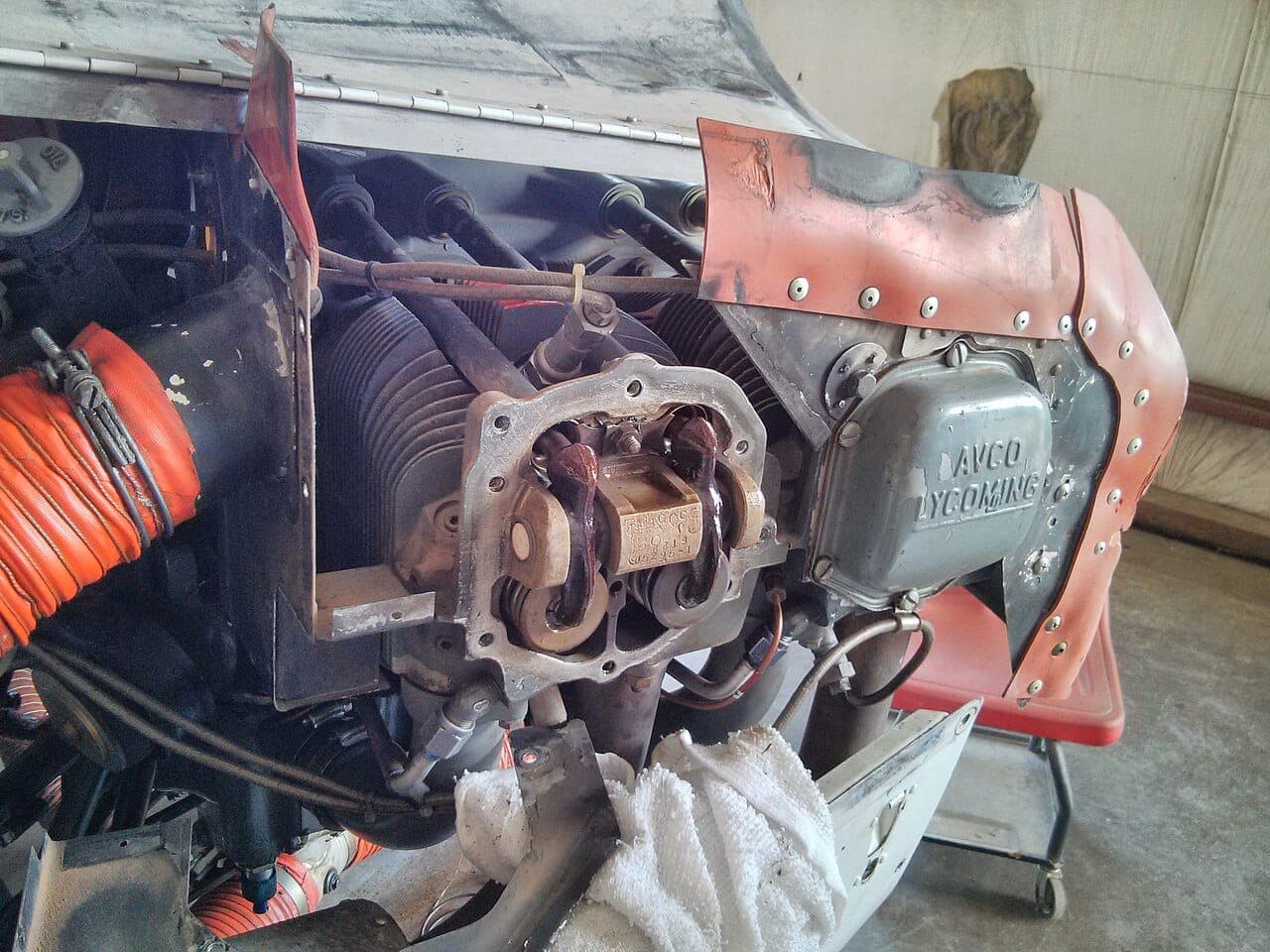
This stage is where the aircraft engine teardown begins to reveal its story. Wear patterns, scoring, and discoloration all point to how the engine was flown and maintained.
3. Cleaning
Every part gets cleaned. Carbon, varnish, oil sludge, and old sealant have to come off before anyone can inspect anything. Shops use solvent tanks, ultrasonic baths, and blasting media chosen to avoid damaging the base metal.
A clean part tells the truth. A dirty part hides cracks.
4. Visual Inspection
Technicians examine each part under good light and magnification. They look for cracks, galling, pitting, chafing, burnt spots, and thread damage. Experience carries a lot of weight here, since knowing what normal wear looks like is what makes abnormal wear obvious.
5. Structural and Dimensional Inspection
Now the measuring starts. Micrometers, dial bore gauges, and precision fixtures check parts against the numbers in the overhaul manual.
Each part gets sorted into one of three buckets:
- Within new limits. Good as fresh.
- Within service limits. Legal and usable, but partially worn.
- Beyond limits. Repaired or scrapped.
That middle bucket is where overhaul quality really shows. Two shops can both sign off a legal overhaul while making very different choices about what to keep.
6. Non-Destructive Testing
Some cracks are far too small to see. Non-destructive testing finds them without harming the part.
| Method | Typical Use |
| Magnetic particle | Steel parts such as crankshafts and gears |
| Dye penetrant | Aluminum parts such as cases and cylinder heads |
| Eddy current | Surface cracks on conductive parts |
| Ultrasonic | Internal flaws below the surface |
A crankshaft that fails this stage is done. No repair, no negotiation.
Pro Tip: Ask any shop for a written list of which parts were replaced, which were repaired, and which were reused. That single document tells you more about the value of an overhaul than the invoice total does.
7. Repair and Replacement
Parts that can be saved get repaired. Cylinders may be honed or reground. Valve seats get cut. Bearing surfaces get restored where the manual allows.
Some items are replaced no matter what they measure. Gaskets, seals, bearings, and certain hardware are single-use by design.
Parts sourcing matters enormously here. Shops choose among factory parts, approved aftermarket parts, and serviceable used components. Owners weighing used serviceable versus OEM parts should know that both can be legal and both can be appropriate, depending on the part and the mission. Anything that carries a hot section inspection history or a life limit needs especially clean documentation.
8. Reassembly
The engine goes back together following torque values, sequences, and safety-wire practices spelled out in the manual. Clearances get verified as parts stack up. Case halves are sealed, cylinders are installed and torqued in a specific pattern, and accessories return to their mounts.
Reassembly is slow work. Rushing it undoes everything that came before.
9. Testing and Break-In
The finished engine runs on a test stand or on the aircraft, depending on the shop and the engine type. Technicians watch oil pressure, oil temperature, cylinder head temperatures, fuel flow, and power output. Leaks show up here, and so do assembly errors.
Break-in follows. New cylinder surfaces need steady, higher-power operation to seat the rings properly. Gentle flying during break-in causes glazing, and glazed cylinders burn oil for the rest of their lives.
10. Records, Return to Service, and Paperwork
The final step is documentation. The shop makes the required maintenance entries, notes the standard used, and returns the engine to service. Supporting tags travel with the parts.
If you have ever wondered why hangar arguments break out over paperwork, this is why. Traceability is what separates a documented, airworthy engine from an expensive paperweight. Anyone reviewing an overhaul package should understand part traceability records and know the difference between an EASA Form 1 and an FAA 8130-3 tag before signing a check.
Every engine, part, and accessory listed on Flying411 sits alongside the seller and service details buyers need, which makes it easier to line up an overhaul core, a replacement cylinder, or a certified shop in one search.
Types of Overhauls and How They Differ
Not every trip to the engine shop is the same size job. Understanding top overhaul vs major overhaul helps owners read listings and shop quotes correctly.
| Type | Scope | Typical Trigger |
| Top overhaul | Cylinders, pistons, rings, valves, and related parts above the case | Low compression, high oil use, cylinder damage |
| Major overhaul | Full teardown including case, crank, cam, and bearings | Reaching the recommended interval or internal damage |
| Field overhaul | Major overhaul done by an independent shop or mechanic | Owner preference, cost, relationship with a shop |
| Factory overhaul | Major overhaul performed by the engine manufacturer | Buyers wanting factory standards and warranty |
| Factory rebuild | Restored to new limits with a fresh zero-time logbook | Owners wanting the cleanest possible record |
A top overhaul is a repair in the regulatory sense, since the bottom end never comes apart. It can extend usable life when cylinders wear early, but it does not reset the overhaul clock.
Keep in Mind: A recent top overhaul on a high-time engine is not the same as a fresh major. Listings sometimes blur the two, so read the logbook entries rather than the ad copy.
Piston Engines vs. Turbine Engines
The overhaul philosophy splits sharply once you move from propellers driven by pistons to turbines.
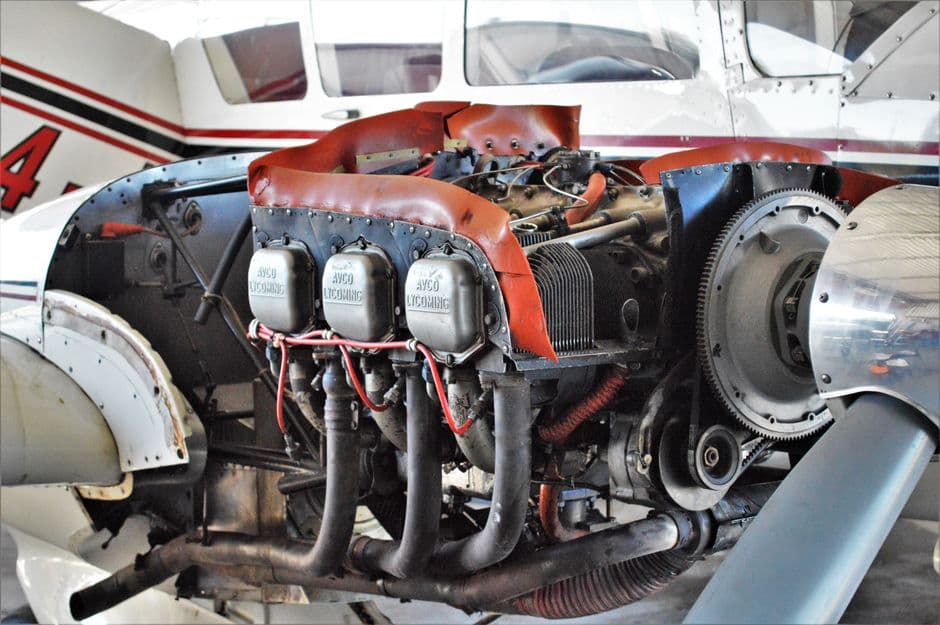
Piston engines are relatively simple, and a single shop can handle the whole job. Cylinders, crankshaft, camshaft, and case are the headline components. Costs are meaningful but manageable for private owners.
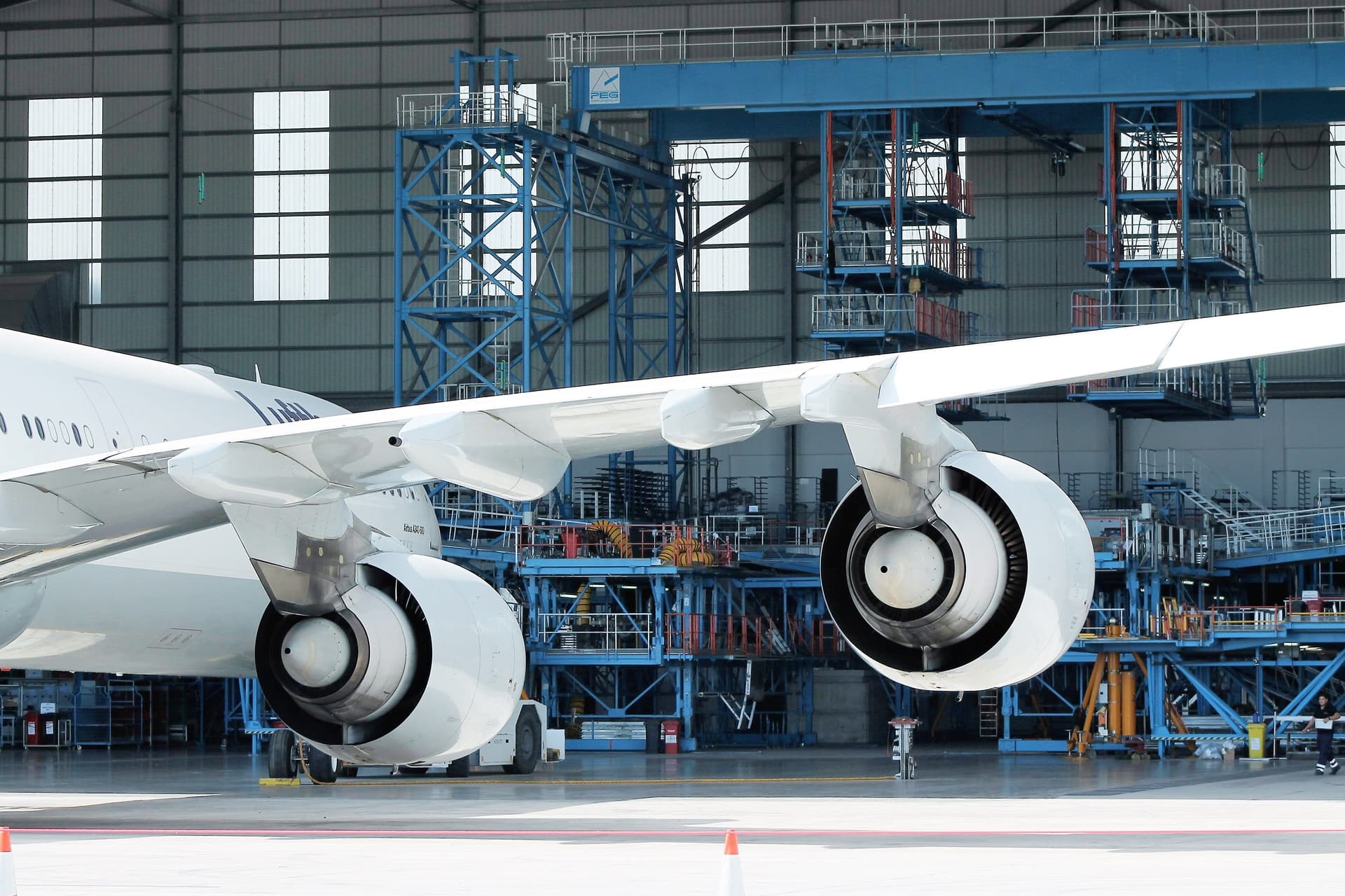
Turbine engines are modular. Instead of one big teardown event, they follow a schedule of inspections and shop visits targeting specific sections.
- Hot section inspection: a focused look at the combustion chamber, turbine blades and vanes, and exhaust components, since those parts live in extreme heat.
- Performance restoration: work aimed at bringing efficiency and margins back toward original levels.
- Full overhaul or shop visit: the deep event where major modules come apart.
Turbine work also revolves heavily around life-limited components. Certain rotating parts must come out of service at a fixed cycle count regardless of condition, which is why life-limited parts tracking drives so much of the planning on turbine fleets. Anyone comparing modern powerplants can see this play out in the design differences between the CFM56 and the LEAP, where maintenance intervals and material choices shape long-term operating cost as much as fuel burn does.
Quick Tip: For turbine owners, shop visit planning is a budgeting exercise more than a mechanical one. Many operators set aside a reserve for every hour flown so the eventual bill is already funded.
What Drives Engine Overhaul Cost
There is no single price for an overhaul, and any quote that arrives without an inspection behind it is a guess. Engine overhaul cost moves with a handful of factors.
- Engine type and size. A small four-cylinder trainer engine and a big turbocharged six sit in completely different price ranges. Turbines are in another category entirely.
- How many parts survive inspection. This is the biggest variable. A crankshaft or case that fails inspection changes the total dramatically.
- New limits vs. service limits. Building to new limits costs more up front and generally buys more life.
- Accessories. Magnetos, fuel systems, turbochargers, starters, alternators, and governors are often overhauled at the same time and quoted separately.
- Labor rates and shop reputation. Rates vary by region and by shop capability.
- Parts availability. Backordered components stretch both the schedule and the invoice.
- Hidden damage. Corrosion, prior sudden stoppage, or metal contamination can turn a routine job into a rebuild-scale project.
Owners often forget the surrounding costs too. Removal and reinstallation, engine mounts, hoses, baffles, exhaust components, and a fresh propeller inspection frequently ride along with the overhaul. These sit on the direct side of the ledger, and the split between direct and indirect operating costs is worth understanding before you budget.
Good to Know: Quotes are usually written as a base price plus additional charges for parts found unserviceable. Two quotes can look far apart on paper and end up close in reality, so compare what each one includes.
How Long an Overhaul Takes
Plan on weeks, not days. Many piston overhauls run several weeks to a few months from removal to first flight.
The timeline usually breaks down like this:
- Removal and shipping to the shop
- Teardown and inspection, which produces the real quote
- Parts ordering, the stage most likely to cause delays
- Repair, reassembly, and testing
- Return shipping, installation, and ground runs
- Break-in flying under specific power settings
Parts backorders are the wildcard. A single unavailable component can hold an otherwise finished engine on the bench.
Some owners avoid the wait by buying an already overhauled or factory-rebuilt exchange engine and sending their old one in as a core. That trade cuts downtime sharply, though it usually costs more.
Warning Signs an Engine May Need Attention Early
Engines rarely fail without hinting first. Watch for patterns rather than single events.
- Steadily rising oil consumption over several flights
- Compression readings trending downward across multiple cylinders
- Metal particles in the oil filter or on the screen
- Oil analysis showing climbing wear metals
- Rough running, hard starting, or unstable power
- Cylinder head or exhaust gas temperatures drifting from their normal pattern
- Unusual noises, vibration, or oil leaks that keep returning
One bad number means very little. A trend across several inspections means a conversation with your mechanic.
Heads Up: Metal in the filter is the one finding that stops the discussion. Do not fly it off and see. Have it evaluated before the next flight.
How an Overhaul Affects Aircraft Value
Engine status is one of the loudest signals in any aircraft listing, and buyers price it accordingly.
A fresh major overhaul with clean documentation usually strengthens value, because the buyer inherits a long runway before the next big expense. A high-time engine approaching its recommended interval pulls the asking price down, since the buyer is essentially pre-paying for the work.
The nuance most sellers miss is that the quality of the paperwork changes the number. A documented overhaul from a well-regarded shop, with a parts list and proper tags, holds value far better than a thinly documented one. That is part of why engine condition shapes aircraft value so heavily, and why appraisal processes weigh remaining time so carefully.
There is also a timing question. Selling with a run-out engine attracts bargain hunters. Selling right after an overhaul rarely returns the full cost of the work. Many owners land somewhere in the middle, and understanding why aircraft depreciate helps frame that decision realistically.
Ready to price an overhauled engine, list your aircraft, or find a certified shop near you? Start your search on Flying411 and put the whole aviation marketplace to work.
Common Myths About Engine Overhauls
A few ideas keep circulating around hangars, and they cause real money to be spent badly.
Myth: An overhauled engine is a new engine. It is restored, not new. Some original parts usually remain, which is perfectly acceptable when they measure within limits.
Myth: Reaching TBO means the engine must come off. For most private operations, the interval is guidance. Condition and inspection results drive the decision.
Myth: Low hours always means a healthy engine. An engine that sat for years can be in worse shape internally than one that flew regularly.
Myth: All overhauls are equal. Two legal overhauls can differ enormously in parts choices, shop skill, and documentation quality.
Myth: The cheapest quote saves money. Skipped replacements show up later as early cylinder work or a shortened run to the next teardown.
Pro Tip: Before choosing a shop, ask what standard they build to, what their warranty covers, and how they handle parts found unserviceable mid-job. The answers separate professionals from price sheets fast. It also pays to know how to confirm a part is airworthy when reviewing what went into your engine.
Conclusion
Once you see the sequence laid out, how aircraft engine overhauls work stops feeling mysterious. The engine comes off, comes apart, gets cleaned, gets measured against published limits, gets repaired or restocked with new components, goes back together, and proves itself on a test run before it carries anyone again. Every step exists because someone, somewhere, learned the hard way what happens when it gets skipped.
The best owners treat overhauls as planned events instead of emergencies. They watch trends, keep records tidy, budget along the way, and pick shops on reputation rather than the lowest line item. That approach keeps airplanes flying and keeps surprises on the ground where they belong.
Your engine deserves better than a guess and a hope, so let Flying411 connect you with the listings, parts, and certified professionals that keep good airplanes running strong.
Frequently Asked Questions
Can I fly my aircraft past the recommended overhaul time?
In many private operations you can, as long as the engine remains airworthy, passes required inspections, and complies with applicable airworthiness directives. Commercial operators often work under maintenance programs that treat the interval as a firm limit.
Does an overhaul reset the total time on my engine?
No. Time since overhaul resets to zero, but total time in service keeps accumulating. Only a factory rebuild produces a fresh zero-time logbook with no prior operating history recorded.
Should I overhaul my engine before selling the aircraft?
It depends on your timeline and your market. A fresh overhaul makes an aircraft easier to sell, though sellers rarely recover the full cost, so many owners sell with remaining time and price accordingly.
What is the difference between an overhaul and an engine exchange?
An overhaul repairs and returns your original engine, while an exchange gives you an already overhauled engine and sends yours back as a core. Exchanges cut downtime significantly but usually cost more.
How do I verify the quality of a previous overhaul?
Ask for the shop's work order, the parts replaced list, the standard used, and the tags for major components. Missing documentation is a reason to slow down and ask more questions before buying.