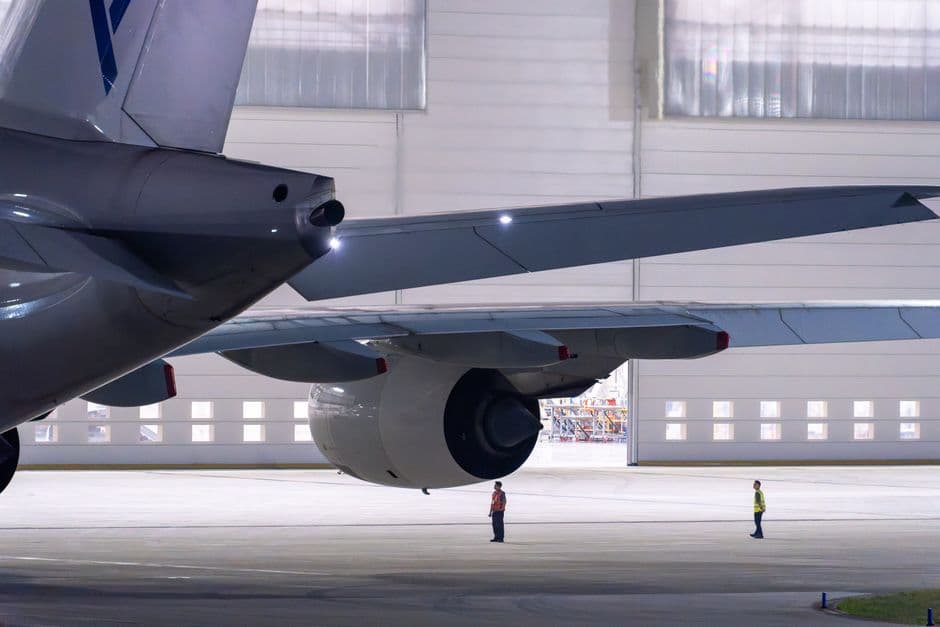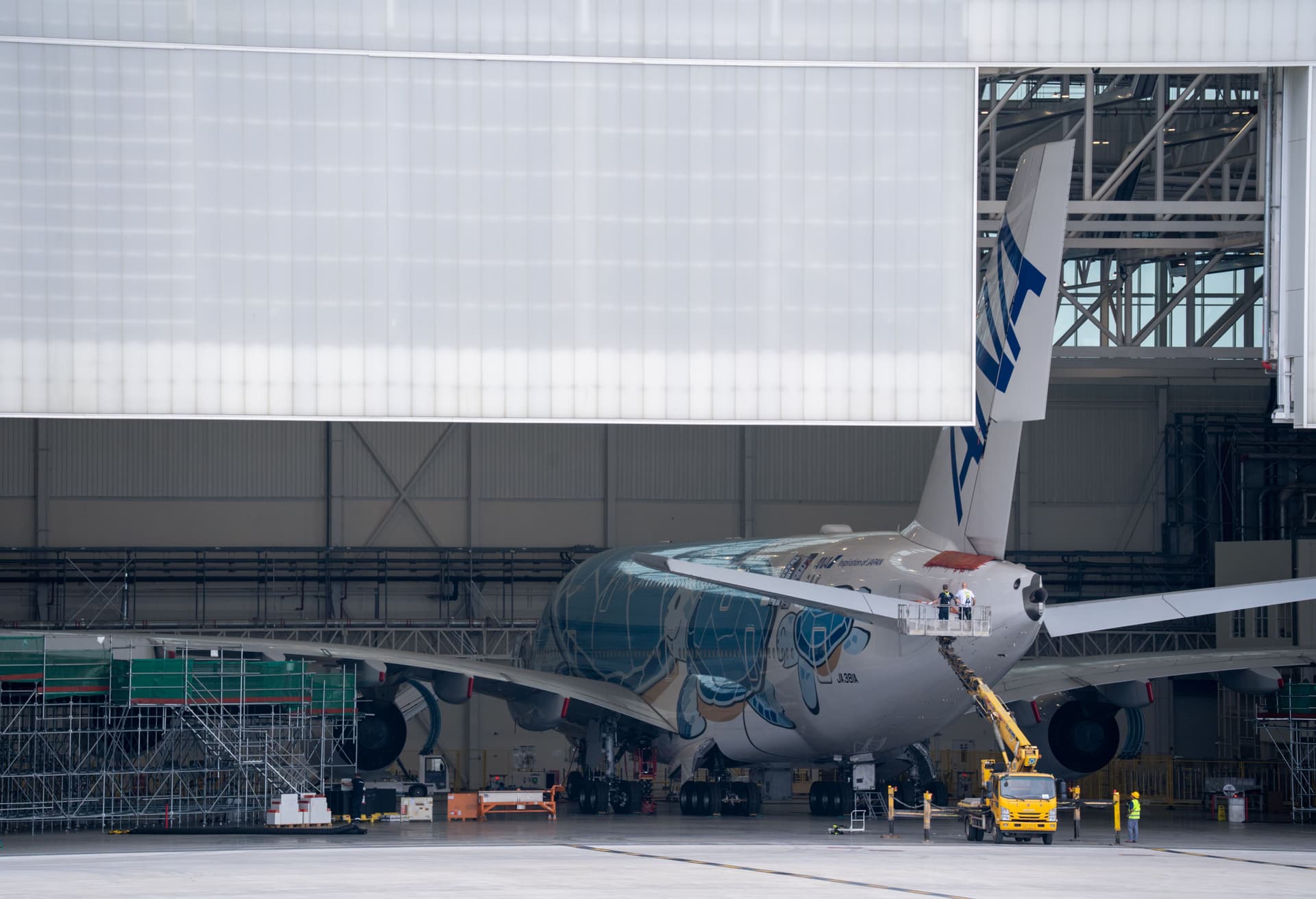
Every airplane you have ever boarded was on a clock. Not the departure clock. A different one, running quietly in the background, counting hours in the air, counting takeoffs and landings, and counting days on the calendar. When one of those counters hits a limit, the airplane goes into a hangar and gets taken apart to whatever depth the schedule calls for.
That system has a name, and understanding aircraft maintenance check intervals is one of the fastest ways to understand how aviation stays safe. It is also one of the most misunderstood parts of the industry. People hear "A check" and "D check" and assume they are grades, like a report card. They are not grades. They are depths.
A Boeing 737 and a Cessna 172 both live by these rules, but they follow very different playbooks. The difference between the two is where this story gets interesting.
Key Takeaways
Aircraft maintenance check intervals are scheduled inspection deadlines set by the aircraft manufacturer and approved by aviation authorities like the FAA and EASA. They are measured in flight hours, flight cycles (one takeoff and one landing), or calendar time, and the first limit reached is the one that counts. Light checks happen often and are shallow. Heavy checks happen rarely and go deep. Airliners follow lettered checks such as A, C, and D. Smaller general aviation aircraft follow annual inspections, 100-hour inspections, or an approved progressive program.
| Check Type | Typical Trigger | Rough Downtime | Depth of Work |
| Preflight / transit check | Before each flight or turnaround | Minutes | Visual walkaround, fluids, obvious damage |
| Daily or overnight service check | Roughly every day of flying | Under an hour | Fluid servicing, basic systems, logbook review |
| A check | A few hundred flight hours or every several weeks | Overnight | Light inspection, filters, lubrication, emergency gear |
| B check (largely absorbed today) | Several months | 1 to 3 days | Deeper systems testing, often folded into A or C checks |
| C check | Roughly every 18 to 24 months, or set flight hours | 1 to 3 weeks | Structural inspection, systems, landing gear, hydraulics |
| D check / heavy visit | Roughly every 6 to 12 years | Several weeks to months | Near teardown, paint, structure, major restoration |
| Annual inspection (light aircraft) | Every 12 calendar months | Days | Full airframe and engine inspection per regulation |
| 100-hour inspection (light aircraft) | Every 100 hours of time in service, for hire | Days | Same scope as an annual, different signature authority |
Flying411 keeps a running library of aviation guides like this one, alongside a marketplace where aircraft, engines, and parts change hands every day.
What Aircraft Maintenance Check Intervals Really Mean
An interval is a deadline. Nothing more mysterious than that.
The manufacturer studies the airplane, decides how often each task needs doing, and writes it down. Regulators review that work and approve it. The operator then builds a schedule around those limits and sticks to it. Fly past a limit without the inspection, and the aircraft is no longer legally airworthy.
Three counters drive nearly every interval in aviation:
- Flight hours measure time in the air. This matters most for parts that wear from running, like engines, pumps, and bearings.
- Flight cycles count one takeoff and one landing as a single cycle. Cycles matter for anything that gets stressed by pressurization, gear loads, and thermal swings.
- Calendar time counts days, months, and years. Corrosion, rubber aging, and fluid breakdown do not care how much you fly.
Nearly every interval is written with two or three of these limits at once. The rule is simple: the first limit reached is the limit that applies. A short-haul jet flying eight short legs a day will hit its cycle limits long before its hour limits. A long-haul widebody doing one twelve-hour leg a day does the opposite.
Good to Know Two identical aircraft rolling off the same assembly line can end up on completely different maintenance schedules. Route structure, climate, and daily utilization all change which counter runs out first.
How Check Intervals Are Set in the First Place
Intervals are not guesses. They come out of a long, structured engineering process that begins before an aircraft type ever carries a passenger.
The MSG-3 Method
Modern commercial aircraft schedules are built using a logic system called MSG-3 maintenance program analysis. The name comes from the Maintenance Steering Group, an industry working group that has refined this approach across several decades.
Older thinking assumed parts wear out on a predictable clock, so you replaced them on a fixed schedule. MSG-3 flipped that idea. It starts by asking what happens when a function fails, then sorts the answer into safety consequences or economic consequences, and only then assigns a task and an interval.
The result is a shorter, smarter task list. Fewer unnecessary teardowns. Less human error introduced by taking apart things that were working fine.
From MRB Report to Your Airline's Schedule
The paper trail runs roughly like this:
- The manufacturer and operators run the MSG-3 analysis on the new aircraft type.
- A Maintenance Review Board made up of regulators reviews and approves the baseline requirements.
- Those requirements are published in a Maintenance Planning Document, often called the MPD.
- Each airline builds its own approved maintenance program from that document, tailored to how it flies.
- Intervals get adjusted over the years as real-world reliability data comes in.
That last step matters. Initial intervals tend to be conservative. As fleets build up service history, manufacturers and authorities often approve longer intervals under controlled oversight.
Why It Matters Interval escalation is one of the quiet reasons modern jets are cheaper to run than their ancestors. Better data means fewer hangar visits for the same level of safety.
The Three Classic Maintenance Philosophies
You will still hear these three terms used across hangars and records rooms:
- Hard time: the part comes off at a fixed limit, no argument, no inspection needed to decide.
- On condition: the part stays on as long as repeated inspections say it is healthy.
- Condition monitoring: no scheduled inspection at all, because failure is not critical. Performance data gets trended instead.
Most modern aircraft use a blend of all three across different systems.
Aircraft Maintenance Check Intervals by Type: The 8 Levels That Keep Aircraft Flying
Here is the part most people come looking for. These are the layers of scheduled maintenance, from the shallowest to the deepest, plus the component clocks that run alongside them.
1. Preflight and Transit Checks
The shallowest layer runs before nearly every departure. A pilot or technician walks the aircraft, looks for damage, checks tires and brakes, confirms fluid levels, and verifies that required equipment is on board and working.
These happen at the gate or on the ramp. They take minutes. They are the reason a bird strike or a hydraulic weep gets caught before pushback instead of at altitude.
2. Daily and Overnight Service Checks
Line maintenance checks step things up slightly. Once a day, usually overnight, the aircraft gets serviced rather than merely inspected.
Typical work includes:
- Topping off oil, hydraulic fluid, and oxygen
- Reviewing the technical logbook for pilot-reported defects
- Clearing deferred items where possible
- Checking emergency and safety equipment
- General condition inspection of the exterior
The airplane rarely leaves its normal rotation. The work fits inside the hours it was already sitting still.
Quick Tip The technical logbook is where the real story of an aircraft lives. Repeat write-ups on the same system tell you more about an airframe's health than any single inspection report.
3. The A Check
The A check aircraft maintenance visit is the first level that usually pulls an airplane into a hangar. Industry sources commonly place it in the range of a few hundred flight hours, or roughly every eight to ten weeks, depending on the type and how the operator structures its program.
An A check is designed to be done overnight so the aircraft flies its normal schedule the next morning. Work typically includes:
- Detailed visual inspection of the fuselage, wings, and tail
- Changing oil, fuel, and air filters
- Lubricating hinges, linkages, and landing gear points
- Testing emergency equipment such as slides, lights, and vests
- Operational checks on selected systems
Many airlines break the A check into smaller equalized packages spread across several nights. Same total work, less downtime in one lump.
4. The B Check
The B check is the ghost of this list. It once sat between the A and the C, scheduled every several months, covering deeper systems testing and functional checks.
Most modern programs no longer run a standalone B check. The tasks were unbundled and folded into repeating A checks or rolled up into the C check. If you see a B check on a maintenance plan today, it is usually a business aviation program or an older type still using legacy nomenclature.
Heads Up Do not assume every operator uses the same letter for the same scope of work. Letters are shorthand, not standardized law. Two airlines can define an A check differently for the same aircraft type.
5. The C Check
The C check interval is where things get serious. Published ranges commonly fall around every 18 to 24 months, or after a set number of flight hours defined by the manufacturer for that type. Some modern types run considerably longer intervals than older ones.
A C check pulls the aircraft out of service for something like one to three weeks. Interior panels come out. Access panels come off. Inspectors get eyes and instruments on structure they cannot reach any other way.
Typical scope includes:
- Detailed structural inspection for corrosion, cracks, and fatigue
- Landing gear and brake system inspection
- Hydraulic and pneumatic system checks
- Flight control rigging and function tests
- Avionics testing and software updates
- Cabin work, seat repairs, and refurbishment tasks
C checks also absorb a lot of non-routine work. Inspectors find things. Those findings turn into repairs, and repairs turn into parts orders. Ordering the right component quickly is a whole discipline of its own, and knowing the difference between rotable and expendable components shapes how a shop stocks its shelves before a heavy visit ever begins.
6. The D Check or Heavy Maintenance Visit
The D check heavy maintenance visit is the deepest scheduled inspection an aircraft receives. Sources commonly place it somewhere in the range of every six to twelve years, with the exact number set by the type's approved program.
This is close to a teardown. Seats, galleys, lavatories, and interior linings come out. Paint may be stripped. Insulation is pulled. Structure is inspected down to bare metal in many areas. Major components come off for overhaul or replacement.
A D check can take weeks or months and consumes an enormous number of labor hours. It is expensive enough that the decision to perform one often decides an aircraft's future. Owners weigh the cost of the visit against the remaining value of the airframe.
That calculation is exactly why aircraft residual value sits at the center of fleet planning conversations, and it helps explain why aircraft depreciate quickly once heavy maintenance events start stacking up. When the math stops working, aircraft get retired. It played a role in the story of why the 747 wound down at many carriers.
Keep in Mind A D check does not reset an aircraft's age. It restores condition, not calendar time. Structural life limits and life-limited components keep counting regardless of how thorough the visit was.
7. Engine Intervals and Shop Visits
Engines run on their own schedule, separate from the airframe letters. Turbine engines on modern commercial aircraft are largely managed on condition rather than by rigid overhaul deadlines. Operators trend exhaust gas temperature margin, oil consumption, vibration, and borescope findings to predict when a shop visit is needed.
Piston engines in general aviation typically carry a manufacturer-recommended time between overhaul, expressed in hours and often paired with a calendar limit. For Part 91 private operation, that figure is a recommendation rather than a hard rule, though most owners treat it seriously.
Engine generations differ dramatically in how they are maintained and how long they stay on wing. The contrast between older and newer turbofan designs shows up directly in shop visit planning.
8. Life-Limited Parts and Airworthiness Directives
Two clocks run underneath everything else.
Life-limited parts have a hard retirement limit, usually stated in cycles. Turbine disks are the classic example. When the number is reached, the part comes off and is scrapped, no matter how good it looks. There is no inspection that buys you more time. Understanding how life limits are tracked is a core skill for anyone managing records.
Airworthiness directives are mandatory instructions issued by a civil aviation authority when an unsafe condition is found in a type design. Some are one-time. Some repeat at set intervals forever. They get layered on top of the manufacturer's schedule and are not optional.
Fun Fact A single repetitive airworthiness directive can outlive the engineers who wrote it. Some inspection requirements introduced decades ago are still being complied with on aircraft flying today.
Flying411 lists overhauled and serviceable engines alongside certified parts and avionics, so operators facing a shop visit can compare options before the aircraft is even in the hangar.
Light Aircraft: Annuals, 100-Hours, and Progressive Programs
Airliners get the headlines, but most of the world's aircraft are small. Their intervals work differently.
The Annual Inspection
Under U.S. rules, most general aviation aircraft need an annual inspection every 12 calendar months. The scope is defined by regulation and covers the airframe, engine, propeller, systems, and equipment. It has to be signed off by a mechanic holding Inspection Authorization.
The clock runs to the end of the month. An annual signed in March of one year is due by the end of March the next year.
The 100-Hour Inspection
A 100-hour inspection applies when an aircraft is used to carry people or property for hire, or when it is provided for paid flight instruction. The scope mirrors the annual. The difference is who can sign it off and how often it comes due.
There is a narrow allowance to exceed the 100-hour limit while flying to a place where the inspection can be performed. That excess time gets counted against the next interval, so it does not create free hours.
Progressive Inspection Programs
Busy operators often use an approved progressive program instead. The full inspection scope gets broken into phases, and those phases rotate on a defined cycle. Complete all the phases and you have completed one full inspection.
The tradeoff is straightforward:
| Approach | Advantage | Tradeoff |
| Annual / 100-hour | Simple to manage and understand | Long single downtime, all at once |
| Progressive program | Short, frequent events, higher availability | Heavier record keeping and program approval |
Pro Tip Progressive programs reward disciplined record keeping. If your tracking is loose, a traditional annual is often the safer administrative choice.
What Drives the Cost of Each Check
Cost climbs steeply as depth increases. A light check is mostly labor hours from a small crew. A heavy visit is a construction project with an aircraft inside it.
The main cost drivers:
- Labor hours. Heavy checks require large teams working extended shifts.
- Facility time. Hangar space is finite and billed accordingly.
- Non-routine findings. The deeper you inspect, the more you find. Findings drive the budget more than the planned tasks do.
- Parts and components. Replacement, overhaul, and exchange costs can dominate a heavy visit.
- Lost revenue. An aircraft in a hangar earns nothing. For an airline, this is often the largest single cost of a check.
That last point is why airlines think about maintenance in terms of availability, not only dollars. It ties directly into the difference between direct and indirect operating costs and feeds into the metrics carriers watch closely, including cost per available seat mile.
Maintenance status also moves resale value. An airframe fresh out of a heavy check with clean records is worth more than an identical aircraft due for one next quarter. Anyone who has watched commercial aircraft appraisals understands this, and it is part of what determines a commercial aircraft's value in the first place. It also helps explain why used 737s hold their price so stubbornly.
Records, Parts, and Paperwork: The Other Half of Compliance
An inspection is only as good as the documentation behind it. Two aircraft can receive identical work and end up with wildly different values because one has complete records and the other has gaps.
Key documentation touchpoints during any check:
- Part traceability. Every installed part needs a documented history. Tracing a part back to its source is standard practice, not paranoia.
- Release documents. Understanding the difference between EASA and FAA release tags matters when parts cross borders.
- Approval basis. Knowing what makes a PMA part legitimate helps buyers weigh alternatives to factory-original components.
- Sourcing decisions. The choice between surplus and factory-new material affects both cost and lead time.
- Verification. Every shop should know how to confirm a part is airworthy before it goes on an aircraft.
- Fraud awareness. Learning to spot suspect unapproved parts protects both safety and liability.
Correctly reading a part number is a surprisingly large piece of this. Anyone who has spent time decoding Boeing part numbers knows how much information is packed into a short string of characters.
Good to Know Missing logbook pages can reduce an aircraft's market value substantially, even when the physical condition is excellent. Records are part of the asset.
How Intervals Differ Across Aircraft Types
Not all airframes age the same way. Design generation, materials, and mission profile all change the maintenance picture.
A few patterns worth knowing:
- Composite structures change what inspectors look for. Corrosion concerns drop. Impact damage and delamination concerns rise. The contrast between older and newer widebody designs shows this clearly.
- Short-haul narrowbodies burn through cycles quickly, so cycle-driven tasks dominate their schedules.
- Long-haul widebodies accumulate hours faster than cycles, shifting the balance toward hour-based tasks. Comparisons like the A350 against the 777 and the 747 against the 777 usually include maintenance economics for exactly this reason.
- Four-engine aircraft carry more powerplant maintenance by definition. Discussions of the A380 versus the 747 rarely skip that point.
- Derivative models inherit much of a predecessor's program with modifications. The relationship between the 737 NG and the MAX is a good example, and the underlying MAX specifications show where the differences land.
Browsing current listings on Flying411 is a fast way to see how maintenance status and time remaining are described across real aircraft on the market today.
Common Misconceptions About Maintenance Intervals
A few myths come up again and again.
"A checks are worse than D checks." No. The letters describe depth, not quality. An aircraft coming out of a D check has received far more attention than one that just had an A check.
"Older aircraft are inspected less." The opposite is usually true. Aging aircraft often pick up supplemental inspection programs and repetitive directives that newer airframes do not carry.
"If nothing is broken, the check can wait." Intervals are legal limits, not suggestions. Flying past one grounds the aircraft's airworthiness regardless of condition.
"All operators use the same schedule." Programs are tailored. Two airlines flying the same type can run different intervals within approved limits.
Heads Up Buying an aircraft with a heavy check due soon is not automatically a bad deal. It is only a bad deal if the price does not reflect it. Always price the next check into the offer.
Why Check Intervals Matter to Buyers and Sellers
For anyone shopping for an aircraft, maintenance status is not a footnote. It is a headline number.
Buyers should look at:
- Time remaining until the next heavy check
- Hours and cycles remaining on life-limited components
- Engine status and time since overhaul or last shop visit
- Open airworthiness directives and how they were complied with
- Completeness and continuity of the logbooks
- Any damage history and how repairs were documented
- Corrosion history, especially for coastal or humid operating environments
Sellers benefit from the same list in reverse. Clean records and fresh maintenance status shorten negotiations and support asking price.
Ready to put this into practice? Search current aircraft, engine, and parts listings on Flying411 and connect with certified A&P mechanics, avionics specialists, and MRO providers in one place.
Conclusion
Aircraft maintenance check intervals are a system of overlapping clocks, and once you can see them, the whole rhythm of aviation makes more sense. Hours, cycles, and calendar days run in parallel. Whichever one expires first pulls the aircraft into the hangar. Light checks keep small problems small. Heavy checks reach the places nobody can see from the ramp.
The letters are shorthand. The engineering behind them is anything but simple. And the paperwork that follows each visit is worth as much to an aircraft's value as the wrenches that turned during it.
Tracking your next annual or sizing up a jet with a D check on the horizon? Flying411 has the listings, the service connections, and the straight answers to help you make the call with confidence.
FAQs
What happens if an aircraft flies past a required check interval?
The aircraft is no longer considered airworthy, and continued operation can trigger enforcement action against the operator and the pilot in command. The inspection must be completed and properly signed off before the aircraft returns to service.
Can maintenance check intervals be extended?
Yes, but only through approved channels. Manufacturers and regulators can escalate intervals based on fleet reliability data, and operators can sometimes obtain short-term extensions under specific approved procedures.
Do maintenance checks happen at the airline's home base?
Not always. Light checks usually happen wherever the aircraft overnights, while heavy checks are often performed at dedicated MRO facilities, sometimes in another country chosen for capacity or cost.
Are helicopter maintenance intervals different from airplanes?
Yes. Rotorcraft carry many additional component-specific limits covering rotor systems, gearboxes, and drive components, and those limits are frequently expressed in hours rather than cycles.
Who inspects the inspectors?
Civil aviation authorities audit both operators and repair stations, reviewing records, procedures, and completed work. Repair stations also maintain internal quality systems that independently verify work before an aircraft is released.