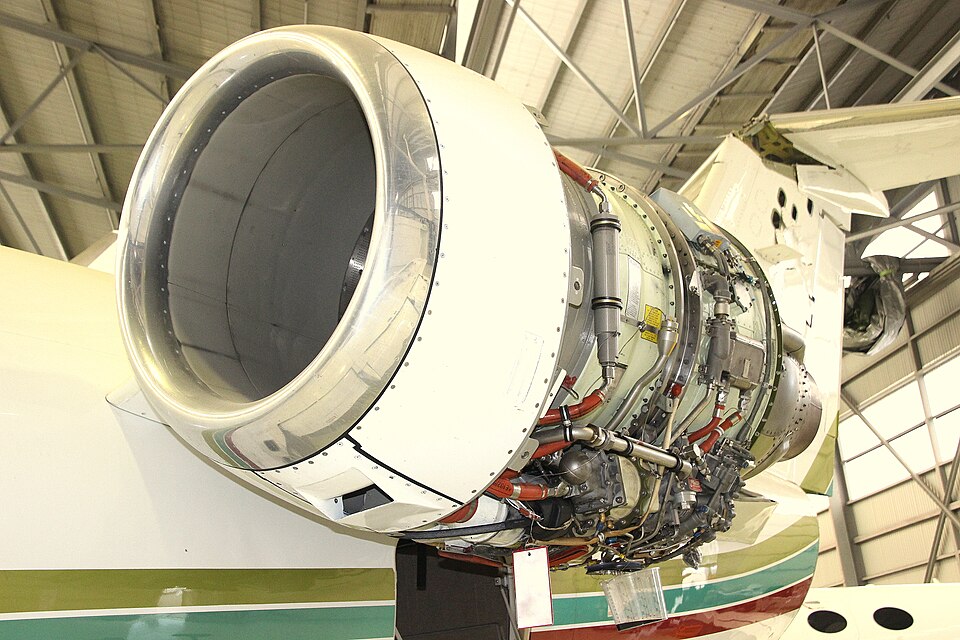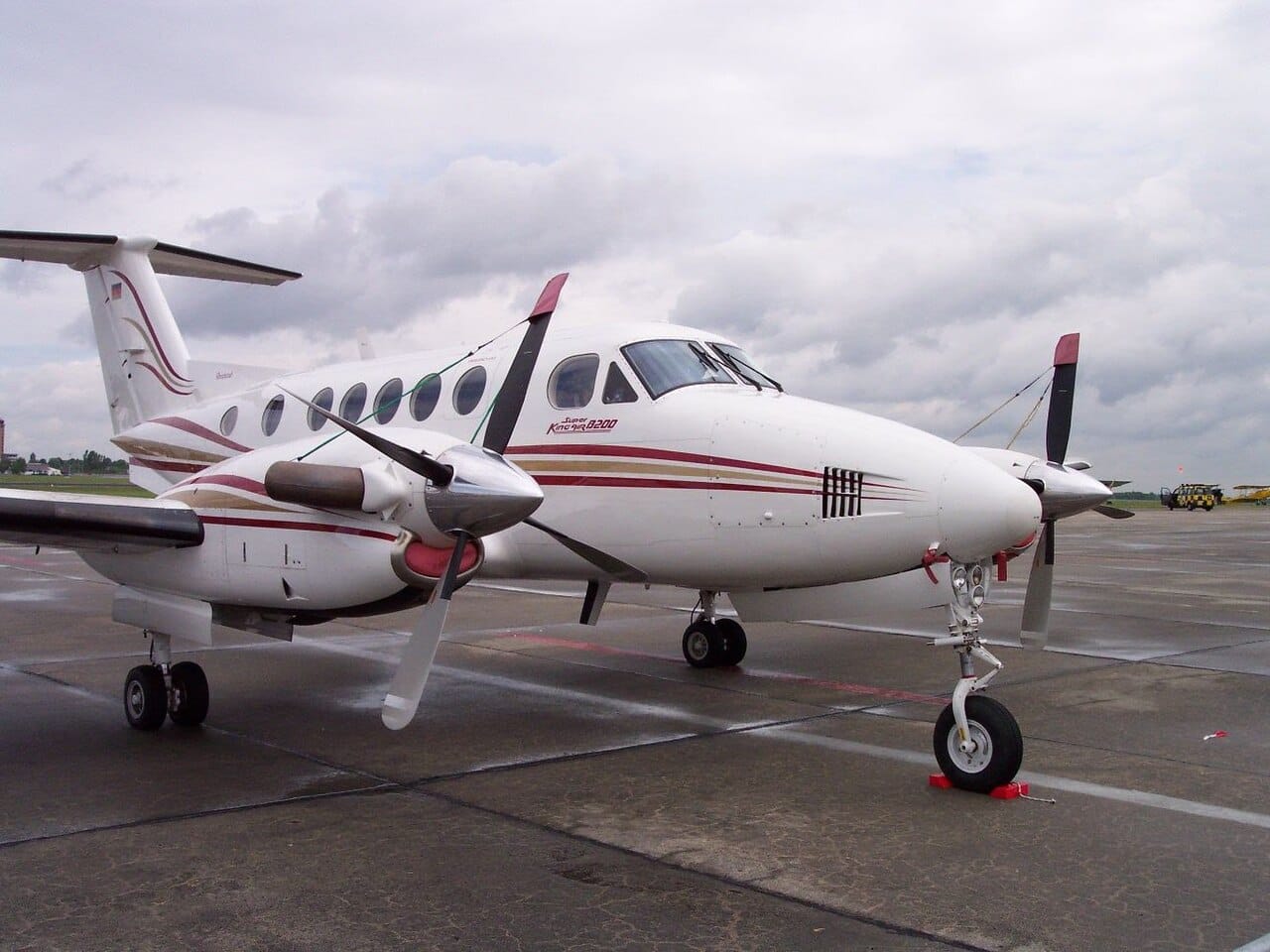
PT6A-powered aircraft can look identical on the ramp while carrying very different engine liabilities. The difference often comes down to where each engine sits relative to its next hot section inspection, overhaul, and life-limited component replacement. For buyers and owners, understanding those maintenance milestones is essential because they can change the value and operating cost of the airplane by hundreds of thousands of dollars.
Pratt & Whitney Canada's PT6A is the most widely used turboprop engine family in general aviation, and it has been in service since the early 1960s. It is the Toyota pickup of turbine engines: not exotic, not cheap, and capable of running a very long time if you feed it clean air and clean oil. But it comes with two big scheduled money events, and buyers regularly confuse them. A PT6A hot section inspection vs full overhaul is not a small job versus a big job on the same scale. They open different parts of the engine, cost amounts that differ by a factor of four or five, and follow different rules about when they are actually required.
If you are shopping for a Caravan, a PC-12, a King Air or a Twin Otter, this is the single largest variable in your cost of ownership. Two otherwise equal airplanes can differ by half a million dollars in future engine liability, and nothing on the spec sheet tells you that. Here is how each event works, what each one typically costs, and how the TBO extension programs that everybody mentions in listings actually function.
Key Takeaways
A hot section inspection (HSI) is a partial teardown focused on the combustion and turbine sections, typically performed around the middle of the engine's overhaul interval, while a full overhaul completely disassembles and restores the engine and resets its time since overhaul. HSIs are commonly quoted in the tens of thousands of dollars per engine and take one to three weeks; overhauls run into the hundreds of thousands and typically take one to three months, often with a rental engine bill on top. For Part 91 operators, Pratt & Whitney Canada's published TBO is a recommendation rather than a hard limit, which is why on-condition and trend-monitoring programs are so common. Life-limited rotating parts, counted in cycles rather than hours, are the exception: those have hard retirement lives regardless of how healthy the engine looks. Whether you are buying or selling, the real number is not "hours since new" but hours and cycles remaining before the next event, measured against a written shop quote.
| Question | Hot Section Inspection | Full Overhaul |
| What is opened | Combustion section, compressor turbine and power turbine area | Entire engine, including compressor, gearboxes and accessories |
| Typical timing | Around the midpoint of the published TBO | At the published TBO, or on condition |
| Typical cost per engine | Roughly $60,000 to $150,000, findings dependent | Roughly $350,000 to $700,000+, model dependent |
| Typical downtime | 1 to 3 weeks | 4 to 12 weeks |
| Resets time since overhaul | No | Yes, time since overhaul resets |
| Test cell run required | Normally no, ground run instead | Yes, calibrated test cell |
What a PT6A Hot Section Inspection Actually Is
The PT6A is a reverse-flow, free-turbine engine. Air enters near the back, runs forward through the compressor, burns in the combustion section, then drives two separate turbines: the compressor turbine (CT) that spins the gas generator, and the power turbine (PT) that drives the propeller through the reduction gearbox at the front. The "hot section" is the middle of that sandwich, where combustion gas temperature is highest and metal lives hardest.
What the shop opens up
An HSI splits the engine at the gas generator case so the technician can remove and inspect the combustion liner, the CT vane ring, the CT disk and blades, and the power turbine vanes and blades. The shop looks for blade sulfidation and erosion, cracked or burned liner material, vane ring distortion, tip clearances outside limits, and coating loss. Anything outside the limits in the engine maintenance manual gets repaired or replaced, then the section is reassembled with new seals and gaskets and the engine is rigged and ground run.
Some installations allow a hot section with the engine still on the wing, which saves labor. Most shops prefer to pull the engine and put it on a stand, because access is better and a surprise finding does not strand the airplane in a hangar bay for three extra weeks.
Good to Know: An HSI is an inspection, not a rebuild. A clean HSI can come in near the bottom of the price range. An HSI that finds a set of CT blades at limits, a distorted vane ring and a cracked liner all at once can double the invoice before anybody touches the compressor. Budget for findings, not for the best case.
What does the compressor section have to do with it?
Nothing, directly, which is exactly the point buyers miss. A hot section does not address compressor blade erosion, first-stage compressor damage, bearing condition, the accessory gearbox or the reduction gearbox. Those are overhaul items. An engine that just had a hot section is not a fresh engine. It is an engine with a known-good middle and an unknown front and rear.
What a Full Overhaul Covers
An overhaul is a complete disassembly at an approved facility. Every module comes apart, parts are cleaned and inspected with non-destructive testing, worn components are repaired or scrapped, bearings and seals are replaced, the reduction and accessory gearboxes are overhauled, and the fuel and oil accessories are overhauled or replaced. The engine is then run on a calibrated test cell to confirm it makes rated power within temperature and fuel-flow limits, and it comes back with fresh paperwork and a zeroed time-since-overhaul.
Why the test cell matters to a buyer
A test cell run is objective evidence. It documents what the engine actually produced, not what it should produce. When you are comparing two airplanes and one has a recent overhaul from a major facility with test cell data in the log set, that paperwork is worth real money at resale. Read it. Marginal numbers on day one rarely improve with age.
Heads Up: "Overhauled" and "factory new" are not the same, and neither is the same as an OEM "factory overhaul" or a designated overhaul facility's zero-timed engine. The shop that did the work, and whether OEM parts or approved alternates were used, both affect value. Ask which facility, which parts, and what warranty carried over.
Flying411 keeps turboprop listings, engine status and ownership cost guides in one place, so you can compare two King Airs on remaining engine hours rather than on paint.
What Each One Costs
Turbine shop pricing moves with parts availability and labor rates, so treat every figure here as a planning range and get a written quote for your specific dash number and serial number before you commit to an airplane.
| Event | Planning range, per engine | Main cost drivers |
| Hot section inspection, clean | Low end of the range | Labor, seals, gaskets, ground run |
| Hot section inspection, typical | ~$60,000 to $150,000 | CT blades, CT vane ring, combustion liner, PT vanes |
| Full overhaul, common models | ~$350,000 to $700,000 | Life-limited parts due, compressor condition, gearboxes, accessories |
| Rental engine during overhaul | Several thousand per month plus hourly | Availability, downtime length |
| Removal, install, rigging, freight | Add on top of shop quote | Location, engine mount access, crating |
How should you reserve for it?
Owners and operators typically set aside an hourly engine reserve so the shop visit is funded when it arrives instead of arriving as a crisis. Depending on model and whether you are reserving for hot section plus overhaul or overhaul alone, reserves in the range of roughly $150 to $350 per hour per engine are commonly used in owner budgets. A twin means two of those. Run the math on your actual annual hours: at 300 hours a year, a $250 reserve is $75,000 per engine per year set aside, and that number should be in your operating budget from the first month, not discovered later.
Why It Matters: Engine reserve is the line that separates a realistic turboprop budget from a fantasy one. A PC-12 or King Air can look affordable on fuel and insurance and still be unaffordable once you fund the engines honestly. Our guide to aircraft operating costs walks through building that budget line by line.
When Is Each One Due?
Pratt & Whitney Canada publishes a time between overhaul, a recommended hot section interval, and cycle-based retirement lives for rotating parts. These are model specific, they are revised over time, and they live in the time limits section of the engine maintenance manual and the applicable service bulletins. Your shop can pull the current revision against your engine serial number, and that is the only version that counts.
What are typical PT6A overhaul intervals?
| Model | Common application | Commonly published TBO |
| PT6A-114 / -114A | Cessna 208 Caravan | About 3,600 hours |
| PT6A-42 | King Air B200 | About 3,600 hours |
| PT6A-60A | King Air 350 | About 3,600 hours |
| PT6A-67B / -67P | Pilatus PC-12 | About 3,500 hours |
| PT6A-34 | Twin Otter, agricultural types | About 3,600 hours |
Treat those as orientation only. Newer dash numbers have been certified with longer intervals, some engines carry calendar limits in addition to hours, and an individual engine's approved interval can differ based on its maintenance program and operating environment. The recommended hot section has traditionally fallen near the midpoint of TBO, so on a 3,600-hour engine you would plan around 1,800 hours. On some PT6A models and approved maintenance programs, HSI scheduling may be based on engine condition trend monitoring rather than only a fixed hourly interval. The applicable P&WC service bulletin and maintenance program determine what is permitted for a specific engine.
Hours, cycles, and the parts that do not negotiate
Alongside hours, the PT6A tracks cycles for life-limited rotating components such as the compressor turbine disk, power turbine disk and impeller. Those have hard retirement lives measured in cycles, and unlike TBO they are not advisory. This is why the engine log card set matters so much on a pre-buy: an engine can show plenty of hours remaining and still be facing an expensive life-limited part replacement because of how it was flown. A training airplane or a short-leg cargo operation racks up cycles fast relative to hours. A PC-12 flying three-hour legs does not.
Keep in Mind: Ask for the engine log cards, not just the airframe logs. On a PT6A, the log card set is where cycles, life-limited part status, prior repairs and shop visits live. Missing or reconstructed log cards can knock a serious amount off engine value, sometimes more than the cost of the next hot section.
Is TBO mandatory?
For an aircraft operated under Part 91, the manufacturer's recommended TBO is not a regulatory limit. The requirement is that the engine be airworthy and that required inspections under 14 CFR 91.409 are complied with, and airworthiness limitations and life-limited parts must still be honored. Commercial operators are different: under Part 135, engine maintenance has to follow an approved program, and that program is where TBO or an approved on-condition alternative gets locked in. If you buy a former charter airplane and plan to fly it Part 91, you inherit flexibility you did not have before. If you buy a Part 91 airplane to put on a charter certificate, you may inherit a bill.
If the idea of a manufacturer interval being advisory is new to you, start with our primer on what TBO means in aircraft engines, and the piston-side comparison in TBO explained for Cessna 172 engines. The principle is the same; the money is an order of magnitude apart.
How TBO Extensions Actually Work
"Extended TBO" in a listing does not simply mean the engine has good trend data. P&WC offers specific TBO-extension programs that evaluate factors such as engine configuration, condition, operating history, maintenance practices and, depending on the program, representative engines inspected at overhaul. Engine condition trend monitoring may be one part of that process.
What an on-condition program requires
The backbone is engine condition trend monitoring, usually shortened to ECTM. On every flight, in stable cruise, you record interturbine temperature, gas generator speed, torque, fuel flow, outside air temperature, altitude and airspeed. Those readings are normalized and plotted against the engine's own baseline. What the analyst is watching for is not an absolute number but a trend: ITT creeping up at a fixed torque, fuel flow drifting, Ng shifting. A rising ITT trend is the engine telling you the hot section is deteriorating long before anything fails.
Around that core sit the other supporting items: routine spectrometric oil analysis and filter and chip detector checks, scheduled borescope inspections of the compressor and hot section, compressor washes appropriate to your environment, and disciplined record keeping. Miss the data and you lose the argument, because the whole basis of running past TBO is documented evidence.
Pro Tip: ECTM data only works if somebody actually reads it. Plenty of operators dutifully log numbers into a system nobody reviews until a shop visit. Set a monthly review with whoever analyzes your data, and keep the reports with the engine records. At sale time, a clean multi-year trend file is one of the most persuasive documents you can hand a buyer.
How the extension is granted
Extensions come from a few directions, and they are not interchangeable. The manufacturer can escalate a published interval for a fleet or a model through a revised service bulletin.Certain engines can qualify for an engine-specific TBO extension after evaluation of their configuration, condition and operating history under the applicable P&WC program, while fleet extensions may be based on satisfactory sample engines examined at overhaul. A commercial operator can build an on-condition maintenance program into its approved program with FAA concurrence. And some operators buy into an hourly-cost engine program, such as Pratt & Whitney Canada's Eagle Service Plan or a third-party plan, which changes the economics of the shop visit without changing when it is due.
Fun Fact: The PT6's modular reverse-flow layout is the reason a hot section is even practical as a standalone job. On many engine designs, reaching the turbine means taking the whole thing apart. On a PT6A, the hot section is right there in the middle, reachable without disturbing the compressor or the reduction gearbox. That design choice from the early 1960s is still saving owners money sixty years later.
What disqualifies you from running on condition
Gaps in trend data. Metal in the oil or on a chip detector. A borescope that shows blade distress, coating loss or liner cracking. Operating in heavily eroding environments such as unimproved strips, coastal salt air or agricultural chemical exposure. Hot starts and exceedances in the logs. And of course life-limited parts coming due on cycles, which no amount of good trend data postpones.
Flying411 gathers turbine ownership guides, inspection explainers and live listings in one place, so you can see what a mid-time PT6A airplane is really asking versus a fresh-engine one.
What This Means When You Buy or Sell
How do you price a mid-time engine?
The market convention is straightforward: the closer an engine sits to its next major event, the more of that event's cost the seller effectively absorbs in price. A practical way to model it is to get a current written quote for the next hot section and the next overhaul on that dash number, then prorate each against hours remaining and subtract from your offer. Do the same for any life-limited part coming due on cycles. Do it per engine, not per airplane. On a twin with staggered engine times, you may be funding a hot section in year one and an overhaul in year three, and the cash flow matters as much as the total.
Your pre-buy should include a borescope of both the compressor and hot section by someone who looks at PT6As regularly, a review of the engine log card set for cycles and prior repairs, an oil analysis history, and at minimum a year of ECTM data if the airplane has been monitored. Our aircraft pre-purchase inspection guide covers how to scope and pay for that work, and the complete aircraft engine inspection guide explains what the inspector is looking at. If you want to understand what a borescope image is actually telling you, the technique discussion in our borescope inspection walkthrough transfers directly, even though the engine is different.
Quick Tip: Ask the seller who performed the last hot section and request the work order, not just the logbook entry. The work order tells you what was replaced and what was signed off as serviceable at limits. "Serviceable at limits" on CT blades means those blades are your problem at the next opening.
Does an engine program help or hurt resale?
Generally it helps, because it converts an unpredictable six-figure event into a known hourly cost and it usually comes with a disciplined record trail. Confirm three things before you assign value to it: whether the program is transferable, whether it is current with no arrears, and exactly what is covered versus excluded. A program that covers overhaul but excludes life-limited parts or foreign object damage is worth less than it looks. Also check whether a buyer is required to assume it, which can narrow your pool.
Flying411 puts model guides, maintenance explainers and for-sale listings side by side, so you can shop a Caravan or PC-12 with the engine question answered before you make an offer.
Conclusion
The honest summary of PT6A hot section inspection vs full overhaul is that one is a scheduled look at the hottest part of the engine and the other is a full reset of the whole machine, and the price gap between them is roughly the price of a nice light single. The hot section is the event most owners underestimate and the overhaul is the one most buyers forget to prorate. Both are predictable if you know the dash number, the hours and cycles remaining, and what the last shop visit actually found.
Run your numbers on written quotes, insist on the engine log cards and trend data, fund an hourly reserve from day one, and treat any "extended TBO" claim as a program with obligations rather than a permanent gift. Do that, and a PT6A is about as dependable a powerplant as civil aviation has produced. Skip it, and the engine will still run fine. It is your bank account that will take the surprise.
When you are ready to compare listings, visitFlying411and see what is on the market today.
Frequently Asked Questions
Is a hot section inspection required by the FAA?
Not directly. The recommended hot section interval comes from Pratt & Whitney Canada's maintenance documentation, and for a Part 91 operator it is a recommendation. It becomes mandatory when it is written into an approved maintenance program, such as one held by a Part 135 operator, or when an airworthiness limitation or life-limited part is involved. Insurance underwriters and lenders may also require it as a condition of coverage or financing.
Does a hot section reset the engine's time?
No. Time since new and time since overhaul keep counting. Only an overhaul at an approved facility zero-times the engine's time since overhaul, and even then life-limited parts continue to carry their accumulated cycles unless they are replaced.
How many hours can a PT6A really run past TBO?
There is no universal answer, and anyone who gives you one number is guessing. Extensions are granted incrementally based on that specific engine's trend data, borescope findings, oil analysis and operating environment, and they can be withdrawn if the data turns. Plan financially as though the engine will reach the published TBO, and treat any extension you earn as a bonus rather than a budget assumption.
Can a hot section be done without removing the engine?
On some installations, yes. Access varies by airframe, and an on-wing hot section can save meaningful labor. Many shops still prefer to remove the engine so they have proper access and a clean workspace, particularly if the borescope suggests they may find more than a routine inspection's worth of work.
What is the single biggest red flag on a PT6A pre-buy?
Incomplete engine log cards. Without them you cannot verify cycles on life-limited parts, prior repairs, or what was left at limits during the last shop visit. Everything else on the engine can be measured or inspected. Missing history cannot be recreated, and it follows the engine forever at resale.
Should I buy a fresh-overhaul airplane or a mid-time one?
It depends on how much you fly and how long you plan to keep it. A fresh overhaul costs more up front but gives you years of low engine risk, which suits a high-utilization owner. A mid-time airplane at a lower purchase price can make sense if you fly under a hundred hours a year and price the future event honestly. What rarely works is buying mid-time at fresh-engine money because the paint was pretty.