Buying an older business jet can feel like a bargain right up until the engine shop hands you a quote. The Astra 1125 is a fast, comfortable mid-size jet with a loyal following, and a big part of its story sits in the two turbofans bolted to the back of the fuselage. Getting a handle on the Astra 1125 TFE731 engine overhaul cost is one of the smartest things a buyer or owner can do before writing any checks.
These engines have a strong reputation. They are efficient, quiet, and backed by a wide support network. But they are still complex machines that need scheduled care, and that care is not cheap. The good news is that the cost follows patterns you can plan around once you understand how the engine is maintained.
The bill for keeping those two little turbofans healthy can rival the price of a used car many times over, and the reasons why are worth knowing before you sign anything.
Key Takeaways
An Astra 1125 TFE731 engine overhaul is not a single teardown like a piston engine. It is a series of scheduled inspections, mainly the MPI and CZI events, and the cost depends on engine hours, parts needed, and the shop you pick. A major inspection can run into the tens of thousands of dollars per engine at the light end, and climb well into the six figures per engine when heavy parts and life-limited components come due. Enrolling in an hourly-cost program can turn those big surprise bills into a steady, planned expense.
| Question | Quick Answer |
| Does the TFE731 get a traditional overhaul? | No. It uses on-condition inspections called MPI and CZI instead of one full overhaul |
| Main scheduled events | Major Periodic Inspection (MPI) and Core Zone Inspection (CZI) |
| Which event costs more? | The CZI, because it requires taking the engine fully apart |
| Rough cost range per engine | From tens of thousands for a light MPI to six figures for a heavy CZI with parts |
| Biggest cost drivers | Engine hours, life-limited parts, part condition, and shop labor rates |
| Way to smooth the cost | An hourly-cost plan such as the Honeywell MSP program |
| What raises resale value | Fresh inspections, program enrollment, and clean logbooks |
Flying411 keeps a close watch on aircraft like the Astra and the engines that power them, helping buyers and sellers make informed, confident decisions.
A Quick Refresher on the Astra 1125 and Its Engines
Before we get into dollars, it helps to know what sits under the cowling. The Astra 1125 is a mid-size business jet from Israel Aerospace Industries. It grew out of an earlier jet called the Westwind, and it first flew in the mid-1980s. From day one, it was built around a pair of Honeywell turbofans mounted at the rear.
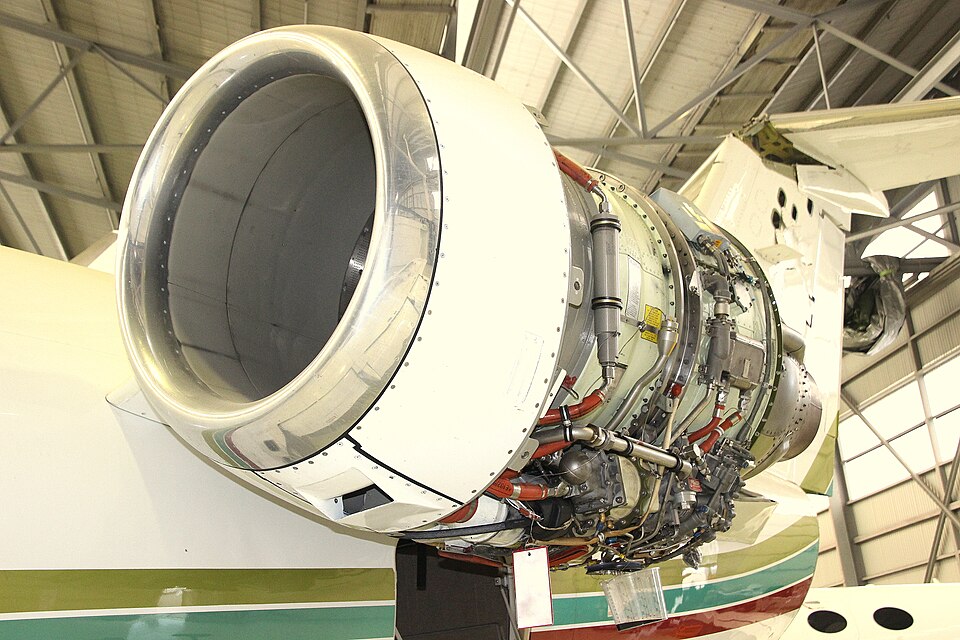
Those engines belong to the TFE731 family, one of the most widely used turbofans in business aviation. The original Astra 1125 carried the TFE731-3 series, with each engine making somewhere in the range of 3,650 to 3,700 pounds of thrust. Later Astra models moved to more powerful versions, but the dash-3 is the one most early 1125 owners will meet.
If you want a deeper look at how this geared turbofan works, that background pairs well with the cost picture here.
The TFE731-3 at a Glance
The TFE731 is a geared turbofan. That means a small gearbox sits between the fan and the inner core, letting each part spin at its own best speed. The fan turns slower for quiet, efficient flight, and the core spins fast for power. This design is a big reason the Astra sips fuel the way it does.
Here is what stands out about the engine on the original Astra:
- Twin rear-mounted engines tucked against the back of the fuselage
- Roughly 3,650 to 3,700 pounds of thrust from each dash-3 engine
- Air-cooled turbine blades that handle hotter, stronger operation
- A digital engine control that smooths throttle response and guards against overheating
Good to Know: The engine on your paperwork might say Garrett, AlliedSignal, or Honeywell. Those three names all point to the same engine family. Garrett designed it, AlliedSignal built it for years, and Honeywell supports it today.
Why "Overhaul" Means Something Different Here
Here is the key idea that shapes every number in this article. The TFE731 does not get a traditional overhaul the way a small piston engine does. There is no single point where you pull the engine, tear it all the way down, rebuild it, and reset the clock to zero.
Instead, the TFE731 uses on-condition maintenance. The engine is inspected on a schedule, and technicians repair or replace only the parts that need it. This is often called an inspect-and-repair-as-necessary approach. It avoids tossing good parts just because a timer ran out, and it spreads cost out over the life of the engine.
So when people say "overhaul" for a TFE731, they usually mean one of the big scheduled inspection events, or the combined visit where several events line up at once. Getting that straight matters, because it changes how you read every quote.
What an Astra 1125 TFE731 Engine Overhaul Really Includes
When an owner talks about a TFE731 overhaul cost, they are almost always talking about the two major scheduled events plus any parts that come due at the same time. Let us break down each piece so the quote makes sense.
MPI: The Major Periodic Inspection
The major periodic inspection focuses on the hot section of the engine. This is the turbine area, where the highest heat lives and where wear shows up fastest. During an MPI, the shop opens the engine, checks the turbine parts, cleans and measures everything, and repairs or replaces what has worn.
Think of the MPI as the more frequent of the two big events. It catches problems in the hottest part of the engine before they grow into something worse. On many dash-3 engines, the MPI comes due somewhere in the low thousands of flight hours, though the exact number depends on the version and the service bulletins done.
CZI: The Core Zone Inspection
The core zone inspection is the deeper, more involved event. This one calls for taking the engine fully apart to inspect the main bearings and the compressor section. It is the closest thing the TFE731 has to a classic overhaul.
Because a CZI means a full teardown, it takes more labor, more time, and often more parts than an MPI. That makes it the more expensive of the two events by a wide margin. Shops often time the CZI to fall at roughly twice the MPI interval, so an MPI and a CZI can line up at the same visit. Combining them saves on the labor of pulling and splitting the engine twice.
Why It Matters: The CZI is where the biggest surprises can hide. Once the engine is split open, the shop can see wear that a lighter inspection would miss. That is also where a heavy quote can grow if worn parts turn up.
Life-Limited Parts
Some engine parts carry a hard life limit measured in cycles. A cycle is roughly one takeoff and landing. When a life-limited part reaches its cycle count, it must be replaced, no matter how good it looks. There is no inspecting your way past it.
These parts can be a major slice of a big engine bill. If a life-limited component comes due during a CZI, the cost of that single part, plus the labor to install it, can add a large sum to the total. Two engines that look identical on the outside can carry very different bills based on where their life-limited parts sit.
Heads Up: Always ask about cycles, not just hours. An engine with low hours but high cycles from short hops can be closer to a life-limited part replacement than the hour count alone suggests.
What Drives the Astra 1125 TFE731 Engine Overhaul Cost
This is the heart of the matter. Two Astras can sit side by side and face wildly different engine bills. The reason comes down to a handful of cost drivers that stack on top of each other. Here are the main ones that shape the astra 1125 tfe731 engine overhaul cost from one aircraft to the next.
- Which event is due. An MPI alone costs far less than a full CZI. A combined MPI and CZI visit costs the most. The single biggest question in any quote is which event you are facing.
- Engine hours and cycles. More time and more cycles usually mean more wear, more parts, and a higher bill. Cycles matter as much as hours because of life-limited parts.
- Life-limited parts coming due. If a cycle-limited component hits its limit during the visit, it must be replaced. A single one of these parts can move a quote sharply.
- The condition found inside. A shop cannot know the full story until the engine is open. Hidden wear, heat damage, or corrosion can push a light quote into heavy territory once the parts are inspected.
- Parts availability and price. Some components are pricey or in short supply. When a needed part is hard to source, both the cost and the downtime can rise.
- Shop labor rates and location. Authorized service centers, independent shops, and different regions all price labor differently. Where you send the engine changes the total.
- Service bulletins and upgrades. Some visits are a smart time to complete upgrades that extend future intervals. These add cost now but can lower cost later.
- Single engine or both. The Astra has two engines. Doing both at once roughly doubles the raw cost, though it can save on repeat setup and downtime.
- Program enrollment. An engine already on an hourly-cost plan can hand the owner a much smaller out-of-pocket bill, because the plan has been collecting reserves all along.
Flying411 connects owners with certified engine shops and MRO providers who know the TFE731 inside and out, so scheduled inspections and repairs stay on plan and on budget.
How Much Should You Budget?
Now for the question everyone asks. The honest answer is that costs vary widely, and only a formal shop quote gives you a real number for your specific engine. Still, you can budget within broad ranges so the figures do not blindside you.
The ranges below are rough ballparks meant for planning only. They are not quotes, and real bills can land above or below them depending on condition, parts, and the shop. Treat them as a starting point for a conversation, not a promise.
| Event | Rough Ballpark Per Engine | Notes |
| Light MPI, few parts | Tens of thousands of dollars | Best case, clean hot section, minimal wear |
| MPI with parts | Higher, into the low six figures possible | Depends on what the hot section needs |
| Full CZI with teardown | Well into the six figures possible | Full split, bearings and compressor inspected |
| CZI plus life-limited parts | The heaviest scenario | Cycle-limited parts can add large sums |
Remember, these are per engine. The Astra carries two, so a combined big visit on both engines can run into several hundred thousand dollars in heavier cases. That is why so many owners plan for these events years ahead.
Quick Tip: Get at least two quotes from authorized TFE731 service centers before committing. Prices and turnaround times can vary between shops, and a second opinion often saves both money and downtime.
Single Engine Versus Both Engines
Sometimes only one engine is due for a major event. Other times both line up close together. Owners often choose to do both at once even when one has time left, because it means one round of downtime instead of two.
Doing both together roughly doubles the parts and labor. But it can save on the repeated cost of removing, shipping, and reinstalling engines. It also puts the aircraft back in service with two freshly inspected engines, which helps both peace of mind and resale value.
MPI Event Versus Full CZI Event
The gap between an MPI and a CZI is the single biggest swing in any budget. An MPI is a targeted look at the hot section. A CZI is a full teardown that touches the deep internals. That difference in scope is why the CZI can cost several times what a standalone MPI does.
When you shop for an Astra, ask exactly where each engine sits on both clocks. An aircraft with fresh inspections behind it is a very different buy from one staring down a combined MPI and CZI. To see how these engine events fold into the bigger picture, the operating cost per hour breakdown puts the numbers in daily terms.
The Honeywell MSP Program and Hourly-Cost Coverage
Big engine bills have a nasty habit of arriving all at once. That is the problem hourly-cost programs are built to solve. The best known for these engines is the Honeywell MSP program, short for Maintenance Service Plan.
The idea is simple. Instead of saving for a giant lump sum, you pay a set rate for every hour the engine flies. In return, the program helps cover scheduled events like the MPI and CZI, and often unscheduled repairs too. The big surprise bill becomes a steady, planned line in the budget.
How MSP Works
Under MSP, the owner reports hours flown and pays the agreed hourly rate. The program builds up reserves over time. When a major event comes due, the plan covers the covered costs, so the out-of-pocket hit at the shop is far smaller.
There is also a premium tier, often called MSP Gold, that covers more of the extras that can come with a major visit, such as removal and reinstallation. Honeywell has even added usage-based features that can reward operators who fly the engine under gentle conditions with a discount on the hourly rate.
Keep in Mind: An engine's enrollment status can change what it is worth on the market. Buyers often pay more for an Astra with engines already on a program, because it lowers the risk of a giant bill landing on their desk soon after purchase.
MSP Versus Paying Out of Pocket
Neither path is automatically right for every owner. It comes down to how much you fly, how long you plan to keep the jet, and how much budget certainty you want. Here is a simple side-by-side view.
| Factor | On an Hourly Program | Paying Out of Pocket |
| Cost pattern | Steady, predictable per hour | Lumpy, with big spikes at events |
| Budget surprises | Fewer, since reserves build over time | More, since bills arrive all at once |
| Buy-in for older engines | May require a catch-up fee to enroll | None |
| Resale appeal | Often higher, program transfers to buyer | Lower, buyer takes on the risk |
| Best fit | Owners who fly regularly and keep the jet a while | Low-hour flyers or short-term owners |
Ready to line up TFE731 inspections or find engine support you can trust? Browse listings and connect with certified aviation professionals on Flying411 today.
How Engine Status Affects an Astra's Value
On an older jet, the engines often carry more weight in the price than the airframe does. Two healthy TFE731 engines with fresh inspections and clean records can make a deal. Two tired engines staring down a combined CZI can break one.
That is why smart buyers price the engines first. Time remaining before the next major event acts almost like money in the bank. An Astra with a big inspection freshly behind it deserves a higher price than one about to face that same bill.
Before you make or accept an offer, ground your numbers in real data. Running a quick aircraft valuation gives you a fair market range to work from, so the engine status does not get lost in the negotiation. It also helps you see when a low sticker price is hiding a high maintenance bill just over the horizon.
Pro Tip: Treat time remaining on both engine clocks as part of the purchase price. A cheaper jet with worn engines can end up costing far more than a pricier one with fresh inspections and a program in place.
Tips to Manage and Reduce Overhaul Costs
You cannot skip the big inspections, but you can manage how much they sting. A little planning goes a long way toward keeping the astra 1125 engine maintenance budget under control. Here is a practical checklist.
- Track both clocks closely. Know exactly how many hours and cycles sit on each engine so no event catches you off guard.
- Keep clean, complete logbooks. Good records speed up shop work, protect resale value, and prevent costly guesswork.
- Combine events when it makes sense. Lining up an MPI and CZI in one visit can save on repeat teardown labor and downtime.
- Complete useful service bulletins. Some upgrades extend future intervals, which lowers cost over the long run.
- Weigh a program early. The sooner an engine goes on an hourly plan, the smaller the catch-up buy-in tends to be.
- Get a real pre-buy inspection. A trained eye catches engine issues a listing never mentions, before they become your problem.
- Shop your service center. Compare authorized shops on price, turnaround, and rental engine availability.
Fun Fact: The TFE731 family is widely known as one of the first geared turbofans used on civil aircraft. The same basic idea of letting the fan and core spin at their own best speeds later showed up on much larger airliner engines decades afterward.
Owners who stay ahead of these events rarely get ambushed. The ones who ignore the clocks are the ones who end up shocked at the shop counter. If you are weighing the Astra against other jets of its era, seeing how it compares to the Learjet 60 and other midsize jets of that era can help you judge if its engine costs fit your mission.
Conclusion
The astra 1125 tfe731 engine overhaul cost is not one fixed number, and anyone who quotes you a single figure without seeing your engines is guessing. What you really face is a rhythm of scheduled events, the MPI and the deeper CZI, plus any parts that come due along the way. Get those clocks and cycles straight, and the cost stops feeling like a mystery and starts feeling like a plan.
The Astra remains a capable, efficient jet with engines that have earned their good name over decades. Treat those engines with respect, keep the records clean, and budget for the big events ahead of time. Do that, and the TFE731 will keep rewarding you with quiet, fuel-sipping flight for years to come.
For buying, selling, or keeping an Astra in top shape, Flying411 puts aircraft, engines, parts, and certified pros in one place, so your next move in aviation is an easy one.
Frequently Asked Questions
Does the TFE731 have a set time between overhauls?
Not in the traditional sense, because the engine uses on-condition maintenance with scheduled MPI and CZI inspections rather than one full overhaul point. The maintenance manual and the engine's service bulletins set the exact intervals for a given engine.
Can I fly the Astra with an inspection slightly overrun?
Many TFE731 events allow a small overrun window on the interval, but the exact limits depend on the model and paperwork, so the maintenance records are always the final word. Never assume an overrun is allowed without confirming it against the manual.
Is it cheaper to overhaul both Astra engines at the same time?
Doing both together roughly doubles the raw parts and labor, but it can save on repeated teardown, shipping, and downtime, and it returns the jet to service with two fresh engines. Many owners choose this route when the two engines are close on their clocks.
Will an engine program transfer to a new owner when I sell?
In most cases an hourly-cost program can transfer to the buyer, which is part of why enrolled engines tend to boost resale value. Confirm the transfer terms with the program provider before closing any sale.
How do I get an accurate overhaul quote for my engines?
Send your engine records, hours, and cycles to an authorized TFE731 service center and request a formal estimate, ideally from more than one shop. Only a quote based on your specific engines reflects the real cost you will face.